
Where to Go in February: The 12 Best Places to Visit, Honestly Ranked
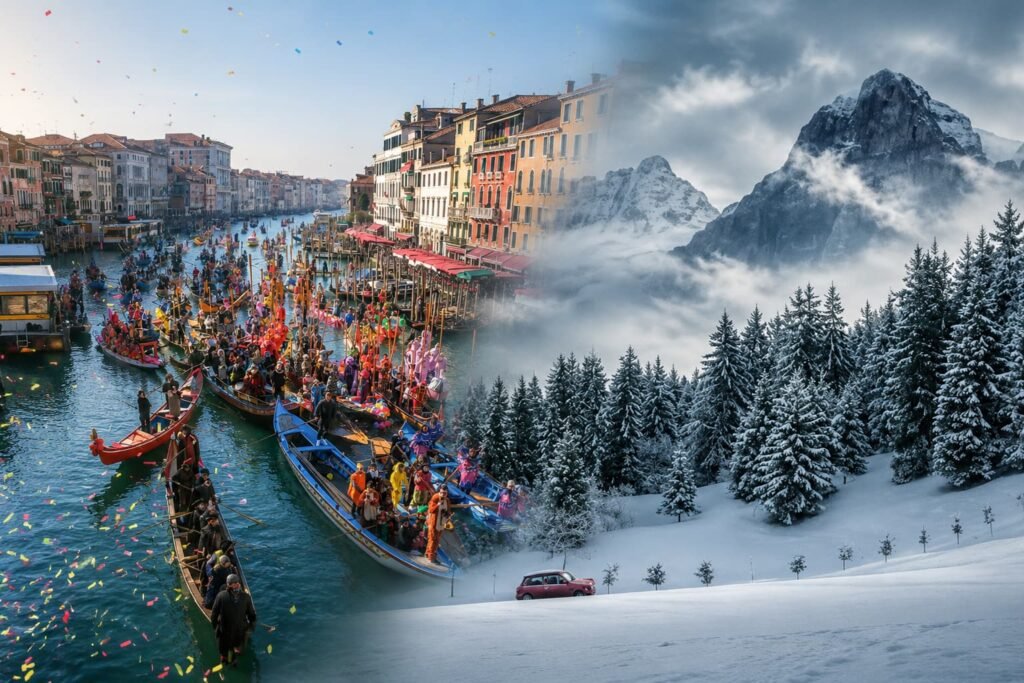
Choosing where to go in February starts with the calendar. Venice and Rio run Carnival while Sapporo buries itself in snow. Sri Lanka, meanwhile, reaches its driest and warmest stretch, so the dates matter as much as the destination.
How to Choose Where to Go in February
No other winter month is built around a calendar the way February is. Deciding where to go in February means picking an event first and a week second. Venice Carnival, Rio’s Sambadrome parades and Sapporo’s Snow Festival all fall inside the same ten-day stretch. Half of this list exists because of a fixed date rather than a season. Meanwhile, the other half of February has nothing to do with festivals. It is about timing the season correctly. Think Lapland’s snow, Sri Lanka’s dry coast or Paris outside the Valentine’s weekend rush.
That split is the organizing idea behind this list. Six picks below revolve around a fixed event with a real date. Four more are about timing a season correctly — catching the Alps at their deepest snow cover, or Andalusia right as its almond trees bloom. The last two are about avoiding a crowd rather than chasing one. Every entry notes the dates worth checking for the year you’re actually booking, and an honest note on the catch, because a festival that fills every hotel room in the city is not automatically worth planning a trip around. If you’ve already weighed up where to go in January, this is the natural next page to check before booking February.
01 — Where to Go in February: The Short Answer
If a scan of the month is all the planning time allows, this table covers the dates and the trade-off for each of the twelve places on this list. Pay closest attention to the dates and the catch. Several events move by a week or more from one year to the next. Every pick also costs something, whether that means money, crowds or a narrow travel window.
The 12 February Destinations at a Glance
| Rank | Place | February reason | Typical dates | Type | The catch |
|---|---|---|---|---|---|
| 1 | Venice, Italy | Carnival | 30 Jan–9 Feb | Event | Every hotel in the city raises its price for the same ten days |
| 2 | Rio de Janeiro, Brazil | Carnival parades | 5–13 Feb | Event | Expensive, crowded, and a city that needs real safety precautions |
| 3 | Sapporo, Japan | Snow Festival | 4–11 Feb | Event | Hotels fill early, and it overlaps with Lunar New Year |
| 4 | Menton & the Riviera, France | Lemon Festival | 13–28 Feb | Event | Gentle rather than spectacular, and the sea is too cold to swim |
| 5 | Vienna, Austria | Ball season | Peaks early Feb | Event | The Opera Ball itself is nearly impossible to get into |
| 6 | Reykjavik, Iceland | Winter Lights Festival | Early Feb | Event | Free and small — a good add-on, not a reason to fly alone |
| 7 | Lapland, Finland & Sweden | Deepest snow, more daylight | All month | Snow | Still only 6–10 hours of daylight depending on the week |
| 8 | The Alps | Peak snow cover | All month | Snow | School holiday weeks double the price and the crowd |
| 9 | Sri Lanka, south & west coast | Peak dry season | All month | Warmth | Peak-season prices, and the east coast is still wet |
| 10 | Costa Rica | Height of the dry season | All month | Warmth | Peak prices and lodges booked out well ahead |
| 11 | Andalusia, Spain | Almond blossom, low season | Variable | City break | The bloom’s timing shifts year to year, and it is not beach weather |
| 12 | Paris, France | Quiet month except one weekend | Valentine’s 14 Feb | City break | The Valentine’s weekend itself is crowded and overpriced |
02 — For the Festivals
These six cities have one thing in common: a fixed date decides when to go, not a season. Book the week, not the month, and check that year’s actual dates before anything else — a trip planned for “February in Venice” without the current Carnival dates in hand is a trip planned for the wrong week.
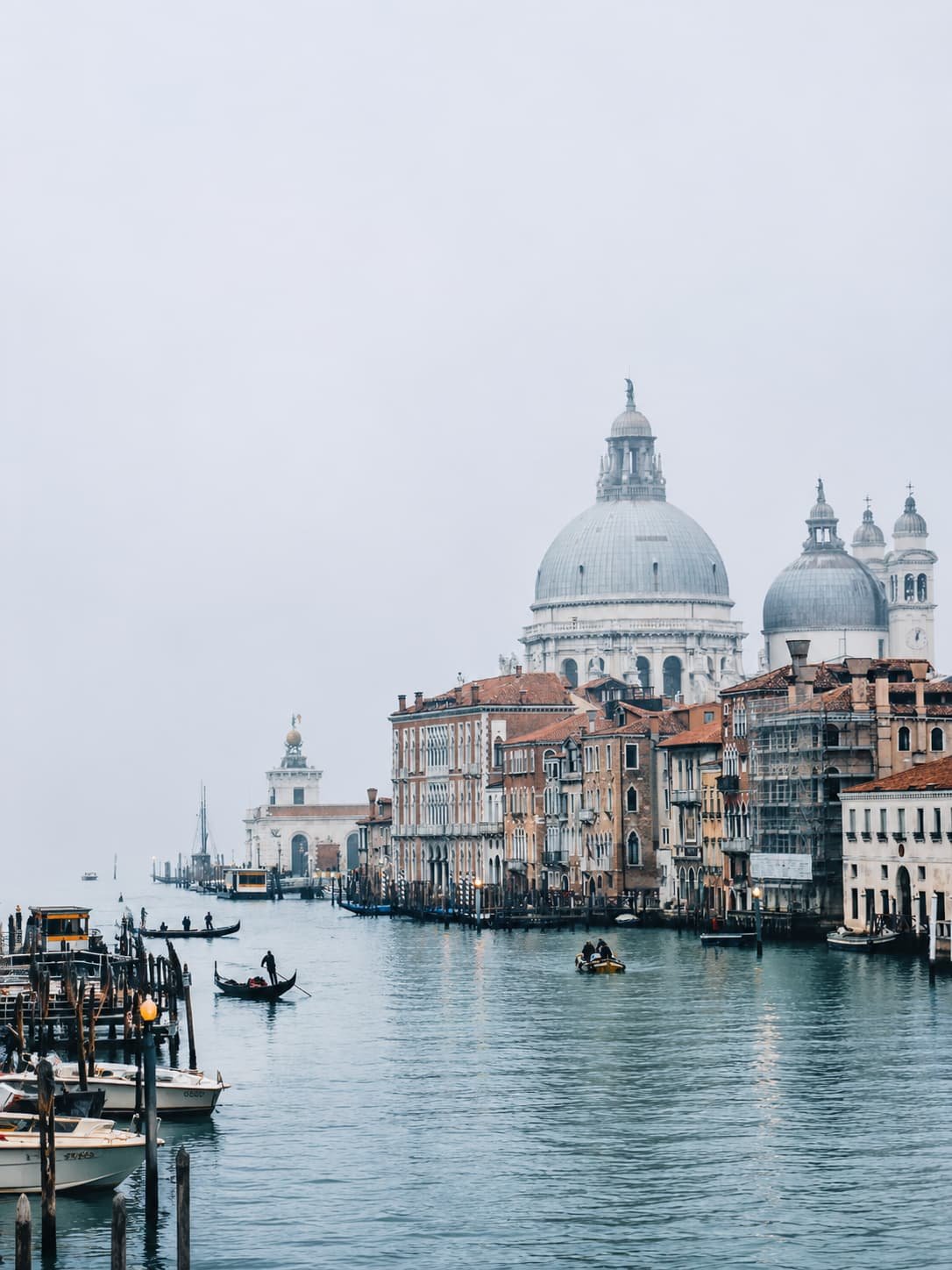
Venice, Italy — Carnival
Venice’s Carnival runs for roughly two weeks before Shrove Tuesday, which usually lands in the second week of February but shifts with Easter’s date each year, and the festival typically starts well back into late January — well ahead of the calendar month it is best known for. The masks and the costumed photo opportunities around Piazza San Marco are what most people picture, and they are real, but the city behind them is also one of the most crowded versions of Venice all year. Consequently, the honest advice is to come midweek, between the festival’s two main weekends, when the crowds thin out without the atmosphere disappearing. Dinner shows and the formal masked balls run from late January through the festival’s final week and need booking well in advance — official dinners start around €650.
Hotel prices during Carnival run at two to four times their normal rate, so a few extra nights outside the event itself, in nearby Padua or Treviso, can cut the bill considerably while keeping Venice itself a half-hour train ride away. For the full programme and confirmed dates, see the official Carnevale di Venezia site, and our own Venice Carnival guide breaks down costs and the best days to go.
Rio de Janeiro, Brazil — Carnival
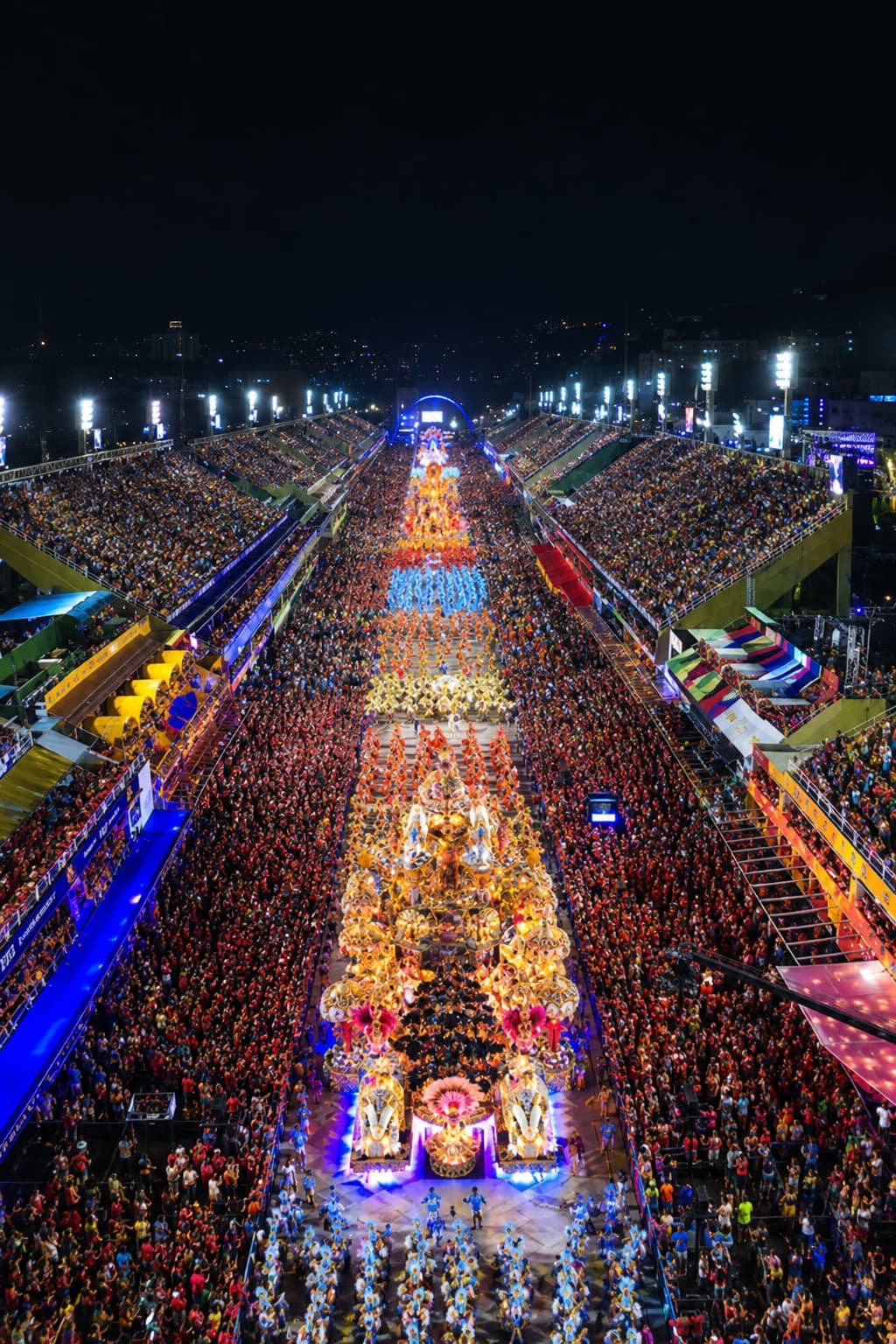
Rio’s Carnival season runs for about a week, timed to the same shifting Easter calendar as Venice, but the nights that matter are the Special Group parades at the Sambadrome, which fall on the Sunday and Monday right before Shrove Tuesday, with the Champions’ Parade following a few days later. Those three nights decide the samba schools’ annual title and are the reason most visitors fly in at all. Sambadrome grandstand seats start around 250 reais (roughly US$50) a night, while a six-person box runs into the thousands, and prices only climb as the dates approach. Beyond the Sambadrome, the free street parties — the blocos — are where most of the actual Carnival atmosphere happens, and they cost nothing to join.
That said, Rio Carnival is also genuinely expensive by Brazilian standards, heavily touristed in its hotel zones, and a city where the usual big-city safety precautions matter more than usual during the festival’s busiest nights. Treat it as a dedicated trip built around the event, not something to tack onto a wider Brazil itinerary at the last minute. Rio Carnival’s history and format explain why the Sambadrome parades carry so much weight beyond the street party.
Sapporo, Japan — Snow Festival
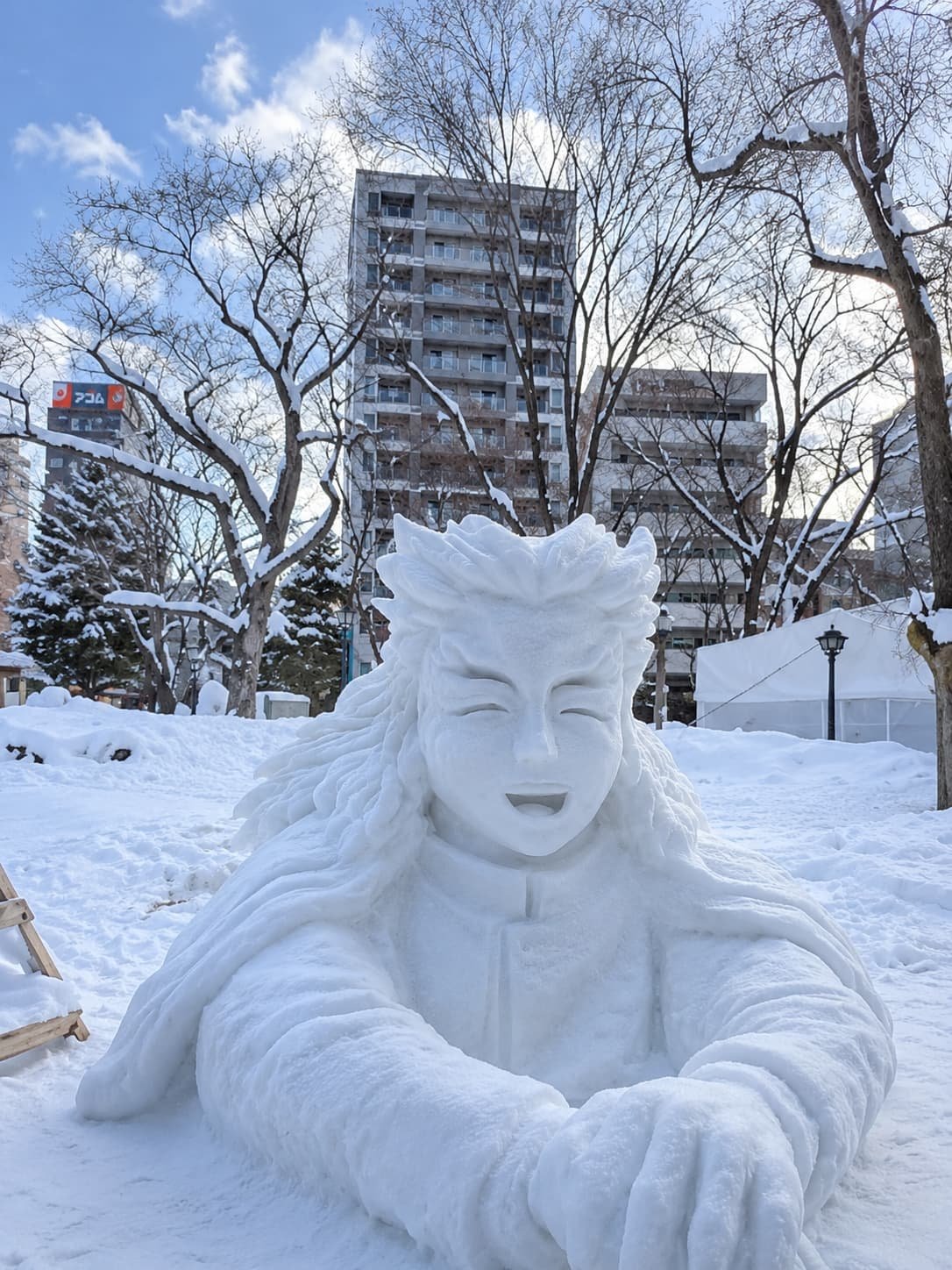
Sapporo’s Snow Festival runs for about a week in early February across three sites — Odori Park, Susukino, and the Tsudome dome — with Odori’s large carved snow sculptures the main draw and Susukino’s ice sculptures a close second. The festival is free, which is unusual for an event this size, and it draws visitors from across Japan and Korea in equal measure. Unfortunately, that popularity is exactly the catch: hotel rooms in central Sapporo book out months ahead, and in some years the festival overlaps with Lunar New Year, which pushes demand and flight prices up further for whichever weekend the two coincide. Otaru’s Snow Light Path, a short train ride away, runs 6–13 February and makes a quieter evening add-on once the main festival’s crowds get old.
Dress for genuine cold — Hokkaido in early February sits well below freezing even during daylight hours, and compacted snow underfoot calls for proper winter boots rather than ordinary trainers. Official site details and exact dates are confirmed each year on the Hokkaido tourism board’s festival page, and if Sapporo has you thinking beyond one festival, our Japan in Winter guide ranks 12 more places worth the cold.
Menton & the French Riviera — Lemon Festival
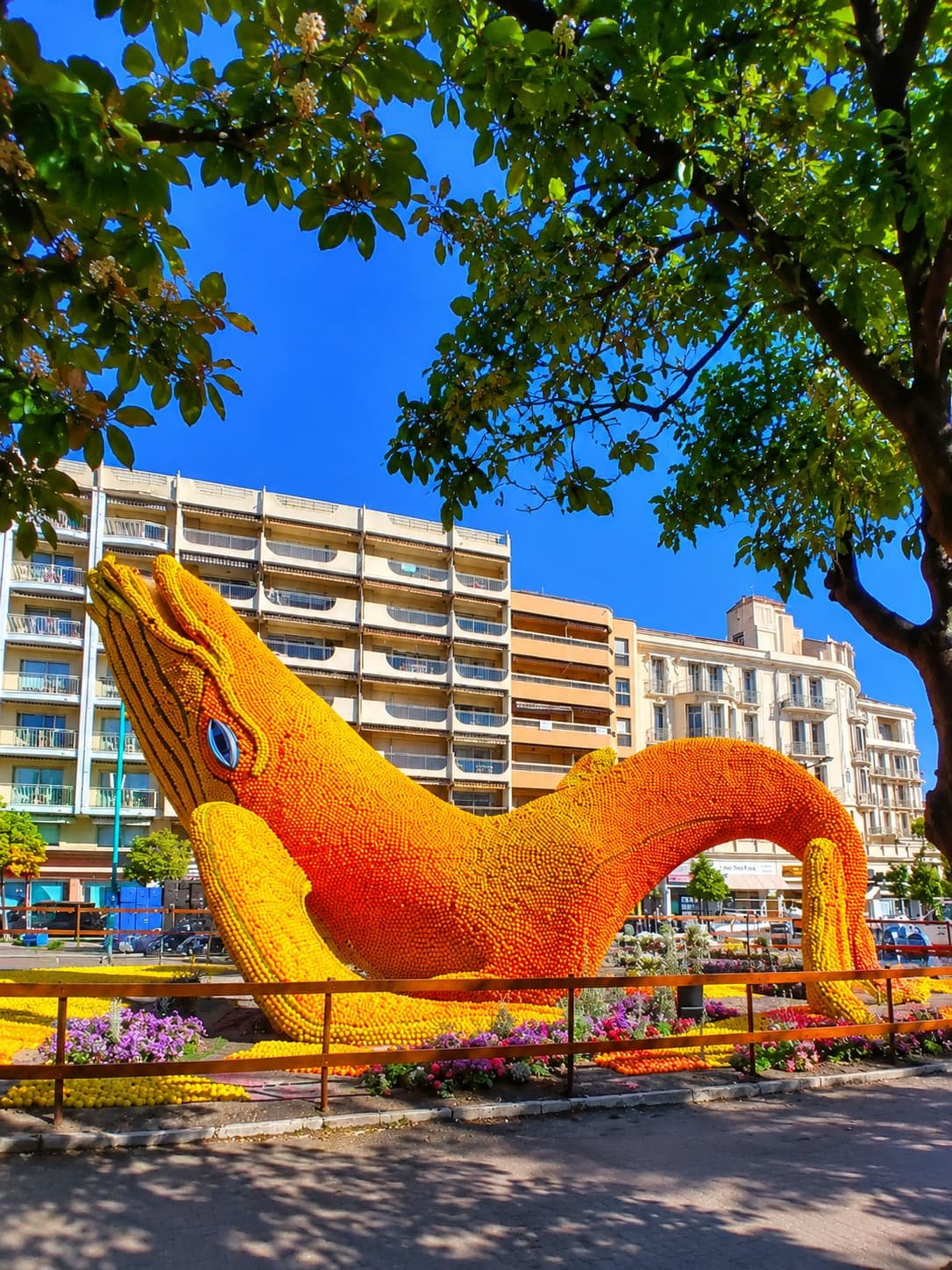
Menton’s Lemon Festival runs for about two weeks in the second half of February, with Golden Fruit parades on its Sundays and night parades on the Thursdays in between. The festival’s citrus sculptures along the Jardins Bioves and the seafront corso are the point — entire floats built from lemons and oranges — and the mood is closer to a town fair than a major event, which some visitors will prefer and others will find underwhelming after Venice or Rio. Nice runs its own Carnival across a similar window, with its Battle of the Flowers and illuminated night parades drawing a bigger, louder crowd thirty minutes down the coast.
Riviera February weather stays mild for the season, but the Mediterranean itself is too cold to swim, so this is a walking-and-eating trip rather than a beach one. The official Fête du Citron site publishes the parade calendar and ticketing dates as soon as they’re confirmed.
Vienna, Austria — Ball Season
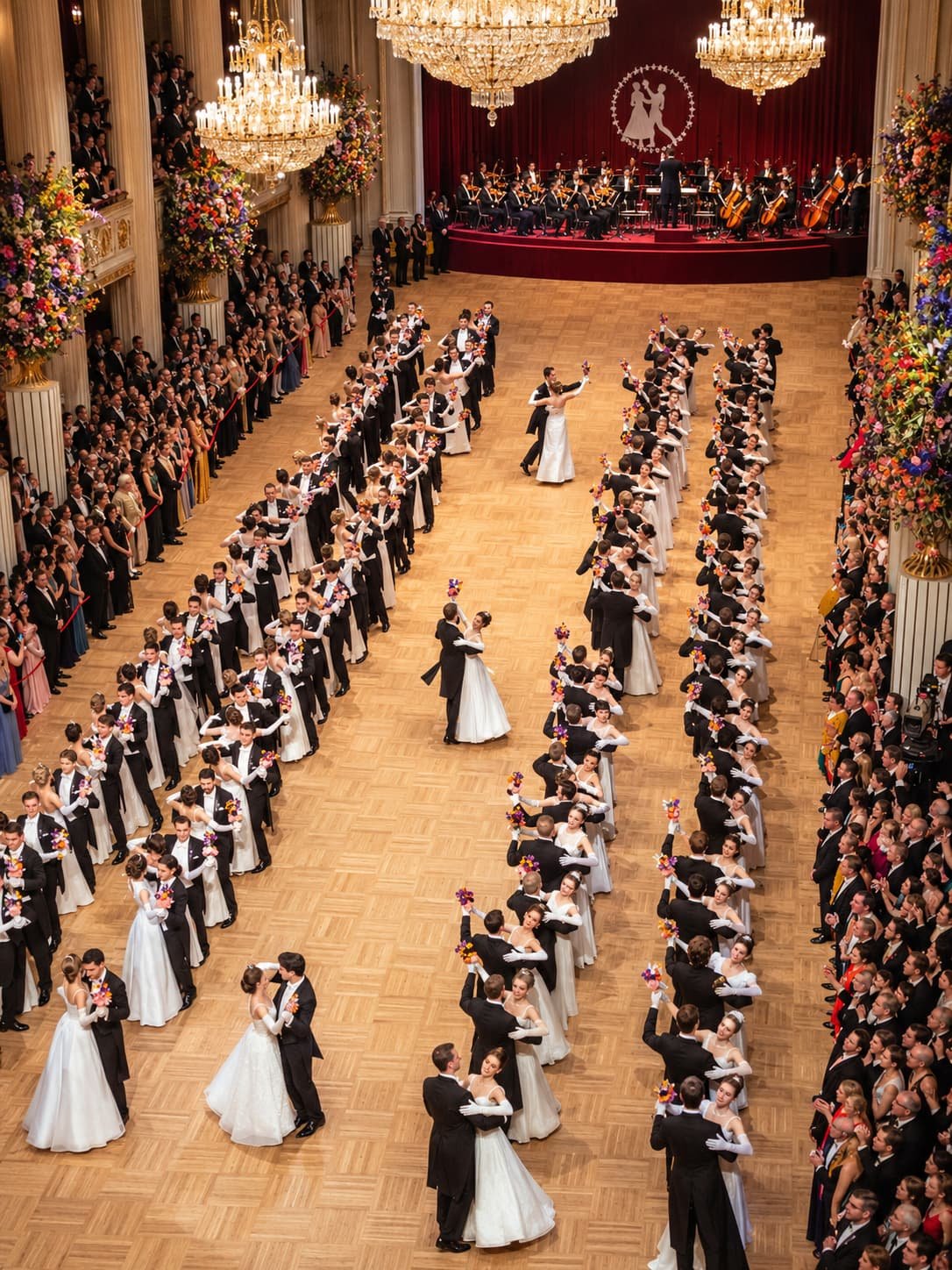
Vienna’s ball season runs from November through the final week before Lent, and February is when it peaks, with the Vienna Philharmonic Ball and the Vienna Ball of Sciences in late January giving way to the season’s centerpiece, the Vienna Opera Ball, on a Thursday in early February. The Opera Ball itself is the one almost nobody manages to attend — tickets are allocated through a lottery months ahead and prices run into the hundreds of euros even for standing room, as the Vienna State Opera’s own Opera Ball page makes clear.
For ordinary visitors, though, dozens of smaller balls run through the same weeks and sell tickets directly to the public, from the Coffee Brewers’ Ball to university and guild events, and they offer the same orchestras, the same white-tie etiquette, and a fraction of the price. Even without a ticket to any ball, the city itself leans into the season — see our two days in Vienna guide for how to spend a short visit built around it. Travelers continuing on from Vienna can time a stop in Budapest around its thermal baths, which our Budapest thermal baths guide ranks one by one.
Reykjavik, Iceland — Winter Lights Festival
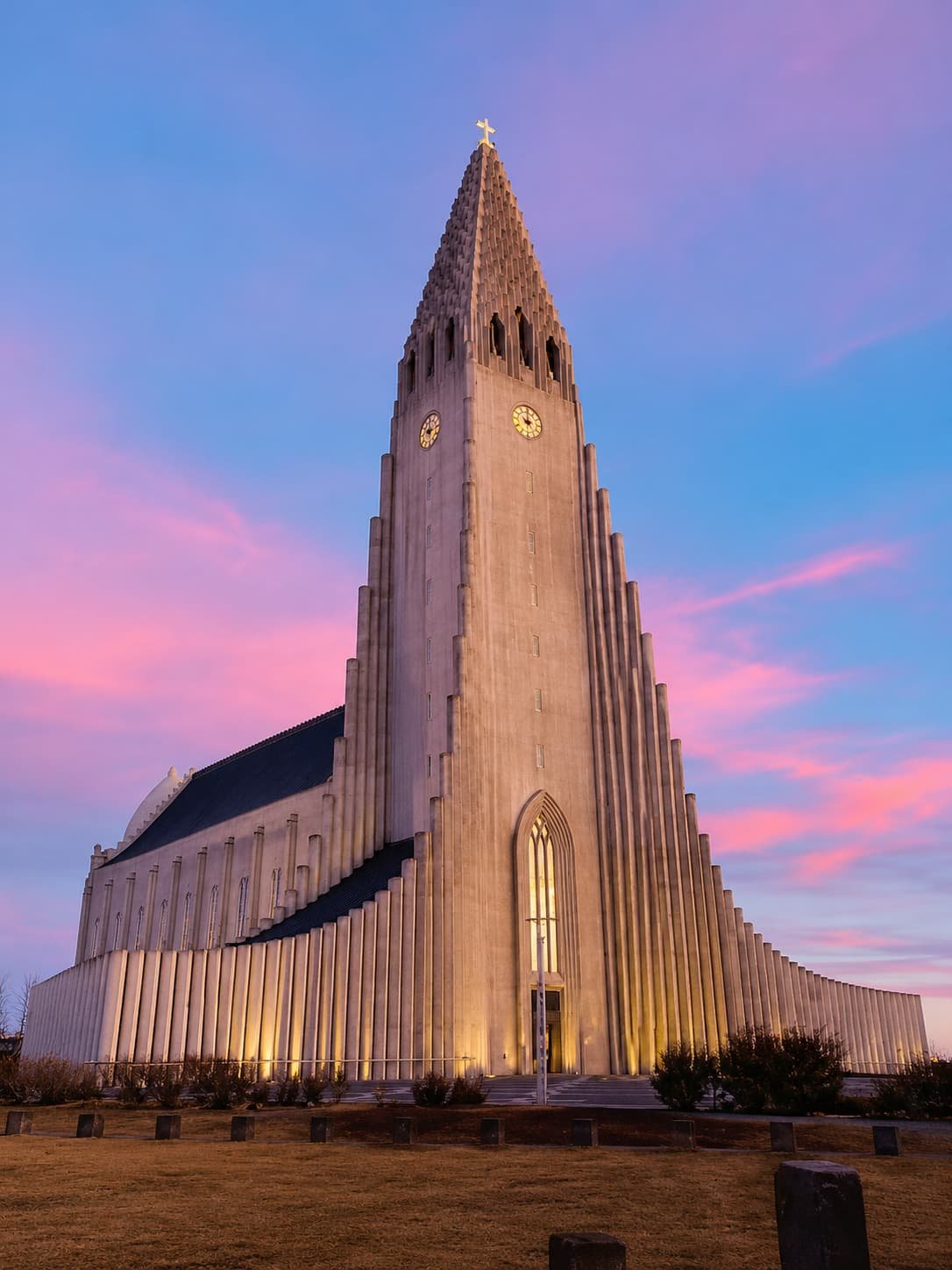
Reykjavik’s Winter Lights Festival runs for a long weekend in early February across all six municipalities of the capital area, and every event in it is free. Light installations line a walking route from Hallgrímskirkja to City Hall, museums stay open late for Museum Night, and a 5-kilometre Northern Lights Run closes out the weekend on the Saturday night, as detailed on the City of Reykjavik’s official festival page. By early February, Reykjavik has gained back a meaningful amount of daylight compared to the darkest weeks of December, which makes it a far more comfortable city to explore on foot than it is in midwinter.
On the other hand, the festival itself is modest in scale next to Venice or Sapporo, and it works best as a reason to time a wider Iceland trip rather than a destination on its own — our Iceland in Winter guide and Iceland ring road guide cover the rest of the country for anyone extending the trip.
03 — Where to Go in February for Snow and Light
Neither of these picks depends on an event. Both depend on getting the season right, and February turns out to beat December for exactly the reason most people assume December would win: daylight.
Lapland, Finland & Sweden
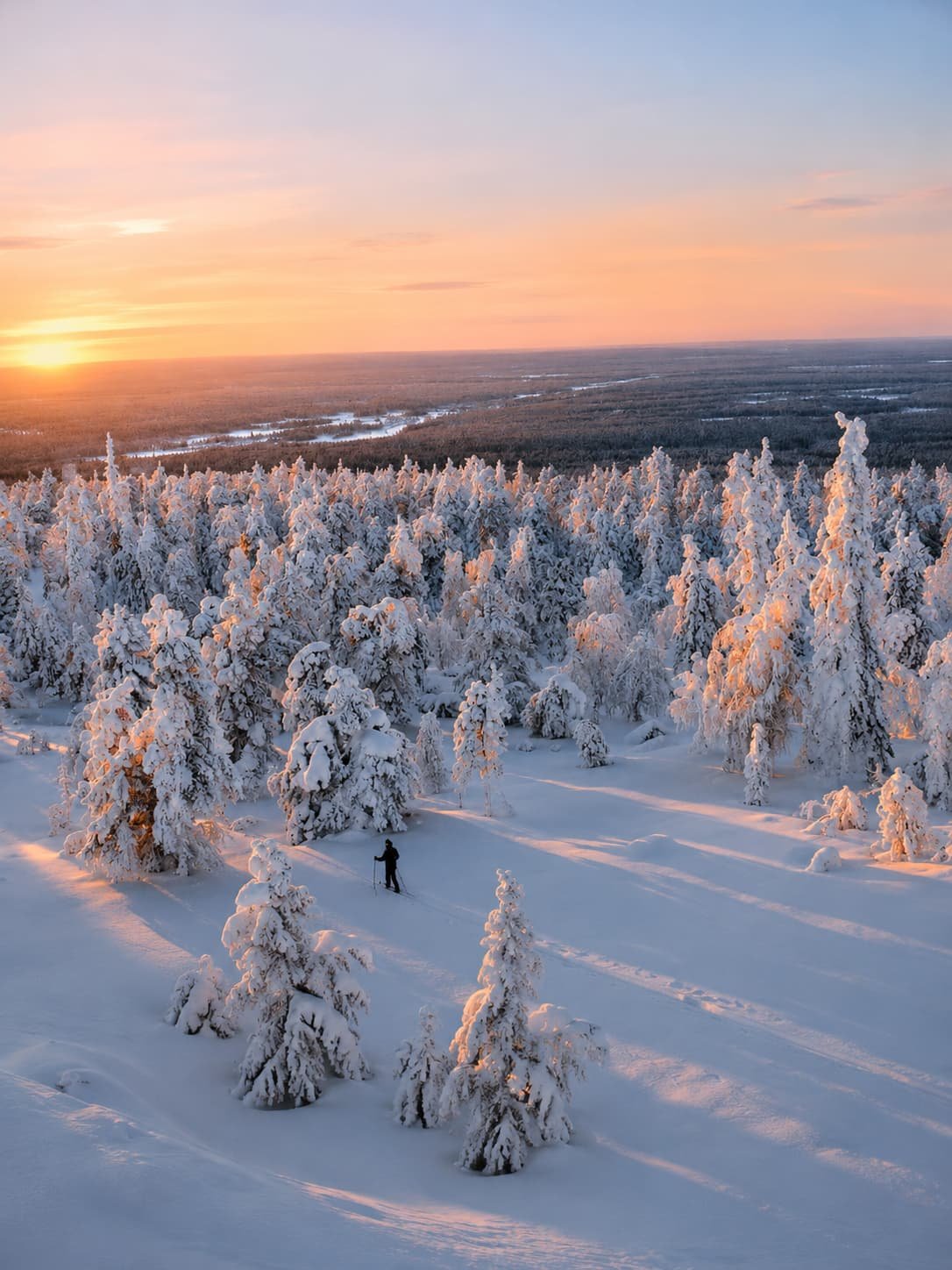
February is the strongest month of winter in Lapland, and the reason is daylight rather than temperature. Early in the month, Rovaniemi gets around six to six and a half hours of daylight; by the end of February, that climbs past nine hours, compared to barely over five hours in December. Snow cover is at its deepest, the aurora season is still fully active, and the cold itself, while real — daytime temperatures commonly sit between -10°C and -25°C — is milder on average than January’s.
In other words, this is the month that gives a genuine mix of usable daylight hours for dog-sledding or snowshoeing and properly dark nights for aurora viewing, which December, with barely any daylight at all, cannot offer. For where to actually stay, our guide to Lapland’s lodges and towns covers the practical side, and our Northern Lights in Europe ranking compares Lapland’s odds against the rest of the continent’s.
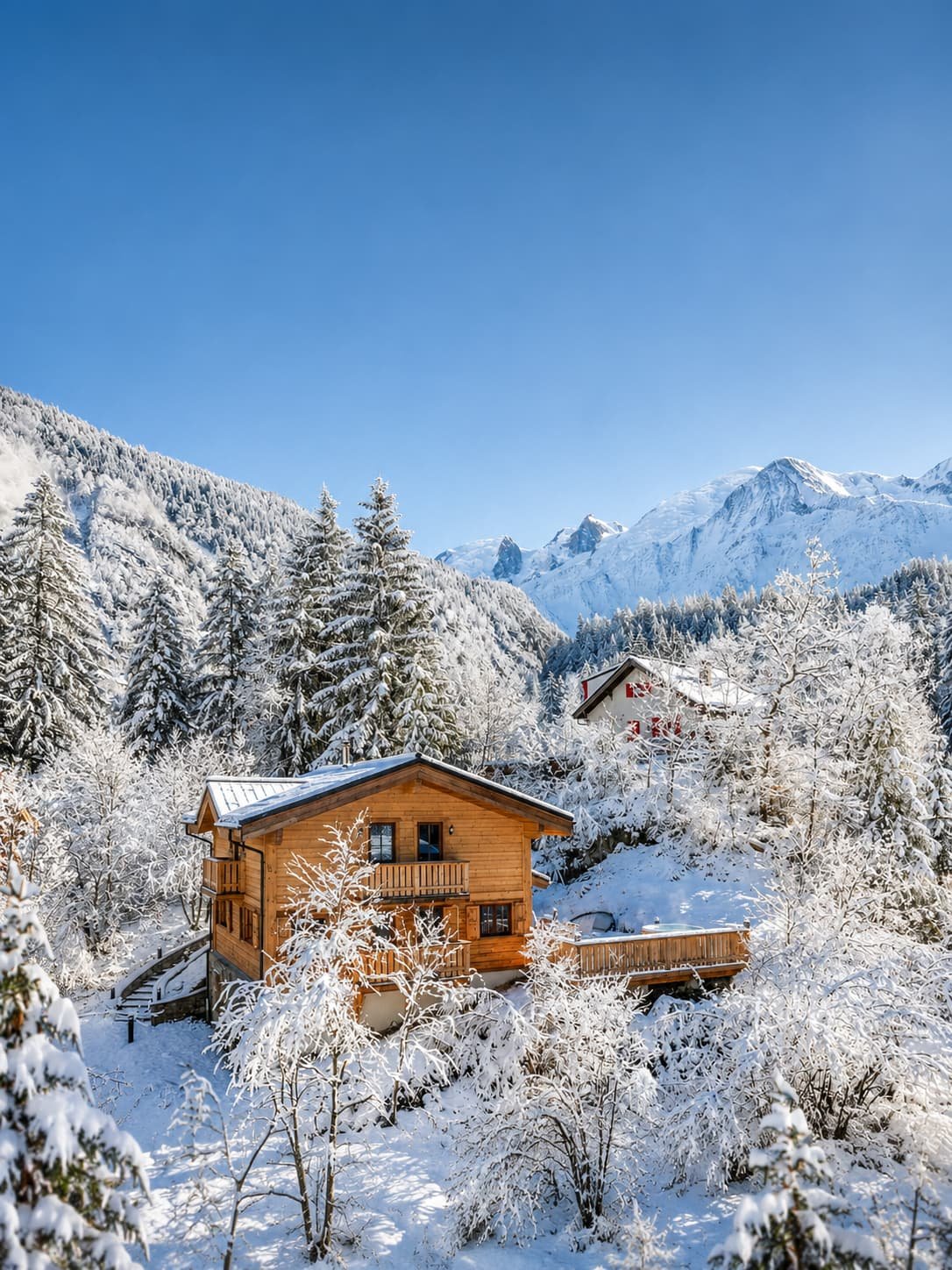
The Alps
February is usually the month with the deepest, most reliable snow cover across the Alps, after a full winter of accumulation and before the spring melt begins to eat into lower-altitude runs. Snow quality tends to beat December, when resorts are often still building up their base, and the days are noticeably longer than in January. However, this is also exactly when European school holidays land — the UK’s February half-term, which falls mostly in the 8–19 February window depending on the local authority, plus France, Germany, and Austria’s own winter breaks — and resort prices and lift queues both roughly double during those weeks. The smart move is picking a week that sits outside the heaviest of those windows; our guide to Switzerland in winter without skiing covers the Alps for anyone who wants the scenery and the snow without the lift lines at all.
04 — For Warmth
Both of these destinations sit at the exact middle of their dry season in February, which means reliable sun and almost no rain. Neither is cheap this month, because everyone else has worked out the same thing.
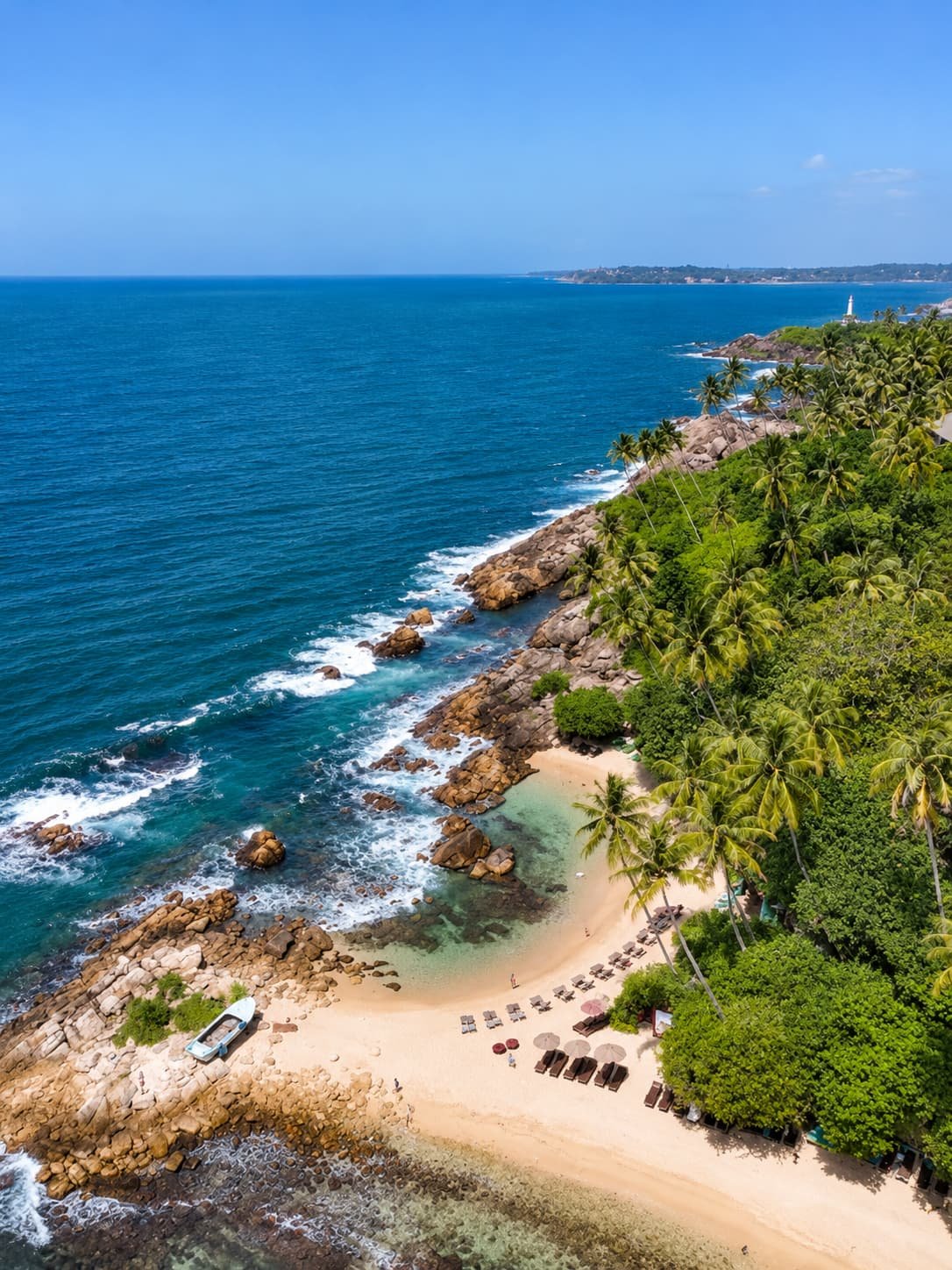
Sri Lanka — South & West Coast
February sits in the heart of the dry season on Sri Lanka’s south and west coasts, with daytime highs around 31–32°C, sea temperatures near 28–29°C, and only light, occasional rain. The hill country stays clear and noticeably cooler, which makes it a good two- or three-day add-on for anyone who wants a break from the coastal heat. The catch is timing rather than weather: this is peak season on this side of the island, so prices and crowds both run high, and the east coast is still deep in its own rainy season, so this trip only works if the itinerary stays on the south and west. Anyone weighing up the two coasts should plan around that split before booking anything.
Costa Rica
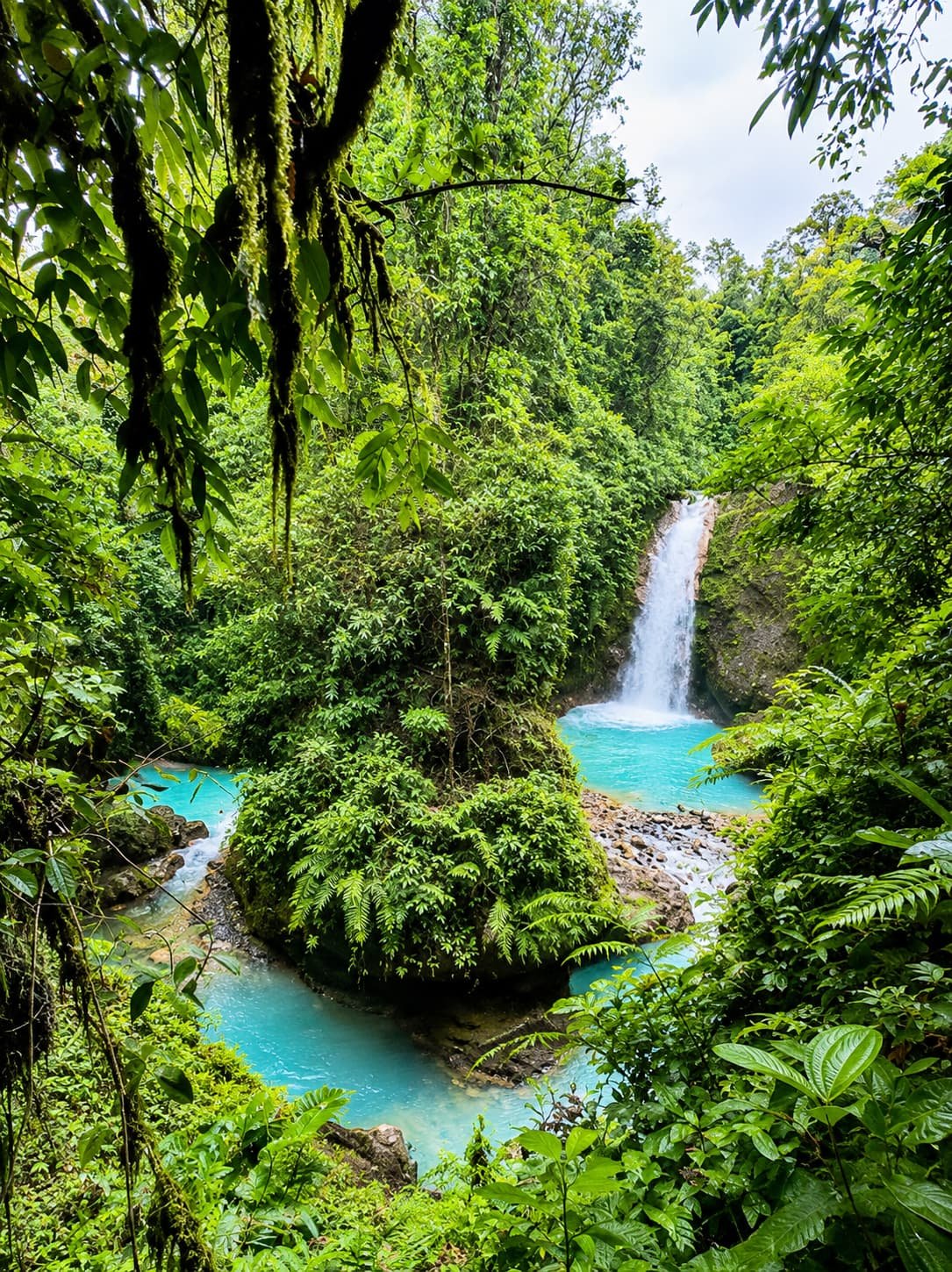
Costa Rica’s dry season runs roughly from December through April, and February sits right in the middle of it, with warm, sunny days in the high 20s to low 30s Celsius across the Pacific coast and the Central Valley, and only minimal rainfall even on the normally wetter Caribbean side. Consequently, this is one of the most dependable months of the year for beach time, hiking, and wildlife-watching alike, without the afternoon downpours that define the rest of the calendar. The trade-off is that February is also peak season here, so popular lodges and surf towns on the Pacific coast book out well ahead and prices sit at their highest point of the year. Travelers willing to plan months in advance, rather than those hoping to book a spontaneous trip, get the better end of this deal.
05 — For a City Break
These last two picks need no festival and no particular weather window — just the right week within the month.
Andalusia, Spain
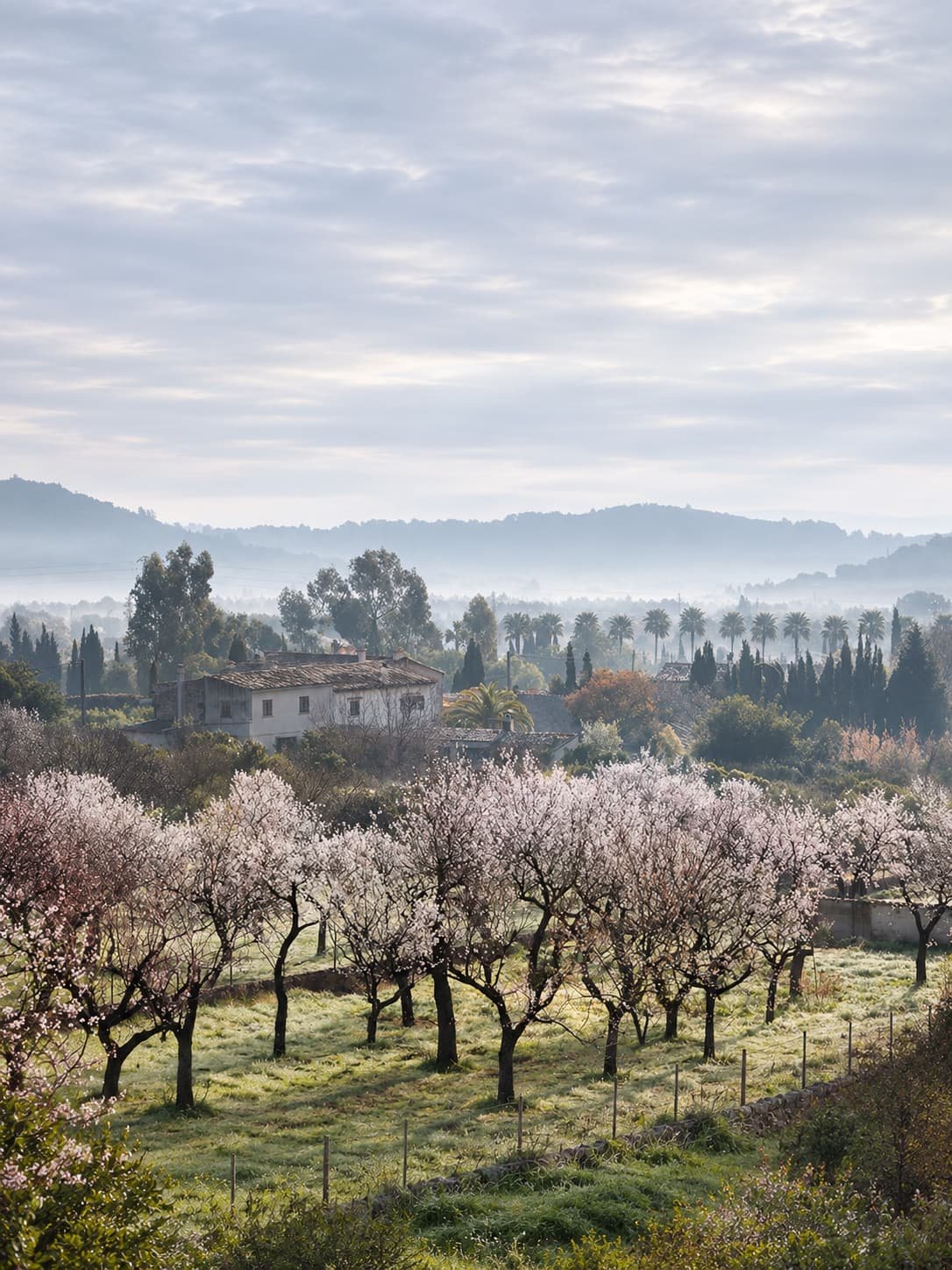
Andalusia’s almond trees typically bloom sometime in February, turning stretches of the Málaga, Granada, and Almería countryside pale pink for a short window, though the exact timing moves from year to year — some years the bloom peaks in late January, others stretch into mid-February. Outside the bloom itself, this remains Andalusia’s quiet season: daytime temperatures average around 17°C across the region, mild rather than warm, and the usual summer crowds in Seville, Córdoba, and Granada are gone entirely. That quiet is the appeal and also the limit — this is not beach weather, and the blossom itself can’t be scheduled with any precision, so it works best as a bonus rather than the entire reason for the trip. Our guides to the must-visit cities in Andalusia and Seville cover the region the rest of the year as well.
Paris, France
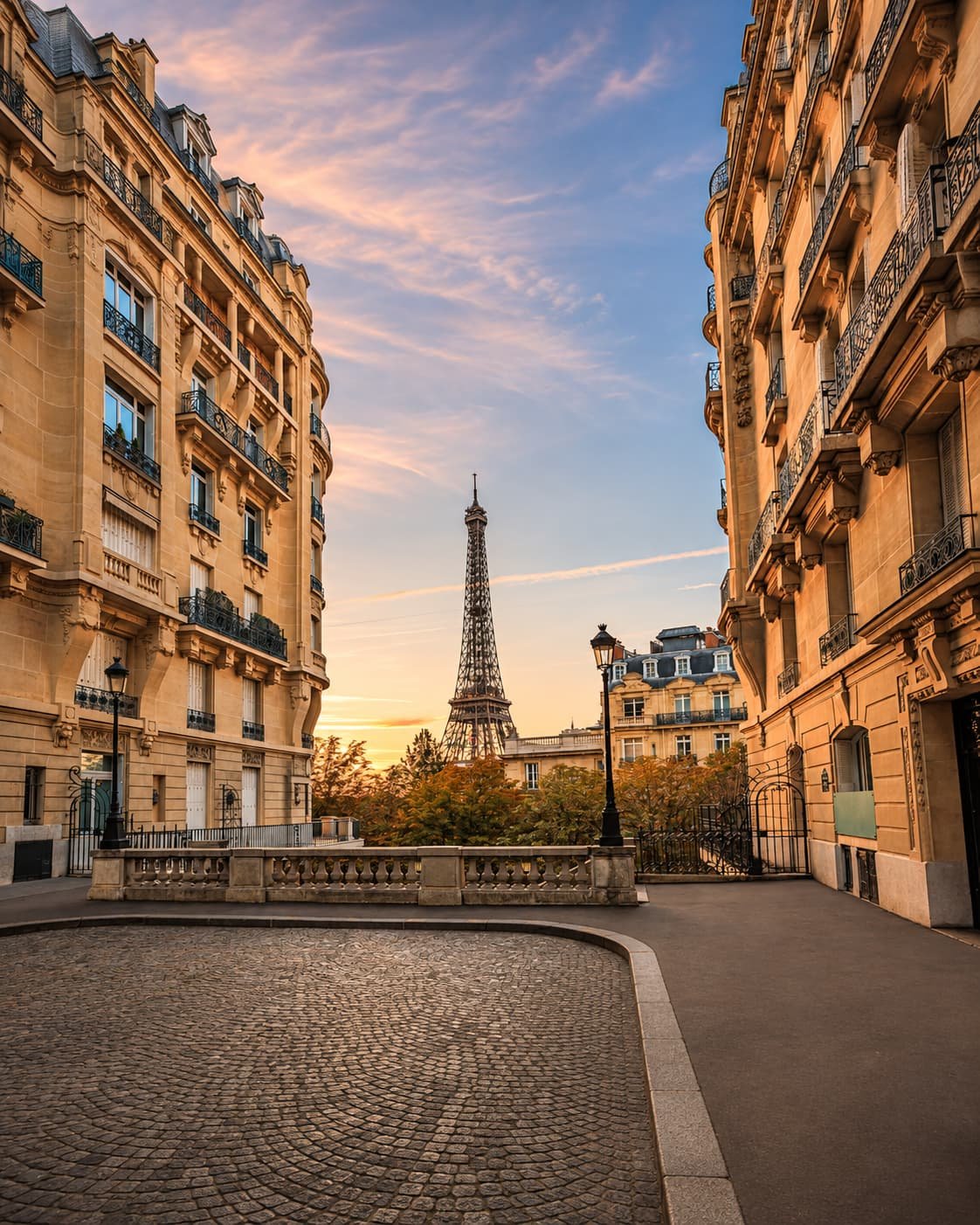
Valentine’s Day falls on 14 February every year, and whichever weekend it lands on absorbs the city’s entire romantic-rush. Outside that one weekend, February is genuinely one of Paris’s quietest stretches: hotel prices sit at their lowest point of the year, museum lines are short, and the city empties out noticeably once the February school holidays send Parisian families elsewhere. Average daytime temperatures hover around 7–8°C with a real chance of rain on any given day, so this is a coat-and-café trip rather than a park-bench one. The honest advice for couples is to book the weekend before or after 14 February rather than Valentine’s weekend itself, when restaurant prices spike and tables need booking weeks ahead — our guides to the best time to visit Paris and couples trip ideas both cover the timing in more depth.
06 — Where Not to Go in February: The Weeks to Avoid
A handful of overlapping dates decide which week actually costs the least to travel in February, and they are worth checking against each other before booking anything.
| UK half-term | Falls in mid-February most years, in one of two one-week windows depending on the local authority, and pushes up prices across the Alps and in European cities popular with British families. |
| French, German & Austrian winter breaks | Staggered across the month by region, with the heaviest overlap in the second and third weeks of February — the same weeks the Alps get busiest. |
| Presidents’ Day weekend (US) | The third Monday of February — a three-day weekend that raises demand on flights and hotels across Europe and the Caribbean alike. |
| Carnival’s final weekends | Both Venice and Rio see their steepest price spikes and thickest crowds in the days immediately before their closing parades. |
| Lunar New Year | Falls on a different date each year, usually late January to mid-February — check against Sapporo’s festival dates, since the two sometimes overlap. |
Taken together, these dates point toward one clear answer: the first week of February, before any of them land, is the best-value week to travel almost anywhere on this list, with Rio’s Carnival the one fixed exception.
07 — What About the Middle East?
Dubai, Oman, Jordan, and Egypt are standard answers to “where is warm in February,” and in a typical year they would belong on this list. For now, though, current government travel advisories for parts of the region warrant extra caution, so none of them appear here as a straightforward pick this cycle. Anyone planning a trip to the region should check their government’s current advisory immediately before booking, since conditions can shift with little warning.
08 — What to Pack
February’s range, from Sapporo’s sub-zero snow to Sri Lanka’s 31°C coastline, means nothing on this list packs the same way twice. For the European and Lapland entries specifically, our honest two-week Europe packing list covers the layering approach that works across everything from a Vienna ball to an Alpine snowshoe.
09 — Where to Go in February FAQ
Snow, Valentine’s Day, Costs and Northern Lights
Every other winter month asks where to go. February asks when, down to the week, and that is the harder question to get right.
Pick the event first, and the rest of the trip tends to follow on its own.