
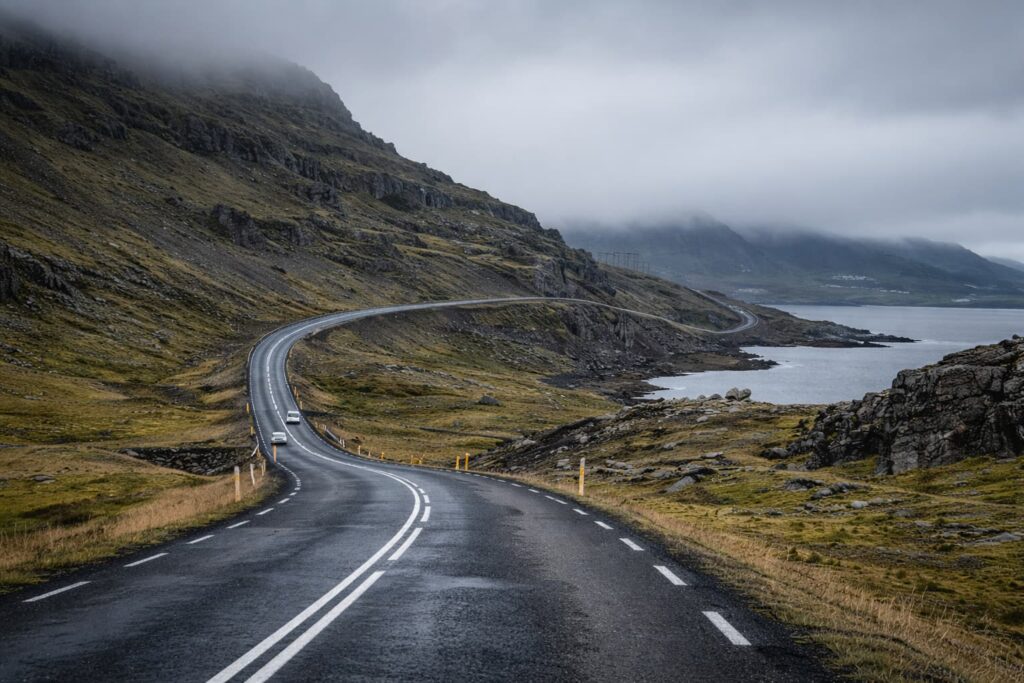
Before You Drive Iceland’s Ring Road — Read This First
A calm, practical guide to planning Iceland’s Ring Road — how many days you need, what the drive is actually like, what to budget for, when to go, and the details that matter more than most planning guides admit.
The Iceland Ring Road is one of those trips people often start planning months before they go. Not because the route is especially difficult to understand, but because Iceland compresses so much into one drive: weather, distance, light, cost, road conditions, booking pressure, and the persistent feeling that if you do it badly, you will miss something important.
That anxiety is understandable. It is also mostly unnecessary.
The Ring Road works best when you understand what kind of trip it is. It is not just a scenic drive. It is a long, shifting route through a country that feels geologically unfinished — lava, moss, waterfalls, black sand, glacier light, and stretches of emptiness that are part of the reason people come at all. Iceland is not difficult in the usual sense. It is simply a place where logistics and landscape matter equally, and where the reward for paying attention to both is a trip that feels genuinely complete.
01 — What Is the Ring Road, Exactly?
The Ring Road, officially known as Route 1, circles the entire island and connects most of Iceland’s main regions. For travelers, it is the framework that makes a self-drive trip possible — the line you return to after each detour, the one that ensures you are moving through the country rather than just around its edges.
It is not a hidden route. Furthermore, it is not especially romantic in name. However, it is the thread that lets everything else come into view: the waterfalls on the south coast, the glacier lagoons of the southeast, the lava fields and geothermal areas of the north, and the long, empty stretches in between that many travelers find they remember most clearly.
The Ring Road is best done as a loop rather than a point-to-point drive. Starting and ending in Reykjavík is the most practical arrangement — and it means your final day can stay calm rather than compressing into a long transfer back to the airport.
The Ring Road is not a fixed itinerary. It is a structure. What you do along it — how fast, which detours, which stops you linger at — is entirely determined by the time you give it. That is also why the most important planning decision is not which stops to include, but how many days to take.
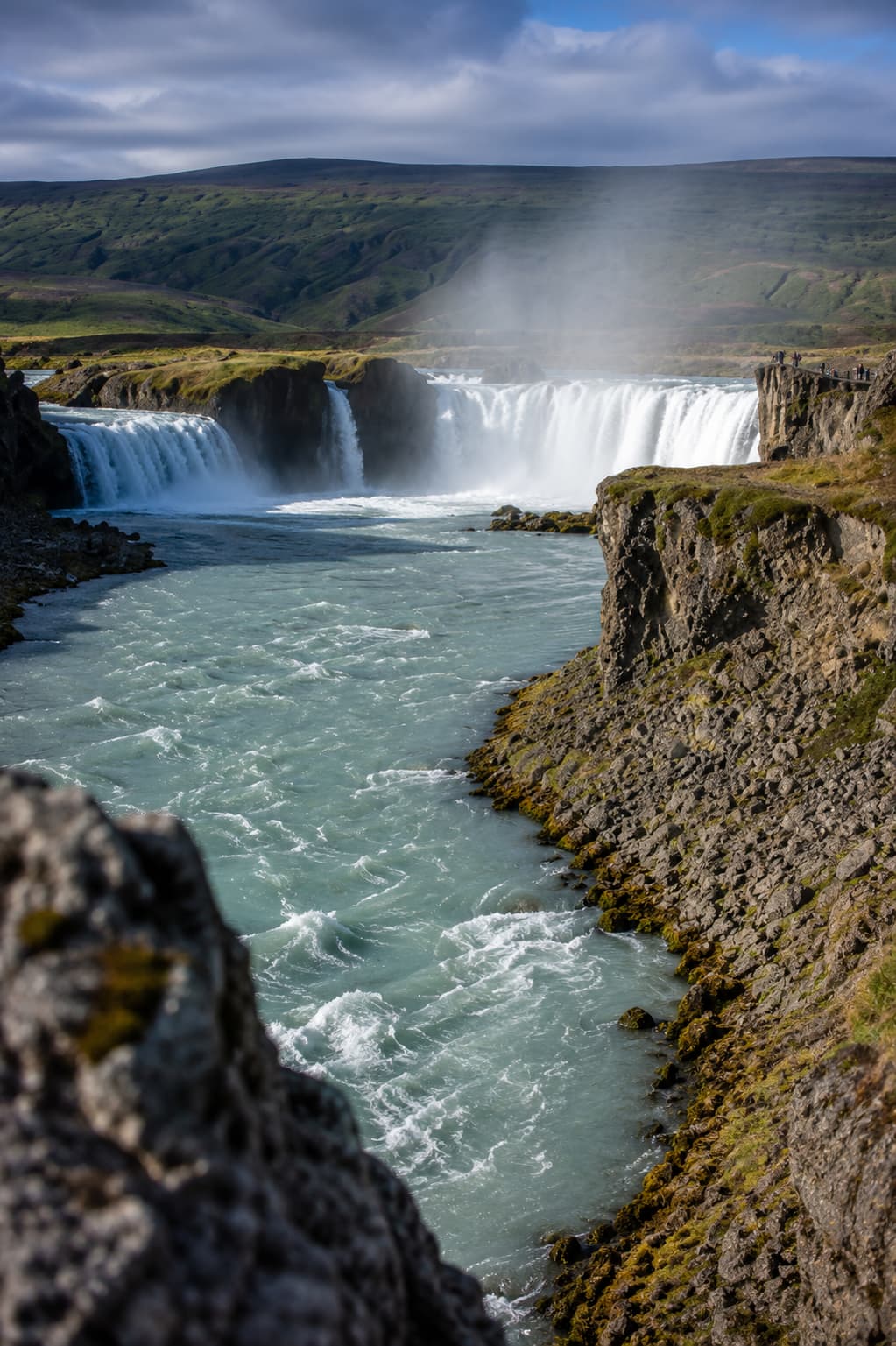
02 — How Many Days Do You Need?
This is the first real decision, and it shapes almost everything else. People often ask whether the Ring Road can be done in a week. It can. However, that is not the same as saying a week is ideal.
Iceland distances are manageable on paper, yet the country rarely behaves like a place where you want to move quickly every day. The landscape keeps stopping you. Weather adds its own logic. And the difference between a rushed week and a measured ten days is often the difference between a trip that felt like a series of targets and one that felt like a journey.
| Trip Length | What It Feels Like | Verdict |
|---|---|---|
| 6–7 days | Fast, compressed, and workable in summer with long daylight | Only if you are comfortable moving almost every single day |
| 8–10 days | Balanced and realistic for most first trips | The best planning range for the majority of travelers |
| 11–14 days | Slower, more flexible, and much less weather-sensitive | Best if you want room for detours and genuine stillness |
If you only remember one planning principle, make it this: Iceland gets better when you leave yourself some space. The itinerary that has a margin for weather, for a stop that takes longer than expected, for a morning spent not going anywhere — that itinerary almost always produces a better trip than the one that is full.
03 — When Is the Best Time to Go?
The best time depends on what version of Iceland you are actually hoping for. Each season offers something different — and the trade-offs between them are real enough to be worth thinking through honestly.
Summer (June–August)
Summer is the easiest season for a full Ring Road trip. Roads are more accessible, daylight is extremely long — in June and July, the sun barely sets — and the logistics are generally more forgiving. Additionally, the highland roads that connect to more remote areas only open fully in summer, so some destinations simply are not available outside this window.
The tradeoff is cost and company. Summer is peak season in every sense: the most expensive accommodation, the busiest car parks at the main attractions, and the highest competition for the better guesthouses. None of that is fatal. However, it is worth knowing that Iceland in July is not a quiet trip.
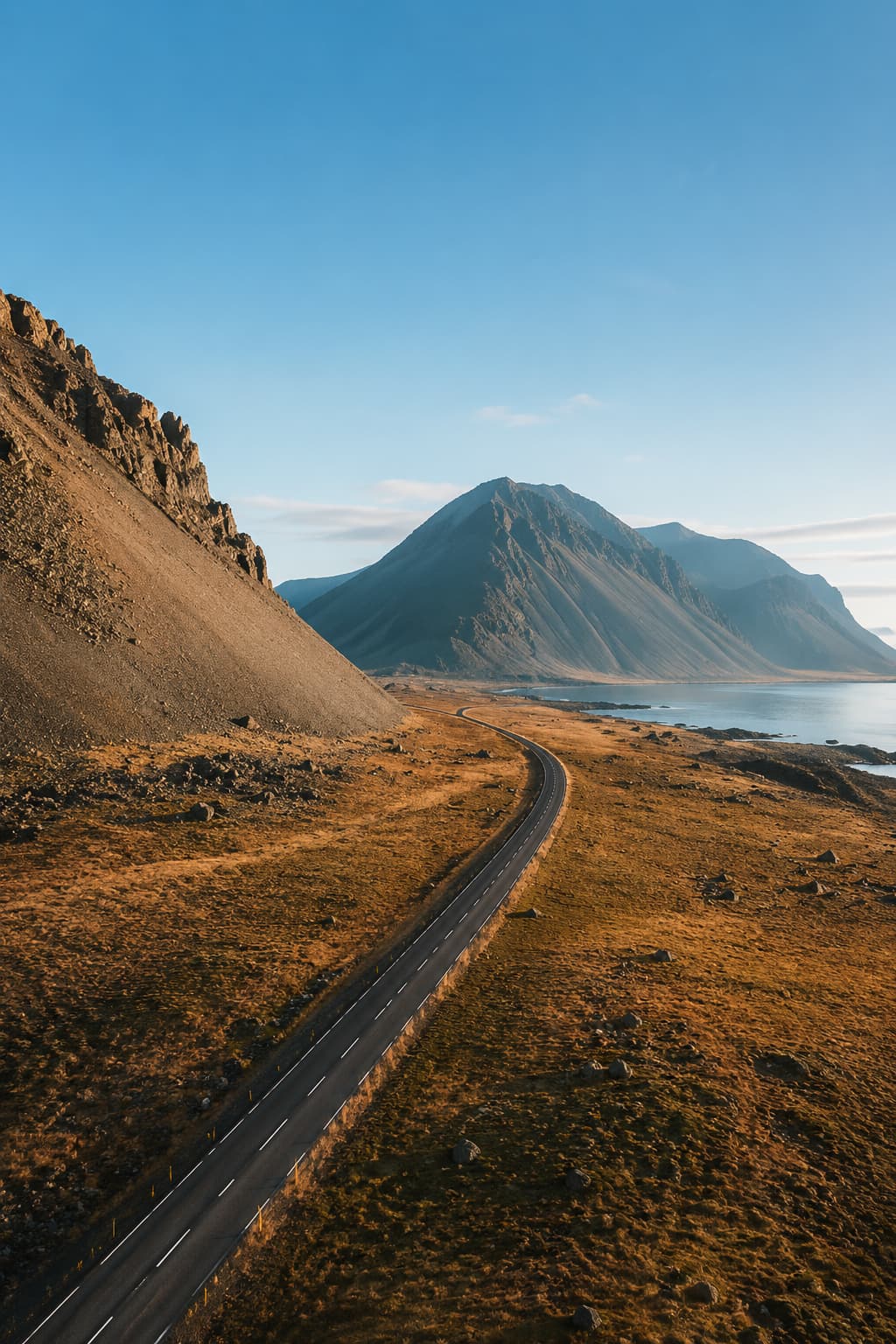
Shoulder Season (May and September)
Late spring and early autumn are genuinely good windows for travelers who want fewer people and slightly softer pacing. Prices start to come down, the main route is still accessible, and the light — particularly in September — is exceptional. In contrast to summer, you also have a realistic chance of northern lights from September onward.
The tradeoff is unpredictability. Weather becomes more influential, some guesthouses reduce hours or close for the season, and certain side roads become less reliable. Consequently, shoulder season requires more flexibility rather than less.
Winter (November–March)
Winter is not the season most first-time Ring Road travelers should choose for a full loop. The appeal is clear: northern lights, snow, and a version of Iceland that is genuinely dramatic. However, the practical reality is that winter days are short, road conditions can make sections of the eastern Ring Road genuinely difficult, and the trip requires a different kind of planning entirely.
Winter works better as a partial route — based around Reykjavík and the south coast — than as a first full Ring Road experience.
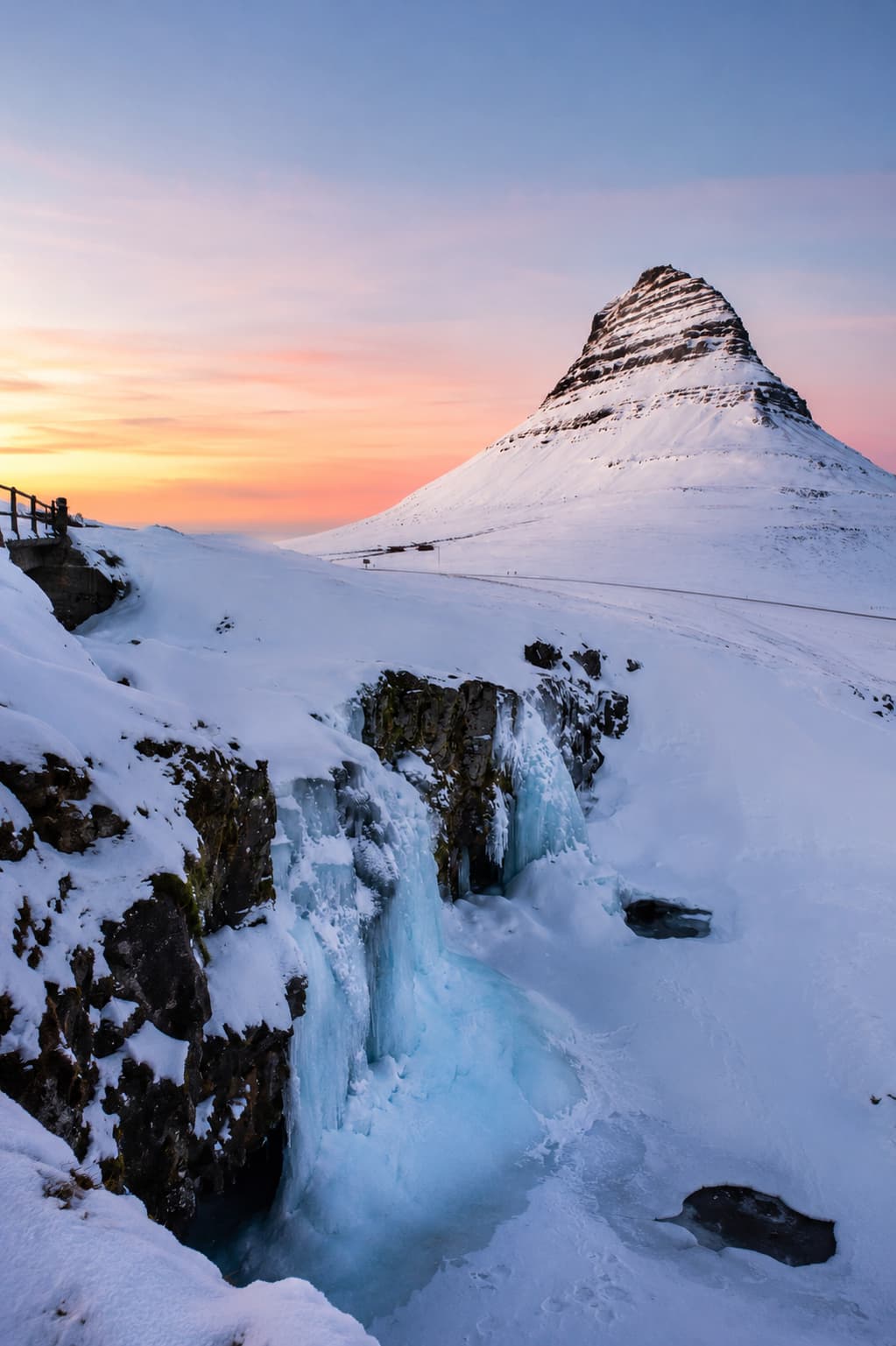
June to September is the best range for a first full Ring Road trip. May and early October are possible with more buffer built in. Winter is worth considering if you are returning and specifically want the northern lights — not as a first Ring Road itinerary.
04 — What Is Driving in Iceland Actually Like?
Driving in Iceland is usually less stressful than people imagine. The roads themselves are often simple. What matters more is the conditions around them.
For most of the Ring Road, you are not dealing with dense or aggressive traffic. Instead, you are dealing with exposure: wind, weather shifts, long distances between fuel stops in some stretches, and a landscape that can make you underestimate time because you want to stop constantly. That last point is more significant than it sounds. Iceland pulls you out of the car repeatedly, and the day that seemed perfectly paced at 9am can feel compressed by 4pm if you have not accounted for how long each stop actually takes.
Wind and Weather
Wind is often more disruptive than rain. Iceland’s wind in exposed areas is genuinely strong, and it affects how comfortable stops feel, how demanding the drive feels on certain stretches, and occasionally — on certain high-exposure roads — whether it is safe to open the car door without care. Weather changes quickly. As a result, checking the Veður app (the Icelandic Met Office forecast) each morning is a habit worth building from day one.
Check the Icelandic Met Office (Veður) each morning before you drive. Conditions change faster in Iceland than almost anywhere in Europe — what looks clear at 9am can be zero visibility by noon. The forecast is free, accurate, and the single most useful daily habit on the Ring Road.
Road Surfaces
The Ring Road itself is paved and generally in decent condition. Side roads are where surfaces become unpredictable. Some of the most interesting detours involve gravel roads marked F-roads — these require a 4×4 and are explicitly excluded from most rental car insurance agreements if driven with an unsuitable vehicle.
F-roads are highland mountain roads, open only in summer and only suitable for high-clearance 4×4 vehicles. Driving an F-road in a standard car voids your rental insurance and can cause serious damage. If the road number starts with F, check your rental agreement before you drive it.
The drive is not difficult because it is technically demanding. It is only difficult when people treat Iceland like a place where the landscape will adapt to the itinerary, rather than the other way around.
05 — What Kind of Car Do You Need?
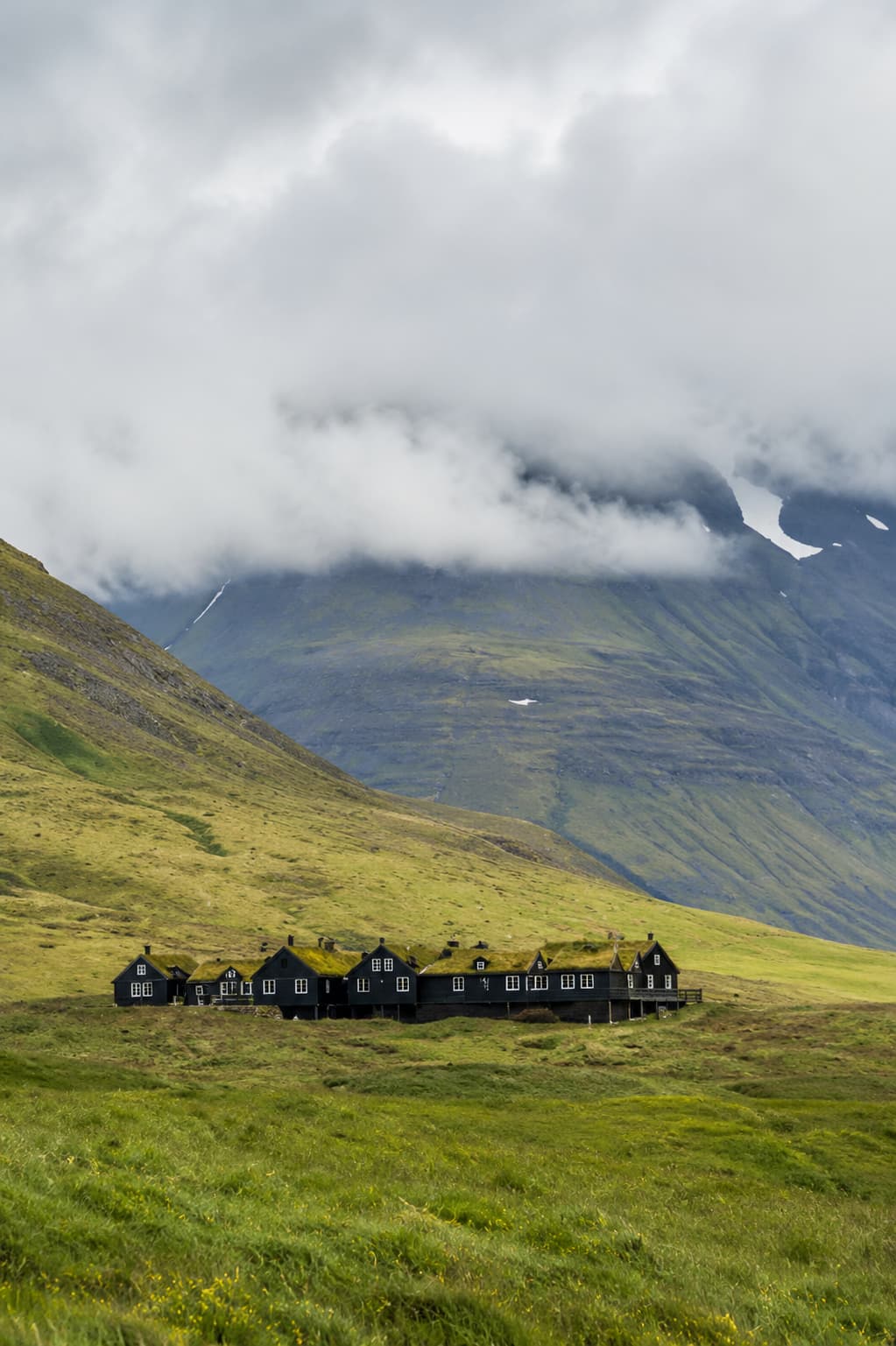
For most standard Ring Road trips in the easier seasons, you do not need anything extreme. People sometimes assume Iceland automatically requires a large 4×4, but that depends more on season and planned detours than on the Ring Road itself.
If you are staying on the paved main route and traveling in summer, a standard car is often sufficient. In contrast, if you want flexibility for gravel side roads, stronger confidence in poor weather, or more margin generally, then upgrading to a 4×4 makes sense. It is not about capability on the road — it is about how much you want to restrict your options.
| Vehicle Type | Best For | Worth Knowing |
|---|---|---|
| Standard car | Summer Ring Road, paved roads only | Fine for most first trips; cheaper to rent |
| 4×4 (small) | Gravel roads, weather confidence, shoulder season | Most practical upgrade — not extreme but more capable |
| 4×4 (large) | F-roads, winter, remote highland routes | Only necessary if your itinerary genuinely requires it |
| Campervan | Flexible pacing, cutting accommodation costs | Comfortable in summer; more demanding in shoulder season |
Book early — especially if you want an automatic gearbox, which requires more lead time than a manual. Additionally, take rental insurance seriously. The options that cover gravel damage and windshields are often worth it in Iceland specifically, where road debris and wind can affect a car in ways that would not occur elsewhere.
06 — What Should You Budget For?
Iceland is one of those destinations where people usually know it will be expensive but still get caught off guard by where the cost accumulates. It is rarely just one category. It is the combination: car rental, fuel, accommodation, food, and the fact that convenience in Iceland — eating out every meal, choosing closer or more comfortable options last-minute — costs noticeably more than planning does.
The Main Cost Categories
Rental car is typically the largest single fixed cost, followed by accommodation. Both respond well to early booking. Fuel is significant on a full loop and worth calculating before you go — filling up in Reykjavík costs less than filling up in remote stretches. Food is the most variable category: cooking your own meals, where possible, makes an enormous difference over ten days.
The biggest fixed cost. Book 3–6 months ahead for the best rates. Include insurance — gravel and windshield cover is specifically worth having in Iceland.
Significant over a full Ring Road loop. Calculate it in advance. Fill up in larger towns rather than waiting for rural stations, which charge more and are sometimes unmanned.
Rises sharply in peak months. Guesthouses on the Ring Road often book out months ahead. Camping is a legitimate and significantly cheaper option in summer.
Restaurant meals in Iceland are expensive. Self-catering or cooking at a guesthouse kitchen is one of the most effective ways to manage daily costs without compromising the trip.
Most of Iceland’s landscape is free. The paid experiences — glacier walks, boat tours, geothermal pools — vary widely in cost. Decide which ones matter most before you go rather than deciding impulsively on the road.
The simplest way to keep the trip under control is to book the major pieces early and stop pretending Iceland is a destination where last-minute spontaneity is usually cheaper. It almost never is.
07 — How Should You Break Up the Route?
The best overnight pattern is not “how much ground can I cover today?” It is “where does it make sense to stop before the day starts feeling like a transfer?”
Most good Ring Road pacing is built around that principle. You want stops that let the day feel complete — not stops that exist only because you have reached a certain number of kilometres. That usually means choosing accommodation before the drive becomes too long, staying somewhere practical rather than symbolically perfect, and accepting that a well-placed overnight stop is often worth more than squeezing in one more attraction.
Iceland consistently rewards itineraries that have some restraint in them. The best Ring Road trips usually feel slightly under-scheduled — not because they miss things, but because they leave room for the country to do what it actually does best, which is surprise you when you are not rushing past it.
In practical terms: the south coast between Reykjavík and Jökulsárlón glacier lagoon rewards at least three to four nights, not two. The east fjords are long and slow in a way that catches people off guard. The north has fewer dramatic single highlights than the south but more gradual, absorbing landscape — and it deserves time accordingly.
08 — What Should You Book Early?
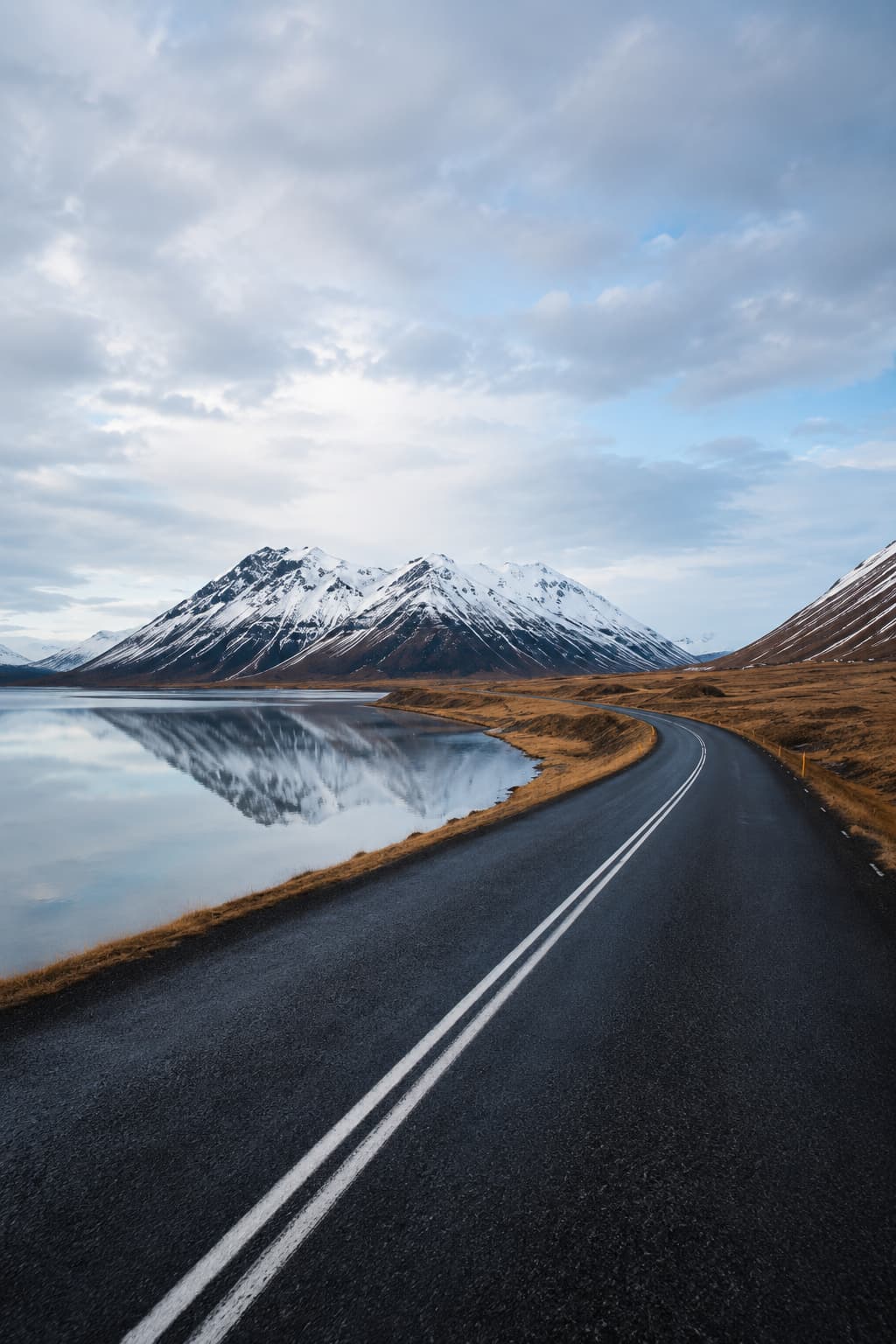
This is where Iceland’s planning window really matters. If you are traveling in the main season, the trip becomes noticeably easier — and often cheaper — when the core pieces are locked in months ahead. Not every detail, but the ones that control everything else.
- Rental car — especially if you want an automatic, a specific category, or the best rates. The earlier, the better.
- First and last night accommodation — Reykjavík options get expensive quickly in peak season.
- Main accommodation nights on the Ring Road — particularly the south coast and the Snæfellsnes Peninsula, which book out early.
- Flights — so the road trip days make sense from arrival and departure.
- Any high-demand experiences — glacier hikes, lagoon boat tours — if there is something specific you care about.
The mistake is not under-planning everything. It is under-planning the few things that then create pressure for everything else. A late car booking in July does not just mean a worse deal — it sometimes means a worse vehicle, or fewer departure options, or paying more for an automatic because the manuals were all that remained.
09 — Common Planning Mistakes
Most Iceland planning mistakes are not dramatic. They are structural — patterns of thinking that produce predictable problems, usually once you are already on the road.
The most common is trying to cover everything in too few days. Adjacent to that is building the itinerary around the iconic stops and treating the drives between them as transitions rather than part of the trip. Iceland’s in-between is often where the trip actually lives: a pull-off you did not expect, a waterfall visible from the road, a morning when the weather lifted at exactly the right moment.
Mistakes Worth Avoiding
Leaving accommodation decisions too late in peak season is the practical version of the same problem. Assuming every side road is as simple as the Ring Road — particularly in shoulder season — leads to real difficulty. Under-budgeting because Iceland is “mostly nature” ignores the fact that fuel, guesthouses, and food all accumulate quickly even when the landscape is free. Additionally, treating weather as an obstacle to be scheduled around rather than a variable to plan for means every disrupted day feels like a failure rather than an adjustment.
The good news is that Iceland forgives most of these mistakes on a longer trip. On a shorter one, they compound. That is the most honest argument for giving the Ring Road ten days rather than seven.
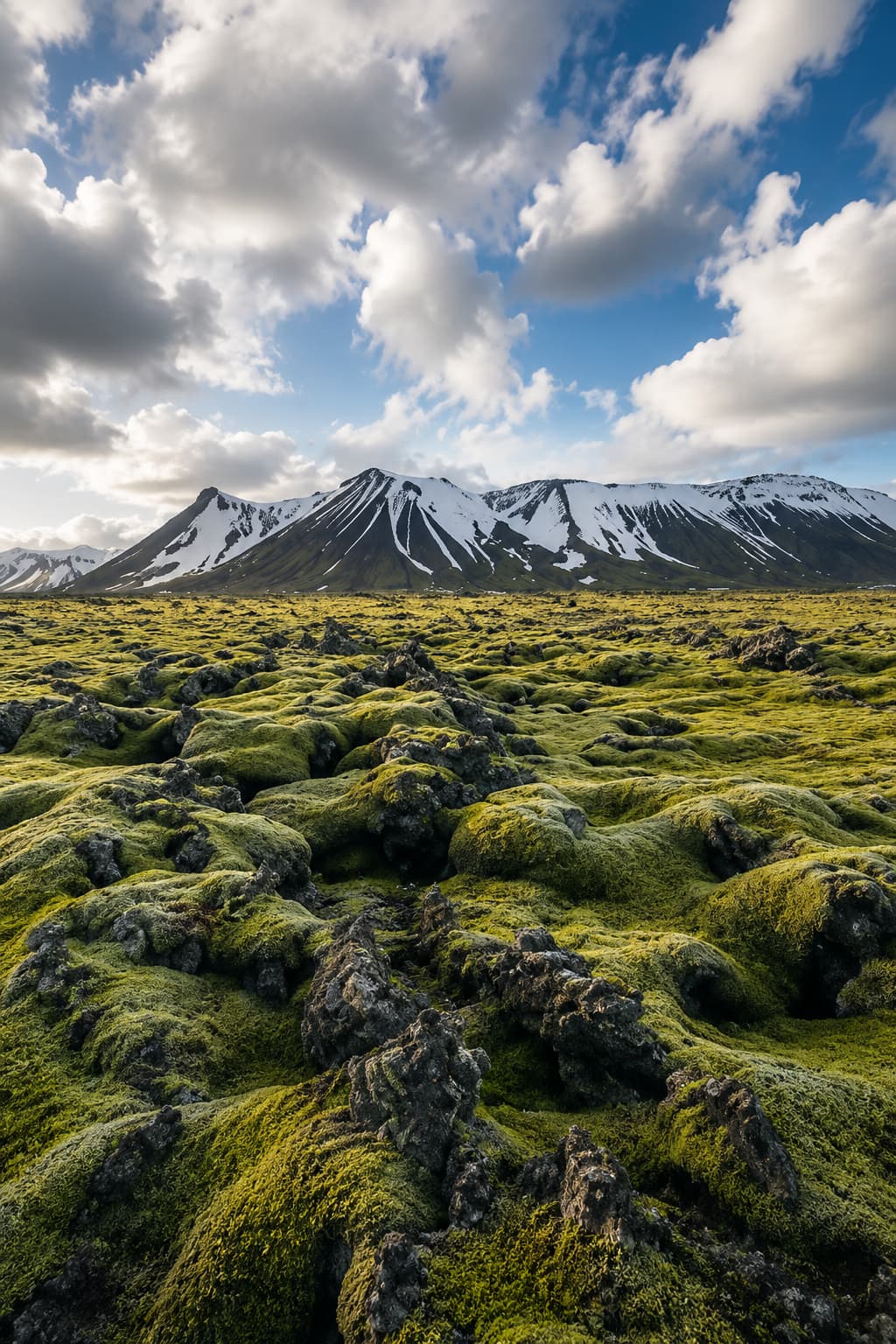
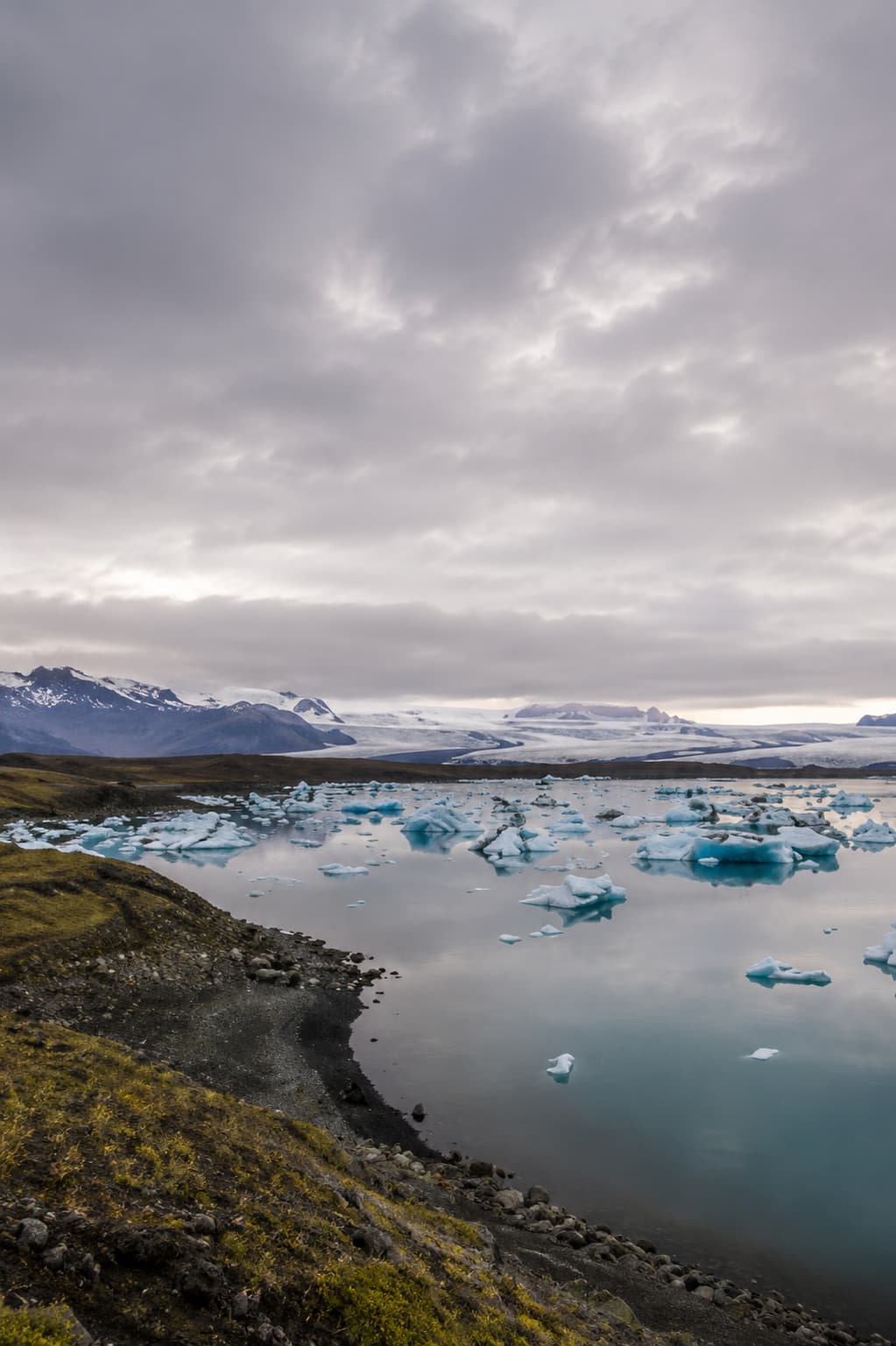
Iceland rarely rewards the traveler who arrives with a perfect plan.
It rewards the one who left enough room in it for the country to happen.