
10 of the Most Beautiful Places in Europe That Belong on Every Serious Traveler’s List
Not the obvious ten. Not the same roundup that every travel site publishes. These are the places where the landscape does the talking — ranked by visual impact, emotional weight, and the specific feeling of standing somewhere that doesn’t seem to belong to the ordinary world.
Some of the most beautiful places in Europe don’t appear on the itineraries that get written about most — not the groomed beauty of a well-maintained city square or a famous museum facade, but the raw, geological, sometimes vertiginous beauty of places where landscape simply overwhelms everything else. Places where you stop talking mid-sentence because the view has interrupted you. Places you come back from changed, in some small but real way.
This list is not the predictable one. Paris and Santorini are beautiful. So, in fairness, is the Amalfi Coast. However, they have been written about so thoroughly that adding to that volume achieves nothing. What follows, instead, are ten places that earn their position on visual merit alone — from the Arctic archipelagos of northern Norway to the rock monasteries of central Greece to Transylvania, which somehow manages to be both spectacular and consistently underestimated.
Some of these are trending strongly in 2026. In contrast, others have been quietly remarkable for decades and simply lack the marketing machine of the famous destinations. All of them belong on a list of what Europe actually looks like at its most extraordinary.
Lofoten Islands, Norway
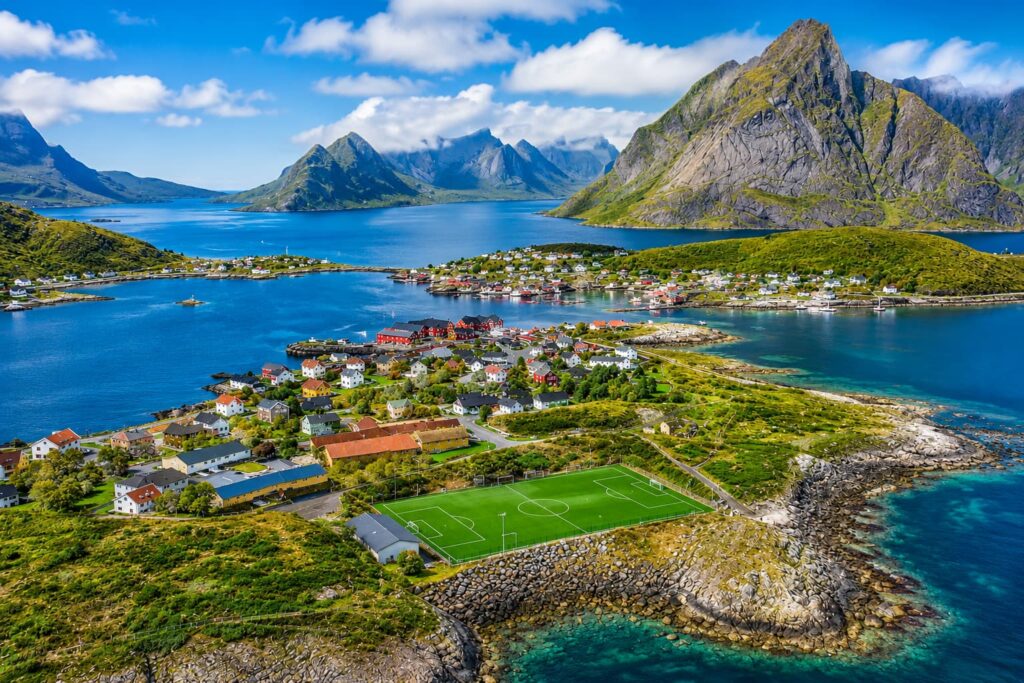
The number one trending destination on Pinterest in May 2026 — up 300% month-on-month — and once you understand what Lofoten actually looks like, the number becomes easy to believe. This archipelago north of the Arctic Circle is built from mountains that were swallowed by the sea, leaving only their upper halves exposed: jagged granite peaks rising sheer from Arctic water, with white sand beaches at their base and red fishing villages wedged into whatever narrow margins the rock allows. There is no other landscape in Europe that looks like this. Furthermore, the midnight sun runs from late May to mid-July, meaning the light is extraordinary at hours that have no right to be light at all.
How to Experience Lofoten
Drive the E10 highway end-to-end, stay in a rorbuer cabin over the water, and hike Reinebringen for the view that makes the effort feel irrelevant. Lofoten sits at number one on this list for the same reason it holds number one on Pinterest — because there is nowhere else to put it.
Faroe Islands
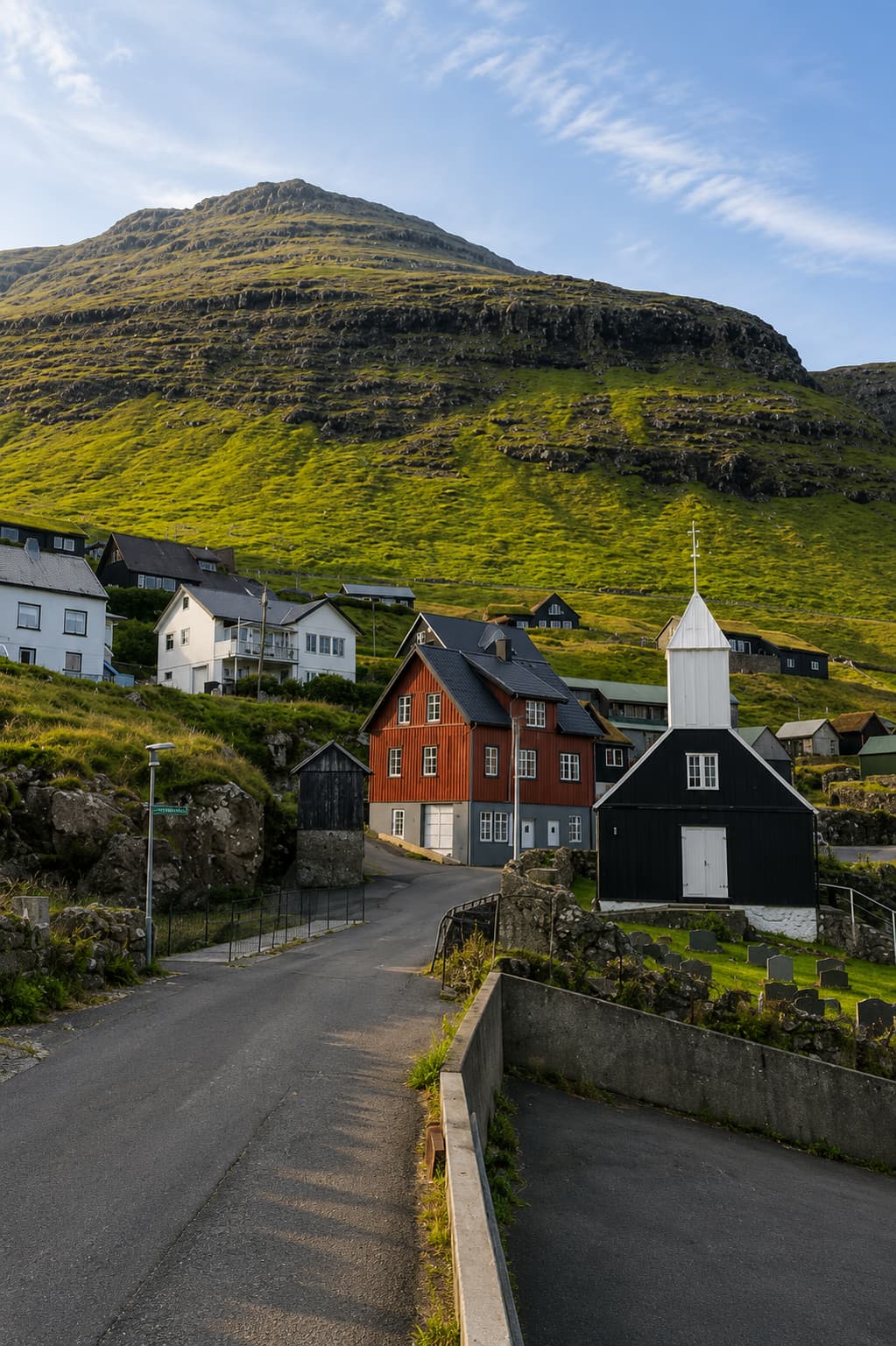
Eighteen islands in the North Atlantic, halfway between Norway and Iceland, with a combined population of 55,000 and a landscape that looks designed specifically to disprove the idea that Europe has been fully discovered. Dramatic cliffs drop hundreds of metres into the sea. Waterfalls pour off cliff edges directly into the ocean below. Moreover, small grass-roofed villages cling to hillsides that have no business supporting settlements at all.
What Makes It Visually Extraordinary
The hiking routes here rank among the most visually rewarding in Europe — Sørvágsvatn lake, which appears to float above the ocean due to an optical illusion of elevation, has become one of the most recognisable photographs in European travel. Puffins nest in the cliffs in spring and early summer. Additionally, the roads connecting the islands include one of the world’s few underwater roundabouts.
Who It’s Right For
The Faroe Islands rewards the traveler who does not need crowds, infrastructure, or warm weather — and punishes anyone who arrives expecting otherwise. In other words, come with flexibility, book accommodation well in advance, and go prepared for weather that makes everything more dramatic rather than simply inconvenient.
Meteora, Greece
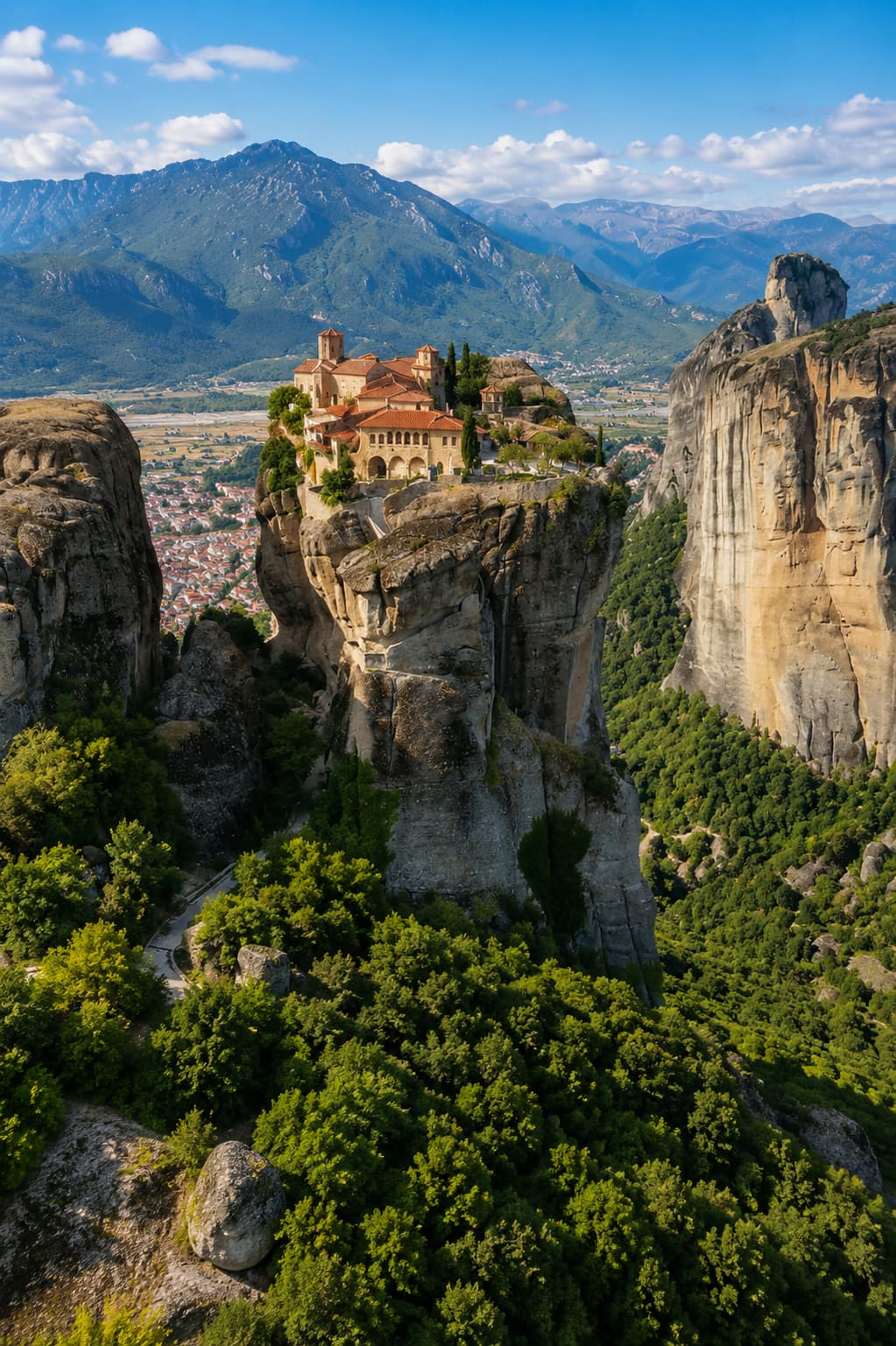
Six Orthodox monasteries perched on top of sandstone pillars that rise up to 300 metres from the plain of Thessaly — and the monasteries are, somehow, not even the most extraordinary thing here. The rock formations themselves are the headline: conglomerate columns worn by millennia of water and wind into shapes that look simultaneously geological and architectural, as though the landscape is trying to build something.
A Place Built by Necessity
Monks began climbing these pillars in the 9th century, initially living in caves in the rock face. By the 14th century, monasteries had been constructed on the summits, accessible only by rope nets and ladders hauled up from below. Subsequently, the roads that allow visitors to drive between them were built in the 1920s — a relatively recent addition to a place that had functioned in near-total isolation for centuries.
Why US Travelers Underestimate It
Consequently, Meteora is one of the most visually extraordinary places in Europe — and one of the most underestimated by US travelers who have concentrated their Greece itineraries on Athens and the islands. It deserves considerably more than a day trip from Kalambaka. In particular, staying overnight allows you to experience the rock formations at sunrise, when mist settles in the valley below and the pillars emerge from it gradually.
The Dolomites, Italy
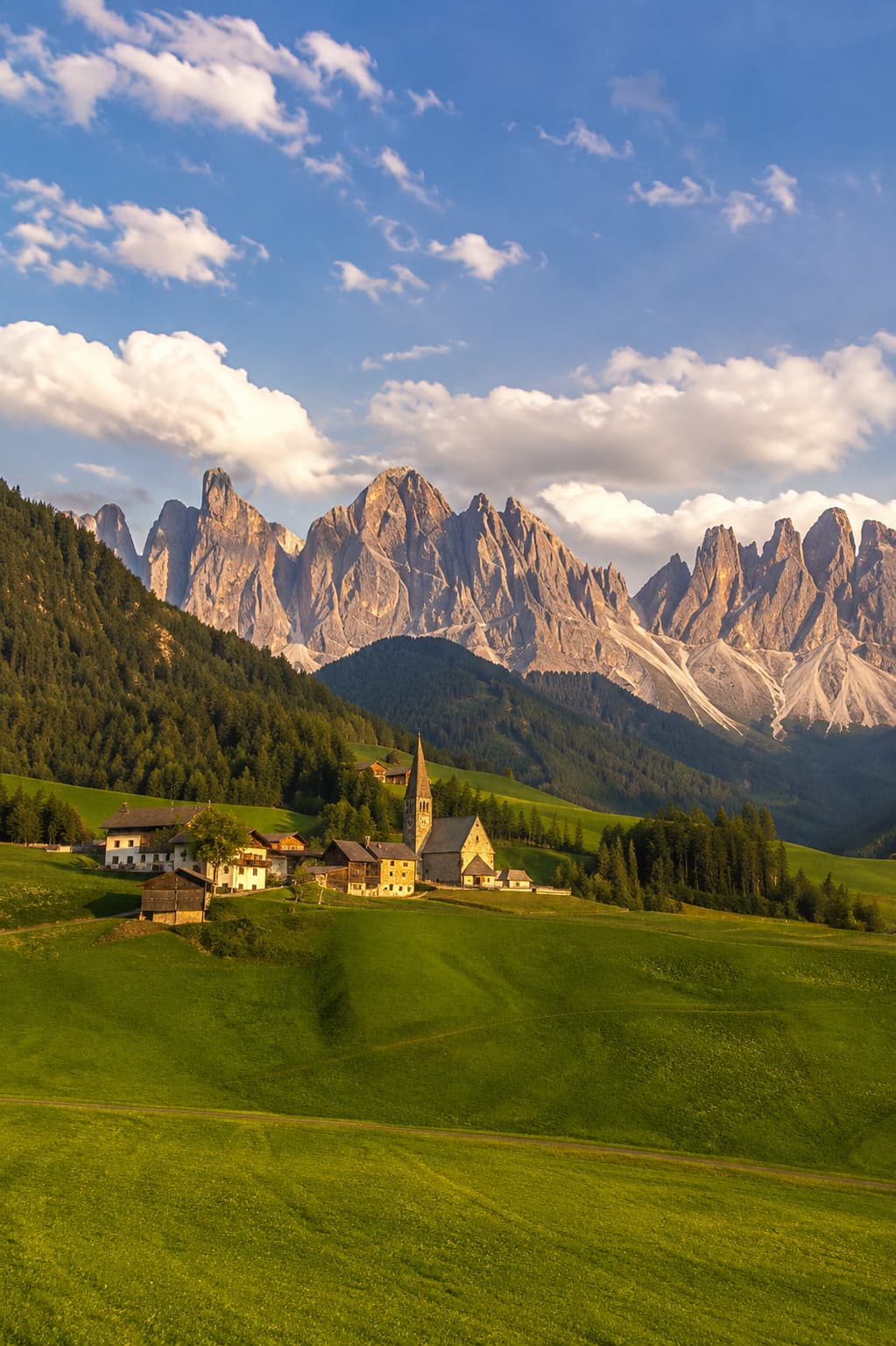
The Dolomites are what happens when limestone erodes differently from the rock around it — what remains are towers, spires, and sheer walls of pale stone that turn pink and amber at sunrise and sunset in a phenomenon the Italians call enrosadira. Located in northeastern Italy along the Austrian border, this UNESCO World Heritage Site delivers the most dramatic mountain scenery in the Alps without requiring Switzerland’s price tag or Iceland’s travel logistics.
Summer in the Dolomites
Summer brings wildflower meadows at altitude, cable cars to ridgelines that would otherwise take a full day to reach on foot, and mountain refuges where you can eat pasta at 2,400 metres with a view that justifies every step of the climb. The famous Tre Cime di Lavaredo — three rock towers that have appeared in more mountain photographs than any other formation in Europe — are accessible by trail from the Auronzo hut in under two hours. Overall, the Dolomites reward both the serious hiker and the person who simply wants to drive the Sella Pass and look.
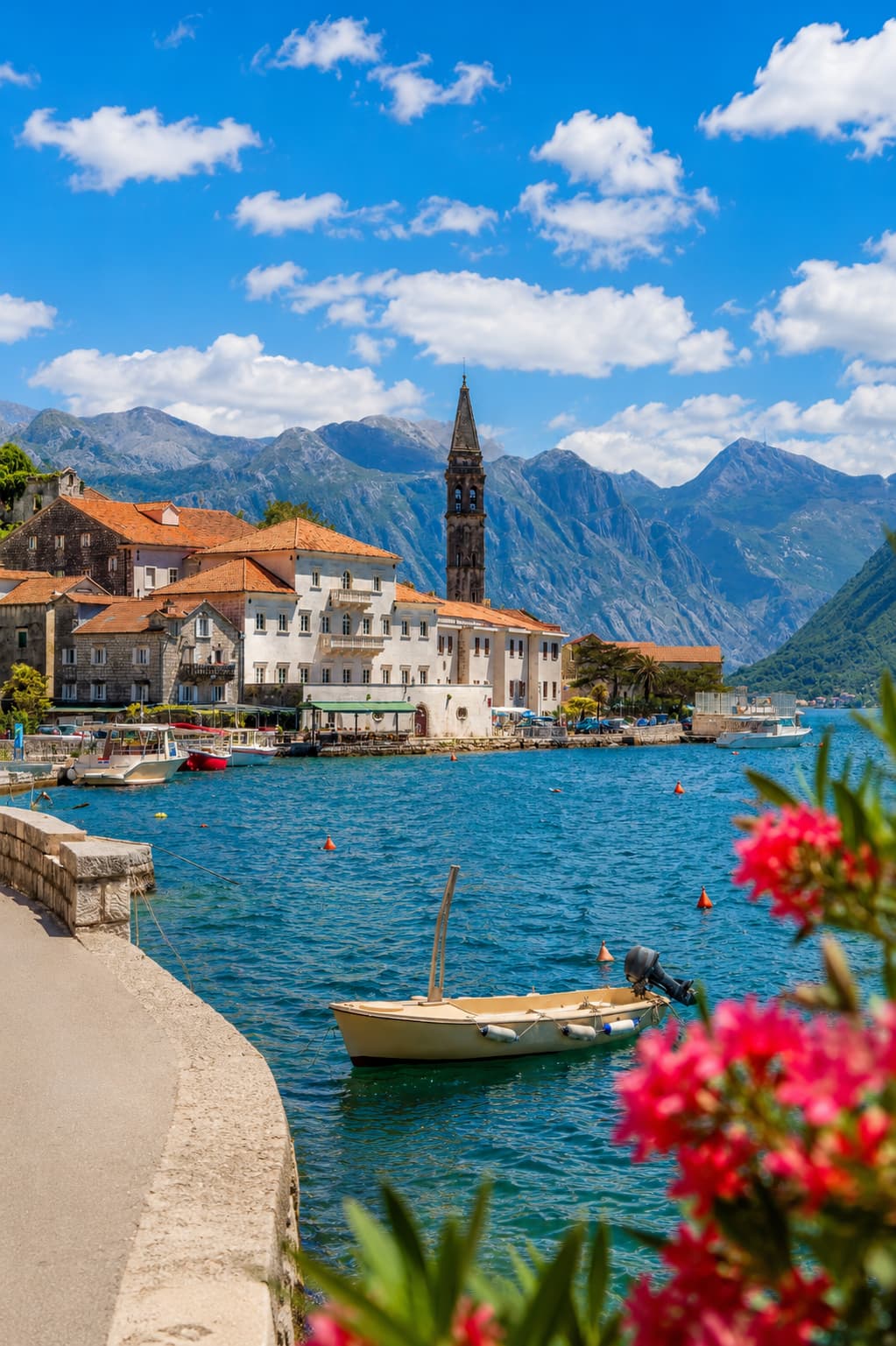
Kotor, Montenegro
A UNESCO medieval walled city at the innermost point of a fjord-like bay, with limestone mountains rising directly from the Adriatic on all sides. Furthermore, Montenegro uses the Euro despite not being an EU member, which means the country costs a fraction of what the landscape would suggest. Kotor’s old town is one of the best-preserved medieval city centres in the Balkans: narrow stone streets, Venetian-influenced architecture, and a labyrinthine quality that makes it genuinely easy to get lost.
The Fortress Climb
Above the town, 1,355 steps of fortress walls climb to the ruins of St. John’s Fortress — the panoramic view across the Bay of Kotor from the top is one of the most complete and beautiful urban vistas in Europe. In addition, the walls themselves are a significant feat of Venetian military engineering, built to defend a city that sat at a strategic junction between the Adriatic and the Balkans.
When to Visit
Come in June or September to avoid the cruise ship crowds that descend on the old town in July and August. Outside peak season, Kotor becomes remarkable in the way that places become remarkable when they are not overwhelmed — quieter, slower, and far easier to read as a place where people actually live rather than one that exists purely for visitors.
Combine Kotor with the Bay of Kotor drive and Perast — a tiny baroque village 12km north with two islands visible from the waterfront. The 45-minute loop of the bay by car is one of the most scenic short drives in the Balkans. Avoid July–August if you want the old town to feel like a place rather than a queue.
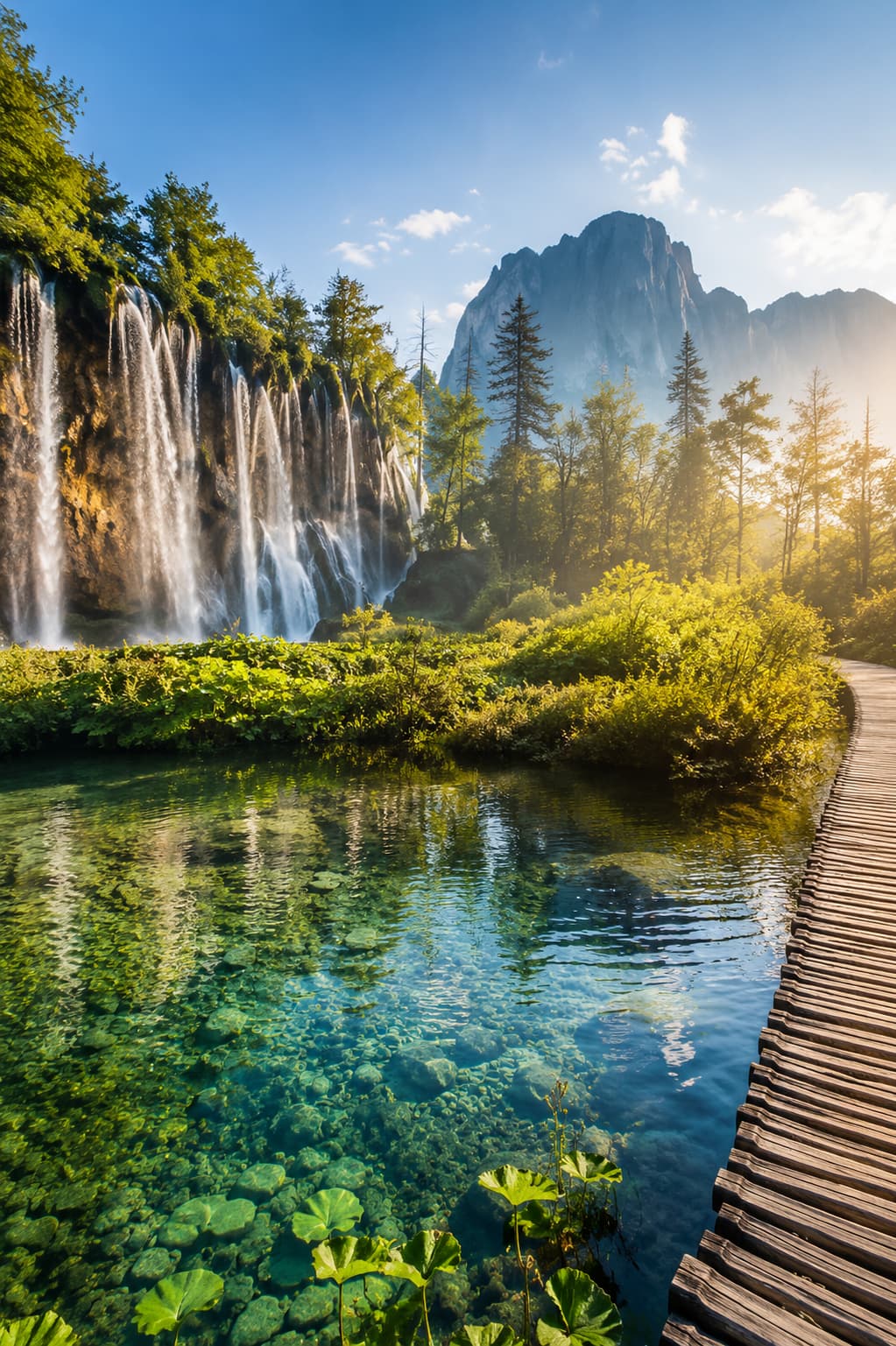
Plitvice Lakes, Croatia
Sixteen terraced lakes connected by waterfalls in colours that do not look real — turquoise bleeding into emerald, surrounded by thick beech and fir forest, the water so clear that the travertine barriers between lakes are visible from above like natural architecture. Plitvice is Croatia’s most visited national park and among the most visited in all of Europe — which is a genuine problem in July and August, when the wooden boardwalks that cross the lakes become crowded in a way that undermines the quietness the place otherwise radiates.
The Timing Question
The answer is timing: come in late April, May, or October, when the crowds thin, the colours shift, and the waterfalls run at their most powerful from spring snowmelt or autumn rain. April sees the waterfalls at full force. October, in contrast, wraps the forest in colour. Both are considerably better than July — and neither requires booking weeks in advance the way the summer months do.
Why the Colours Look the Way They Do
The lakes are the purest expression of what Central European nature produces when left mostly alone. Specifically, the water chemistry that creates the colours results from calcium carbonate deposition, which also forms the travertine barriers that continue slowly building and reshaping the landscape every year. In other words, the park is still in the process of becoming — which is part of what makes it worth returning to.
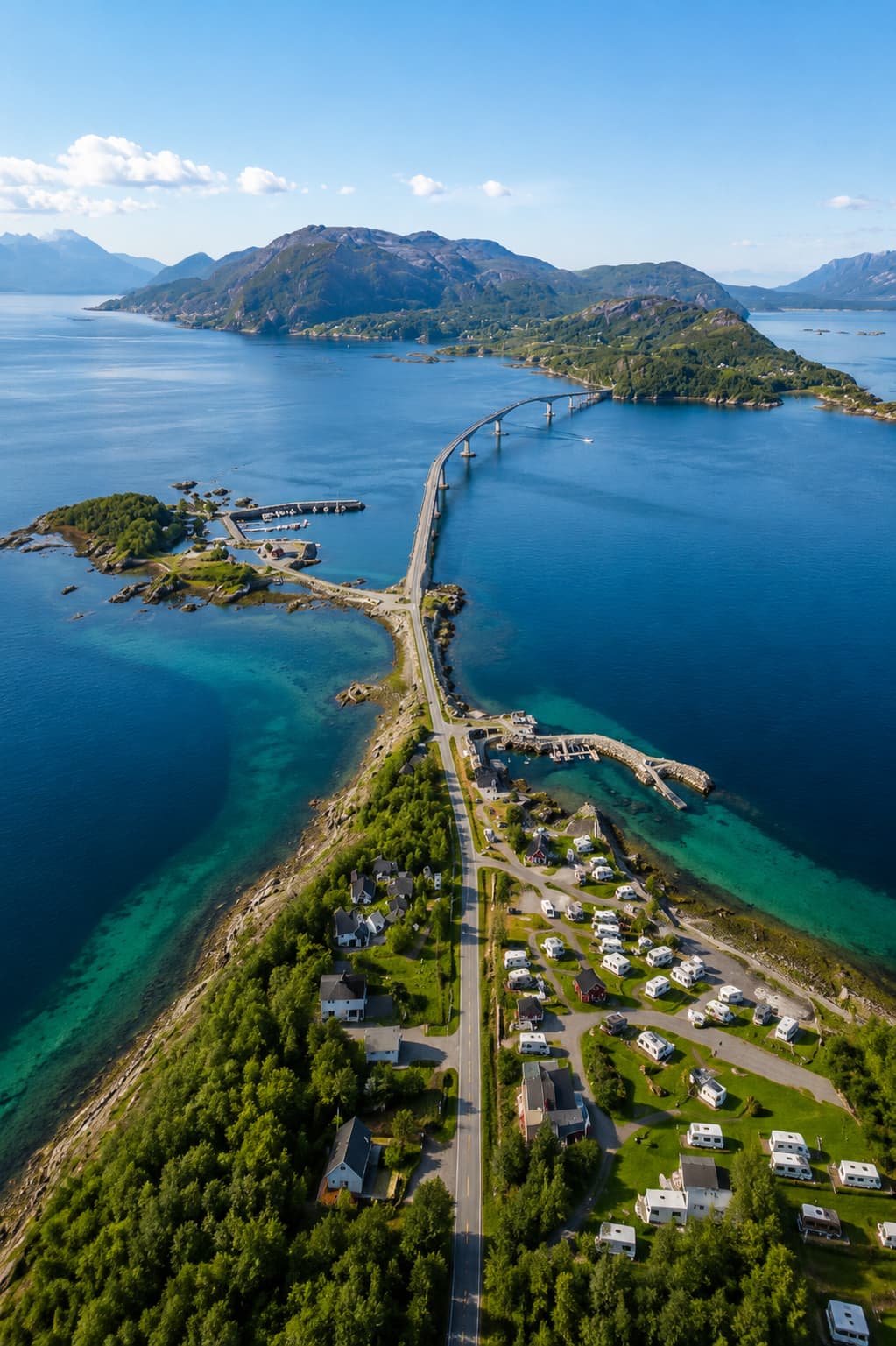
Senja Island, Norway
Senja is frequently described by people who have been to both as Lofoten without the crowds — a Norway-sized compliment that deserves unpacking. The island has the same dramatic peaks, the same hidden beaches with impossible white sand, the same fjord-and-mountain compositions that make Lofoten photographs look invented. What it does not have, however, is the volume of visitors that has made Reine and Henningsvær feel genuinely busy in peak summer.
What to Do on Senja
The Scenic Route Senja loops around most of the island, with viewing platforms, fishing villages, and mountain trails off the main road. The southern section — around Gryllefjord and Torsken — is particularly wild and rarely visited even by Norwegian standards. For the Segla mountain hike specifically, the payoff is a summit ridge with sheer drops on both sides and views of fjords in every direction that take several minutes to fully process.
How It Compares to Lofoten
Senja remains one of the most spectacular and least visited large islands in Norway. If Lofoten is number one on this list, Senja is its quieter twin — sitting two hours north and producing equally extraordinary landscape with a fraction of the footprint. As a result, it is the better choice for anyone who wants the Norway experience without the summer queues for the most photographed viewpoints.
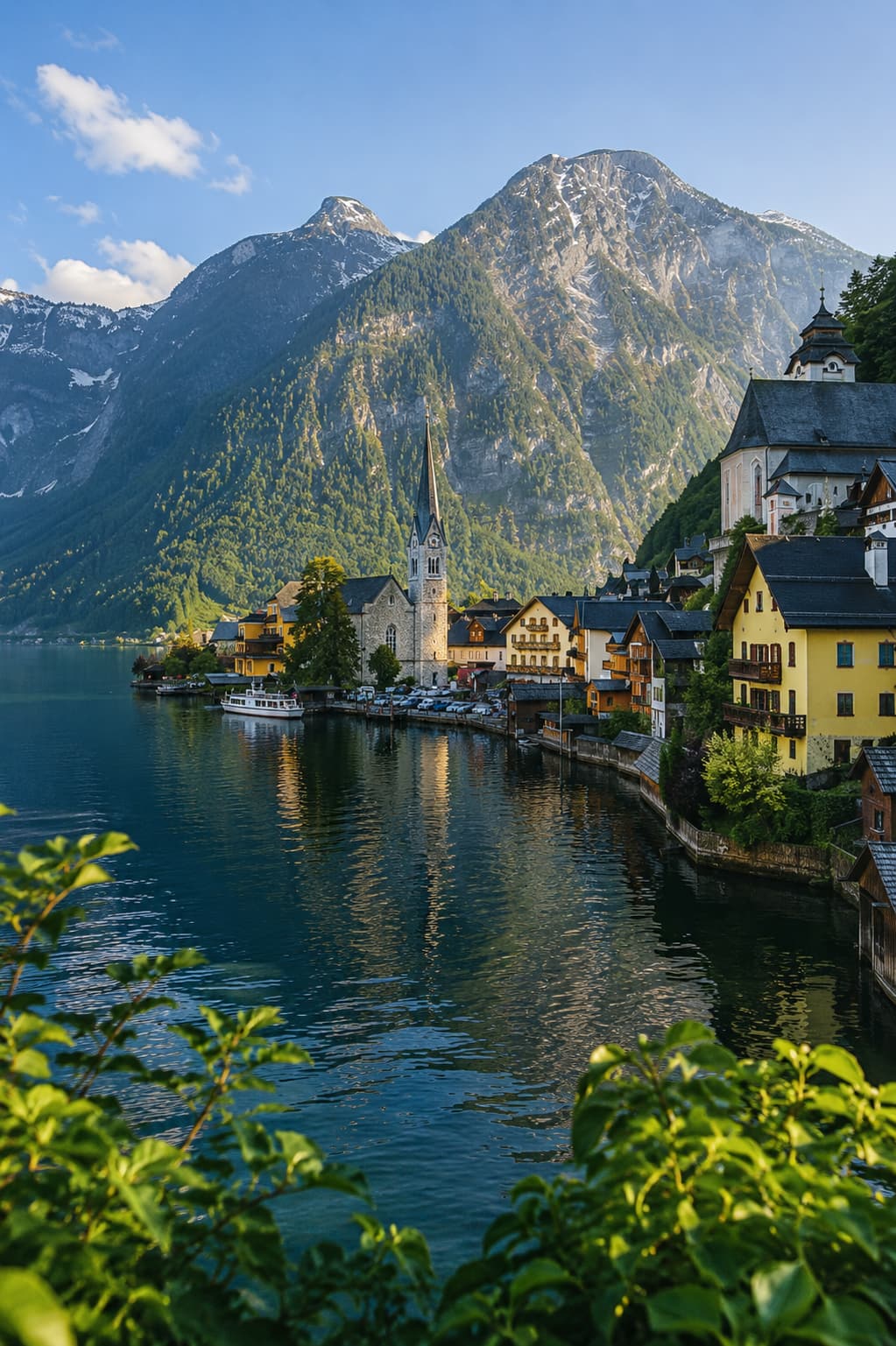
Hallstatt, Austria
Hallstatt is the village that other lakeside villages are compared to and found wanting. Wedged between a steep mountain and the Hallstätter See — an Alpine lake of deep, reflective green — it consists of a single main street, a church whose spire has become one of the most reproduced images in European travel photography, and a hillside cemetery where the shortage of burial space led to a tradition of painting and displaying human skulls that continues to this day.
What Makes It Different
The village is genuinely, almost provocatively beautiful in the way that a place becomes when it has been optimised for neither tourism nor photography but simply exists because people needed somewhere to live, and the location happened to be extraordinary. The Hallstatt Skywalk, above the village, offers a different perspective on the same composition — the lake, the mountains, and the terracotta rooftops all laid out below. In short, very few European villages produce this specific combination of scale, light, and human detail.
Avoiding the Crowds
Summer crowds are real and significant. Arrive before 9am or after 6pm in July and August to experience Hallstatt as it actually is rather than as a backdrop for photographs. Alternatively, May, June, September, and October offer the same setting with dramatically fewer people — and the morning mist over the lake in spring is, in many ways, the better version of the place.
Transylvania, Romania
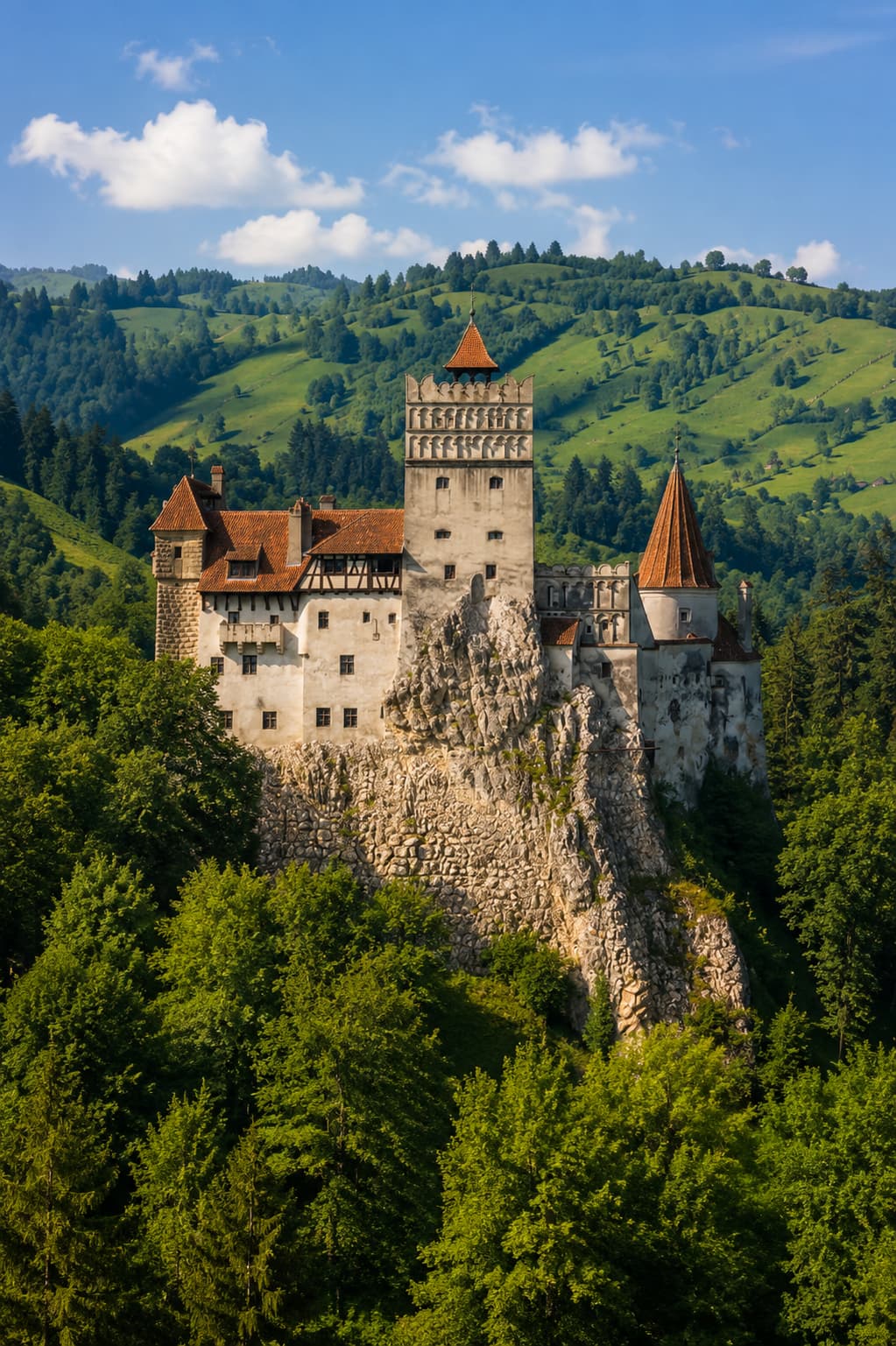
The name carries the weight of a century of vampire fiction, which has had the useful effect of keeping Transylvania off mainstream travel itineraries despite being one of the most visually compelling regions in Central Europe. The reality is medieval Saxon towns with fortified churches, rolling forested hills in every direction, and a pace of life that feels separated from the rest of Europe by more than geography.
Where to Start
Brașov is the most visited entry point — a handsome city at the foot of the Carpathians with a Gothic Black Church and a functioning old town that works as a real place. Sinaia, to the south, offers the extraordinary Peleș Castle set in pine forest. Viscri, a small Saxon village with a fortified church on a hilltop, produces the kind of stillness that has become genuinely rare in European travel. Additionally, the Carpathian Mountains that frame the region provide serious hiking in summer and a different, wilder beauty in the weeks when the forests turn.
The Budget Case for Romania
Romania is one of the most affordable countries in Europe. Transylvania is significantly cheaper than its Western equivalents, significantly less visited, and significantly more interesting than most people expect. In other words, it is the kind of place that rewards travelers who have already done the obvious Central European circuit — Prague, Vienna, Budapest — and are looking for somewhere that hasn’t been optimised for them yet.
Scottish Highlands
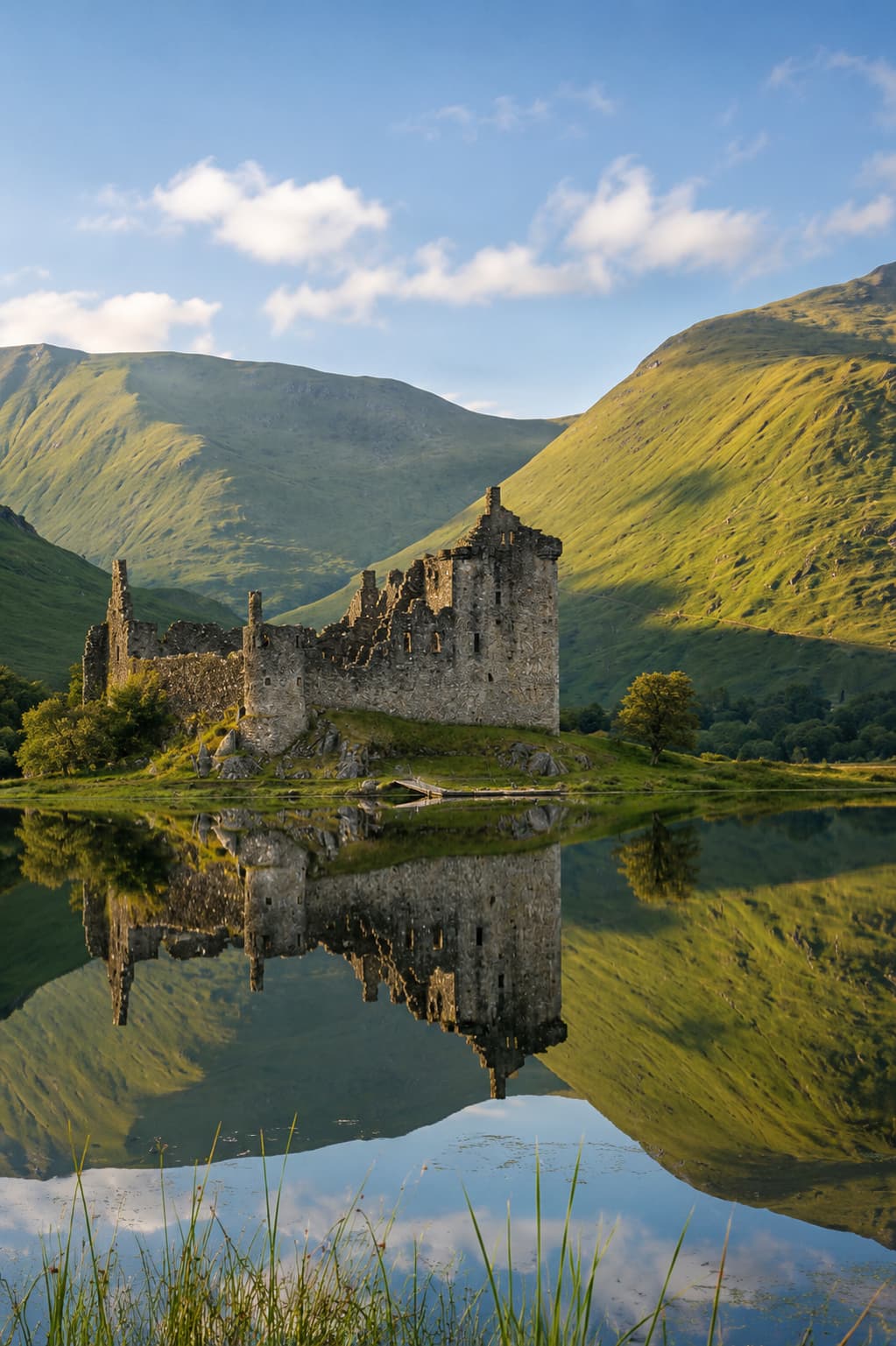
The Scottish Highlands make the list because a road trip through them delivers genuinely different scenery every twenty minutes — a consistency that almost nowhere else in Europe manages. Glen Coe in morning mist. The drive to Applecross over Bealach na Bà, the highest mountain pass road in the UK, with the Outer Hebrides visible across the water from the summit. Meanwhile, the Isle of Skye offers the Quiraing, the Fairy Pools, and the Old Man of Storr — each looking like a different planet from the last.
Scale and Geological Age
The Highlands operate on a scale that England has not prepared you for and that most of continental Europe does not replicate. Additionally, the landscape is old in a way the geological record confirms — some of the oldest rock on Earth is exposed in the northwest, predating complex life. Eilean Donan Castle on its island has appeared in more films than most actors, and for good reason: the composition is almost impossibly complete.
The 2026 Pinterest Connection
The Pinterest 2026 Mystic Outlands trend — moody, atmospheric, storybook landscapes — describes the Highlands so precisely that the correlation is not a coincidence. As a result, search volume for Scottish Highlands travel content has risen sharply in the first half of 2026. In short, this is not just a beautiful destination — it is a destination trending at exactly the right moment for travel content to reach an audience that is already looking for it.
How to Visit the Most Beautiful Places in Europe
Ten places is too many for one trip. The right approach is to read this list as a decade-long project rather than an itinerary — these are destinations to return to Europe for, one or two at a time, and to do properly rather than quickly.
That said, several of these combine well into single trips. For example, Lofoten and Senja form a natural Norwegian double. Similarly, Kotor and Plitvice are both reachable on a Balkans road trip. Meanwhile, Transylvania pairs naturally with Budapest on a Central Europe loop. The Dolomites, furthermore, sit within driving distance of Venice.
- Norway double: Lofoten (4–5 days) + Senja Island (2–3 days). Both north of the Arctic Circle, accessible by car via the E10 and the Scenic Route Senja. Same trip, radically different crowd levels.
- Balkans loop: Kotor, Montenegro (3 days) + Plitvice Lakes, Croatia (2 days) + Dubrovnik as a connector. Bus or rental car, one direction. Add Bosnia if time allows.
- Central Europe: Transylvania, Romania (4–5 days) + Hallstatt, Austria (2 days) via Budapest as a connecting city. Train or fly into Budapest, rent a car for both.
- Italian Alps: The Dolomites (3–4 days) fit naturally alongside Venice (2 days) — fly into Venice, collect a car, drive north. Return to Venice for departure.
- North Atlantic: Faroe Islands (5–6 days) + Scotland/Highlands (7 days). Both require planning and weather flexibility. Both reward it.
The more beautiful the destination, the more important the timing. Every destination on this list has a peak season problem — crowds that change the experience significantly. The solution for all ten is the same: shoulder season. May, June, and September are when these places are at their best — warm enough to function fully, quiet enough to feel like they belong to you rather than to everyone.
Choosing Your First Destination
Planning and Timing
The Harder Destinations
Europe is larger than the itineraries that get written about it. Most of these places are not on the first list anyone hands you when you ask where to go.
That is, in most cases, exactly why they are still worth going to.