Japan Winter Travel·Japan Itinerary Ideas
Japan in Winter: 12 Places Worth the Cold, Ranked
Tokyo and Kyoto stay mild, dry and mostly snow-free. Hokkaido, the Alps and Tohoku go under real snow. Here’s which of the two trips fits you, and what needs booking before it’s gone.
🗺 Japan in Winter — At a Glance
❄️
Two trips, not one: mild Pacific side (Tokyo, Kyoto, Fuji) or deep-snow country (Hokkaido, the Alps, Tohoku).
🎉
Best single event: the Sapporo Snow Festival, held every early February.
📅
Best general window: mid-January to early February, after the New Year closures and before the Lunar New Year rush.
🎟️
Book now: Shirakawa-go’s light-up nights are reservation-only and the lodging lottery closes months ahead, so check dates as soon as you’re planning.
💴
Costs changed: Japan’s departure tax tripled to ¥3,000, and visa fees for nationalities that need one rose fivefold around the same time.
🗓️
Watch the calendar: Lunar New Year moves every year and sometimes lands squarely inside Snow Festival week — check the current year’s date before booking.
How This Japan in Winter Ranking Works
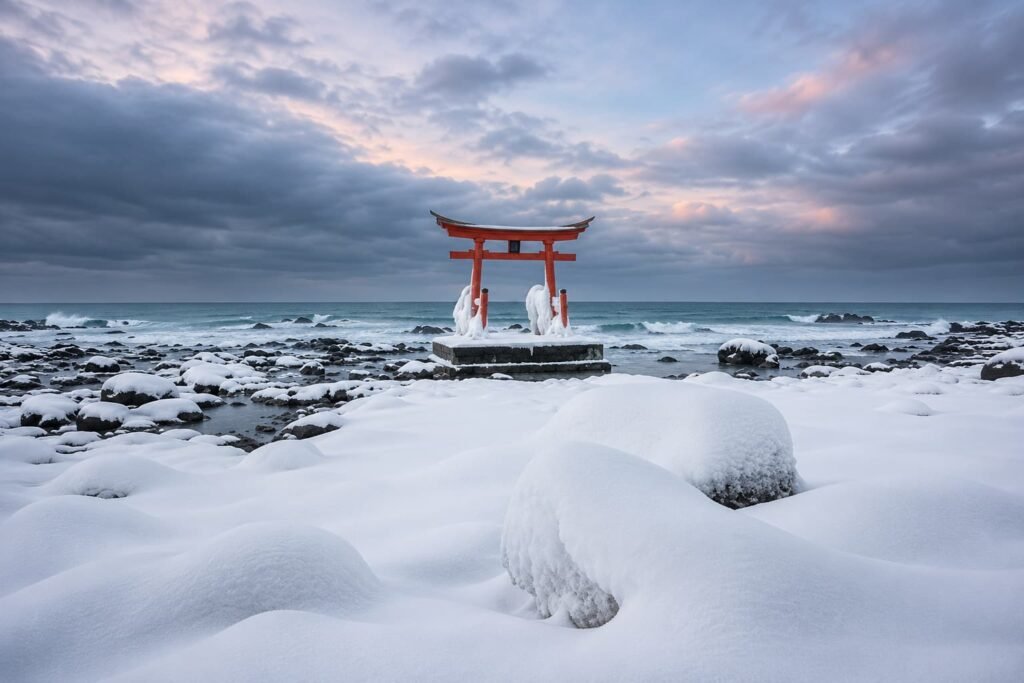
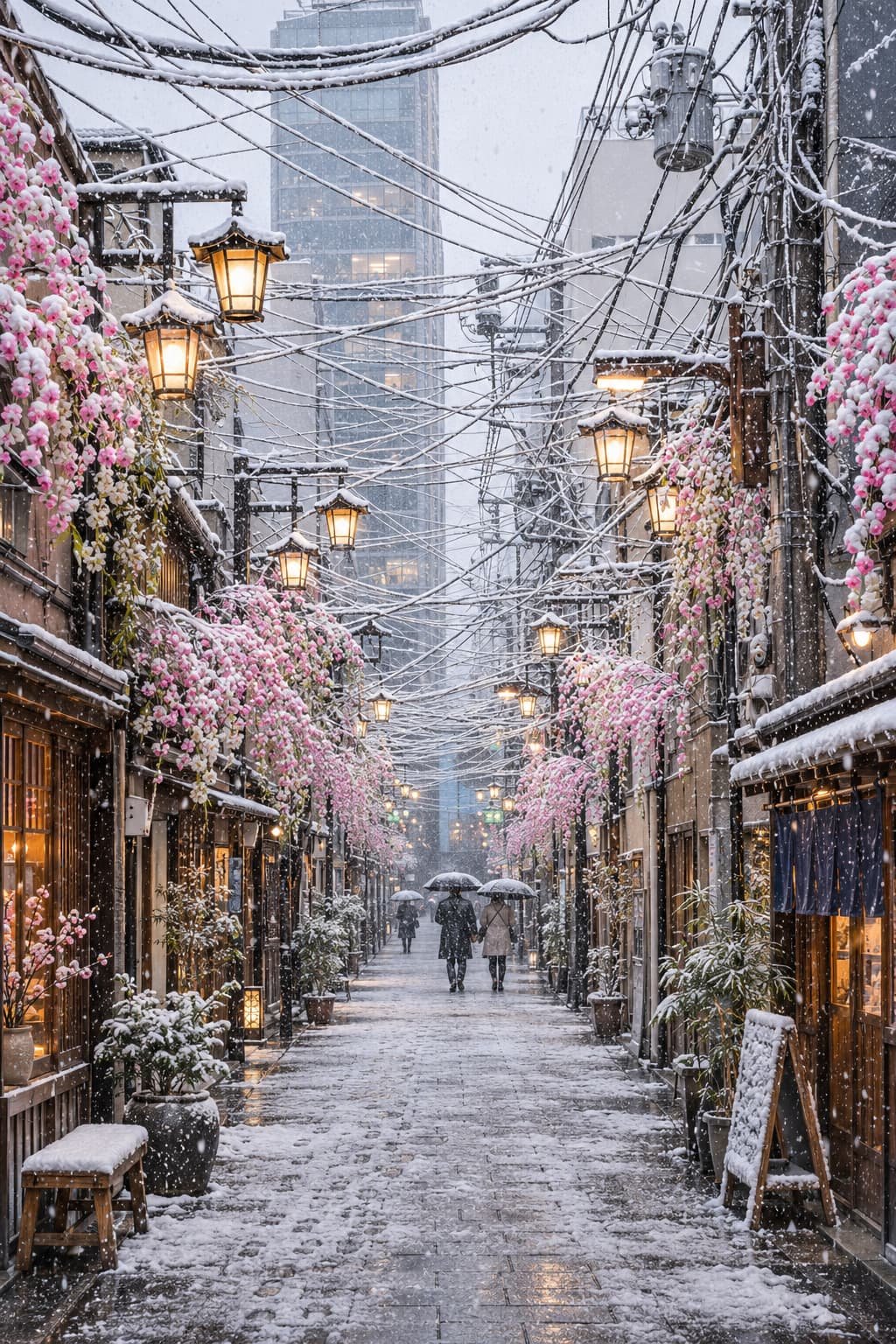
Every “japan in winter” roundup I’d read before writing this one showed the same thing: snow piled on temple roofs, a torii gate half-buried in white, someone’s mittened hand around a cup of amazake. None of it is wrong, exactly. It’s just not Tokyo, and it’s not Kyoto either — both cities get cold, grey, and only occasionally dusted, not transformed. Meanwhile, the places that really do look like that photo now require a reservation made months in advance, a lottery you may have already missed, or a shuttle bus you have to book by the hour.
So before the rankings: Japan in winter is really two separate trips wearing one name. The Pacific side — Tokyo, Kyoto, Mount Fuji — is dry, clear and only lightly cold, with crowds thinner than any other season. Snow country — Hokkaido, the Japan Alps, Tohoku — is where the postcard actually happens, and it comes with real cold, real snow, and a growing list of rules about when and how you’re allowed to show up. This list ranks twelve places across both trips, labels each one by which Japan it belongs to, and puts every booking trap up front rather than as a footnote at the bottom.
01 — The Two Winter Japans
That split matters because it changes almost everything about the trip — what you pack, what you book, and whether you’ll see any of the snow you’re picturing. On the Pacific side, in particular, winter is Japan’s driest, clearest season: Tokyo sits under flat grey skies that occasionally clear into the kind of cold, blue days that make Mount Fuji visible from streets where it’s hidden the rest of the year. Kyoto, meanwhile, gets cold enough for a coat and gloves, but a dusting on the temple roofs lasts a morning, not a week. As a result, snow is a bonus here, never a plan.
By contrast, snow country works the opposite way entirely. Hokkaido, the mountains around Takayama and Shirakawa-go, and the Tohoku region further north get the deep, reliable snowfall that the rest of the country simply doesn’t. Consequently, the gear changes too: studded tyres and snow boots instead of a warm coat, and a packing list built around layers rather than a single jacket. Overall, neither trip beats the other — they’re simply answering different questions about what you actually want from the season.
| Pacific Side |
Tokyo, Kyoto, Mount Fuji area. Cold but dry; occasional light snow that rarely lasts the day. Clearest air of the year, which is also why Fuji is easiest to see. |
| Snow Country |
Hokkaido, the Japan Alps (Shirakawa-go, Nozawa Onsen, Zao), and Tohoku (Ginzan Onsen, Abashiri). Heavy, dependable snowfall, genuinely cold temperatures, and the festivals and light-ups that depend on it. |
| Combining both |
Realistic on a 10–14 day trip. On a 7-day trip, pick a Pacific-side base and add one snow-country detour rather than trying to properly cover both. |
02 — The Short Answer: 12 Places Ranked for Japan in Winter
If you only read one section, make it this one. The table below ranks all twelve, says which Japan each belongs to, when to go, whether you need to book ahead, and — for every single entry, including the famous ones — the catch that the postcard version leaves out.
| Rank |
Place |
Trip |
Best Dates |
Book Ahead? |
The Catch |
| 1 |
Tokyo |
Pacific |
Dec–Feb |
No |
No real snow; many places shut around New Year |
| 2 |
Mt. Fuji & Fuji Five Lakes |
Pacific |
Dec–Feb |
No |
Freezing early mornings; some trails and roads close |
| 3 |
Sapporo Snow Festival |
Snow country |
Early Feb |
Yes — hotels |
Lunar New Year sometimes lands inside festival week |
| 4 |
Shirakawa-go light-up |
Snow country |
January, select nights |
Yes — mandatory |
Reservation-only; lodging lottery closes months ahead |
| 5 |
Jigokudani snow monkeys |
Snow country |
Dec–Mar |
No |
Icy walk in; crowded by midday |
| 6 |
Ginzan Onsen |
Snow country |
Dec–Mar |
Yes — shuttle |
Day visitors barred after dark; shuttle must be booked |
| 7 |
Kyoto |
Pacific |
Dec–Feb |
No |
Snow is rare and brief; don’t plan around it |
| 8 |
Niseko |
Snow country |
Late Nov–early May |
Yes — accommodation |
Japan’s most expensive skiing and a very foreign-run town |
| 9 |
Otaru |
Snow country |
Early–mid Feb |
No |
Small enough to feel crowded; best as a day trip |
| 10 |
Zao snow monsters |
Snow country |
Feb (peak) |
No |
The ropeway closes in bad weather, no refund on the view |
| 11 |
Abashiri drift ice |
Snow country |
Late Jan–Mar |
No |
Remote, and the ice itself depends on the weather |
| 12 |
Nozawa Onsen |
Snow country |
Dec–Mar |
No |
The mid-January fire festival night is intensely busy |
03 — The 12 Best Places, Ranked
Each entry below is ranked for Japan in winter, with the trip it belongs to, the dates that actually matter this season, and the one thing that will catch you out if you plan the trip from the photo alone instead of the rules underneath it.
The Pacific Side: Mild, Clear, Crowd-Light
Rank 01 — Pacific Side
Tokyo
Clear skies, winter illuminations, and the thinnest crowds of the year
Winter is Tokyo at its most legible. Specifically, the humidity that blurs the skyline in summer is gone, so the view from any tall building — Shibuya Sky, the Metropolitan Government Building, Tokyo Tower — actually extends to the horizon, and on a clear day that horizon includes Mount Fuji. Illuminations wrap the major shopping districts from late November through December, and outside the New Year rush, the city empties out just enough to make its biggest sights walkable without the shoulder-to-shoulder crowds that define spring and autumn. If you’re building a first Japan itinerary, the city’s own write-up is a useful starting point before you add the rest of this list:
Japan Solo Travel.
Catch: no real snow, and expect closures
What catches most first-timers out isn’t the cold — it’s the calendar. Many family-run restaurants, small shops and some museums close for several days around New Year, typically from roughly December 29 to January 3, and if you’d rather be somewhere with the whole city still in full swing over the holiday itself, our Best Places to Spend New Year’s Eve roundup covers alternatives. Outside that specific window, winter is one of the easiest, least crowded times to see the city properly.
Mount Fuji and the Fuji Five Lakes in Winter
Rank 02 — Pacific Side
Mount Fuji & the Fuji Five Lakes
The clearest the mountain gets all year
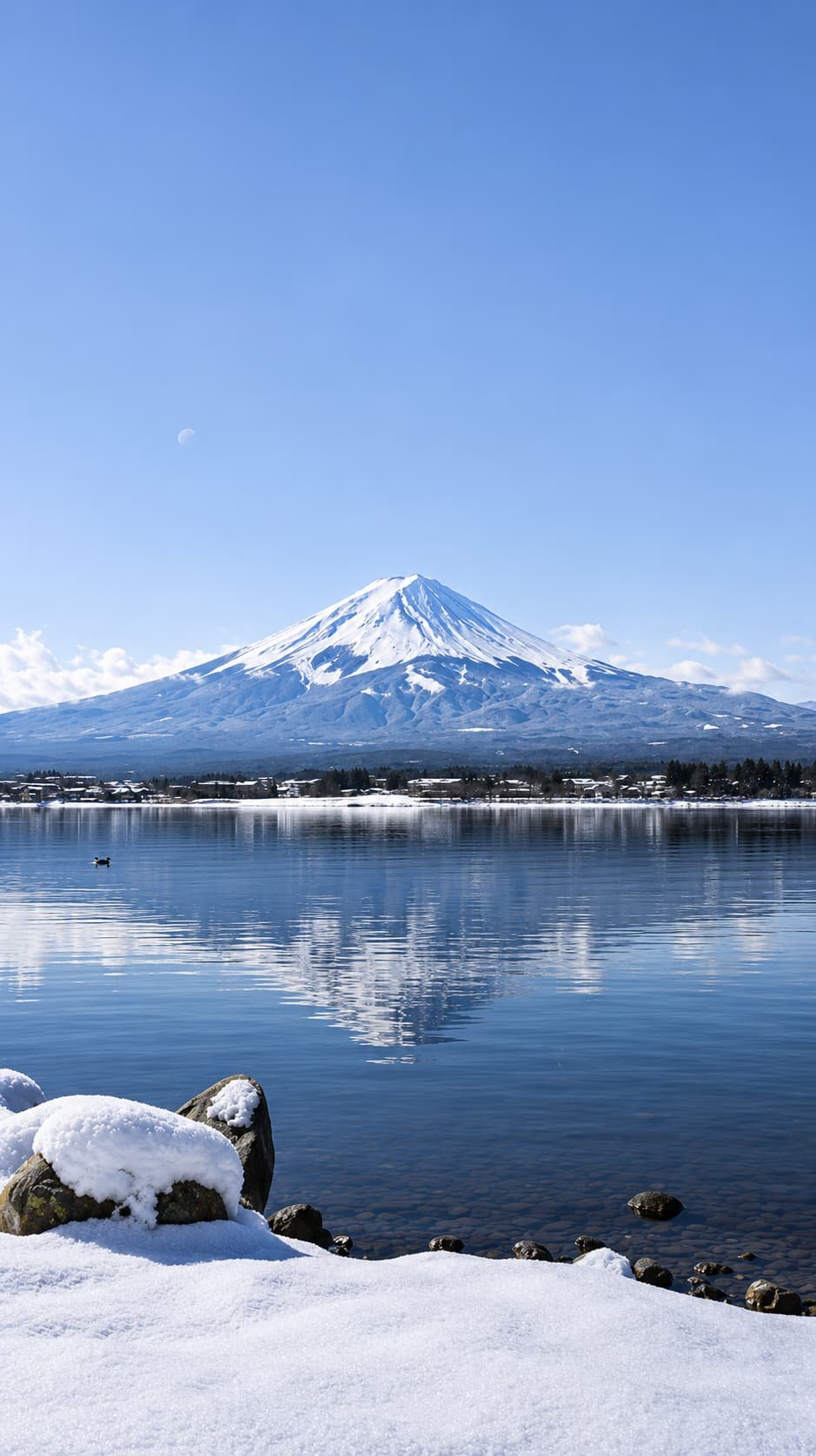
Winter’s dry air is exactly what makes Fuji visible on days when summer humidity would hide it completely. Forecasting data that tracks the mountain’s visibility shows winter mornings scoring far better odds of a clear view than June, which is reason enough to base a day or two around Kawaguchiko or Hakone specifically to see it rather than hoping for a lucky gap in the clouds elsewhere. Overall, a lakeside ryokan with an onsen facing the mountain is, for my money, the single best use of a winter morning on this entire list.
Catch: brutally cold pre-dawn hours, and some trails and summit roads close for the season
Moreover, the mountain itself is closed to climbers in winter — the official hiking season runs roughly July to early September — so this entry is about viewing, not summiting. Several fifth-station roads and trailheads close under snow, so check which viewpoints are actually reachable before building a day around them.
Hokkaido: Snow Festival Country
Rank 03 — Snow Country
Sapporo (Snow Festival)
Japan’s biggest winter event, held every early February
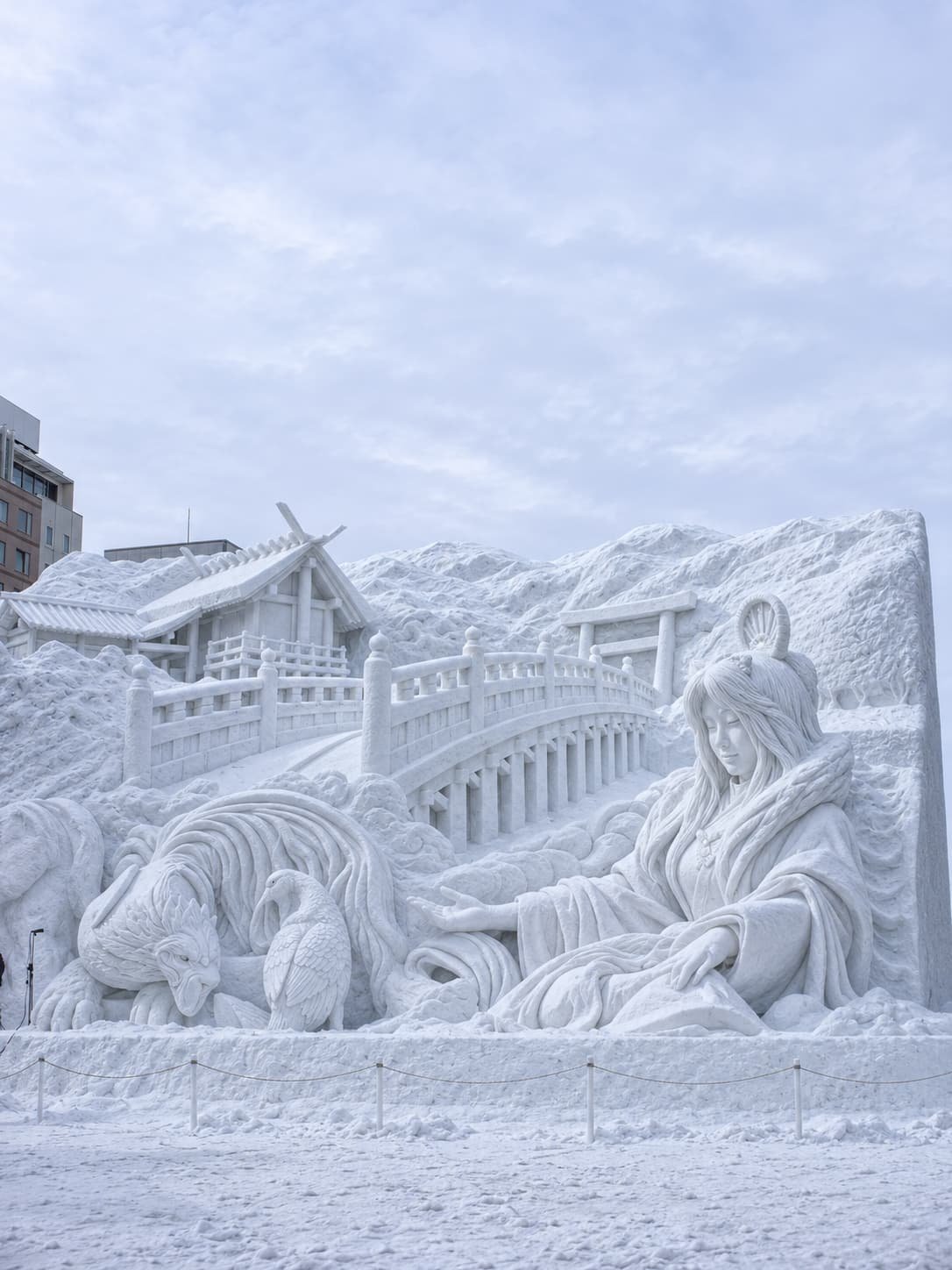
The Sapporo Snow Festival is the single best reason to time a Japan trip around a specific week. Dates are confirmed each year across all three sites — Odori Park, Susukino and Tsudome — with large snow sculptures planned for Odori alone. Odori is the right first stop for the headline sculptures; meanwhile, Susukino adds ice carvings in the evening, and Tsudome brings snow-play activities that suit families, though the detailed programmes for the latter two sites are usually published later than Odori’s. The Japan National Tourism Organization keeps an
official festival overview with the latest theme and site details each year.
Catch: Lunar New Year lands right in the middle of festival week
The real planning problem isn’t the festival — it’s the calendar collision that sometimes sits right above it. Lunar New Year moves every year, and in some years it falls squarely inside the festival’s eight-day run, which means hotel rooms that would already be tight for Snow Festival week get a second wave of demand from travellers timing their trip around the holiday. For this reason, check whether the two overlap before you book, and if they do, expect flight prices from nearby Asian hubs to spike hardest on the dates where both events coincide.
Otaru and the Snow Light Path
Rank 09 — Snow Country
Otaru
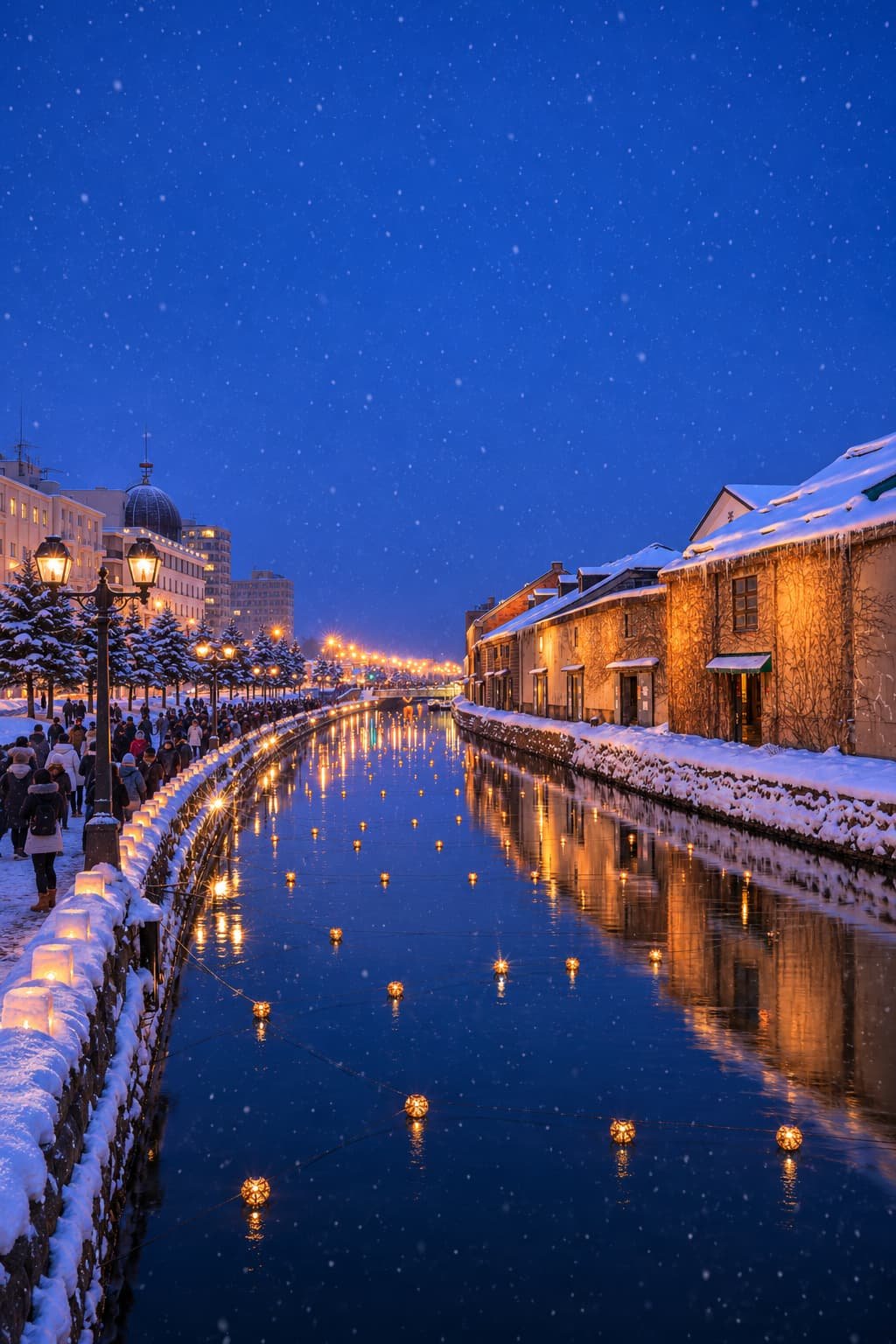
A canal town under paper lanterns, 40 minutes from Sapporo
Otaru’s Snow Light Path runs for about a week each February, usually overlapping most of the Sapporo Snow Festival’s run — an easy add-on if you’re already in the area rather than a separate trip. Candle-lit paths line the old canal and the former Temiya railway line, and the whole thing is small enough to walk end to end in an evening. Additionally, the glassware shops and sushi counters the town is known for the rest of the year are still open, so it works equally well as an afternoon stop before the lanterns come on.
Catch: popular enough on overlap nights that it no longer feels like the quiet alternative to Sapporo
Niseko: Powder, Prices and the Resort Scene
Rank 08 — Snow Country
Niseko
The powder that built Hokkaido’s international ski reputation
Niseko United links four ski areas: Grand Hirafu, Hanazono, Niseko Village and Annupuri. Together, they typically open in late November and run into early May, giving Niseko one of Japan’s longest seasons. The snow is consistently dry, and night skiing runs from mid-December through late March.
That said, Niseko is also the most expensive skiing in the country. The town runs on an international, heavily Australian-influenced economy. As a result, it can feel less Japanese than the rest of Hokkaido. The Japan National Tourism Organization’s
Niseko United overview covers the four areas in more detail. For a European cost comparison, see our
Switzerland in Winter Without Skiing guide. It helps show where the money actually goes.
Catch: Japan’s priciest skiing, in a town that doesn’t feel very Japanese
The Alps and Tohoku: Deep Snow Traditions
Rank 04 — Snow Country
Shirakawa-go
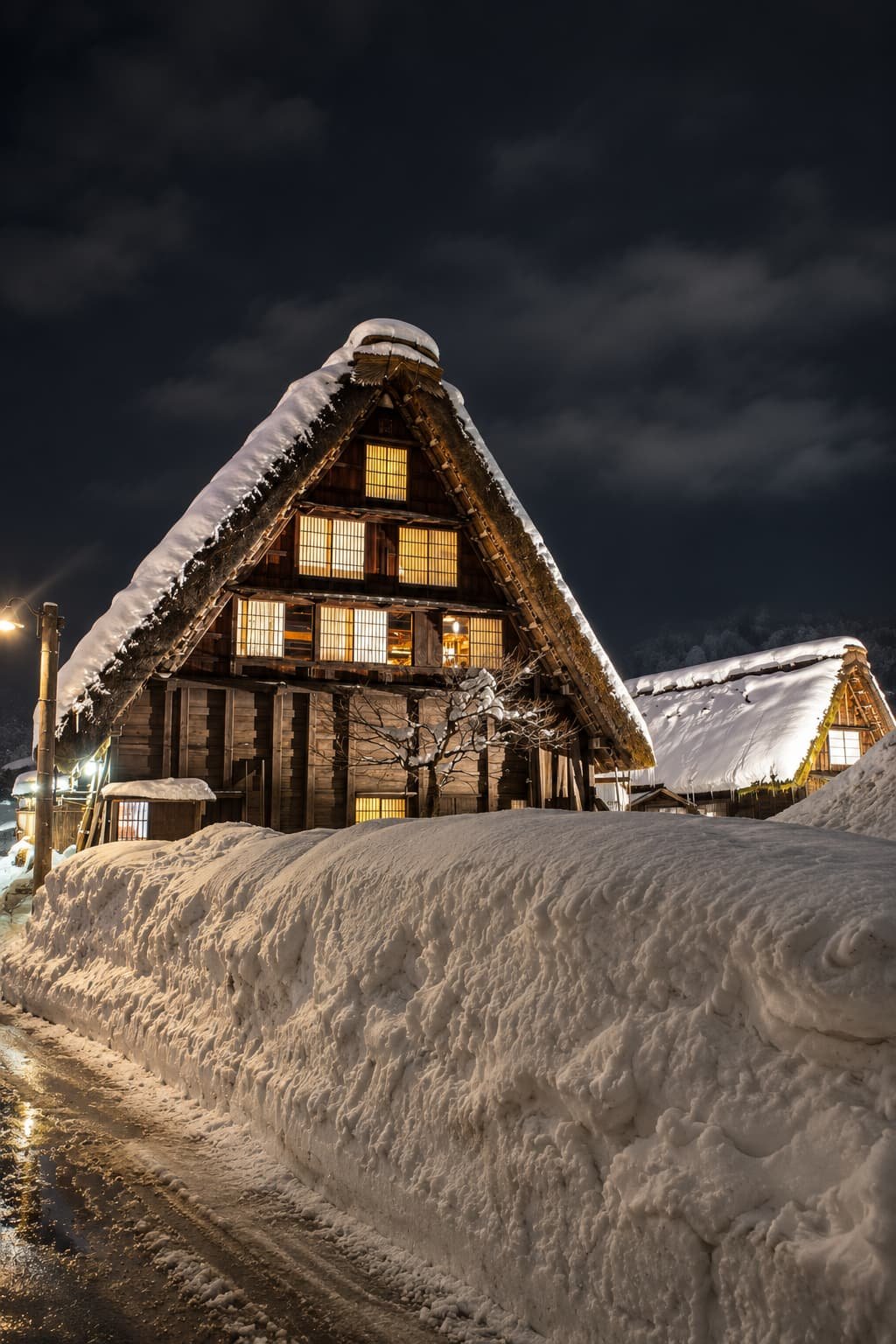
The thatched-roof village light-up, by reservation only
The lit-up gassho-zukuri farmhouses of Shirakawa-go, a
UNESCO World Heritage site, are one of the most photographed winter scenes in Japan — and one of the hardest to actually attend. Specifically, the light-up runs on just a handful of nights each January, typically from 5:30 to 7:30pm, and every one of those evenings is strictly reservation-only with no same-day tickets sold at the gate. The lodging lottery for an overnight stay in the village closes months ahead, usually by the end of October for the following January, so check the current dates as early as possible if you want a village stay rather than a day visit. Even so, day visits by bus or self-drive remain possible on light-up nights with the right ticket, and bus-tour operators typically open bookings for each date roughly three months ahead, so plan around those windows if the lottery has passed you by.
Catch: reservation-only, no walk-ins, and the overnight lottery likely already closed
Practically speaking, parking near the village runs roughly ¥6,000–10,000 per car on light-up nights, and the last highway bus back to Takayama or Kanazawa departs before the lights even come on, so day-trippers need to arrange their own return transport in advance. Furthermore, dress for genuinely harsh cold: temperatures during the light-up typically sit between −10°C and 0°C, and studded winter tyres are mandatory for anyone driving in.
Jigokudani and Ginzan Onsen
Rank 05 — Snow Country
Jigokudani (the snow monkeys)
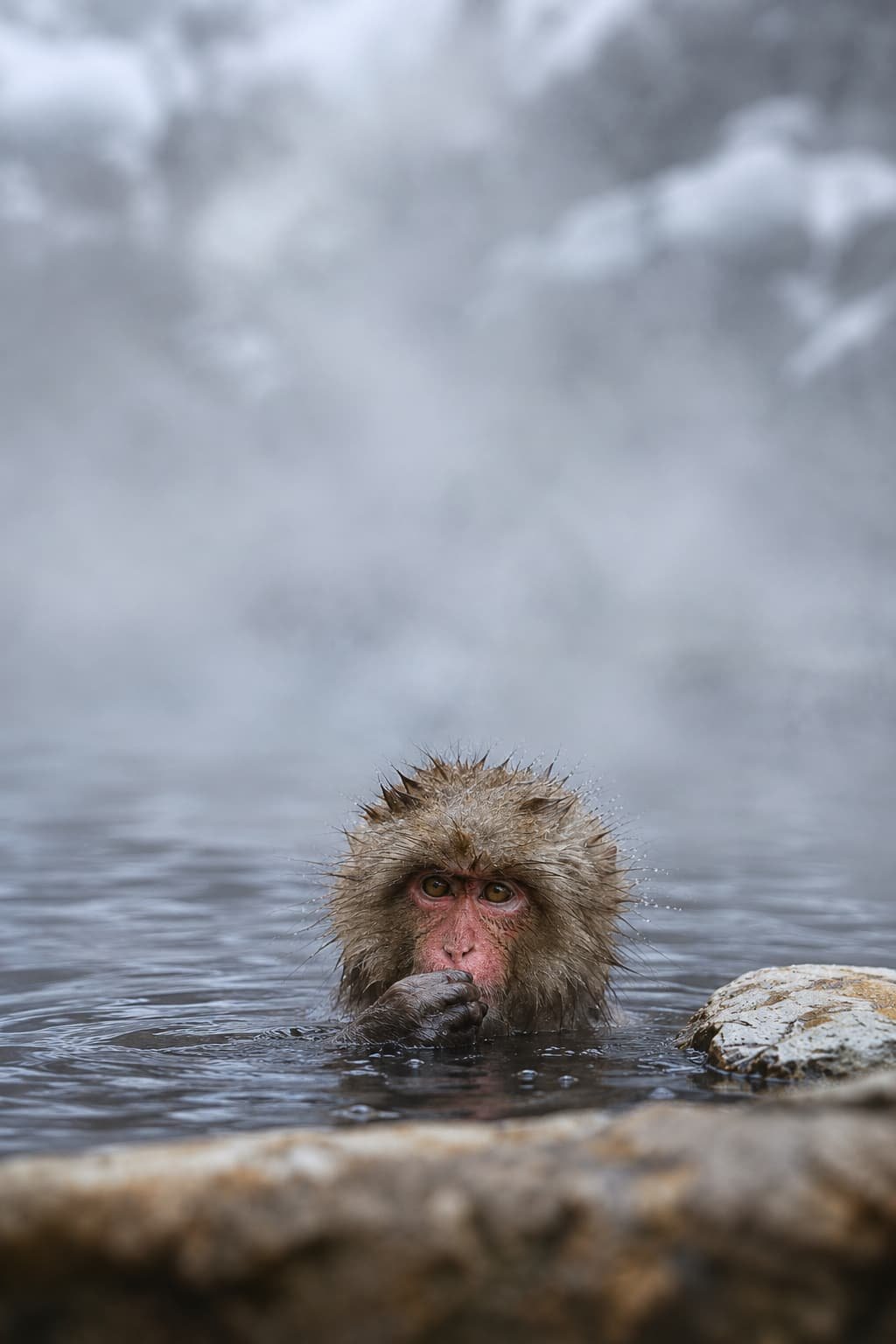
Wild macaques soaking in a steaming mountain pool, Nagano
Jigokudani Monkey Park is reachable as a long day trip from Tokyo by bullet train to Nagano, then a local bus and a roughly half-hour walk through forest. Winter hours run 9am to 4pm, and entry costs around ¥800 for an adult, confirmed before you travel. That said, seeing wild snow monkeys deliberately climb into a hot spring pool while snow falls around them is, as advertised, worth the trip — but arrive early. The access trail turns icy and genuinely slippery underfoot once the morning sun hits it, and the viewing platforms around the pool get crowded fast once tour buses start arriving around midday.
Catch: an icy walk in, and crowds from midday onward
Rank 06 — Snow Country
Ginzan Onsen
A gas-lit hot spring street under heavy Tohoku snow
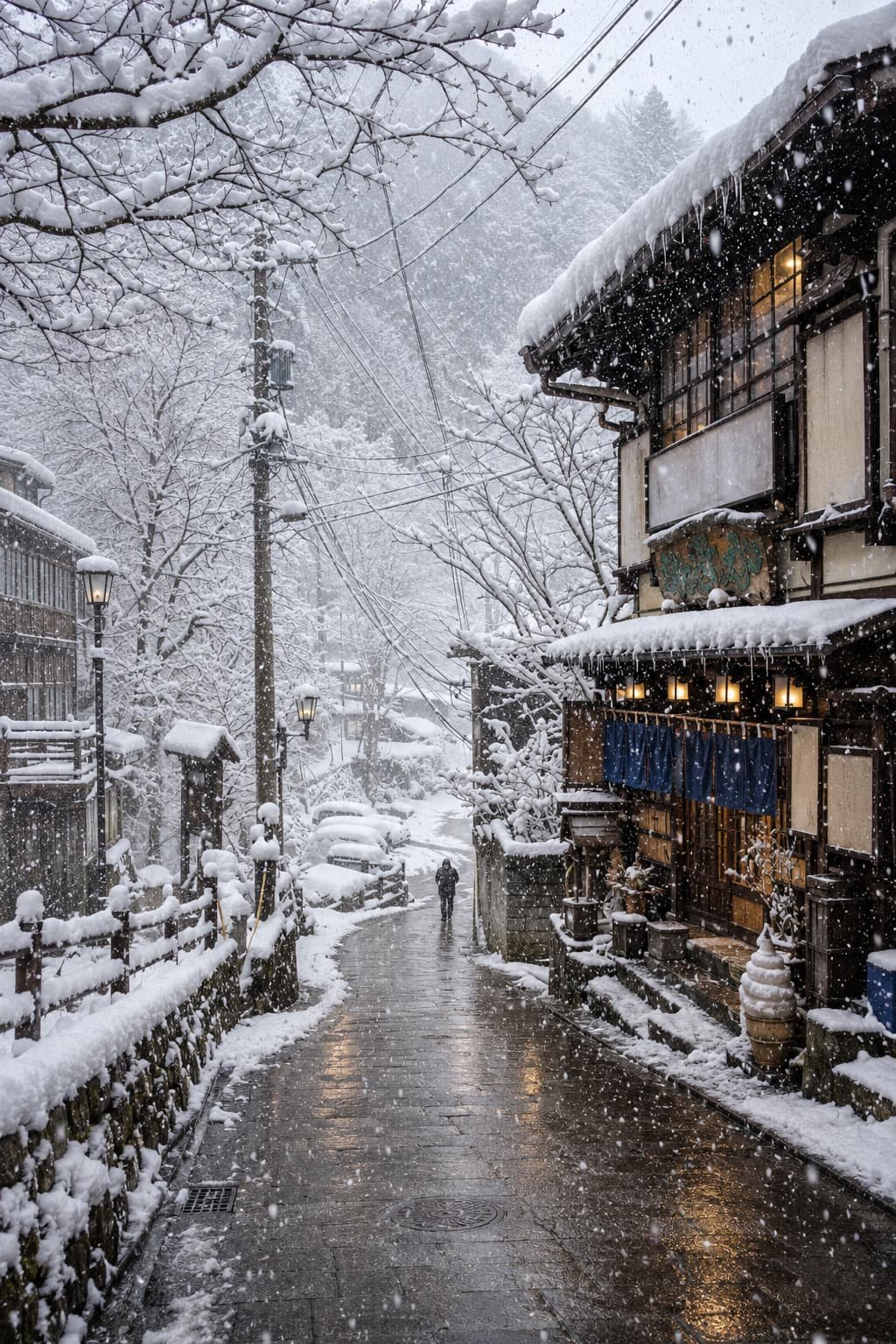
Ginzan Onsen’s single narrow street of wooden ryokan, lit by gas lamps on both banks of a snow-covered river, is the inspiration behind more than one animated film’s imagined bathhouse town. Under the rules that have applied each of the last two winters, day visitors are barred from the town after dark during the snow season, roughly from late December through the end of February, and must park at a visitor centre down the valley and ride a paid shuttle in — about ¥1,150 one way, with a cap on how many people can arrive each hour during the evening window. However, the exact dates and prices change from one season to the next, so confirm the current season’s rules on the town’s own site before you build an evening around it.
Catch: evening access for day visitors is restricted, and the shuttle needs booking
Zao and Nozawa Onsen
Rank 10 — Snow Country
Zao (the snow monsters)
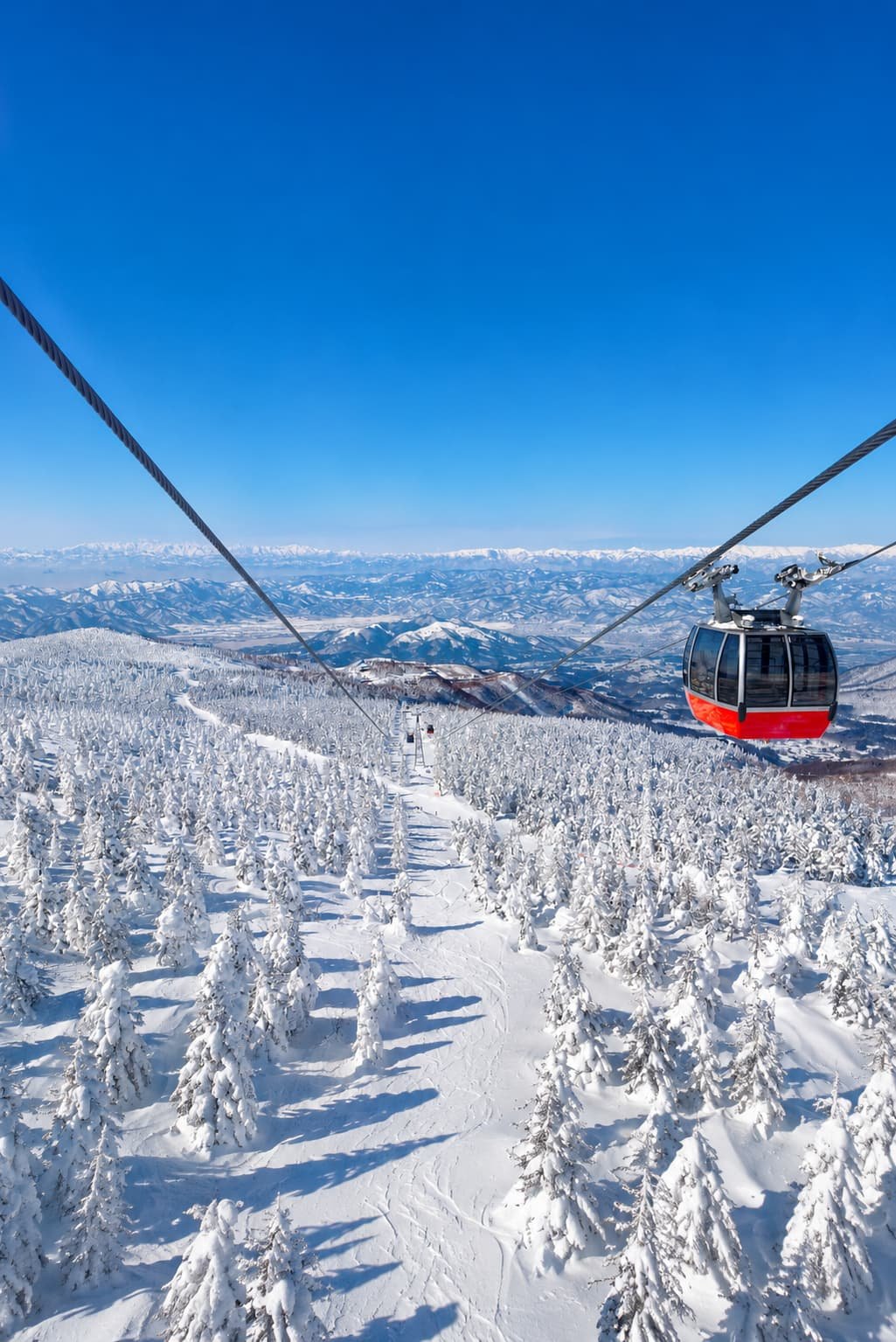
Frost-encased trees on a ridge above Yamagata
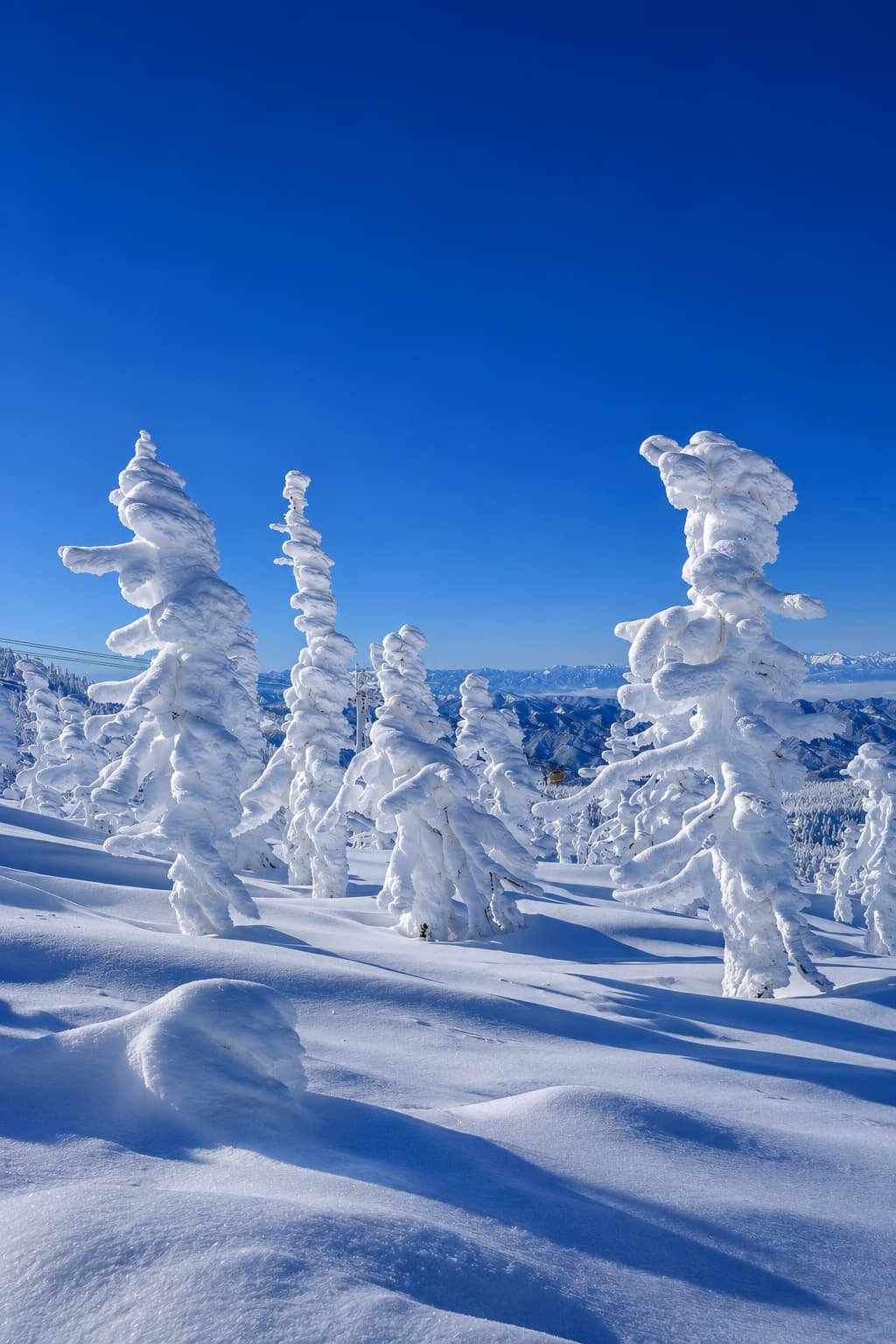
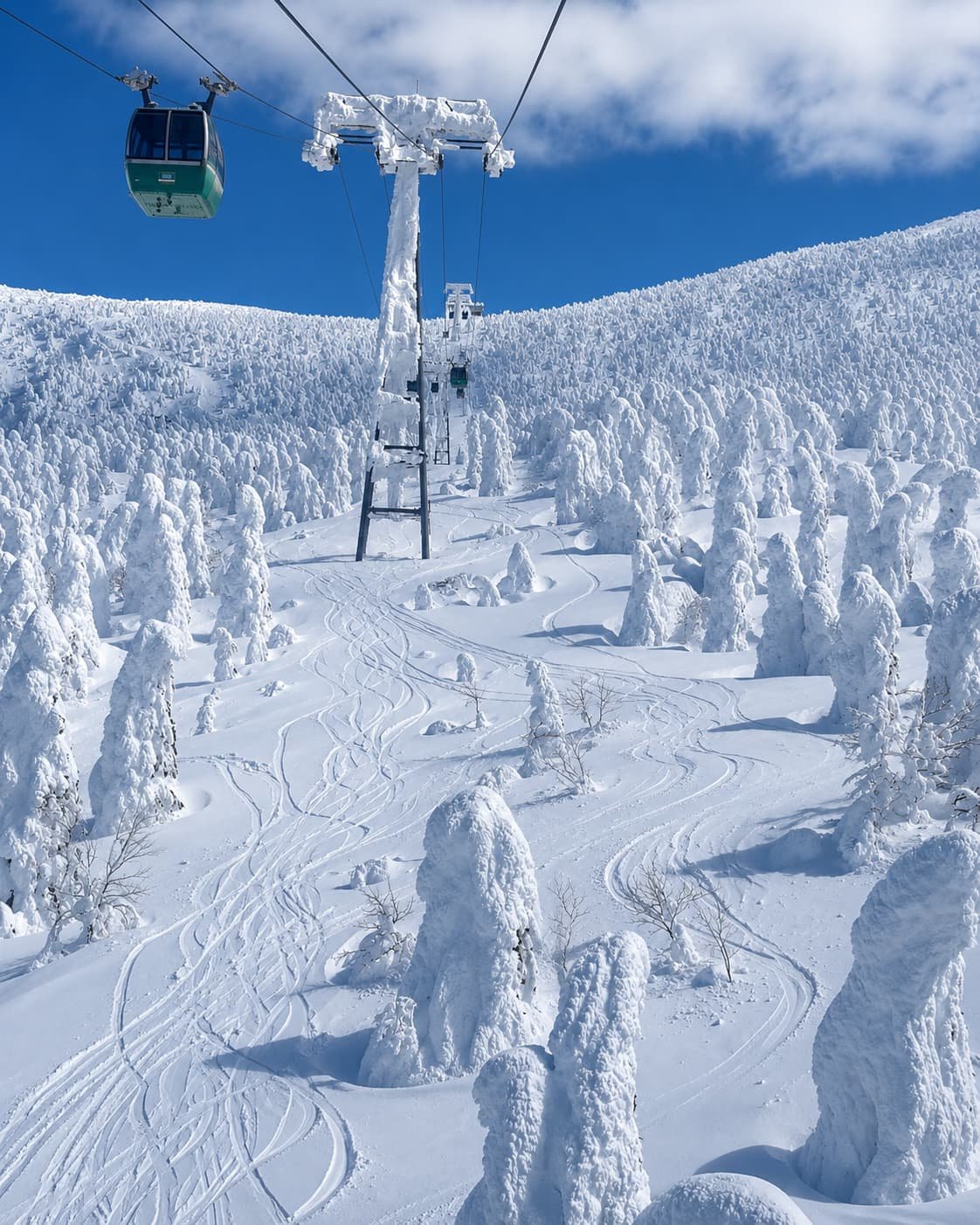
Zao’s juhyo, or “snow monsters,” are conifers so thickly encrusted in wind-driven ice and snow that they lose any resemblance to trees at all — a genuinely strange sight best seen in February, when the ice formations reach their largest. Overall, a round-trip ropeway ride up to the ridge costs in the region of ¥4,400, and in a typical season, an evening light-up programme runs from late December into late February, though the exact dates shift slightly each year, so confirm the current season’s schedule before you plan an evening around it. It’s one of the stranger sights you’ll find anywhere during Japan in winter, and photos rarely do the scale justice.
Catch: the ropeway closes in high wind or heavy snowfall, and there’s no making up a lost day
Rank 12 — Snow Country
Nozawa Onsen
A working ski village with free public baths and a fire festival
Nozawa Onsen combines genuine ski-town infrastructure with something most purpose-built resorts lack: thirteen free public bathhouses scattered through the village, fed by natural hot springs, that locals still use every day. In addition, mid-January brings the Dosojin fire festival, one of Japan’s more intense traditional events, built around a bonfire and ritual confrontation between the village’s young and old — confirm the exact date each year, as it traditionally falls around January 15 but is worth double-checking before you travel around it.
Catch: the festival night itself draws a crowd that overwhelms the village’s usual quiet
The Far North: Sea Ice
Rank 11 — Snow Country
Abashiri (drift ice)
Icebreaker cruises through pack ice off Japan’s northern coast
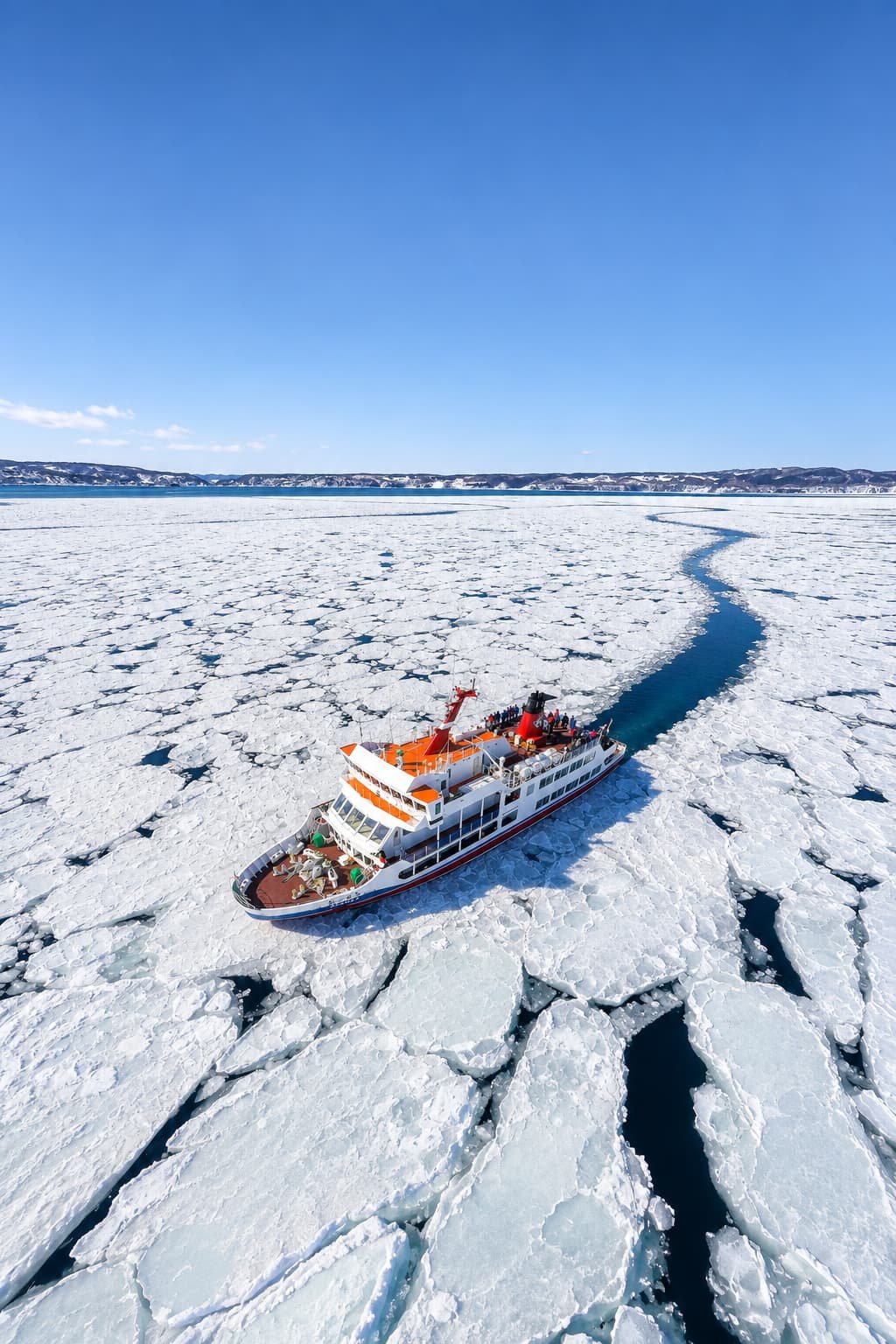
Abashiri, on Hokkaido’s remote northeastern coast, is the one place on this list where the main attraction isn’t snow at all but sea ice — vast sheets of drift ice that float down from the Sea of Okhotsk and pack the coastline tight enough to cruise through on an
icebreaker. Boats typically run from late January through March, though whether the ice actually arrives on schedule depends entirely on the winter’s weather, and an adult cruise ticket runs around ¥7,000. Consequently, getting there is a genuine commitment: it’s roughly five to six hours from Sapporo by train, which makes this the one entry on the list that needs its own dedicated day or two rather than a stop on the way to somewhere else.
Catch: remote, and the ice’s arrival is never guaranteed
Rank 07 — Pacific Side
Kyoto
Quiet temples, cold mornings, and snow that never stays long
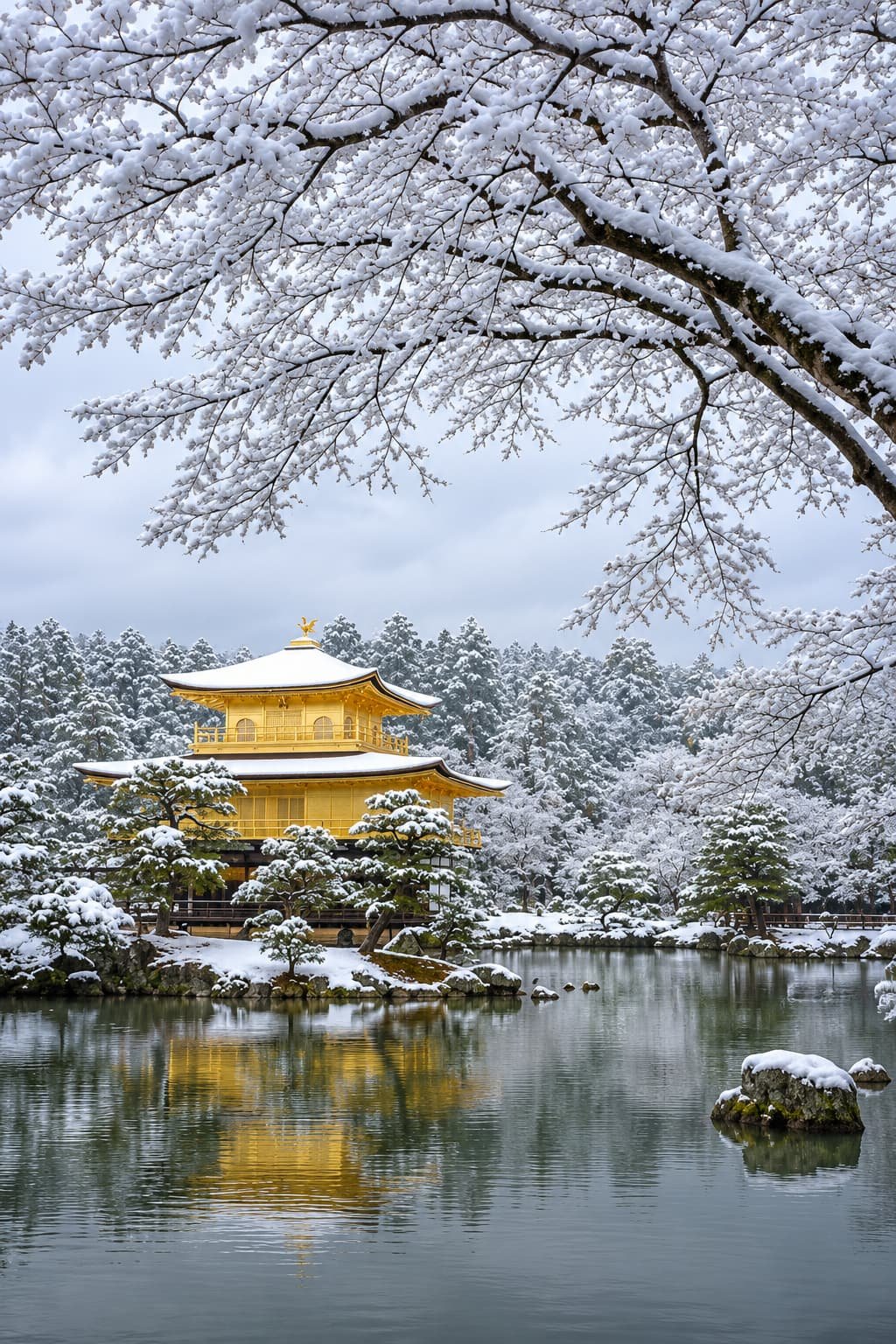
Kyoto in winter rewards exactly the kind of traveller who doesn’t need snow to make the trip worthwhile. In particular, the major temples and gardens — Kinkaku-ji, Arashiyama, the Philosopher’s Path — lose the dense tour groups that fill them in spring and autumn, and a genuinely cold, clear morning here has its own quiet appeal even without a flake in the air. For the honest version of a single day’s planning here, our existing guide does the detail work:
Kyoto in One Day: Solo Itinerary.
Catch: snow is rare and brief, so don’t build the trip around seeing it
04 — When to Go: December, January or February?
Timing Japan in winter correctly matters more than the destination list itself, since the same place can feel completely different a week apart. December is really two different months stitched together. The first three weeks bring illuminations and the start of the ski season without much disruption to normal travel, while the final week collapses into New Year, when many small businesses close and domestic travel peaks around the holiday itself — plan around roughly December 29 to January 3 rather than through it. Meanwhile, mid-January through early February is, in my experience, the genuine sweet spot: the New Year closures are over, snow country is at its most reliable, and the crowds haven’t yet built toward the Snow Festival and Lunar New Year surge.
February itself splits again. Snow Festival week, the first half of the month, is worth planning around specifically if Sapporo is on your list, but it’s also the single most expensive and crowded stretch of the entire season, especially in years when Lunar New Year lands inside it. Alternatively, if you want Hokkaido’s snow without that particular crush, the first week of February or the back half of January gets you most of the same conditions at a noticeably lower cost. If February itself doesn’t suit your dates, our wider Where to Go in February roundup covers other options worth weighing against a Japan trip. For what comes after winter ends, our existing guide to spring covers the shift well: Solo Travel in Japan in Spring.
05 — What Winter Changes About the Cost
Two national-level changes now sit on top of whatever a trip through Japan in winter would otherwise cost. Japan’s departure tax tripled from ¥1,000 to ¥3,000 per person, which is a modest amount against the price of a long-haul ticket but still worth knowing about ahead of time. More significantly, visa fees for nationalities that need one jumped roughly fivefold the same day — a single-entry visa rose from ¥3,000 to ¥15,000 — though this has no effect at all on visa-exempt travellers making a standard short stay, which covers most Western passport holders.
Beyond the national changes, the cost swing is really about where you choose to be. Niseko and Sapporo during Snow Festival week sit at the expensive end of Japanese winter travel, particularly once accommodation gets scarce around the Lunar New Year overlap. In contrast, Tokyo and Kyoto in January are genuinely good value, since hotel rates drop from their autumn and spring peaks while the cities themselves lose none of their appeal. Rail pass pricing varies enough by route and duration that it’s worth checking current fares directly rather than quoting a figure here; for the fuller national budget picture, our dedicated cost breakdown covers it properly: Japan Trip Cost.
06 — How to Combine Them
On a seven-day trip, the realistic move is a Tokyo base with a Fuji day added, plus one single snow-country detour — the Jigokudani snow monkeys or Ginzan Onsen both work well as a focused one- or two-night add-on without derailing the rest of the itinerary. Given ten to fourteen days, you can properly add Hokkaido (Sapporo, Otaru, and Niseko if skiing is the point) or the Japan Alps route through Takayama or Kanazawa toward Shirakawa-go. However, trying to do both regions on one trip tends to turn into more transit time than actual time in either place.
Getting between the two Japans mostly comes down to bullet train versus domestic flight: Tokyo to Nagano for the snow monkeys is a straightforward Shinkansen ride, while Tokyo to Sapporo is faster by air than by rail given the distance involved. Either way, build in slack for winter delays — snow-related schedule disruptions are more common on this itinerary than on a spring or autumn version of the same route. If deep snow without any of Japan’s booking traps sounds more appealing, our Iceland in Winter guide is worth a look as a genuinely different kind of cold-season trip.
07 — What to Pack
Packing for Japan in winter means packing for two trips, not one, since the two trips need genuinely different kits. For the Pacific side, a warm coat, gloves and a scarf over normal layers will see you through most days comfortably, since the cold is dry rather than brutal. However, snow country is a different proposition entirely: waterproof snow boots with real traction, crampons if you’re walking icy trails like the Jigokudani approach, and enough insulating layers to stand still outdoors for an hour at a time, which is exactly what watching a snow sculpture light-up or waiting for the Zao ropeway requires.
Frequently Asked
08 — Japan in Winter FAQ
Is Japan worth visiting in winter?
Yes — Japan in winter is worth visiting, but the answer depends on which Japan you mean. The Pacific side offers clear skies, thin crowds and some of the best Mount Fuji viewing of the year, without much snow at all. Snow country delivers the deep-winter scenery most people picture, along with genuine cold and a longer packing list. Overall, either version is worth the trip; just be clear going in about which one you’re booking. If you’d rather skip the cold altogether, our
Where to Go in January guide covers warmer alternatives for the same travel window.
Does it snow in Tokyo?
Occasionally, but rarely and briefly. Tokyo gets a handful of light snowfalls most winters, and any accumulation usually melts within a day. As a result, plan the city as a cold, clear, dry-season visit rather than a snow trip.
When is the Sapporo Snow Festival?
The Sapporo Snow Festival runs for about a week and a half in early February across three sites — Odori Park, Susukino and Tsudome. For this reason, book Sapporo accommodation early: in years when Lunar New Year falls inside festival week, that puts extra pressure on hotel availability.
Booking Rules and Winter Access
Do you need to book Shirakawa-go in winter?
Yes. The light-up runs on only a handful of nights each January, and every one is reservation-only, with no tickets sold at the gate. If you want to stay overnight in the village itself, that requires entering a separate lodging lottery that typically closes in late October for the following January, so check the current dates well ahead of your trip. Even so, day visits by bus tour or self-drive with a parking reservation remain possible on light-up nights.
Can you visit Ginzan Onsen without staying there?
Yes, but with restrictions during the winter season. In the two most recent winters, day visitors have been barred from the town after dark and required to park at a visitor centre and take a paid shuttle in during the busiest hours. Overnight guests are exempt from these restrictions. However, confirm the current season’s exact dates and shuttle details on the town’s own site before planning an evening visit around them.
Best Month and Winter Costs
What is the best month to visit Japan in winter?
Mid-January to early February tends to offer the best balance: the New Year closures are behind you, snow country is reliably covered, and the heaviest crowds and prices of Snow Festival week and Lunar New Year haven’t yet hit. Alternatively, if the Sapporo Snow Festival itself is the priority, build the trip around its confirmed early-February dates for that year and accept the higher cost and crowds that come with it.
Is Japan expensive in winter?
It depends heavily on where and when. Tokyo and Kyoto in January are good value, with hotel rates lower than their spring and autumn peaks. Meanwhile, Niseko and Sapporo during Snow Festival week sit at the opposite end, especially in years when Lunar New Year pushes demand even higher. On top of regional cost swings, Japan’s departure tax tripled to ¥3,000, and visa fees rose sharply for nationalities that need one — a cost that visa-exempt travellers won’t notice at all.
✦ ✦ ✦
Pick the trip you actually want — the quiet, clear one or the deep-snow one — and book around its real rules, not its most photographed night.