
Kyoto in One Day: The Perfect Solo Itinerary (What to Do at Dawn Before the Crowds)
How to make a single day in Kyoto feel like more than it has any right to — starting at 5:30am, before the city wakes up.
Most Kyoto one-day guides are built around a circuit — Fushimi Inari, Arashiyama, Gion, Kinkaku-ji — crammed into a single day that ends with sore feet and the nagging feeling that you saw a lot but experienced very little.
This itinerary is built around a different principle: timing determines everything in Kyoto. Specifically, the same places that feel overwhelming at 11am are genuinely extraordinary at 6am. The same streets that are wall-to-wall tourists at noon are empty and atmospheric before the city wakes up.
For a solo traveler in particular, Kyoto at dawn is one of the best experiences in all of travel. Nobody to wait for. No compromise on the 5:30am start. No group logistics at the breakfast counter. Just you, the stone paths, and the particular silence of a city that is over a thousand years old — in any season.
01 — Why Timing Is Everything in Kyoto
The crowd problem — and the solution
Kyoto receives over 50 million visitors a year. The popular sites — Fushimi Inari, the Philosopher’s Path, Arashiyama’s bamboo grove — are on almost every itinerary. As a result, the difference between an overcrowded experience and a transcendent one is almost entirely a matter of what time you arrive.
The window is specific: 5:30am to 8:30am. During these three hours, Kyoto’s most visited sites are either empty or occupied by only a handful of people. The light is softer. The air is cooler. Moreover, the sounds are the actual sounds of the place — birds, water, stone — not the ambient roar of a crowd.
Tour groups begin arriving at Fushimi Inari around 9am. Subsequently, the Philosopher’s Path is busy by 10am, and Arashiyama’s bamboo grove is almost impossible to photograph without strangers in the frame by 11am. The city transforms quickly and completely — and this pattern holds regardless of the season you visit in.
Solo travel makes the dawn itinerary easy. No one to wake up, no compromise on the 5:30am start, no group logistics at the breakfast counter. The earliest hours of Kyoto belong specifically to the person who turned up alone and on their own schedule.
02 — The Dawn Itinerary: 5:30am to 9am
These are the hours that make the day. Leave your accommodation by 5:15am. The first train from central Kyoto runs just after 5am — check the schedule the night before. Take the Keihan or JR line to Fushimi and walk to the main gate.
Fushimi Inari & Breakfast
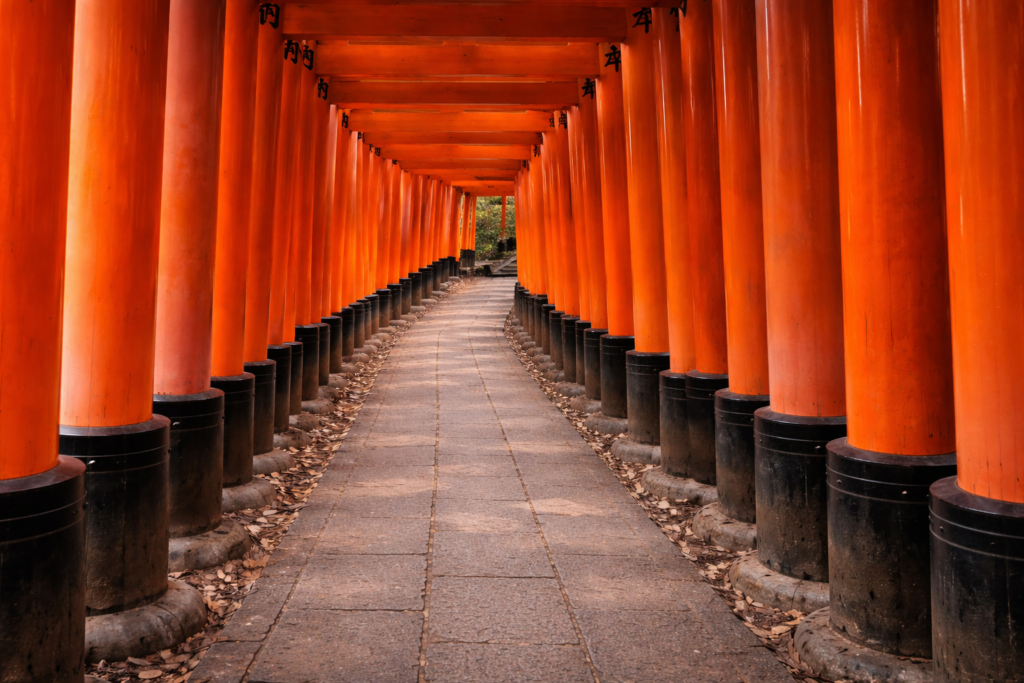
The ten thousand vermillion torii gates that wind up Mount Inari are extraordinary at any time. At 5:30am, however, before the first tour groups arrive, they are something else entirely. Walk as far as the Yotsutsuji intersection — about forty minutes up — for the view back over Kyoto. The whole mountain is accessible to anyone at any time, free of charge. Spend ninety minutes here. You will not regret it.
Always open · Free entry
Find a kissaten — a traditional Japanese coffee shop — or a small restaurant near Fushimi station that opens early. A proper Japanese breakfast: rice, miso soup, grilled fish, pickles. Eat at the counter. Order by pointing if you need to. Take your time. In particular, this meal — eaten alone in a place that has been serving the same things for decades — is one of those small travel moments that stays with you much longer than the famous sites.
¥600–1,200
The Philosopher’s Path Before It Fills
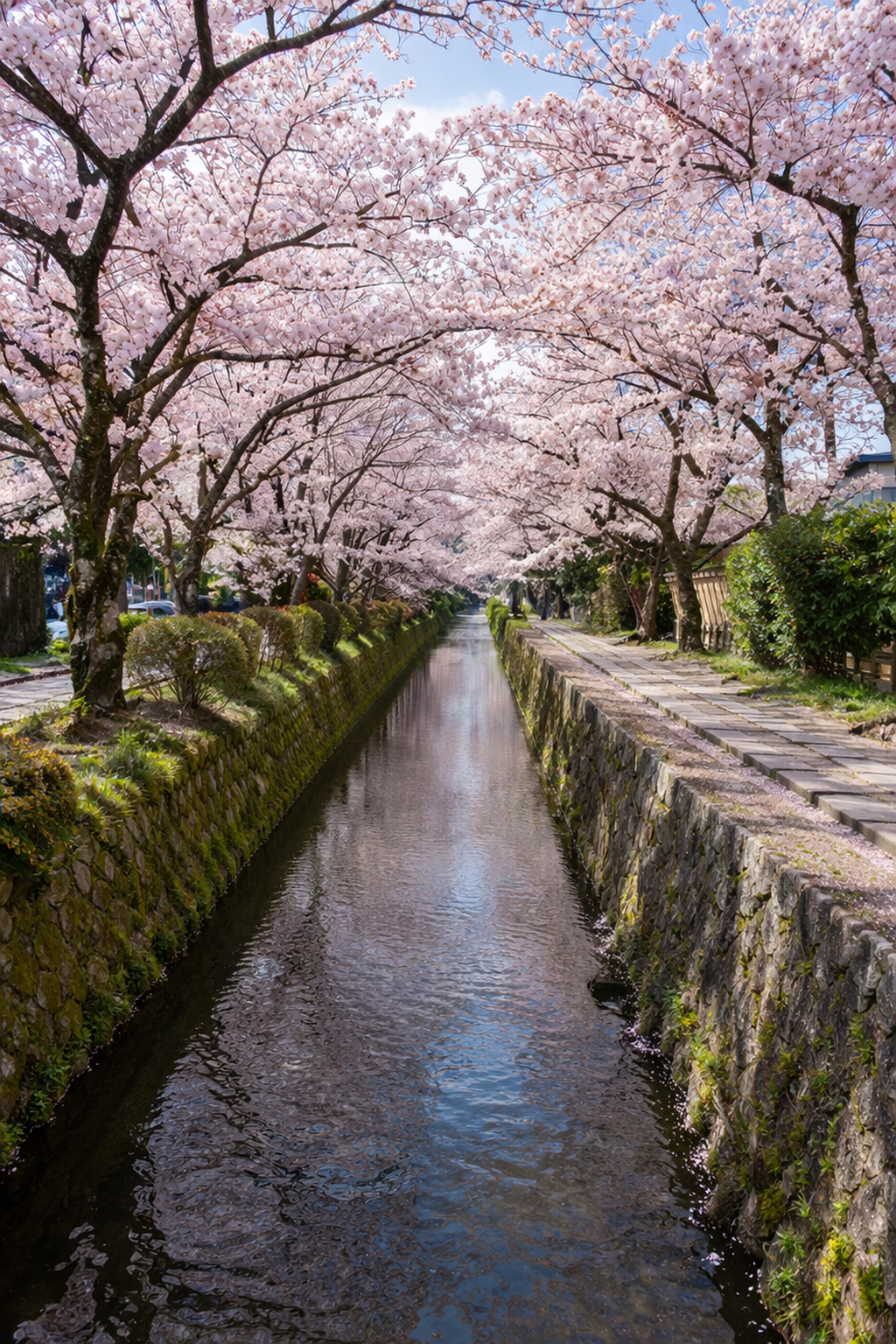
The two-kilometre canal walk lined with hundreds of trees is one of the most beautiful walks in Kyoto in any season. Arrive before 9am. Walk from Nanzen-ji north toward Ginkaku-ji at whatever pace feels right. In spring the canal reflects cherry blossoms; in autumn the maples turn it amber; in winter the path is quiet and crystalline. This is Kyoto at its most itself.
Free · Best before 9am
03 — Mid-Morning: 9am to 12pm
By 9am you’ve already done the most important parts of the day. In turn, the rest of the morning is gentler — the city is busier now, but you’ve earned the right to move through it more slowly.
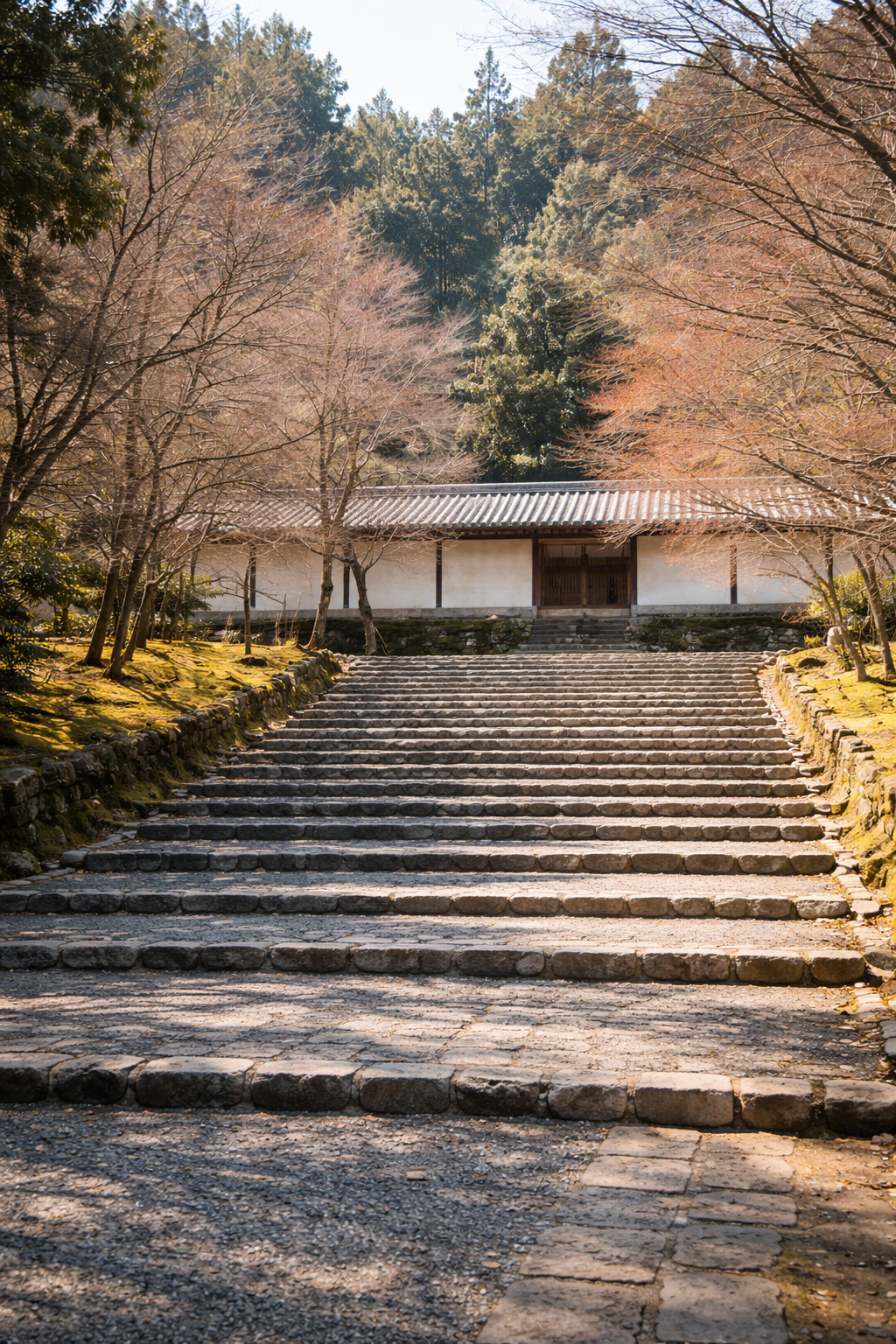
The southern end of the Philosopher’s Path puts you at Nanzen-ji, one of Kyoto’s finest Zen temple complexes. The aqueduct running through it — a red brick Roman-style structure that looks completely out of place and is somehow perfect — is worth seeing. Moreover, the sub-temple gardens are immaculate and quiet even mid-morning. Small entrance fees, worth every one.
¥500–600 per sub-temple
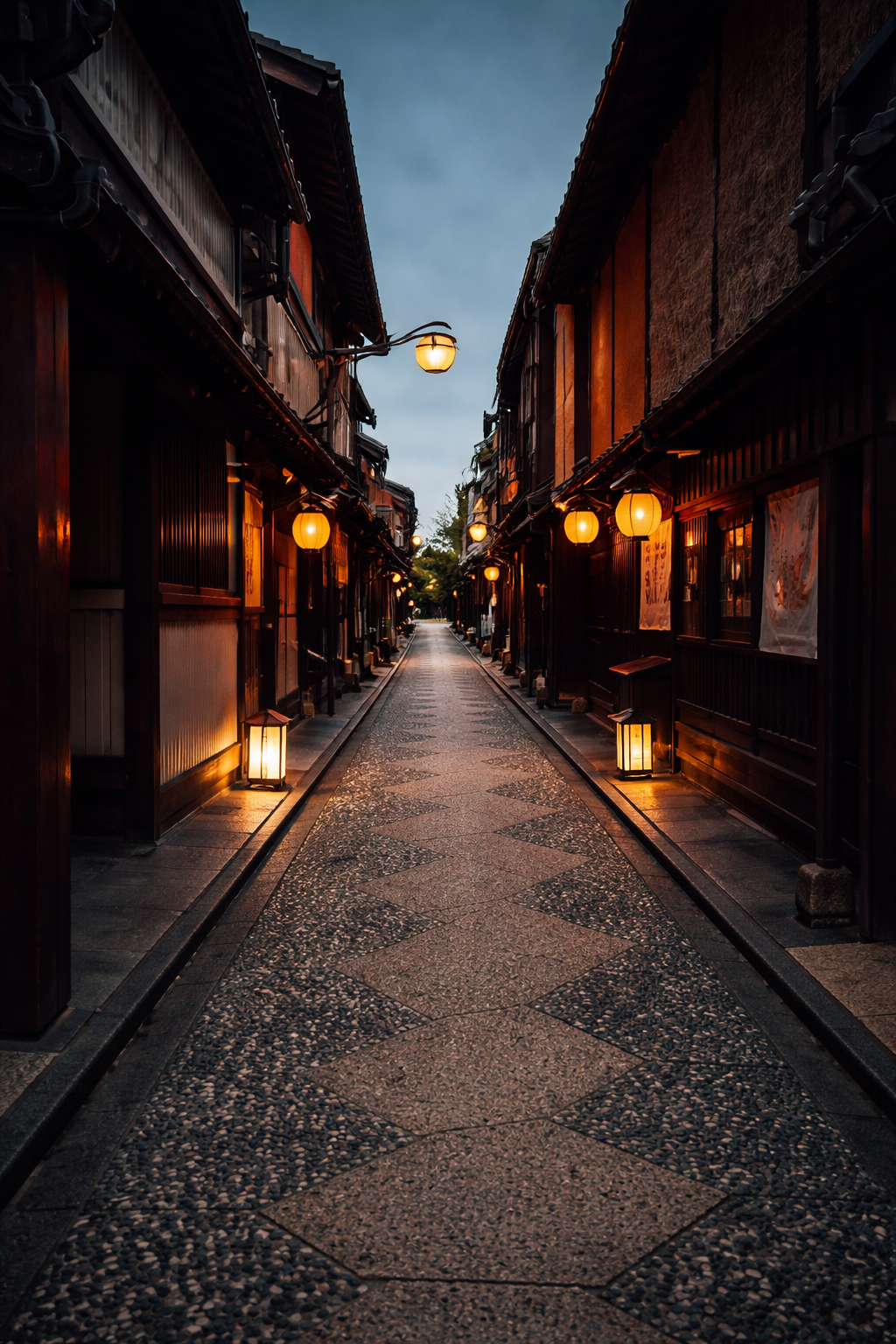
The main Hanamikoji street in Gion is busy from mid-morning. The back streets — Shinbashi-dori, Tatsumi bridge, the lanes behind the main drag — are different. Wooden machiya townhouses, stone paths, the occasional geiko moving between appointments. Walk without a map. The neighbourhood rewards getting slightly lost more than it rewards following a route.
Free · No map needed
Kyoto’s covered market is five blocks long and packed with vendors selling everything the city eats — pickled vegetables, fresh tofu, grilled skewers, sesame sweets, dashi broths in small cups. This is lunch, eaten slowly while moving. Solo travel is ideal for this — you stop when something looks interesting and don’t need to manage anyone else’s appetite.
¥800–1,500 for a market lunch
04 — Afternoon and Evening: Let It Slow Down
You started at 5:30am. By noon, you have already seen more of the real Kyoto than most visitors who spend three days here. The afternoon earns its slower pace.
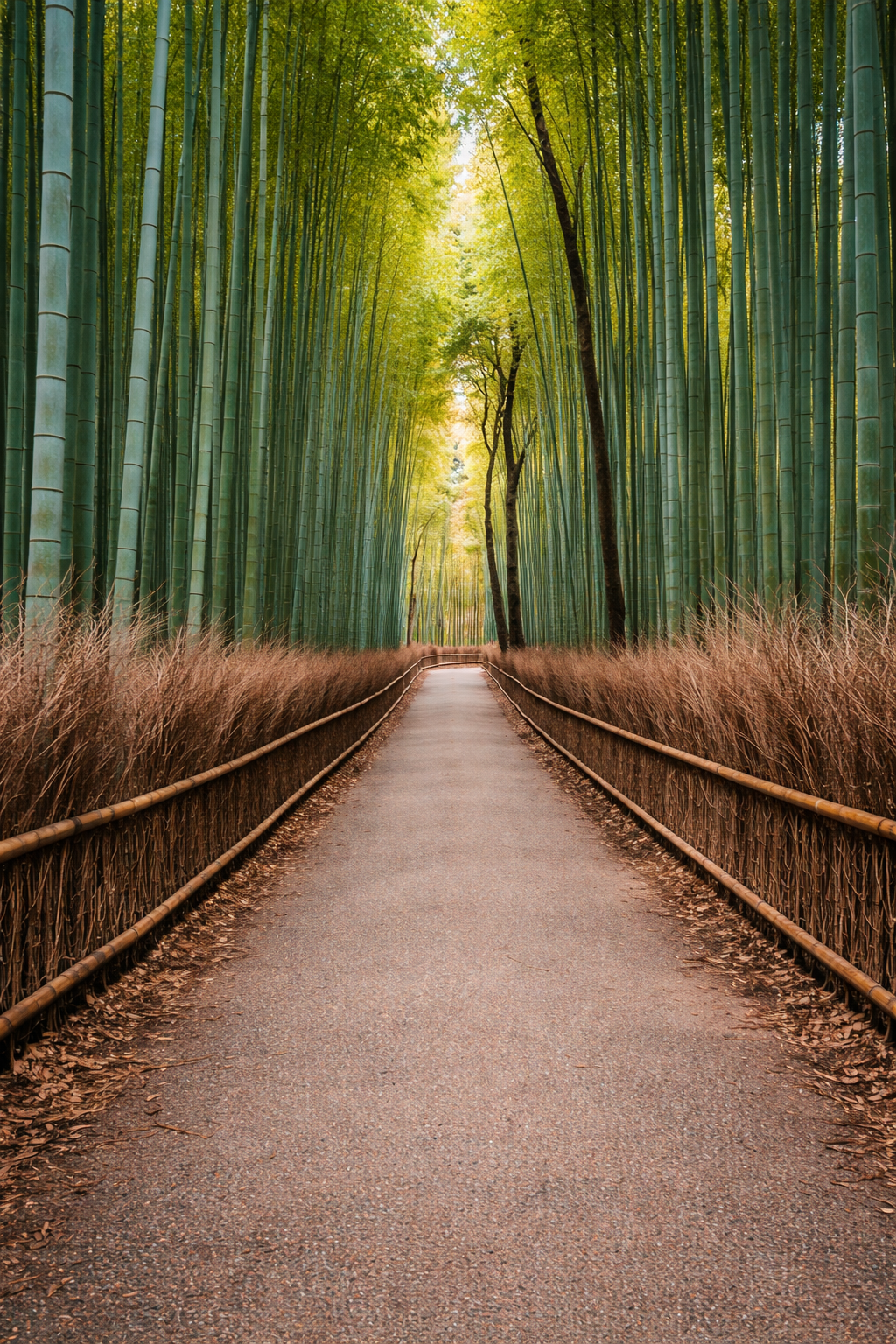
The famous bamboo grove is genuinely worth seeing — and genuinely crowded by afternoon. Go straight to the grove first, spend ten minutes, then leave the main path. In turn, Arashiyama’s side streets, the river walk, and the smaller temples away from the tourist circuit are more interesting and far less crowded. Rent a boat on the Oi River if you want an hour of complete quiet.
Bamboo grove · Free
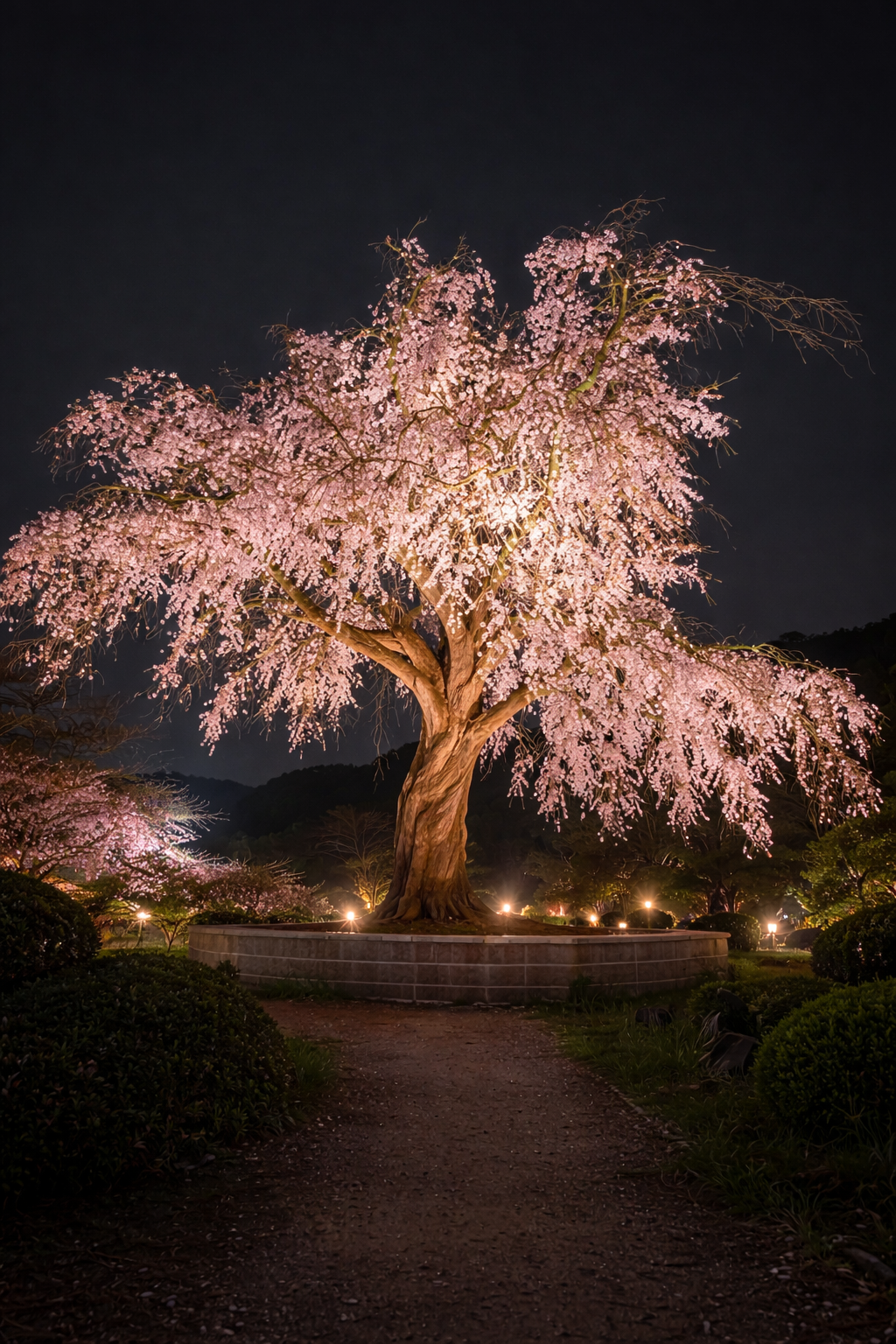
Maruyama Park is Kyoto’s most beloved public space — in spring its famous weeping cherry is lit from below at dusk; in autumn the maples flame orange overhead; in winter the bare branches have their own austere beauty. This is where the day should end regardless of season. Find a bench. Buy a can of something from the nearest vending machine. Simply sit as the light changes. Kyoto gives you a place to pay attention — and the thing you’re paying attention to deserves every minute of it.
Free · Best at golden hour
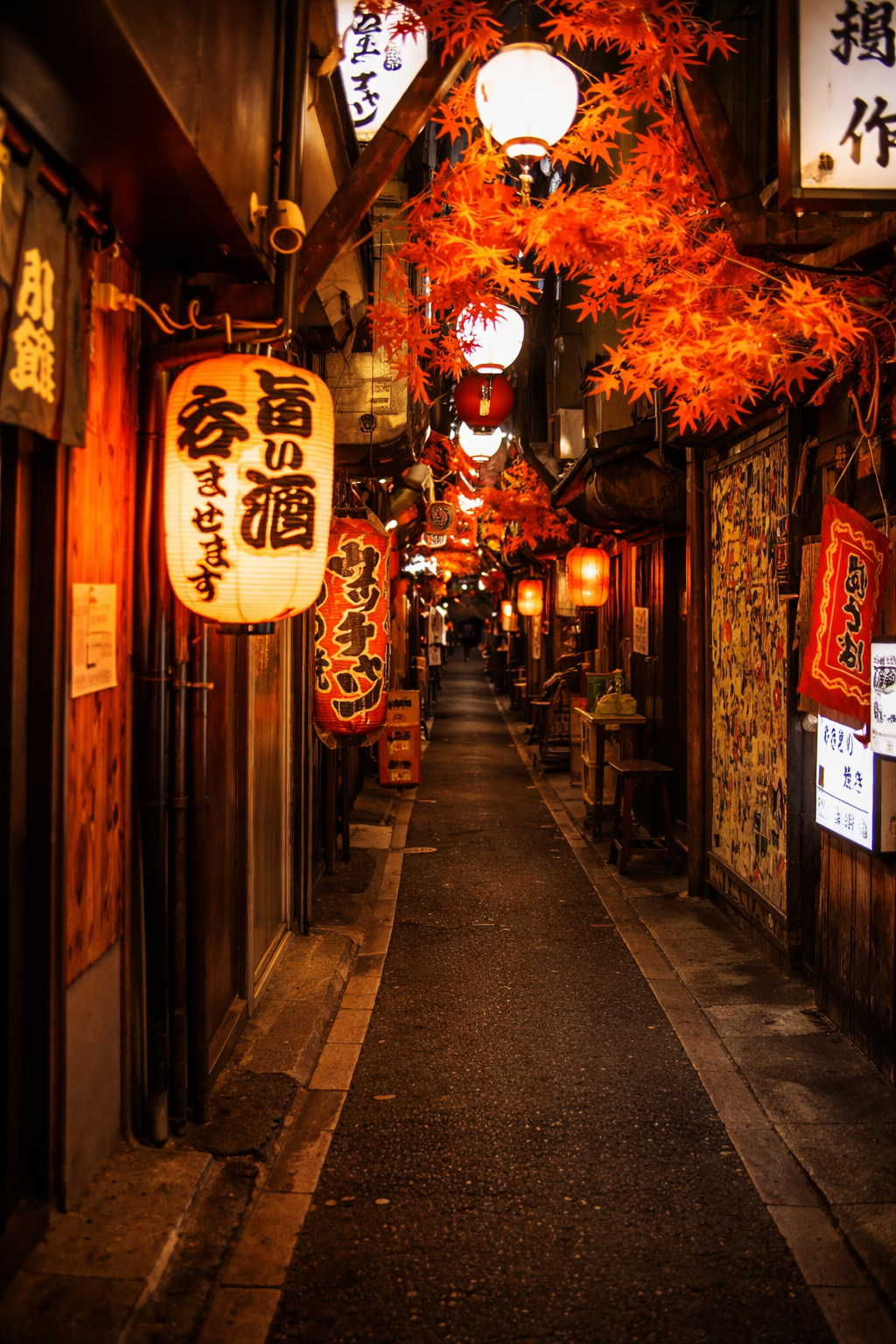
Find somewhere small. Counter seating. A ramen shop, a small izakaya, a standing sushi bar. Order carefully and eat slowly. Solo dining in Japan carries none of the social friction it can in other countries — the counter is designed for exactly this. As a result, the meal feels like a reward, which it is.
¥1,000–2,500
05 — When to Visit Kyoto
Kyoto is genuinely worth visiting in any season — each one produces a different city. Furthermore, the itinerary above works year-round; the dawn advantage is consistent regardless of when you go. That said, the seasons differ significantly in atmosphere, crowds, and cost.
Peak seasons — spring & autumn
Spring is Kyoto’s most celebrated season — the Philosopher’s Path lined with hundreds of flowering cherry trees, Maruyama Park’s weeping cherry lit at dusk, blossoms along the Arashiyama riverbank. Peak bloom typically falls in late March to early April and lasts approximately one week. Accommodation books up faster than almost any other destination in Asia during this window — plan accordingly.
Peak bloom in Kyoto typically falls late March to early April and lasts approximately one week — the exact window shifts year to year depending on winter temperatures. Check the annual sakura forecast before booking flights. The Philosopher’s Path and Maruyama Park are the best spots; both are on this itinerary already. Simply go earlier and stay longer at each.
Many long-term Japan travelers consider autumn the better season — the maple foliage turns the temple gardens amber and red from mid-October onward, the temperatures are comfortable (15–22°C), and the light is exceptional. Crowds are significant but more spread across the season than the concentrated cherry blossom week. The Philosopher’s Path, Nanzen-ji, and Arashiyama are all at their visual peak. Book accommodation 6–8 weeks ahead.
Quieter seasons — summer & winter
Summer in Kyoto is hot — genuinely so, with July and August regularly reaching 35°C with high humidity. However, it is also the season of Gion Matsuri, one of Japan’s most important festivals, running throughout July with a famous procession on the 17th. Fewer international tourists visit in summer, which means accommodation is more available and the city has more of its own life visible. Start even earlier in the day — the 5:30am start becomes a 5am start in summer heat.
Winter Kyoto is cold (2–10°C) and very quiet — a completely different city from its peak-season self. Fushimi Inari dusted with snow is one of Japan’s most striking images and genuinely achievable on a cold December morning. The temple gardens are sparse but austere in a way that has its own beauty. Accommodation is available, prices are lower, and the dawn itinerary produces almost no other people at the famous sites. For the solo traveler who moves slowly and finds crowds exhausting, winter Kyoto is an underrated choice.
06 — Practical Information
Getting there & around
| Getting to Kyoto | Shinkansen from Tokyo (~2h 15min) or Osaka (~15min). The Japan Rail Pass covers both. Buy Shinkansen tickets in advance through the JR app or at major stations — reserved seats are worth it during cherry blossom and autumn foliage seasons. |
| Getting around Kyoto | Subway for the main north-south axis. Buses cover everything else. Get an IC card (Suica or Pasmo) at the station and tap in and out. Google Maps works perfectly for Kyoto transit routing. |
Planning & budget
| Best time to visit | Spring (late March–early April) for cherry blossoms. Autumn (mid-October–late November) for maple foliage. Winter (December–February) for quiet and occasional snow. Summer (June–August) for festivals and fewer foreign crowds — but be prepared for heat. |
| What to carry | Cash for temple entry fees and smaller restaurants. A layer appropriate to the season — Kyoto mornings can be cold in spring and winter, hot in summer. Comfortable walking shoes. IC card for transport. |
| Where to stay | The Higashiyama district puts you within walking distance of Gion, Nanzen-ji, and the Philosopher’s Path. A ryokan here is the most atmospheric option. Book 2–3 months ahead for spring and autumn — Kyoto fills faster than almost any other destination in Asia during peak seasons. |
| Solo dining | Japan is built for it. Counter seats at ramen bars, sushi restaurants, and izakayas are standard. Nobody looks twice at a solo diner. Eat at the counter whenever possible — it is consistently the best experience. |
| Budget for one day | Fushimi Inari and Philosopher’s Path are free. Nanzen-ji sub-temples: ¥500–600 each. Nishiki Market lunch: ¥800–1,500. Transport: ¥600–900. Dinner: ¥1,000–2,500. Full day total: ¥3,000–6,000 (approx €18–37), excluding accommodation. |
The Itinerary & Key Sites
Logistics & Planning
Kyoto at dawn belongs to whoever shows up early enough to claim it.
Set the alarm. Go alone. Go slowly.