
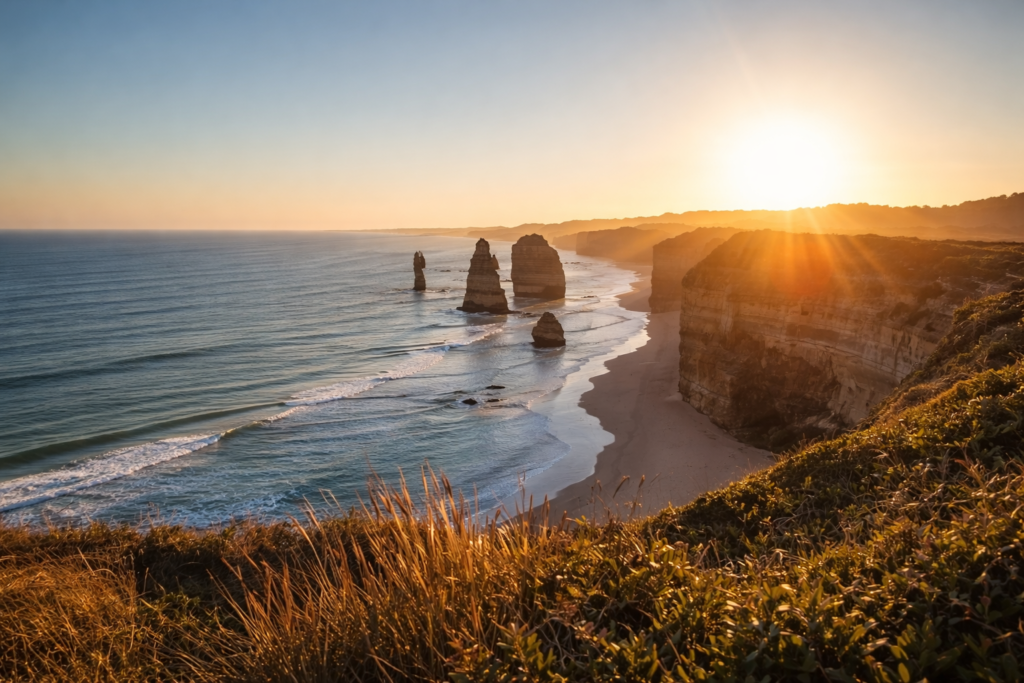
7 Summer Bucket List Destinations You Haven’t Thought Of Yet
Not every summer needs a sunbed reservation and a crowded pool bar. These seven destinations are warm, beautiful, and the kind of thing you tell people about long after summer ends.
Why This Summer Bucket List Is Different
You already know summer is coming. What you’re deciding right now is what kind of summer it’s going to be.
There are summers you spend at the same resort everyone else is at, where the days blur together and the photos look identical to last year’s. And then there are summers with actual stories — the ones where you ate something extraordinary in a city you’d never thought about, swam somewhere you couldn’t believe existed, or sat in a place so beautiful you forgot to take a photo.
These seven destinations belong to the second kind of summer. All of them are warm, all of them are more interesting than the obvious choices, most of them are more affordable, and all of them belong on any serious summer bucket list.
Best summer food destination: Oaxaca, Mexico
Best coast + city summer combo: Lisbon + Algarve, Portugal
Best summer solo trip: Tbilisi, Georgia
Best tropical summer escape: Bali, Indonesia
Best beaches + history summer: Crete, Greece
Best Caribbean summer vibes: Cartagena, Colombia
Best summer city + nature mix: Panama City, Panama
01 — Lisbon + Algarve, Portugal
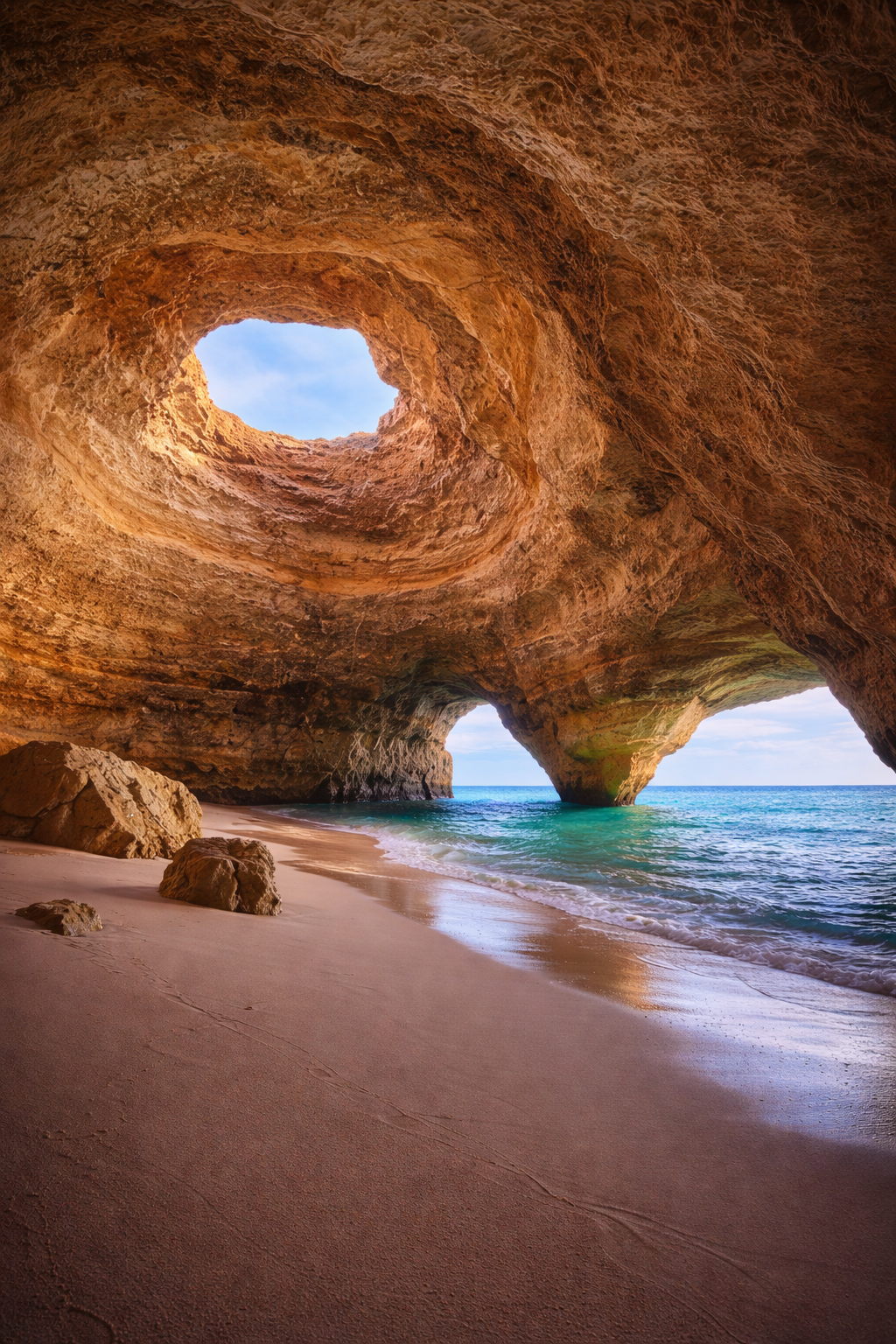
Lisbon in summer is one of Europe’s most effortlessly beautiful cities, and the Algarve coast is its perfect companion. June and early July sit in that ideal window — before the peak August heat arrives — where long golden evenings, warm coastal water, and a city that functions at a genuinely pleasant pace make every day feel like a slow exhale.
The Algarve’s sea caves, golden cliffs, and long stretches of sand are at their most inviting in early summer: the Atlantic is warm enough to swim, the coastal paths are spectacular, and the sunsets over Ponta da Piedade justify every photo you take of them. Combine three days in Lisbon’s Alfama with four days along the western Algarve coast and you have a summer week that covers nearly every mood — city wandering, beach days, coastal hiking, and long seafood dinners.
Best Things to Do in Lisbon and the Algarve
Lisbon’s oldest neighbourhood — cobbled streets, tiled buildings in blue and white, and a miradouro view over the Tagus estuary in evening light that earns the climb.
The Jerónimos Monastery and Tower of Belém before the heat builds — plus the original Pastéis de Belém bakery, which has been making the same custard tart since 1837.
Fairytale palaces and forested mountain gardens, 40 minutes from Lisbon — one of Europe’s most beautiful day trips and best done early before the tour groups arrive.
A 5.7km coastal cliff walk passing sea caves, hidden beaches, and the most dramatic Atlantic coastline in Portugal. The best summer morning you can plan in advance.
Paddle into the limestone grottoes along the western Algarve coast — a summer morning activity that earns a long lunch afterwards.
02 — Oaxaca, Mexico
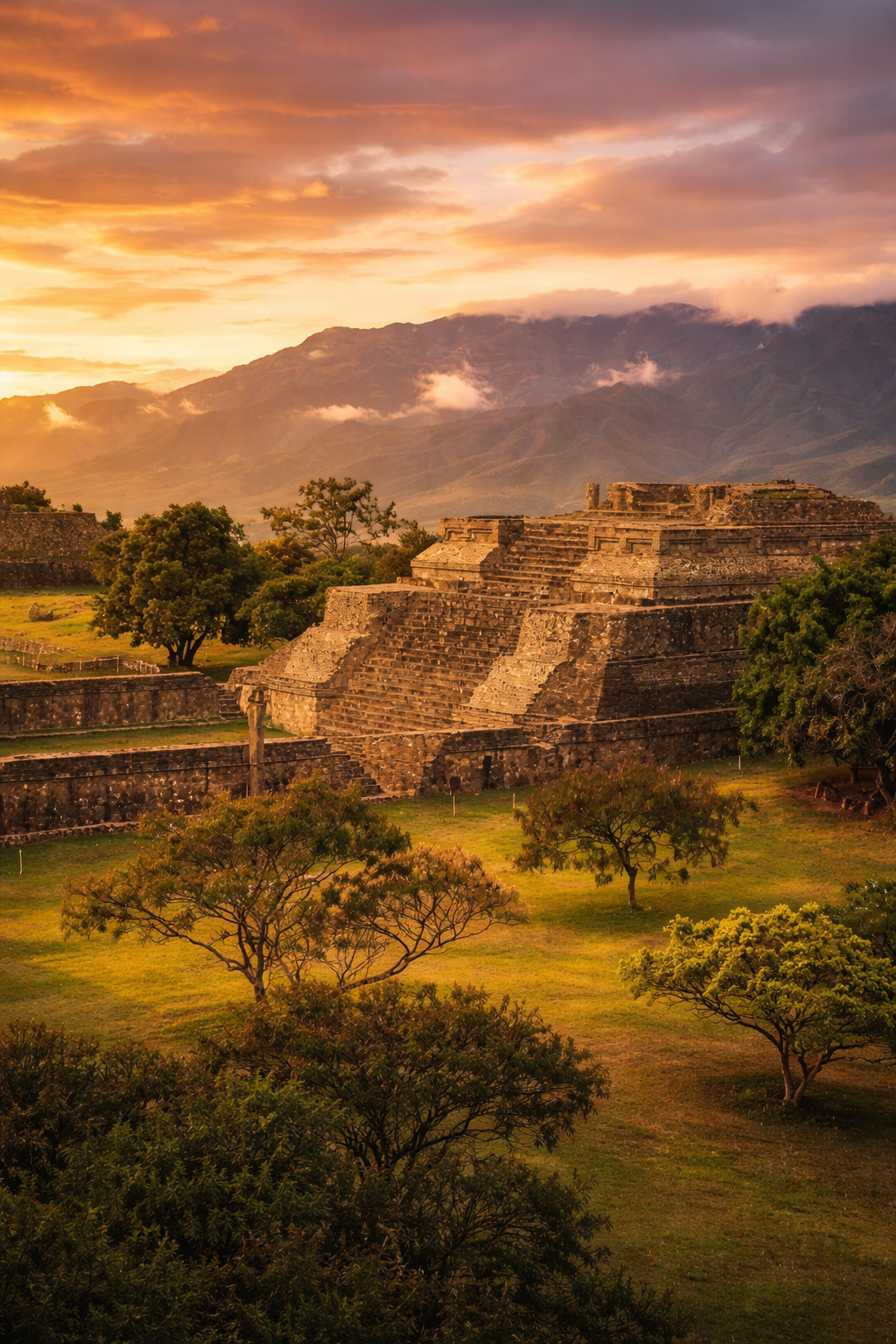
Oaxaca sits at altitude — 5,000 feet above sea level in southern Mexico — which makes it one of the most comfortable places to spend a summer week in the country. While the coast bakes, Oaxaca stays warm without becoming punishing, with cool evenings and the kind of shaded central square that makes long afternoon meals feel like the correct choice.
But Oaxaca’s summer appeal runs deeper than the climate. The city’s Guelaguetza festival falls in July and is one of Mexico’s most visually extraordinary celebrations — indigenous communities from across the region converge on the city for music, dance, and traditional dress that has no equivalent anywhere else in the country. Outside of festival weeks, summer in Oaxaca is quieter and more affordable than the December high season, and the food is exceptional regardless of when you arrive.
Why Oaxaca Belongs on a Summer Bucket List
Two weeks of indigenous dance, music, and ceremony on the hillside above the city — one of Mexico’s most spectacular and least commercialised cultural events. If your summer dates overlap, build your trip around it. Book accommodation months in advance during festival weeks.
Best Things to Do in Oaxaca in Summer
Mole pastes, dried chilies, tlayudas, fresh juice, and Oaxacan cheese — the city’s best market is a slow, full morning that changes how you think about Mexican food.
A Zapotec city on a mountaintop overlooking the valley — the afternoon light in summer turns the ruins an extraordinary colour worth staying late for.
Petrified mineral waterfalls and natural infinity pools in the mountains — a half-day trip that feels genuinely surreal and photographs like nothing else in Mexico.
Drive out to the villages surrounding the city to visit a working distillery and understand where the spirit actually comes from — the difference between this and a tasting flight at a bar is significant.
03 — Cartagena, Colombia
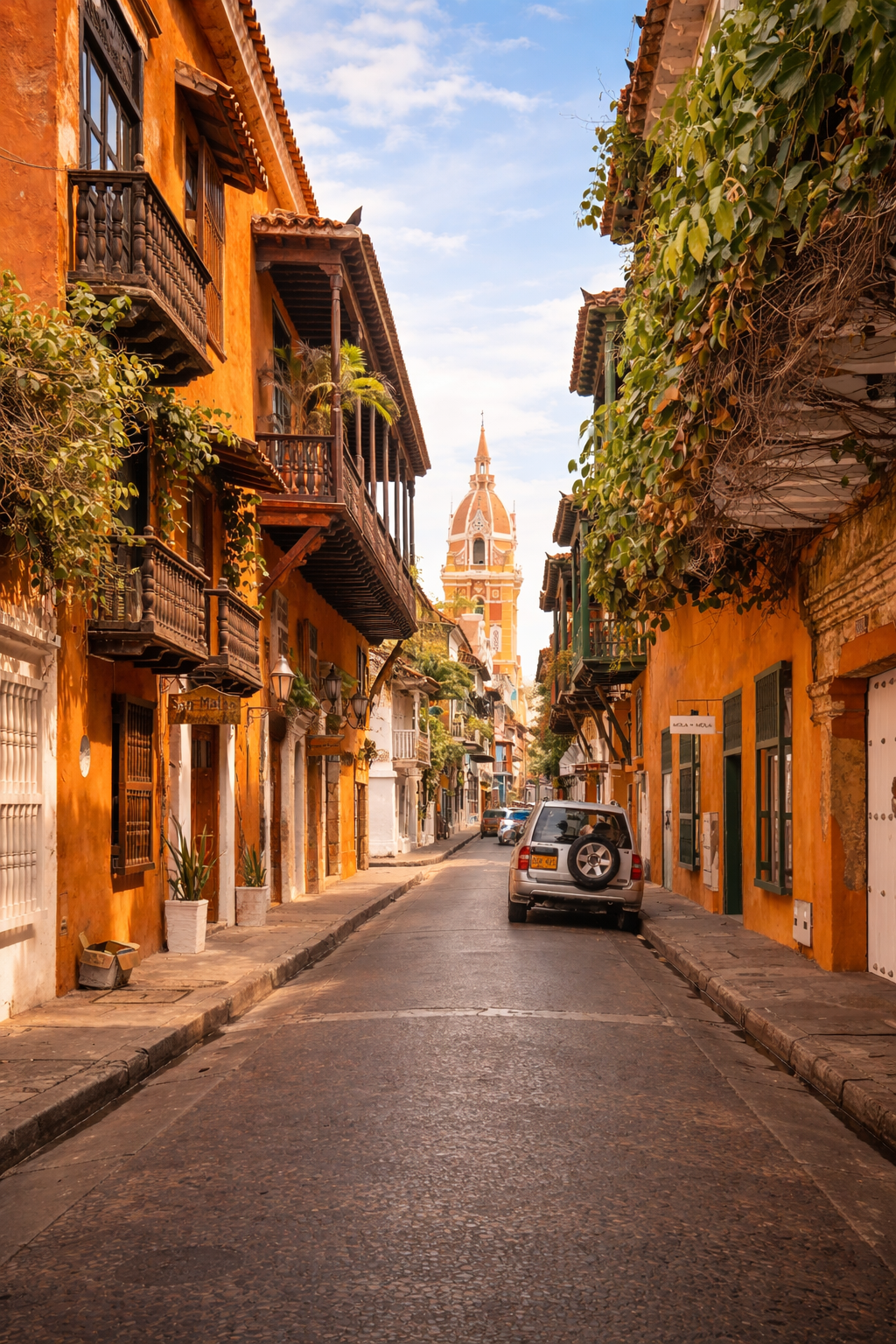
Cartagena de Indias looks better in person than it does in photographs, which is saying something given how consistently photogenic it is. The walled Old Town is a UNESCO World Heritage Site of brightly painted colonial buildings, bougainvillea-draped balconies, and narrow streets that smell alternately of sea air and grilled fish. There is genuinely nowhere else in the Caribbean that looks like this.
Summer here means warm sea temperatures, long golden evenings, and a city running at full cultural energy. The outdoor life of Cartagena — rooftop bars above the old walls, open-air restaurants, evening walks along the fortifications — is at its best between June and August when the days are long and the streets fill with music after dark. The Rosario Islands, reachable by morning boat, offer the kind of turquoise Caribbean water that tends to appear in screensavers.
Walk the old fortifications at sunset, wander the cobbled interior streets at dawn before the heat builds — two completely different cities at two ends of the same day.
The creative district just outside the walls — street art, live music, the city’s best casual restaurants, and a neighbourhood energy that picks up dramatically after dark.
A 45-minute boat ride to a Caribbean archipelago of turquoise water, coral reefs, and white-sand beaches with no resort infrastructure — exactly what you’d hope for.
The largest Spanish fort on mainland South America — tunnels, ramparts, and harbour views that make it genuinely worth the climb in the afternoon heat.
04 — Tbilisi, Georgia
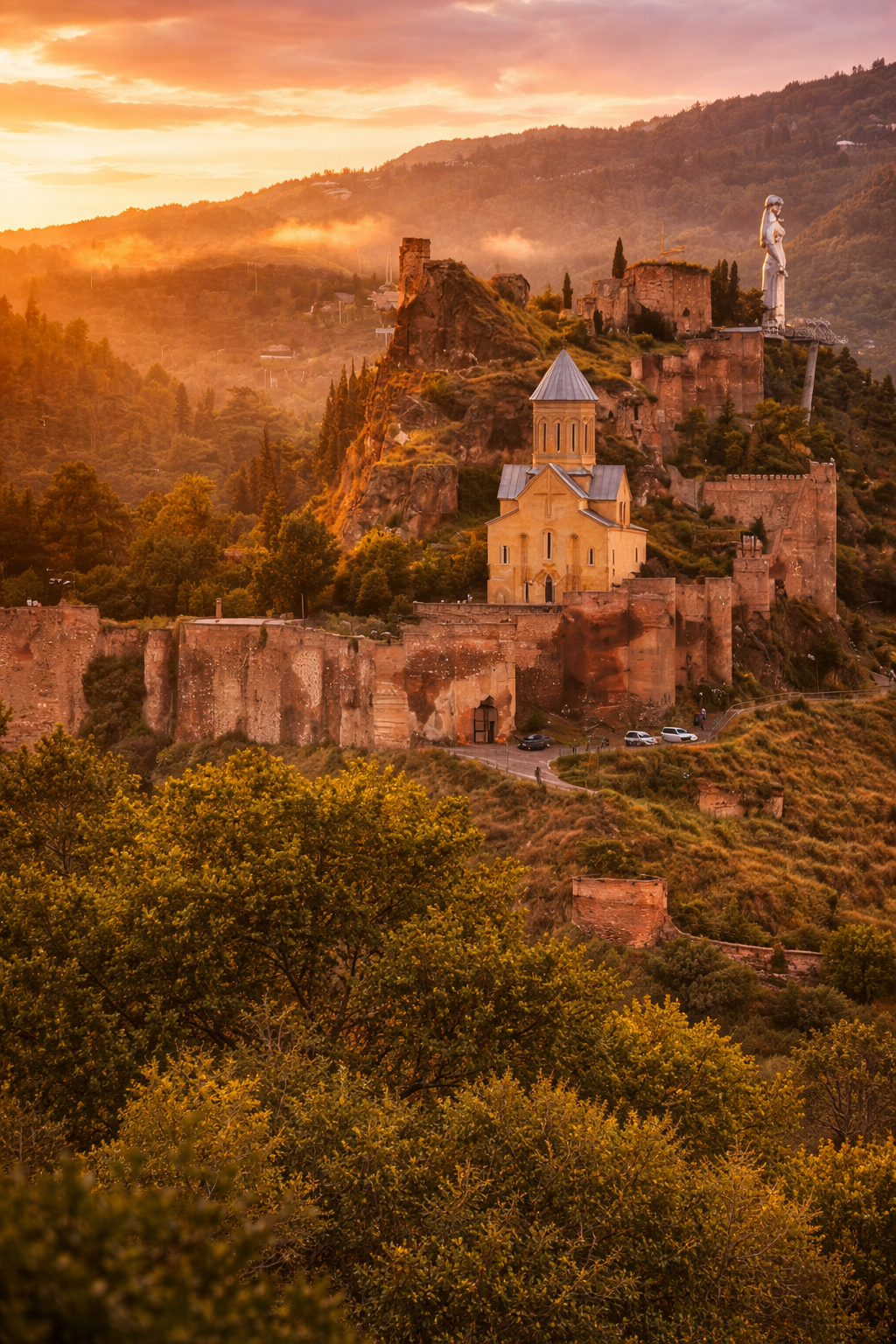
Georgia — the country, not the state — is one of the fastest-growing travel destinations in the world right now, and Tbilisi is why. The Old Town is a layered collision of eras: traditional wooden Georgian houses with carved balconies hanging over sulphur bath domes, Soviet-era apartment blocks beside daring contemporary glass bridges, and a wine culture older than any other on earth.
Summer in Tbilisi means long days on rooftop terraces above the Old Town, evening walks through the Mtkvari riverside gardens, and outdoor wine bars that don’t close until well after midnight. The city is also an excellent summer base — the Kazbegi mountains, with their glacier views and medieval tower villages, are three hours north and offer one of the most dramatic summer day trips in the entire Caucasus region.
Best Summer Experiences in Tbilisi
Natural sulphur springs flowing through domed bathhouses since the 5th century — an hour here after a long day of walking is one of the best decisions available to a summer traveler.
A 4th-century fortress above the Old Town — the view of the city in evening light, with the river below and mountains behind, is one of the best things you can see in the Caucasus.
Georgia invented wine 8,000 years ago. Drinking it from a clay qvevri vessel in a cave bar in the old city, in summer, with a plate of khinkali arriving — this is what the bucket list is actually for.
Three hours from Tbilisi, the Gergeti Trinity Church sits at 2,170 metres against the snow-capped Caucasus range — a summer morning that makes the drive entirely worth it.
Most Western and South Asian passport holders can visit Georgia without a prior visa. The country uses the Georgian Lari (GEL) — €1 buys approximately 3 GEL, making it one of the most affordable summer destinations in the region. A comfortable day with accommodation, meals, and wine can come in under €50.
05 — Bali, Indonesia
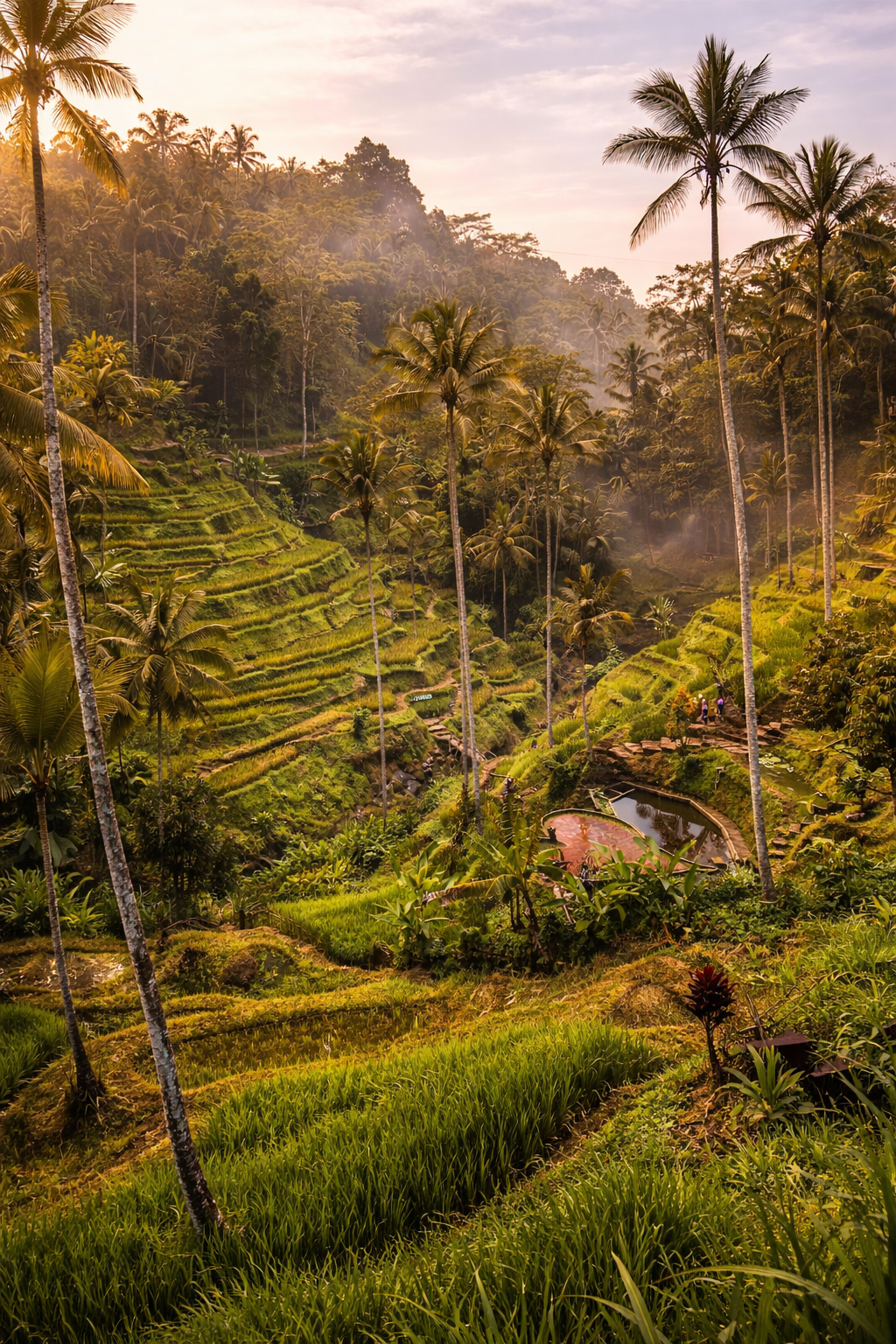
Bali in June, July, and August is the island at peak dry season — warm, clear, and luminously green in a way that shoulder-season photos never quite capture. The rice terraces in Ubud catch the morning light differently in summer. The ocean off Seminyak is calm and warm. The surfing at Canggu is consistent. And the long summer evenings, with the sun setting over the Indian Ocean at 6pm in colours that go through every shade between gold and violet, are genuinely as good as advertised.
What makes Bali different from most beach destinations is the accumulation of things to do beyond the beach: daily temple ceremonies that spill into the streets, volcano hikes at 3am to reach the crater rim for sunrise, world-class food in Ubud, and a spiritual energy to the place that you either find immediately or discover by accident on day three. Bali rewards the traveler who moves slowly and stays longer than a week.
Walk through them before 8am in summer morning light and the crowd problem largely disappears. The terraces in early sun are one of the most beautiful things in Indonesia.
An active volcano, a 2-hour pre-dawn hike, sunrise over a caldera lake — the classic Bali bucket list item, and one that entirely justifies the 2am alarm.
A sacred spring water purification temple in continuous use for over a thousand years — one of the most atmospheric places on the island regardless of season.
A 45-minute boat ride from Bali — Kelingking Beach’s T-Rex cliff and Angel’s Billabong are among the most visually striking coastal formations in all of Indonesia.
06 — Crete, Greece
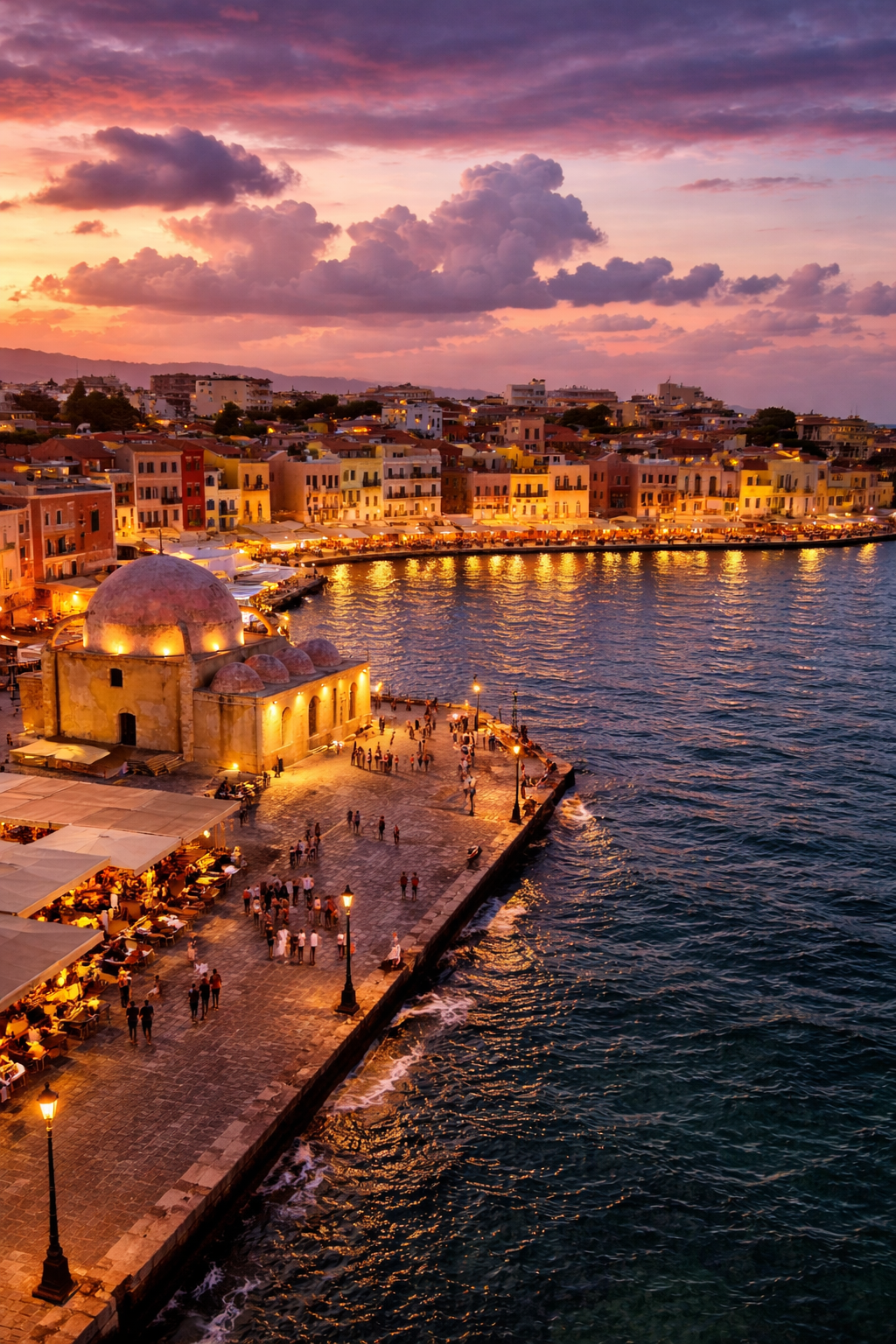
Greece is one of the most searched summer travel destinations in the world. But most of that search traffic flows to Santorini — an island now so thoroughly overrun with visitors that the experience involves queuing for famous views and competing for restaurant tables. Crete, by comparison, is what Greece was before it became a screensaver.
Crete is enormous — the largest island in Greece — and summer here offers a scope of experience that no smaller island can match. You can spend a morning hiking Europe’s longest gorge, swim in a turquoise lagoon that afternoon, eat dinner in a Venetian harbour city at night, and do something entirely different the next day. The sea is warm from June through September. The light on the limestone hillsides in the late afternoon is the kind of thing painters come here for.
Best Things to Do in Crete in Summer
A 16km trail through Europe’s longest gorge — sheer limestone cliffs, wild kri-kri goats, and a pebble beach at the end where a boat collects you. The definitive Crete summer day.
A Venetian harbour with an Ottoman lighthouse, a covered market full of fresh produce and honey, and some of the best restaurants on the island — the most beautiful city in Crete.
A shallow, impossibly turquoise lagoon on Crete’s northwest tip — reachable by ferry or a 45-minute hike, and genuinely one of the most beautiful summer swimming spots in all of Europe.
The ancient Minoan capital, 4,000 years old and one of Europe’s most significant archaeological sites — visit in the morning before the summer heat makes the stone paths uncomfortable.
07 — Panama City, Panama
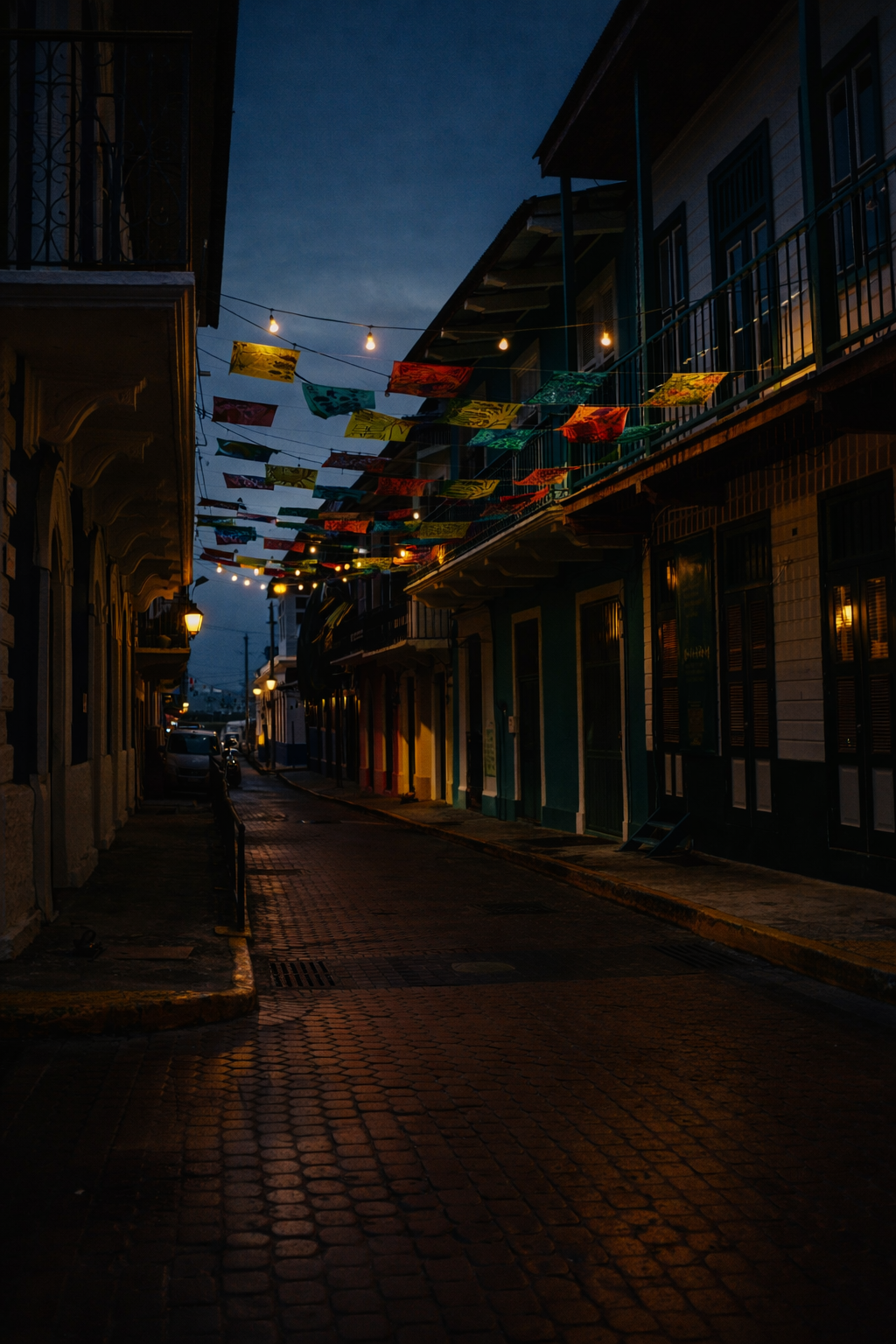
Panama City is one of the most genuinely surprising cities in the Americas, which is exactly why it belongs on a summer bucket list. A glass-and-steel modern skyline rises directly above a 16th-century UNESCO-listed colonial town. The Panama Canal — one of the most consequential engineering projects in human history — is visible and working a short drive from the city centre. And tropical rainforest begins at the edge of the metropolitan area, within thirty minutes of downtown.
For summer travel, Panama City functions as an exceptional anchor for a larger trip. Bocas del Toro, the country’s Caribbean archipelago, is accessible by short flight and offers turquoise water, coral reefs, and stilted villages in a setting that feels genuinely remote. Summer is shoulder season here — meaning prices are lower, crowds are thinner, and the city’s rooftop dining scene and colonial nightlife are entirely intact.
A UNESCO colonial district with crumbling 16th-century churches, rooftop bars above the bay, and some of the most atmospheric evening streets in Central America.
Watch enormous container ships transit one of the most important waterways ever built — the visitor centre tells the story better than most history books.
Tropical primary rainforest beginning at the edge of the city — jaguars, howler monkeys, and one of the world’s highest bird species counts, 30 minutes from downtown.
Panama’s Caribbean island chain — turquoise water, stilted village life, coral reefs for snorkeling, and a pace of life that slows to something close to still.
All 7 Summer Destinations Compared
A side-by-side overview to help you decide which destination fits your summer.
Quick Summer Destination Comparison
| Destination | Instead of | Summer Temp | Budget | Best For |
|---|---|---|---|---|
| Lisbon + Algarve | Miami Beach | 24–30°C | Affordable | Culture + coast |
| Oaxaca | Cancún | 25–30°C | Very affordable | Food + festivals |
| Cartagena | Punta Cana | 30–35°C | Moderate | Caribbean + history |
| Tbilisi | Prague | 28–35°C | Very affordable | Culture + mountains |
| Bali | Hawaii | 27–32°C | Affordable | Nature + wellness |
| Crete | Santorini | 26–32°C | Moderate | Beaches + hiking |
| Panama City | Miami | 28–32°C | Moderate | City + jungle |
Summer Bucket List Planning Questions
Safety, Solo Travel and Food Questions
The summers worth remembering are rarely the ones that went exactly to plan.
They’re the ones where something surprised you — usually somewhere you hadn’t expected to love.