
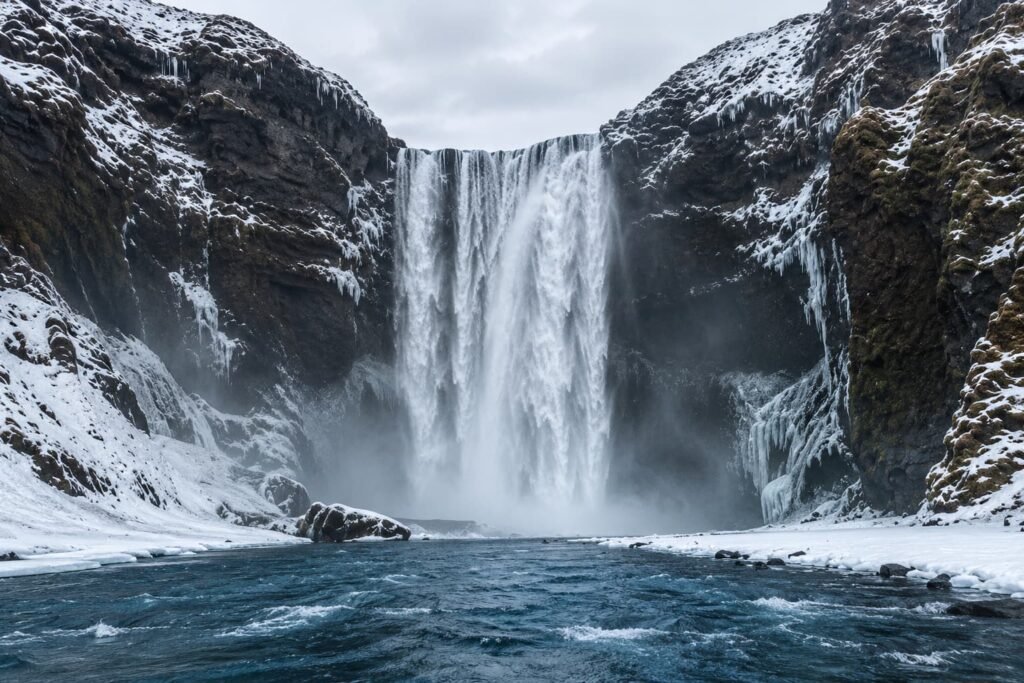
Iceland in Winter: 15 Things Worth Doing
Ice caves, lagoons, the aurora and the South Coast — ranked by what they actually cost you in money and daylight, not by who’s selling the tour.
How to Plan Iceland in Winter Around Daylight
Iceland in winter gets the same treatment from every guide written by the companies selling the tours on it: everything is “unmissable,” nothing gets ranked honestly, and nobody admits what’s actually worth skipping. Open five of these lists and they all read the same. None of them tell you that an ice cave tour gets cancelled more often than the Blue Lagoon’s marketing suggests, or that driving the Ring Road in December is a different undertaking than driving it in February. So this list ranks the 15 things actually worth doing against the one resource nobody mentions: your daylight. In late December, Reykjavík gets barely four hours of it. By late February, you’re working with closer to nine. That difference changes what’s realistic, not just what’s pretty.
The short version, if you don’t read further: go in February for five to seven days, base yourself in Reykjavík with one or two nights on the South Coast, do one ice cave, one lagoon, and two or three nights chasing the aurora. Skip the full Ring Road between December and January unless you’ve driven on ice before. Everything below explains why, with an honest “worth it” verdict for every entry — including the ones that aren’t.
- Iceland in Winter: Daylight, Weather and the Best Month
- The Short Answer: The Ranked Table
- 15 Things to Do in Iceland in Winter, Ranked
- Should You Drive in Iceland in Winter?
- What a Winter Trip Costs
- The Volcano Question
- A 5–7 Day Iceland in Winter Route
- Iceland or Somewhere Else for Winter?
- What to Pack for Iceland in Winter
- FAQ
01 — Iceland in Winter: Daylight, Weather and the Best Month
Daylight is the real budget of a winter trip to Iceland, and it moves fast between months. Reykjavík gets around 4 hours and 20 minutes of daylight on the darkest days of December, with sunrise close to 11:15am and sunset around 3:30pm. By the end of January, that has already stretched to roughly 7 hours. February is the turning point: daylight climbs from about 7 hours at the start of the month to nearly 9 or 10 by the end of it, which is enough to actually drive somewhere, get out, and drive back before dark.
| Month | Approx. Daylight | What That Means |
|---|---|---|
| November | 6–8 hours | Shrinking fast; still workable for day trips |
| December | 4–5 hours | Shortest days; best aurora odds, tightest windows |
| January | 5–7 hours | Still dark, light returning noticeably by month’s end |
| February | 7–10 hours | The best balance of light, ice caves and aurora season |
Why February Wins
February gets you nearly double December’s daylight while keeping everything that makes winter worth it in the first place. The natural ice caves are still open. The aurora season, which runs roughly October through April and peaks December through February, hasn’t ended. On top of that, Reykjavík’s free Winter Lights Festival usually lands in the first week of the month. Nothing about February is a compromise; it’s simply the month where winter’s upsides outlast its downsides. February is also when a long list of other destinations hit their own sweet spot — see where to go in February for the wider picture beyond Iceland.
What the Weather Actually Means
Wind matters more than cold here. A still day at -2°C is manageable in a decent jacket; a windy day at the same temperature is not, and wind is what closes roads, cancels ferries and makes a parked car door genuinely dangerous to open. Rather than trusting a packing list, check Iceland’s own road and safety sites daily while you’re there — conditions change within hours, not days.
02 — The Short Answer: The Ranked Table
If you only read one table in this post, read this one. It ranks all 15 entries by a simple question: given the daylight and the money involved, is this actually worth doing in winter?
| # | Activity | Where | Daylight Needed | Cost From | Worth It? |
|---|---|---|---|---|---|
| 1 | Natural ice cave tour | Vatnajökull / Mýrdalsjökull | Half day | ~20,000 ISK | Worth it |
| 2 | Northern lights hunting | Countryside / dark-sky spots | 2–3 evenings | Free–15,000 ISK | Worth it, no guarantees |
| 3 | Jökulsárlón & Diamond Beach | Southeast Iceland | Overnight trip | Free to view | Worth it |
| 4 | South Coast waterfalls & Reynisfjara | South Coast | Full day | Free | Worth it |
| 5 | Golden Circle in snow | Southwest Iceland | Full day | Free–tour cost | Worth it, go early |
| 6 | Geothermal lagoon (Sky or Blue) | Reykjanes / Kópavogur | 2–3 hours | ~12,000 ISK | Worth it, pick Sky first |
| 7 | Reykjavík’s public pools | Reykjavík | 1–2 hours | ~1,500 ISK | Worth it — the real value pick |
| 8 | Glacier hike, Sólheimajökull | South Coast | Half day | ~17,000 ISK | Worth it |
| 9 | Winter Lights Festival | Reykjavík | An evening | Free | Worth it if dates match |
| 10 | Snæfellsnes Peninsula | West Iceland | Full day | Free–tour cost | Worth it if the forecast is clear |
| 11 | Akureyri & Lake Mývatn | North Iceland | 2+ days | Flight + stay | Worth it on a 7+ day trip |
| 12 | Glacier snowmobiling | Langjökull | Half day | ~50,000 ISK | Worth it if budget allows |
| 13 | Silfra snorkeling | Þingvellir | Half day | ~17,000 ISK | Worth it for the novelty |
| 14 | New Year’s Eve, Reykjavík | Reykjavík | One night | Free to watch | Worth it if that’s the trip |
| 15 | Reykjanes volcano landscapes | Reykjanes Peninsula | Half day | Guided tour cost | Only with a guide, only if open |
03 — 15 Things to Do in Iceland in Winter, Ranked
Winter-Only Nature
Verdict: worth it. This is the one entry on this list you genuinely cannot do in summer. Iceland’s natural blue ice caves form fresh each winter inside glaciers like Vatnajökull and reshape every season, so no two visits look the same. The main season runs roughly October through April, though exact dates shift with glacier conditions — guides check daily and will cancel a tour outright if the ice isn’t stable. Expect a minimum age of 6–8 depending on the operator, and treat the “from” price as exactly that; it climbs fast with transfers from Reykjavík.
Verdict: worth it, with no guarantees. Build in two or three clear nights rather than one, and check the forecast and aurora index before committing to a tour. A dark spot just outside Reykjavík works almost as well as a guided drive into the countryside, provided the sky actually cooperates — which, being a natural phenomenon, it sometimes doesn’t. December through February is peak season, but no operator can sell you a sighting, whatever the marketing implies. If aurora odds matter more than anything else on your trip, some other European destinations actually score better for it than Iceland does — see Northern Lights in Europe, ranked by real odds.
The South Coast Classics
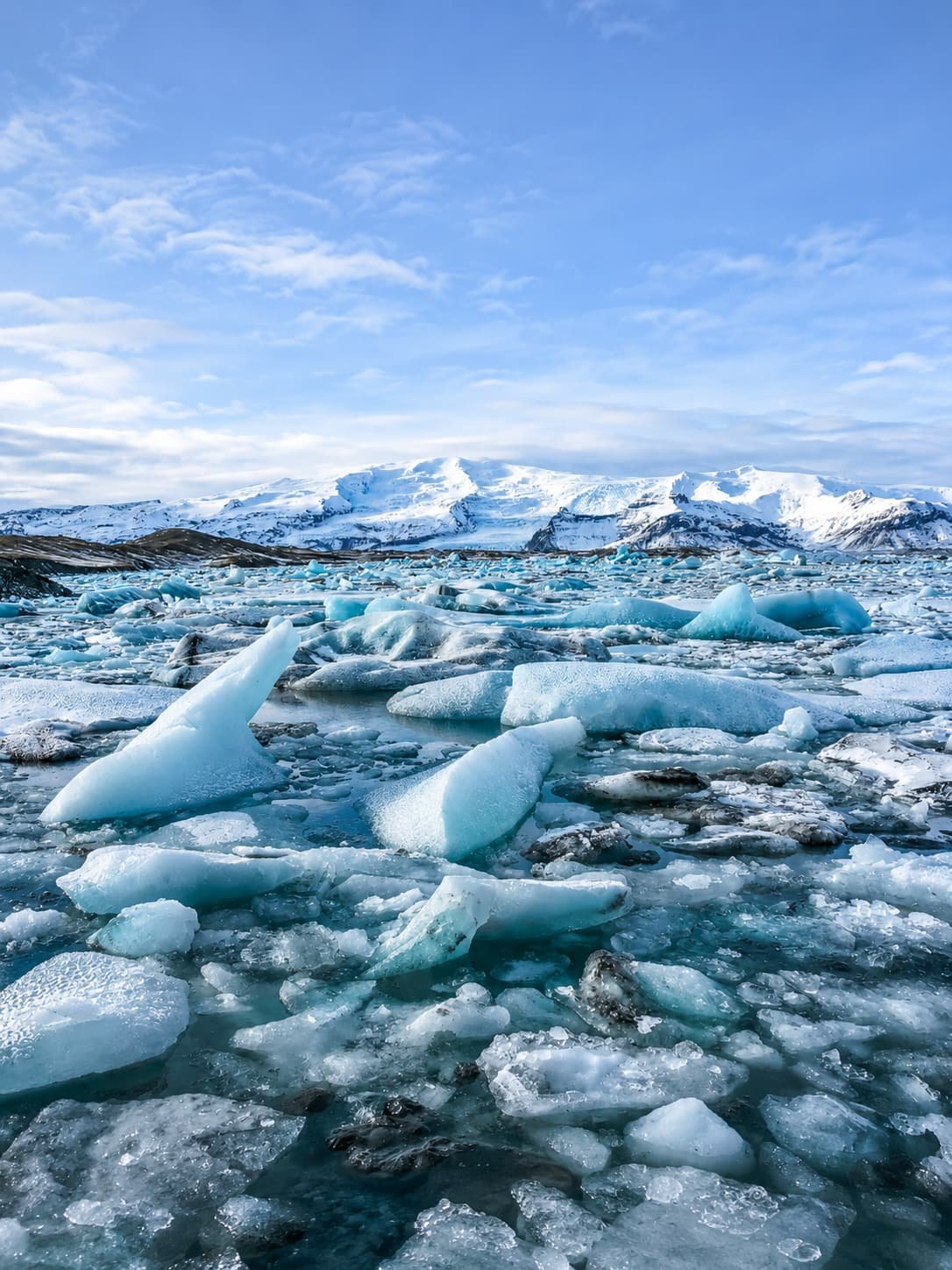
Verdict: worth it. Icebergs calve off the glacier and drift across the lagoon before washing up, sculpted, on the black sand across the road. The catch is distance: Jökulsárlón sits roughly five hours from Reykjavík by car, which makes it a stop on a longer South Coast trip rather than a day trip, especially once winter’s short daylight is factored in. Plan to stay overnight nearby rather than driving it both ways in one day.
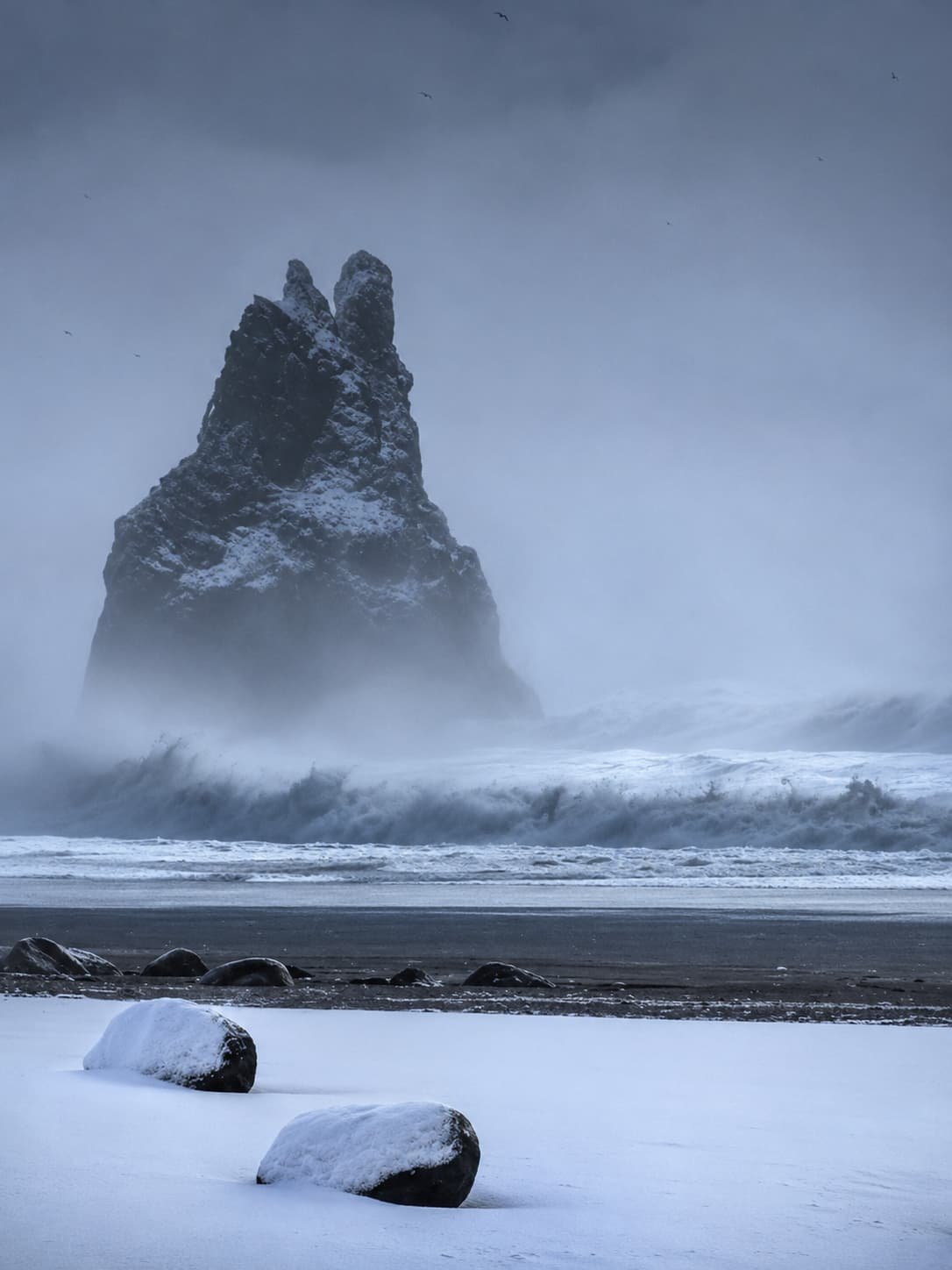
Our take: worth it. Seljalandsfoss and Skógafoss both half-freeze into genuinely strange shapes by midwinter, and the black sand beach at Reynisfjara frames the sea stacks at Vík better in winter light than in summer’s flat midnight sun. That said, paths ice over, and Reynisfjara’s “sneaker waves” pull people in further than they expect — stay well back from the waterline and don’t treat the posted warnings as decorative.
Verdict: worth it, go early. This remains the easiest winter day trip from Reykjavík precisely because the roads to Þingvellir, Geysir and Gullfoss are kept clear and well-travelled even in December. The trade-off is that everyone else has the same idea, and tour buses hit Geysir and Gullfoss hardest around midday. Leave before 9am and you’ll have a noticeably quieter version of the same route.
Lagoons and Reykjavík Comforts
Verdict: Sky Lagoon first; Blue Lagoon if it’s on your way to the airport. Sky Lagoon sits roughly 15 minutes from downtown Reykjavík and includes its seven-step ritual at the entry tier, while the Blue Lagoon is closer to 45–50 minutes away and books out further in advance. Prices from each hover close together, so distance and crowding are the real deciding factors, not cost. Because the Blue Lagoon sits inside the Reykjanes volcanic zone, keep a backup plan in case of a weather or access closure.
Verdict: worth it — and the honest-value pick. Locals use the city’s geothermal pools and hot tubs the way other cities use a corner café, and entry runs a fraction of either lagoon’s price. There’s no ritual, no robe, and no crowd of tourists photographing each other — just hot water, cold air on your face, and an evening that costs less than a tour-company lunch.
Glaciers, Lights and Peninsulas
Verdict: worth it. This South Coast glacier is one of the more accessible ones for a guided crampon walk, and winter’s low light makes the blue-white ice easier to photograph than summer’s flat glare does. Guided-only, for safety reasons that are entirely justified — glaciers move, and crevasses don’t announce themselves.
Timing verdict: worth it if your dates match. Held across all six capital-area municipalities in early February, this is free, genuinely local, and timed almost perfectly against the month this guide recommends anyway. Light installations run through the evening along a walking trail through the city center — check the current year’s exact dates before building a trip around it, since they shift slightly year to year.
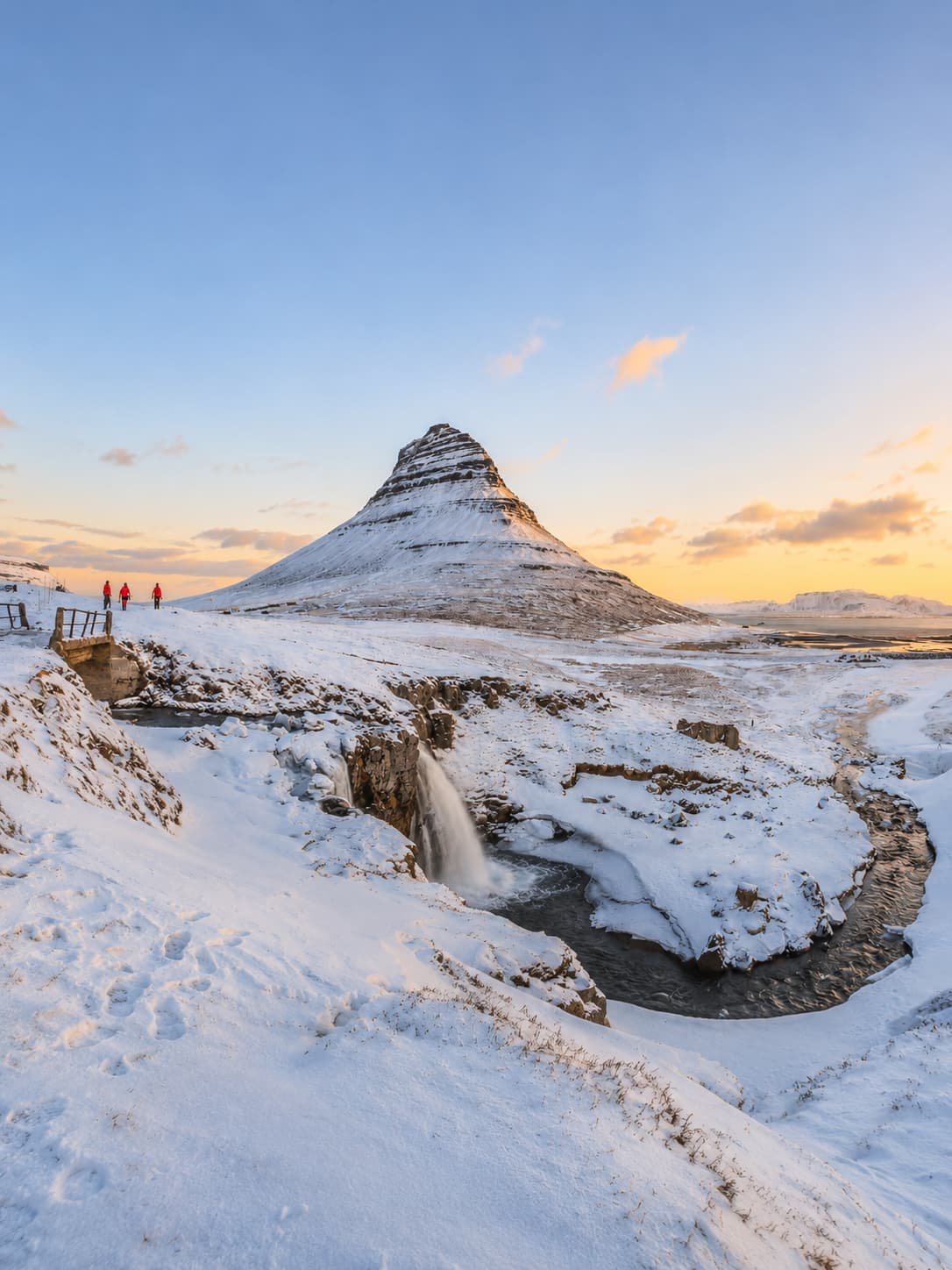
Verdict: worth it if the forecast is clear. Often sold as a condensed version of Iceland’s whole landscape in one peninsula, with Kirkjufell mountain as its signature shot. The roads here are more weather-exposed than the South Coast, though, so this is a day to check conditions the morning of, not the night before.
Farther Afield and Higher Budget
Verdict: worth it on a trip of 7 days or more. The north holds the snowiest, quietest scenery in the country, plus its own geothermal baths — Forest Lagoon and Earth Lagoon at Mývatn — at noticeably lower prices than the capital-area lagoons. Getting there means either a long winter drive or a roughly 45-minute domestic flight from Reykjavík; on a short trip, the flight is the only realistic option.
Budget verdict: worth it if your budget allows. Riding across Langjökull, Iceland’s second-largest ice cap, is a genuinely different way to see the highlands, usually bundled with a Golden Circle tour and a Super Jeep transfer. It’s one of the pricier entries on this list, and riders without a driver’s licence may need to pay extra for a guide to drive — confirm this when booking rather than at the base camp.
Verdict: worth it for the novelty, but it’s cold. A dry suit keeps you dry, not warm, while you float between two tectonic plates in water that’s close to freezing year-round. Prices run from around 17,000 ISK if you drive yourself to Þingvellir, closer to 27,000 ISK with a Reykjavík transfer included. This is the kind of thing you do once, for the story, not for relaxation.
Celebrations and Caution
Verdict: worth it if that’s the reason for the trip. Neighbourhoods light their own bonfires, and at midnight the city turns into what amounts to a citywide, unregulated fireworks display — genuinely unlike anything most visitors have seen. It’s a specific, loud, smoke-filled kind of night, and a trip timed around it is a different trip than a quiet ice-cave-and-lagoon itinerary. If Reykjavík isn’t the only city on your shortlist, 13 honest picks for New Year’s Eve weighs it against a dozen other options.
Verdict: only with a guide, and only if the area is open. The lava fields left by recent eruptions on the Reykjanes Peninsula are worth seeing, but this is the one entry on the list where “worth it” depends entirely on current conditions rather than preference. Go with a guide who checks official alerts that morning, not one running a fixed daily departure regardless of status.
04 — Should You Drive in Iceland in Winter?
The honest answer depends entirely on where you’re going and which month you’re going in. Driving yourself opens up stops a tour bus schedule never will, but winter in Iceland narrows that freedom considerably compared to summer.
Where It’s Fine
Reykjavík, the Golden Circle and the South Coast as far as Jökulsárlón are all driven regularly by first-time winter visitors. These roads are prioritized for clearing, well-signed, and busy enough that help isn’t far off if something goes wrong.
Where It Gets Risky
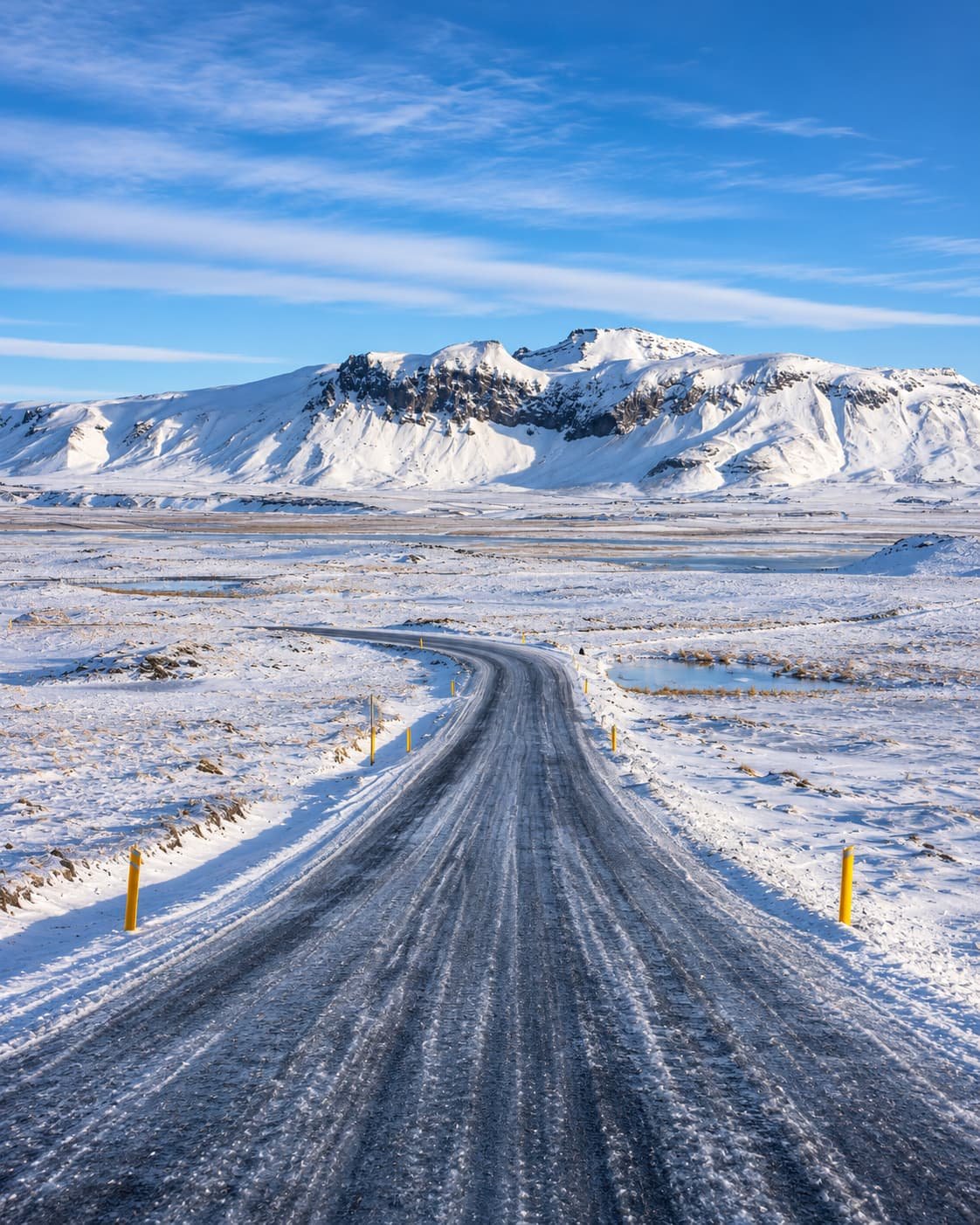
The north, the east, and the full Ring Road in December or January are a different proposition. Daylight is shortest exactly when these routes are hardest, and a storm can close a mountain pass for a day with little warning. If you haven’t driven on ice before, this isn’t the trip to learn on.
Every rental car in Iceland runs winter tyres, often studded, between November 1 and April 15 by law — this is standard, not an upgrade, so there’s no need to request it specifically. Since January 2026, a per-kilometre road tax also applies to every rental car; most companies fold it into a flat daily rate rather than billing by the kilometre, and that rate rises again from January 2027. Check the current road and safety conditions at safetravel.is every single day of a winter drive — not once before the trip. For the full day-by-day route beyond what’s covered here, see the Iceland Ring Road guide.
05 — What a Winter Trip Costs
Iceland is expensive in every season, but winter at least undercuts summer on flights and hotel rooms, even if the activities themselves don’t get any cheaper.
| Ice cave tour | From roughly 20,000 ISK per person, rising sharply with a Reykjavík transfer added |
| Geothermal lagoon | Sky Lagoon from around 13,000 ISK; Blue Lagoon from around 12,000 ISK; Reykjavík’s own public pools from roughly 1,500 ISK |
| Car hire | Daily rate plus a flat road-tax fee of roughly 1,550–1,770 ISK a day depending on the year — confirm whether it’s quoted separately or already included |
| Food | Icelandic lamb soup and skyr are the everyday budget options; a hot dog from a street stand is the cheapest hot meal in Reykjavík |
| Þorrablót season | Midwinter feasts of preserved, fermented foods appear on menus roughly late January through February — worth trying once, purely for the story |
Car hire versus booking tours comes down to how many stops you actually want to make. A rental gives you the South Coast at your own pace; a tour removes the driving risk entirely, which matters more in December than in February. For most short winter trips, a mix of both — a rental for South Coast days, a guided tour for the ice cave itself — ends up being the more sensible split.
06 — The Volcano Question
The Reykjanes Peninsula’s volcanic system has been active in repeated episodes since 2023, and as of our last check the ground beneath Svartsengi is still rising, with the Icelandic Meteorological Office keeping the area at Volcano Alert Level 2 (orange) — meaning a new eruption remains a realistic possibility, sometimes with as little as 20 minutes’ public warning. The Blue Lagoon has stayed open through most of this period but has closed on short notice before and could again. This is a situation that changes, so re-check current conditions at the Icelandic Meteorological Office close to your travel dates rather than relying on anything written here or anywhere else months in advance.
None of this should rule the area out — most visitors experience zero disruption — but it does mean a Reykjanes day should be the first thing you’re willing to swap for a backup plan, not the last.
07 — A 5–7 Day Iceland in Winter Route
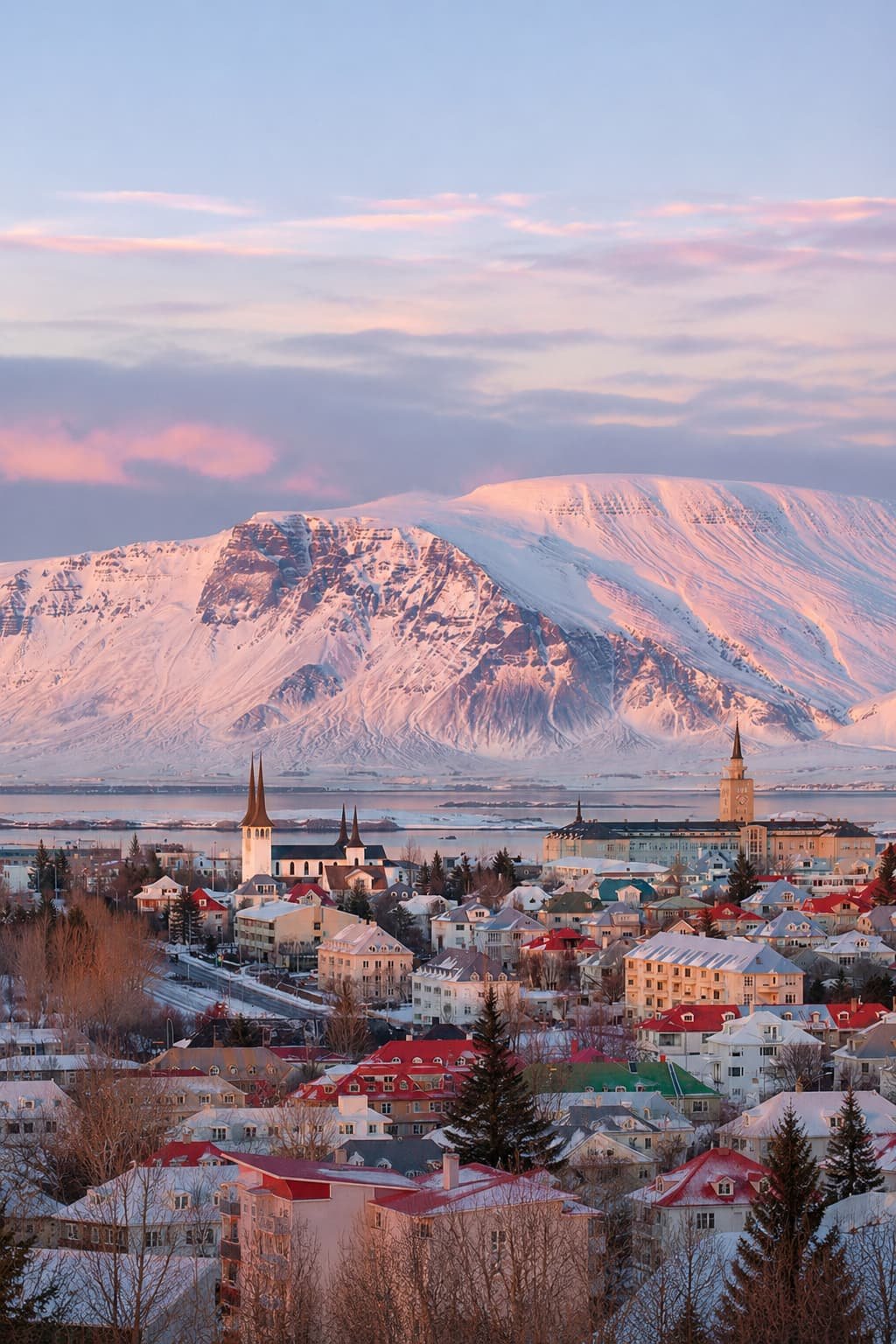
Settle in, hit a local pool the first evening, then take the Golden Circle early on day two before the tour buses arrive. Save the Blue or Sky Lagoon for whichever day works with your flight times.
Easy driving
Waterfalls, Reynisfjara, and an overnight stop near Vík or further east so Jökulsárlón and an ice cave tour don’t both land on one rushed day.
Book the ice cave ahead
Retrace the coast with daylight on your side this time, stopping wherever you skipped on the way out.
Either a loop of the Snæfellsnes Peninsula if the forecast cooperates, or a short domestic flight north to Akureyri for a genuinely different, quieter version of the country.
Weather-dependent
08 — Iceland or Somewhere Else for Winter?
Lapland’s winter infrastructure is built around darkness in a way Iceland’s isn’t, and the driving is considerably less eventful. See where to stay in Lapland for the comparison.
The Faroe Islands get a fraction of Iceland’s winter visitor numbers while sharing a similar climate and landscape. The Faroe Islands travel guide covers what that actually looks like.
If four hours of daylight sounds like the wrong kind of winter trip, Canary Islands in winter, with all 7 islands ranked, is the opposite end of the same season.
If Iceland’s daylight math above gave you pause, where to go in January weighs that shortest-day window against other destinations before you book anything non-refundable.
09 — What to Pack for Iceland in Winter
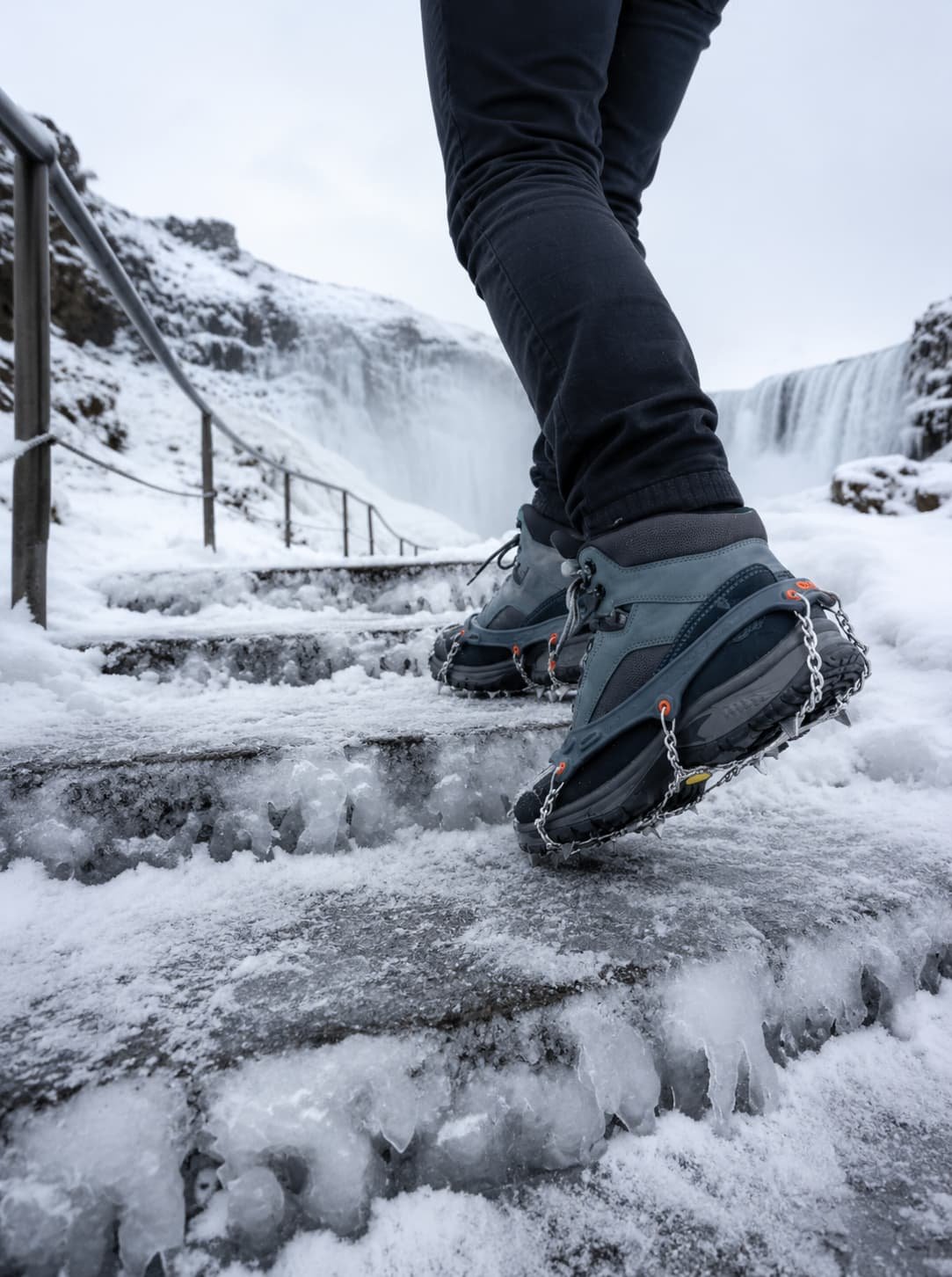
Three things matter more than anything else on this list: crampons or microspikes for icy paths, proper waterproof outer layers rather than fashion-first winter coats, and a swimsuit packed somewhere accessible, not buried at the bottom of a suitcase. For the complete list beyond these essentials, the Europe packing list covers the rest.
10 — Iceland in Winter FAQ
Ice Caves, Lagoons and Trip Length
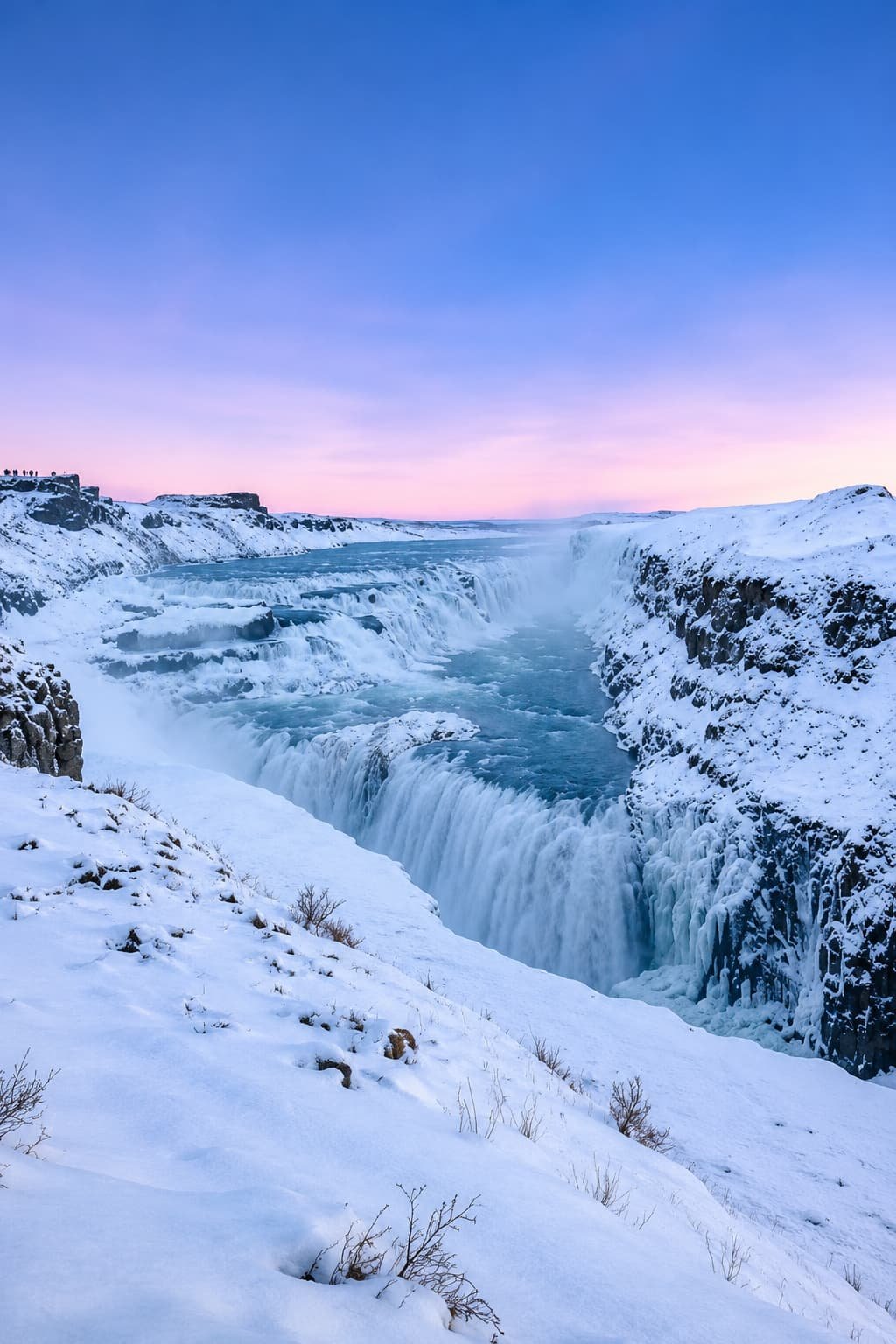
Four hours of daylight sounds like a problem until you’ve stood in it — everything just happens a little slower, a little closer together, and you stop minding the dark that comes after.