
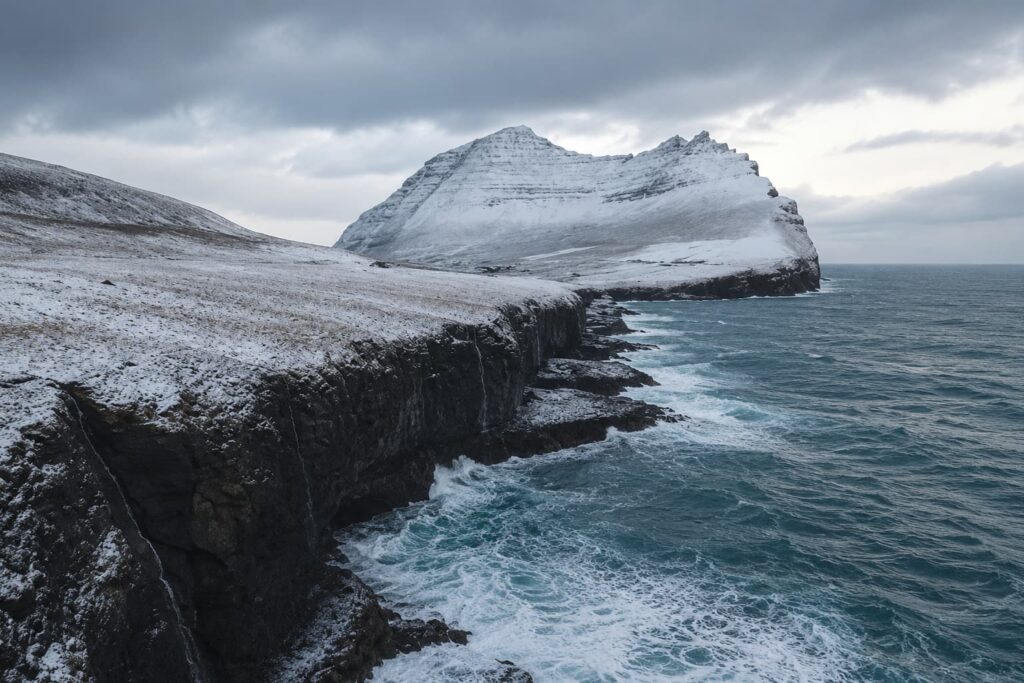
Moody Travel Destinations: Which Ones Actually Deliver the Atmosphere
Low cloud, horizontal rain, cliffs that disappear into fog in minutes — a field guide to where the mist shows up on a random Tuesday, and what chasing it costs you when it does.
Moody travel destinations are having a genuine cultural moment — and the data behind it is worth taking seriously before you book a flight to chase the fog. Pinterest named “Mystic Outlands” one of its top travel trends for 2026, reporting a 465% year-on-year rise in searches for “Scottish Highlands aesthetic.” The appeal is real. What nobody has answered yet is the operational question every traveler actually needs: do these places deliver the atmosphere on a random Tuesday, and what do you lose when they do?
01 — The trend, and what it leaves out
Moody travel destinations are having a genuine cultural moment. Pinterest named “Mystic Outlands” one of its top travel trends for 2026, reporting a 465% year-on-year rise in searches for “Scottish Highlands aesthetic” — describing it as travelers moving away from checklist itineraries toward introspection, slower pace, and places that feel ancient rather than curated. “Faroe Islands aesthetic” followed, up 95% in the same period.
The mood is real. So is the demand for it. What the coverage has almost entirely skipped, however, is the operational question: do these places actually deliver the atmosphere on a random Tuesday, and what does chasing it cost you in access, visibility, and money? Every piece published on this trend has handed readers the same trio of photographs — mist-draped castles in Scotland, remote villages on Faroese cliffs, Bolivian salt flats — without answering the question a traveler needs answered before booking.
That question is not “is this beautiful?” The photographs answer that. Specifically, the question is: on a random Wednesday in October, does the low cloud show up? And if it does, can you still see what you came to see?
What is the Mystic Outlands travel trend?
Mystic Outlands is the name Pinterest Predicts gave to a 2026 shift toward atmospheric, remote, and elemental places — locations where weather, geology, and light create a mood rather than a backdrop. In the platform’s framing: distant ruins swallowed by mist, naturally occurring spirals, moody forests. The trend is explicitly anti-checklist: the appeal is feeling, not sightseeing.
One tension is worth noting once: the trend’s stated appeal is solitude, but its distribution mechanism is a visual discovery platform with hundreds of millions of users. Consequently, the same exhaustion with crowded, hyper-curated destinations that made Mystic Outlands compelling is the pressure that made those destinations crowded in the first place. State it, register it, move on — this post’s job is the weather data, not the cultural commentary.
02 — The problem with choosing moody travel destinations by mood
Atmosphere and visibility are in direct tension. This is the thing nobody says plainly, and it is the most useful thing to know before planning a trip around low cloud and mist.
In the Faroe Islands, a landmark can disappear into fog within fifteen minutes. The same low cloud that produces the mood also removes the view it was meant to frame. Driving twenty minutes can put you in completely different weather — one valley socked in white, the next clear. A cliff visible from a viewpoint at 9am may be entirely hidden by 10am. This is not bad luck or poor planning. It is the climate.
Consider the inverse: when the mist lifts at the Faroes, the mood lifts with it. Landscapes here are extraordinary in clear conditions, but they are not distinctively Faroese in clear conditions — in other words, what makes them feel like nowhere else on earth is the weather. Travel for the atmosphere, and you are traveling for the thing that can most reliably erase your view of everything else.
How these verdicts were assessed
Each destination below is rated on four consistent measures, derived from climate data rather than travel writing:
- How often the conditions occur: what the actual climate data says about cloud cover, rain days, and sunshine hours annually
- What you lose when they do: the specific trade-off between atmosphere and access or visibility at each location
- Access difficulty: what transport, ferries, and road conditions look like when weather is at its most atmospheric
- How crowded it actually is: whether “remote” holds at the times the atmosphere is best
03 — Moody travel destinations: where the mist is most reliable
Faroe Islands — the most consistent moody travel destination in Europe
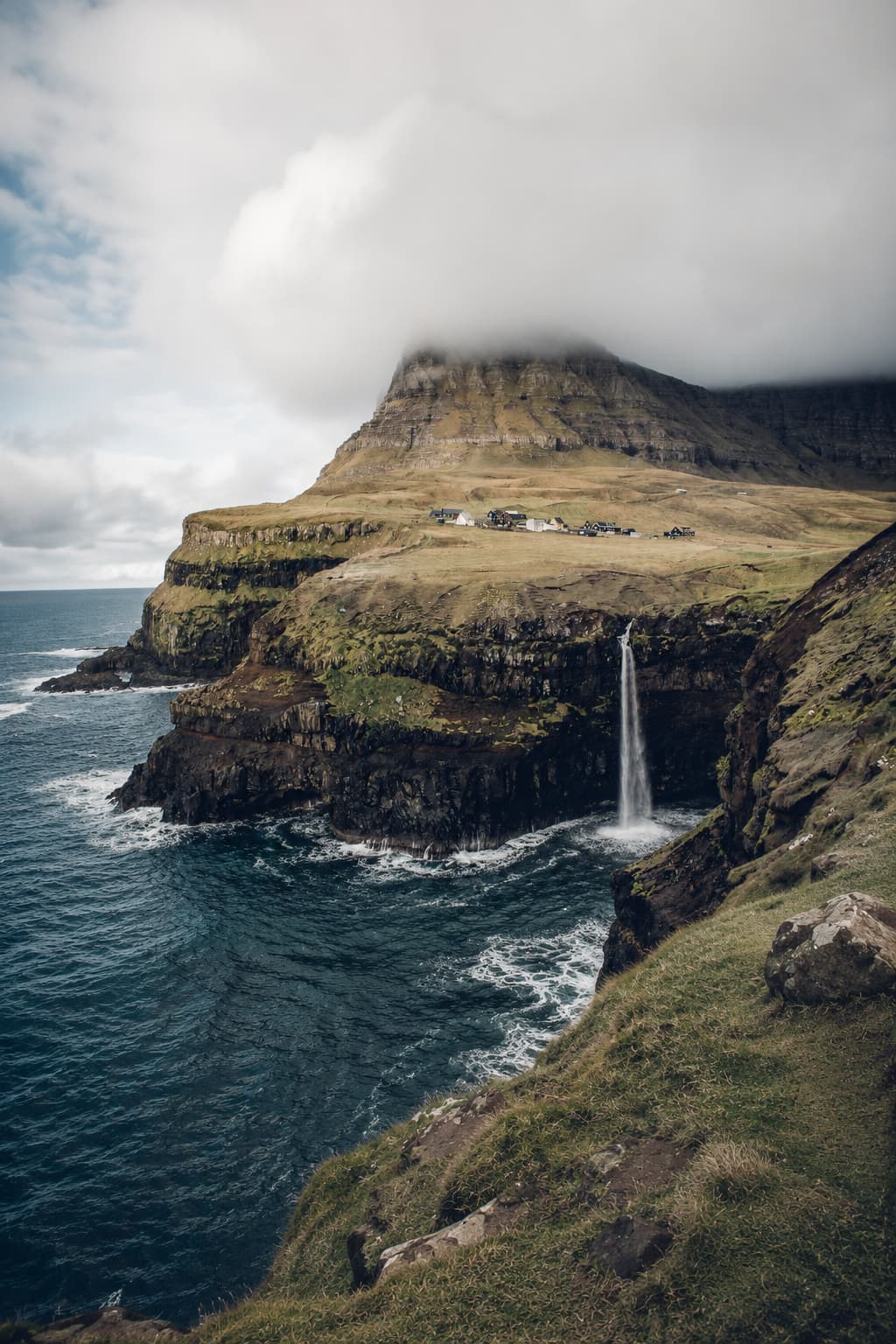
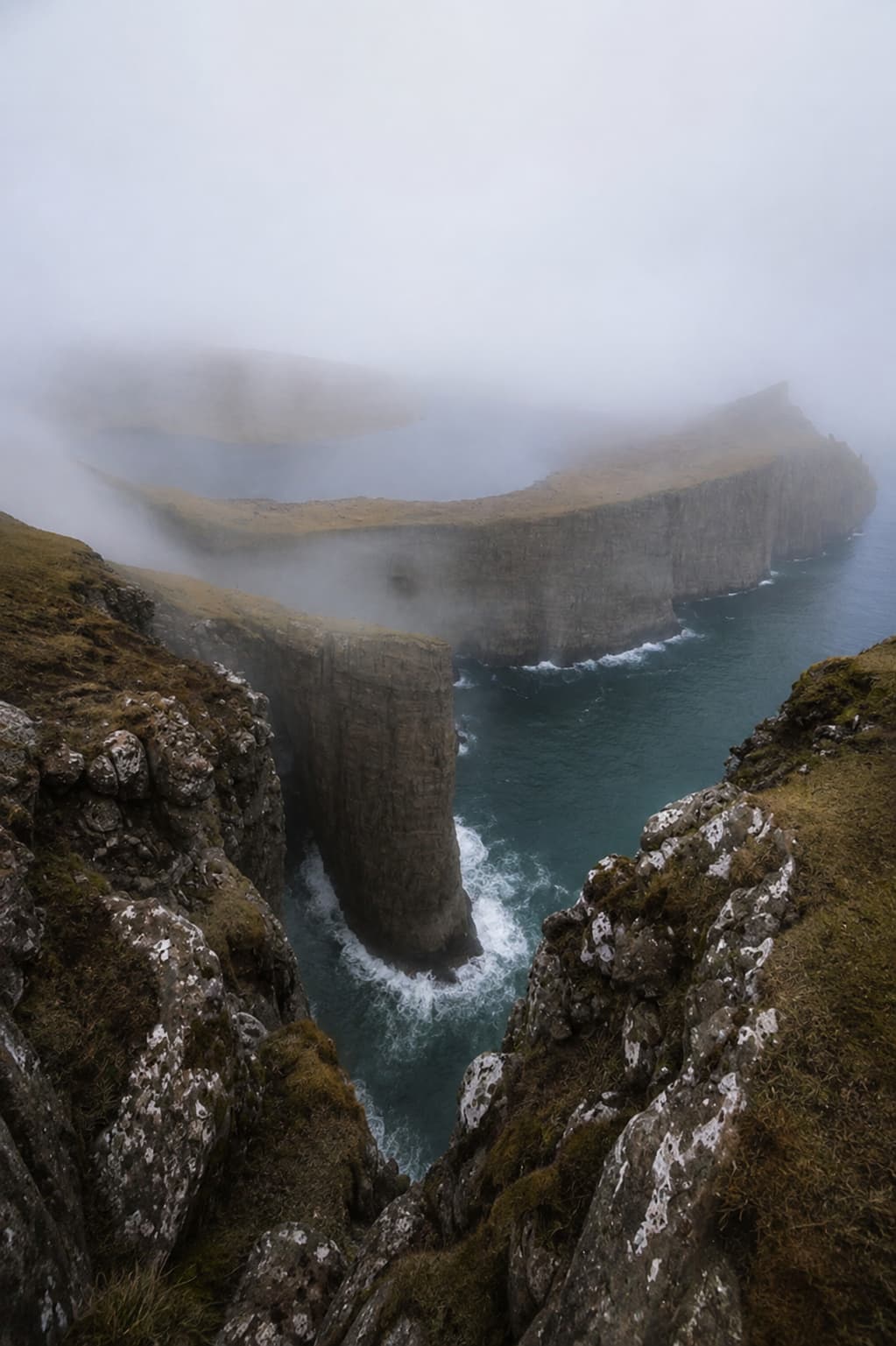
The Faroe Islands are the most reliably atmospheric of the destinations covered here. The low cloud is the default condition, not the exception. If you go, you will almost certainly get the mood. What you may not get is the view that mood was supposed to frame.
Those numbers are from the Tórshavn climate station (1991–2020 normal), and they tell the story plainly. Around 869 sunshine hours annually places the Faroes among the least sunny inhabited places on Earth. Even the driest month — June — averages rain on twelve days. From mid-autumn through winter, rainfall is near-daily.
Extremely high. In practice, low cloud and mist are the climate’s default, not an occasional feature. You will get atmospheric conditions regardless of when you visit — the question is what remains visible within them.
A cliff face or waterfall can disappear into fog within minutes and reappear twenty minutes later. Single-road island layouts mean there is often no alternate angle when a viewpoint closes in. Driving to the next island or valley can take you to completely different weather — useful to know before abandoning a location.
Flights to Vágar airport are subject to fog-related cancellations — not catastrophically often, but often enough that a buffer day is standard practice, not pessimism. Shoulder-season ferry schedules between outer islands thin considerably. Some accommodation on smaller islands closes from October onward.
Low. The logistics — cost, limited flights, ferry crossings, weather contingency — function as a natural filter. Unlike Skye or the NC500, the Faroes do not reward low-effort access. That filtering holds regardless of how many Pinterest boards they appear on.
For access: May–July. Least rain, white nights (from ~5 May to 8 August, it never fully darkens), most infrastructure open. For atmosphere: October–January. Near-daily cloud, maximum drama, but reduced ferries and shorter days. The honest sweet spot: late September or early October — atmosphere is building, most services still running, daylight still usable.
Read the full guide: Faroe Islands Travel Guide →
Scottish Highlands — reliable moody weather in the wrong months
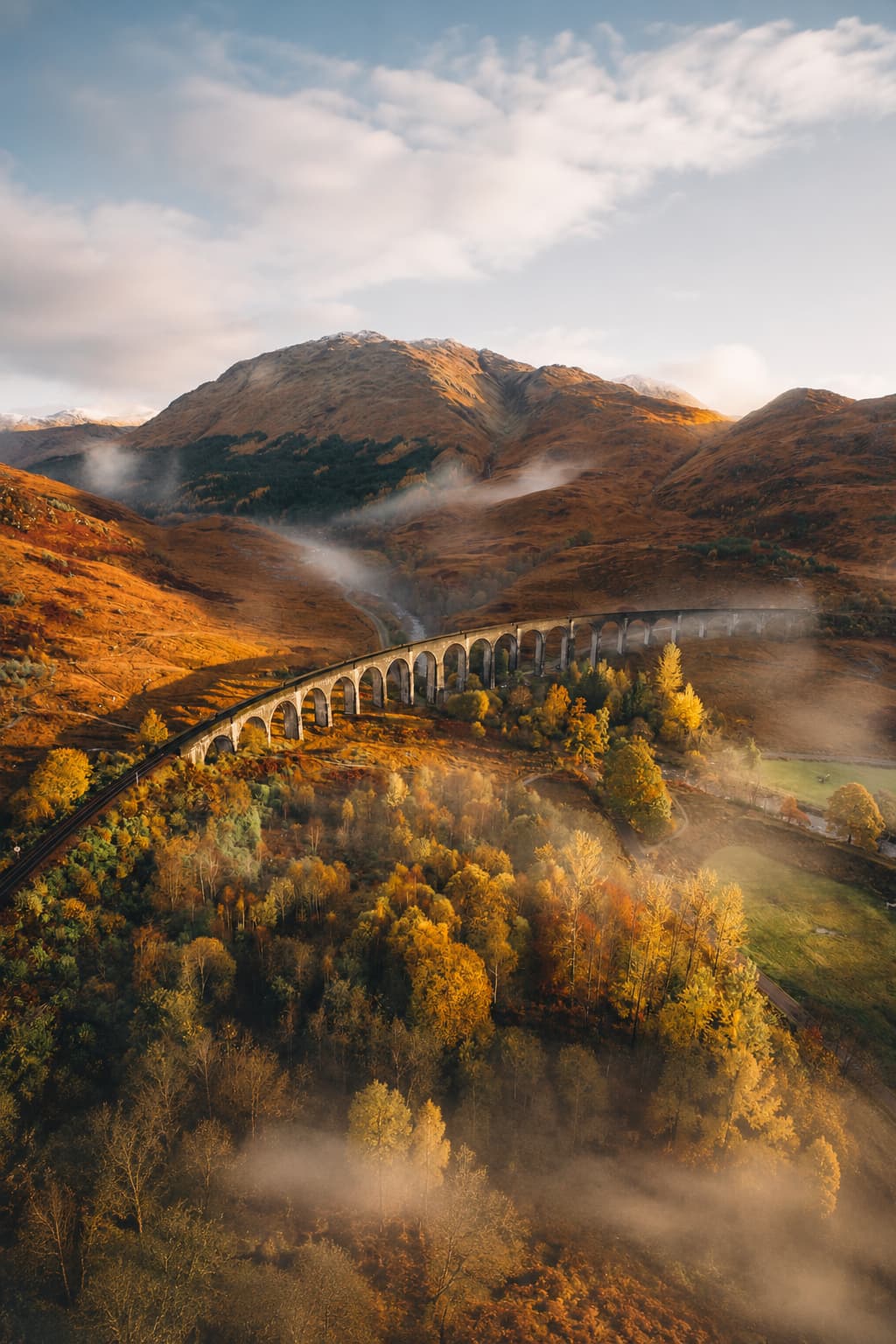
The Scottish Highlands score high for atmosphere reliability and low for timing convenience. Mist and low cloud are consistent year-round features of the western Highlands, with annual precipitation exceeding 1,500mm in parts and at least ten rain days per month even in summer. In the Highlands, the landscape is frequently shaped by the passage of low clouds — precisely the visual the Pinterest trend has made famous.
High year-round on the western side; moderate in summer on the east. The Highlands deliver the four-seasons-in-a-day pattern at any time of year, meaning even summer visits encounter mist and low cloud regularly — just not as a sustained condition.
Unlike the Faroes, the scale works in your favour. Glen Coe, and the Cairngorms remain visually compelling even in heavy cloud — the drama is vertical and the landforms are large enough to read through mist. On Skye, the Cuillin Ridge in low cloud is arguably more atmospheric than in clear conditions.
Low by comparison — the Highlands require only a drive north from Edinburgh or Glasgow. The trade-off is that the most atmospheric months (October–March) coincide with shorter days, some closed accommodations on the NC500, and occasionally icy roads in the uplands. No ferries, no buffer flights needed.
Seasonally variable and more crowded than it photographs. The NC500 in summer carries heavy traffic — campervan convoys, booked-out B&Bs, queues at Skye’s most-photographed viewpoints. October brings the atmosphere the trend promises and removes most of the people chasing the same thing.
For atmosphere: October–March. Low cloud is close to the default condition. For access: May–September. Maximum daylight, all routes open, midges are the main drawback in July. The honest sweet spot: October. Golden-brown heather, reliable mist, thinned crowds, all infrastructure still open. Photographers specifically: the light in October is extraordinary.
Read the full guide: Scottish Highlands: An Honest Guide →
Lofoten, Norway — drama without the whiteout
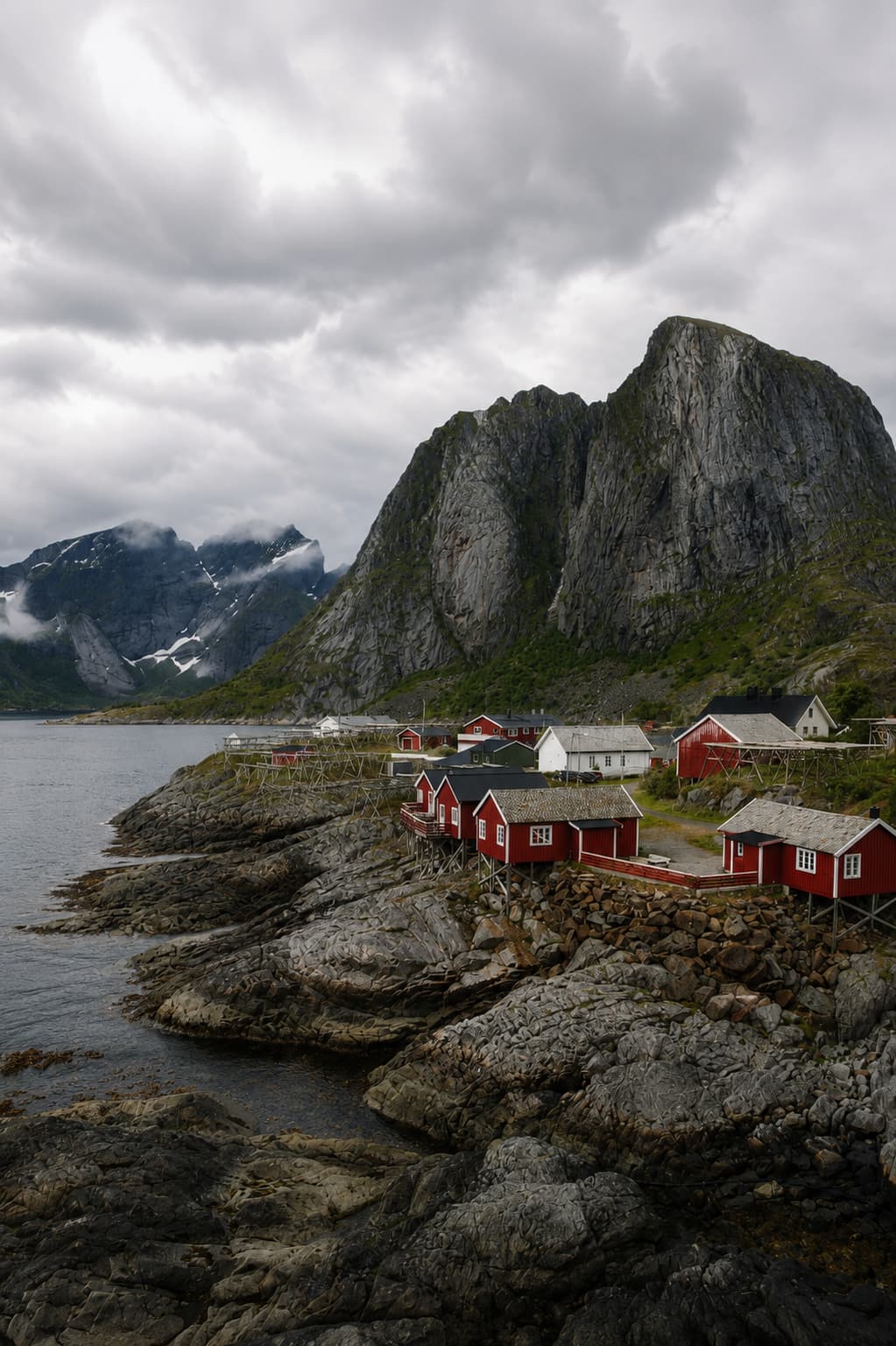
Lofoten occupies a notably different position in this ranking: it offers consistently dramatic landscapes without the full-visibility trade-off the Faroes impose. Sharp peaks rise directly from dark fjord water — scenery that reads powerfully even in clear conditions, unlike the Faroes where clarity removes the mood. The fog here, known locally as “skodde,” arrives from the ocean as a localized phenomenon: the northern coast can be entirely obscured while the southern coast is in sunshine, a few kilometres away.
High — and notably more forgiving than the Faroes. Rain falls on roughly nine to eleven days per month in summer, with sustained overcast stretches of five to seven days common. But unlike the Faroes, the weather moves — a foggy morning frequently clears by afternoon, and driving twenty minutes south can take you from fog to full sun.
The Reinebringen hike above Reine gives panoramic views that read well in cloud — the peak-and-water composition retains its character when the sky is overcast. That resilience separates Lofoten from more fragile atmospheric destinations: the landscape doesn’t depend on sunshine to make sense.
Moderate. Flights connect to Svolvær and Leknes from Oslo and Bodø; fog can cancel these, though less frequently than at Vágar. Car hire is non-negotiable — the archipelago stretches 170km and key viewpoints are not on bus routes. Driving end-to-end from Å to Svolvær takes approximately three hours.
Peak season (July) fills accommodation across the archipelago to near 100% — book months ahead. Autumn brings dramatic light, fewer people, and the beginning of Northern Lights visibility. September is the genuine sweet spot for atmosphere without peak-season logistics.
Read the full guides: Lofoten Islands, Norway → and the broader Norway road trip guide →
Iceland — the moody destination where weather closes roads
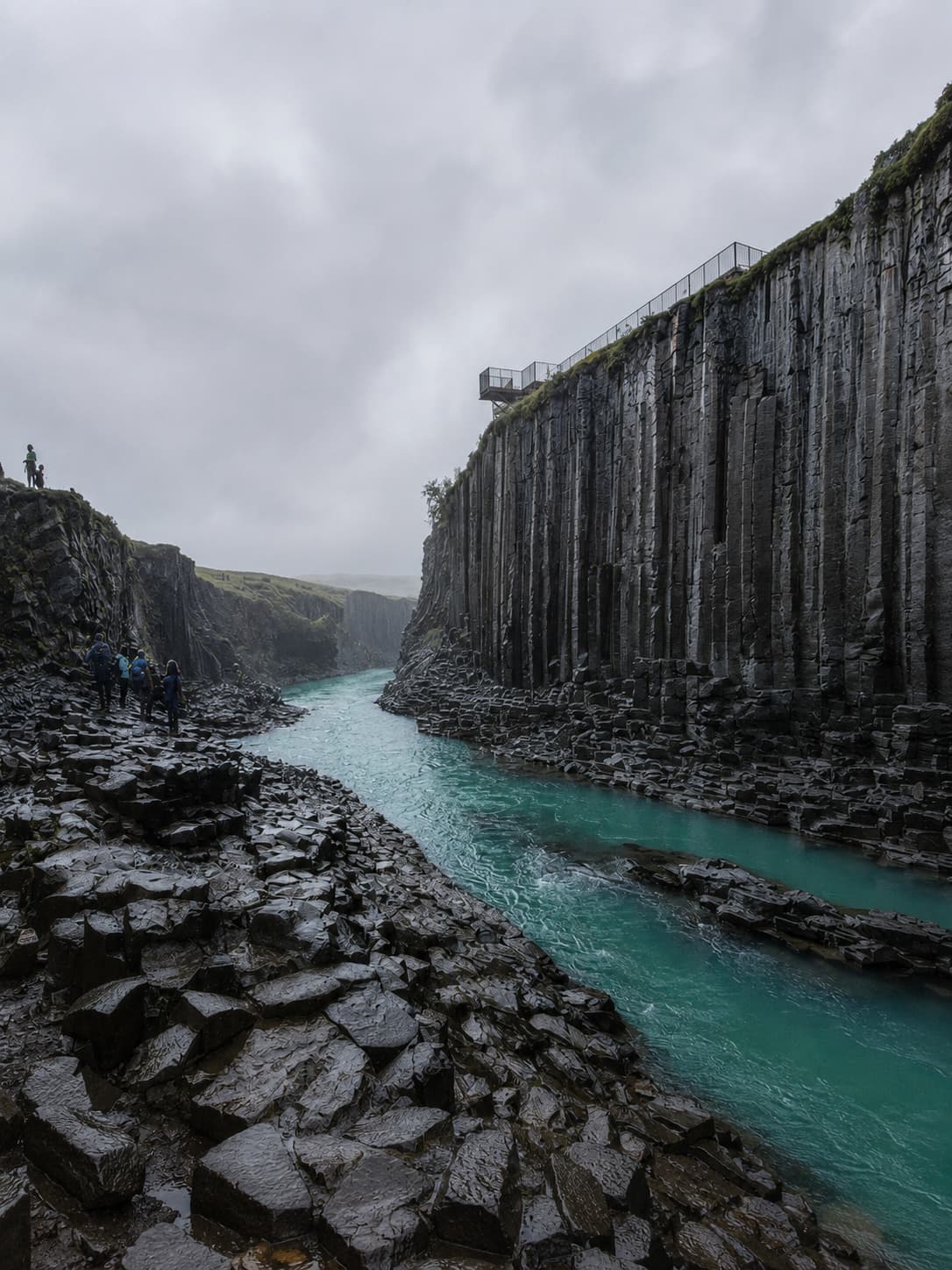
Iceland is the most visually famous of the moody travel destinations covered here and, in practical terms, the most weather-consequential. The Ring Road itself is subject to weather-related closures that can halt a trip more definitively than poor visibility at a viewpoint. Snow, ice, and high winds periodically shut sections of Route 1 — particularly in the east and around mountain passes — with October through April requiring daily checks of road.is before driving.
High — though differently sourced. The moodiness is baked into the geology rather than the weather: black sand beaches, lava desert, and glacier lagoons read as elemental even in clear conditions. Iceland does not depend on fog for atmosphere in the way the Faroes or Highlands do.
Less severe than the Faroes — the drama here is vertical (glaciers, craters, geysers) rather than horizontal (fog across flat moorland). In heavy weather, however, access to specific sites closes completely. The South Coast in particular can be cut off by wind and flooding; waterfall viewpoints may be inaccessible for hours.
Moderate to high depending on season. Summer (June–August) opens Highland F-roads, maximises daylight, and keeps Route 1 reliably passable. Autumn weather is dramatic but road closures become a real planning factor from October. Winter requires experience with ice driving and genuine route flexibility — strong winds at the Skeiðarársandur sand flats can push vehicles sideways.
Seasonal and concentrated. The South Coast and Golden Circle are busy year-round; the East Fjords and the north are quieter. October gives dramatic weather and substantially fewer people than summer, while keeping Route 1 mostly open.
Read the full guide: Iceland Ring Road Guide →
04 — Where atmosphere is real but solitude isn’t
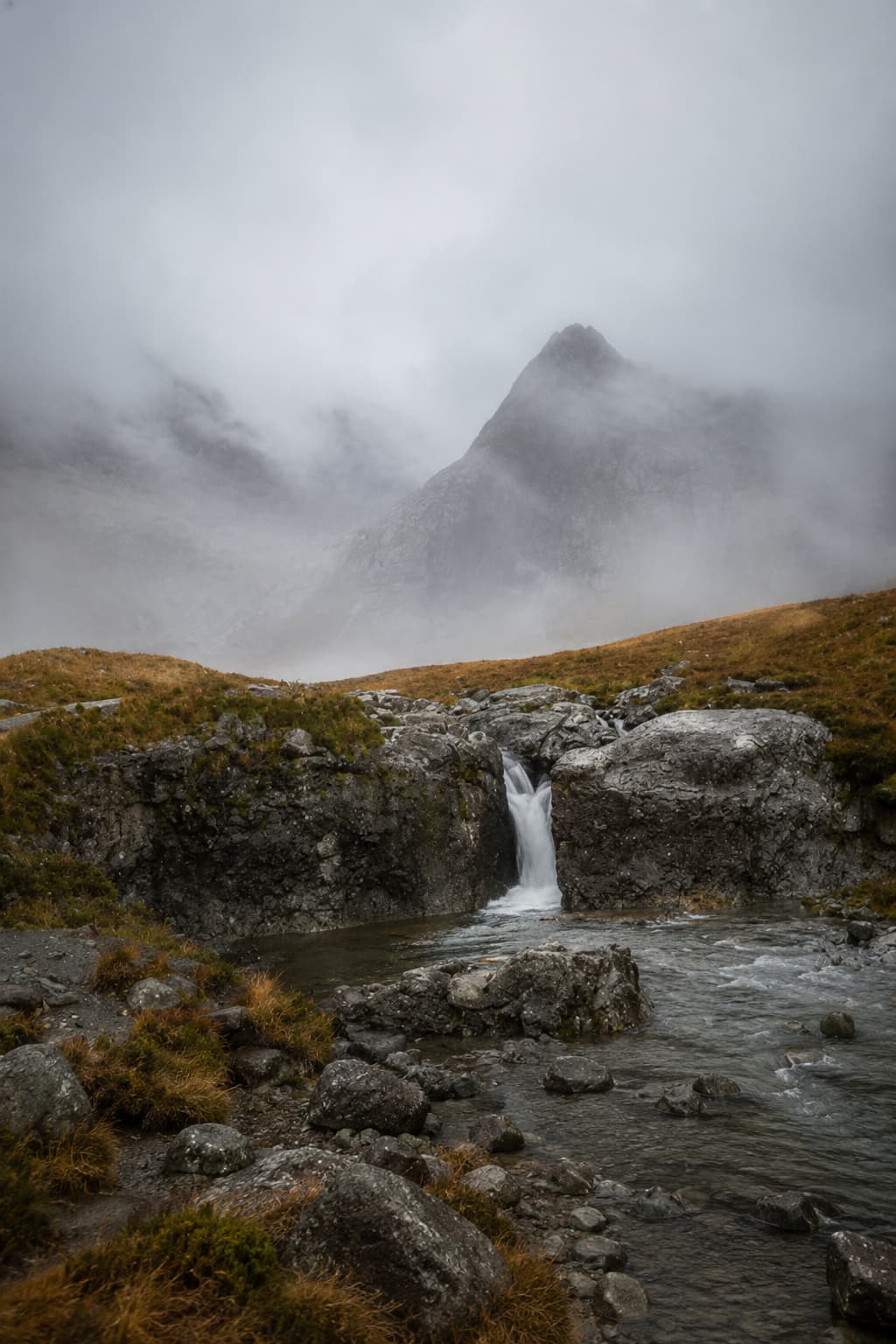
Furthermore, several places photograph as moody travel destinations and function as anything but in the months most people visit — Skye being the clearest example: both the Fairy Pools and the Old Man of Storr are genuinely atmospheric locations — the Cuillin Ridge in low cloud is as dramatic as the Mystic Outlands trend suggests. In July and August, however, both are tourist sites with car parks, crowd management, and a queue for the same compositions. Atmosphere exists here — solitude does not.
Scotland’s NC500 corridor follows the same logic. Seen in October or November, it delivers the empty road and the low cloud. In summer, it is among the busier driving routes in Scotland, with campervan convoys and booked-out B&Bs. The honest guides to those specific destinations go into the detail: Fairytale Villages in Scotland → and Best Castles in Scotland →
The pattern is consistent: moody destinations that are also accessible tend to get crowded in the months with the best travel conditions, which are also the months with the least reliable atmosphere. Remote destinations (Faroes, outer Lofoten) stay quiet because the access itself is a filter. The solitude in those places is structural — a function of logistics, not obscurity — and it holds regardless of how many Pinterest boards they appear on.
05 — What is the most remote place you can visit in Europe?
In practical terms, the Faroe Islands come closest. A more useful framing, in fact: remote enough that the filtering effect holds. Specifically: eighteen islands in the North Atlantic, halfway between Norway and Iceland, reachable by one airport (Vágar) with limited daily connections, or by a twice-weekly ferry from Denmark that takes approximately two days. Several outer islands require additional ferry crossings, with schedules that run seasonally and cancel for weather. The village of Gásadalur on Vágar had no road connection to the rest of the island until 2004.
In terms of sheer inaccessibility with tourist infrastructure, Lofoten’s outer islands — Røst and Værøy — are genuine alternatives. Small ferry-only islands with minimal accommodation outside summer, they offer the filtering effect without the trans-North-Atlantic logistics. Norway’s Svalbard exceeds these in remoteness, though it requires a different category of planning and cost entirely.
06 — When to visit moody travel destinations in Europe
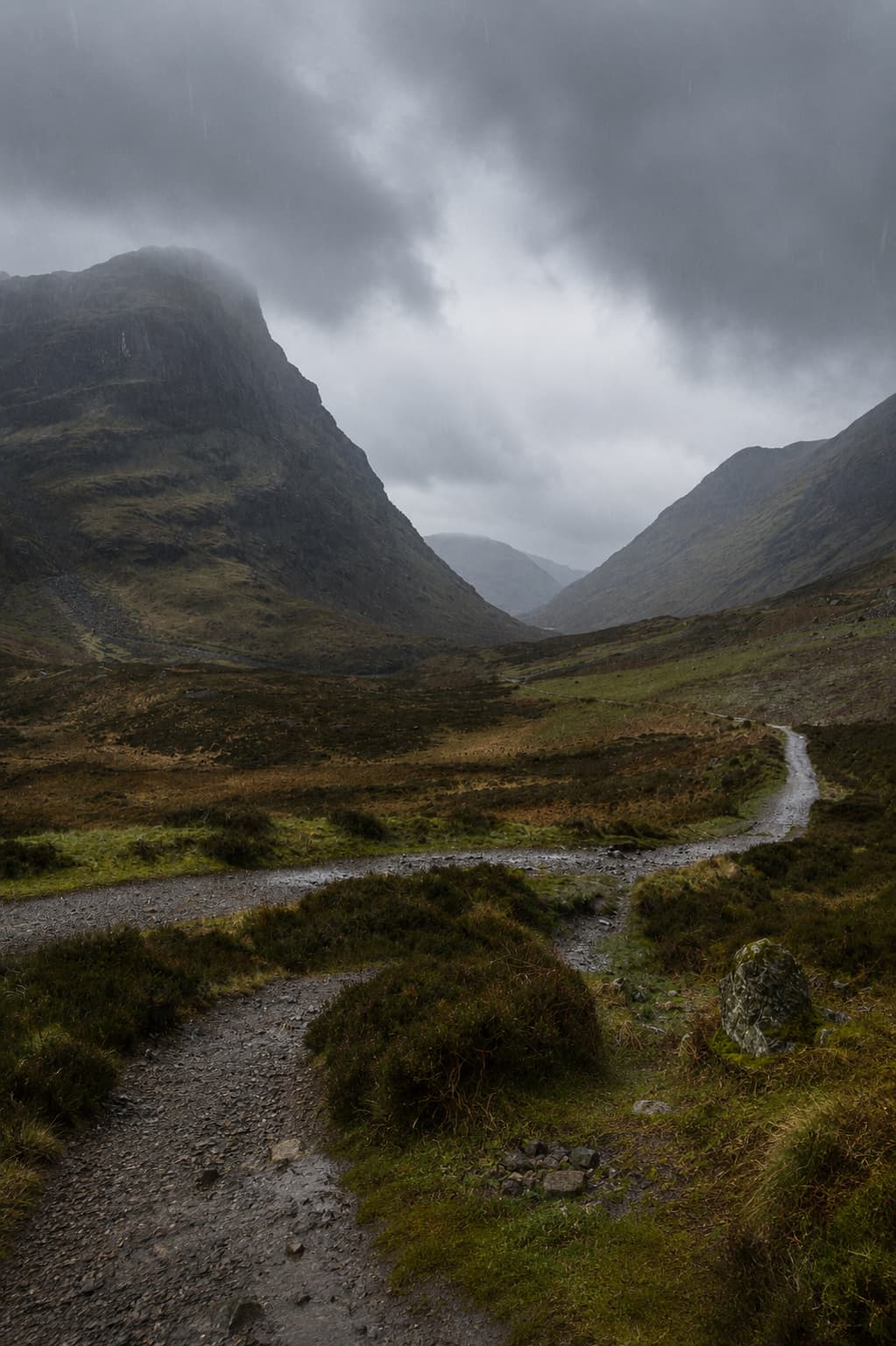
The month-by-month picture varies substantially by destination. Taken together, the clearest principle: October is the strongest single month across all four for atmosphere. Days are still long enough to be useful, most infrastructure remains open, and low cloud is reliably present in a way that June rarely delivers. If you’re planning an autumn trip across multiple destinations, the best European cities in October guide covers the broader picture, and the fall foliage in Europe post maps which landscapes peak when.
May–July (access window): Specifically, June is the driest month, averaging rain on twelve days. From approximately 5 May to 8 August there are white nights — it never fully darkens, producing extraordinary twilight quality even under cloud. Most infrastructure, ferry routes, and accommodation open. First-time visitors: this is your window.
October–January (atmosphere peak): By contrast, near-daily cloud, maximum drama, but ferry schedules thin considerably and some outer-island services stop. Days get short fast — by December, usable daylight is minimal. The atmosphere is extraordinary; everything else becomes harder.
Late September–early October (sweet spot): Overall, atmosphere is building, the major ferry routes still run, daylight is still usable. The best of both conditions for most travelers.
October (sweet spot): Heather and bracken turn gold, light is warm and low-angled, mist is reliable without the full infrastructure restrictions of winter. Crowds thin substantially after September. Moreover, for photographers specifically, October is the single best month in Scotland — conditions that are near-impossible to replicate in summer.
May–September (access peak): Maximum daylight, all routes open, but summer can produce surprisingly clear spells. The mist is present but not sustained. Midges are a genuine issue on Skye and the western Highlands from June–August.
November–March (atmosphere peak): By contrast, winter gives sustained low cloud and the most consistent mist. Trade-off: short days, some accommodation closed, and Highland roads occasionally icy. The most atmospheric version of the Highlands is also the hardest version to visit.
Lofoten: September–October consequently gives dramatic light and fewer crowds than peak summer, with Northern Lights becoming visible. June–August has midnight sun and guaranteed access, but July fills accommodation to near capacity months in advance.
Iceland: June–August opens Highland F-roads and maximises daylight with the fewest access restrictions. October is atmospheric but road closures become a genuine planning factor — check road.is daily. Winter offers Northern Lights and ice caves but requires experience and flexibility.
07 — What moody travel destinations actually cost
Remote island travel is not budget travel, regardless of how these atmospheric destinations photograph in print. The costs break down predictably, but they are worth stating plainly.
First, car hire is not optional at any of these destinations. Public transport exists in the Faroes and Lofoten, but the specific viewpoints and the general freedom to move between weather patterns requires a vehicle. On the Faroes specifically, a rental car plus inter-island ferries adds meaningfully to the base accommodation cost.
Additionally, weather-contingency days are a real budget line. At the Faroes especially, planning a five-day trip with one buffer day for weather-related flight disruption is not pessimistic — it is standard practice. That buffer day is an additional night of accommodation at island prices.
Destinations most likely to deliver the mood on a tight schedule are those closest to the mainland — the Scottish Highlands require only a drive north. The Faroes and outer Lofoten require more planning, more cost, and more flexibility to deliver what they promise. In turn, a clear relationship between price and reliability runs throughout: the harder and more expensive a destination is to reach, the more reliably it protects its atmospheric character, because the logistics filter out volume before it arrives.
For packing practicalities across all four, the Europe packing list covers the waterproof essentials, though for the Faroes and Lofoten in particular, the emphasis on wind protection deserves careful reading. If you’re weighing these moody travel destinations against somewhere closer to home, the coolcation alpine destinations post covers the European high-altitude alternative — dramatic, atmospheric, and considerably easier to reach.
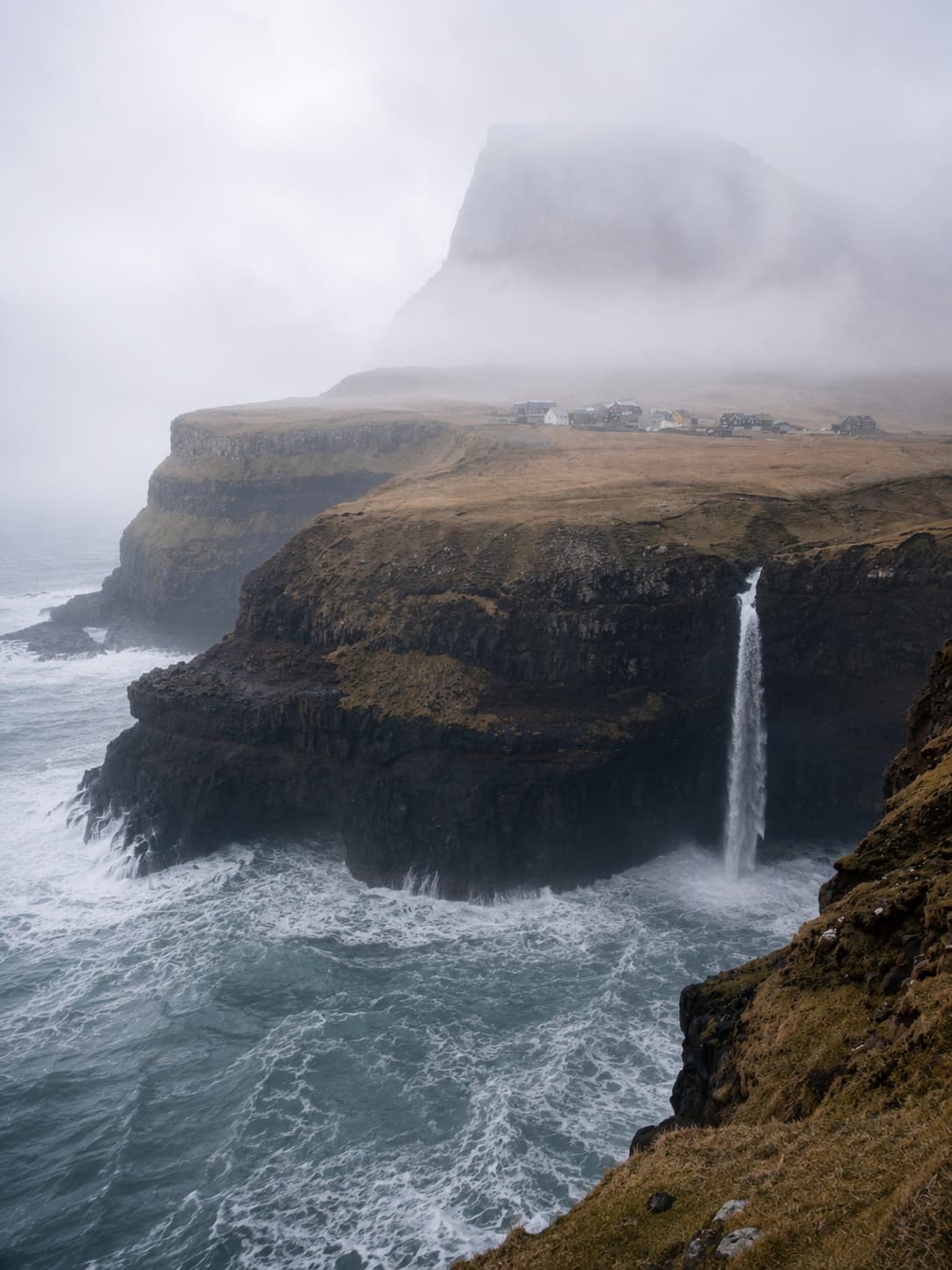
The mist is not a filter applied to a place that exists beneath it.
At these destinations, the mist is the place — and it behaves accordingly.