
The Scottish Highlands: The Misty, Fairytale Scotland That Lives Up to the Photos (and the Parts That Don’t)
An honest look at visiting the Scottish Highlands — where the photos tell the truth, where they quietly lie, and when the place is actually worth your time.
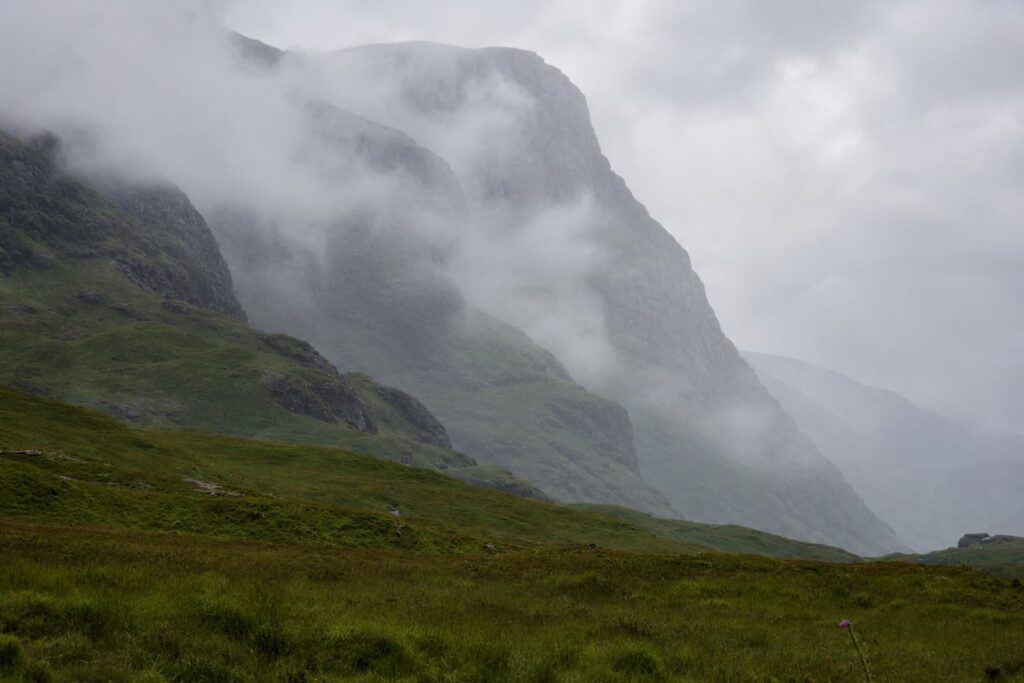
The first morning, the Scottish Highlands did exactly what the photographs promise. Cloud sat halfway down the slopes of Glencoe, the road ahead vanished into grey, and the whole valley felt like it was holding its breath. It was, briefly, the fairytale. By the afternoon it had flattened into a featureless drizzle that turned the same mountains into vague dark shapes, and I understood the other half of the story — the half nobody puts on a pin. This is the honest version. The magic is real, in specific and nameable places. The disappointment is real too, and worth knowing before you book.
Most guides sell the Highlands as uniformly enchanted: every loch mirror-still, every ruin backlit, every drive a revelation. That isn’t false, exactly. However, it leaves out the grey-flat days, the deceptive driving distances, and the midge swarms that can ruin a perfect summer evening by a loch. So this piece does both jobs at once — it tells you where the place genuinely delivers, and where it quietly doesn’t.
01 — Do the Scottish Highlands Live Up to the Photos?
Yes — but selectively, and not on demand. The Highlands live up to the photos when the light and weather cooperate in a handful of specific places. On a grey day in the wrong spot, the same landscape can look like any wet hillside in northern Britain. The trick is knowing which places carry themselves even without perfect conditions, and which ones depend entirely on a sky you can’t control.
Where the magic is real
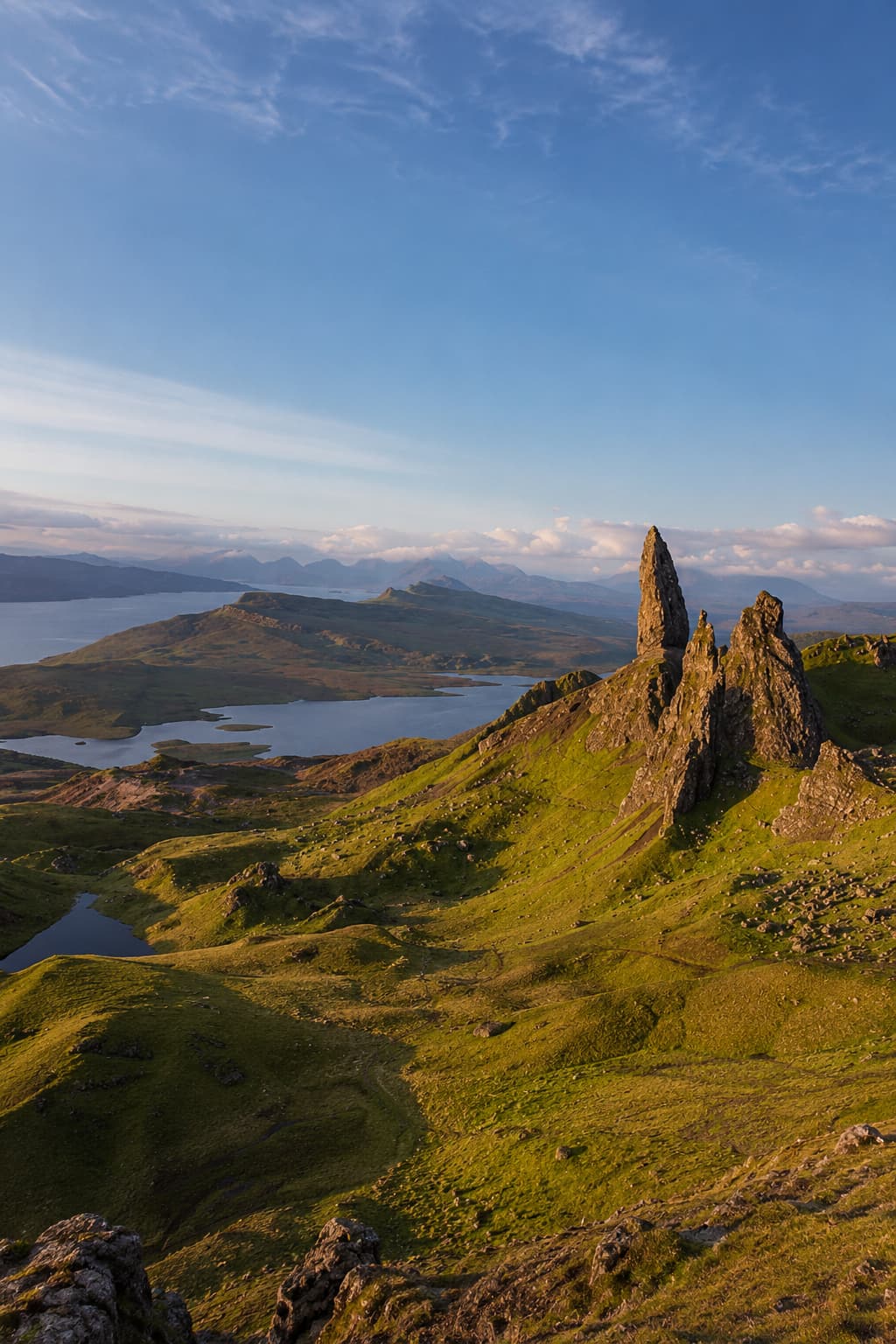
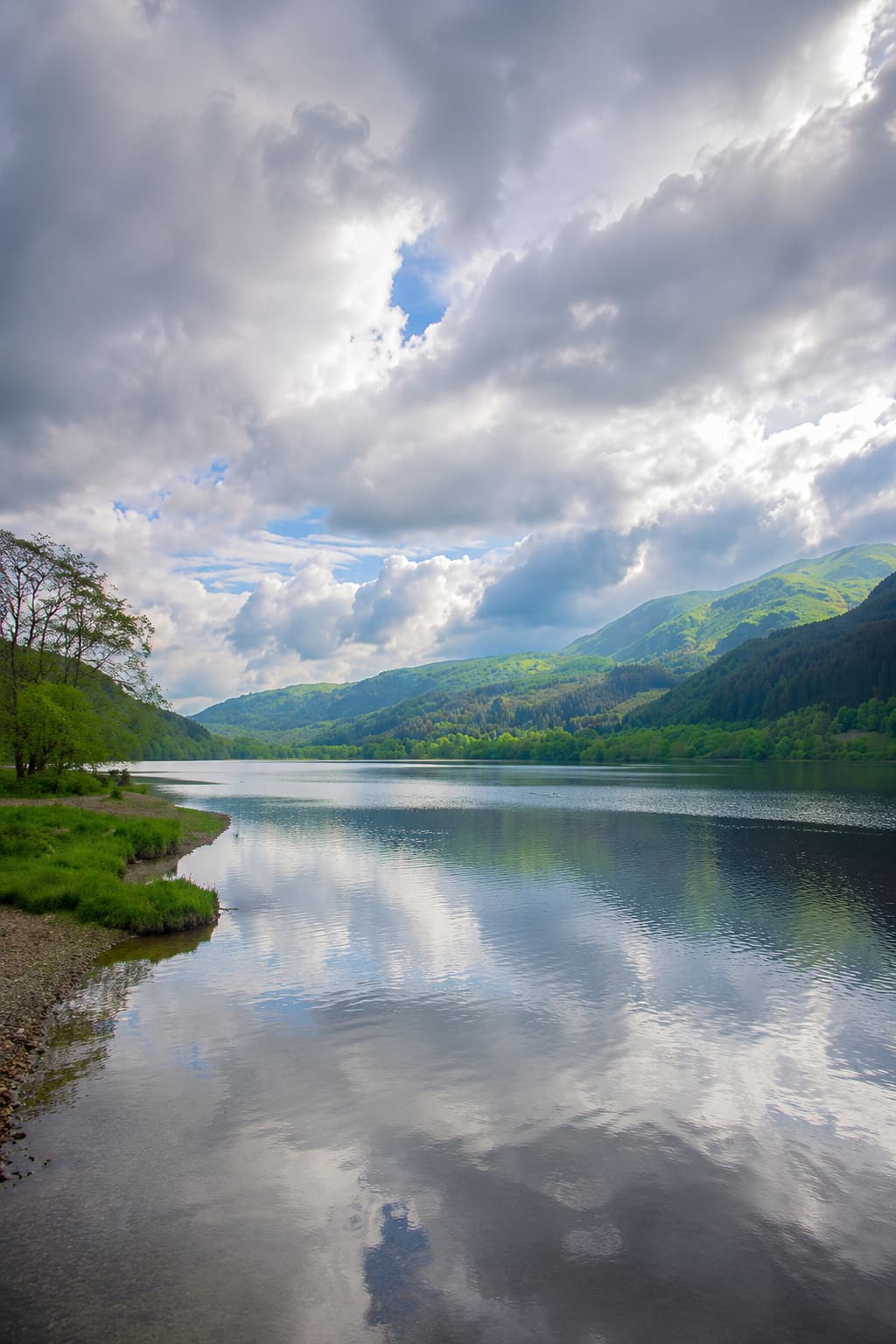
Glencoe is the safest bet in the whole region. Even under low cloud, the scale of it — the way the mountains crowd the single road through the glen — does most of the work that good weather would otherwise do. Skye’s Trotternish ridge is the other reliable one: the Quiraing and the Old Man of Storr earn their reputations, and the folded green terrain holds up in flat light better than almost anywhere. Furthermore, the backroads around Loch Ness — not the famous lay-bys, but the quieter single-track routes on the south side — deliver the still-water reflections people travel for, minus the coach parks.
Where the photos quietly lie
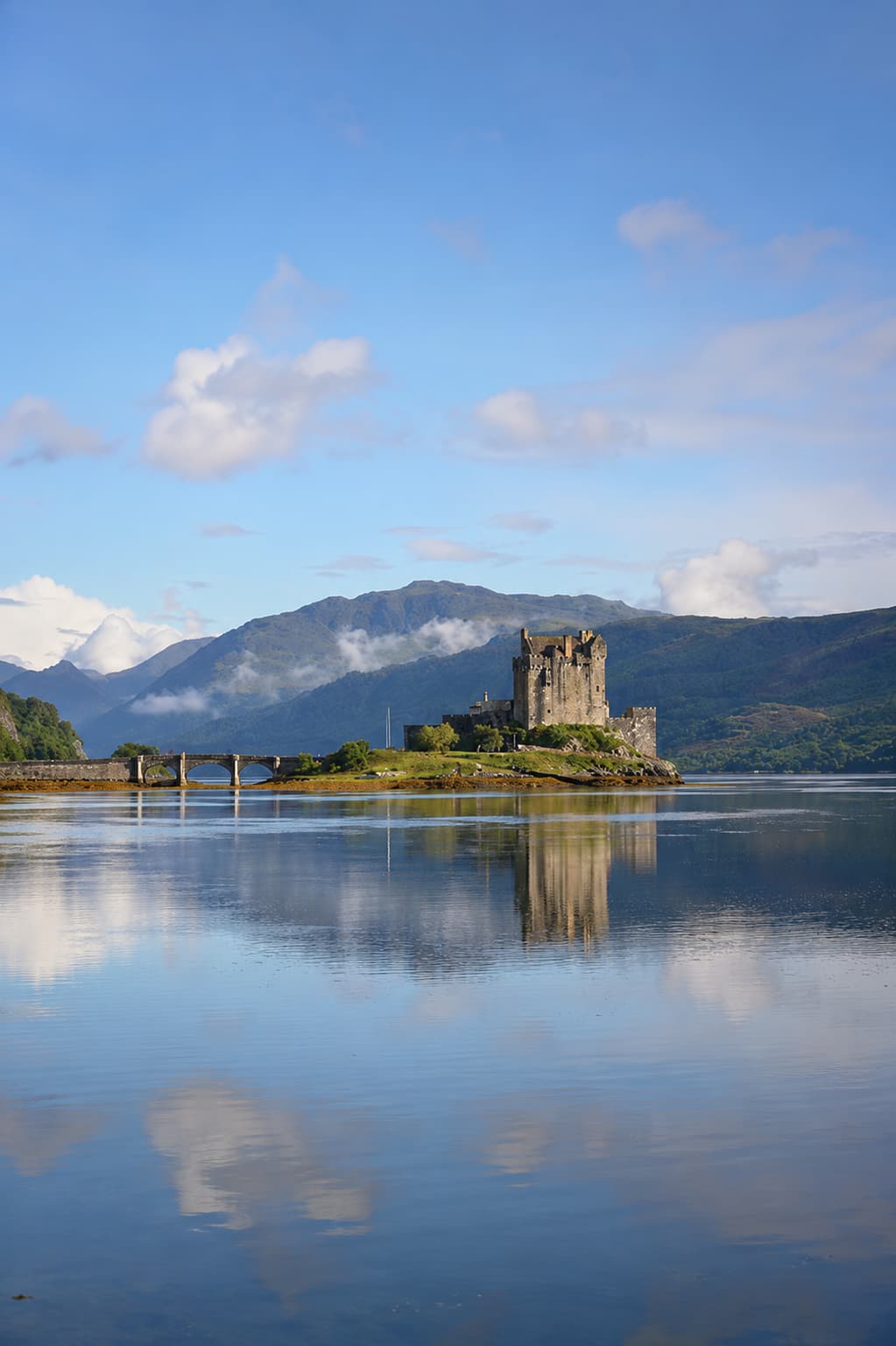
The lie is rarely a fake — it’s a crop. The most famous viewpoints are often a few steps from a packed car park, with a coach idling just out of frame and a queue for the same shot. Eilean Donan Castle is genuinely handsome; the photo just never shows the road and the visitor centre beside it. On a grey-flat day, meanwhile, the over-photographed spots underwhelm hardest, because their entire appeal was the dramatic light that isn’t there. The honest rule: the more iconic the single image, the more managed your expectations should be when you arrive in person.
02 — Are the Scottish Highlands Worth Visiting?
For most travelers, yes — with one honest condition. The Highlands are worth it if you can tolerate weather as part of the experience rather than a threat to it. If you need guaranteed sun and tightly scheduled sightseeing, this is the wrong landscape, and you’ll spend the trip feeling cheated. However, if you find something in changing skies, empty roads, and scenery that rearranges itself by the hour, few places in Europe match it. The reward isn’t a checklist of perfect photos. It’s the cumulative feeling of a place that’s genuinely wild and indifferent to your itinerary.
03 — What Are the Downsides of Visiting the Scottish Highlands?
Three things catch people out, and none of them appear in the dreamy version. Knowing them in advance is the difference between a trip that absorbs the rough edges and one derailed by them.
The weather gamble
Highland weather changes fast and often. A clear morning can close into rain by lunch and reopen by evening, sometimes across a single drive. As a result, the smart approach is to keep plans loose and chase the breaks in the cloud rather than locking in a fixed schedule. Pack as if it will rain, because at some point it will, and treat any genuinely clear day as a gift to be spent outside immediately.
Midges
The midge is a tiny biting insect that swarms in still, humid conditions, and on the wrong evening it can clear a loch-side picnic in seconds. The bites are itchy red bumps rather than anything dangerous — Scotland’s midges carry no disease — but the discomfort is real, and underestimating them is a classic first-time mistake. They hate wind, so a breezy spot or an exposed hilltop is often midge-free even in peak season.
Check the Smidge Midge Forecast before heading out — it predicts midge levels by region using live weather data. Pack a picaridin repellent (Smidge is the local favourite), wear long sleeves, and plan outdoor time for the breezy middle of the day rather than dawn or dusk.
Distances and the driving reality
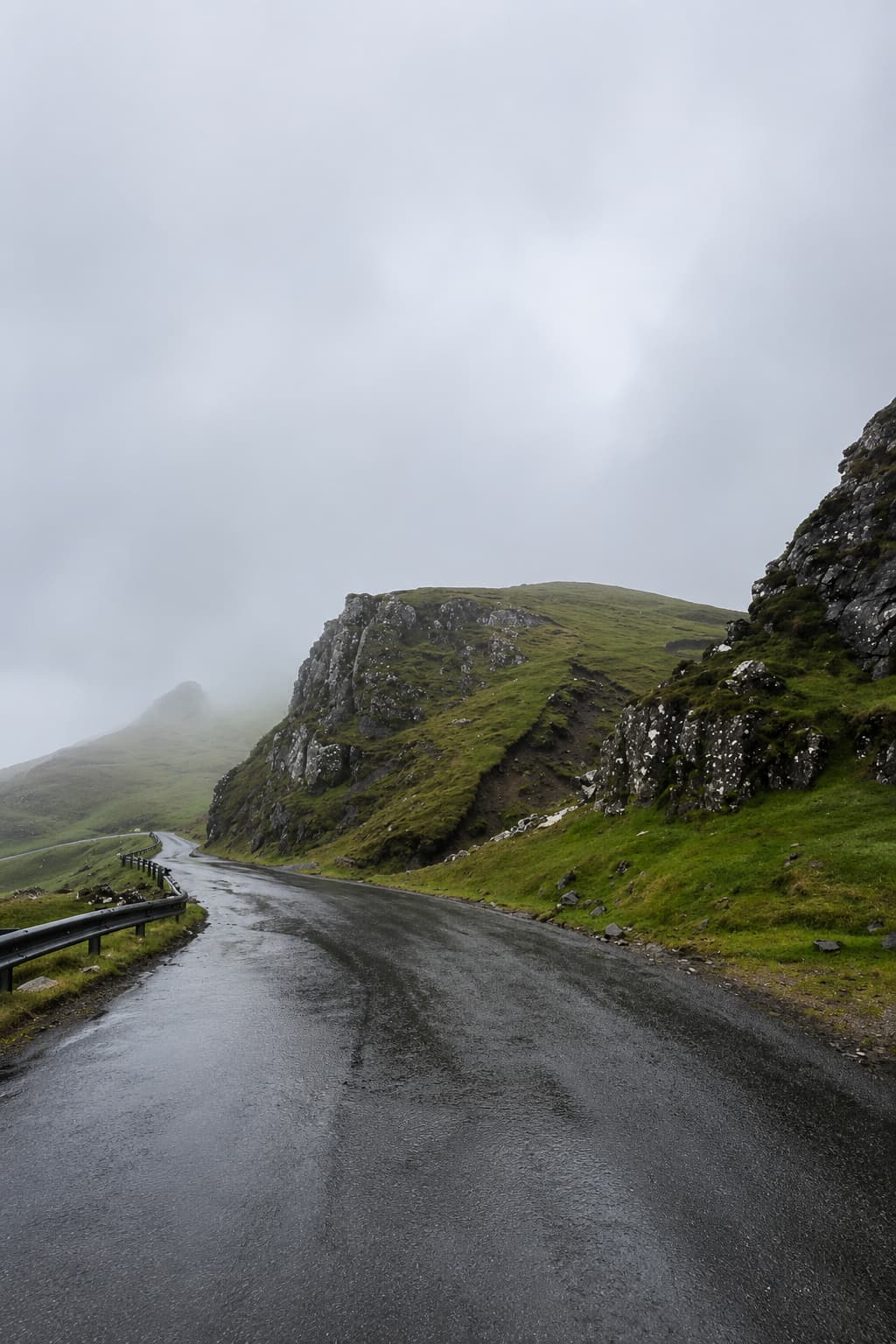
The Highlands are deceptively large, and the map lies about time. Roads are often single-track with passing places, winding around lochs and over passes, so a distance that looks like an hour can easily take two. Consequently, the most common planning error is cramming too much into too few days and spending the whole trip behind the wheel. Pick one or two sub-regions and explore them properly instead of racing the entire map.
04 — What Is the Best Time to Visit the Scottish Highlands?
May and September are the honest sweet spot. Both offer long daylight, the most reliable weather the Highlands ever manage, and far fewer midges than the peak of summer. May tends to bring the driest stretches of the year and hillsides just coming into colour; September brings warm light, turning bracken, and a quieter road network once the school holidays end. By contrast, July and August deliver the longest days but also the worst midges and the heaviest crowds at the famous stops.
If you can only choose by one factor, choose weather tolerance over peak daylight. Late May and late September give you most of the light, a fraction of the midges, and noticeably emptier viewpoints. April and October are colder and wetter but almost entirely midge-free.
05 — When Are Midges Worst in the Scottish Highlands?
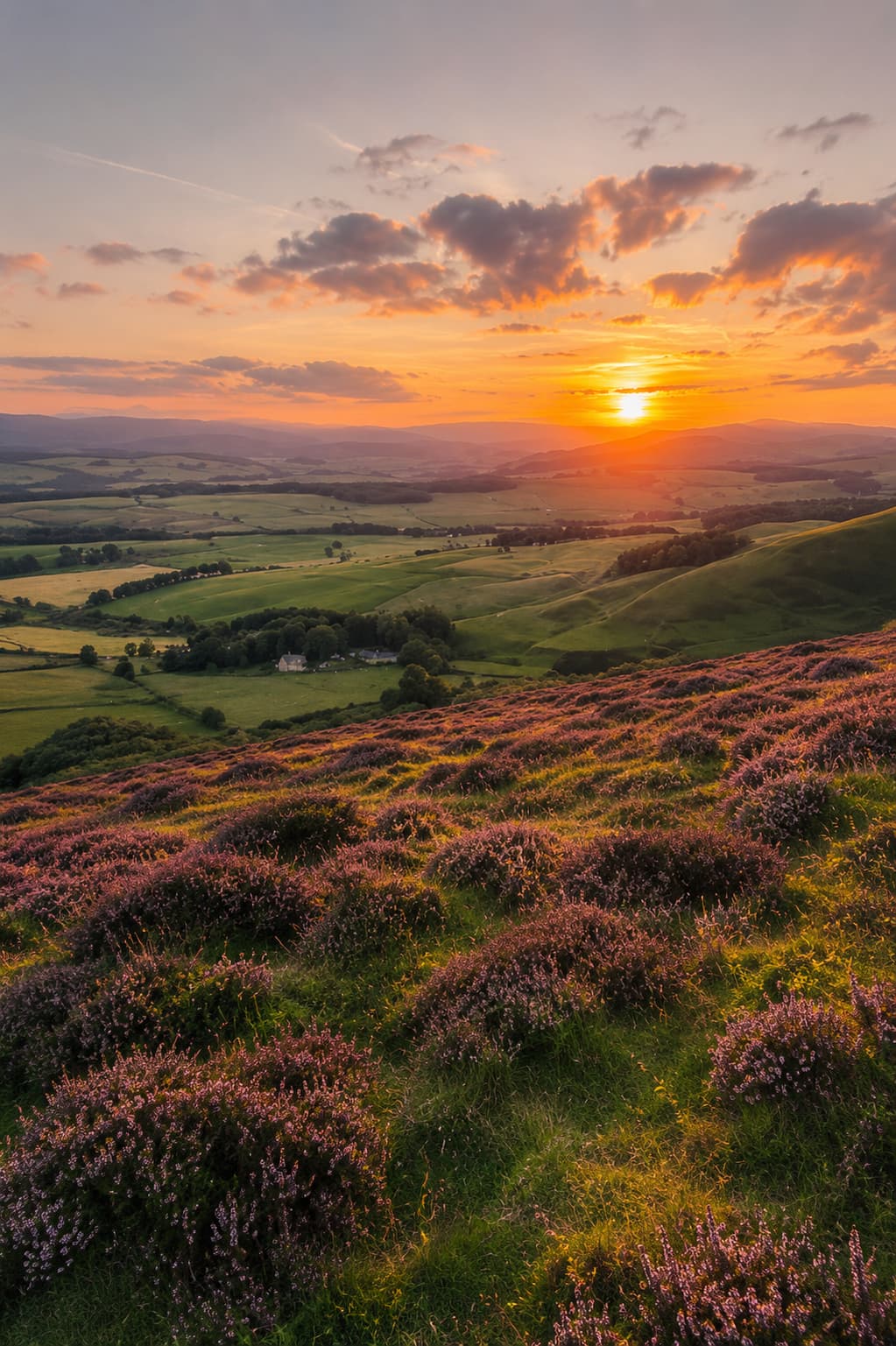
Midge season runs from late May to early September, and the worst of it lands squarely in July and August. Numbers build through June, explode in high summer after rain, and taper off through September until the first frost ends the season entirely. Specifically, midges are most active at dawn and dusk on still, overcast, humid days — and they cannot fly in wind above roughly 7 mph, which is why a breeze is your best natural defence.
Still, humid, overcast evenings — especially after rain. A calm dusk beside standing water in a sheltered glen is peak midge territory.
The west Highlands and islands: Glencoe, Fort William, the Great Glen, Torridon, and Skye’s Glen Brittle and Cuillin foothills are all notorious.
Exposed hilltops, breezy coasts, and the drier east coast see far fewer midges even in peak season. Wind clears them almost completely.
06 — How Many Days Do You Need in the Scottish Highlands?
Honestly, more than people plan for. Because the distances are slow and the weather demands flexibility, a rushed two-day dash leaves you mostly inside a car. Three days gives you a real taste of one area; five to seven lets you explore one or two sub-regions properly and absorb a few bad-weather days without losing the trip. The biggest single improvement most itineraries could make is simply doing less.
| 2–3 days | One base, one region — Glencoe and Fort William, or a focused Skye loop. Enough for a genuine taste, not the whole picture. |
| 4–5 days | Two regions at a relaxed pace, with room to wait out a grey day and still catch the good light. |
| 6–7 days | The honest sweet spot — a proper loop with time for spontaneous detours and the weather working in your favour at least once. |
| 8+ days | The far north and west — Torridon, Assynt, the North Coast 500 — where the emptiest, most rewarding landscapes are. |
07 — Do You Need a Car to Visit the Scottish Highlands?
For most of the region, effectively yes. The Highlands are vast and thinly populated, and public transport reaches the towns far better than the scenery between them. A car is what turns a single-track road or a quiet loch into a place you can actually stop and stand. That said, a car-free trip is possible if you accept its limits and plan around them.
- Guided day tours: the simplest car-free option — small-group tours from Inverness, Fort William, or Edinburgh reach Glencoe, Loch Ness, and Skye, though on a fixed schedule.
- The West Highland Line: one of the great rail journeys, running from Glasgow to Mallaig past Rannoch Moor and the Glenfinnan Viaduct — scenery without a steering wheel.
- Base-and-explore: stay in a walkable hub like Fort William or Aviemore and combine local buses, trains, and the occasional tour rather than trying to roam freely.
08 — Where Are the Most Beautiful Places in the Scottish Highlands?
Some of these over-deliver in person, and one or two depend heavily on the day. Here’s the honest ranking of where to point a Highlands trip.
The most reliable drama in the region. Its scale carries it even in poor weather, which makes it the safest single stop on any itinerary.
The Quiraing and the Old Man of Storr deliver on the hype. The folded green terrain holds up in flat light better than almost anywhere.
Often called Scotland’s most beautiful glen, and far quieter than the famous names. Native pinewood, still lochs, and almost no crowds.
The far northwest at its most ancient and severe. Empty, immense, and the reward for travelers willing to drive past the obvious stops.
Skip the monster-hunting centre and take the quiet south-side single-track roads for the reflections people actually travel to see.
Genuinely lovely on the way to Skye — just temper expectations. The famous photo crops out the road and the visitor centre beside it.
| Getting there | Fly or train to Inverness, Glasgow, or Edinburgh, then drive in. Inverness is the natural northern gateway; Fort William the western one. |
| Entry (2026) | US, EU, Canadian, and Australian visitors now need a UK ETA, enforced since February 2026. It costs £20, is valid two years, and is applied for online or via the UK ETA app. |
| Driving | Single-track roads with passing places are normal. Allow far more time than the map suggests, and never assume an overtaking lane. |
| Where to base | Fort William or Glencoe for the west, Inverness for Loch Ness and the north, Portree for Skye. Pick one or two — don’t try to base everywhere. |
| Money | Card is accepted almost everywhere, but carry some cash for remote car parks, honesty boxes, and small village shops. |
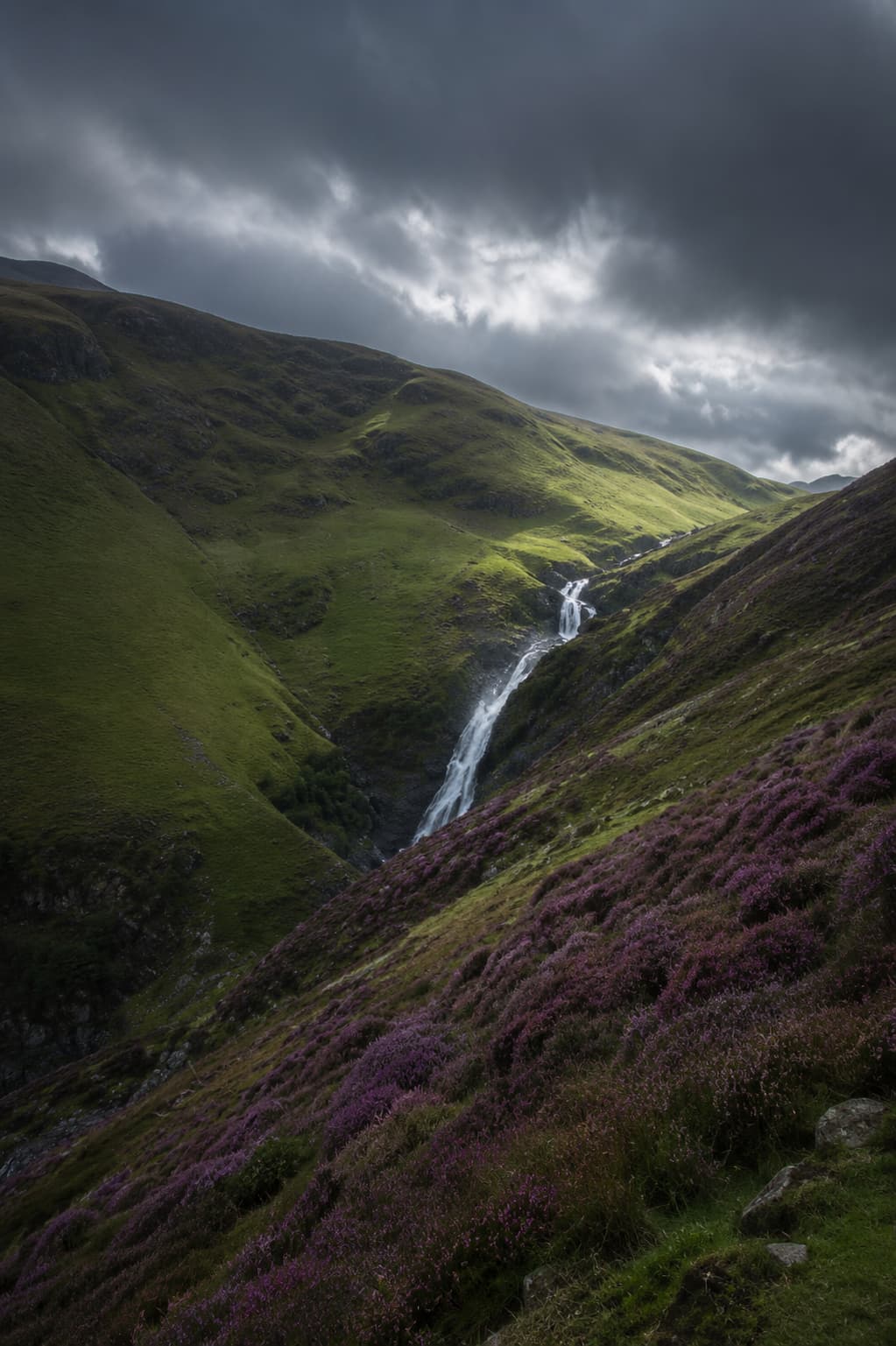
The Highlands don’t perform on schedule, and that’s the whole point.
Give them patience and a little weather luck, and they hand you the fairytale — usually when you’ve stopped waiting for it.