
Transylvania From Bucharest: An Honest 2-Day Itinerary
A real Transylvania itinerary from Bucharest: Bran Castle with real verdicts, where to base yourself, self-drive vs. guided tour answered — and the bears that make this region more than a Dracula day-trip.
Every Transylvania itinerary from Bucharest looks identical. You’re picked up at 7am, bused to three castles, handed forty minutes at each one, returned to your hotel by 9pm with sore feet and no particular sense of the place. The tour operators are efficient. The guides are often excellent. But you haven’t been to Transylvania — you’ve been to three car parks adjacent to Transylvania.
I flew into Bucharest, rented a car at the airport, and drove north. This particular transylvania itinerary from bucharest took two days: one night based in the countryside near Brașov, covering the main sites without the rushed-coach feeling. This is what that trip actually looked like — including an honest verdict on whether Bran Castle lives up to its Dracula billing (it doesn’t, quite, but it’s still worth going), and why the bears are the thing I think about most when I look back on it.
01 — Is Dracula’s Castle Actually in Transylvania?
Yes — Bran Castle sits in Bran, Brașov County, in the heart of Transylvania, about 2.5 to 3 hours by car from Bucharest depending on traffic. So the geography is accurate. The history, though, is murkier than the tourist shops would suggest.
The Dracula connection comes from Bram Stoker’s 1897 novel, which placed Count Dracula in a fictional Transylvanian castle. Stoker is thought to have drawn partly on the legend of Vlad III — the 15th-century Wallachian prince known as Vlad the Impaler and, yes, also as Vlad Dracul — and on the broader myth and landscape of the region. What Stoker almost certainly did not know much about is Bran Castle specifically, and historians generally agree that Vlad the Impaler had no significant connection to Bran beyond, perhaps, a brief detention there.
The castle was marketed as “Dracula’s Castle” in the 20th century because it matches the literary description well enough: clifftop position, Gothic towers, forested mountain backdrop, long shadow. It’s a branding decision, not a historical one. Knowing this before you build a transylvania itinerary from bucharest makes the visit better, not worse — you’re freed from the expectation of something factually sinister and can appreciate the castle for what it actually is: a well-preserved medieval fortress that served as a border crossing, a royal residence, and is now a worthwhile museum.
02 — Getting From Bucharest to Transylvania
Self-driving from Bucharest
This is the approach I’d recommend for any transylvania itinerary from bucharest. Rent at Bucharest Henri Coandă International Airport (OTP) — all the major agencies are in the terminal, rates are reasonable, and you leave without needing to navigate into the city first. The route north follows the DN1 (European road E60) through the Prahova Valley, the same corridor that links Bucharest to Sinaia, Brașov, and eventually Cluj-Napoca.
Drive time is roughly 2.5 hours to Sinaia and 3 hours to Brașov in normal conditions. The word “normal” is doing some work there — the DN1 through the Prahova Valley is notoriously congested on Friday afternoons and summer weekends, when Bucharest residents head to the mountains en masse. If you’re leaving on a weekday morning, the drive is pleasant and the scenery through the Carpathian foothills makes it feel shorter than it is. A summer Friday afternoon is a different experience.
- The road itself: The DN1 is well-maintained and uncomplicated — dual carriageway for much of the Bucharest stretch, narrowing to a two-lane mountain road through Sinaia and the higher sections. Nothing technically demanding unless you encounter snow (October through April, be realistic about conditions).
- Parking at the castles: Both Bran and Peleș have paid car parks at the entrance. Bran fills fast in high summer — arrive early.
- Google Maps reliability: Good on the main route. For countryside guesthouses near Zărnești or smaller roads off the main valley, download an offline map or use Maps.me as a backup.
Guided tour vs. self-driving from Bucharest to Transylvania
Guided day-trips from Bucharest run from around €21 per person (budget shared coach, 30+ people) to €80–100 for a small private group. They solve the logistics problem completely: someone else handles driving, parking, queues, and commentary. The downside is the itinerary is fixed, the pace is the group’s pace rather than yours, and you go back to Bucharest the same night — which means you miss the thing that makes the region worth visiting: actually being in it after the day-trippers leave.
If you only have one day and Bucharest is your base, a guided tour makes sense. If you have two days, drive. The freedom to linger at Peleș, skip the Bran Castle queue by arriving at opening time, and spend your evening watching bears rather than being bused south is what separates a Transylvania trip from a Transylvania tick-box.
| Self-drive | Flexible pace, bear hides accessible, overnight in the countryside possible. Requires confidence with mountain roads and advance planning for parking. |
| Guided day-trip | Stress-free logistics, good value on budget tours. Returns to Bucharest same evening — no overnight, no bear hides, no countryside base. |
| Train to Brașov + local taxi | Bucharest Nord to Brașov InterCity: ~2.5 hours on fast services (check CFR Călători for current timetables). Good option if you don’t want to drive; less flexible for castle visits and bear hides, which need a car or a guide. |
03 — Day 1: Bucharest → Sinaia → Bran → Your Base
Leave Bucharest by 8am to arrive in Sinaia before the coach groups. Peleș takes 1.5–2 hours with a proper look. Drive 45 minutes to Bran — arrive before noon if possible. Reach your base in the Brașov countryside by late afternoon, giving you time to settle before dinner.
~180 km total
Peleș Castle, Sinaia — the Transylvania stop that surprises everyone
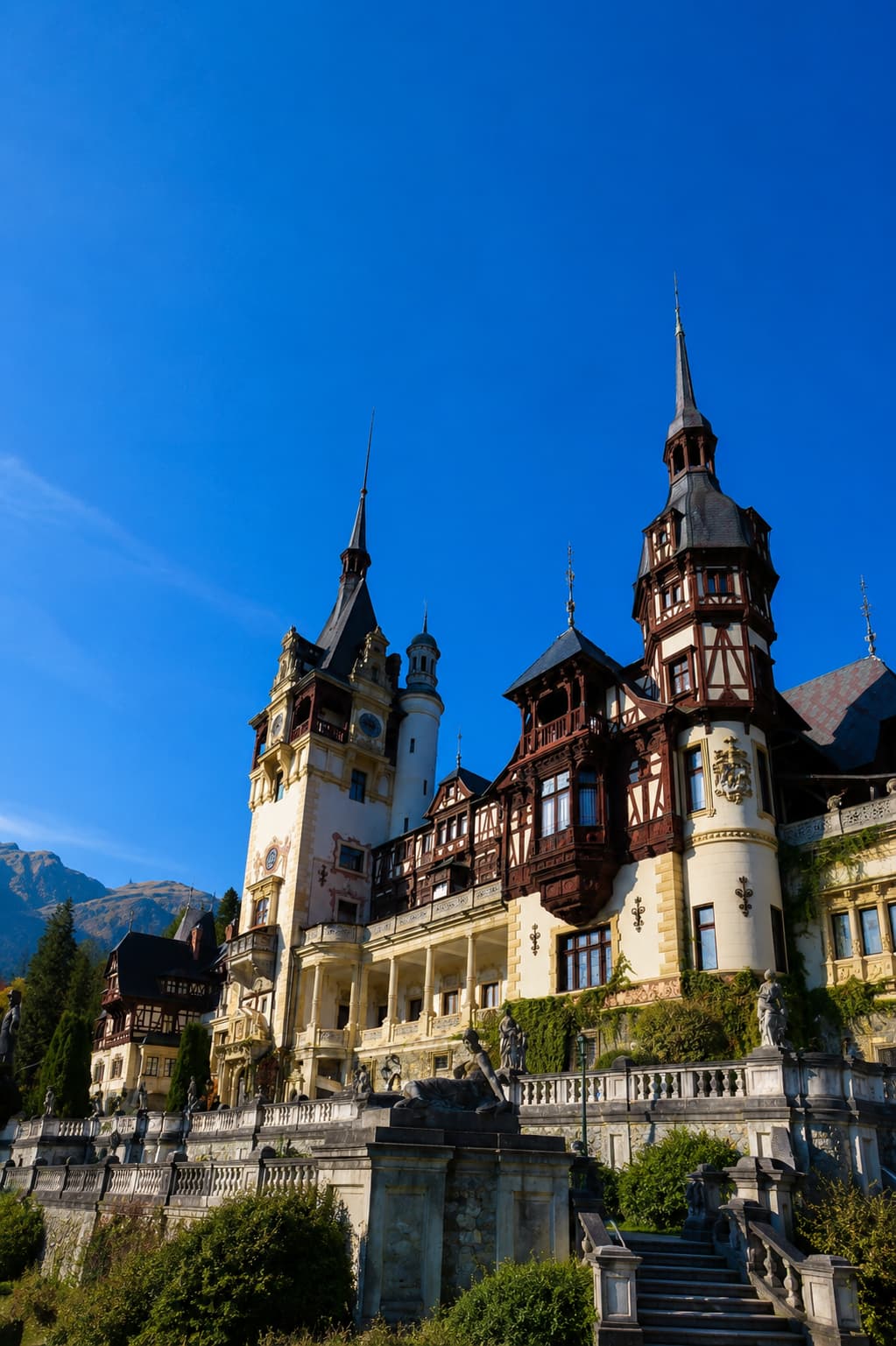
Most people visit Peleș as a warm-up act before Bran. Most people have it backwards.
Peleș Castle in Sinaia is a 19th-century German-Renaissance royal palace built for Carol I of Romania, completed in stages between 1875 and 1914. It has 160 decorated rooms, a hydraulic elevator (one of the first in Romania), a moving glass roof, and interiors that shift between Turkish salons, Florentine halls, and Moorish reception rooms as if someone commissioned a Grand Tour in architecture form. It’s spectacular — the kind of palace that would be the headline attraction in most European countries, but here sits in second billing to a medieval fortress that Stoker probably invented.
The practical note that will make or break your Day 1: Peleș is closed on Mondays and Tuesdays year-round. Wednesday is the earliest opening day, from 11am. Thursday to Sunday it opens at 9am. If you’re arriving from Bucharest on a Monday or Tuesday, you see the exterior only. Build your two-day plan around a Wednesday-to-Sunday window and you’ll be fine. Book tickets in advance for weekends and July–August; the queue at the ticket window on a Saturday morning can add 45 minutes.
- Closed Monday & Tuesday year-round. Wednesday 11am–5pm · Thursday–Sunday 9am–5pm.
- Arrive at 9am on a Thursday or Friday — first hour is significantly quieter before the coach tours arrive around 10:30am.
- The Pelișor Castle (smaller, Art Nouveau, same grounds) is worth 20 minutes if you have time.
- ⚑ Confirm current hours at the official Peleș Museum website before travel — public holiday closures apply.
Bran Castle — is it worth the trip from Bucharest?
Yes. But manage the expectation correctly and the visit is better for it.
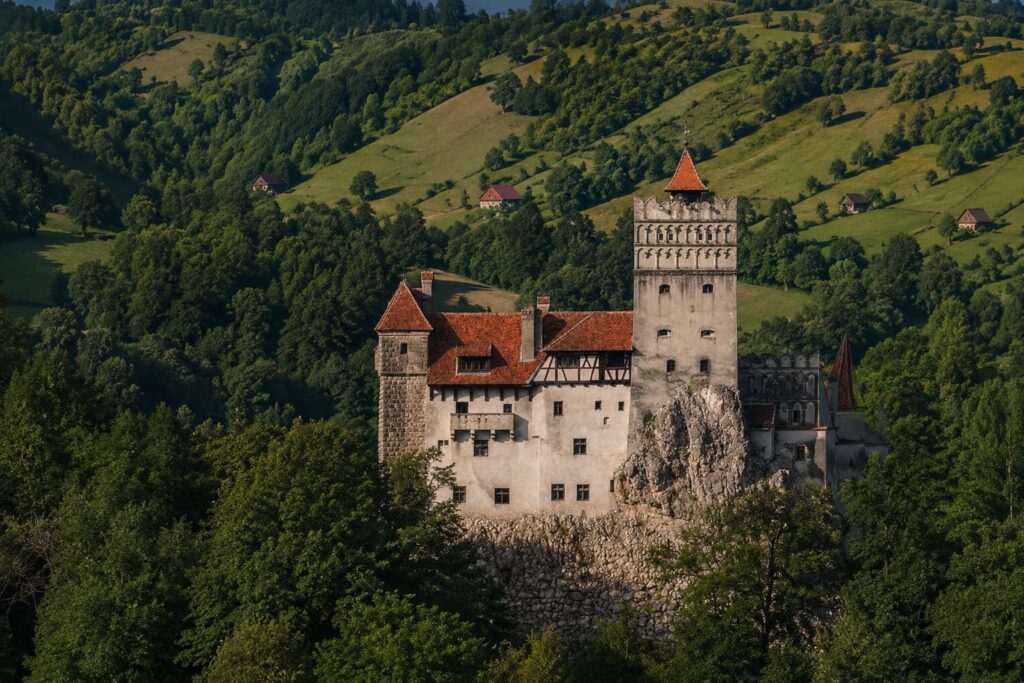
Bran is not the forbidding Gothic nightmare of the novel. It’s a compact, whitewashed fortress perched on a rock with red-tiled roofs and surprisingly cramped interior rooms connected by narrow staircases. The “Dracula’s Castle” branding is marketed heavily in the surrounding village — there are vampire-themed shops, red capes for sale, and a souvenir market that occupies the approach path. None of that is the castle’s fault, exactly, and once you’re inside and past the first courtyard, the commercial carnival retreats and the actual medieval history takes over. (Official Bran Castle site for current tickets and hours.)
The castle was built in the 14th century as a Transylvanian fortress controlling a mountain pass. It later became a customs post, then a royal residence — Queen Marie of Romania is the historical figure most closely associated with the building, and her apartments on the upper floors are the most interesting rooms inside. The interior tour takes about an hour at a relaxed pace. The views from the upper ramparts over the Bran valley are quietly good.
What it isn’t: a place that generates genuine dread or atmosphere. On a summer morning with 300 people shuffling through the same narrow corridor, it’s more Disneyland-adjacent than Gothic horror. Visit in shoulder season, arrive early, and it’s a different experience.
- Open Monday from 12pm · Tuesday–Sunday from 9am · Last entry approximately one hour before close.
- Summer hours (roughly June–August) close at 6pm; winter hours at 4pm — check current schedule at bran-castle.com before visiting.
- Book tickets online to skip the entrance queue, especially July–August weekends.
- Arrive at opening time to get the courtyard before the crowds arrive mid-morning.
Your base in the Brașov countryside
The most common advice is to base in Brașov city, and it’s not wrong — Brașov is well-connected, has good restaurants and accommodation across every budget, and sits within reach of everything on this itinerary. But there’s another option worth knowing about: small guesthouses in the villages around Zărnești and the Piatra Craiului foothills, the countryside directly west of Brașov.
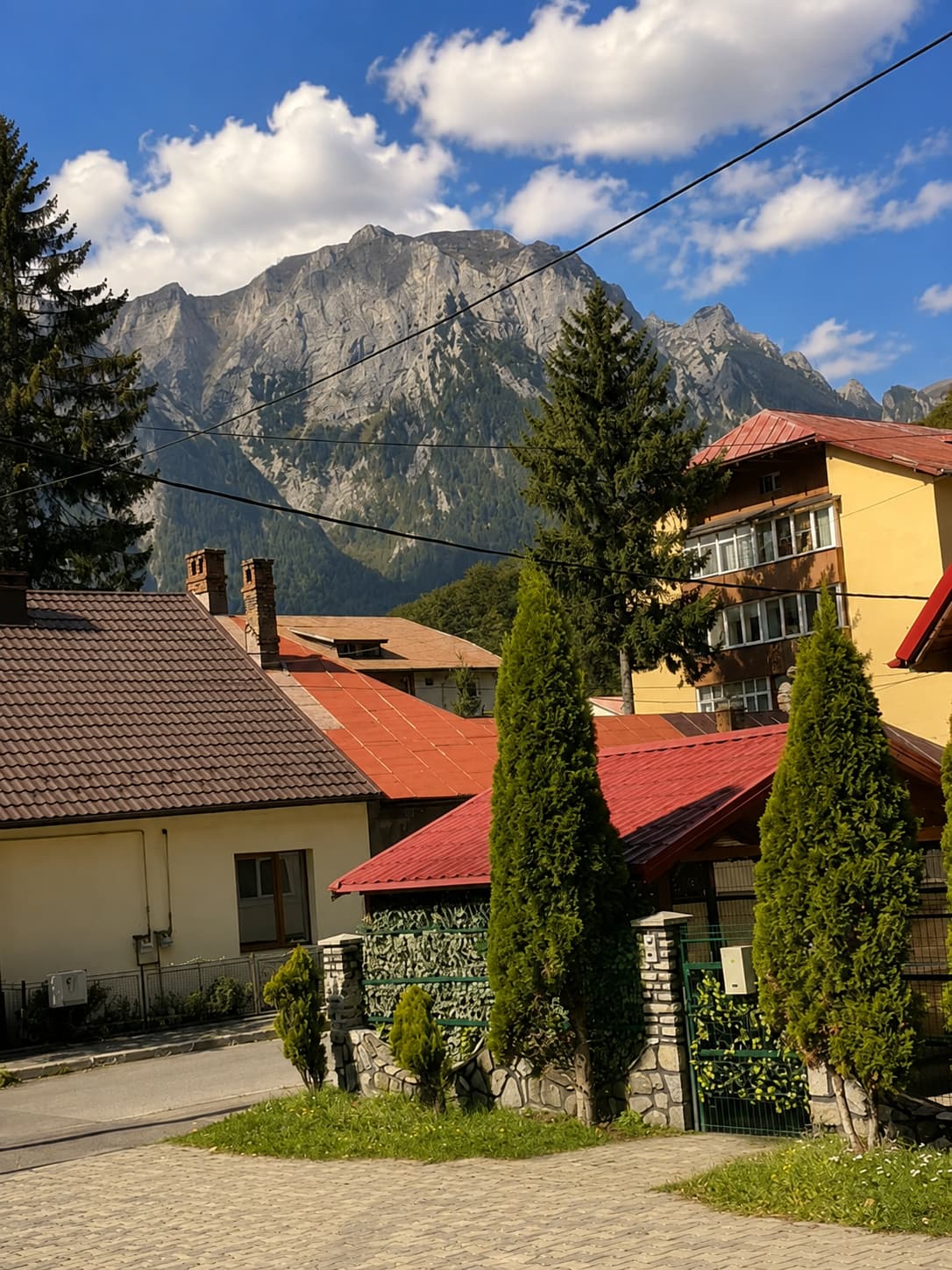
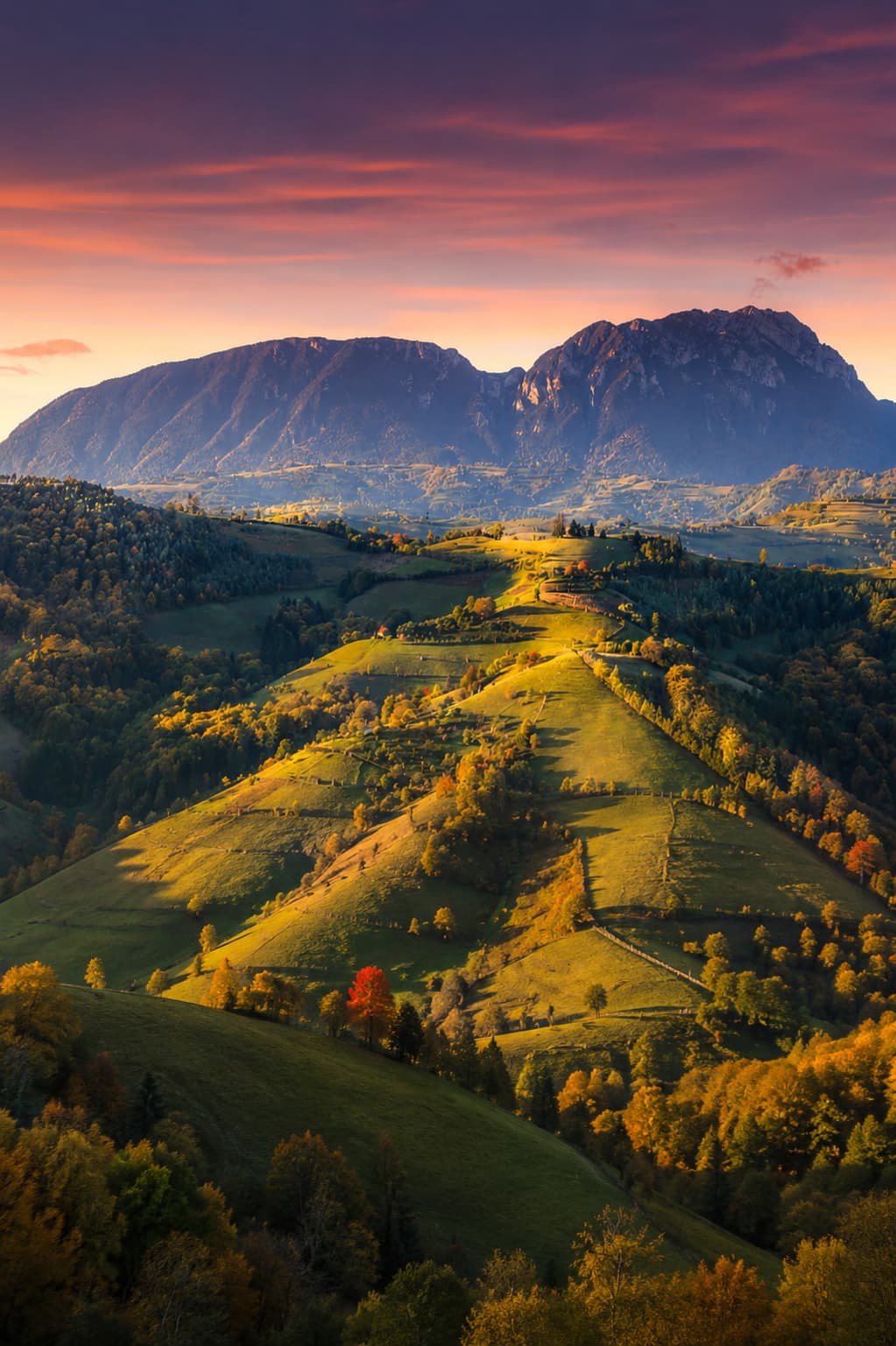
Staying out here puts you closer to the bears, deeper into the Carpathian landscape, and in locally-owned accommodation where the money stays in the community rather than passing through a chain hotel. The trade-off is that you need a car (or a reliable taxi arrangement) for dinner and for getting around. The scenery on the evening drive back, with the Piatra Craiului ridge turning orange at dusk, tips the balance for me.
04 — Day 2 of Your Transylvania Itinerary: Brașov & the Bears
Brașov old town takes 2–3 hours at a comfortable pace — Council Square, the Black Church, the cable car if you want the elevated view. Leave the afternoon free for bears: sanctuary visit in the morning slot or a wildlife hide session starting at dusk.
Compact day
Brașov old town — the Saxon city
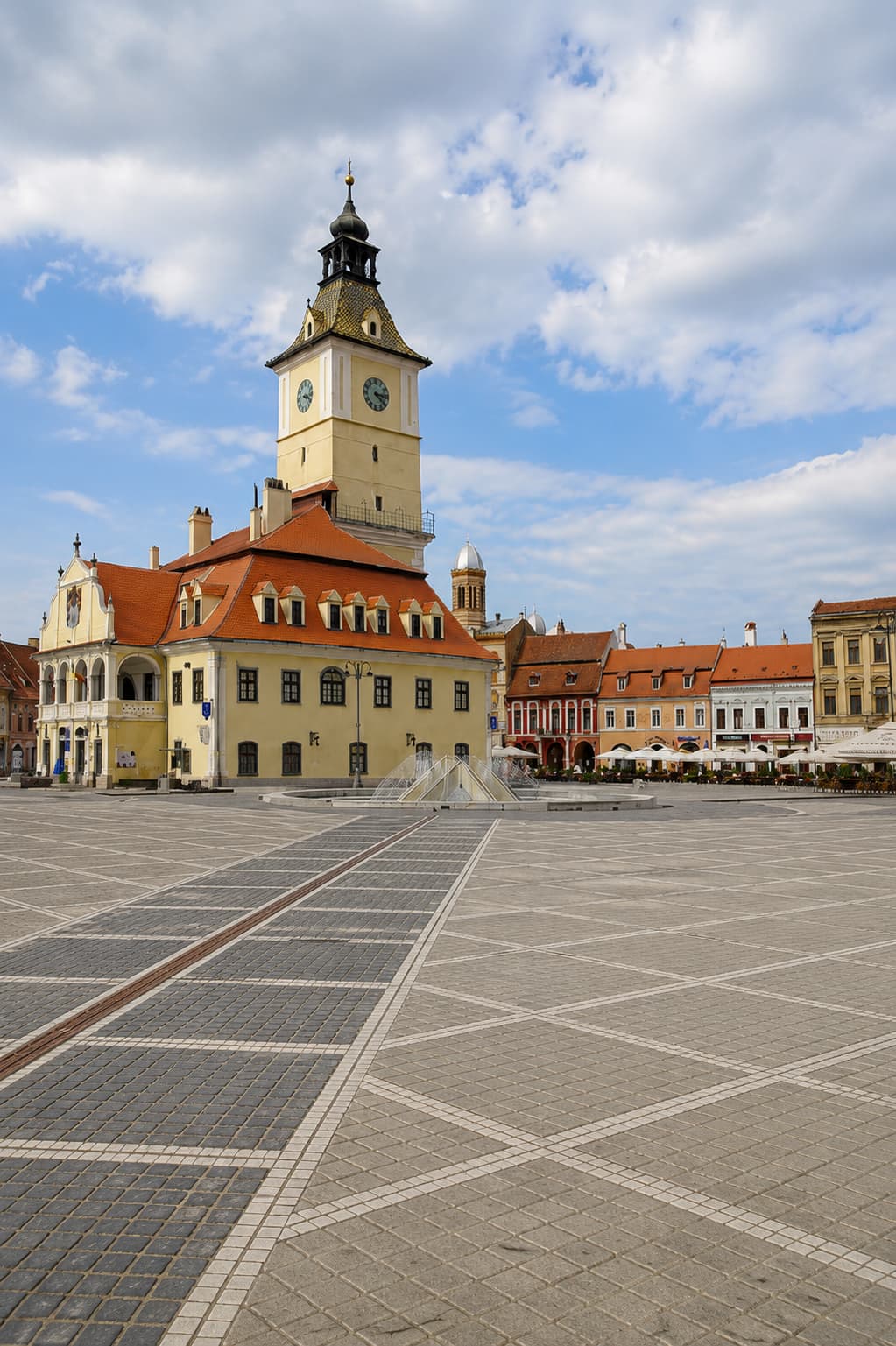
Brașov was founded by Transylvanian Saxons in the 13th century and the medieval core is remarkably intact. The main square — Piața Sfatului, or Council Square — is ringed by pastel-coloured merchant houses with the old council hall at its centre, the Carpathian hills rising directly behind the rooflines on every side. It’s one of those town squares that justifies the journey on its own.
The largest Gothic church in Romania, darkened to its current colour by a 17th-century fire. The interior holds a collection of Anatolian rugs donated by Saxon merchants and an impressive Baroque pipe organ. Worth 30–45 minutes. Check opening times — concerts are held regularly in summer.
A gondola from the edge of the old town rises to Tampa Mountain above the city, with a view over the rooftops and the Brașov Hollywood-style sign. Takes about 20 minutes return plus walking time at the top. Optional but gives good spatial perspective on the town’s valley setting.
Parts of the 15th-century defensive wall survive along the foot of Tampa Mountain. The Weavers’ Bastion is the best-preserved section and has a small museum inside. Walking this section takes less than an hour and gets you off the main tourist square.
The Transylvania bear experience: sanctuary or wild hide?
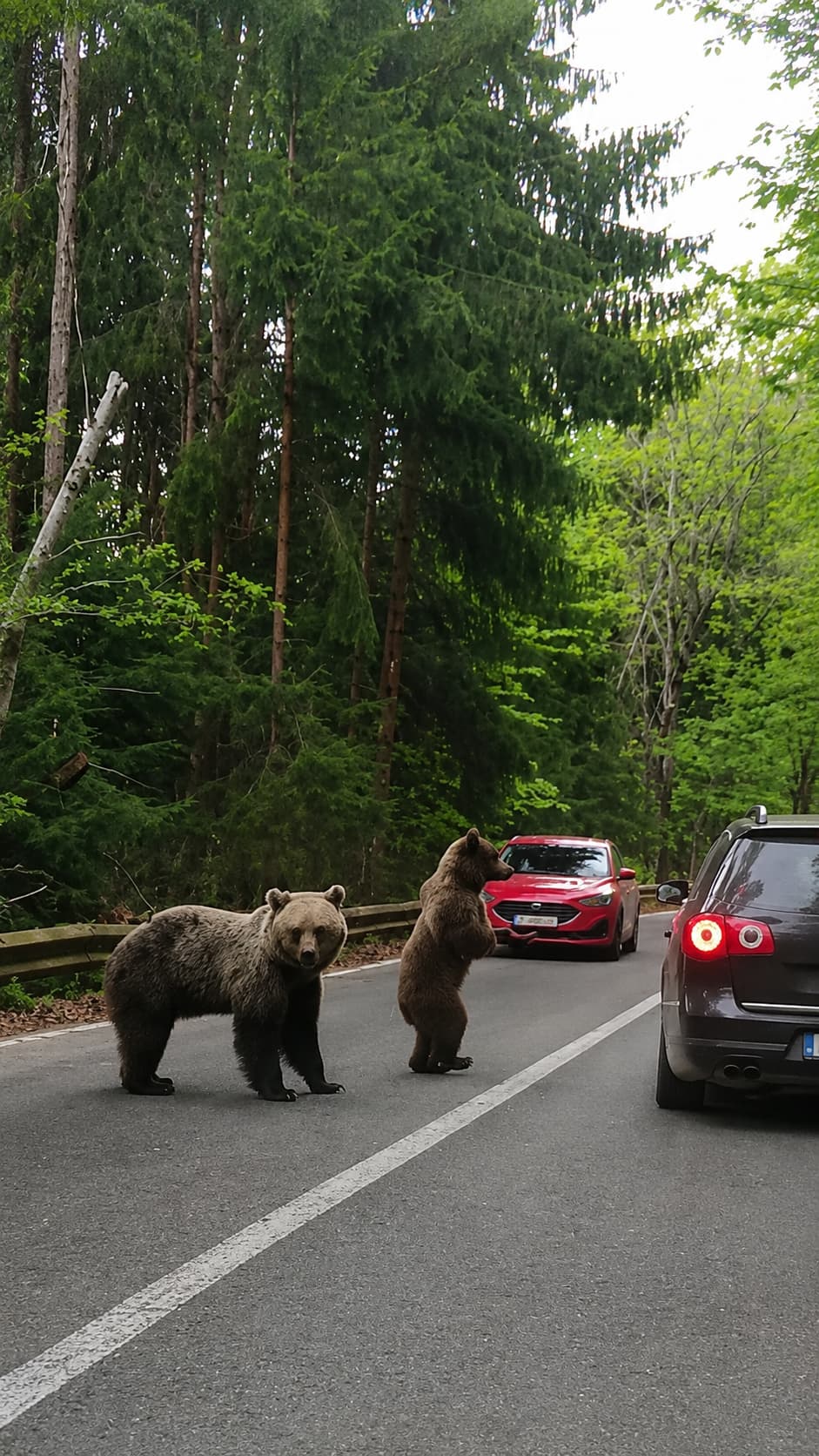
Transylvania has what is arguably the best bear experience in Europe, and it comes in two distinct flavours. You don’t need to choose one over the other — if your schedule allows, do both. If you have to pick, your preference for the ethical-sanctuary model versus the wilder, less-certain hide experience should make the call.
Choosing Between the Sanctuary and a Wild Bear Hide
The largest bear sanctuary in Europe, home to over 130 rescued bears across 70 hectares of oak forest near Zărnești. Every bear here has a story: rescued from cages at restaurants, circuses, gas stations, monasteries. The guided walk takes about 75 minutes and you see the bears living as close to naturally as animals with their history can. Open Tuesday to Sunday; tours run in the morning only and book up — reserve online well in advance, especially for English-language tours. Children under five are not admitted. ⚑ Confirm current visiting schedule and prices at millionsoffriends.org before travel.
Guided evening sessions in licensed wooden hides deep in Carpathian forest, watching wild brown bears visit feeding clearings at dusk. Romania holds roughly half of all wild brown bears in Europe outside Russia, and the Brașov area sits in some of the densest habitat on the continent. Reputable operators quote sighting rates of 85–95% during active season. The season runs April through November; bears enter dormancy around December and return in spring. Evening hides run from mid-afternoon until dark — a 4-hour commitment minimum. This is wild: sightings aren’t guaranteed, but the odds are high and the forest experience alone is worth it.
Wild bear watching hides operate approximately April through November, pausing when bears enter hibernation in winter. At least one major operator confirmed hides were closed from 1 November 2025, restarting in spring 2026. If you’re planning a winter visit, the Libearty Sanctuary runs year-round (Tuesday–Sunday) and is the only reliable bear option in that window. Verify current season status with your chosen operator before booking travel.
05 — Where to Stay in Transylvania
Restaurants, nightlife, convenience
Hostels from ~€15 · Mid-range hotels €50–90
30–40 min drive to Zărnești / hides
More urban than the surrounding region suggests
Bears, Piatra Craiului, local guesthouses
Guesthouses from ~€30–60 per room
5 minutes from Libearty; hides on your doorstep
Car essential; fewer restaurant options in the evening
For this transylvania itinerary from bucharest, my preference is the countryside base — but only if you have a car. Without one, Brașov city is the sensible base and you arrange day-trip transport to the bear experiences from there. Uber works in Brașov, and one reader reported taking an Uber direct to the Libearty Sanctuary (around 135 RON / €26 each way from central Brașov), which removes the logistics problem neatly.
06 — Is 2 Days Enough for a Transylvania Itinerary From Bucharest?
Two days covers the core transylvania itinerary from bucharest well: Peleș, Bran, Brașov, and either the sanctuary or a bear hide. You won’t feel rushed if you start early and stay overnight. What you will miss is any sense of depth — you’re skimming the surface of a region that rewards staying longer.
A ruined hilltop citadel 15 km from Brașov, used as a refuge by locals during Ottoman and Tatar raids. Takes about an hour and the views over the valley are better than Bran’s. Worth adding on Day 2 morning before the bear session if the pace allows.
The medieval citadel town 120 km northwest of Brașov, birthplace of Vlad the Impaler himself — more historically legitimate than Bran for the Dracula thread. A well-preserved walled old town on a hilltop, with the Clock Tower and a small museum dedicated to Vlad. A natural third-day extension if you’re heading northwest toward Cluj or Sibiu.
The 22 km limestone ridge that frames the view from Zărnești deserves its own day for anyone who walks. The Zărnești Gorge trail is a flat, easy 4 km return through dramatic limestone canyon — doable in a couple of hours. The ridge itself is serious hiking.
A Saxon village with a fortified church on the UNESCO World Heritage list, 70 km northeast of Brașov. One of the best-preserved Saxon villages in Transylvania — famously associated with King Charles III, who owns a guesthouse there. Getting there requires a gravel road and a little patience, but the village itself is the slowest afternoon you’ll spend in Romania.
07 — Best Time to Visit Transylvania
The timing of your transylvania itinerary from bucharest affects everything: which castles you can enter, whether the bears are active, and how many coaches are in the car park ahead of you.
| May–June | The sweet spot. Bears emerge from hibernation in spring and are highly active — good for both the sanctuary and the hides. Carpathian forests are deep green. Crowds haven’t peaked yet. Peleș and Bran queues are manageable on weekdays. Bear cubs (born January–February) are now with their mothers — the most sought-after sighting. |
| July–August | Peak season. Both castles are busy; Saturday queues at Peleș can run 45 minutes. Bears are active and hide sightings remain high. Weather is warm, mountain afternoons can bring thunderstorms. Still a good trip, but arrive early and book everything in advance. |
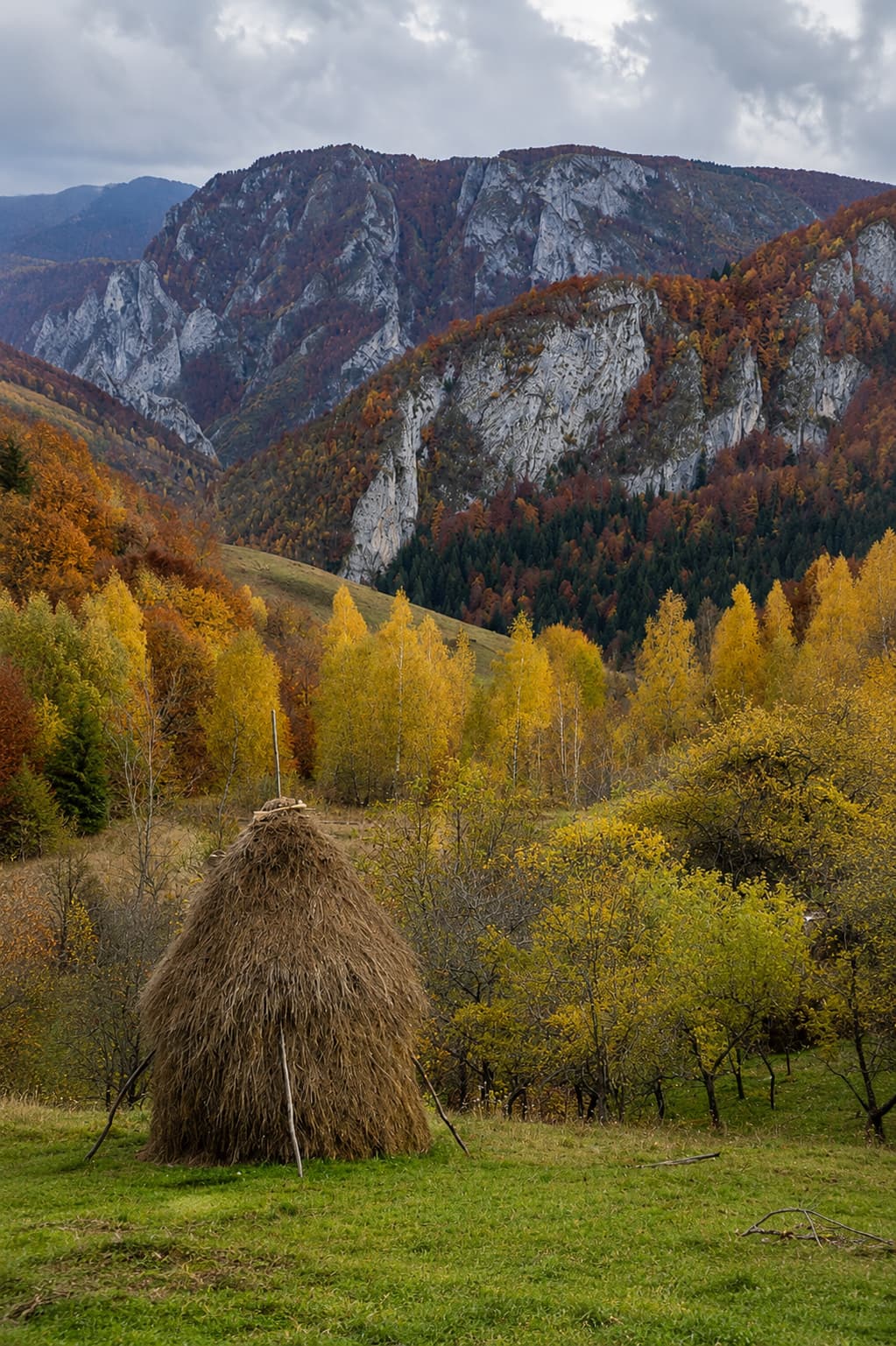
| September–October | Second sweet spot. Tourist numbers drop sharply after the first week of September; the castles feel like themselves again. If you’re considering Romania as part of a broader autumn trip, see our guide to the best European cities in October. Autumn colour in the Carpathians arrives from mid-September and peaks through October — some of the best fall foliage in Europe, largely undiscovered. Bears are highly active building fat reserves before hibernation. |
| November–March | Wild bear hides close (bears in hibernation from roughly December, some into March–April). Libearty Sanctuary remains open Tuesday–Sunday year-round. Peleș is closed Monday and Tuesday — schedule carefully. Snow on the Carpathians can be spectacular, but adds logistical caution. Quietest time at the castles; some guesthouses in the countryside close for winter. |
08 — Honest Verdict: Is This Transylvania Itinerary Worth Doing?
This two-day Transylvania itinerary from Bucharest rewards arriving with the right expectation. If you come for Dracula, you’ll find a charming medieval fortress wrapped in commercial mythology and, once you push past the vampire kitsch of the approach, an interesting royal castle. That’s a good day out. If you come for what Transylvania actually is — a region of extraordinary wildlife density, intact Saxon towns, Carpathian mountain landscape, and a medieval heritage that predates the Stoker connection by 500 years — you’ll leave wanting to come back.
A two-day transylvania itinerary from bucharest is enough to do the castles properly and still have an evening in a forest hide watching something that deserves the word extraordinary. That sequence — Peleș in the morning, Bran in the afternoon, a Carpathian dusk with bears — is a difficult travel day to top.
Bran Castle, Day Trips and Bear Watching
Best Time to Visit and Getting Around
The bears had been gone ten minutes before I realised I’d stopped breathing normally.
That’s Transylvania’s real offer — not the Dracula mythology, but the moment when the forest does something the novel never quite managed to describe.