
The Alps in October: Hiking, Huts, and the Best Mountain Escape of the Year
A pan-Alpine guide to hiking the Alps in October — which valleys glow gold, which huts are still open, and the honest truth about the narrowing season, country by country.
Why Visit the Alps in October?
The Alps in October are not the obvious choice — and that’s the point. In summer, everyone goes. The trails are busy by nine, the rifugi are booked weeks out, and you’re never quite alone with a view. October changes that equation entirely, and if you time it right, it delivers something most mountain travelers never see: the golden larch in full colour, trails that are genuinely quiet, and the particular clarity that comes when the season is winding down and the light has turned low and amber.
But “the Alps in October” covers a lot of ground — literally. Five countries, multiple mountain ranges, elevations ranging from 500 metres to 4,000, and a closing-season timeline that varies sharply between them. What works brilliantly in Val Gardena in the first week of October looks very different from attempting a high traverse in the Swiss Alps in the final week. This guide maps the honest picture across the full Alpine arc: where October is the best time to go, where it’s the last window before closure, and where you’d be better off waiting until next June.
If you’re thinking about the Alps in warmer months — the summer heat-escape angle — that’s a different question answered separately in the coolcation Alpine destinations guide. And if you’d rather do cities than mountains this October, the best European cities in October covers the city-break alternative. This post is strictly about the Alps in October: what opens, what closes, and why it’s worth the slightly complicated planning.
01 — How the Alps in October Actually Work
The single most useful thing to understand about the Alps in October is that it’s not one season — it’s three, stacked by elevation and compressed into about four weeks.
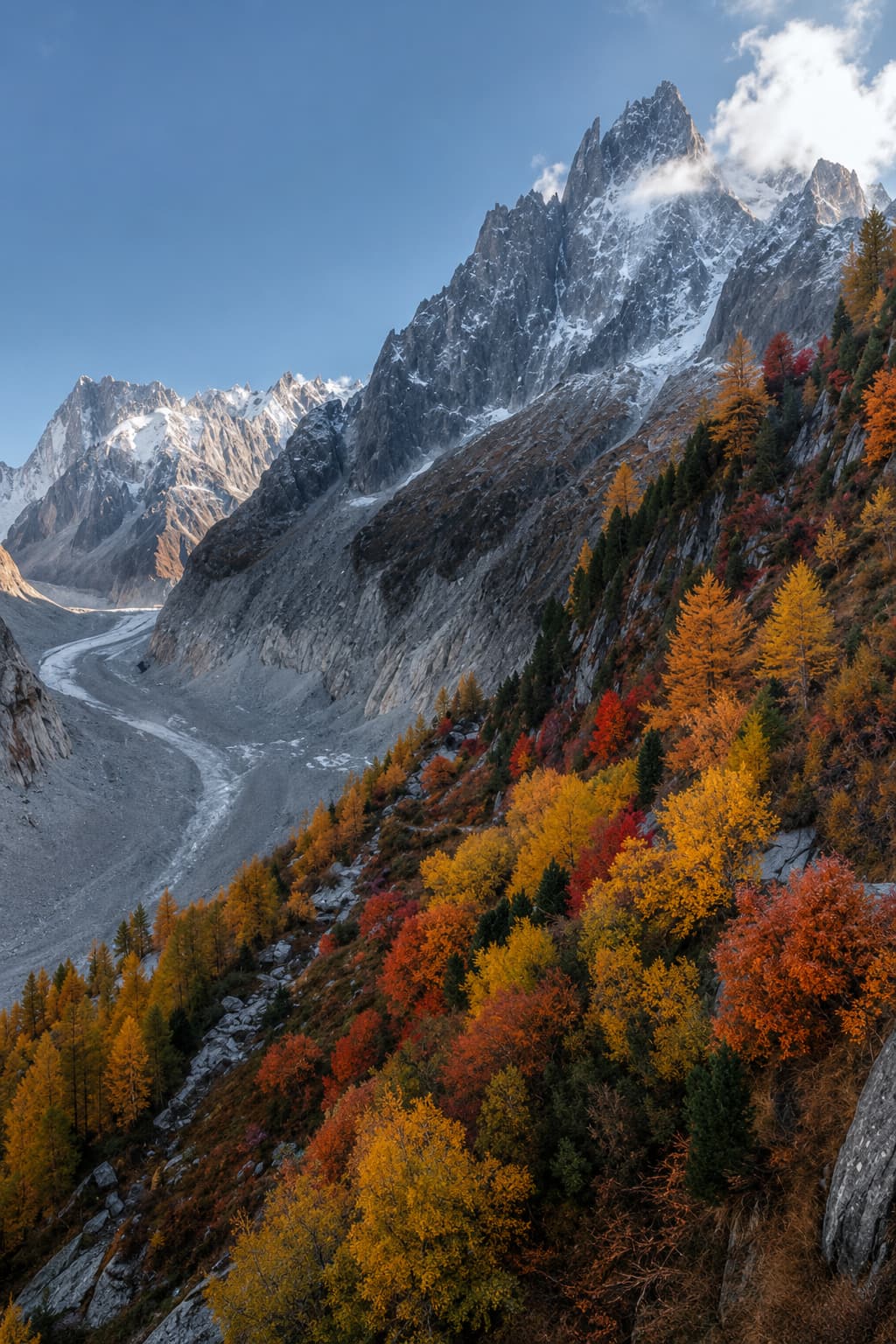
In the valleys, October is autumn at its most photogenic. Temperatures sit between 5 and 15°C, valley accommodation stays open, and the larch forests — one of the few deciduous conifers — turn from lemon-yellow to deep orange across the month. Day hikes from valley bases are fully accessible, the light is extraordinary in the low afternoon sun, and the summer crowds are gone.
What Changes Above 2,000 Metres
Above roughly 2,000 metres, the picture changes. Most high-altitude mountain huts — the rifugi in Italy, Hütten in Austria and Switzerland — close between late September and early October. Some of the well-positioned ones in the Dolomites stay open into mid-October, but hut-to-hut traverses of the kind that define the summer season are largely over. The trails still exist; the infrastructure that makes them comfortable doesn’t.
Above 2,500 metres and into late October, you’re into early winter conditions. Snow arrives, routes require microspikes or more, and the hiking window is now defined by weather watching and flexibility rather than a calendar. These are still beautiful places to visit — Zermatt’s valley walks or the Engadin in autumn gold are genuinely spectacular — but they demand a different mindset than July.
When the Golden Larches Turn
The larch timing matters specifically. These are not generic “autumn leaves” — the golden larch is the Alps’ signature October colour, a phenomenon concentrated mainly in the Dolomites but appearing across the full Alpine arc from Slovenia’s Julian Alps to the Austrian Salzkammergut and into the Swiss and French Alps. Peak timing depends on elevation and year, but mid-to-late October is the reliable window. Notably, larch peak has shifted slightly later over recent decades — early October increasingly shows a half-turn rather than full gold.
There’s also a broader trend worth naming. The Alps in October are increasingly drawing a different kind of traveler: one making an intentional choice to go to mountains rather than to still-crowded, still-hot coastal Europe. September in the Mediterranean is wall-to-wall people and 30°C+ temperatures. October in the Alps is quiet trails, cool air, and colour that no beach delivers. That’s the altitude shift — and it’s real.
02 — Alps in October: The Reliable Choices (Dolomites & Valley Bases)
These are the picks where October just works — where valley accommodation stays open year-round, gondolas run into late October or early November, and day hikes stay below the snowline. You don’t need to gamble on weather or worry that you’ll arrive to find everything shuttered. These are the October Alps at their most accessible.
Val di Funes & Val Gardena, Dolomites (Italy)
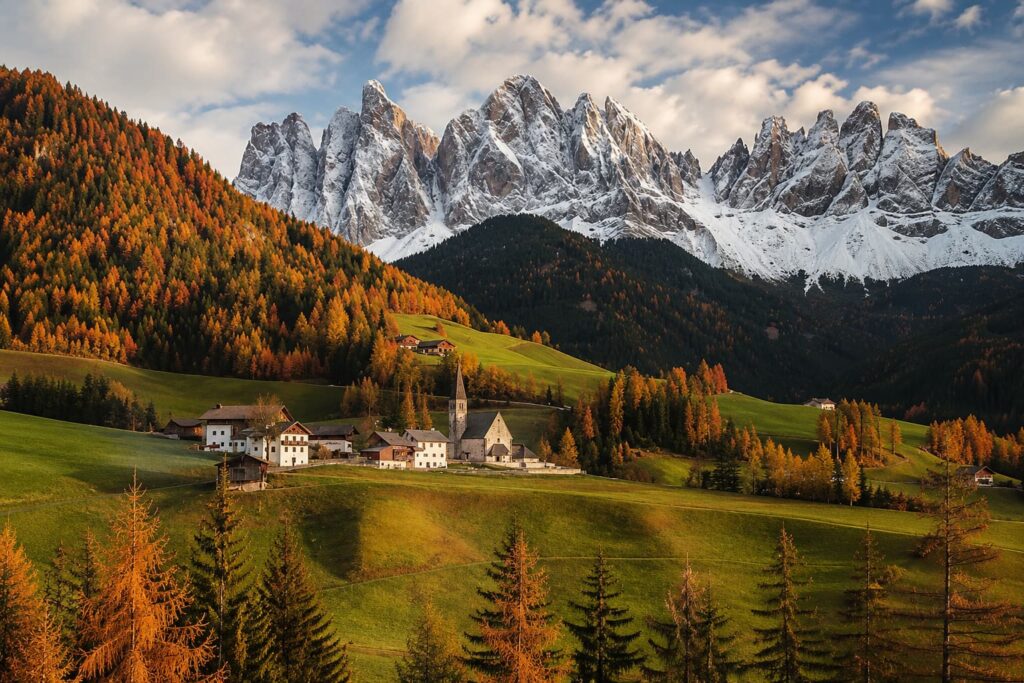
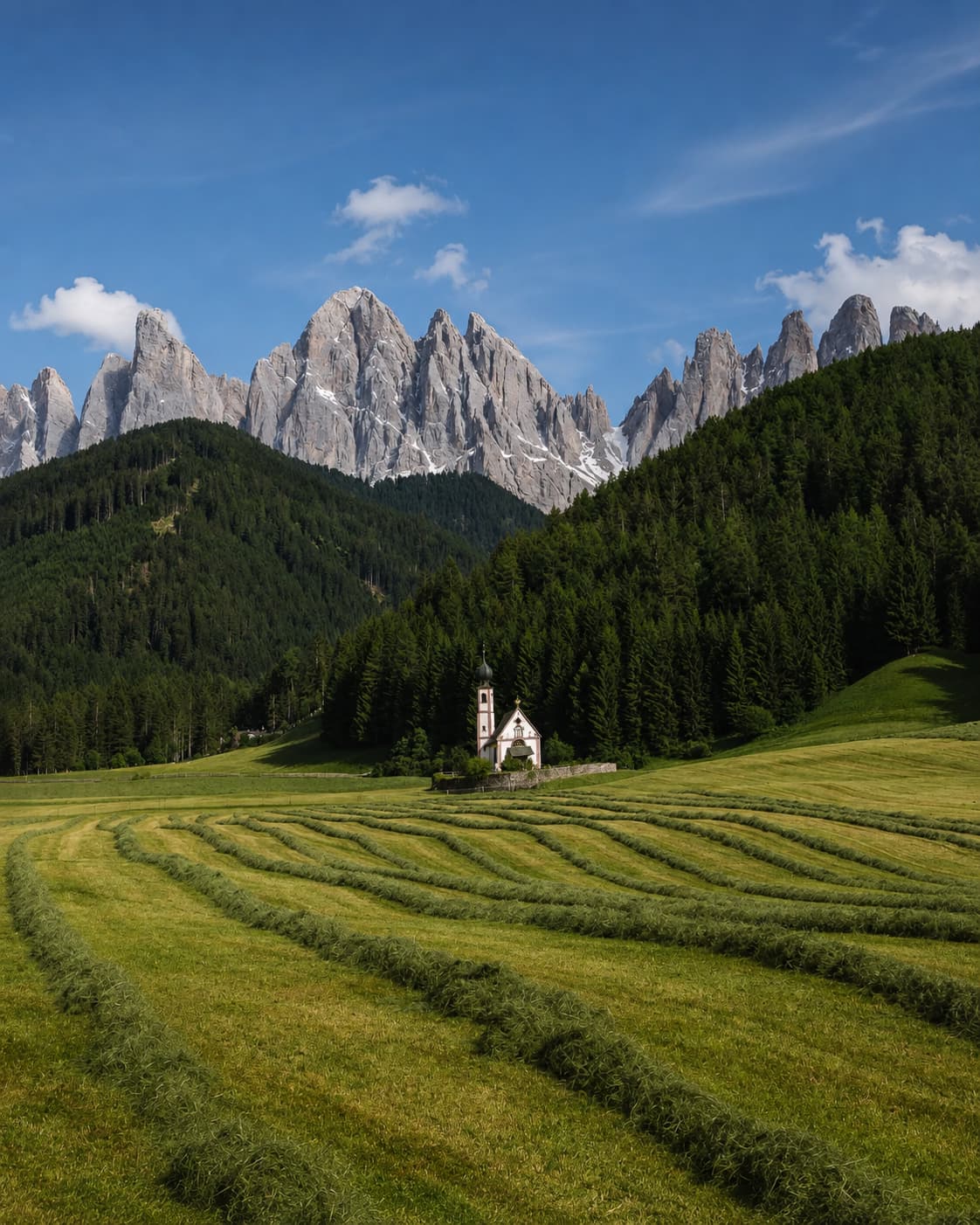
Val di Funes — the valley of the Odle peaks, with the iconic church at St. Magdalena in its meadow — is one of the most photographed places in the Dolomites in any season. In October, it becomes the larch showpiece of the entire Alps. The pasture huts (malghe) on the valley’s upper slopes typically stay open into mid-to-late October, weather permitting. As a result, you can still stop for a plate of speck and polenta with an Odle view.
Val Gardena, immediately adjacent, is the most service-reliable place in the Dolomites in October. Many hotels, restaurants, and cable cars run until late October or early November. The Col Raiser gondola, connecting Santa Cristina with the Puez-Odle Nature Park, typically operates until around November 2. However, verify the current-year closing date at val-gardena.com before building a trip around it. This is the best base for October hikers who do not want uncertainty about trail access.
Alpe di Siusi (Seiser Alm), Dolomites (Italy)
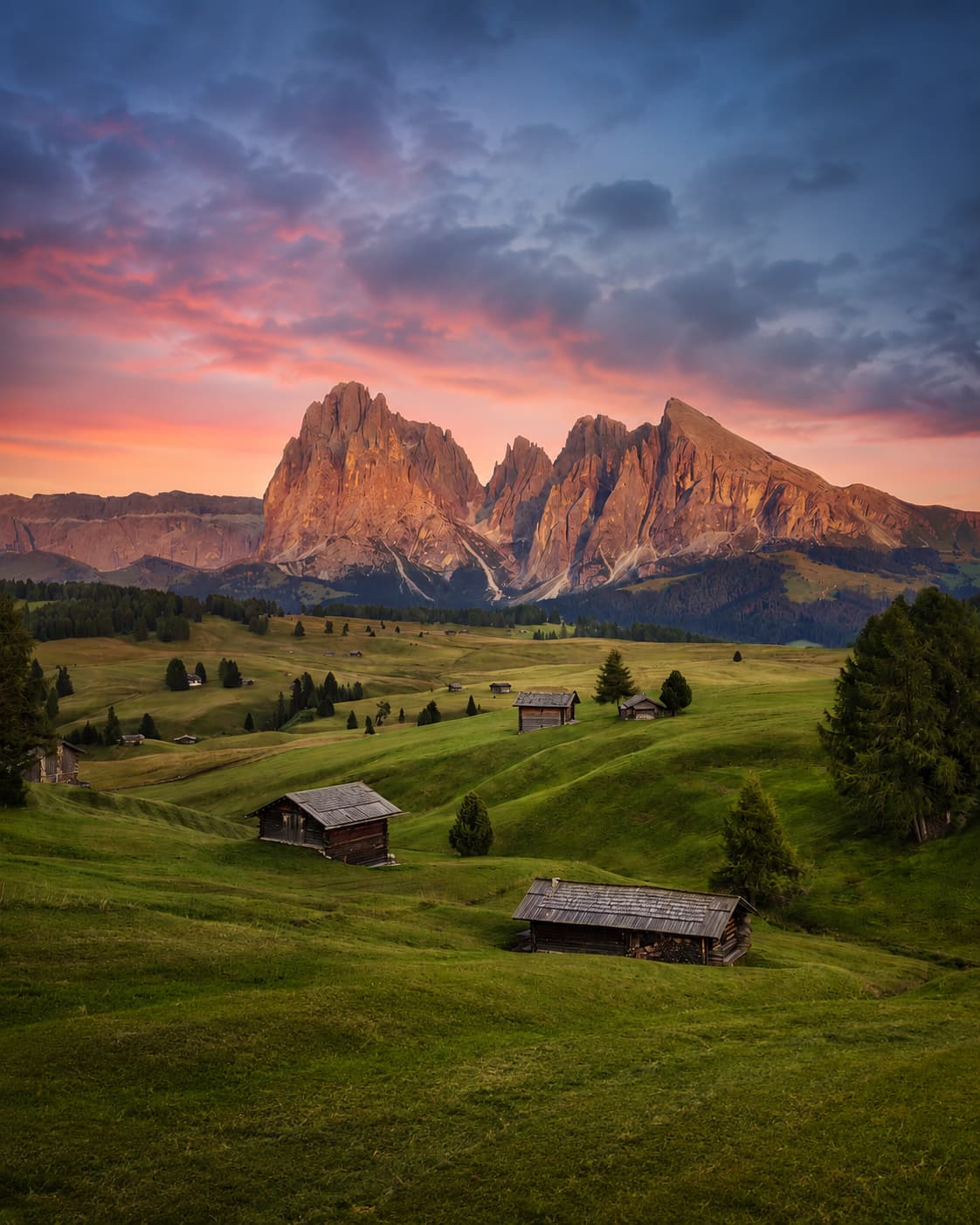
Europe’s largest high-altitude meadow sits at around 1,800 metres and transforms in October from its summer green into something quieter and more cinematic — early morning fog rolling across the plateau, larch gold in the forest edges, the Sassolungo and Sciliar groups standing sharp above. The Ortisei–Alpe di Siusi gondola has historically run until around November 2 (2025 closing date confirmed; verify at seiseralm.it for the current year). That gondola access matters: without it, the hike up from Ortisei adds significant elevation gain each direction, which changes the day entirely. With it, you’re on the plateau in minutes and can hike the meadow circuit trails without rifugio dependency. October is genuinely one of Alpe di Siusi’s best months — the summer crowds are gone completely and the colour is at its most intense.
Cortina & Lago di Federa (Croda da Lago), Dolomites (Italy)
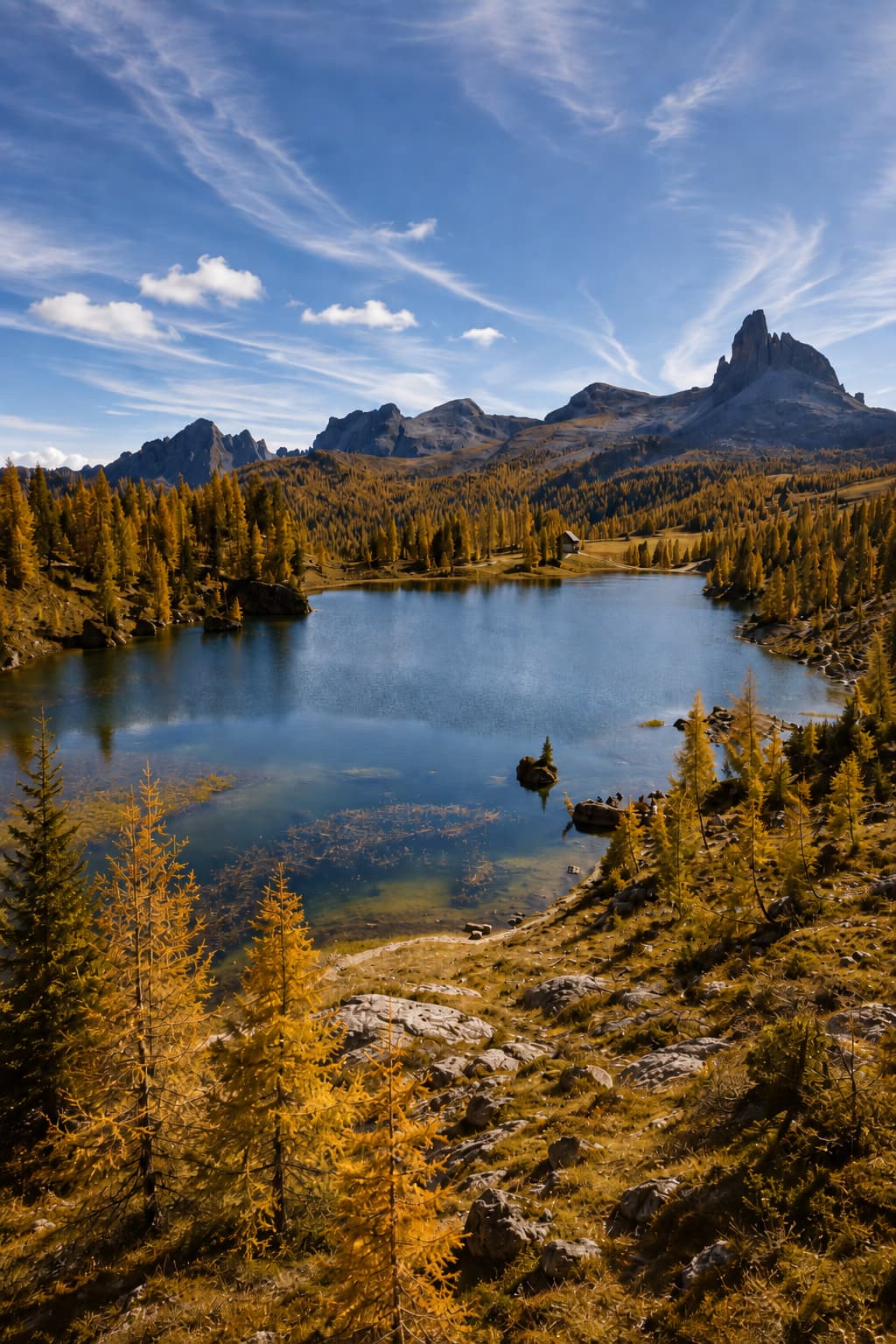
The lake at Croda da Lago — officially Lago di Federa — is ringed almost entirely with larch trees, which is what makes it one of the most photographed October destinations in the Alps. The lake sits at just under 2,000 metres and is accessible on foot without gondola dependency. Rifugio Palmieri, situated directly at the lake, typically stays open to the end of October, making this one of the few remaining late-season hut stops. The hike from Rifugio Cinque Torri takes around 2.5 hours. From Cortina itself, the surrounding valley walks and lower trail network stay accessible throughout October. One practical note: if there’s been early snowfall, microspikes become necessary on the approach trail from late October. Check conditions before going.
Salzkammergut & Tauplitzalm, Austria
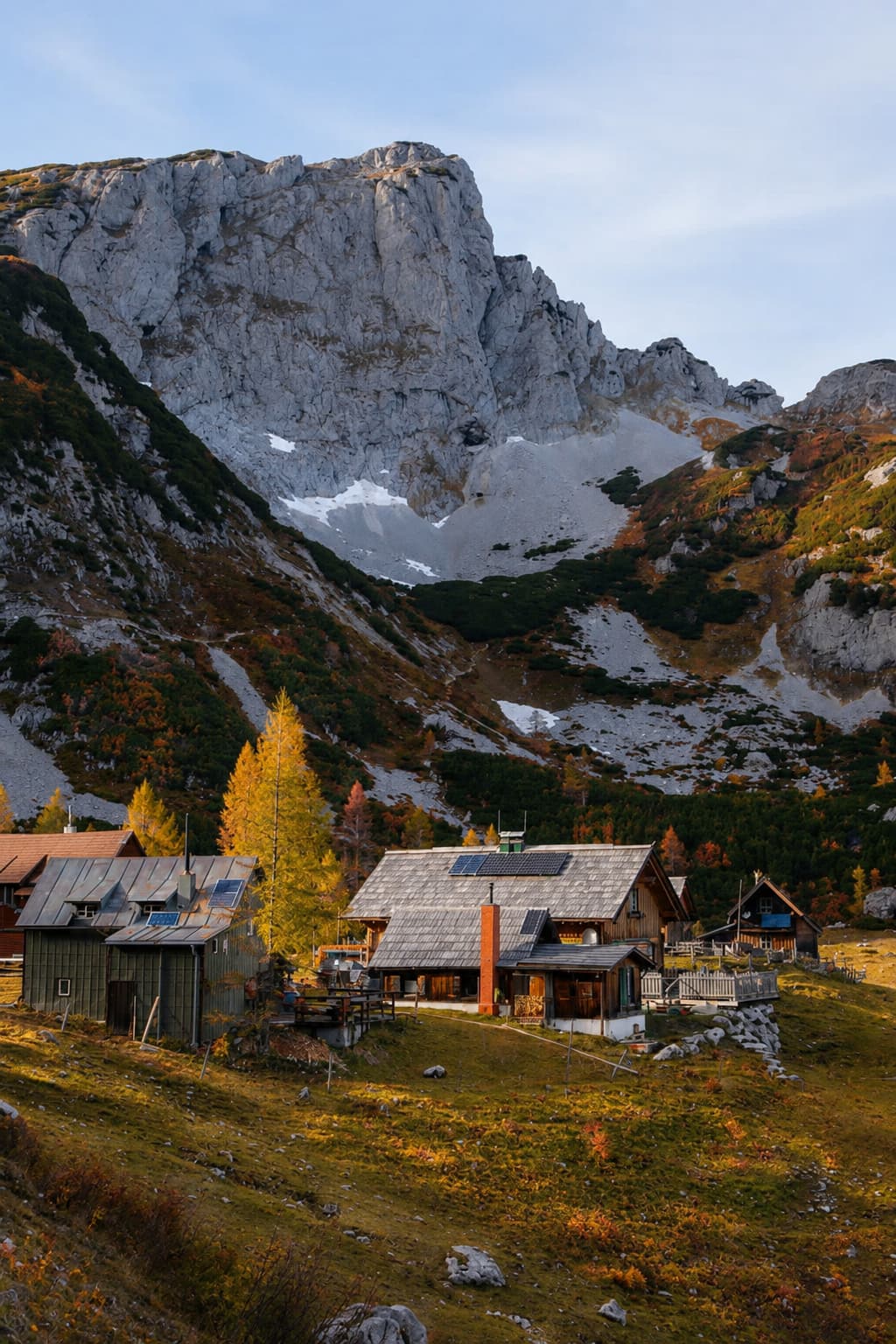
The Austrian lake district in October is dramatically underrated. The Salzkammergut — the region around Hallstatt, Bad Ischl, and the Traunsee — sits at valley elevation, which means it functions beautifully in October without the high-alpine gamble. Larch appears here too, on the surrounding slopes, mixed with beech that adds deeper reds to the palette. The Tauplitzalm, a high plateau in the Styrian Alps accessible by toll road, offers an easy walk through larch-ringed lakes at around 1,650 metres without requiring cable cars or mountain experience. The Austrian Alps in October are noticeably less covered in English-language travel content than the Dolomites — which is part of why this region deserves attention. The photography is different, quieter, and the infrastructure (hotels, restaurants, scenic toll roads) works reliably into late October.
03 — The Julian Alps & the Quieter East
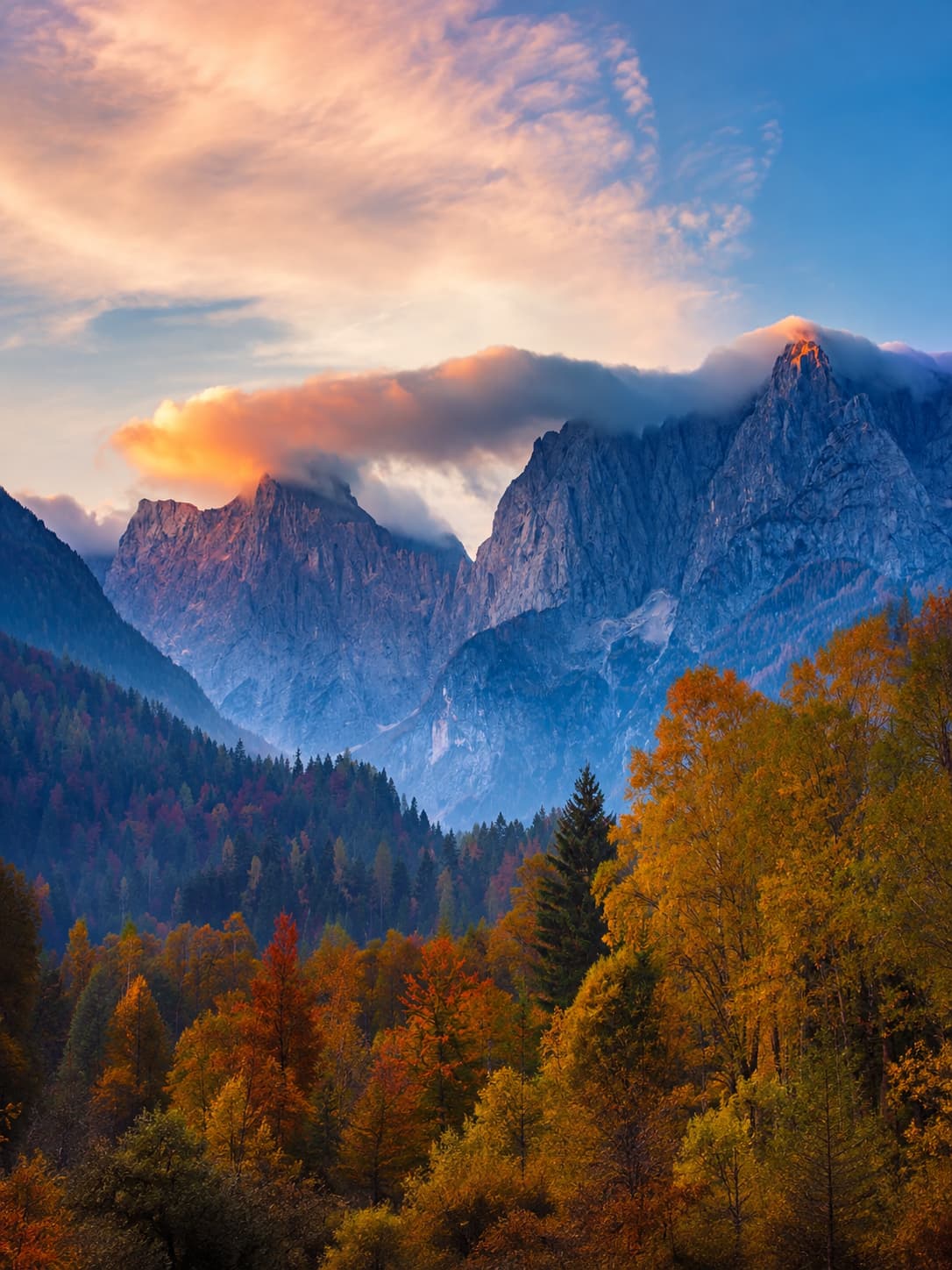
Slovenia’s Julian Alps are the most underrated October destination on this entire list. They appear in almost none of the mainstream Alps-in-October content — which is precisely why they’re worth leading with for any traveler who has already done the Dolomites or wants something with fewer people and a different character.
Triglav National Park — Lipanca & the Pokljuka Plateau
The Lipanca pasture sits above the Pokljuka Plateau at around 1,600 metres and is one of the finest larch displays in the entire Alpine arc — a wide open bowl ringed with ancient larch trees that turn gold from mid-October. It’s accessible from the plateau on a straightforward forest track, which means there’s no gondola dependency and no high-altitude weather risk. The Pokljuka Plateau itself is a high karst plateau at 1,300 metres, cross-country skiing territory in winter but beautiful walking ground in October. Triglav National Park’s highest trails and the mountain huts serving them are largely closed by early October, but the valley routes and mid-elevation day hikes remain fully open. Bled and Bohinj provide solid bases with good hotels; both operate year-round.
Logar Valley & the Kamnik-Savinja Alps
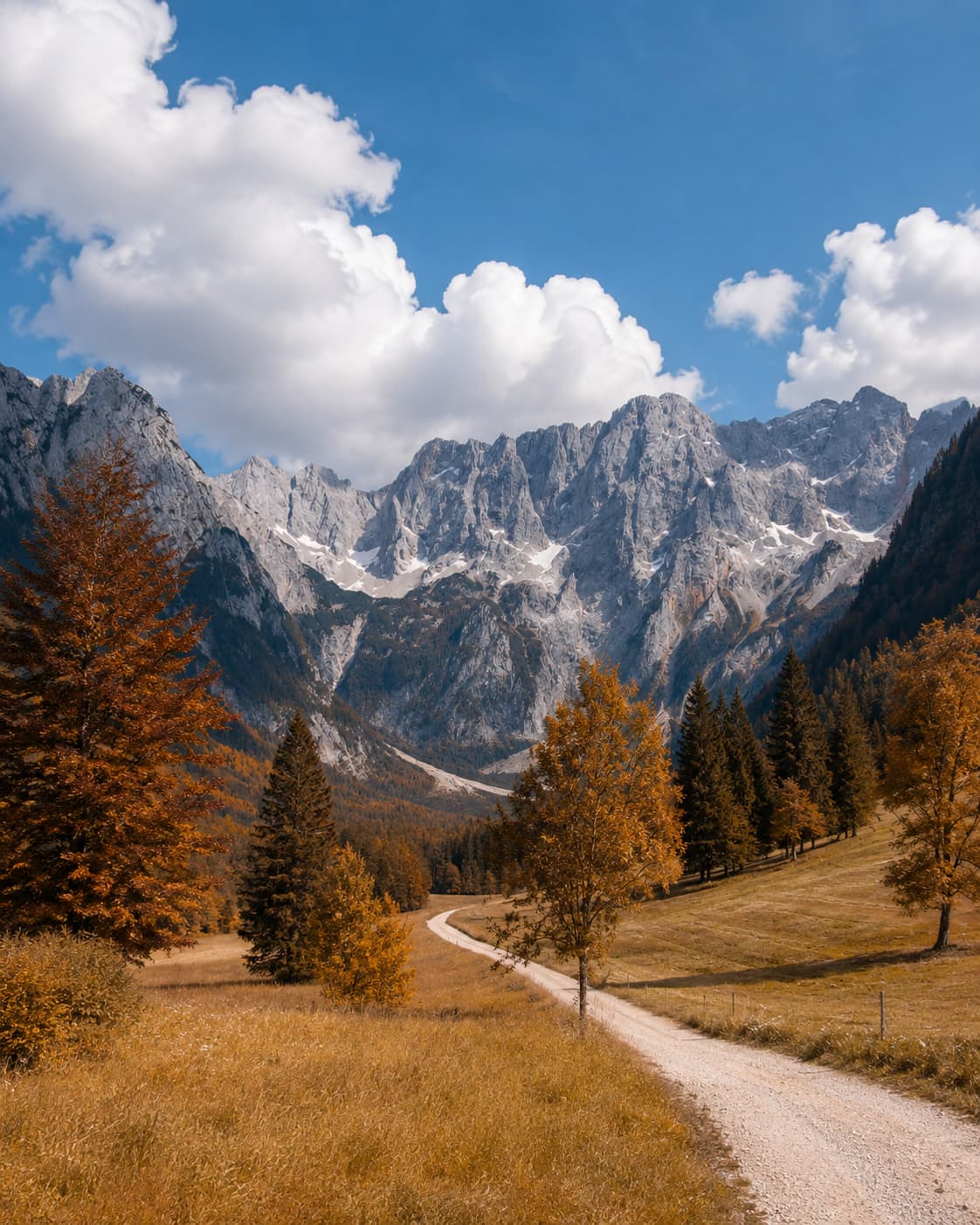
The Logar Valley (Logarska Dolina) is a glacial valley in the Savinja Alps that barely registers on most international travelers’ radar. In October, it functions as a closed-end valley carpeted in autumn colour — beech, maple, and scattered larch — with a waterfall (Rinka) at the head and the dramatic Ojstrica ridge above. The valley road itself is an experience: steep walls, forest cover, and the particular hush that comes from a place with very few visitors. Hotels in the valley and in nearby Solčava stay open into October. This is one for travelers who find the Dolomites too crowded even in October — and who don’t mind that there’s no cable car, no rifugio lunch, and no Instagram queue for the view.
The practical case for Slovenia in October is also financial: accommodation, food, and transfers run at noticeably lower prices than equivalent Italian or Swiss options, and the quality of hiking infrastructure — marked trails, valley facilities — is high. The language barrier is minimal for English speakers. And the larch timing aligns closely with the Dolomites, peaking mid-to-late October at comparable elevations. If you’re planning a base in the area, the Lake Bled autumn itinerary has the logistics covered.
04 — The High Alps: Beautiful, but Racing the Season
These are not places to avoid in October — they’re places to approach differently. The Swiss, French, and Austrian high Alps in October can be extraordinary. The problem is that the infrastructure that makes high-route hiking work has largely closed, the weather is genuinely unpredictable, and a week of rain or early snow can eliminate trail access at altitude. What remains viable — and is genuinely worth planning — is valley-level walking, lower ridge day hikes, and the visual drama of larch and first snow from a comfortable base.
Swiss Alps — Engadin, Zermatt, Verbier
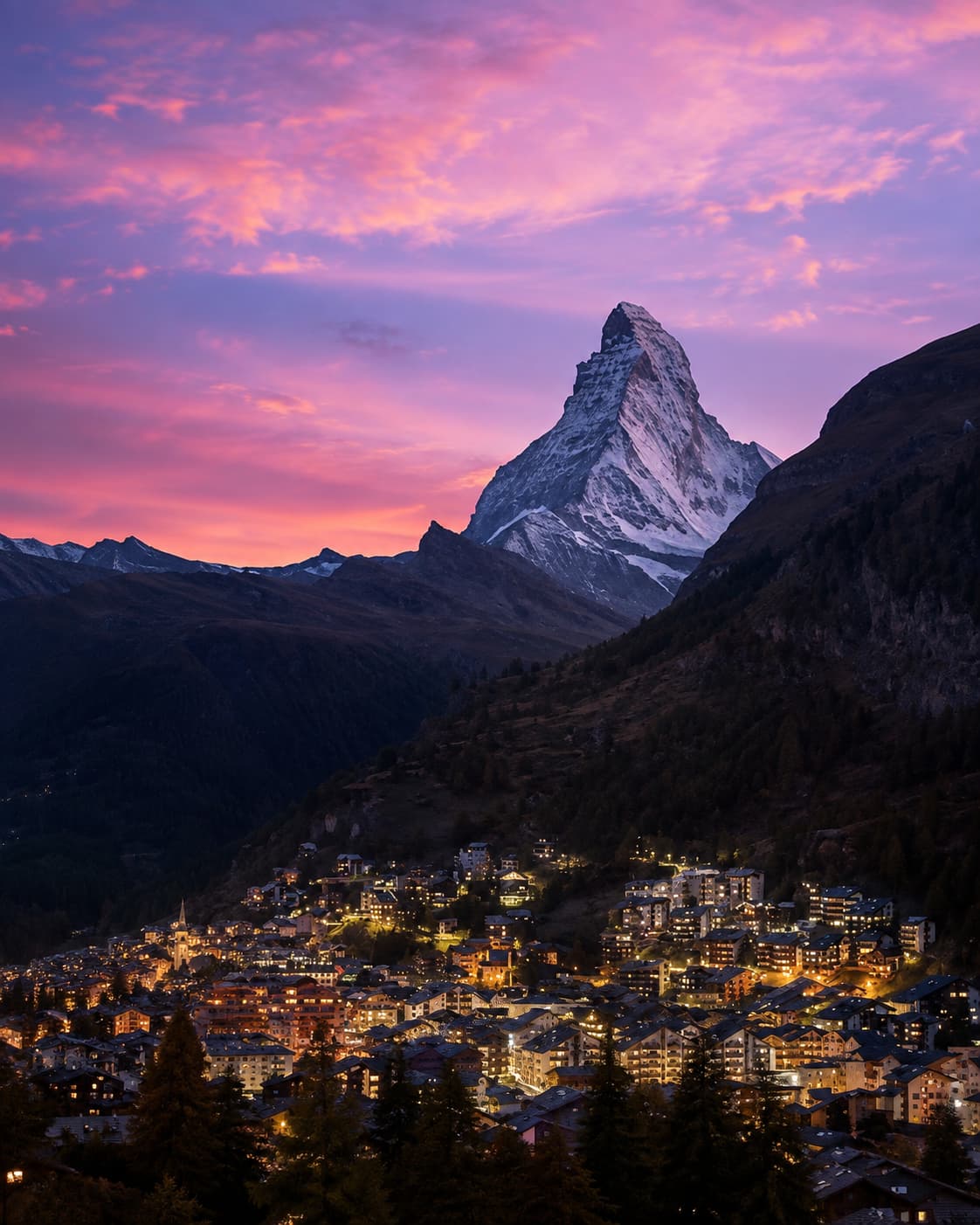
The Engadin valley in Graubünden is the Swiss answer to larch season — the valley floor around St. Moritz and Sils Maria is ringed with larch forests that turn gold in October, and the lake reflections are exceptional on still mornings. Most SAC mountain huts in Switzerland close between the first and second week of October, which effectively ends high-route hiking. But the valley walks, forest paths, and lower cable car ascents (where lifts still run) remain fully accessible. Zermatt is open year-round and the Matterhorn view doesn’t require altitude — the walk toward Riffelberg or the Sunnegga area works in October with appropriate footwear. Verbier’s valley is similar: the high terrain is closing, but the town and lower trails are open. For these destinations, October requires a mental shift — you’re not doing a high traverse; you’re doing valley immersion with altitude as backdrop.
French Alps — Chamonix & Vanoise
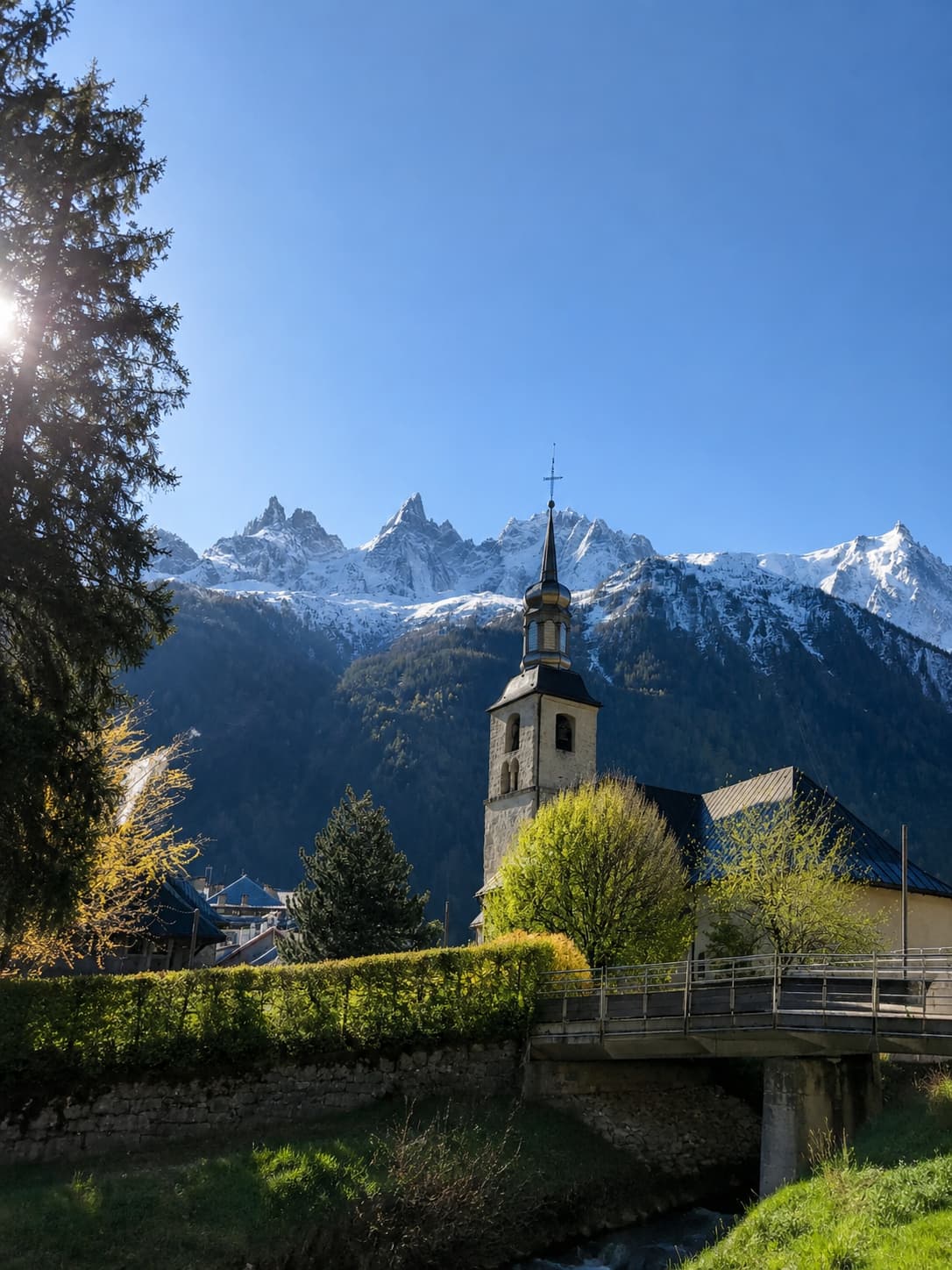
Chamonix functions year-round as a town, and October brings its own version of alpine autumn: the Arve valley above the Chamonix basin, larch on the lower slopes of the Aiguilles Rouges, and the high peaks progressively gaining snow from mid-October. The Mer de Glace remains accessible via the Montenvers rack railway, though services become less frequent. The Vanoise National Park — less visited than Chamonix — offers valley-level walking from Pralognan-la-Vanoise and Termignon through mid-October. The key constraint in the French Alps is that the Grande Randonnée high routes (GR5, Tour du Mont Blanc) are increasingly risky from October onward: high passes above 2,500 metres can receive significant snow after the first week, and huts are closed. Day hiking from valley bases is the reliable October format here.
Austrian Tyrol — High Routes & the Closing Window
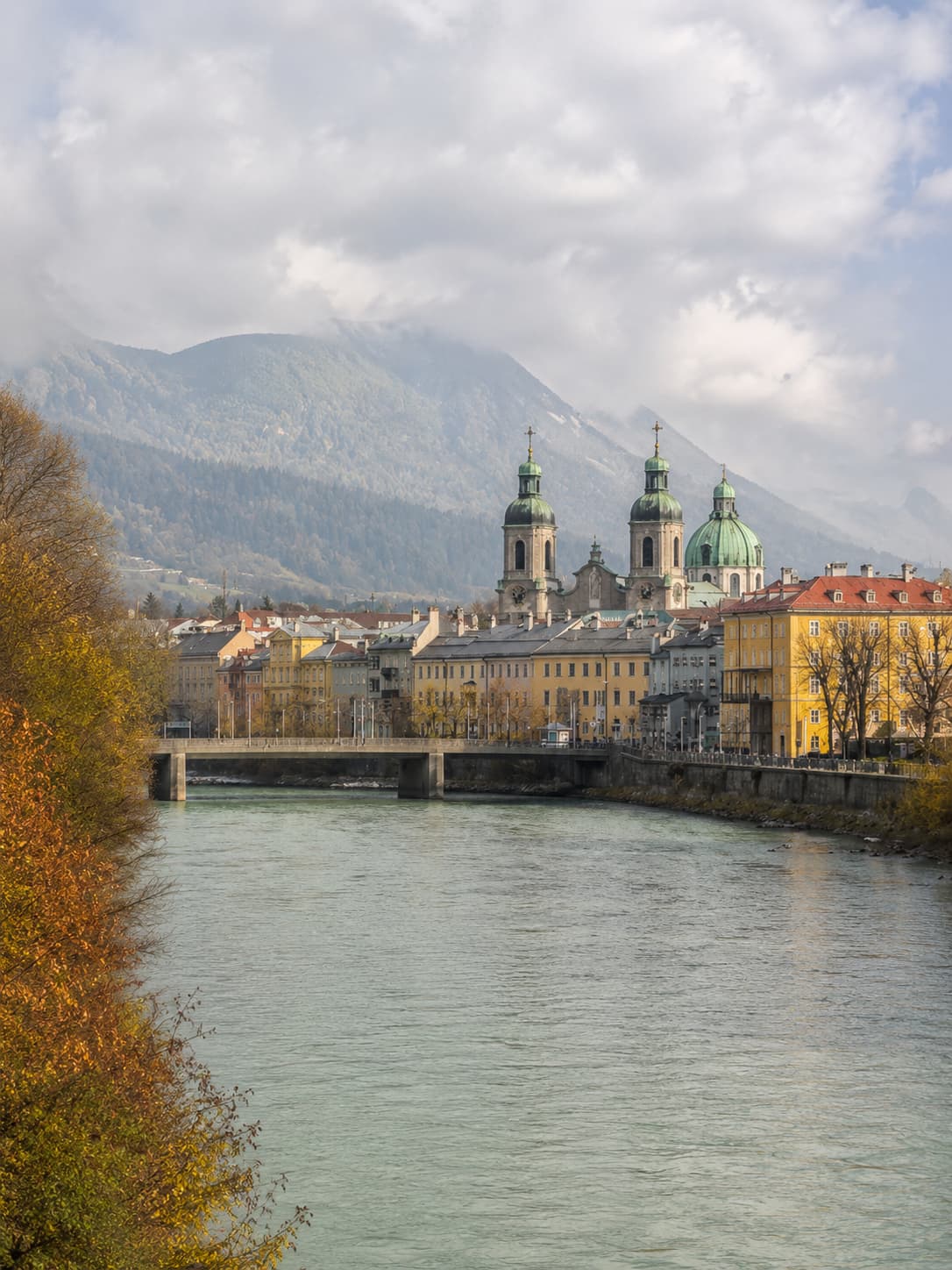
The Austrian Tyrol in early October still offers genuine day-hiking options — the Stubai and Ötztal valleys have valley-floor trails and lower ridges accessible without the high-altitude hut network. By mid-October, the higher Hütten have closed and snow is possible above 2,000 metres. The region around Innsbruck is a reliable base: the Nordkette cable car typically runs year-round, giving access to the ridge above the city, though conditions can change quickly. What the Austrian Tyrol delivers in October that the Italian side doesn’t is a different visual palette — deeper forest, more mixed woodland, fewer larch-dominated landscapes — and a quieter cultural scene. Smaller villages in the Inn valley function normally through the full month. The honest planning note: flexibility is essential. An Austrian Tyrol week in October can be glorious or genuinely wet and grey — have a valley-day backup plan for every high-trail day.
05 — What to Know Before You Go
Check Hut and Lift Closing Dates — Every Single Time
This is the single most important practical task before any Alps-in-October trip, and it cannot be done once and filed away. Hut and gondola closing dates change every year based on ownership decisions, seasonal bookings, and early weather. The Alpe di Siusi gondola closing date that worked for planning last year may have shifted by two weeks. A specific rifugio may have changed hands or extended its season. The resources to check:
- Val Gardena gondolas: val-gardena.com (filter by “autumn / winter opening”)
- Alpe di Siusi / Seiser Alm gondola: seiseralm.it
- Dolomites rifugi closing dates: The CAI (Club Alpino Italiano) website lists hut schedules by region; individual rifugi also publish on their own websites
- Swiss SAC huts: sac-cas.ch — search by hut name for current-year dates
- Austrian Alpine Club huts (ÖAV): alpenverein.at
Never plan a specific hut lunch or overnight stay based on the assumption a rifugio will be open. Build the valley base version of every itinerary first, then add hut options as confirmed additions.
Weather, Layers, and the Daylight Drop
October daylight in the Alps reduces meaningfully across the month. In early October, you have roughly 11 hours of daylight at mid-Alpine latitudes — enough for a substantial day hike. By late October, that has dropped to around 9.5 hours, and the clocks change on the last Sunday of October (October 25, 2026), cutting an additional hour from afternoon hiking time effectively overnight. Plan trail days accordingly: start earlier as the month progresses.
The layering requirement is real. At valley level, early mornings can sit at 3–6°C before warming to 13–15°C by midday. On any trail above 1,500 metres, add windchill and factor in the possibility of afternoon cloud rolling in quickly. The standard October kit: base layer, mid-layer fleece, waterproof shell, warm hat and gloves. Boots with ankle support and decent grip — trails can be wet or carrying early frost in shaded sections.
Catching Peak Larch Colour in the Alps in October
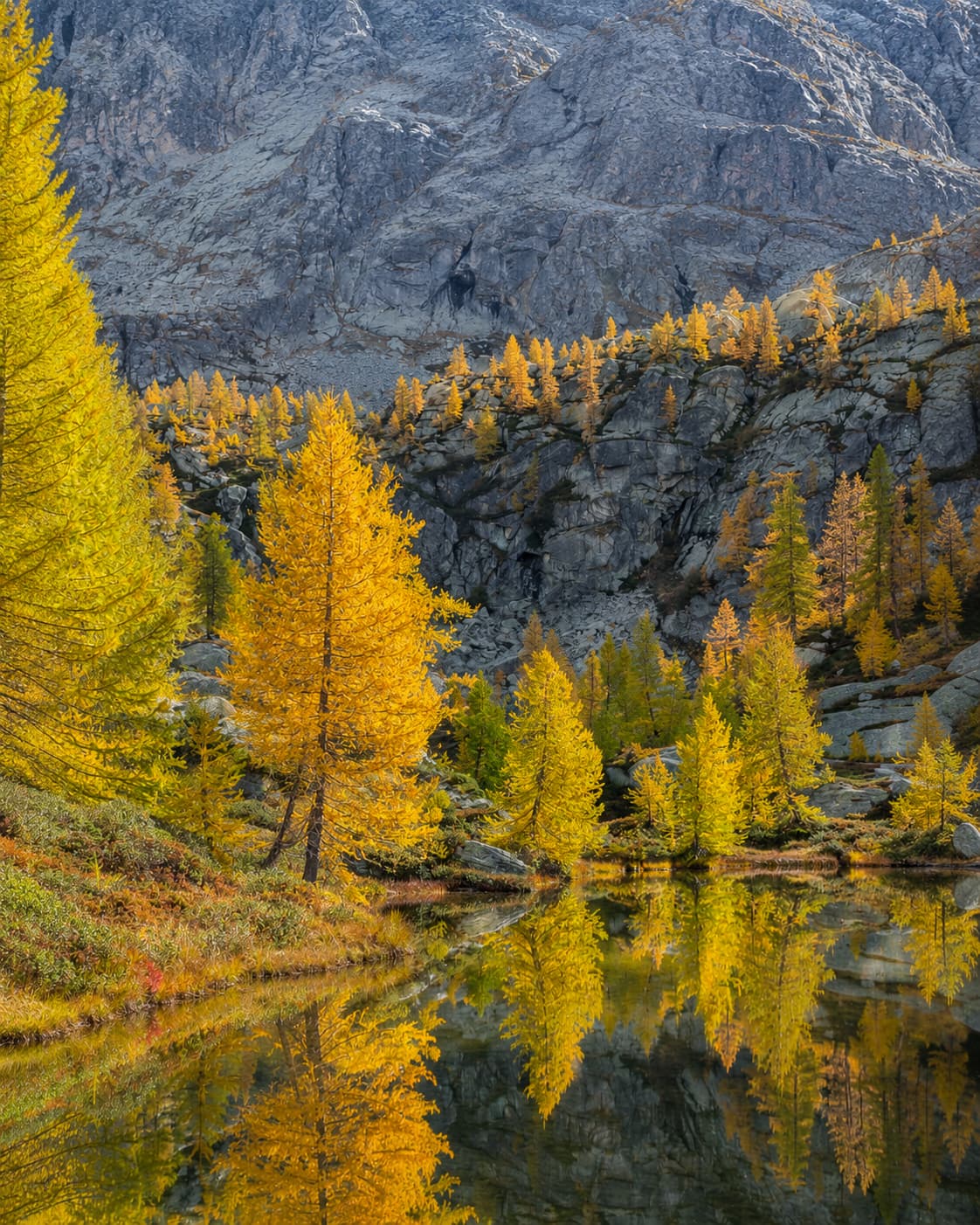
Larch timing is elevation-dependent and year-dependent. The general pattern: higher elevations (above 1,800 metres) turn earlier, typically in the first two weeks of October; mid-elevation forests (1,200–1,800 metres) peak in the second and third weeks; lower larch patches and mixed forests can hold colour into the final week of October. A warm September delays the turn; an early cold snap accelerates it. Peak larch cannot be predicted with certainty more than a week or two in advance.
For the wider picture of autumn colour timing across Europe — including how the Alpine larch fits into the broader foliage calendar — the fall foliage in Europe guide maps the full picture by region and week.
The practical approach: target mid-October as your anchor week, build in flexibility on either side if your schedule allows, and watch elevation — going up 500 metres effectively takes you back ten to fourteen days in colour timeline.
October Hiking Conditions and Trail Access
Mountain Huts and Golden Larch Locations
Cable Cars, Temperatures, and October Weather
The Alps in October ask for a slightly different kind of traveler — one who plans for the closing season rather than against it. Go in knowing what’s open, what’s not, and that the best October hiking happens close to the valley floor. Do that, and you’ll find one of the most visually arresting weeks the Alps ever produce.
The larch doesn’t wait.