
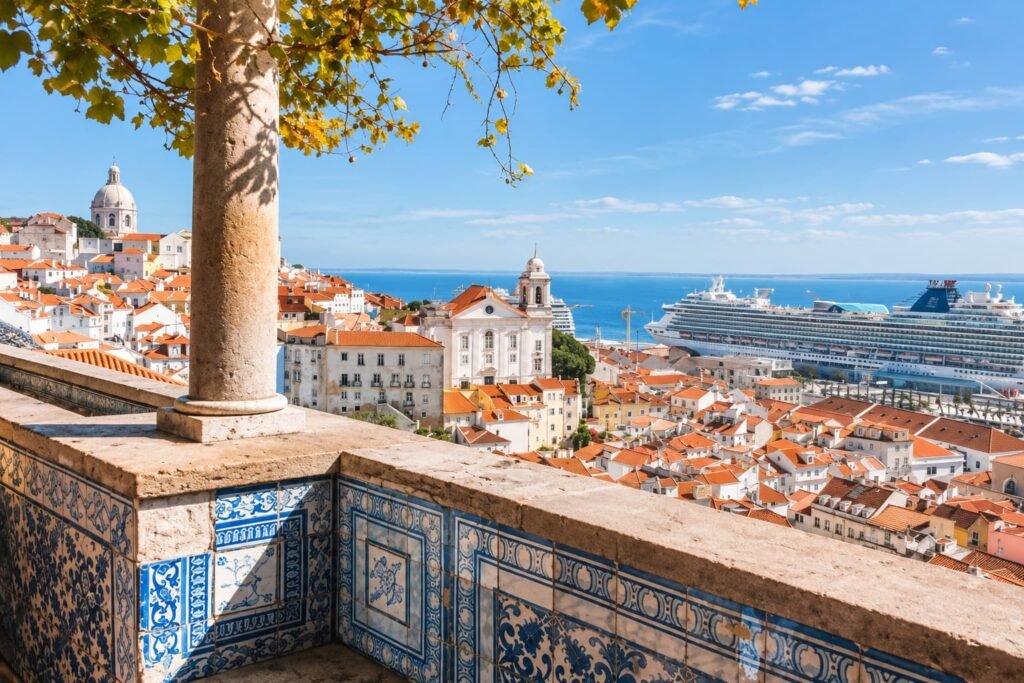
Portugal Travel Tips for First-Timers: What to Know Before You Go
Your first time in Portugal comes down to three decisions — where to start, how long to stay, and whether you need a car. Get those right, and the rest of the trip mostly takes care of itself.
Most Portugal travel tips arrive as a list of fifty — book Sintra early, try the custard tarts, wear good shoes — and almost all of it is true. The trouble is that none of those tips helps with the calls you actually have to make before booking anything. Where should you fly into? How many days do you really need? Is a rental car a good idea or an expensive mistake?
So this guide works the other way round. First come the three decisions that shape a first trip to Portugal, with a clear verdict on each. After that, the practical details that genuinely catch people out: the airport taxis, the electronic tolls, the bread you didn’t order, the restaurant that’s empty at 6pm. It covers mainland Portugal; if the islands are on your mind instead, the Madeira travel guide and the Azores São Miguel guide are the better starting points.
01 — The Portugal Travel Tips That Matter First: Three Decisions
Every first trip to Portugal hinges on the same three questions. Answer them well, and a so-so hotel or a rainy afternoon barely registers. Answer them badly — too many cities, too few days, a car parked expensively in central Lisbon — and no amount of clever tips will rescue the trip.
Decision 1 — Lisbon, Porto, or the Algarve first?
For most people, the honest answer is Lisbon. It has the widest range of things to do, the mildest weather of the three, and easy day trips in every direction. Porto and the Algarve are both excellent, but they suit narrower tastes.
Still genuinely torn between the two cities? The Lisbon vs Porto comparison goes through the trade-offs side by side. My short version: Lisbon first, then the Algarve if warmth is the priority, and Porto when you want something slower or have already done the capital.
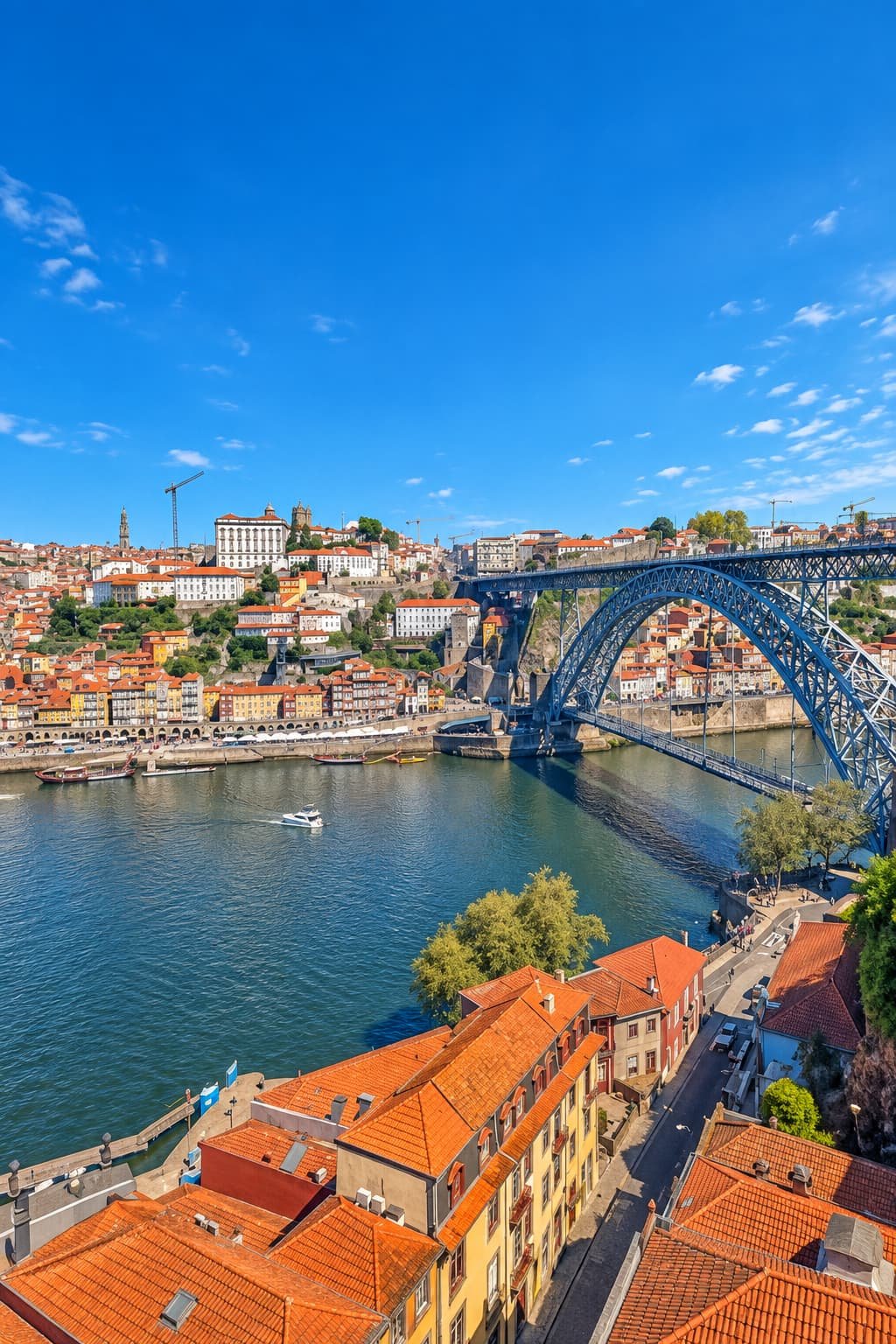
Decision 2 — How many days do you actually need?
Portugal looks small on a map, and that’s exactly why people overload it. In practice, every move between regions costs you most of a day. Here’s a realistic framework:
| Trip length | What fits | Verdict |
|---|---|---|
| 5 days | Lisbon plus a Sintra day trip | The floor for a first visit |
| 7 days | Lisbon plus Porto or the Algarve | The sweet spot for most people |
| 10 days | Lisbon, Porto, and the Algarve | The minimum for all three |
| 14 days | All three plus the Douro Valley or Alentejo | A proper first look at the country |
A full week in Lisbon alone is not a wasted week, by the way. It’s a city that rewards slower exploration, and the day trips alone could fill four days. What doesn’t work is Lisbon, Porto, and the Algarve in seven days. One of them will be rushed, and realistically none of them will be experienced properly. Pick two and give them room.
Decision 3 — Car or no car?
This one splits cleanly by region. In short, cities don’t need a car and the countryside does.
The hybrid approach works best: train between cities, then rent a car only for the countryside section. Above all, don’t pick a car up in central Lisbon — parking is scarce, the streets are steep and one-way, and it will sit unused. If you’re heading south, the Lisbon to the Algarve road trip shows how that split works in practice. If you’re driving in the north, read the toll section below before you collect the keys.
02 — Is Portugal Safe? What to Actually Watch For
Portugal is one of the safest countries in the world. It has placed in the Global Peace Index top ten every year since 2015 and sat seventh in 2025. Violent crime against visitors is rare. That said, safe is not the same as scam-free. The most useful Portugal travel tips on safety come down to three specific issues worth knowing before you land.
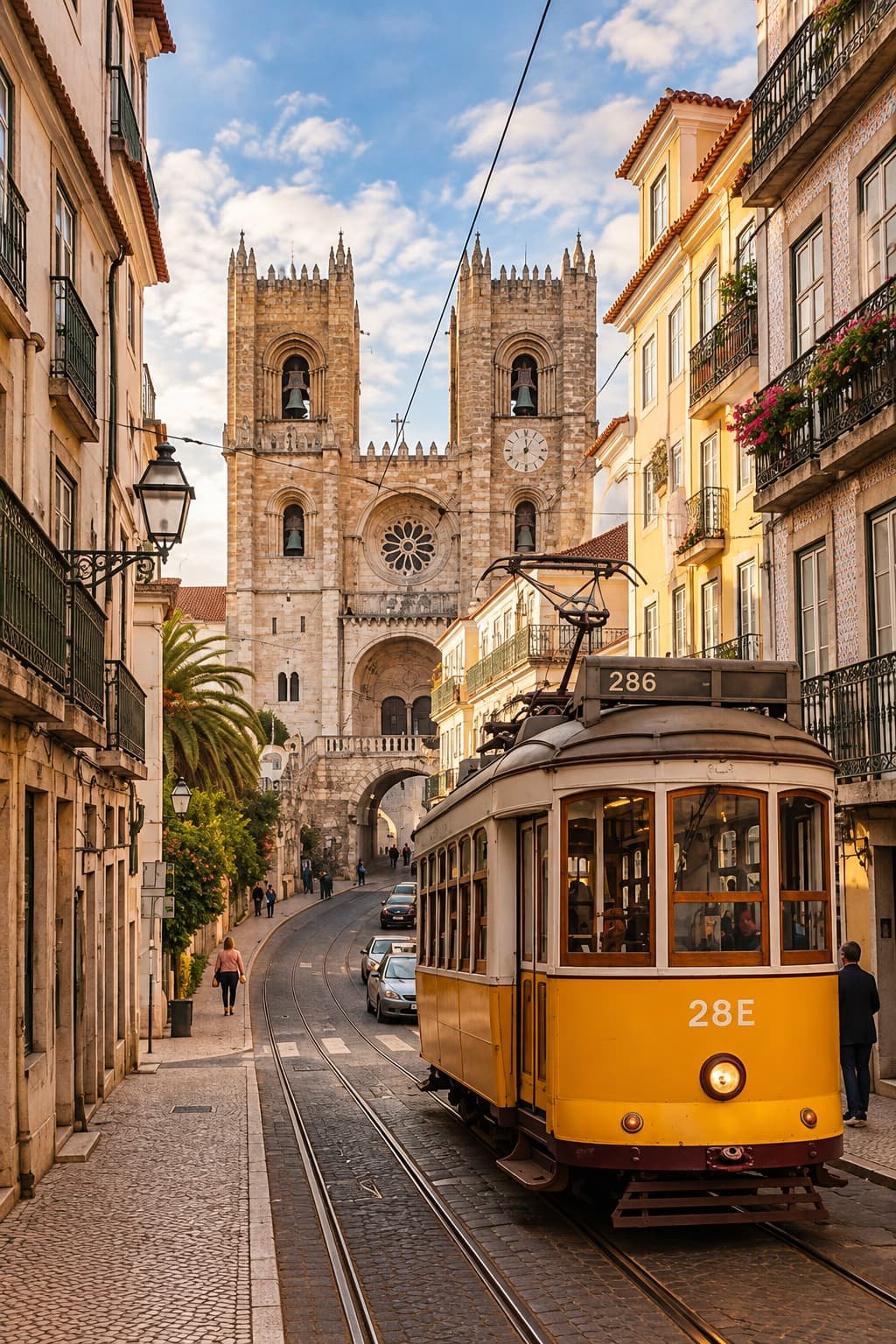
Crowded trams and narrow lanes make easy work for pickpockets, particularly on the Tram 28 route and around Alfama’s viewpoints. Use a crossbody bag with a zip and keep your phone out of back pockets. Awareness, not anxiety.
Complaints about fake meters, detours, and cash-only fares are common enough that police inspected the airport taxi rank in August 2026 and recorded 67 offences among roughly a hundred vehicles. Ignore anyone approaching you in arrivals. Instead, take the Metro red line, book Uber or Bolt, or use the official rank and insist on the meter. A normal fare to central Lisbon is usually somewhere around €11–15.
Portugal decriminalised personal possession of all drugs in 2001, which many visitors misread as legalisation. Selling is still illegal. Moreover, whatever the men on Rua Augusta are offering is almost always bay leaves or crushed herbs. Just keep walking.
03 — Cash or Card in Portugal in 2026?
Mostly card. Restaurants, hotels, supermarkets, and larger shops in Lisbon, Porto, and the Algarve all take contactless payment. However, cash still earns its place in a few specific situations: markets, small pastelarias, village shops, some older taxis, and tips.
Multibanco, Portugal’s domestic banking network, adds one quirk. Occasionally a small business has a card machine that only accepts Portuguese cards, which is one more reason to carry a little cash. Withdraw €100–150 from a bank-branded Multibanco ATM on arrival and keep it for the small stuff. Avoid the freestanding Euronet machines in tourist areas, which tend to charge more.
Tipping, meanwhile, is modest. Round up at cafés and leave around 5–10% at a sit-down restaurant if the service was good. Nobody expects the American percentage system, and a few coins in cash are preferred over a tip added to a card payment.
04 — Portugal Travel Tips for Getting Around
Public transport in Portugal is good, cheap, and underused by visitors. Here is what actually works:
-
Lisbon to Porto by train: The Alfa Pendular takes just under three hours. Standard second-class fares sit around €30–35, and advance promo fares on CP’s website can be far cheaper. -
Within Lisbon: Metro, Uber, and Bolt cover almost everything. Ride Tram 28 once for the experience, not as transport. -
Within Porto: Tap your Andante card on the validator before every single journey. Inspectors fine unvalidated cards even when they’re loaded. -
Tolls around Porto: Several motorways near Porto, including the A41, A42, and parts of the A28, use electronic-only gantries with no booths. Ask at the rental desk whether a Via Verde transponder is included. Unpaid tolls come back as fines far larger than the toll itself. -
Tolls in the Algarve: Good news here. The A22 has been toll-free since January 2025, even though the old gantries are still standing.
05 — The Most Common Mistakes First-Time Visitors Make
Not fifty. Just the six I see most often, and each one is easy to avoid once you know about it.
Sintra deserves a full day, not a base for several. Pena Palace interiors run on timed tickets, so book on the Parques de Sintra site in advance. Arrive for the 9:00 park opening and aim to leave by mid-afternoon.
It’s slow, packed, and a magnet for pickpockets. Go once, early in the morning, and use the Metro the rest of the time.
Most restaurants open for dinner around 7pm, and the room only fills from 8 or 9. Arrive earlier, and you’ll either eat alone or find the kitchen still closed.
It’s a beautiful place to stay and a brutal one to reach with a large suitcase. Steep, slippery cobbles and staircases where streets should be. Pack light or book lower down.
Lisbon, Porto, and the Algarve in seven days means three travel days and no real time anywhere. Pick two, and do them properly.
The electronic-only gantries don’t care that you’re a visitor. A two-minute conversation at the rental desk saves a letter and a fine weeks later.

06 — Portugal Travel Tips on Food and Eating Out
The single best-value meal in the country is the lunch deal. Look for a chalkboard reading prato do dia or menu do dia outside a neighbourhood tasca between noon and 3pm. For somewhere around €10–15 you’ll usually get soup or a starter, a main, a drink, and often coffee or dessert. Eat your main meal at lunch a few times and your budget stretches noticeably.
On the other hand, avoid places with laminated photo menus and a man at the door inviting you in. Those two things together are a reliable signal. Also know that the bread, olives, and cheese that land on the table when you sit down — the couvert — are not free. You’ll see them on the bill. Politely sending them back is completely normal.
A few words help, too. A bica is an espresso in Lisbon; in Porto it’s a cimbalino. Bacalhau, salt cod, is said to have 365 recipes — one for every day of the year — and it’s worth ordering at least once. As for pastéis de nata, the famous ones come from Pastéis de Belém, baking since 1837, but honestly most neighbourhood pastelarias across the country make an excellent one. Don’t queue for an hour when the café on your corner is nearly as good.

07 — Portugal Travel Tips for Packing
Only a handful of things really matter here. For the full two-week breakdown, the honest Europe packing list covers everything else.
- Shoes with real grip: Portugal’s calçada pavements are beautiful and genuinely slippery, especially after rain. Smooth soles are a mistake.
- A light waterproof: spring and autumn showers arrive quickly, particularly in Porto.
- Layers: the gap between midday and evening temperatures is bigger than it looks from a forecast.
- A European plug adapter: Portugal uses standard two-pin sockets (Type C/F) at 230V.
- A refillable bottle: tap water is safe to drink across the country.
08 — First Time in Portugal: Quick Answers
Portugal doesn’t ask much of a first-time visitor — just that you slow down enough to notice it.
Choose fewer places, stay a little longer, and eat lunch where the menu is written in chalk.