

Where to Go in December: An Honest Warm-Weather Shortlist
Every list gives you the same answer. This one gives you the honest version — with real temperature numbers, crowd caveats, and the anti-obvious picks for people who’ve already done Florida and Cancún.
How to Choose a Warm December Destination
Every December, the same travel question circles the internet: where to go in December to escape the cold? And every December, the same answers come back — Cancún, Hawaii, Florida, the Caribbean. Listed in roughly the same order, described in roughly the same words, written by sites that have been publishing versions of that list since 2012.
Those answers aren’t wrong, exactly. The Caribbean is, in fact, warm in December. Cancún is, in fact, accessible from most US cities. But they’re not telling you the part that matters: that the Caribbean has more internal variation than any single recommendation can cover, that early December in Mexico is genuinely different from the third week of December, and that if you’ve already done the obvious options and found them underwhelming, there are much more interesting places that meet the same brief — warm, reachable, without the resort-brochure boredom.
That’s what this post is actually about. Not another rehash of the same shortlist, but an honest look at which December warm-weather picks deliver on the promise, which ones don’t, and what to do instead if you’ve already crossed the easy answers off your list.
01 — What “warm in December” actually means
Before picking a destination, it’s worth clarifying what warm actually means in December — because the range is enormous, and most roundup lists collapse it into a single category called “warm.”
The tropical tier: genuinely hot
The Caribbean, Mexico’s Yucatán Peninsula, Central America, and much of Southeast Asia sit in the 80–88°F range in December. These destinations aren’t just warm — they’re summer-temperature warm, with the added advantage that December sits firmly inside their dry season. In the southern Caribbean (Grenada, Barbados, Tobago), average December highs run around 84°F. The Yucatán hovers in the mid-80s. Northern Thailand, in the dry northeast monsoon window, sits in the high 70s to low 80s. This is the tier for travelers who want to actually feel the difference from home.
The mild tier: pleasantly warm, not tropical
Southern Europe in December — specifically Andalusia, the Algarve, and Madeira — runs in the 60s°F. That’s not beach weather by any measure, but it’s comfortable walking-around weather, short-sleeve afternoons, and a far cry from a northern winter. Similarly, the Canary Islands (Tenerife, Gran Canaria, Lanzarote) sit at a reliable 68–72°F year-round. Morocco’s southern reaches — Marrakech, Agadir — land in the mid-60s. None of these replace summer, but they make a genuine case for anyone who wants warmth without a long-haul flight or resort prices. For a month-by-month breakdown of what Morocco’s weather actually delivers, the Morocco weather guide is worth reading alongside this post.
The caveat tier: warm on paper, complicated in practice
Some destinations that appear in December warm-weather lists have important asterisks. Southeast Asia’s rainy season ends at different times depending on which coast and which country you’re in. Bali’s dry season runs May–September — December is one of its wettest months. The west coast of Thailand is dry in December; the east coast (Koh Samui, Koh Phangan) is in its own rain season. Hawaii is genuinely excellent in December — mild, not tropical, and at its least crowded — but the leeward and windward sides of each island differ dramatically. Southern California and Arizona offer comfortable 60s–70s, not tropical heat, and that distinction matters depending on what you’re actually after.
02 — The obvious picks: assessed honestly
These are the destinations that appear on every list. They deserve honest assessments rather than either reflexive endorsement or contrarian dismissal.
The Caribbean: still good, but choose carefully
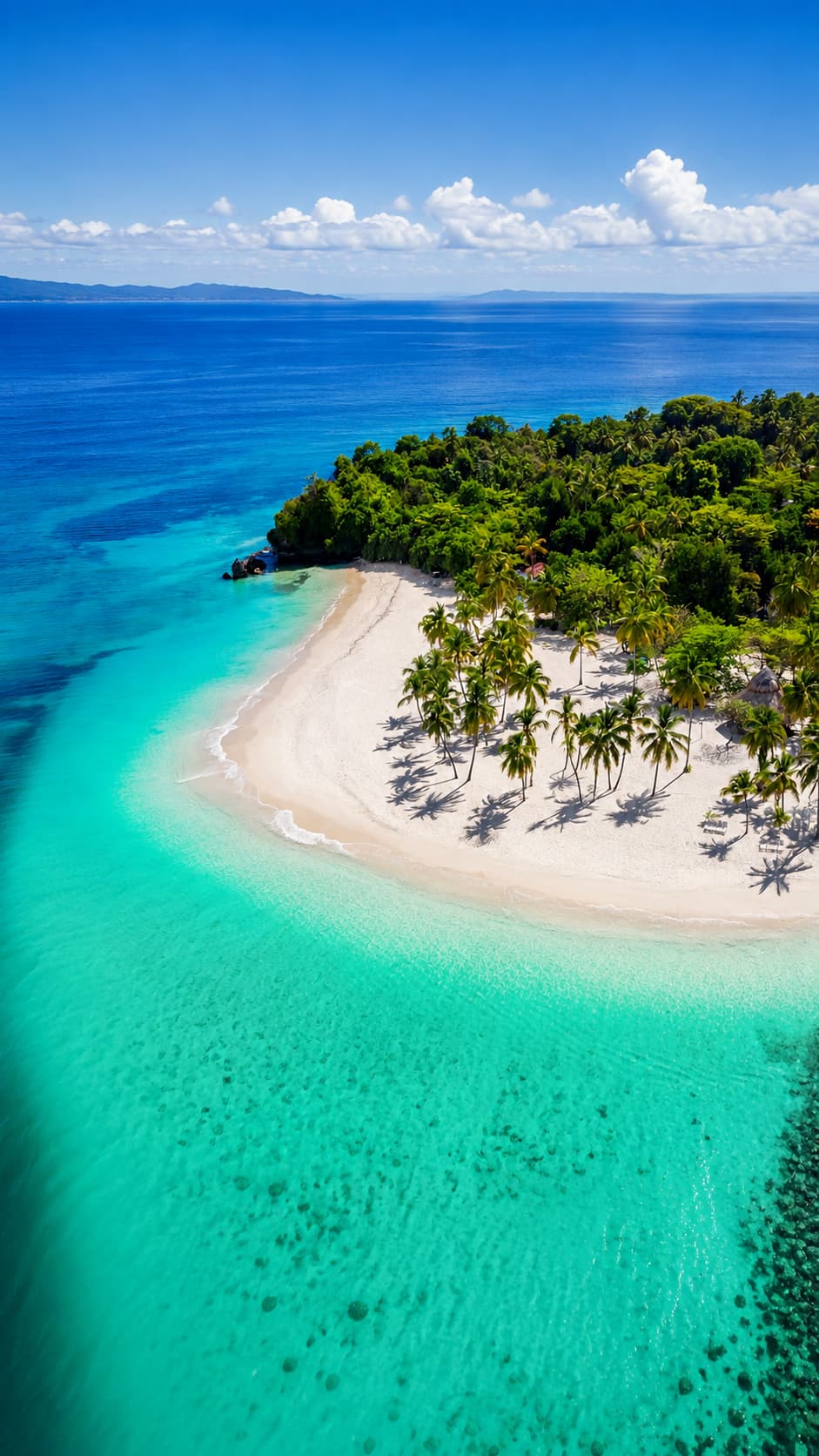
The Caribbean is objectively excellent in December. By late October or early November, the rainy season has ended across most islands. December therefore brings lower humidity, reliable sunshine, and warm water. However, cost, crowds, and character vary enormously across the region. Barbados, Grenada, and Trinidad and Tobago sit outside the traditional hurricane belt. They also tend to cost less than St. Barts or Turks and Caicos. Jamaica, the Dominican Republic, and Puerto Rico offer the strongest flight connections. That convenience also brings more competition for beaches and resorts. Peak season starts around the third week of December, when prices rise sharply. Early December feels like a different trip.
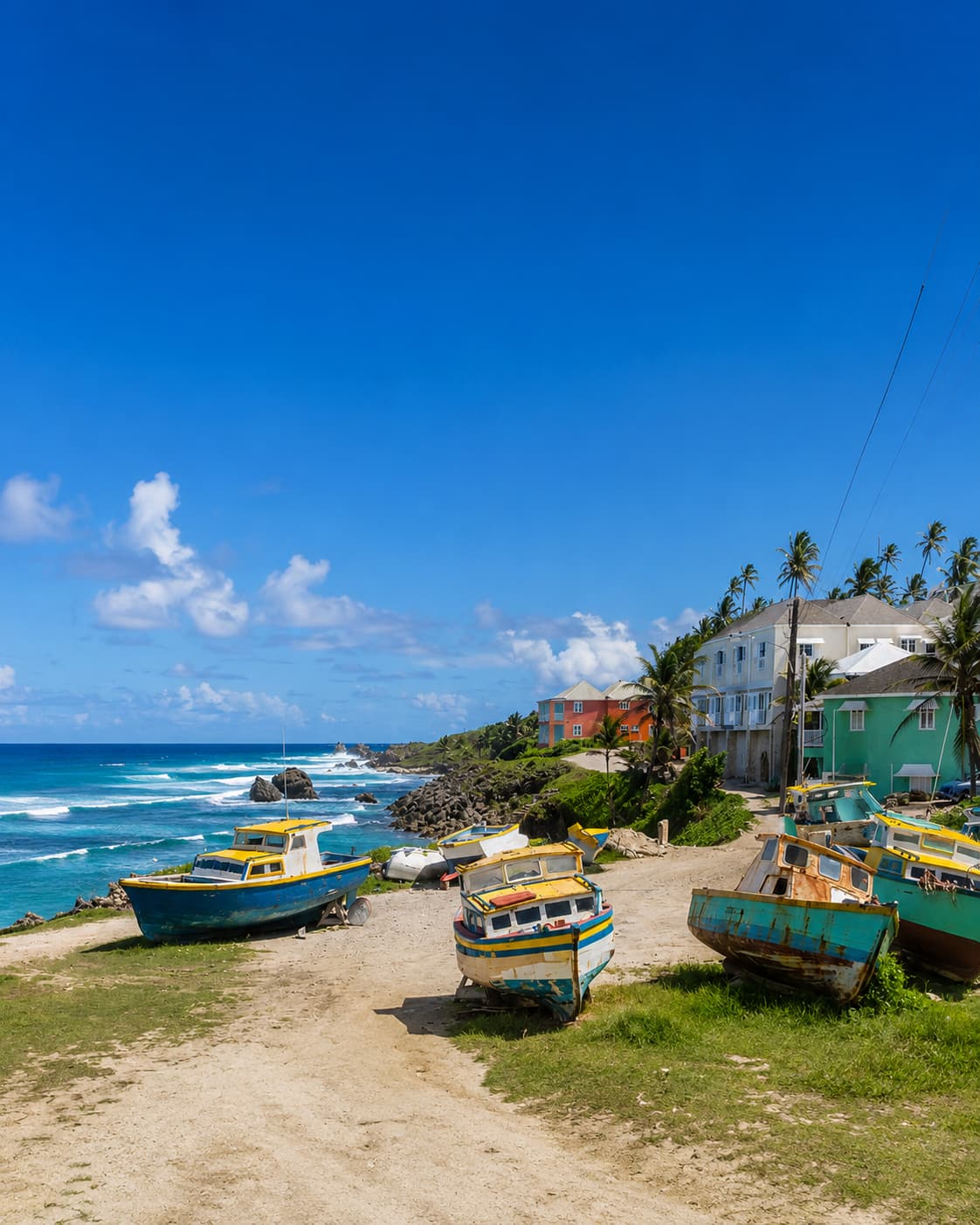
The islands that consistently deliver without the price shock: Barbados sits at the sweet spot of accessible and genuinely good. Grenada, less covered and significantly cheaper, is worth the extra flight hop. For a proper assessment of which islands are worth the price difference, the Caribbean islands comparison is worth reading before you book.
Mexico: the Yucatán works, the Pacific coast has more personality
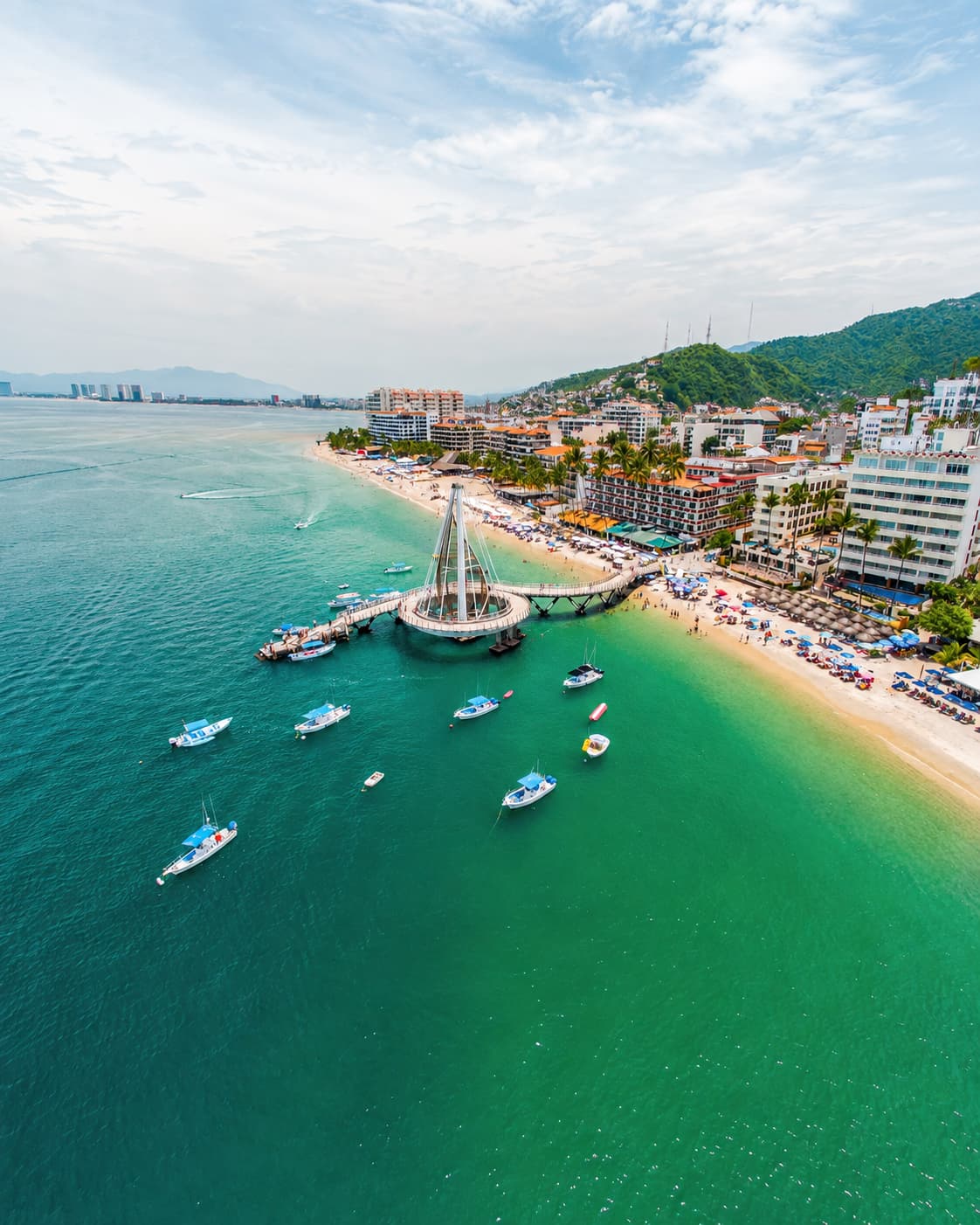
Cancún is efficient. It’s close, it’s warm, the flights are cheap, and the hotel zone delivers exactly what it promises — an American resort experience in a warm climate. For a certain kind of trip, that’s genuinely fine. However, if Cancún has started to feel interchangeable with every other all-inclusive zone you’ve visited, the Pacific coast offers a genuinely different experience. Puerto Vallarta has architecture, markets, and a real town to explore between beach days. Oaxaca City (not a beach destination, but a winter one) is one of the most underrated December destinations in the western hemisphere — warm enough, affordable, and with food culture that outperforms anywhere on the Yucatán resort strip. Furthermore, the Riviera Maya’s cenotes and Tulum’s ruins give the Yucatán options beyond the hotel pool; the key is getting out of the resort zone to use them.
Hawaii: genuinely at its best, with one honest note
December is, by several measures, one of Hawaii’s better months. Temperatures stay in the low-to-mid 80s, the summer crowds have cleared, and the light has a particular quality — less harsh than summer, cleaner skies in the evenings. The honest note is that Hawaii requires a significant flight regardless of where you’re coming from in the continental US (roughly 5–6 hours from the West Coast, 9–10 from the East). Moreover, December runs two very different pricing periods: early December is calm and accessible; the holiday window sees sharp price increases. Maui and Kauai remain the strongest choices if you want fewer crowds than Oahu with comparable weather. The North Shore of Oahu, in contrast, hosts major surf competitions in December — interesting to watch, less suitable for a quiet beach trip.

Florida: for when you don’t want a passport or a long flight
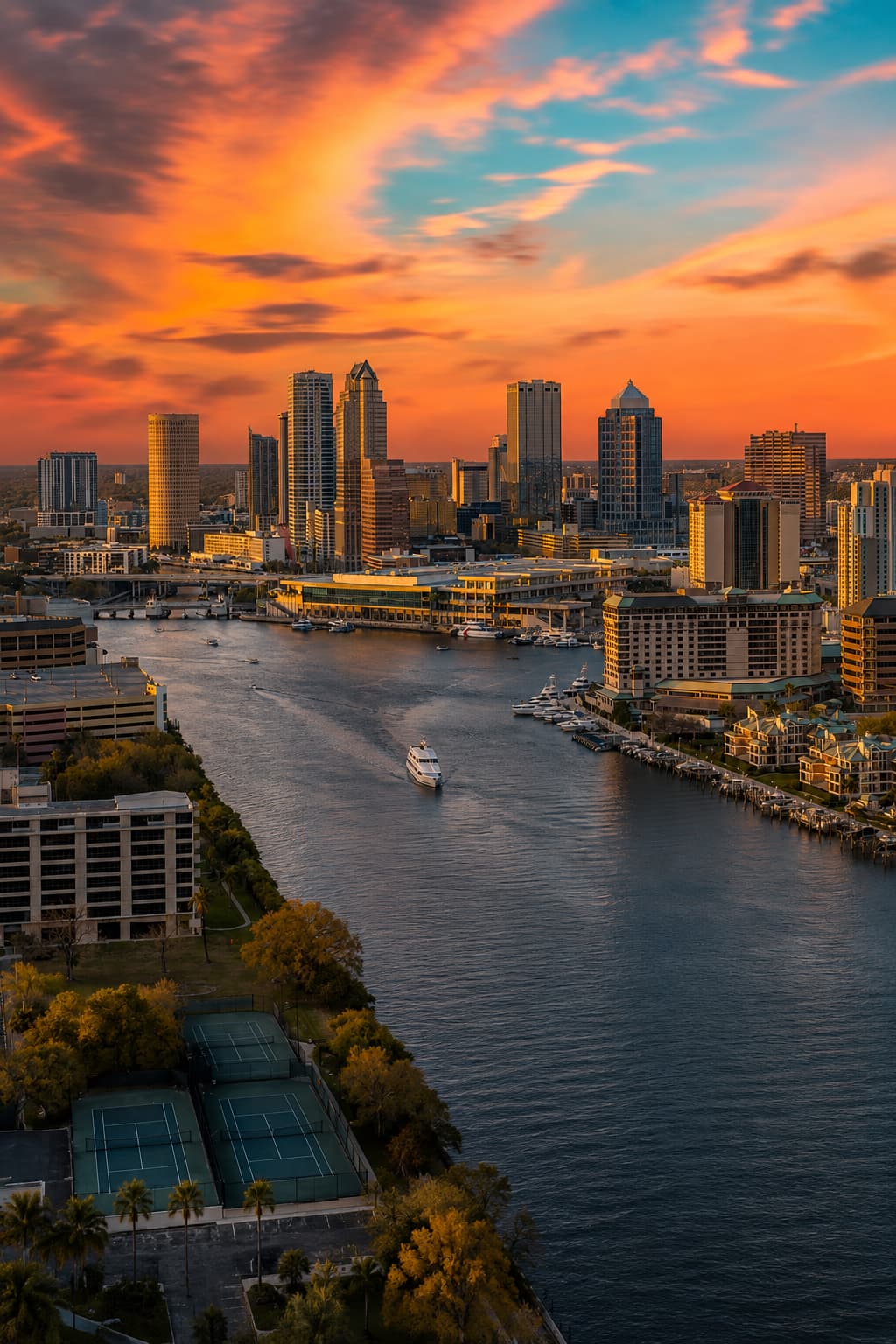
Florida in December occupies a specific and valid niche: no passport, cheap flights from the East Coast, and real warmth without the logistical weight of international travel. Miami in the 70s, Key West in the mid-70s, and Tampa around 72°F make a legitimate case for anyone who’s prioritizing ease over novelty. That said, it’s worth being clear about what Florida in December isn’t: it isn’t tropical, and it isn’t summer. The Gulf Coast delivers the calmest water and most consistent sunshine. The Atlantic side gets more winter swell. For a first warm-weather December trip, or for families with straightforward logistics, it’s a sensible choice. For anyone who’s already done it and found it underwhelming, there are better options at roughly the same distance and price. The Thanksgiving travel abroad post covers the logic of skipping domestic options during the US holiday season entirely — a related calculation worth considering.
03 — Where to go in December that isn’t Cancún
This is the section the standard lists skip. The travelers who’ve already done Cancún, already done Jamaica, already found the Caribbean resort circuit interchangeable — they still want warm, they still want sun, but they want something that feels less like every other trip they’ve taken. These picks meet that brief.

The Canary Islands — Spain’s reliable winter secret
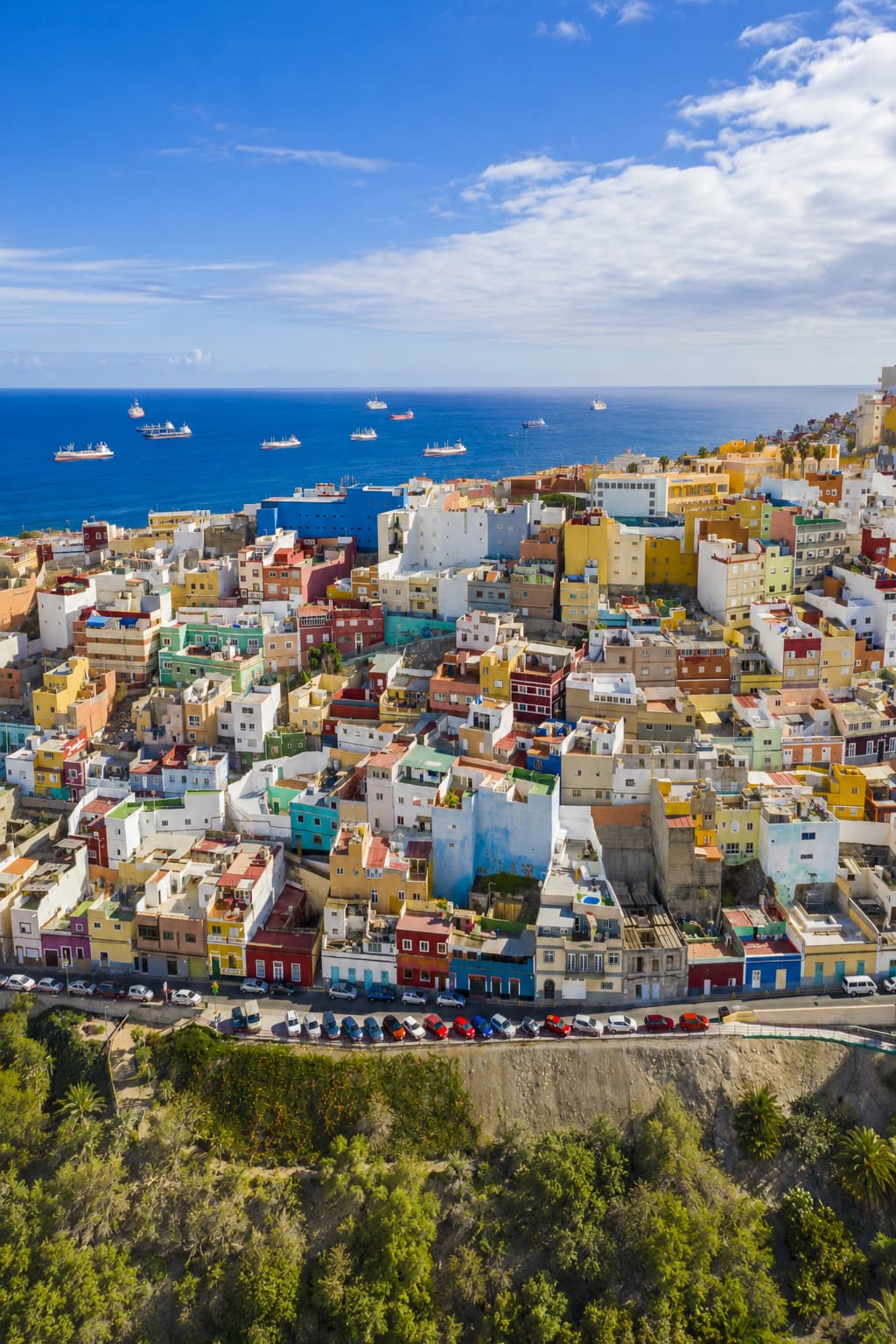
Tenerife, Gran Canaria, and Lanzarote sit at 28° latitude — close enough to the equator for reliable warmth year-round, but still European infrastructure, no language barrier for Spanish speakers, and Schengen-zone ease for Europeans. December averages 68–72°F across all three islands. The honest caveat is that this is noticeably more popular with British and German winter-sun travelers than Americans, which means transatlantic direct flights are thin (most US travelers connect through Madrid or Lisbon). In consequence, Canary Islands December trips work better for European-based travelers or Americans willing to work the connection. For those trips, Gran Canaria offers the most internal variety — dunes, mountains, and city life within a single island. The Canary Islands sit closer to the coast of Morocco than to the Spanish mainland, which explains their reliable subtropical climate.
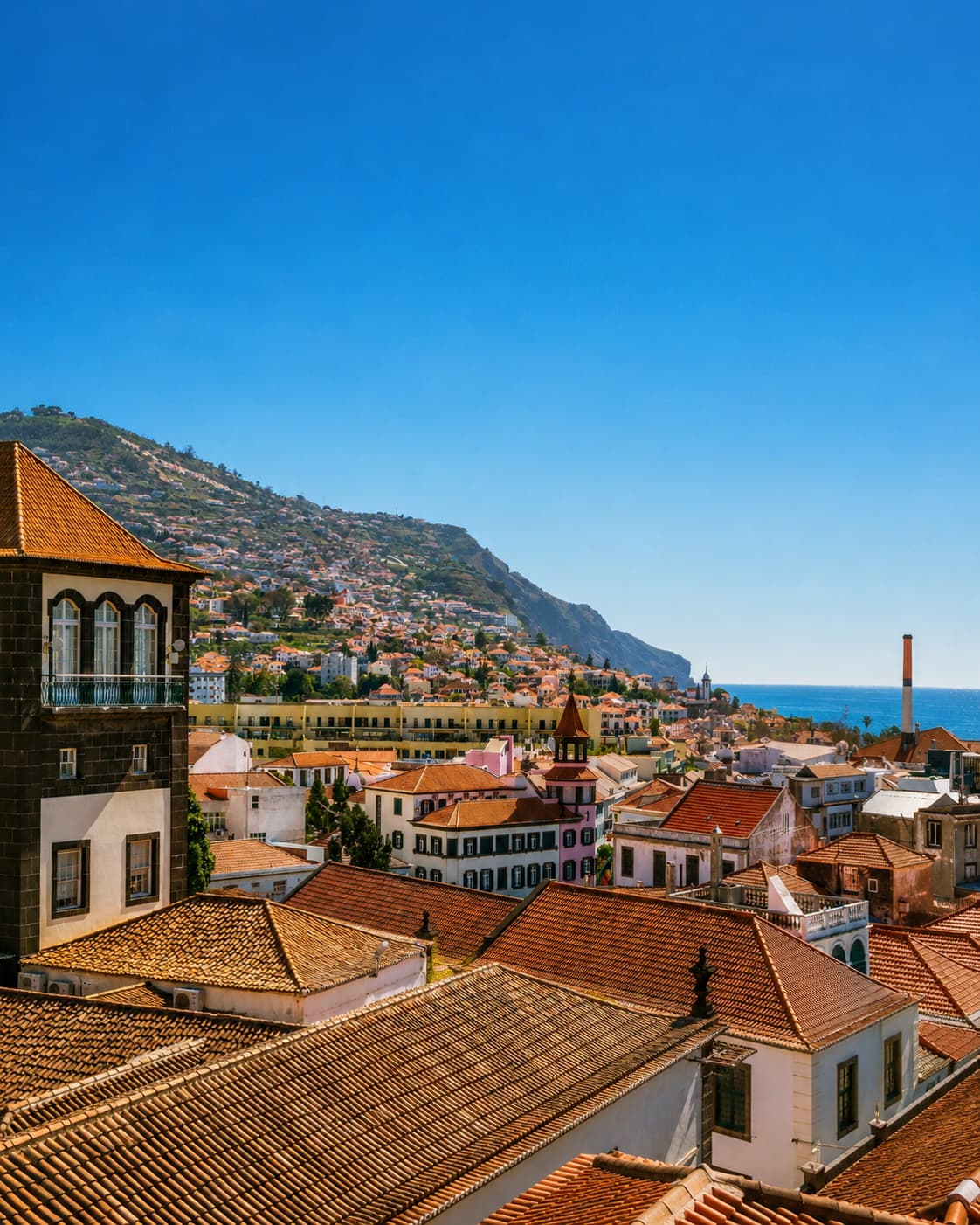
Madeira — genuinely good in December
Madeira is one of the more honest warm-weather December recommendations available. It sits at 65–70°F through the month, which is not tropical but is pleasant in a way that doesn’t require the context of a frozen home city to appreciate. More relevantly, December is one of Madeira’s better visitor months: the island avoids the summer heat, the levada walks are at their greenest, and the New Year’s Eve fireworks over Funchal are, without exaggeration, one of the better New Year’s spectacles in the world. The island is also small and walkable in a way that most Caribbean resorts aren’t — there’s actual exploring to do. Direct flights from Lisbon run frequently; from the US, a Lisbon connection adds roughly 90 minutes each way.
Northern Thailand — warm, cheap, and in its best weather
December sits inside northern Thailand’s cool, dry season. Chiang Mai averages about 85°F with low humidity and clear skies. The city also has one of Southeast Asia’s strongest food scenes. Sunday Night Market, cooking schools, and walkable neighbourhoods give the trip more depth than a beach resort.
The trade-off is flight time. From the US East Coast, Bangkok usually requires 19–22 hours including connections. West Coast routes are only marginally shorter. Thailand makes sense when experience matters more than ease. For travelers who have exhausted the obvious winter-sun options, northern Thailand offers something genuinely different. The Tourism Authority of Thailand’s Chiang Mai guide covers temples and national-park access around Chiang Mai.

Andalusia, Spain — not tropical, but surprisingly good
December in Andalusia won’t give you beach weather, but it offers something the tropical destinations don’t: the Alhambra with almost no queue, Seville’s orange-tree streets at 60°F, and a city-break experience that competes with any European capital at a fraction of the December pricing. Granada, Córdoba, and Seville are three of the most architecturally interesting cities in Europe, and December is arguably the right time to visit them — the summer heat is gone, the summer crowds are gone, and the cities are decorated for the Spanish Christmas season. If warm means “not freezing” rather than “beach-ready,” Andalusia makes a serious case for December travel that most warm-weather listicles don’t think to include.

Colombia — warm, interesting, and widely underestimated
Medellín is permanent spring: 72°F year-round, low humidity, and a transformed city that has spent the last decade building cultural infrastructure. Cartagena on the Caribbean coast runs in the mid-80s in December, which is its dry season. Colombia as a December destination offers something the Caribbean resort circuit rarely delivers — genuine urban culture, exceptional coffee, and a country that actually rewards curiosity rather than simply providing a backdrop for poolside drinking. Flight times from Miami and New York are reasonable: roughly 3–4 hours. The honest caveat is that Colombia requires more active research than the Dominican Republic — transportation between cities isn’t seamless, and the experience varies significantly depending on which part of the country you’re in. However, for experienced travelers who want more than a resort, it’s one of the stronger December picks in the Americas.

The Azores — for those who’ve done Madeira and want something stranger
São Miguel in December hovers around 62–65°F — mild rather than warm, but in an active volcanic landscape that looks genuinely unlike anywhere else. The Azores in December is specifically good for travelers who’ve done the standard warm-weather circuit and find themselves wanting something that feels like actual discovery rather than a comfortable repeat. It’s wet in December — that’s the honest caveat — but the landscape is at its most dramatically green, the geothermal pools at Furnas are warm year-round, and the island sees a fraction of its summer visitor numbers. Direct flights from Boston exist; from elsewhere in the US, Lisbon connections add a stop. For a certain kind of traveler, that’s not a compromise — it’s the point. The official Azores tourism site covers trail access and geothermal pool logistics that matter for a December visit specifically.

04 — Warm places without a long-haul flight
For travelers with a firm constraint on flight time — families, those with limited PTO, or anyone who has correctly identified that a 20-hour flight takes a full day at each end — the question becomes which warm destinations are reachable without crossing into long-haul territory.
From the US East Coast (under 6 hours)
The entire Caribbean is reachable in 3–5 hours from New York, Boston, or Miami. Colombia and Costa Rica sit in the 3–4 hour range. Florida’s obvious; Bermuda is 2 hours and, in December, genuinely mild at around 65°F (not tropical, but pleasant). Puerto Rico, as a US territory requiring no passport for American travelers, combines the Caribbean climate with domestic flight pricing and is frequently overlooked in December specifically because it doesn’t carry the resort-marketing budget of Jamaica or Cancún. December temperatures in San Juan hover in the low-to-mid 80s.
From the US West Coast (under 7 hours)
Mexico’s Pacific coast — specifically Puerto Vallarta, Mazatlán, and Los Cabos — runs in the mid-80s in December and is closer to Los Angeles than Florida is to New York. The Baja Peninsula’s Los Cabos offers desert-meets-sea scenery that’s genuinely distinctive from the Yucatán resort experience. Hawaii, while longer from the East Coast, is 5–6 hours from California and Oregon. For West Coast travelers specifically, Hawaii becomes far more compelling as a December destination than the flight time would suggest from a national perspective.

From Europe (under 5 hours)
The Canary Islands are 4 hours from London, 3 from Madrid. Madeira is a 90-minute flight from Lisbon. Morocco’s Atlantic coast — Agadir specifically — is 3 hours from most Northern European cities and sits at 68–72°F in December. The Egyptian Red Sea coast (Hurghada, Sharm el-Sheikh) runs at 75–79°F and is within 4–5 hours of most European cities, with a resort infrastructure specifically calibrated for European winter-sun travelers. None of these are especially distinctive trips, but they all meet the “warm, no long-haul, accessible” brief without compromise. Crete in October and November is an interesting adjacent option worth noting — the island’s shoulder season runs later than most people assume, and early December occasionally still works in the south.
05 — December and January together: escaping the full winter stretch
There’s a specific traveler this section is for: not someone looking for a holiday-week escape, but someone who wants to neutralize the darkest stretch of the year by putting warmth in both December and January. The strategy matters because December and January have genuinely different pricing and crowd dynamics, and combining them requires a slightly different approach than booking a single trip.
The January case for warm destinations
January is, by most pricing metrics, one of the cheaper months to visit warm-weather destinations. The holiday-week premium ends around January 3rd and doesn’t return until spring break season begins in late February. In consequence, the Caribbean, Mexico, Southeast Asia, and the Canaries are all meaningfully cheaper in January than they are in the Christmas-to-New-Year’s window — the same destinations, better availability, and often better behavior from the weather (the Caribbean’s December can carry some residual Atlantic swell; by mid-January it’s typically calmer). For the traveler who can split a budget between a shorter December escape and a longer January trip, that’s often the right calculation. The December trip buys the morale boost at the darkest point; the January trip buys the real duration.
Where January actually wins over December
Southeast Asia is an interesting case here. Thailand, Cambodia, and Vietnam — specifically the central and northern regions — reach their dry-season prime in January and February, not December. The coolest, clearest weather in northern Thailand arrives in January. Central Vietnam (Hội An, Da Nang) is at its driest and clearest in late January and February. Moreover, January prices for flights to Bangkok often undercut December prices by 15–25%, making the timing argument and the budget argument run in the same direction. For those considering Southeast Asia as a December option, it’s worth noting that a January departure often delivers a better version of the same trip for less money.

For context on how month timing affects crowd and price decisions across destinations generally, the where to go in August post uses the same framework applied to a different season — the methodology transfers directly. European alternatives in the adjacent shoulder months follow similar logic. The where to go in Europe in November guide covers the quieter pre-December period that sets up the December escape well.
06 — How to actually book a December escape without holiday-week regret
December has a pricing structure that most listicles don’t acknowledge: it’s not one month, it’s two completely different markets running back to back.
The early-December window (Dec 1–21): use it
The period between December 1st and the winter solstice is genuinely underused by warm-weather travelers. Holiday-week pricing hasn’t hit yet, post-Thanksgiving travel has cleared, and the destinations are operating at near-shoulder-season volumes. In the Caribbean specifically, early December is the beginning of the dry season without the corresponding premium that Christmas week commands. Hotels in Barbados, Cancún, and Tulum that run 40–60% higher rates between December 22nd and January 2nd are often available at near-October prices in the first two weeks of December. Furthermore, the weather is essentially identical — the same warmth, the same dry skies, fewer bodies on the beach.
The holiday week (Dec 22–Jan 2): book early or accept premium pricing
If you need to travel during the holiday window, booking timing matters enormously. The Caribbean, Hawaii, and Mexico resort zones often price this period 30–60% above surrounding weeks. Popular properties can sell out months ahead.
The real choice is when to accept the premium. Booking in August usually means better rates and more room choice. Waiting until November means higher prices and thinner inventory. Some destinations justify the premium through a specific event, including Madeira at New Year’s. Others simply cost more without offering a meaningfully better experience. The best Christmas markets in Europe post covers the European alternative.
The late-December value position: Jan 3–15
The least-discussed window for warm-weather travel is the two weeks after New Year’s. Prices drop sharply as of January 3rd across essentially every warm destination, crowds thin faster than the weather changes, and the destinations themselves often feel exactly like what you’d imagined for Christmas week — quieter, calmer, and available. For flexible travelers, scheduling a warm-weather trip for January 5–15 rather than December 27–January 2 typically saves 25–40% on the same hotels and flights while delivering a virtually identical experience.
December Costs and Short-Haul Warm Destinations
Timing and Less-Touristy December Trips
Alternatives to Florida and December Weather
The answer to “where to go in December” is different for every traveler — and it depends mostly on what you mean by warm, how far you’re willing to fly, and whether this trip is about ease or discovery.
Most people default to the first answer. The second or third one is usually more interesting.