
The Best Time to Visit Morocco: Month by Month, Honestly
Morocco weather by month shapes every travel decision differently. Comfortable, cheap, and quiet are not the same month — and the answer depends entirely on which question you’re asking.
01 — What is the best month to visit Morocco?
Morocco weather by month tells a clearer story than most travel guides admit. March, April, October, and November give you the best conditions across the board — comfortable daytime temperatures in the cities, minimal rain, and a Sahara that’s actually worth visiting. The best time to visit Morocco for most travellers is October or April specifically: typically 22–28°C in Marrakech and Fes, enough daylight to cover ground without waking at dawn, and the desert viable in both. Spring adds wildflowers in the Atlas valleys; autumn keeps warm evenings long after sunset.
That said, commit too hard to October and you run into a problem the guides rarely name directly: it is also the month everyone else figured out. Morocco’s well-documented “shoulder season” has become its busiest window for international visitors. In consequence, riads with good reviews book out weeks in advance and desert camp operators raise prices for the autumn rush. The answer to “what is the best month to visit Morocco” is genuinely October — but the follow-up question matters more than the headline answer.
02 — Comfortable, cheap, and quiet are not the same month
Understanding Morocco weather by month means untangling three questions that most Morocco travel guides conflate into one. In practice, the months that answer each question are different — sometimes opposite.
When is Morocco most comfortable?
March to May and September to November. These windows offer the best temperature balance across the country. Spring brings the Atlas valleys into flower and keeps the coast mild; autumn extends warm evenings into October and gives the Sahara its second optimal window.
When is Morocco cheapest?
June through August, particularly July and August. Inland heat drives European visitors away from Fes, Marrakech, and the desert, and prices follow. Coastal Morocco — Essaouira, Agadir, the northern towns near Chefchaouen — stays reasonable, and the beaches along the Atlantic become more appealing to domestic visitors. That said, you are trading cheap accommodation for 40°C afternoons.
When is Morocco quietest?
January and February. The post-Christmas lull reduces international arrivals significantly. Cities feel more like themselves — less performative, less photographed. Accommodation is at its lowest prices, and medina navigation becomes something other than crowd management. The downside: Sahara camps are cold at night (lows near 3–6°C), some mountain roads close with snow, and rainfall in coastal areas is at its annual peak.
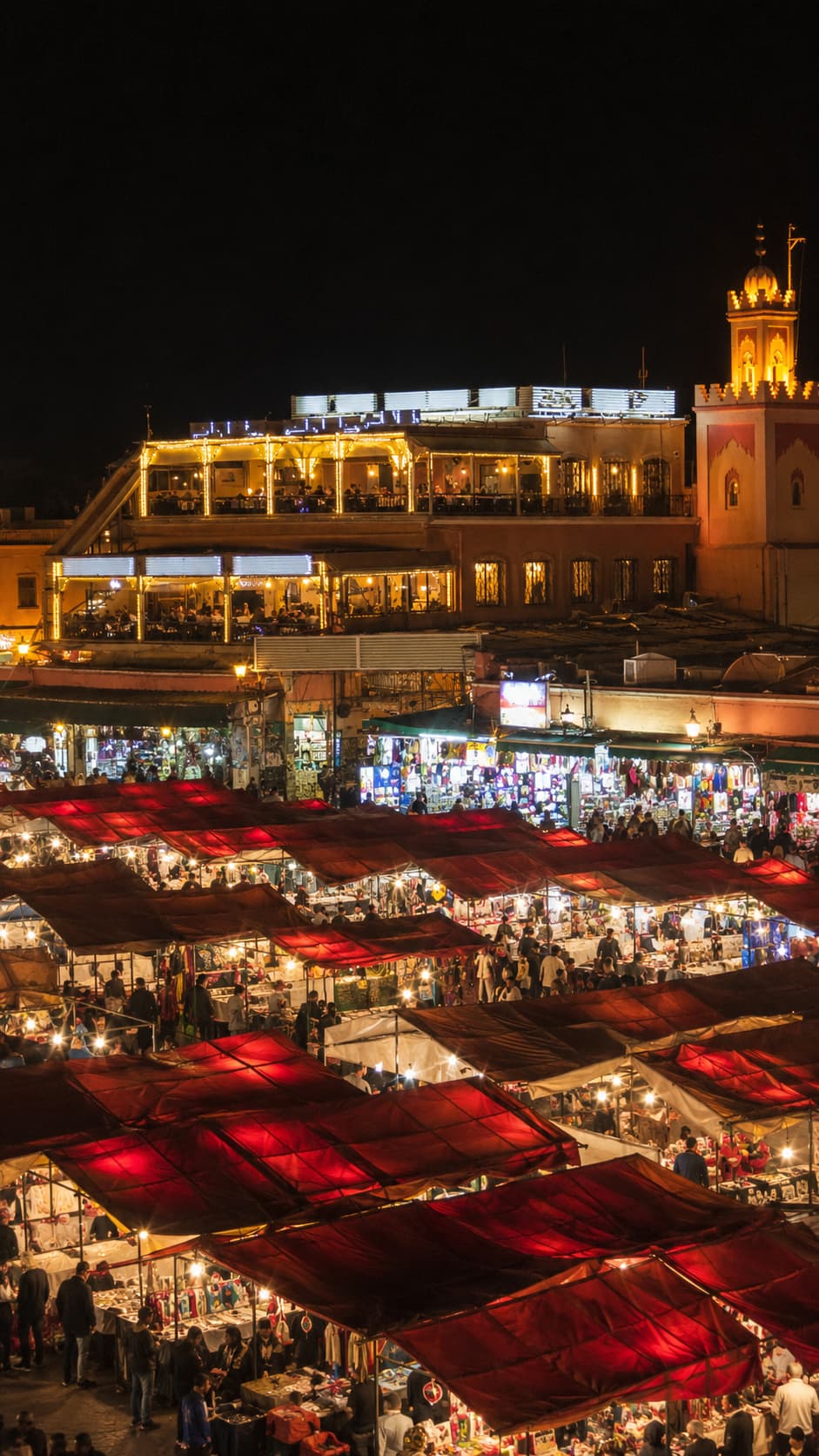
October is where this contradiction runs clearest. Widely described as shoulder season — with summer holidays over and children back in school, the reasoning goes, you’ll find fewer tourists. In reality, the premium comfortable months attract exactly the kind of well-organised travellers who book ahead. October is high season for Morocco in all but name. Desert camps in Merzouga fill weeks in advance. The better riads in Marrakech command peak rates. Understanding this doesn’t mean avoiding October — it means booking it like the high-season month it has become.
03 — Morocco weather by month
The table below is the core reference for Morocco weather by month. Temperatures are Marrakech averages unless noted; Sahara viability refers to Merzouga specifically. Use it as a planning tool, not a brochure. Climate data is drawn from TimeandDate and Weather and Climate.
| Month | Temp (Marrakech) | Rain | Crowds | Price | Sahara? | Verdict |
|---|---|---|---|---|---|---|
| Jan | 18°C / 3°C | Moderate | Low | Low | Cold nights (3–6°C) | Quiet and cheap — cities fine, desert cold |
| Feb | 20°C / 5°C | Moderate | Low | Low | ✓ Viable, chilly | Best budget month; check Ramadan year by year |
| Mar | 24°C / 8°C | Low | Building | Mid | ✓ Excellent | Best overall month for most travellers |
| Apr | 28°C / 11°C | Low | High | Mid–High | ✓ Good | Peak spring — book early, genuinely excellent |
| May | 33°C / 14°C | Very low | High | Mid–High | ⚠ Warm | Good shoulder end — heat arriving inland |
| Jun | 38°C / 17°C | Minimal | Moderate | Low–Mid | ✗ Too hot (39°C) | Coast only — Essaouira, Agadir viable |
| Jul | 38–40°C / 19°C | Minimal | Low–Mod | Low | ✗ Extreme (42–43°C) | Inland heat is serious; coast works |
| Aug | 38–40°C / 19°C | Minimal | Low–Mod | Low | ✗ Extreme | Same as July |
| Sep | 33°C / 16°C | Low | Building | Mid | ⚠ Warm, improving | Transition month — better by late Sep |
| Oct | 27°C / 12°C | Low–Mod | Very High | High | ✓ Excellent (29–30°C days) | Best weather, most crowded — book 6–8 wks ahead |
| Nov | 21°C / 8°C | Moderate | Moderate | Mid | ✓ Very good | Underrated — quieter than Oct, still excellent |
| Dec | 18°C / 5°C | Moderate | Low–Mid | Low–Mid | ⚠ Cold nights | Good for cities; Atlas pass may close with snow |
Spring Morocco Weather (March–May)
Spring is the most consistent window in Morocco weather by month. March delivers the best balance the calendar offers — daytime highs in Marrakech around 24°C, very little rain, the Atlas valleys still green from winter rainfall, and the Sahara at optimal temperature before summer heat begins its advance. April pushes warmer and pulls more visitors; by late April the medinas in Fes and Marrakech are at their busiest. May turns hot inland, with Marrakech reaching the low-to-mid 30s, but remains good for coastal towns and the northern circuit via Chefchaouen.
Spring is also the window that catches Ramadan most frequently over the next few years, as the lunar calendar drifts earlier. In 2026, Ramadan ran February 18 to March 19 — placing it squarely in early spring. By 2027, it will begin around February 7. Check the Ramadan section below if spring dates overlap.
Summer (June–August)
Summer is the period when Morocco weather by month diverges most sharply between coast and inland. The interior is not a comfortable experience for most visitors. Fes and Marrakech both regularly exceed 38–40°C in July and August. The medinas retain heat well into the night. Sightseeing in these conditions is feasible in early mornings and evenings, but the midday hours are genuinely punishing rather than merely warm.
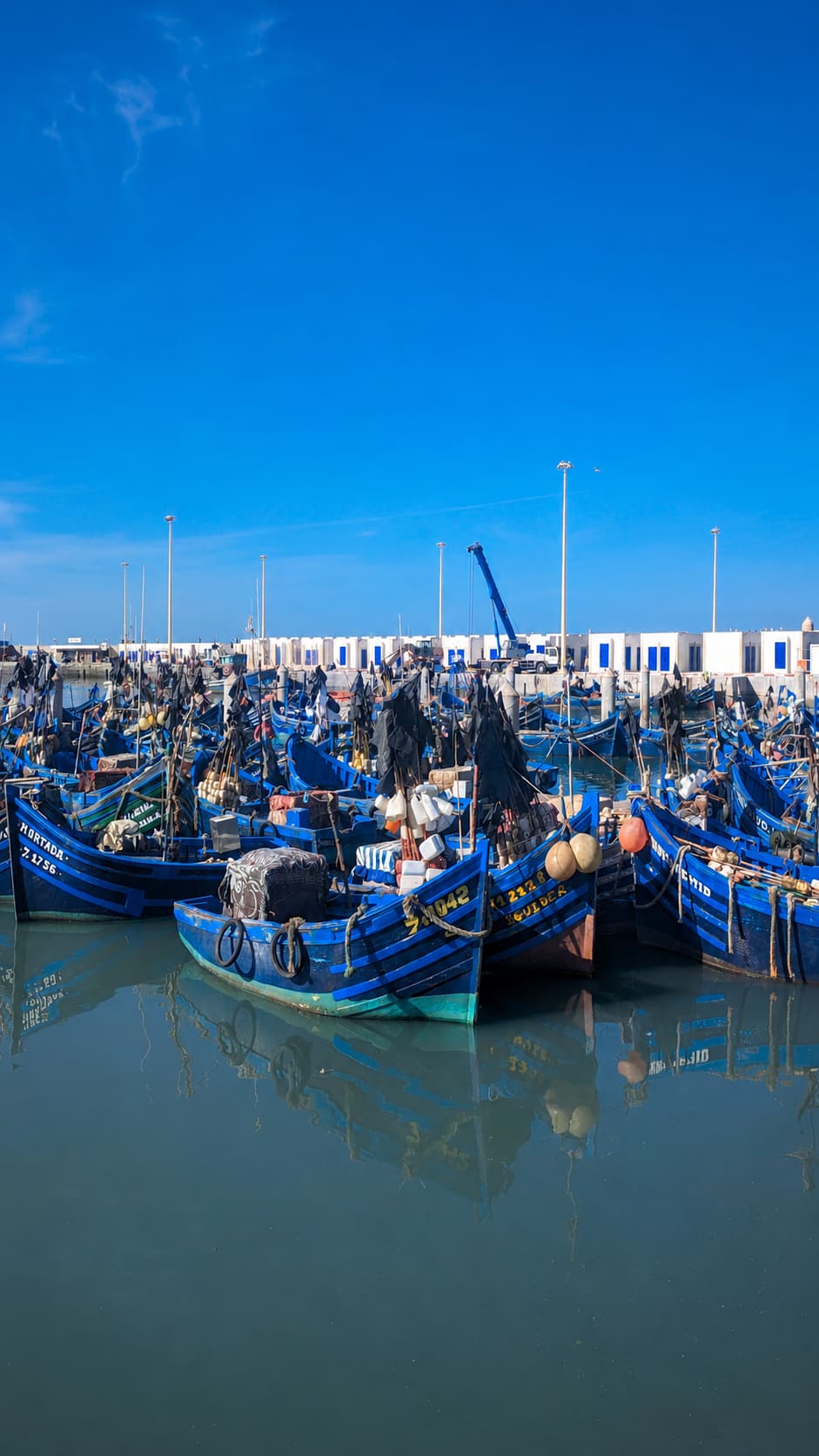
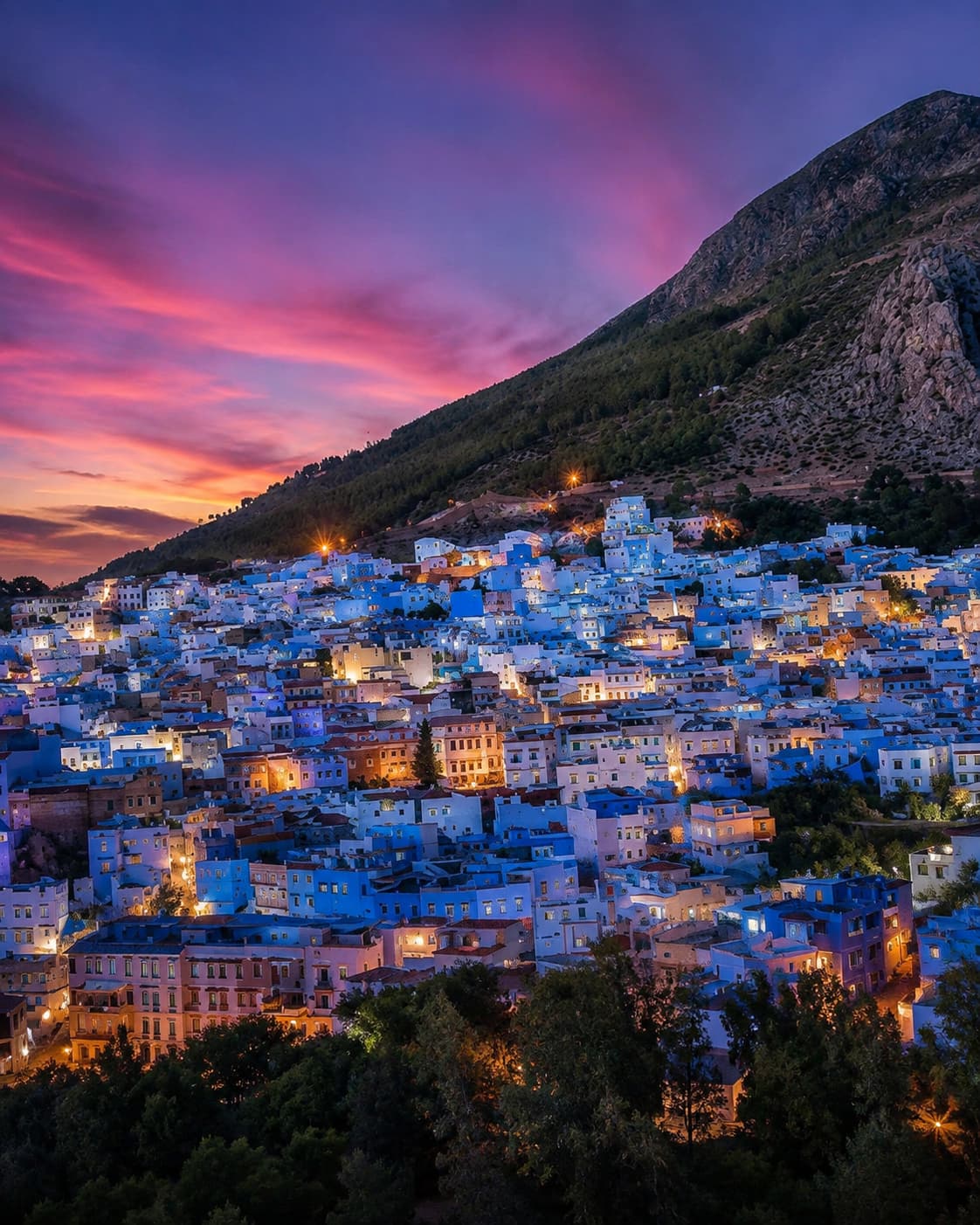
The coast operates on an entirely different calendar. Essaouira benefits from consistent Atlantic winds that suppress temperatures to around 22–25°C through summer — making it the best summer destination in Morocco. Agadir and the northern coastline near Asilah and Larache stay pleasant. Chefchaouen, at altitude in the Rif Mountains, also remains manageable. Summer works in Morocco if you’re strategic about location. For anyone planning Fes or Marrakech, however, the price discount rarely justifies the heat.
Autumn Morocco Weather (September–November)
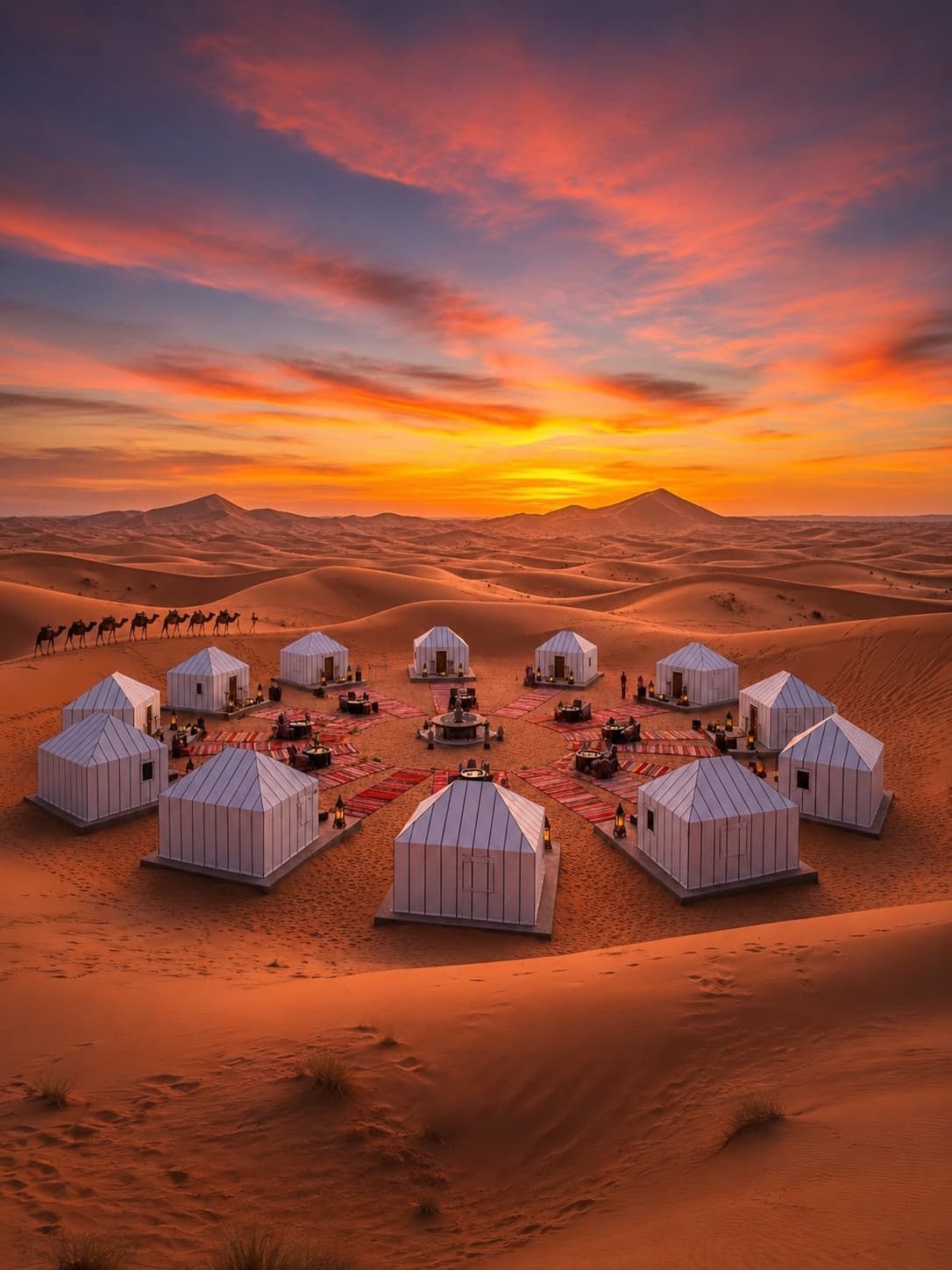
Autumn is where Morocco weather by month earns its reputation. It’s the most searched travel window for good reason. By mid-October, temperatures in Marrakech settle around 25–28°C — warm enough to feel like proper travel weather without the oppressive edge of summer. The Sahara at Merzouga sees daytime highs of 29–30°C in October against 42–43°C in July, which represents the single largest variable in desert planning. Early morning dunes at sunrise are the trip highlight many travellers plan their entire visit around, and that experience requires temperatures that don’t make the pre-dawn camel trek feel like preparation for a medical event.
The caveat is crowds. September transitions slowly — still warm, building back toward October volume. October itself is the peak, and the booking competition is real. November offers a genuine alternative: temperatures have dropped slightly but remain comfortable (Marrakech averaging 21°C), the summer visitors have gone, the school-holiday wave has passed, and rates reflect the reduced competition for beds. Taken together, November may be the most underrated month in Morocco’s calendar. If your dates flex into late autumn, it’s also worth knowing that November travel across the Mediterranean basin follows a similar logic — the month splits early and late in ways most guides ignore.
Winter (December–February)
Winter is where Morocco weather by month inverts entirely. The coastal cities — Agadir, Essaouira, Asilah — stay pleasantly mild, with Agadir reaching 20–22°C even in January, drawing European visitors specifically to escape northern winters. Marrakech and Fes are comfortable rather than warm, with daytime highs around 18–20°C and clear skies between rain fronts.
The desert operates differently. Merzouga’s average January high is around 18–19°C, but the drop after sunset is significant — lows reach 3–6°C, and camps in the open dunes can feel colder than that with wind. Sahara trips remain popular in winter, but the experience of sleeping under stars becomes a considerably colder proposition. The Atlas mountains are a separate consideration entirely: the Tizi n’Tichka pass between Marrakech and Ouarzazate can close with snow from December through February, cutting the most direct road to the desert circuit.
04 — Morocco Weather by Region, Not by Country
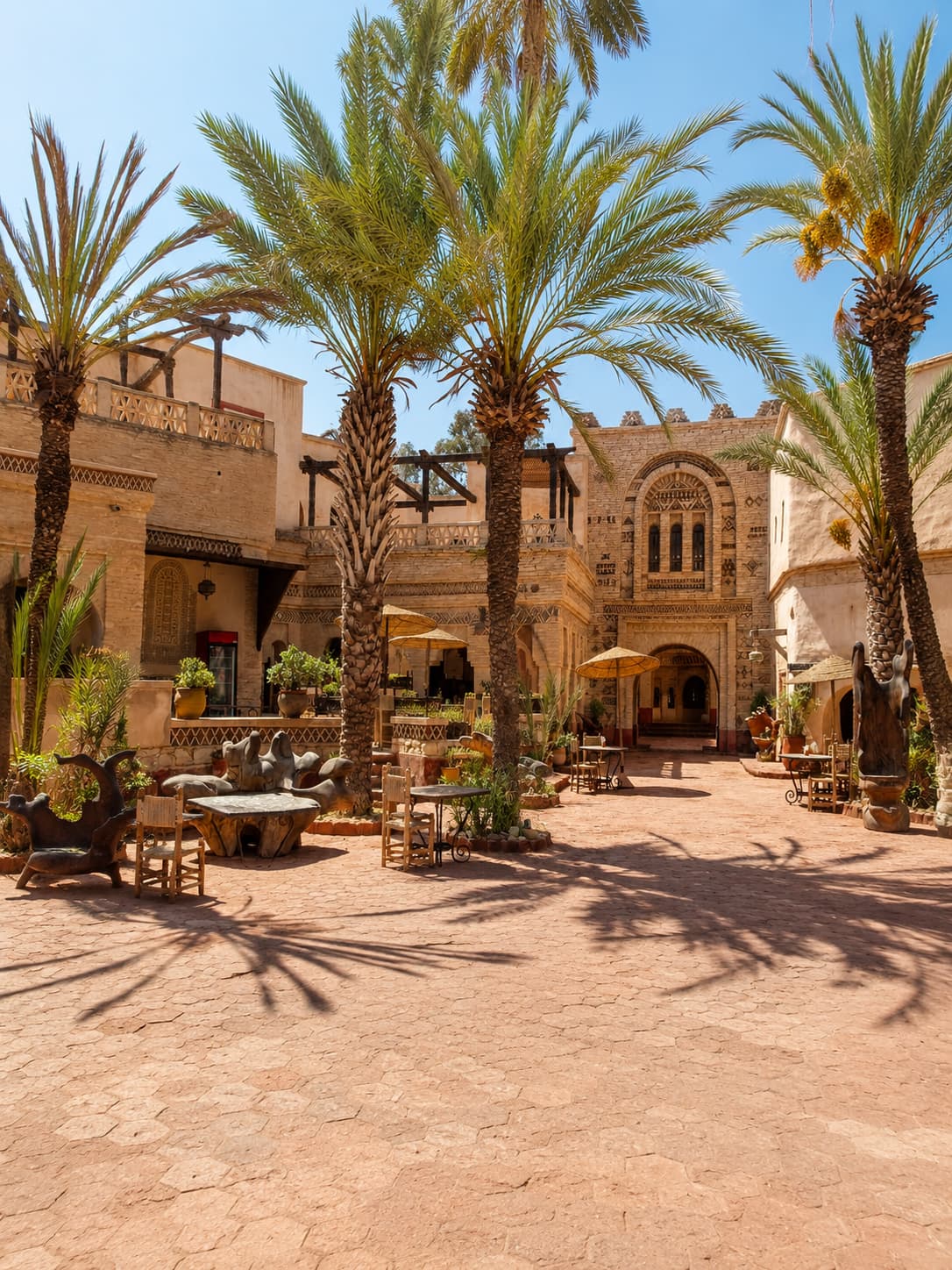
Choosing the best time to visit Morocco means choosing by region, not by country — Morocco does not have one climate, and the national-verdict approach produces real planning errors. The country spans four distinct climate zones — Atlantic coast, northern mountains, imperial cities, and Saharan pre-desert — and their timing diverges meaningfully.
Atlantic Coast — Essaouira, Agadir, Asilah
Along the Atlantic, the coast runs on its own schedule. Summer is the coast’s best season — Atlantic trade winds cap temperatures at 22–25°C in Essaouira when Marrakech is at 40°C. Winter is mild and often sunny. Rain comes mainly in November and December. The coast works in most months of the year; timing is less critical here than anywhere else in Morocco.
Imperial Cities — Marrakech, Fes, Meknès, Rabat
March, April, October, and November are the reliable windows. July and August are the months to avoid inland unless you have a specific reason to be there and tolerance for serious heat. Each city has its own microclimate rhythm — Fes sits in a bowl and holds heat worse than Marrakech; the northern city of Chefchaouen, at altitude, stays cooler across the board.
Atlas Mountains and Valleys
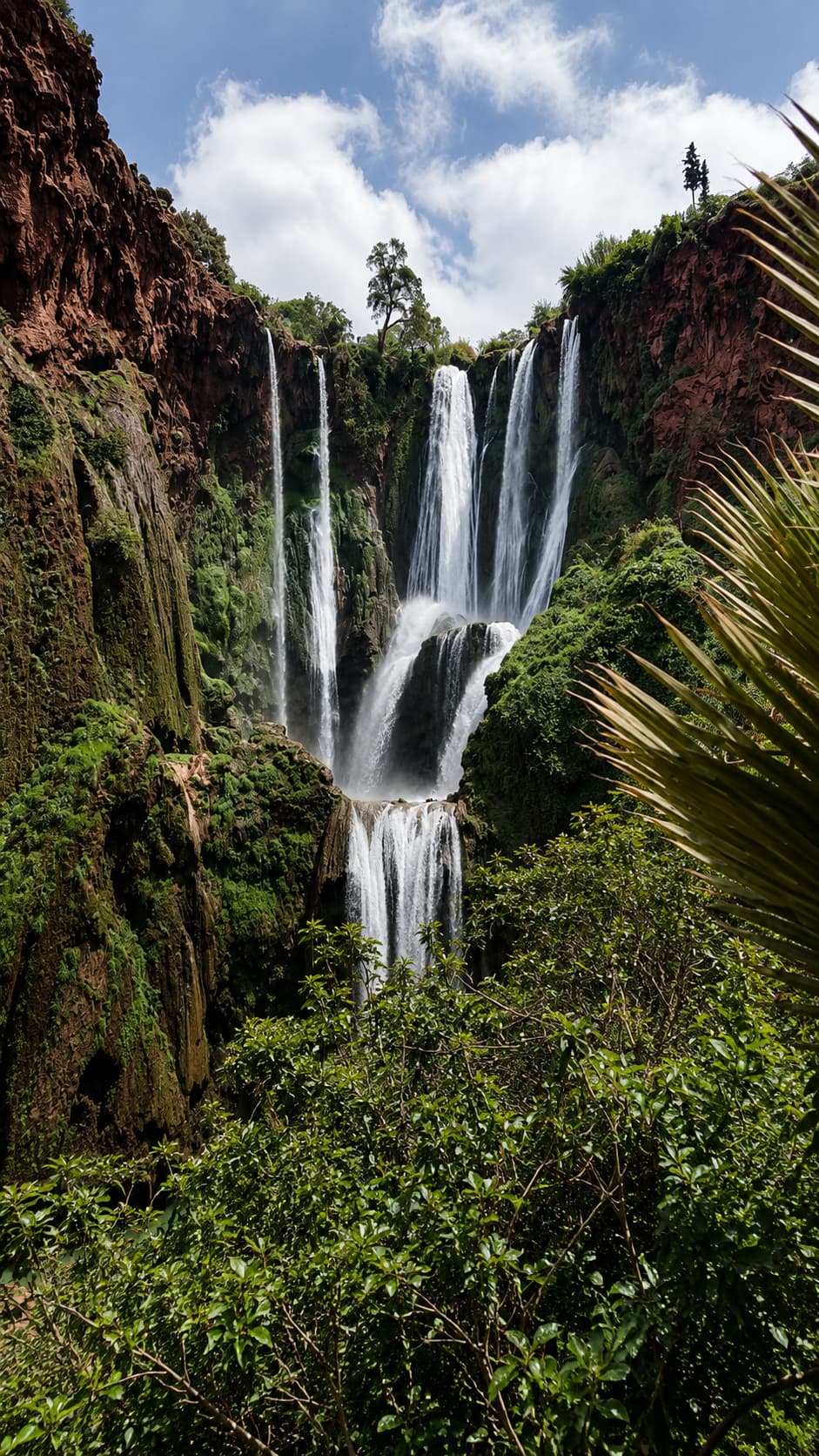
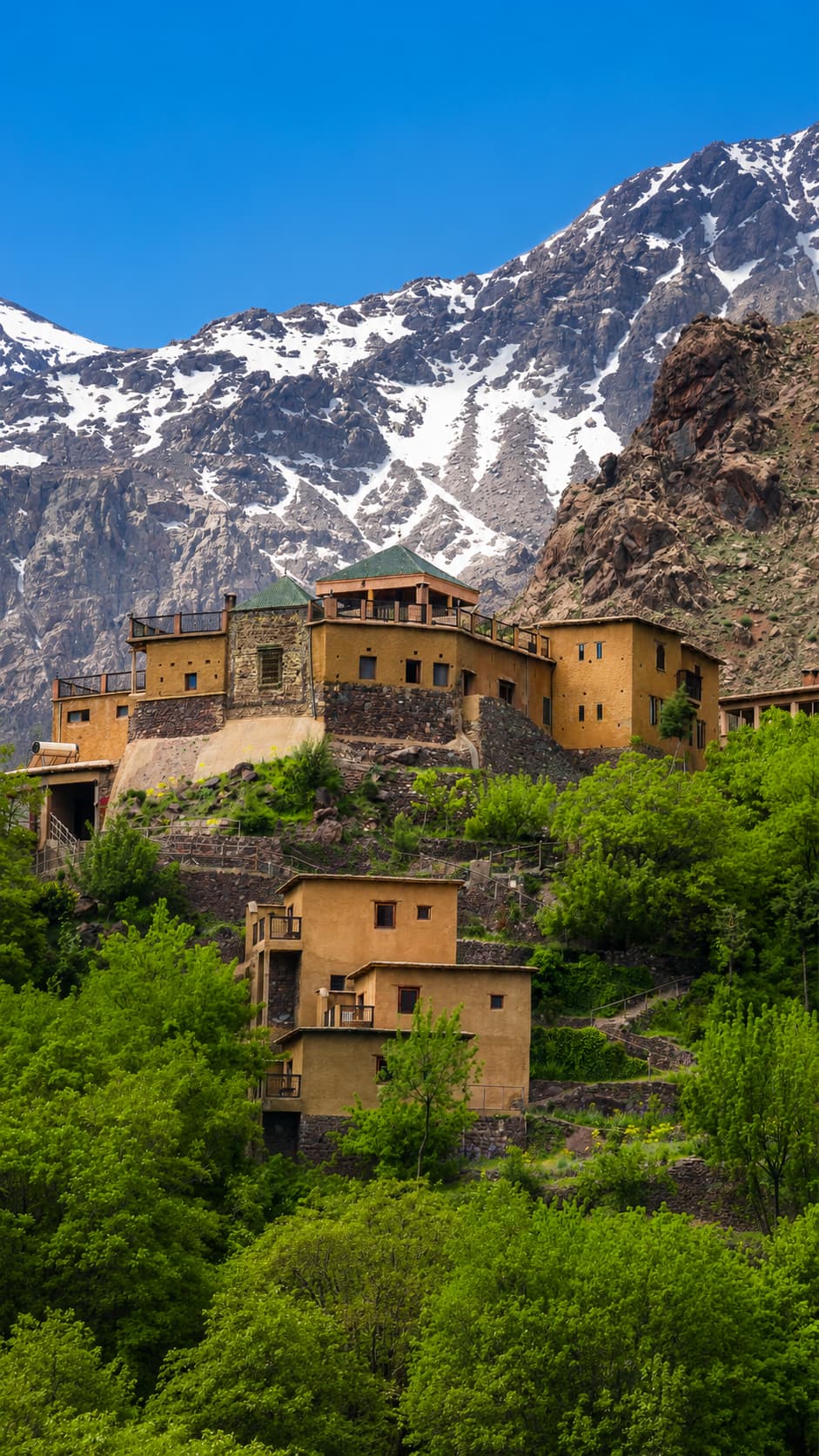
The Atlas responds to rain, not heat. Spring transforms the Ourika and Aït Benhaddou valleys — waterfalls run full, the hillsides hold green well into May, and wildflowers appear above 1,500m. In October, the Middle Atlas around Ifrane begins to see its first autumn rain, while Marrakech and the southern cities are still dry and warm. By December, the high passes become unreliable. Winter trekking is possible in the lower Toubkal foothills but requires preparation.
Saharan Pre-Desert — Merzouga, Zagora, Draa Valley
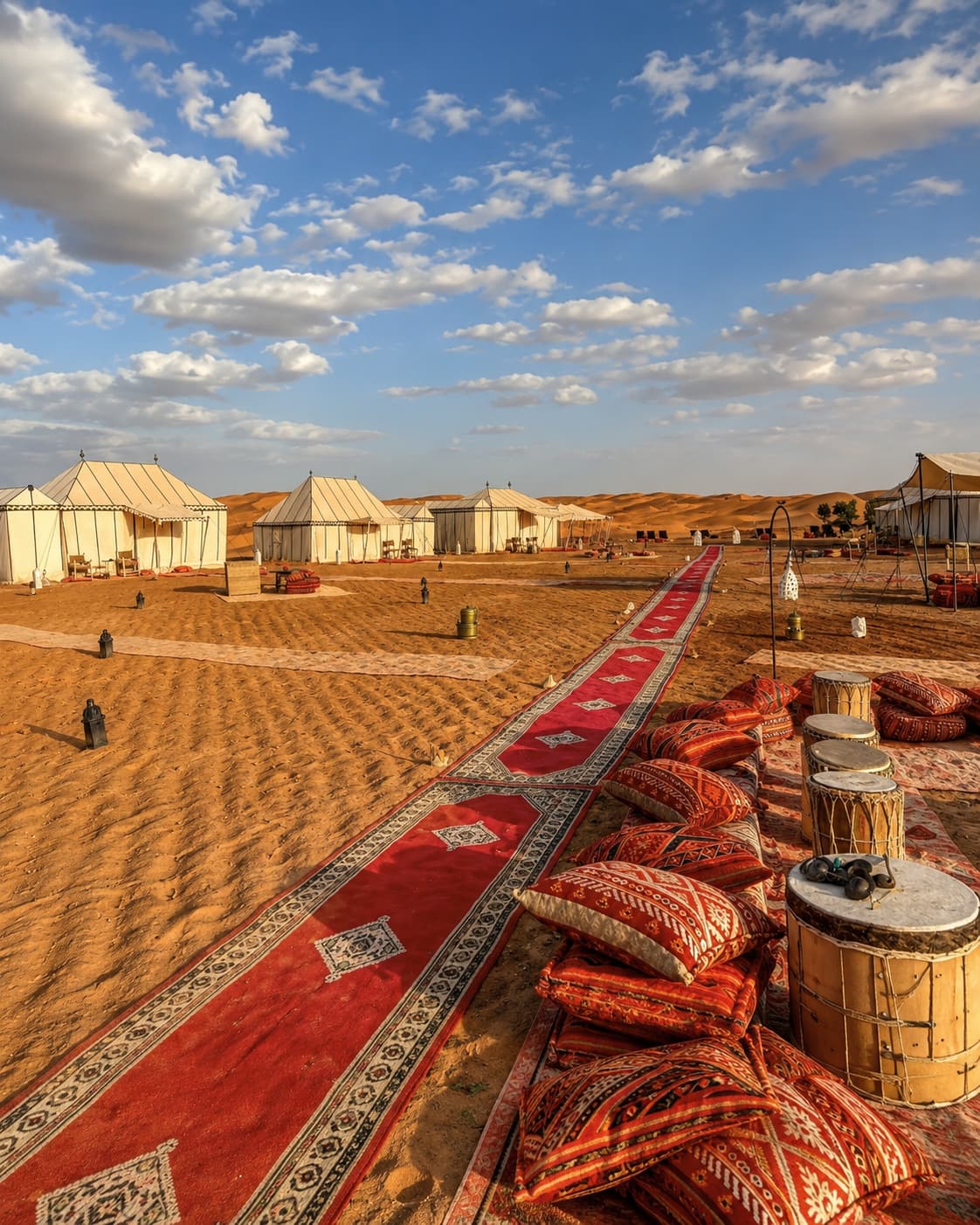
Temperature swings here are Morocco’s most extreme planning variable. October’s daytime high in Merzouga runs 29–30°C — significantly warmer than the cities but manageable for desert activities. July and August push to 42–43°C, which makes extended outdoor time dangerous. Winter nights at the dunes drop toward freezing. The optimal Sahara windows are October, November, February, and early March — before the spring warmth accelerates toward summer.
05 — When is the best time to visit the Sahara?
Morocco weather by month matters most in the desert. For the Sahara specifically, October, November, February, and early March — the window that gives you the dunes in their optimal state — daytime heat that makes the experience feel properly desert-like without becoming dangerous, and nights cold enough to require a blanket rather than emergency layers. The Merzouga comparison is straightforward: 29–30°C in October, 42–43°C in July. That is the difference between watching a sunrise from a dune and being medically concerned about it.
For a deeper breakdown of which camp to book and how the two main Sahara gateways compare, the Merzouga vs Zagora guide covers the practical decision in full. This post states the timing window; that one answers the where.
06 — Morocco Weather in Summer: The Worst Months to Visit
If the best time to visit Morocco is October or March, the worst months are the mirror opposite: July and August, specifically for the interior cities and the desert. The question isn’t whether you can survive a week in Marrakech or Fes in August — people do — but whether the experience makes sense. At 38–40°C, the medinas become exercises in endurance. The souks that are most enjoyable in spring’s warmth become places you move through quickly and retreat from. Afternoon sightseeing is effectively impossible. Merzouga at 42–43°C is not a pleasant place to be outdoors for any extended period.
Winter deserves an honest assessment too. The cities are mild and genuinely pleasant in December through February — Marrakech rarely drops below 10°C even at night, and the riad life is ideal. However, the Sahara inverts entirely. Camp nights near Merzouga at 3–6°C lows require real sleeping gear that most desert camps supply but many travellers don’t expect. More practically: a snowfall event on the Tizi n’Tichka pass can delay or prevent the overland route to the desert for 24–48 hours without warning. Anyone building a tight winter itinerary around a desert night should have contingency built in.
07 — When is the cheapest time to visit Morocco?
June through August represents the cheapest window in Morocco weather by month — heat suppresses international demand in the inland cities, and the price drop in Marrakech and Fes is real. January and February also bring budget-friendly rates with the added benefit of actually comfortable temperatures in the cities, though desert nights are cold and the mountain passes can close.
November is the quiet budget window within the good-weather calendar. Temperatures remain comfortable, international visitors start to tail off after October’s peak, and accommodation prices correct downward while the experience itself stays close to what October delivers. For travellers with flexibility, late November may offer the best overall value in the year.
Budget detail on costs in Morocco — what to expect per day and how prices behave across regions — is covered in the things to know before visiting Morocco guide alongside broader cultural preparation.
08 — Timing your visit around Ramadan
Ramadan shifts roughly 11 days earlier each year on the Gregorian calendar, which means the window it occupies changes significantly from one year to the next. In 2026, it ran approximately February 18 to March 19 — overlapping with what is otherwise one of Morocco’s best travel months. By 2027, it will begin around February 7 and end around March 8, making late March and April fully clear. The Wikipedia overview of Ramadan gives useful background on the lunar calendar mechanics if you want to calculate future windows yourself.
Ramadan in Morocco is not a reason to cancel a trip, but it does change the texture of the visit. Non-Muslim travellers are not expected to fast, but daytime food and drink access is reduced outside tourist-oriented establishments — some local restaurants close until iftar (sunset), and eating or smoking conspicuously in public draws discomfort. Evenings become livelier and more communal than usual, and the atmosphere after iftar in the medinas is worth experiencing. Practically, the impact varies significantly between tourist-heavy Marrakech (where the infrastructure adjusts) and smaller towns where day-time options are genuinely limited.
The things to know before visiting Morocco post covers the practical Ramadan detail and broader cultural context. This post simply flags the timing and annual shift to check before booking a spring window.
Booking Ahead and Visiting Morocco in Summer
City Trips and Photography Seasons in Morocco
Visiting Morocco During Ramadan
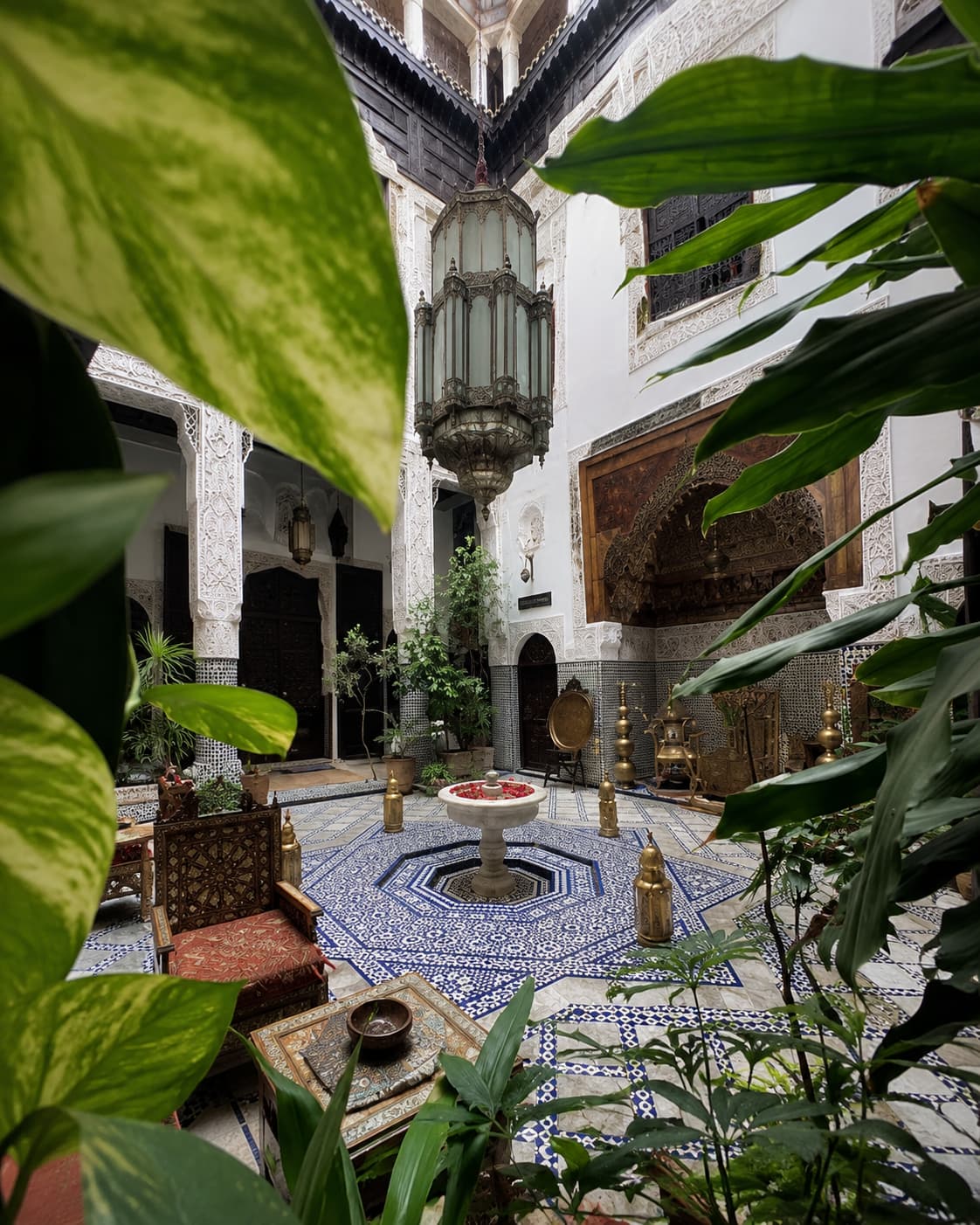
Morocco doesn’t reward the traveller who picks the right month and shows up expecting quiet.
It rewards the one who books early enough to actually get in.