
Where to Go in Europe in November: The Month That Splits in Two
Wondering where to go in Europe in November? The answer depends entirely on which half of the month you’re booking — because the first fortnight and the last week are almost opposite trips.
Why November in Europe Is Really Two Travel Seasons
November has a reputation problem it only half deserves. Ask most travel writers where to go in Europe in November and they’ll say: wait for December — when the markets are fully running, the lights are up, and everything resembles a postcard. What they leave out, however, is that December runs 20–40% above early-season prices for Christmas market cities, and that by the last week of November almost every market worth visiting is already operational. They also skip the fact that their advice is useless to anyone who actually has to travel in November — which is to say, everyone who’s asking the question.
So here is the honest version. The first half of November and the second half are close to opposite propositions. Specifically, early November is Europe’s quietest, greyest, most closed-down fortnight of the year across much of the continent — which makes it ideal for a narrow set of trips and a poor choice for almost everything else. Late November, however, is different: the Christmas market season opens, Advent begins on 29 November 2026, and the crowds and prices of December haven’t arrived yet. Below, I’ve treated both halves separately, because combining them into one answer gets both wrong.
01 — Is November a Good Time to Visit Europe?
It depends almost entirely on which week you’re booking and what you’re hoping to do. November works well if you’re chasing winter sun in the Atlantic islands, hunting the northern lights in Iceland or Norway, visiting a museum-heavy city where outdoor weather is largely irrelevant, or — most importantly — timing a late-November trip to catch Christmas markets before December crowds and prices arrive. On the other hand, it’s a poor fit if you want warm Mediterranean coastlines, beach resorts still in season, or the outdoor café culture that makes southern Europe worth visiting in spring.
In short, the month divides cleanly. November 1–15 is Europe’s genuine dead period: no markets open, the shortest useful daylight outside of winter solstice, Mediterranean seasonal closures taking hold, and flight prices that reflect what most travelers already sense — there isn’t much happening. November 16–30, meanwhile, begins the slow turn. Markets start opening across northern Europe, the festive season edges in, and the last week of the month specifically is one of the most undervalued travel windows of the year. Most travelers don’t know this. Most posts, moreover, don’t say it clearly enough.
02 — What the Weather Actually Does
Across most of central and northern Europe in November, daylight runs from roughly 8 to 9 hours per day — down from 10 or 11 in October. Rain is also frequent in Atlantic-facing cities: Paris, Brussels, Dublin, Amsterdam. Temperatures in Prague or Vienna sit between 3°C and 10°C most of the month, with occasional sub-zero nights. Cold and grey is accurate for much of the continent — that said, it isn’t the whole picture.
The north–south divide
Southern Europe, however, stays milder than most people expect. Athens averages 17°C in November. Lisbon sits around 16°C. Even Barcelona rarely drops below 13°C. That said, mild temperatures don’t mean sunshine — the Mediterranean actually receives more rain in November than in any other month except December. Coastal tourism infrastructure responds accordingly. Restaurants cut hours, boat tours often stop running, and smaller resort towns essentially close. In contrast, cities with strong year-round economies — Barcelona, Rome, Athens, Lisbon — function normally. The closures bite resort towns, not capital cities.
The Atlantic islands: the real exception
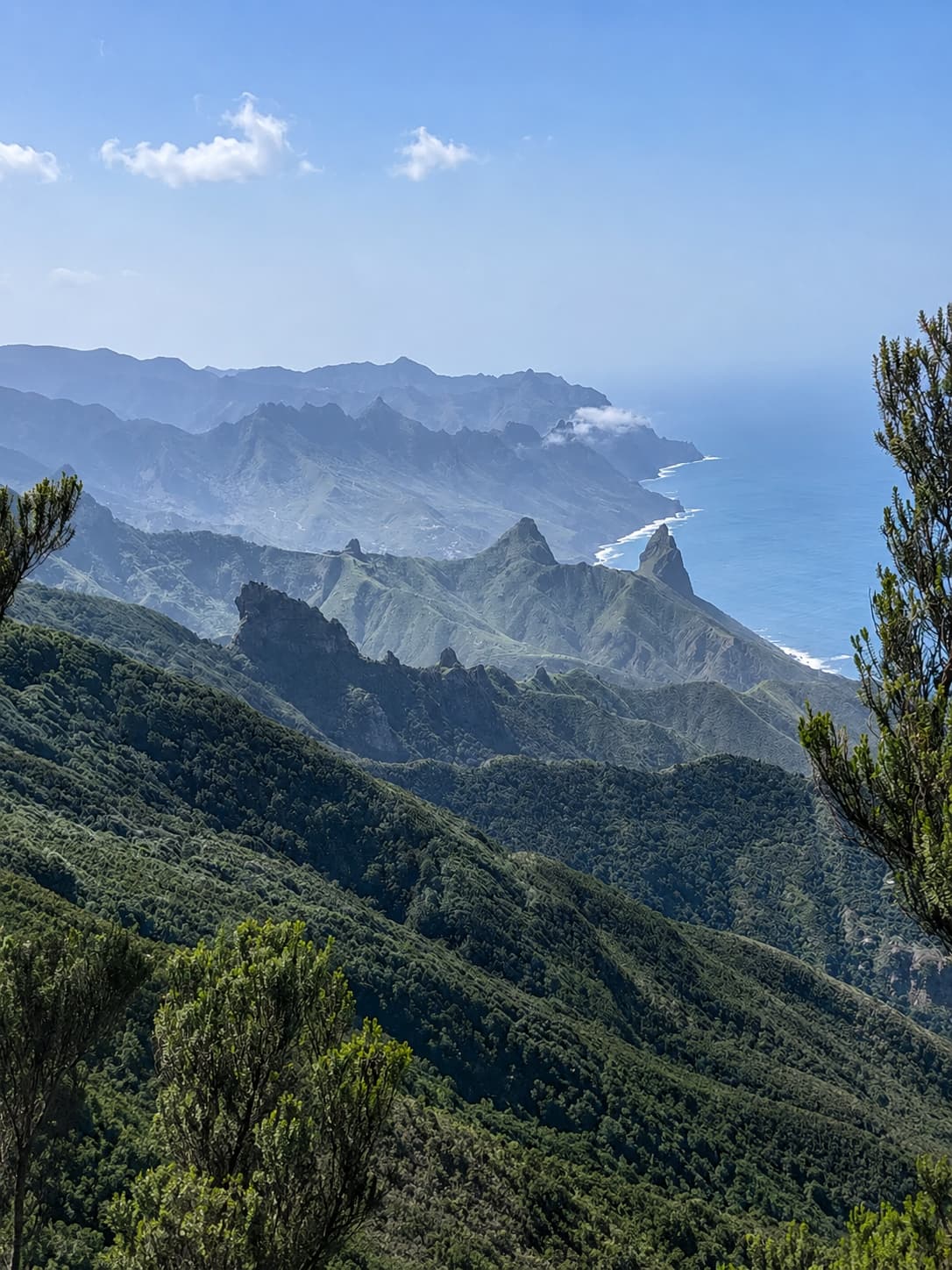
The Canary Islands operate on a different logic entirely. Gran Canaria sits at 23°C in November; Tenerife ranges from 22 to 24°C. Rainfall is minimal — typically fewer than four days across the whole month, and the south of both islands often sees no rain at all. Sea temperatures hold around 22°C. Additionally, these islands don’t follow continental European weather patterns — specifically because they sit geographically closer to Morocco than to Madrid. Similarly, Madeira averages 20–22°C with lush vegetation and some Atlantic cloud, but rarely cold. If the question is simply “where in Europe is it warm in November,” the Atlantic islands are the consistent answer.
03 — Where to Go in Europe in November (Early): When Nothing’s Open Yet
Be honest with yourself about early November before booking, however. Most “best of November” posts paper over the awkward first fortnight. Nevertheless, it does suit a specific kind of trip — the question is whether you’re the right traveler for it.
Winter sun: Canary Islands, Madeira, and the Azores

The Canary Islands hit 23°C on average in Gran Canaria in November; Tenerife runs between 22 and 24°C. The sea temperature stays around 22°C. You can swim. The south of both islands — where the majority of resorts sit — stays reliably sunny even when the north sees cloud. Fuerteventura and Lanzarote are similarly warm and even drier. Furthermore, November prices run significantly below summer peak rates. The value case here is real: in essence, you’re getting the same weather as August at a fraction of the cost.
Madeira is a different trip: verdant, hiking-focused, less beach-oriented. The Levada trails stay walkable year-round, and the island’s dramatic cliffsides look their most intense in November when rainfall keeps the vegetation lush. Funchal operates as a year-round city rather than a resort — consequently, restaurants, markets, and local life function normally. For sun and outdoor activity without resort culture, Madeira is a compelling case. Full details in the Madeira travel guide.
The Azores, on the other hand, are wetter than either option — São Miguel sees genuine autumn rain — but also genuinely distinctive for the right traveler. Whale-watching continues, the volcanic scenery is dramatic under low cloud, and tourist numbers drop sharply in November. The Azores São Miguel guide covers timing in detail.
Cities where the weather doesn’t matter
Some cities are almost entirely indoor propositions — their value comes from museums, architecture, food, and centuries of layered history rather than outdoor walking or beach access. These suit November precisely because the crowds that make them exhausting in summer have disappeared.
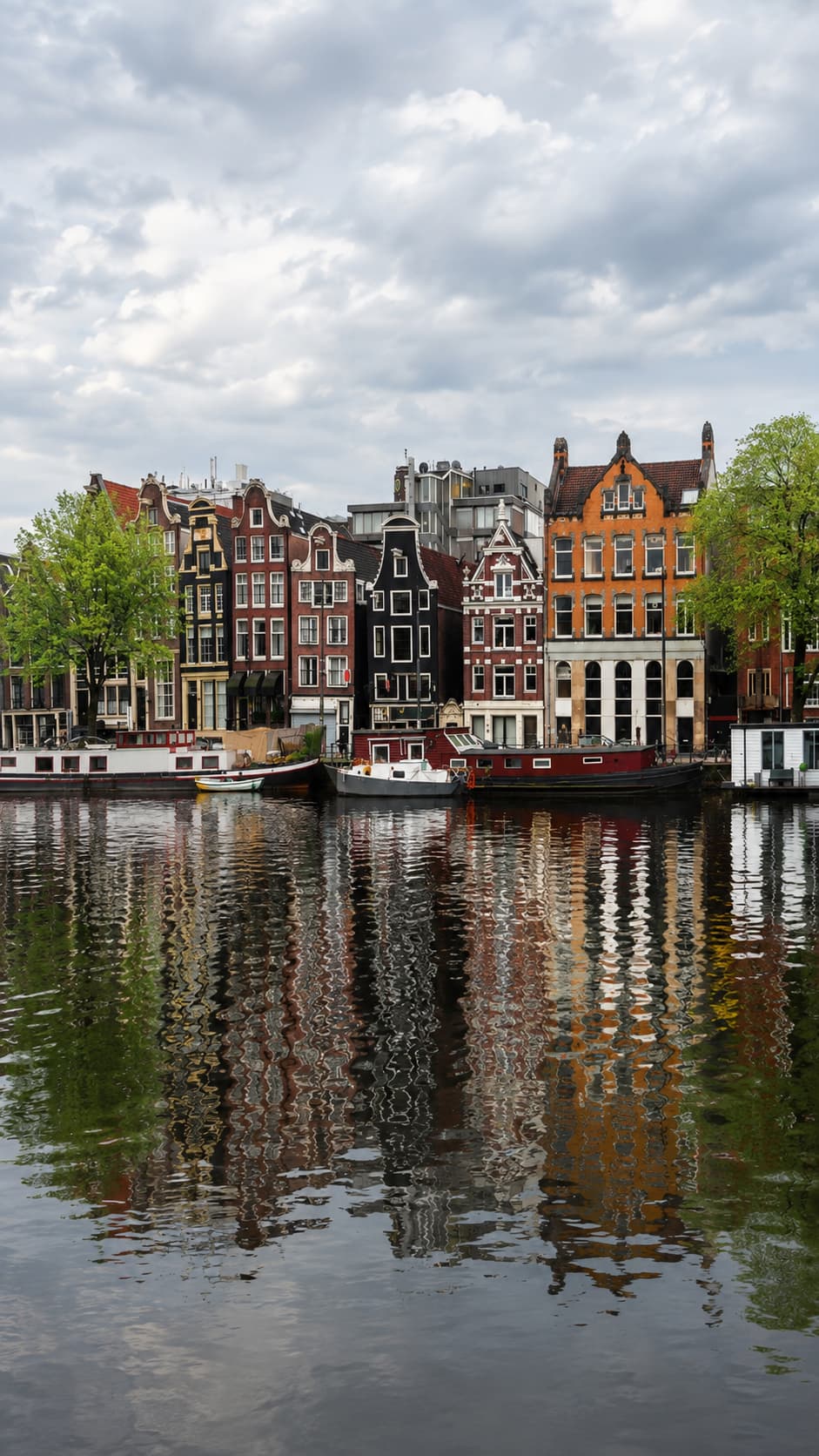
Amsterdam — Museums Without the Summer Queues
The Rijksmuseum, Van Gogh Museum, and Anne Frank House all operate year-round. November is genuinely the least crowded time to visit each of them. The canal light in early winter has a specific quality — low, amber, reflective — that makes the city feel different from how it looks in photographs taken in July. Cold and damp, yes, but walkable, atmospheric, and meaningfully cheaper than summer.
Paris — November Is the Quietest Month
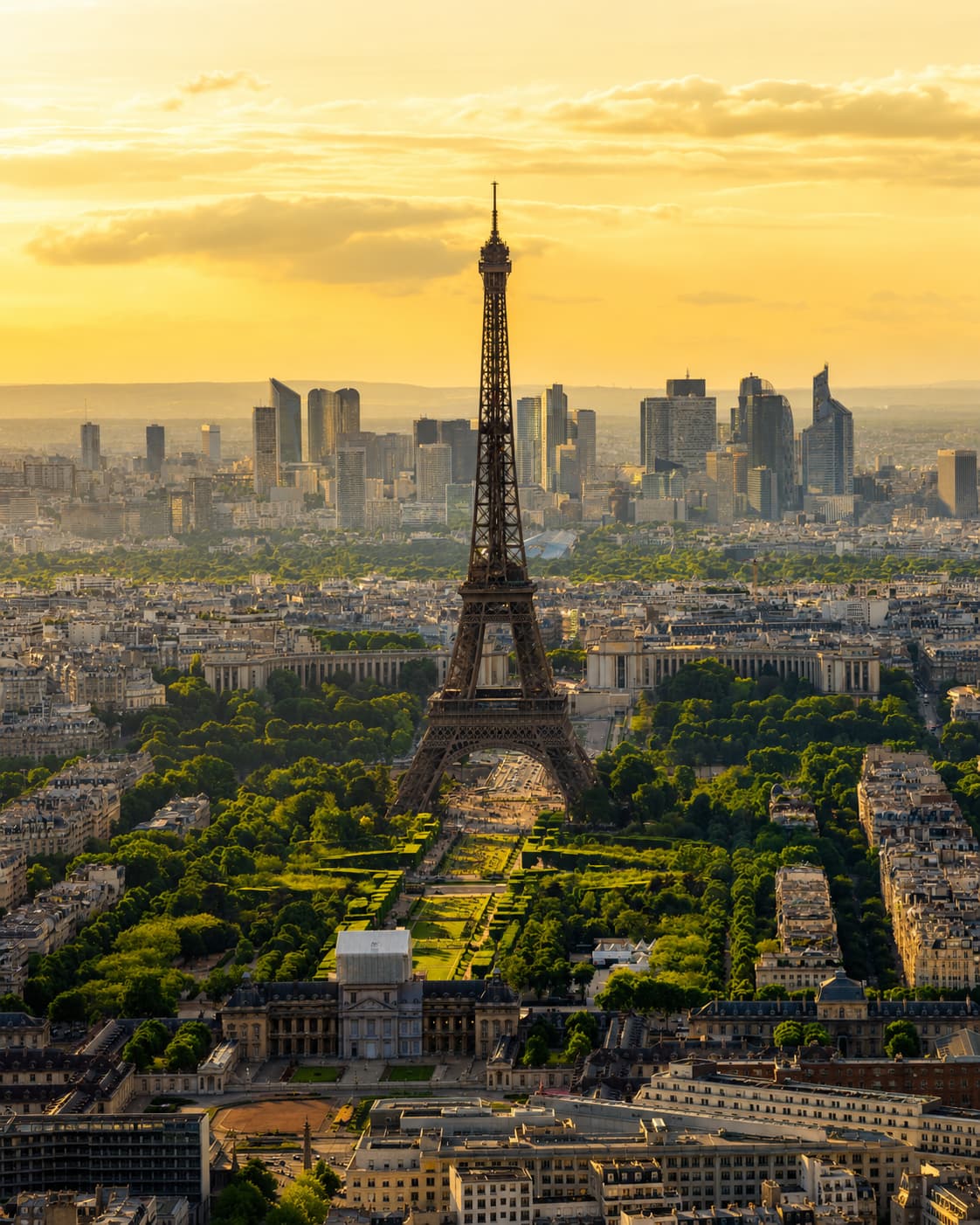
The Louvre and Musée d’Orsay become manageable in November. Montmartre feels local rather than tourist-managed. The Luxembourg Gardens hold colour through the first half of the month. Paris is expensive regardless of season, but rooms cost noticeably less in November than in almost any other month, and the city’s restaurants and culture are fully operational.
Athens — History Without the August Heat
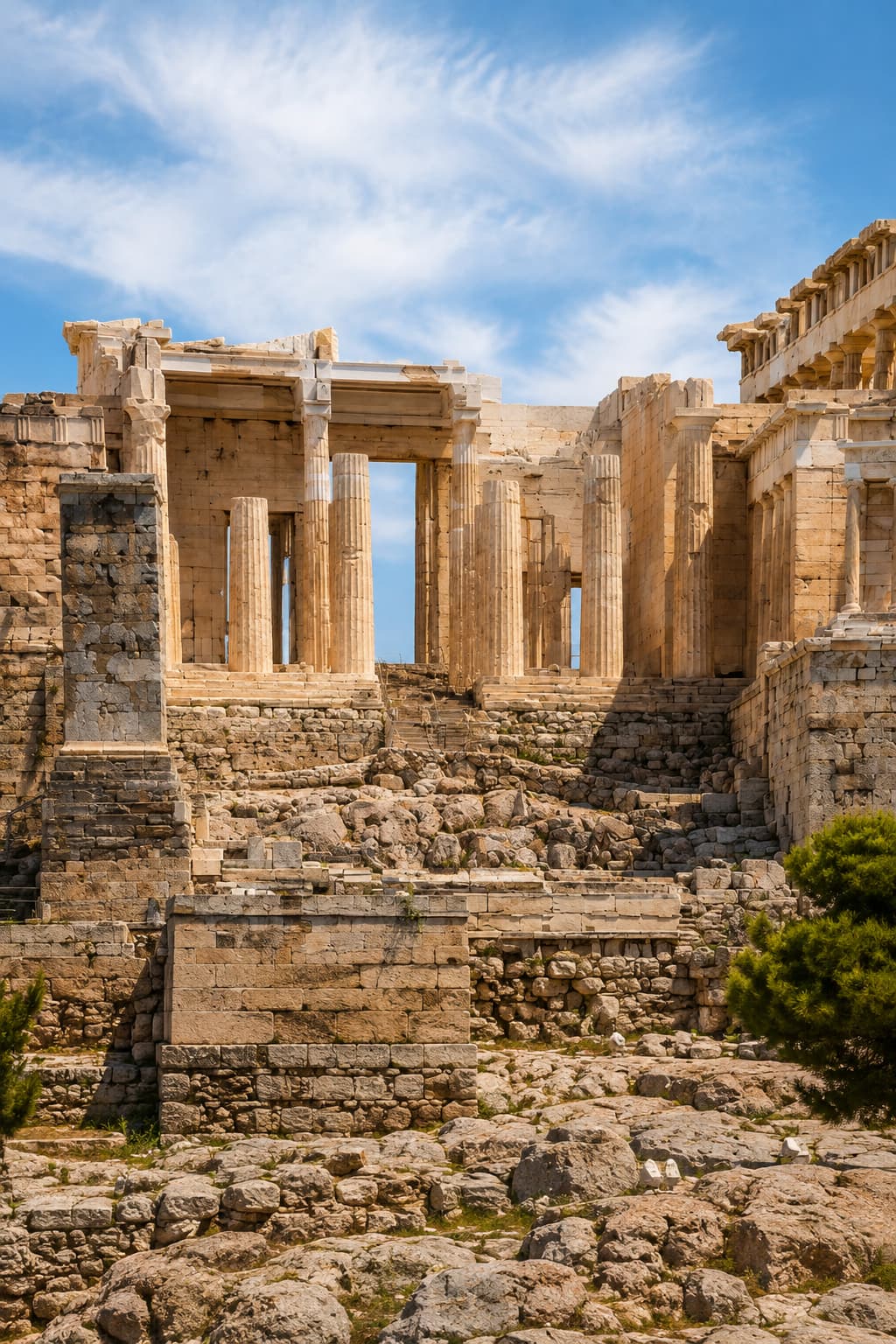
November is arguably the most comfortable month for walking the Acropolis and the Ancient Agora. Temperatures hover around 17°C, crowds are minimal, and the angled late-autumn light is excellent for photography. Rain increases compared to summer, but Athens still averages six to seven hours of usable sun most days. Neighbourhood eating and exploration are easier without the August crush around the tourist sites.
Aurora latitudes
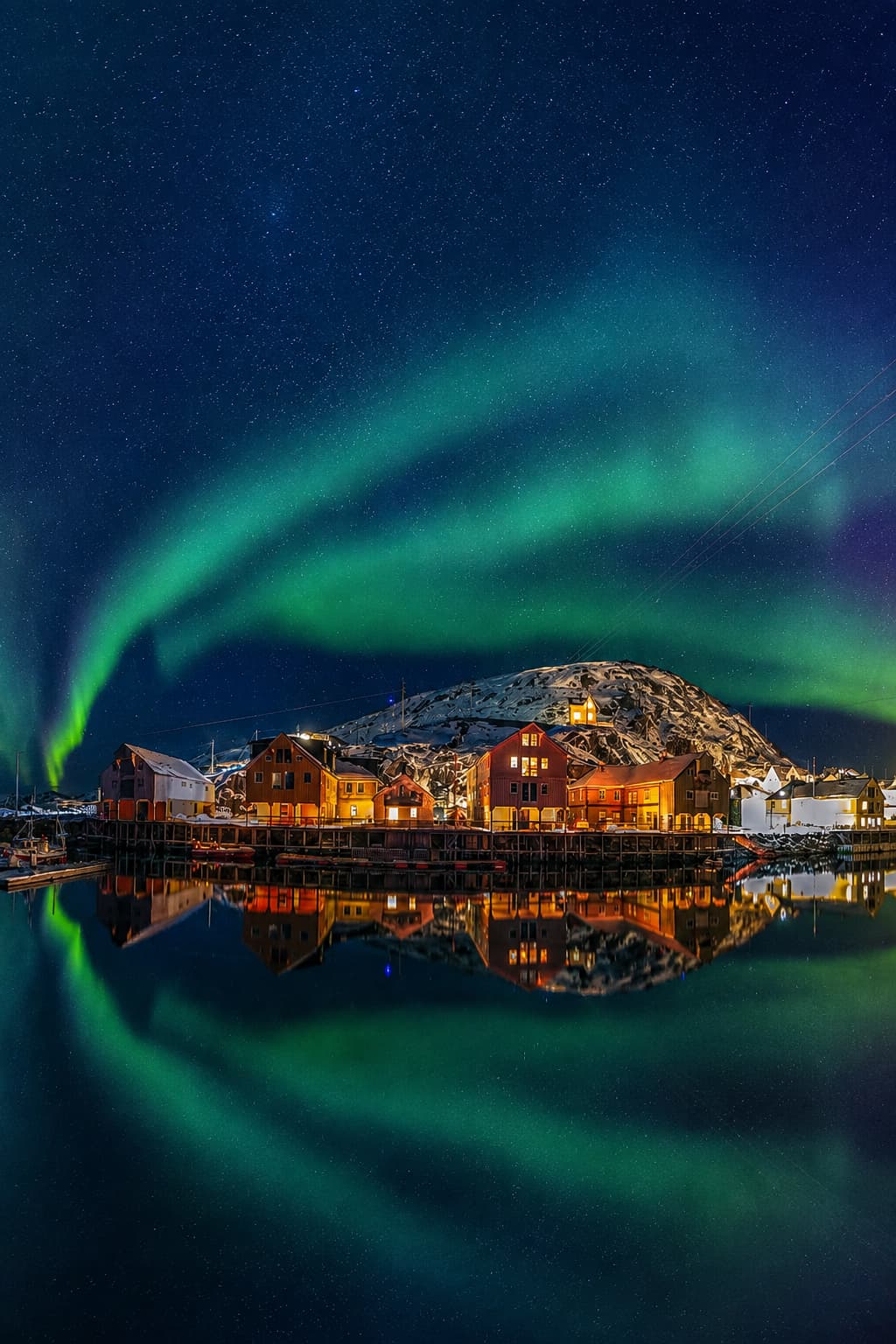
Iceland and northern Norway both enter viable northern lights season in November as darkness extends past 12 hours per day. Solar Cycle 25 remains elevated into 2026, which increases the probability of strong aurora displays — this is one of the better years for it. That said, aurora viewing anywhere depends on cloud cover and solar activity on any given night, and November in Iceland means a fair amount of cloud. The Lapland guide covers Finnish aurora in detail — if that’s the specific goal, northern Finland is worth comparing to Iceland and Tromsø for cloud patterns. The Icelandic Met Office aurora forecast is the most reliable real-time tool for Iceland viewing conditions.
04 — Late November: The Christmas Market Window
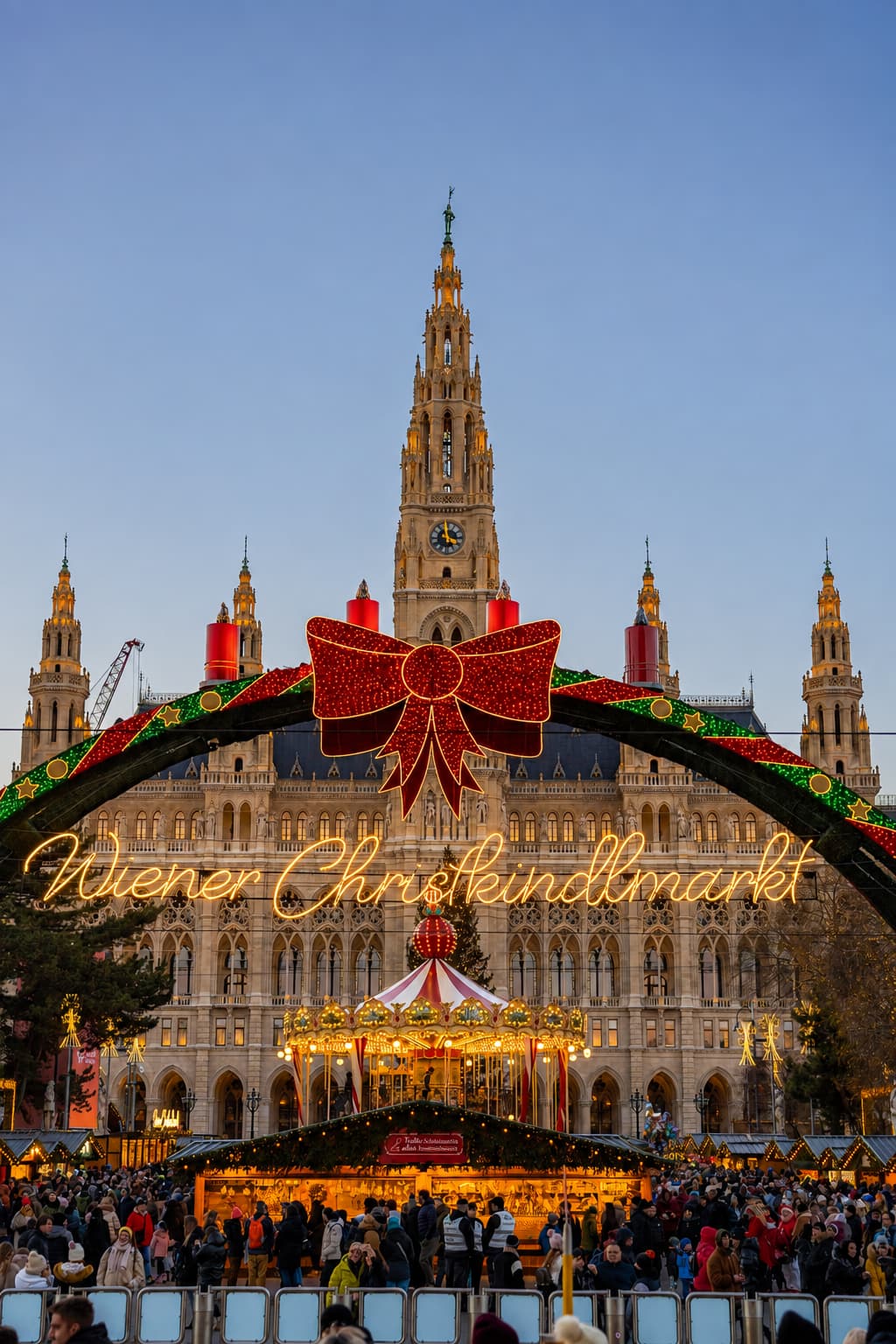
This is where November’s reputation as a bad travel month finally falls apart. Late November — roughly the 20th to the 30th — is the value window for Christmas market travel that almost no guide makes clearly enough.
When do the Christmas markets open?
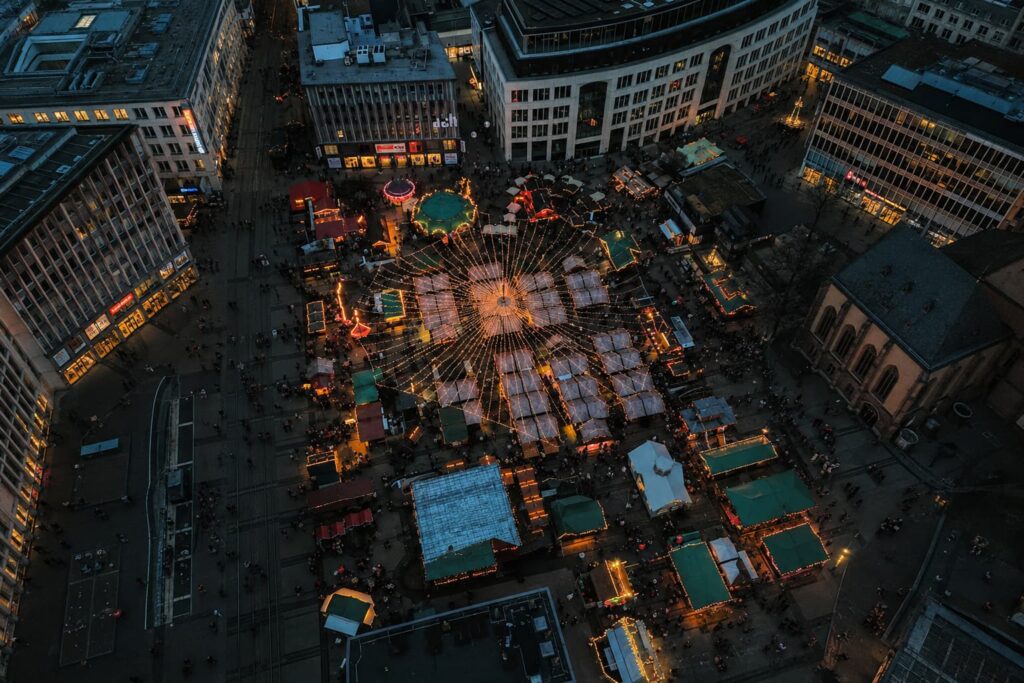
Most European Christmas markets open between 20 and 28 November 2026, with Advent beginning on Sunday 29 November. A handful, however, open earlier: Vienna’s Rathausplatz market opens around 13–14 November 2026, and several Cologne markets open in the same week. Copenhagen’s Tivoli Gardens market begins as early as 14 November. Prague’s Old Town Square market opens 28 November.
That said, the standard opening trigger for most German and French markets is the fourth Friday of November — which in 2026 falls on 27 November. Strasbourg, Nuremberg, Frankfurt, and Dresden all open that week. Munich opens slightly earlier, around 20 November. In other words, the last week of November has the major markets fully running.
| Market | 2026 Opening (est.) | Closing | Notes |
|---|---|---|---|
| Vienna (Rathausplatz) | ~13–14 November | 26 December | Earliest major market opener |
| Copenhagen (Tivoli) | ~14–15 November | 31 December | Entry fee; runs into New Year |
| Cologne | ~23 November | 23 December | Multiple markets across the city |
| Munich | ~20 November | 24 December | Closes Christmas Eve |
| Strasbourg | 27 November | 27 December | Fourth Friday of November, since 1570 |
| Nuremberg | 27 November | 24 December | Germany’s most famous market |
| Prague | 28 November | 6 January 2027 | Runs well past Christmas |
| Budapest | ~21 November | 1 January 2027 | Vörösmarty Square — stays open New Year |
Note: dates are confirmed estimates based on 2026 Advent calendar and recent patterns. Verify against each city’s official tourism website before booking — Vienna’s official market dates are the most reliably updated, and Munich in particular has appeared as three different dates across three separate guides, so treat any single source with caution.
Is late November too early for Christmas markets?
No — and this is the argument that most guides get wrong by omission. By the final week of November, Vienna, Copenhagen, Cologne, and Munich are all open. Strasbourg and Nuremberg open on 27 November. Prague and Budapest are up and running. The stalls are fully stocked, the mulled wine is flowing, and the atmosphere is complete. What late November doesn’t have yet is the saturation crowd of mid-December. That’s the point.
Why late November beats December for Christmas markets
Hotel prices for Christmas market cities — Vienna, Strasbourg, Prague, Cologne — run 20–40% above early-season rates by the peak period around the second and third weekends of December. By contrast, the last week of November sees markets fully operational with pricing closer to shoulder season. Moreover, the crowds that make Nuremberg’s Hauptmarkt feel more like a rush-hour tube station than a Christmas market don’t arrive until mid-December.
One source almost makes this argument: go in the last week of November or the first three weeks of December. The honest reading is that late November beats the first three weeks of December on the same criteria — the markets are equally open, and the prices are lower. The sweet spot, taken together, is 27 November to 10 December — and late November is the underpriced half of it.
Which Christmas market cities work best for first-timers?
Vienna — The Imperial Setting
The Rathausplatz market’s backdrop — the neo-Gothic city hall illuminated against a winter sky — is hard to match aesthetically. Vienna also opens earlier than almost any other major market, making it the logical first-mover destination for a late-November trip. Multiple markets across the city give the trip substance beyond a single stall circuit. The city functions completely normally in winter: opera, coffee houses, museums, and restaurants are all fully operational.
Strasbourg — The Original
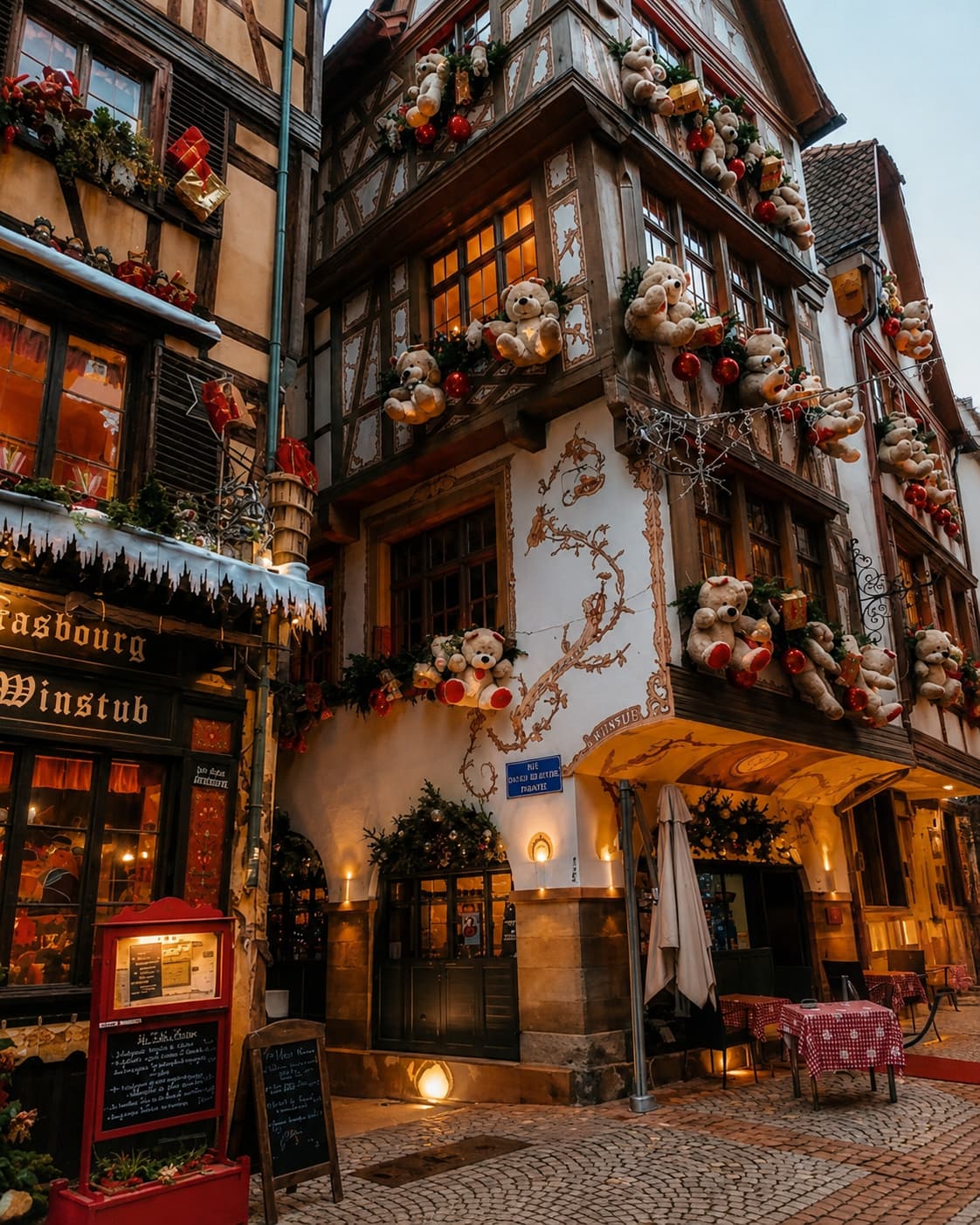
Strasbourg’s Christkindelsmärik has run since 1570, which gives it a historical weight the newer markets can’t manufacture. The half-timbered buildings of the Alsatian old town, decorated in December colours, provide a setting that looks designed for the purpose. Day trips to nearby Colmar add substance. On the downside, Strasbourg is small, and the market fills it quickly — late November gives you the atmosphere without the overflow.
Prague — After Christmas Is Yours
Prague’s market on the Old Town Square runs from 28 November through 6 January 2027 — making it one of the few that continues past Christmas Eve, when most German markets close. This makes Prague an excellent option for anyone traveling in the post-Christmas week, when most other European markets have already packed up. Additionally, Prague remains genuinely good value compared to Vienna or Cologne, particularly for accommodation.
05 — What It Costs
November is the cheapest month in Europe by most measures. Flights are at their annual low. Hotels follow. The exception is the Christmas market cities in late November, where demand begins to lift prices — but even so, late November runs significantly below the December peak.
The cities where November pricing holds or even edges upward are those with a specific November draw: the Christmas market destinations (Vienna, Cologne, Prague, Strasbourg) in the last week of the month, and the Canary Islands, which see more British and German winter-sun visitors and price accordingly — though still below summer. Everywhere else in Europe, November 1–20 is likely the cheapest week of the year.
For budget-conscious travelers, the combination of low prices and functional cities is actually a case for early November in major European capitals — Paris, Amsterdam, Athens, Lisbon — where the infrastructure is intact and the main cost drivers (crowds, peak-season surcharges) have disappeared. The trade-off is shorter days and less café culture. That exchange works for some trips and not for others.
06 — What’s Closed (And Where It Matters)
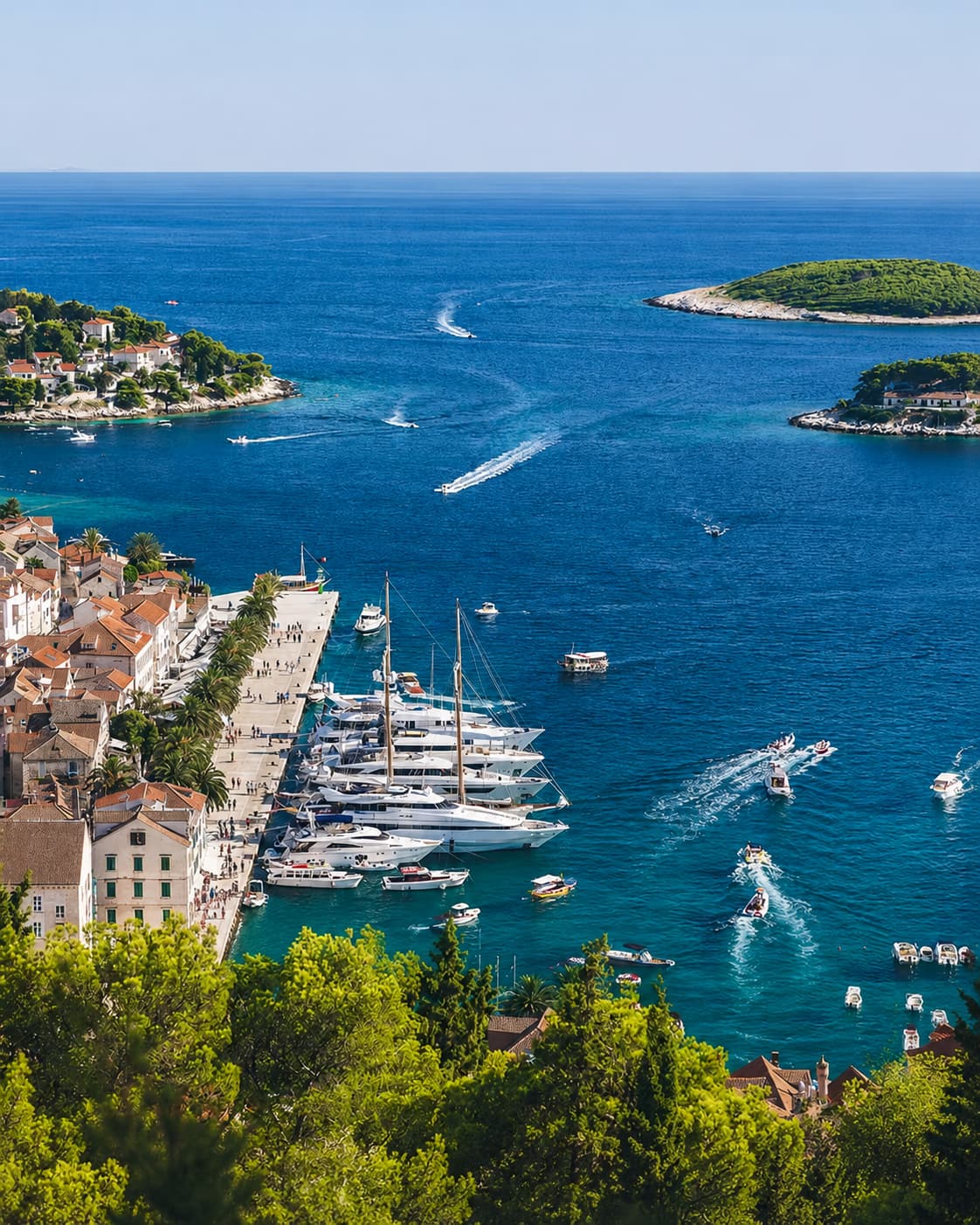
The honest picture of early November in the Mediterranean requires acknowledging the closures. Smaller coastal towns — particularly on the Greek islands, the Croatian coast, and parts of southern Italy and the Algarve — operate on a seasonal calendar that ends in October. Restaurants close or reduce to limited hours; accommodation options narrow; ferry schedules between islands become infrequent or stop entirely. A village that feels lively in June can feel like a film set in November: technically present, but with nothing operating.
Specifically worth noting
Greek island ferries run on reduced winter timetables from early November — some smaller island connections become once-daily or less. Furthermore, much of the Algarve coast in southern Portugal, the resort areas of Sicily, and the Amalfi coast infrastructure cut back significantly. The Amalfi road itself is less congested, which some visitors prefer — but the restaurants and boat tours that make the area interesting in summer have largely wound down. If Crete specifically is on your list, Crete in October covers exactly when the season closes and what stays open.
In contrast, capital cities and major urban centres are largely unaffected. Rome, Barcelona, Athens, Lisbon, Vienna, Prague — all function normally in November. Museums keep regular hours. Restaurants are open. The issue is specific to resort infrastructure, not to European cities generally.
Additionally, daylight hours matter for planning. In Reykjavik in November, the sun rises around 9am and sets by 5pm. London gets daylight from roughly 7:30am to 4pm. Farther south, Rome has about 9am to 5:15pm. Plan accordingly — outdoor activities need to be morning-weighted.
Warm November Trips and Christmas Market Planning
Christmas Markets in November and After Christmas
November in Europe isn’t underrated in general — it’s underrated in the second half specifically.
Know which fortnight you’re booking, and it stops being a question of whether to go, and starts being a question of where.