
Best Places to Visit in Morocco: An Honest Shortlist
Most lists of the best places to visit in Morocco rank 15 destinations equally and commit to nothing. This one uses a tiered shortlist — Go, Go-If, Skip-Unless — so you know what actually matters on a first trip, and what you can save for the second one.
Why This Morocco Shortlist Is Honest
The best places to visit in Morocco are not all equal — and every Morocco list that treats them as if they were makes for a worse trip, not a better one. Marrakech, Fes, Casablanca, Chefchaouen, Essaouira, the Sahara, Meknes, Tangier, Aït Ben Haddou, Rabat — all listed with equal enthusiasm, none of it helping you decide what to actually do when you have ten days and one shot at getting it right.
This post works differently. Rather than another ranked list of 18 best places in Morocco, it is a tiered shortlist in three categories: Go (the experiences that belong on almost every first trip), Go-If (destinations worth including when the itinerary and timing allow), and Skip-Unless (real cities with real things to offer, but not the right call on a first visit). Every entry states its trade-off plainly. This post covers the core question: which places are worth including at all.
01 — How Many Days Do You Need to See Morocco?
The short answer: seven days is the minimum for a coherent first trip, and ten days is closer to the right amount for doing it properly. Morocco’s geography actively works against the pack-everything-in approach — Marrakech to Fes overland takes a full day, the Sahara adds two travel days in either direction, and rushing between all of it produces a trip that is mostly transit and very little place.
A realistic seven-day trip covers Marrakech, one Atlas day trip, and Fes, leaving the Sahara for a longer itinerary. A ten-day trip adds the Sahara via Merzouga and has enough buffer to breathe properly in each location. Adding Chefchaouen requires another two to three days — the north sits in a different direction from the south’s classic circuit and does not loop naturally back into it. The common itinerary mistake is trying to combine Marrakech, the Sahara, Fes, and Chefchaouen in seven days. Something always ends up feeling rushed, and it is usually all of it.
| 7 days | Marrakech + Atlas day trip + Fes. Satisfying. No Sahara. |
| 10 days | Adds the full southern desert loop — Aït Ben Haddou, Dades, Merzouga, Fes. |
| 12–13 days | Adds Chefchaouen as a proper extension from Fes, not a rushed detour. |
| Under 7 days | One city well, or two cities lightly. Not the full circuit. |
02 — The Go Tier: What Should You Not Miss in Morocco?
These four experiences belong on almost every first Morocco trip, regardless of travel style, budget, or how long you have. They also carry the most tourist infrastructure, the most competition for your attention, and the highest potential for disappointment if you go in without knowing what to expect. None of that is a reason to avoid them — but all of it is a reason to go in with clear eyes.
Marrakech and Fes: The Essential Cities
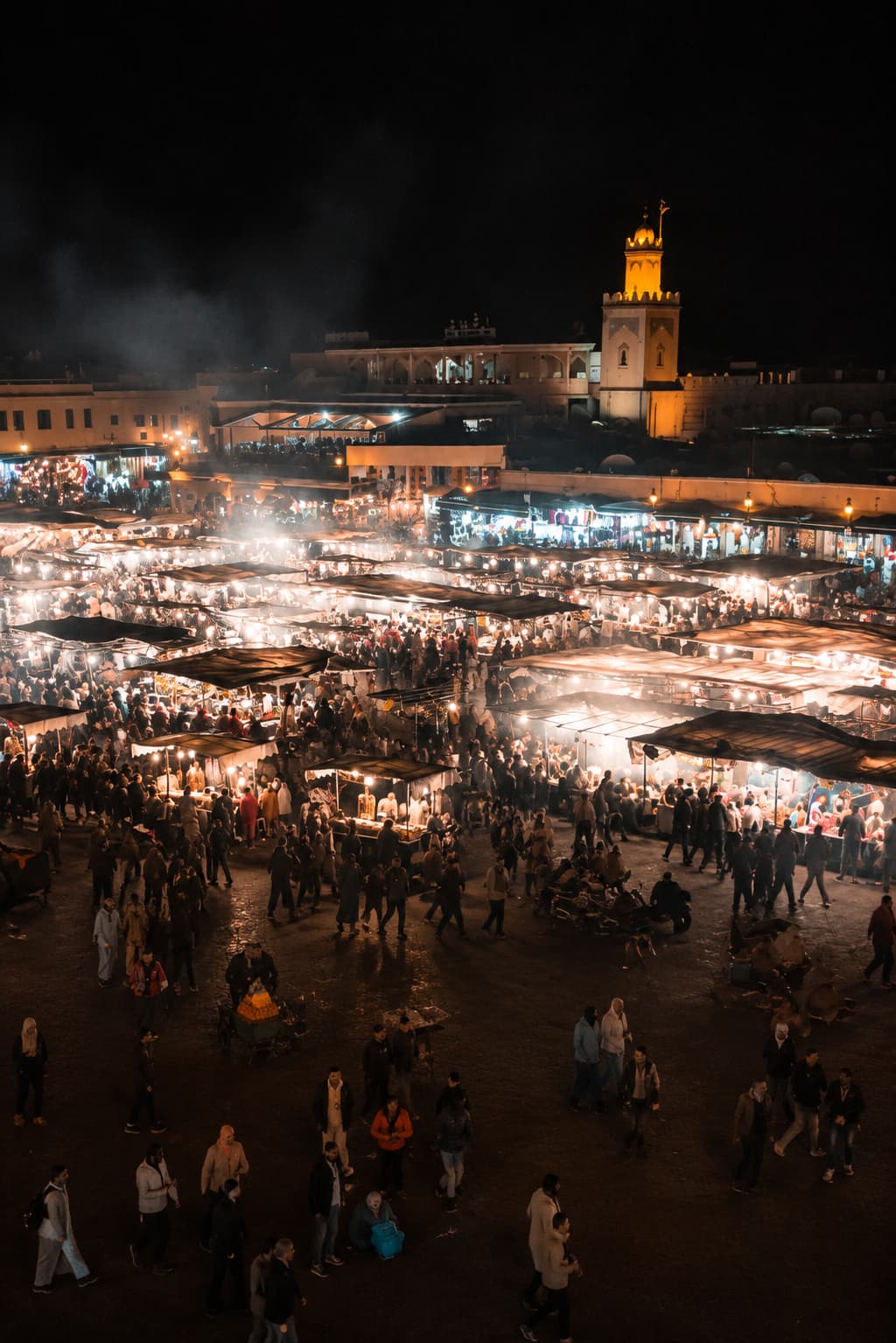
Marrakech is where most Morocco trips begin, and for practical reasons it earns that position. The airport is large and well-connected, the riads are some of the most atmospheric accommodation in North Africa, and the Djemaa el-Fna square — chaotic, theatrical, performing constantly until well past midnight — is a genuine spectacle that photographs badly and experiences well. The souks radiating from it are real working markets rather than tourist recreations, even if the pressure on visitors has increased significantly with the growth of mass tourism.
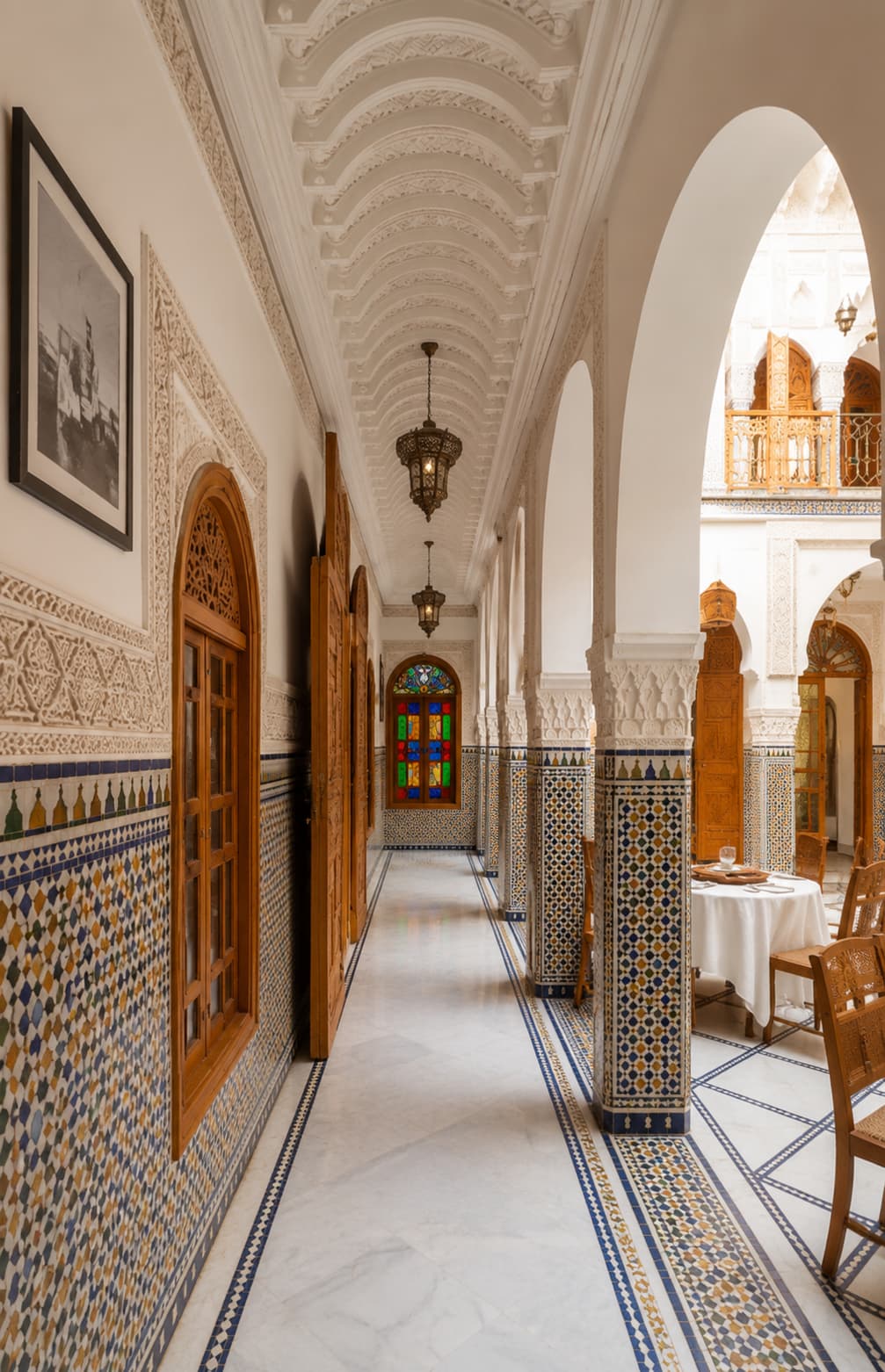
The honest trade-off: Marrakech is also the Moroccan city that solo travelers — particularly solo women — consistently describe as the most relentless. The medina can feel like a constant negotiation in a way that Fes, with its more labyrinthine layout and longstanding academic culture, often does not. That said, Marrakech remains worth three days. The Saadian Tombs are extraordinary early in the morning. The Ben Youssef Medersa — a fourteenth-century Islamic college with carved stucco and zellige covering every surface — takes about an hour to do properly. Two to three days is right. Less than that and you are sprinting; more and the repetition starts to wear.
Fes: The City That Rewards More Time
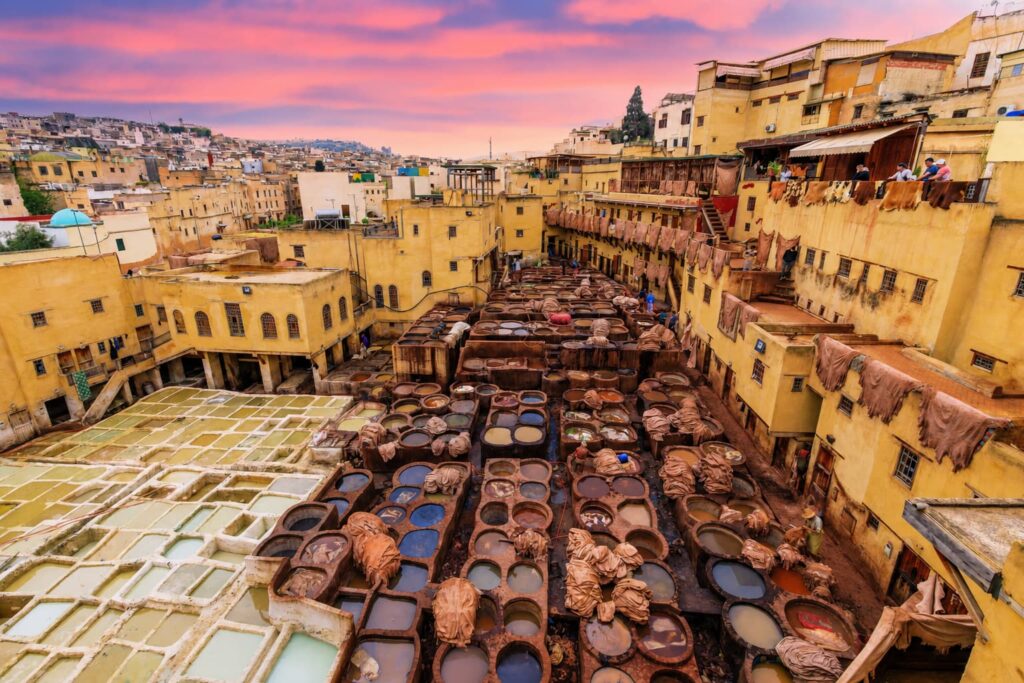
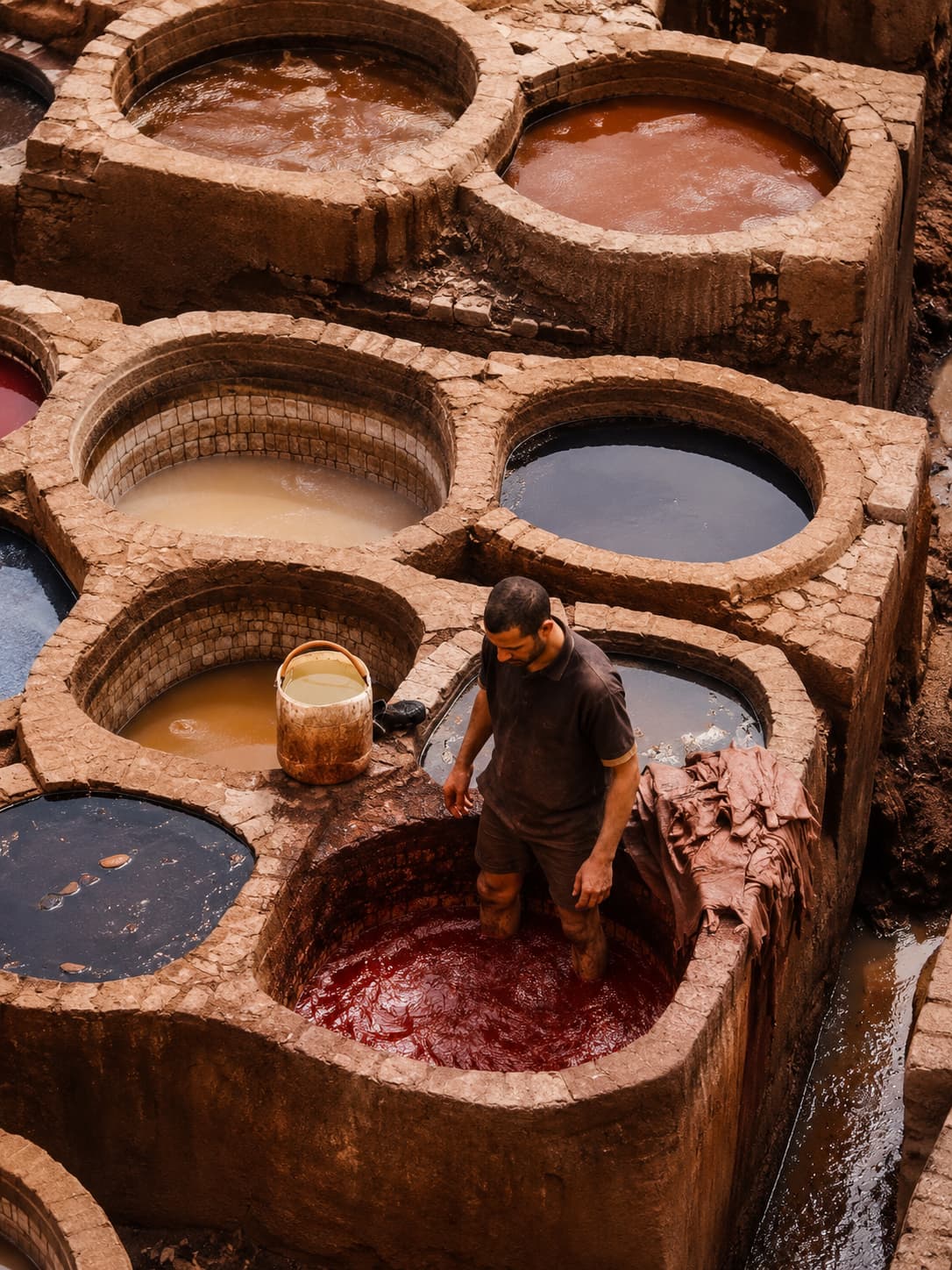
Fes el-Bali is a labyrinth of more than 9,000 alleyways and home to the University of al-Qarawiyyin, founded in 859 AD and considered the world’s oldest continuously operating university. That context matters when you are walking through it: this is not a preserved heritage site that the city has grown around — it is a living city where the medieval urban fabric has simply never been replaced because there was no reason to replace it. Donkeys still carry goods through streets too narrow for cars. Tanneries still operate using processes that are centuries old.
Fes rewards longer stays and slower movement more than almost any other city in Morocco. Two days is the minimum to get past the surface; three is better; four starts to reveal the quieter quarters most visitors never find. A local guide for the first morning in the medina is genuinely worth the cost — not because you will get lost without one, though you will, but because the historical context they provide makes the visual density meaningful rather than simply overwhelming. The Merenid Tombs on the hill above the city offer one of the most arresting views in Morocco — the medina laid out below at sunset, at scale, all at once.
The Sahara Desert Near Merzouga
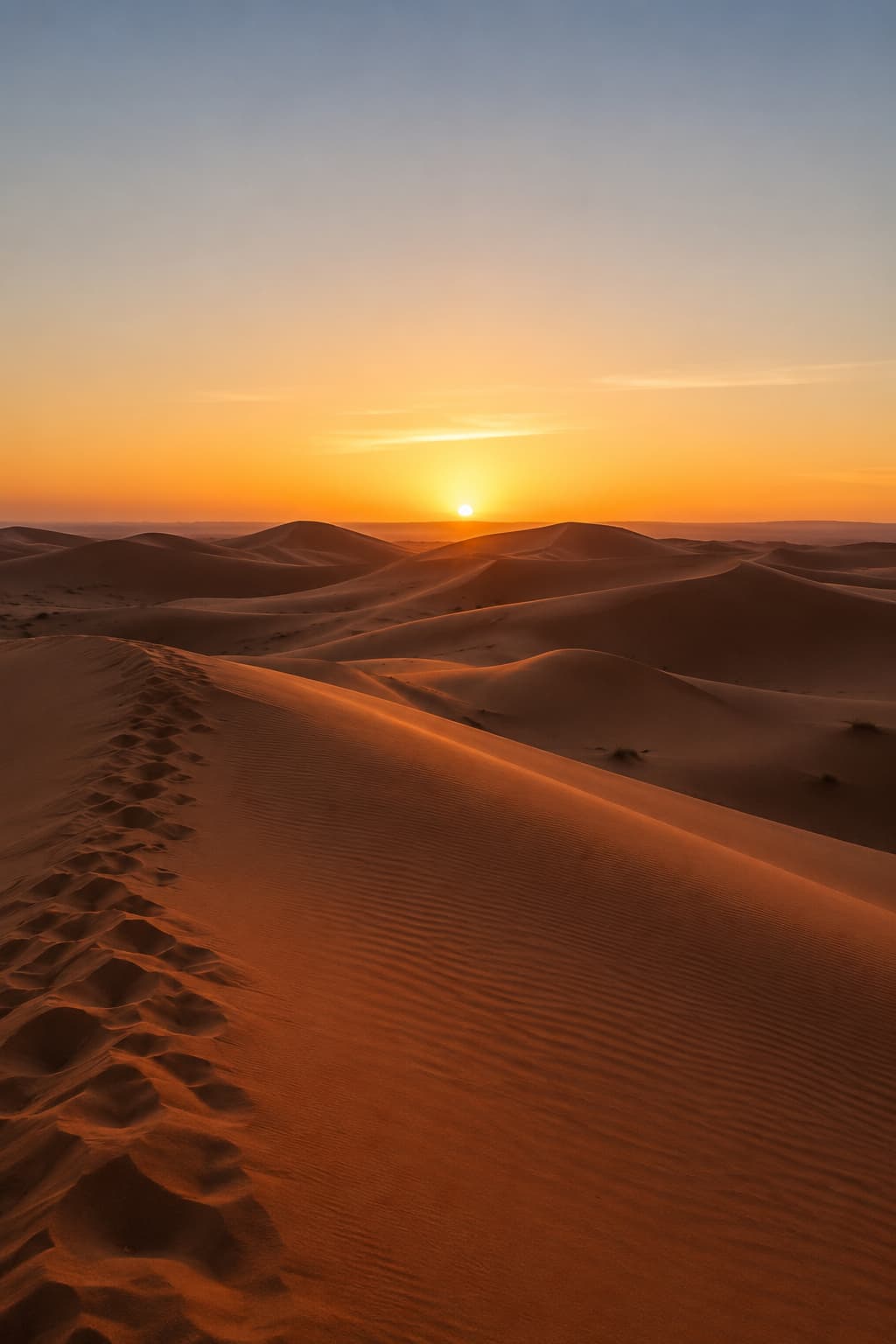
The Sahara is the experience that most first-time Morocco visitors describe as the highlight when they return home. The Erg Chebbi dunes near Merzouga are the main destination — accessible from Fes in a long day’s drive or from Marrakech by organised tour. Riding into the dunes at dusk, sleeping in a desert camp, and waking before sunrise to walk to the top of a dune alone is genuinely unlike anything else in North Africa or, for most visitors, anything they have done anywhere.
The trade-off is the camps themselves, and it is a real one. The “luxury desert camp” category has expanded enormously, and quality varies wildly. The most photographed camps are often the most crowded — a marketed private desert experience that involves several hundred other tourists watching the same sunset from the same ridge loses something between brochure and reality. Budget three days minimum from either gateway city — one day of travel to reach Merzouga, one full day and night in the desert, one day of travel back.
The Atlas Mountains and Aït Ben Haddou
The High Atlas provides the most natural day trip from Marrakech and, for those doing the southern circuit, the road between them. The Tizi n’Tichka mountain pass climbs to 2,260 metres before dropping toward the Draa Valley — it is one of the best drives in North Africa, particularly in spring when the High Atlas still holds snow on the upper ridges. The village of Imlil, at the base of Mount Toubkal (North Africa’s highest peak at 4,167 metres), makes a compelling half-day even without trekking.
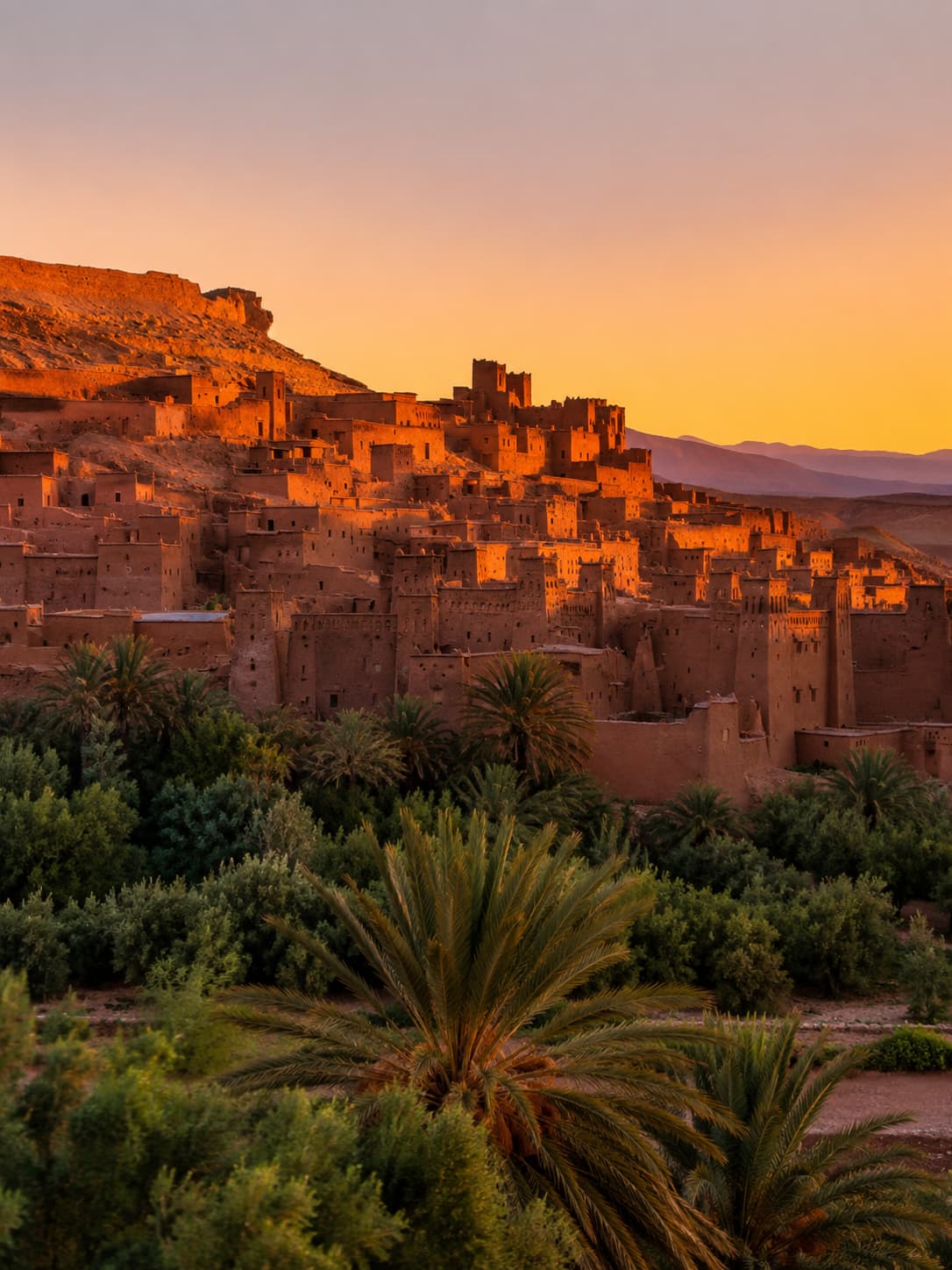
Aït Ben Haddou sits on that same southern route and deserves more than a cursory stop. The UNESCO-listed ksar — a fortified mud-brick village — has appeared in more than 20 film and television productions, but earns its visit regardless. The lower section gets crowded with tour groups; climbing to the top of the fortification takes twenty minutes and leaves most people behind. Two hours is enough for the ksar itself; half a day if you want to walk the surrounding landscape.
03 — The Go-If Tier: Morocco Places Worth Adding If Time Allows
The places in this tier are not lesser destinations — in some cases they are genuinely more beautiful or more distinctive than Go Tier entries. For many travelers deciding which places to visit in Morocco, these are the ones that make or break an itinerary. They sit here because they suit specific itinerary shapes or travel styles, and including them without understanding what they require in return is how trips end up feeling rushed or vaguely incomplete.
Chefchaouen: Worth Adding With Extra Time
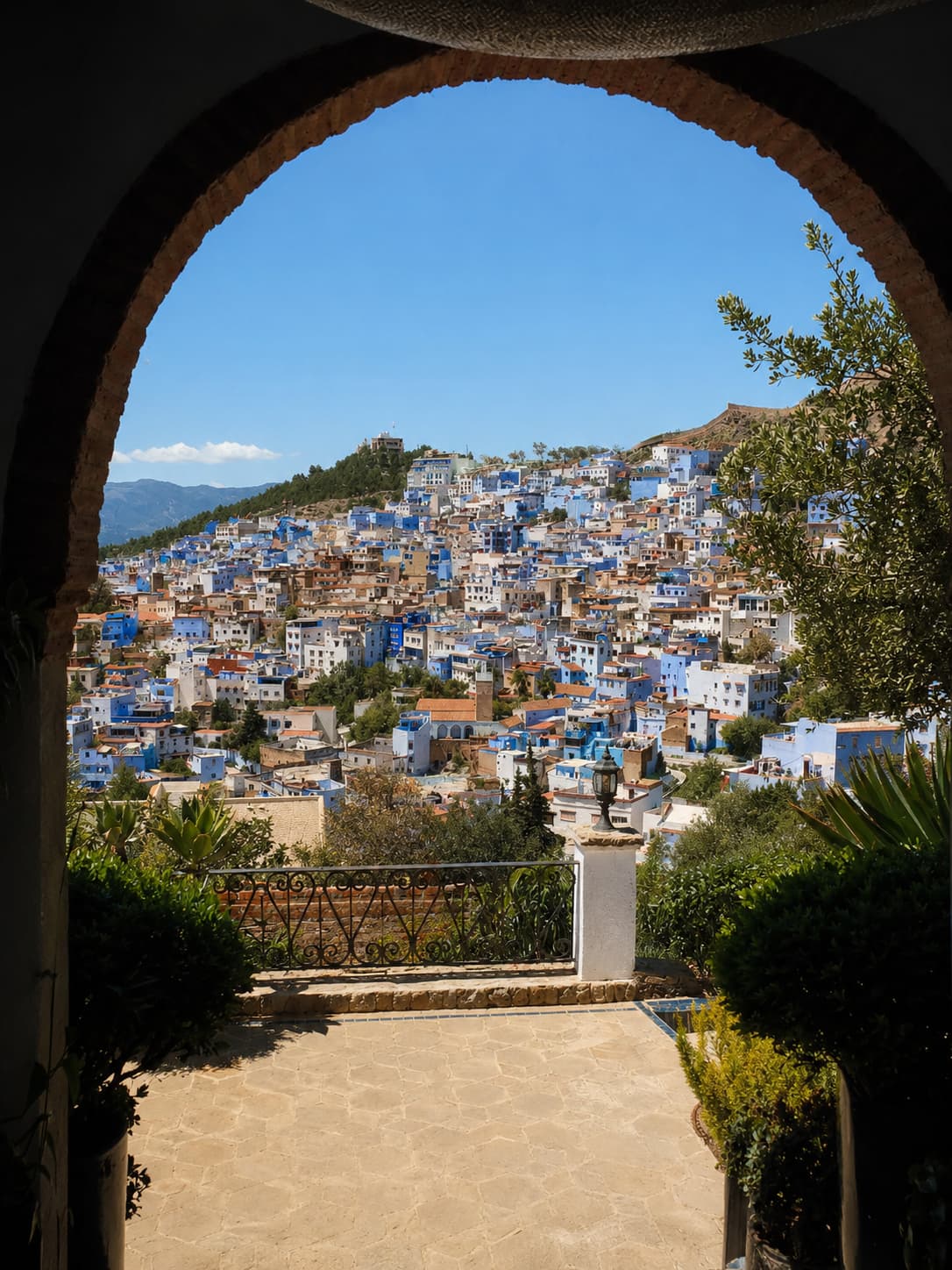
Chefchaouen is the blue city of the Rif Mountains and one of the most photographed places in Morocco. The blue-washed medina is real, genuinely beautiful, and worth seeing — particularly in the very early morning before the day-tripper buses arrive from Tangier and the narrow staircases fill with people waiting for the same shot. The setting is extraordinary: the Rif Mountains behind the city, the Oued Laou valley below it, and the quality of the light in the late afternoon give Chefchaouen a visual atmosphere that the photographs consistently undersell.
However, the city sits in the north of Morocco, and the north does not loop naturally with the southern circuit that most first trips follow. Including Chefchaouen requires either an overnight journey from Fes — which works well — or treating the north as a separate itinerary anchored in Tangier. The city is small enough that one to two nights covers it thoroughly. If your itinerary allows for Fes plus two extra days, Chefchaouen is one of the best uses of them. If you are choosing between it and the Sahara, take the Sahara.
Essaouira: The Slower Coastal Reset
Essaouira occupies a specific position in the Morocco landscape: it is, consistently, the city that travelers who found Marrakech overwhelming say they loved most. The Atlantic coastal town is Portuguese-fortified, windswept almost all year, and notably calmer in its street-level energy than the inland imperial cities. The medina is compact and mostly hassle-free by Moroccan standards. The seafront ramparts catch the afternoon light beautifully, and the fish grills on the port side of the square are worth eating at.
The honest trade-offs: the wind, which is constant and can be aggressive in winter. The range of things to do is genuinely limited — two days covers the city well and a third starts to feel repetitive unless you are specifically there to surf or to sit and do nothing. Essaouira works best as a reset after Marrakech rather than as a primary destination. It is reachable in about three hours by bus from Marrakech, making it a natural two-day extension rather than a separate trip leg.
04 — The Skip-Unless Tier: Morocco Cities to Save for Next Time
The Skip-Unless designation is not a verdict on the quality of these cities — it is a verdict on their value relative to what Morocco’s core circuit already contains. When you are choosing the best places to visit in Morocco on a first trip with limited time, these represent opportunity cost against destinations that offer more per day spent in them. On a second or third visit, several become genuinely compelling.
Casablanca, Rabat, Meknes and Tangier
The Hassan II Mosque is the largest mosque in Morocco and one of the most architecturally significant religious buildings in Africa — and the only major mosque in the country that non-Muslim visitors can enter. The scale is genuinely staggering: the minaret reaches 210 metres, the prayer hall holds 25,000 people, and the ocean setting gives the complex an atmosphere that is unlike anything else in the country. On that basis alone, Casablanca is worth one to two hours.
Beyond the mosque, the city is primarily a commercial and financial capital rather than a travel destination. The old medina is small and significantly less compelling than Marrakech or Fes. Most Morocco itineraries route through Casablanca’s airport without stopping in the city itself, and that is not a meaningful sacrifice. If you fly into CMN with a half-day layover, see the mosque. Otherwise, the trade-off against an extra day in Fes or the Sahara is straightforward.
Rabat, Meknes and Tangier: Better for a Second Morocco Trip
All three are real cities with genuine things to offer, and all three belong on a longer or more specific Morocco itinerary. Rabat has a quieter, more French-influenced character — the Kasbah of the Udayas and the Hassan Tower are worth a morning. However, Rabat rarely becomes the thing a first-time visitor remembers most about Morocco, and routing there requires a significant detour from the Marrakech–Fes axis most trips follow.
Meknes reads in honest terms as a somewhat less polished version of Fes — it has a substantial medina, the monumental Bab Mansour gate, and the nearby Roman ruins of Volubilis, which are genuinely impressive. However, most first trips that include both find that Fes does everything Meknes does, and more. Tangier has transformed significantly over the past fifteen years, and the medina and the Café Hafa are worth half a day if you are already doing the north. For a second Morocco trip focused specifically on the north, all three cities become far more compelling.
05 — Marrakech or Fes: Which Morocco City Wins on a First Trip?
This is one of the most-searched questions about the best places to visit in Morocco, and it deserves a direct answer rather than an equivocating “it depends.” So: Fes is the more memorable city. Marrakech is the better starting point. If you have to choose one, the right choice depends primarily on what kind of traveler you are and how much sensory intensity you find energising versus exhausting.
What is the most beautiful part of Morocco?
This depends entirely on what “beautiful” means to the person asking. Architecturally, Fes is the answer — specifically the interior of the Bou Inania Medersa, where carved stucco and zellige tilework fill entire buildings. In landscape terms, the Erg Chebbi dunes at sunrise, the Tizi n’Tichka mountain pass, and the Draa Valley palmery between Ouarzazate and the desert are all serious candidates. If the question really means “most photogenic,” Chefchaouen’s blue quarter in early morning light wins, and for good reason. Morocco contains multiple distinct types of beauty that do not compete with each other — they are best experienced in sequence across a full trip rather than reduced to a single ranking.
Most itineraries do both Marrakech and Fes, and the overland route between them via the Atlas and Aït Ben Haddou is itself one of the best land journeys in North Africa. Both belong on any honest shortlist of the best places to visit in Morocco — the question is sequencing, not whether. A full comparison — costs, accommodation types, what the medina experience is actually like in each, and which one suits which travel personality — has its own dedicated post.
Morocco Planning Tips for a First Trip
- Book riads early — the best ones in both Marrakech and Fes fill weeks ahead in spring and autumn. Last-minute availability usually means compromised location or quality.
- Hire a guide for the first morning in Fes — not because you will get hopelessly lost (you will), but because the medina’s 1,200-year history makes more sense with someone who can read the city alongside you.
- Avoid the summer interior — Marrakech and Fes regularly exceed 40°C from June through August. Coastal Essaouira is viable; the desert circuit is not comfortable.
- Open-jaw flights save a day — flying into Marrakech (RAK) and out of Fes (FES) or Casablanca (CMN) avoids a full backtrack day and often costs no more than a return ticket.
- The Atlas day trip runs long — Aït Ben Haddou from Marrakech and back is 10–11 hours door to door. Start early or stay overnight in Ouarzazate to avoid finishing in the dark.
- Check entry requirements before you go — most nationalities do not need a visa for Morocco stays under 90 days, but confirm via the UK Foreign Travel Advice or your country’s equivalent, as conditions do change.
- The Chouara Tannery in Fes is listed as a UNESCO World Heritage Site component alongside the full medina — the scale of what has survived intact is remarkable on paper before you even see it.
Morocco Itinerary, Cost and Timing Questions
Morocco Budget and Best Time to Visit
What to Prioritise and What to Save for Later
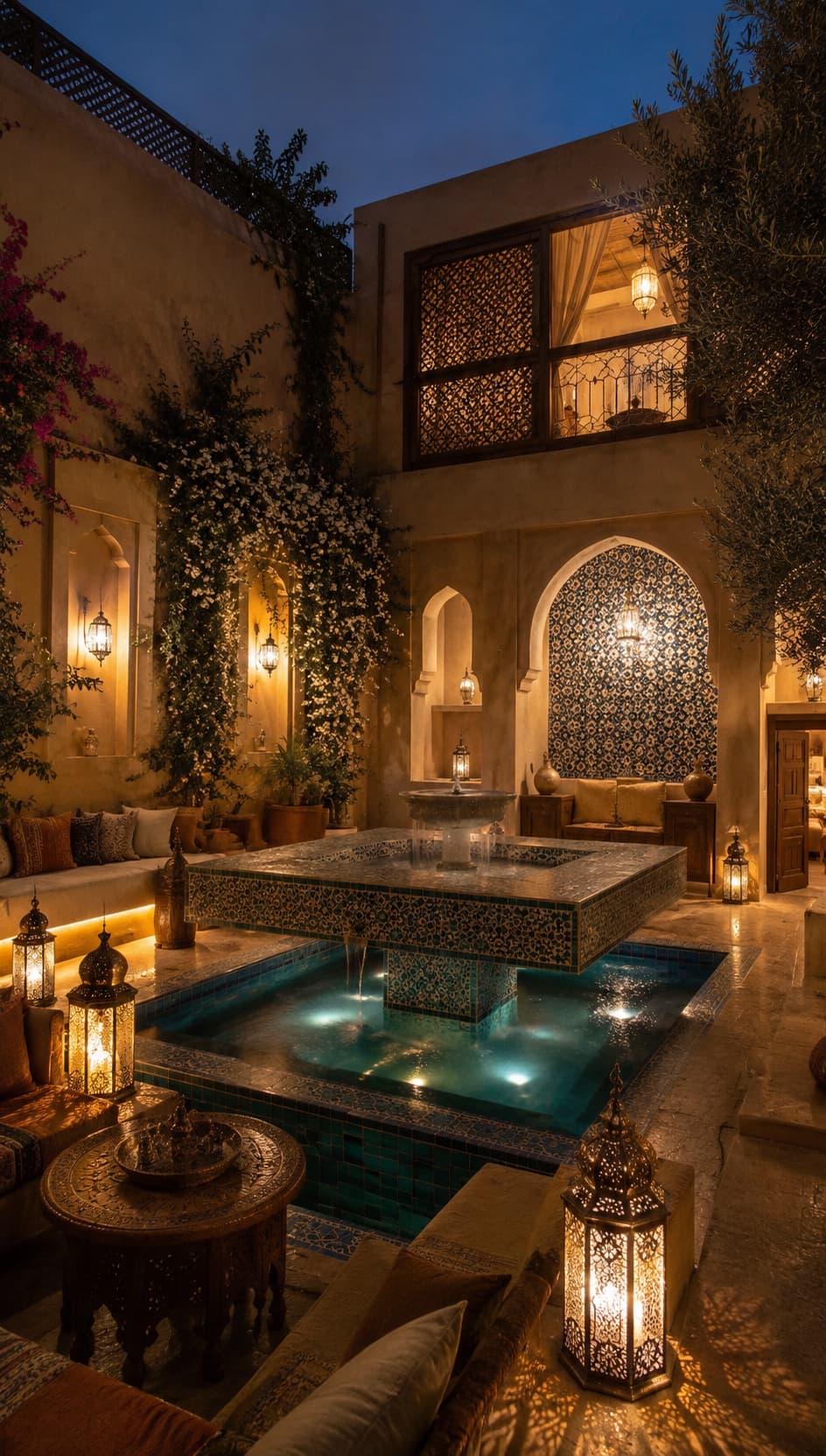
Morocco does not reveal itself on a tight itinerary. The medina that stops making sense and then suddenly does, the desert sky that earns the long drive to reach it, the riad courtyard you keep finding reasons not to leave — all of it requires a pace that most first trips do not build in.
Go longer than you think you need to. Start with less than you think you want to see. You can always come back for the rest, and most people do.