
Barbados Travel Guide: What the Island Is Actually Like Before You Book
Not just beaches and resorts — here’s what is Barbados like in reality, what travelling there actually costs, and who it’s right for.
Barbados is a well-developed Caribbean island known for its calm west coast beaches, UNESCO-listed capital Bridgetown, and some of the best food in the region — one of the strongest first-time Caribbean destinations for travellers who want ease without sacrificing depth.
01 — What Is Barbados Like: First Impressions of the Island
What is Barbados like? Not what the brochures say — what it actually feels like to arrive, get around, and spend a week there. The answer is more straightforward than most Caribbean destinations make it.
You arrive, and things make sense almost immediately. The airport is organised, the road signs are readable, the drivers aren’t trying to outrun each other. Within an hour you’ve checked in somewhere, found food, and noticed that you’re not spending mental energy just figuring out where you are.
That ease is central to what is Barbados like to visit in practice. The island has more than three centuries of British colonial infrastructure behind it, and that history shows — in the road network, in the architectural coherence of Bridgetown, in the fact that the tap water is safe to drink and has been described as among the purest in the world. For anyone travelling to Barbados for the first time, that ease is the thing nobody warns you about — and the thing you’ll remember most.
What this means for a traveler is that you spend your trip actually experiencing the island rather than navigating it. That sounds like a small thing. It isn’t.
The island also has a cultural density that surprises people who come expecting a pure beach destination. Barbados was the birthplace of Rihanna, produces some of the world’s most respected rum, has a capital city with a UNESCO World Heritage designation, and hosts one of the Caribbean’s most celebrated food cultures. You can engage with all of it, or none of it. The beach will be there either way.
02 — The Three Coasts: Which One Is For You
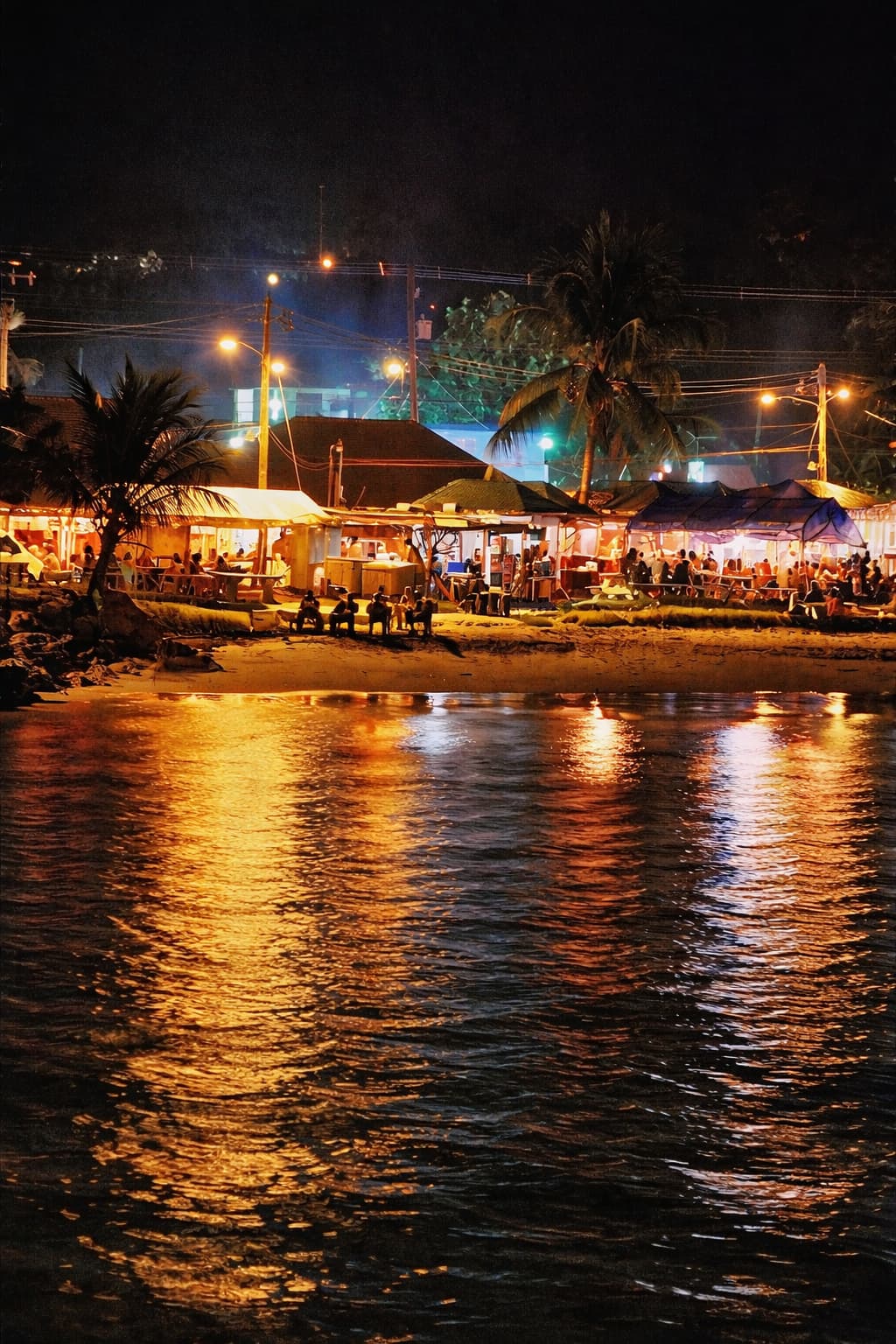
A lot of what is Barbados like comes down to which coast you’re on — it’s effectively three different islands depending on which side you choose. Most visitors spend their entire trip on one coast without realising the others exist.
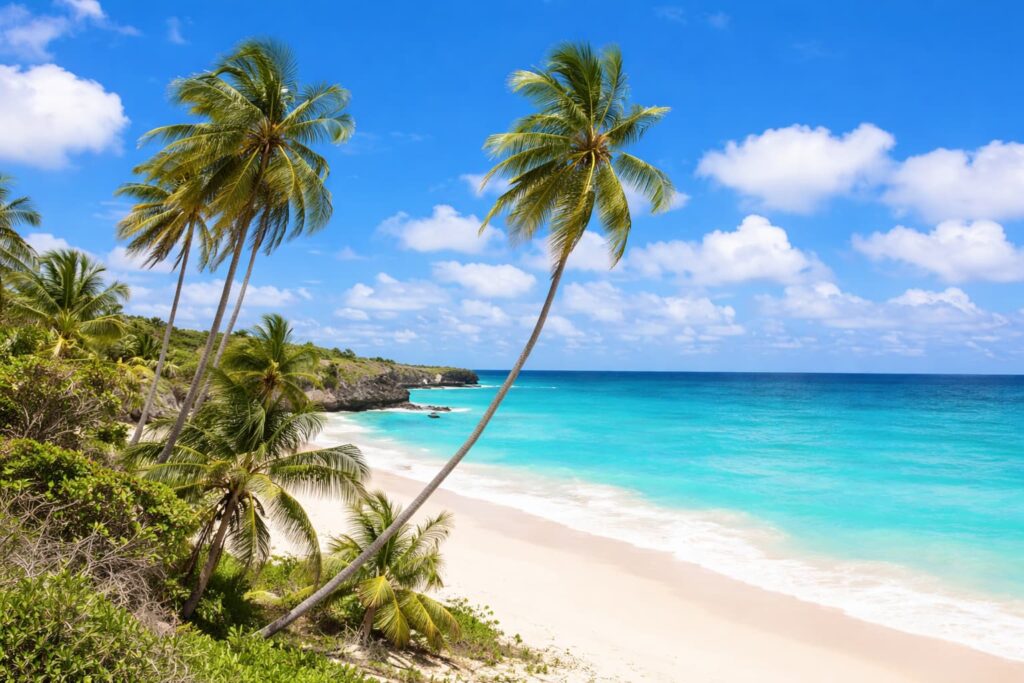
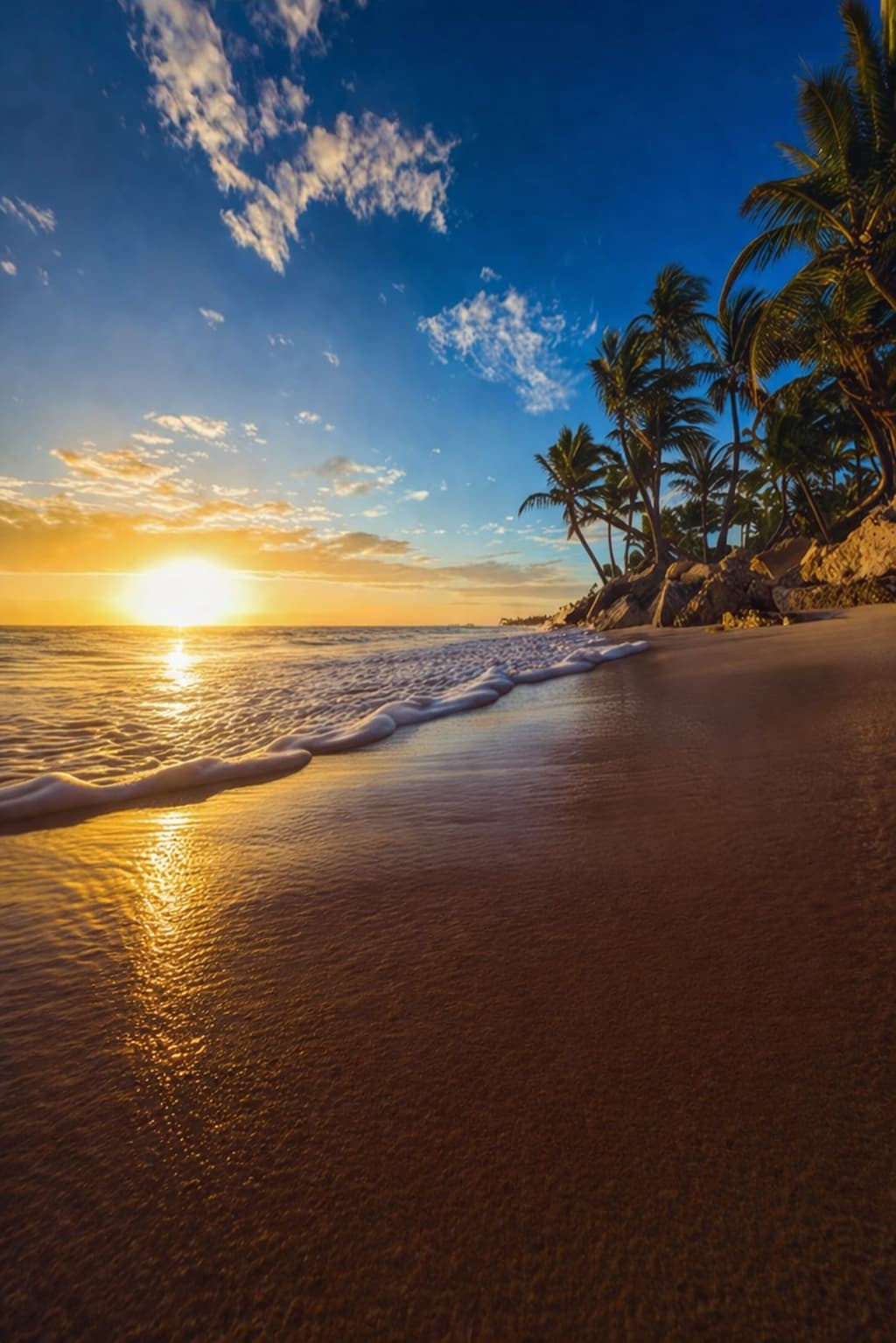
The classic Caribbean experience: calm, clear turquoise water, soft white sand, and the island’s most upscale resorts and restaurants. This is where the luxury villas, the five-star hotels, and the old British holiday tradition of Barbados live. Beaches like Paynes Bay, Mullins Beach, and Holetown Beach are sheltered from the Atlantic swell by the island’s geography. If your priority is swimming, snorkelling, and easy beach days, you’ll be here most of the time.
The most accessible and mid-range part of the island. St. Lawrence Gap is the centre of Barbados nightlife — a strip of restaurants, bars, and clubs that runs along the south coast with real energy after dark. Dover Beach, Accra Beach, and Carlisle Bay are popular, well-equipped, and busier than the west coast. Accommodation here is generally better value, and you’re close to Oistins, the most authentic food experience on the island. First-time visitors and travellers who want balance between beach and town tend to stay here.
East Coast — The Wilder Side
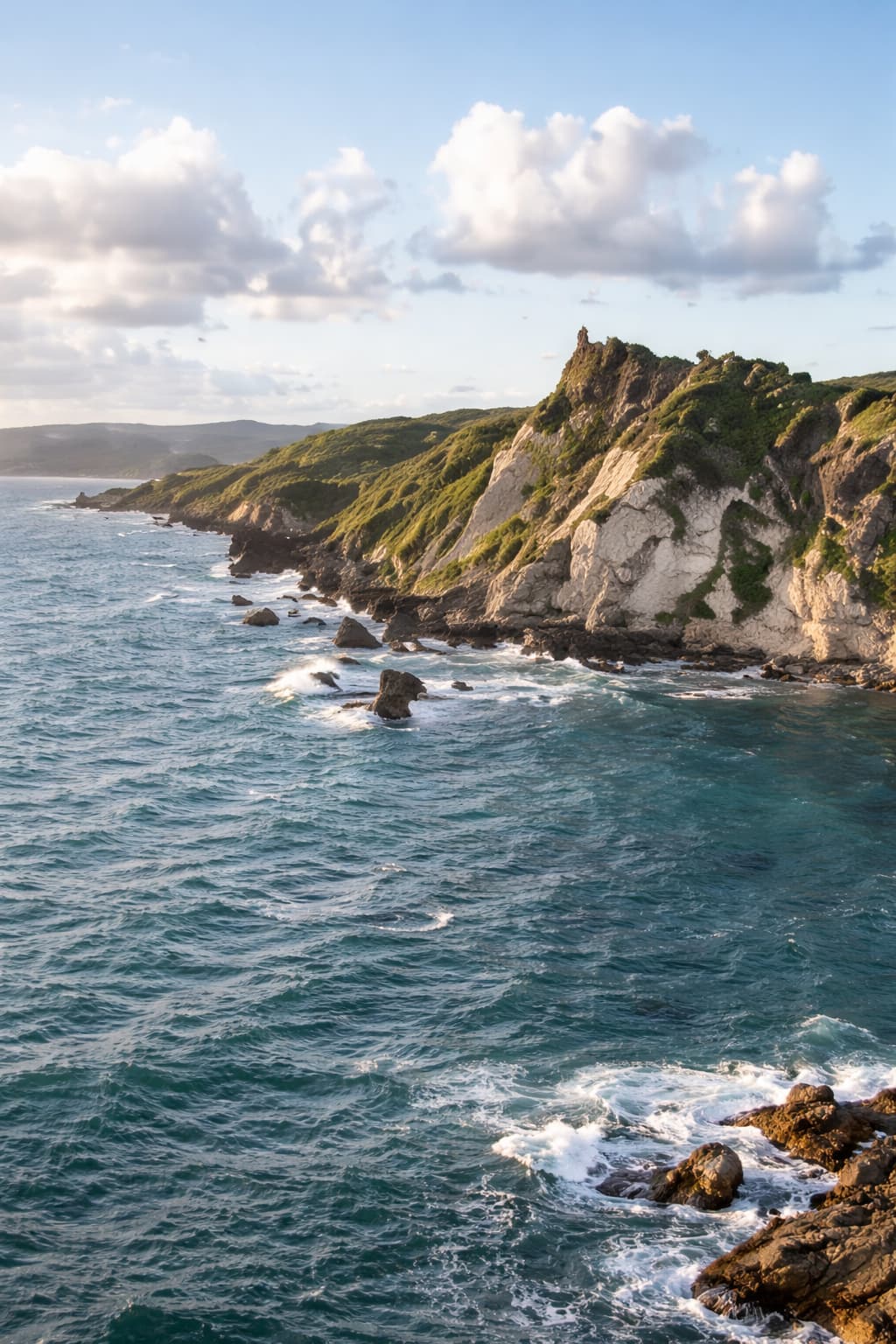
Barbados faces the open Atlantic on its eastern side, and the difference is immediate and dramatic. The water is rough — unsuitable for casual swimming but excellent for surfing and spectacular for photography. The landscape is greener, more rural, and less developed. Bathsheba on the east coast is where Barbados’s surf culture lives, and the Soup Bowl is one of the best surf breaks in the Caribbean. If you want to see the wilder side of the island, a day trip to the east coast is worth the drive.
03 — The Beaches Worth Knowing
Barbados has over 80 beaches and all public beaches are free to access. The quality varies — here are the ones that consistently earn their reputation.
Powdery sand, calm sheltered water, and excellent conditions for swimming and scuba diving. One of the most consistently recommended beaches on the island — consistently TripAdvisor’s top-rated. The bay also has several accessible shipwrecks for diving and snorkelling just offshore.
Wide, quiet, and remarkably uncrowded for such a beautiful beach — there are no hotels directly on it, just private villas set back from the shore. One of the best beaches on the island for people who want space and calm without the resort atmosphere.
Classic Barbados west coast beach with gentle water, a well-run beach bar, and a comfortable, unhurried atmosphere. Popular but not overcrowded outside of peak season. Good for families and people who want amenities without full resort pricing.
Not for swimming — the Atlantic surf here is powerful and unpredictable. But Bathsheba’s rock formations and open ocean scenery are among the most dramatic in the Caribbean. Come here for the views and the atmosphere, not the water.
04 — Beyond the Beach: What to Actually Do
This is where Barbados separates itself from a lot of Caribbean destinations. There’s enough here to fill a full week even if you never set foot on a beach.
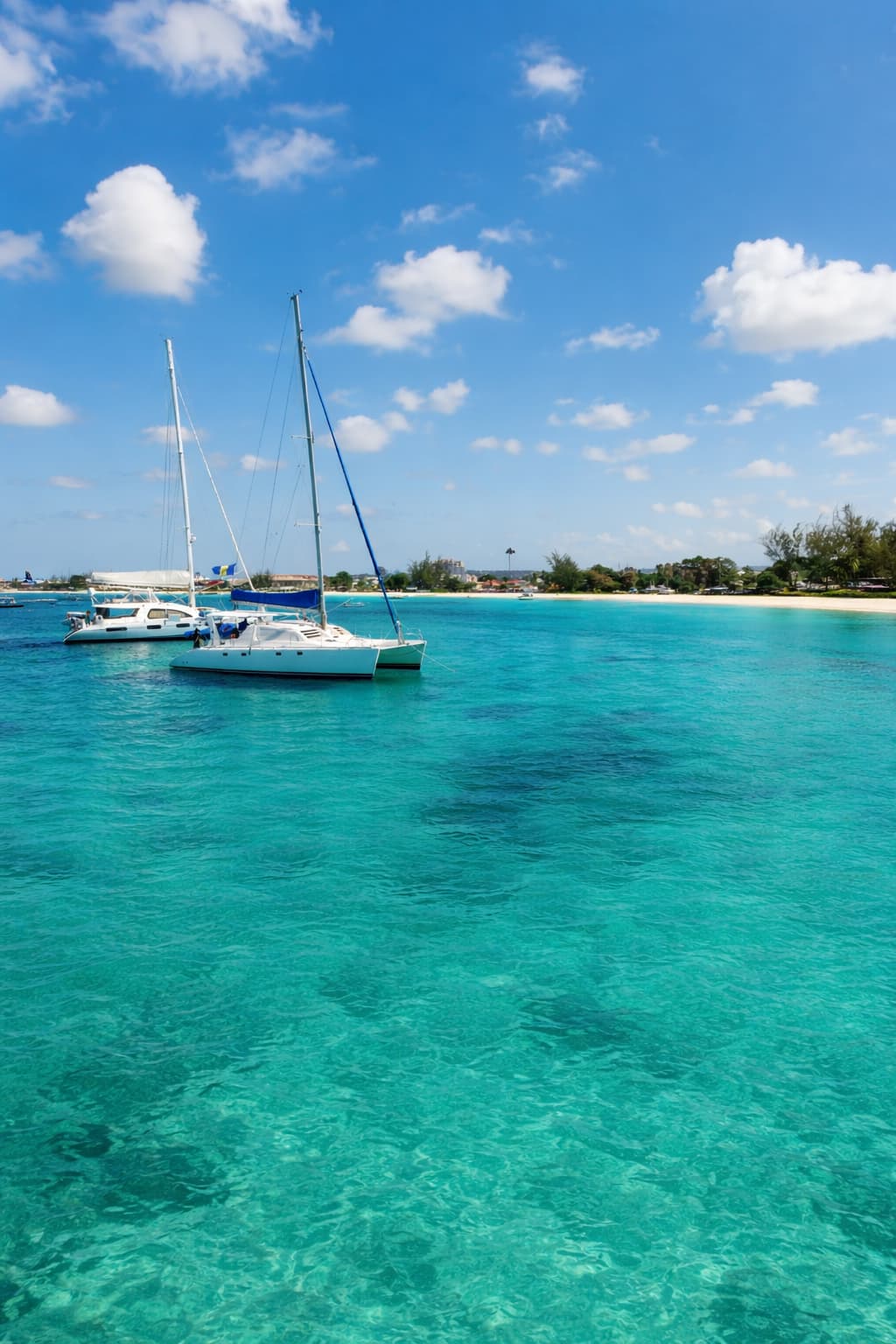
Barbados has a resident population of hawksbill sea turtles, and swimming with them from a catamaran tour is one of the island’s signature experiences. Multiple operators run half-day and full-day catamaran trips that include turtle snorkelling, a shipwreck dive, and lunch. Cool Runnings and Good Times are the most consistently recommended. Costs run $80–$120 USD per person.
Every Friday night, the fishing village of Oistins on the south coast transforms into Barbados’s most authentic social event. Fresh flying fish, mahi-mahi, and shrimp grilled on open fires, rum punch flowing, live music, and a crowd that’s genuinely mixed between locals and visitors. This is widely cited as the single best food experience on the island, and one of the things that makes Barbados feel lived-in rather than curated. Don’t miss it if you’re there on a Friday.
Caves, Rum and Bridgetown Culture
An active cave system in the centre of the island with a 40-foot underground waterfall, stalactites, stalagmites, and subterranean streams. Toured by electric tram through more than a mile of chambers. One of the most unusual geological sites in the Caribbean — it looks, as more than one visitor has noted, like something from a sci-fi film. Book in advance; check current pricing at harrisonscave.com.
Mount Gay has been producing rum in Barbados since 1703 — making it the world’s oldest commercially produced rum. The distillery in St. Lucy offers guided tours through the history and production process. This isn’t a tourist-entertainment rum experience — it’s a working distillery with genuine history behind it. The tasting flight at the end is worth the visit on its own.
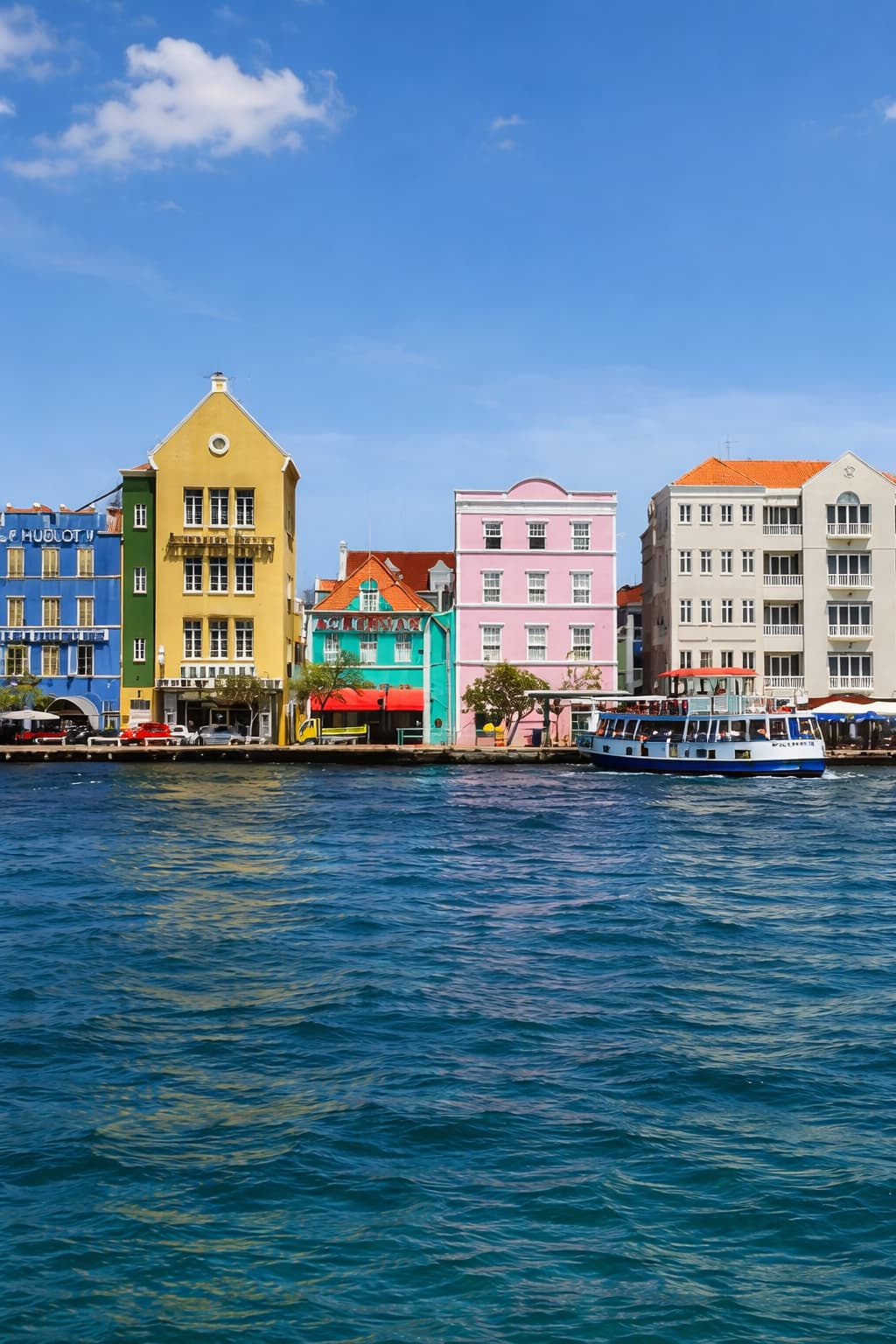
The capital city of Barbados and the surrounding Garrison Savannah district were awarded UNESCO World Heritage status in 2011 for their outstanding colonial architecture and historical significance. Broad Street is the main commercial strip; Swan Street is the pedestrian-only local market street with a completely different character. The Parliament Buildings and the 17th-century military garrison are worth at least a half day.
Barbados’s biggest annual event runs from late June through early August, culminating in the Grand Kadooment parade on the first Monday in August. It’s the Caribbean’s answer to carnival — costumes, music, dancing, and an island-wide celebration of the end of the sugar cane harvest. If your dates overlap with Crop Over, it completely transforms the character of the island. Book accommodation months in advance if you’re visiting in August.
05 — How Much Does Barbados Actually Cost?
Part of what is Barbados like for budget-conscious travellers is this: it’s honestly priced — not dramatically more expensive than other Caribbean islands, but not cheap either. The important thing to know is that your experience varies enormously depending on how you approach it.
The range is real. At the budget end, staying in a guesthouse or self-catering apartment near Worthing on the south coast, eating at local restaurants and cooking some meals yourself, and using the public bus system, you can manage Barbados for under $200 a day. At the luxury end — west coast resorts, fine dining, private tours — there’s no ceiling.
The practical middle ground: a good beachfront hotel on the south coast runs $200–$300 per night. Dining out at a decent local restaurant (not resort-facing) costs $15–$30 per person for a main. The Oistins fish fry will feed you well for $15. A catamaran turtle tour is $80–$120. A week for two people including flights from the US East Coast typically runs $4,000–$6,000 at mid-range.
The Barbadian Dollar is pegged exactly 2:1 to the US dollar — BBD $2 = USD $1. This means mental arithmetic is easy. Any price you see in Barbados Dollars, divide by two to know what you’re spending in USD. US dollars are accepted almost everywhere on the island at this fixed rate, so you don’t need to exchange currency unless you want to use local minibuses (which technically require BBD). ATMs dispense BBD.
06 — Getting Around the Island
One practical part of what is Barbados like to get around: it’s small — about 21 miles long and 14 miles wide — and easier to navigate than most Caribbean islands. There are a few things worth knowing before you arrive.
Public Buses
The public bus system is surprisingly functional and covers most of the island for BBD $3.50 (about $1.75 USD) per journey regardless of distance. Yellow buses are government-operated; blue and white minibuses are privately run and slightly faster but more crowded. Both are worth using for the experience and the savings.
Taxis
Taxis are metered and generally honest, but not cheap. The most practical option for most visitors is a combination of public buses for longer routes and taxis for specific evening destinations.
Local minivans (called “ZR vans” after their licence plates) run fixed routes and charge the same fare as buses. They move fast, take on passengers anywhere along the route, and are not officially part of the bus system but function as an informal transit network. Locals use them constantly. They’re fine to use and significantly cheaper than private taxis — just watch where the driver is going before you get in.
Rental Cars
Rental cars are available and give you the freedom to reach the east coast and more remote beaches on your own schedule — but remember you’ll be driving on the left, and the roads in rural Barbados are genuinely narrow in places.
This Barbados visitors guide covers everything you need before you travel — entry requirements, getting around, costs, and what each coastline is actually like.
07 — Practical Facts
| Location | Easternmost Caribbean island, technically in the Atlantic Ocean rather than the Caribbean Sea — this gives the east coast its dramatic surf conditions |
| Language | English (official) · Bajan Creole spoken locally |
| Currency | Barbadian Dollar (BBD) · pegged 2:1 to USD · US dollars widely accepted |
| Best time to visit | December–April is peak dry season (busy, more expensive). April–May and November are sweet spots — pleasant weather, lower prices, far fewer crowds. June–November is rainy season and lowest prices; Barbados sits south of the main hurricane belt so storm risk is lower than most Caribbean islands |
| Flights | Direct from New York, Miami, Fort Lauderdale, and other major US cities to Grantley Adams International Airport (BGI) · 4–5 hrs from East Coast |
| Visa | No visa required for US passport holders · Valid passport needed · 6 months validity recommended · See the Barbados Tourism Authority for current entry requirements |
| Driving | Left-hand side · US driving licence valid · Roads are generally well-maintained; narrow in rural areas |
| Tap water | Safe to drink and considered among the best quality in the Caribbean |
| Safety | One of the safer Caribbean islands for tourists · Standard precautions apply in Bridgetown and after dark · Avoid leaving valuables on the beach |
08 — Who Should Go — and Who Might Not Love It
One of the easiest Caribbean islands to navigate — worth considering the Caribbean in spring for a first visit
Genuine culinary culture — Caribbean’s best food island
West coast luxury and the turtle tours are genuinely romantic
UNESCO capital, rum history, Crop Over festival
Safe, easy, calm west coast water for children
Not a backpacker island — budget options are limited
Barbados is well-developed and moderately busy year-round
St. Lawrence Gap has nightlife, but it’s not Ibiza
Beautiful island, but not dramatic mountains or jungle
Barbados has record tourism numbers in 2026 — it’s found
09 — Final Verdict: What Is Barbados Like Overall
So what is Barbados like, taken whole? One of the easiest Caribbean destinations to recommend — not because it’s the most dramatic, but because it consistently delivers on what it promises. The beaches are genuinely excellent. The food culture is the best in the region. The infrastructure works. The people are famously warm.
What Barbados doesn’t pretend to be is raw, undiscovered, or cheap. It’s a polished island with a clear identity and a long history of doing tourism well. Record visitor numbers in 2026 confirm that reputation is holding — and the new direct flights from multiple US cities mean it’s more accessible than ever, among the top picks for summer 2026.
If you’re trying to decide between Barbados and a quieter, less-developed Caribbean island, the choice comes down to whether you want ease or edge. Barbados gives you everything the Caribbean does well, packaged in a way that leaves you very little to worry about. See how Barbados compares to other Caribbean islands at a similar price point if you’re still weighing your options. For a lot of people at a lot of moments in their lives, that’s precisely what they need from a trip.
Safety, Costs and Best Time to Visit
Where to Stay, Getting Around and Solo Travel
Barbados has been doing this for a long time. It knows what it is.
That confidence is the reason people keep coming back.