
Destination Dupes in Europe: 5 Honest Swaps for 2026
Five European destination dupes worth saving for — what you actually gain, what you give up, and which ones are already getting ruined.
Every travel feed in 2026 is selling the same idea: skip the famous place, book the cheaper lookalike, save a fortune. The pitch has a name now — destination dupes Europe is one of the defining travel trends of the year, and the listicles selling it run twenty swaps deep without ever admitting the catch. A destination dupe is a less-famous place that offers a similar atmosphere, landscape, or architecture to a major hotspot, but with lower prices, fewer crowds, or both. That part is true. What the roundups leave out is messier.
The savings are real, but they are wildly uneven. Some dupes genuinely cost less than half of the original. Others save you almost nothing and mainly spare you the crowds. Worse, the trend eats itself: every “cheaper Greece” eventually gets discovered, rates climb, and the crush follows the hashtag. So this is not another swap-and-save list. Instead, here are five destination dupes Europe rewards you for choosing carefully — each graded honestly on what you gain, what you give up, and whether the window is still open. Each one links out to a full IQT guide if you want to go deeper.
01 — What a Destination Dupe Really Is
The word borrows from beauty culture, where a “dupe” is a cheaper product that mimics a luxury one. In travel, the logic behind destination dupes Europe travellers now chase is the same. You take a place everyone wants — Santorini, Dubrovnik, the Amalfi Coast — and you find somewhere that delivers a similar feeling for less money, fewer people, or both. Specifically, it works best when the original has become a victim of its own fame: priced for honeymooners, packed by cruise ships, photographed to death.
However, the honest version of this trend comes with two warnings, and most lists skip both. The first is that the savings vary enormously. Second comes timing. A genuine dupe only stays a dupe until enough people find it; after that, prices rise to meet demand and the crowds arrive on the same flights you did. The Albanian Riviera, one of the most-hyped swaps of 2026, is already seeing climbing rates and surging international interest, with official figures showing foreign arrivals up sharply into 2026 and real infrastructure strain along the Ksamil coast. As a result, the most useful question is not “what’s the cheapest lookalike?” but “which swaps still genuinely deliver, and for how much longer?”
That framing changes what a good list looks like. Twenty hyped swaps with no caveats are easy to write and useless to act on. Five real ones, each graded for what you actually trade, are harder — so that is what follows. Each verdict below answers three things: what you gain, what you give up, and whether the window is still open.
02 — Porto Instead of Lisbon
Porto is the gentlest swap on this list, and the most honest place to start, because it barely qualifies as a money hack at all. Yes, it runs cheaper than Lisbon — roughly 15 to 25 percent across accommodation and food, with overall cost of living about 16 percent lower. Even so, calling it a budget secret is a stretch. Porto is now a major destination in its own right, with its own summer queues and its own rising rents. You are not sneaking into an undiscovered town; you are choosing a different city that happens to cost a little less.

If Porto is the swap you want, treat it as a destination, not a workaround — give it three full days and the river valley beyond. Our 3 days in Porto itinerary covers exactly that, so this entry stays short on purpose.
03 — Albania Instead of the Greek Islands
This is the anchor swap — the one with the widest, most defensible price gap on the entire list. The numbers are stark: 2026 accommodation data puts Ksamil, on the Albanian Riviera, at around €58 a night against roughly €129 in Mykonos, one of the priciest islands in the Aegean. The Ionian water rivals the Cyclades, the food costs a fraction of island Greece, and for now the experience genuinely undercuts the original on price rather than just crowds. If you want proof the dupe trend can still deliver, this is it.
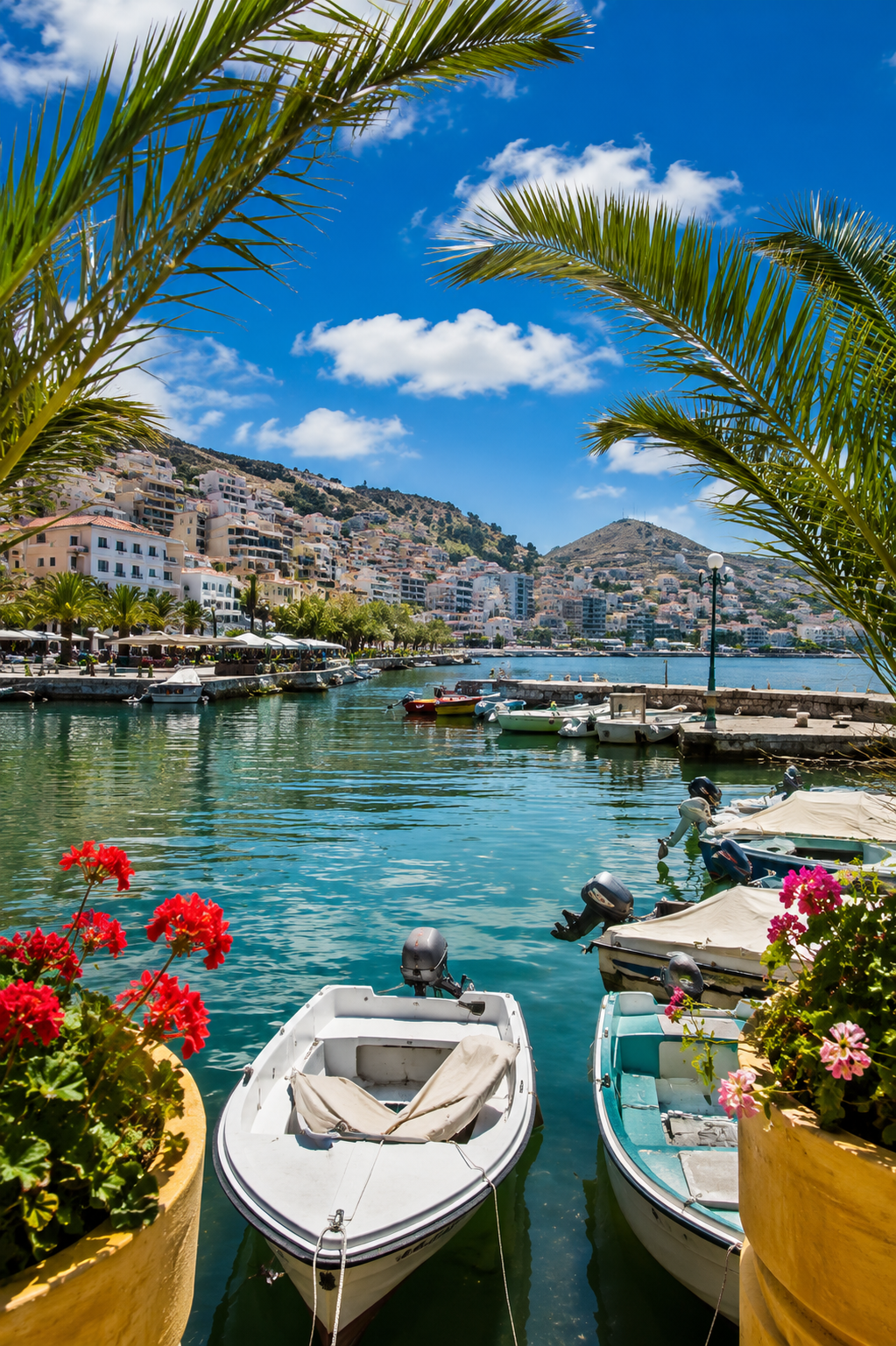
One framing note, because it matters for how you plan: this is a swap of countries, not a swap of islands. You are trading Greece for Albania, not hunting a quieter corner of the Cyclades — a different trip with different trade-offs. For the full picture, see our Albania travel guide, and for the honest solo angle, what nobody tells you about travelling Albania alone.
04 — Montenegro Instead of Dubrovnik
Here the maths gets honest in a different way. Kotor is often sold as a budget Dubrovnik, but the saving is modest — only about 20 percent cheaper. If you came purely for the discount, you would feel a little cheated. The real reason to make this swap is not your wallet; it’s the crowds. Dubrovnik in summer is a cruise-ship funnel, its walls shuffling with day-trippers. Kotor, by contrast, gives you a walled, car-free medieval old town at the head of a fjord-like bay, with a fraction of the crush.
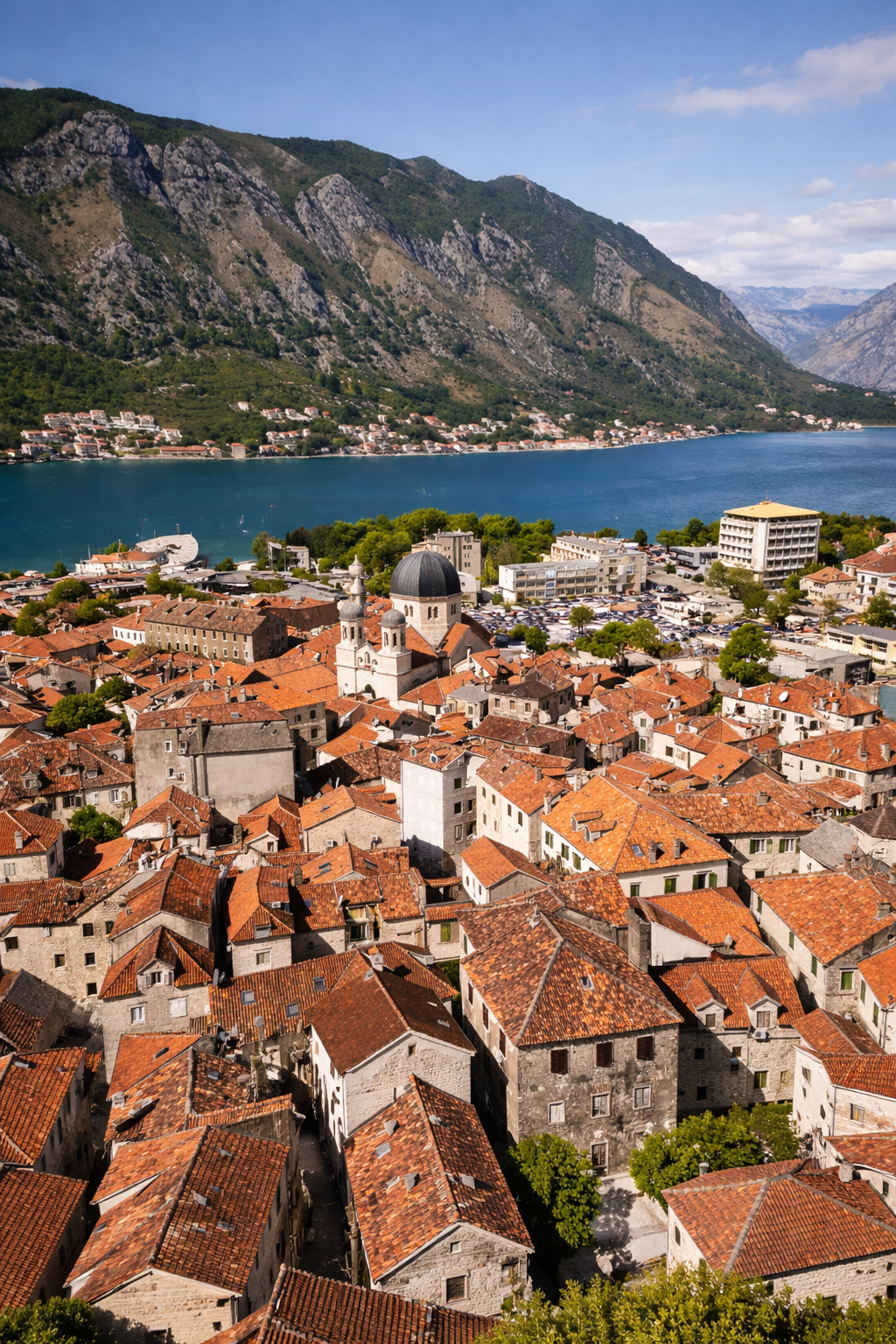
Kotor also works best as one stop on a longer loop rather than a single base — the country is small and the driving is the good part. Our Montenegro road trip guide maps the route, and if you’re still weighing the original, Dubrovnik vs Split covers the Croatian side honestly.
05 — The Azores Instead of a Busier Island Escape
The Azores keep appearing in 2026 dupe roundups, but not as a like-for-like beach swap. Their appeal is climate and calm. As heatwaves push deeper into Southern Europe each summer, this mid-Atlantic archipelago holds generally milder temperatures than much of the Mediterranean — which is exactly why heat-wary travellers are choosing it over hotter, busier islands. It’s the “cool-cation” dupe: you trade reliable beach heat for green, changeable, dramatically uncrowded.

If reliable sun matters more than cool air, the nearby alternative is worth a look — our Madeira travel guide covers the warmer Atlantic option. For the Azores themselves, start with the São Miguel travel guide.
06 — Bratislava Instead of Vienna or Prague
Central Europe’s great city-break heroes — Vienna and Prague — are magnificent and, in peak season, exhausting. Ljubljana gets cited most often as the atmospheric dupe, but if you want a swap IQT has actually walked, Bratislava is the quieter, budget-friendlier pick. It sits an hour from Vienna by train, carries a walkable old town and riverside cafés, and costs noticeably less than either hero. The trade-off is honest and built in: it’s smaller and lower-key than its famous neighbours. That’s the point, not a flaw.
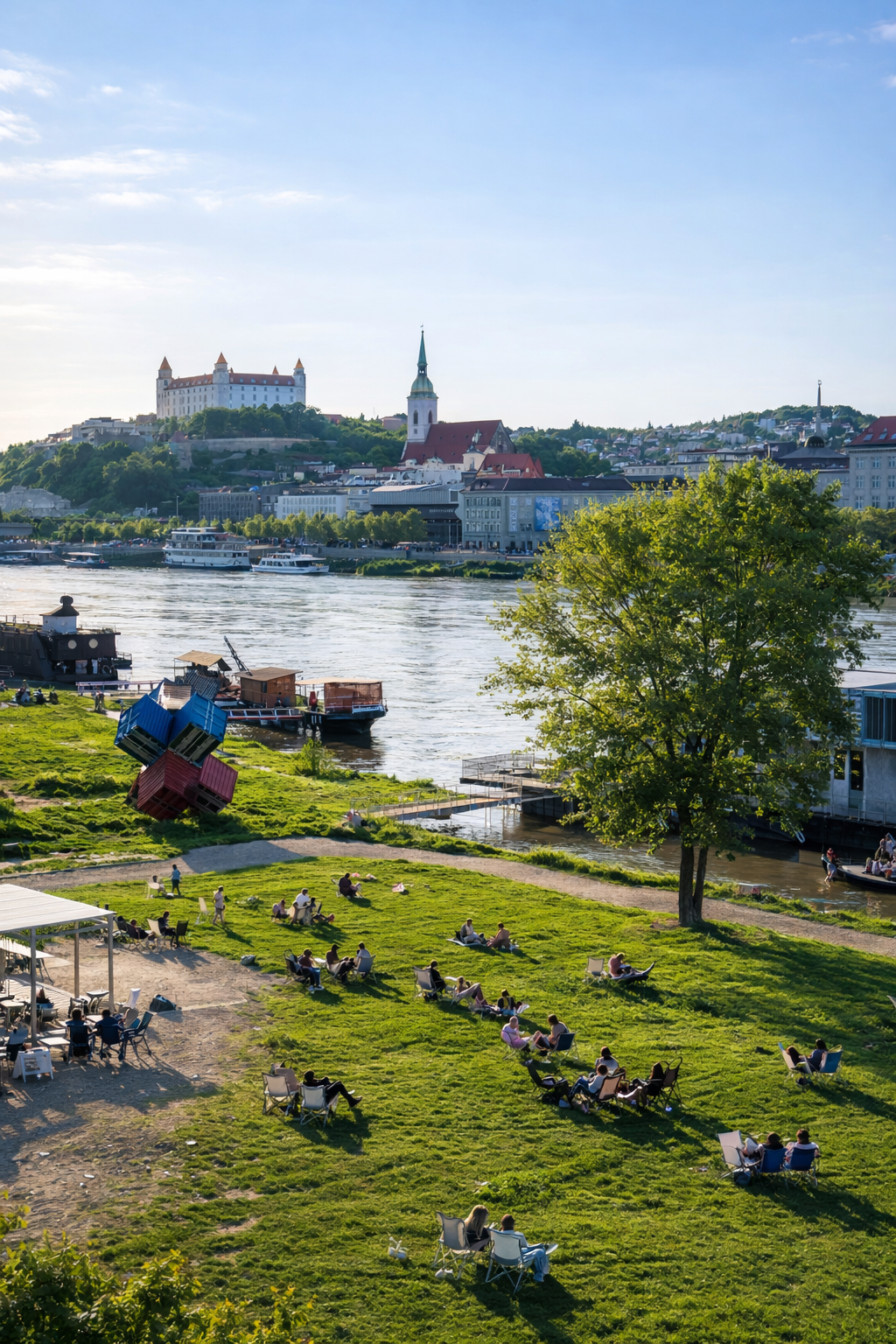
It also pairs neatly with the heroes rather than replacing them outright — many travellers do Bratislava as a day or two off a Vienna or Prague trip. See whether Bratislava is worth stopping for, then weigh the originals with Vienna in two days, our Prague travel guide, and Prague vs Budapest.
07 — So Are Destination Dupes Worth It?
On balance, yes — but only if you stop treating “dupe” as a synonym for “cheaper” and start asking what each swap actually trades. The best destination dupes Europe offers in 2026 aren’t all about price at all. Of the five here, exactly one is a genuine, dramatic price saving: Albania. The rest win on other terms. Porto is simply a city many people prefer, for a little less. Montenegro buys you space, not savings. The Azores buy you cooler air. Bratislava buys you a calmer weekend. Each is worth making — for the right reason.
The trade-off you’re actually buying
That’s the part the twenty-item lists never say out loud. The trend has a built-in expiry date, because the mechanism that makes a place a bargain — being overlooked — is the exact thing your visit helps undo. Albania’s Riviera is the clearest case: real value today, climbing prices tomorrow. So the honest takeaway is less “save money” and more “go now, and pick your trade-off on purpose.” If you want the saving, take Albania this year. Should calm be the goal instead, the others will reward you regardless of what the prices do.
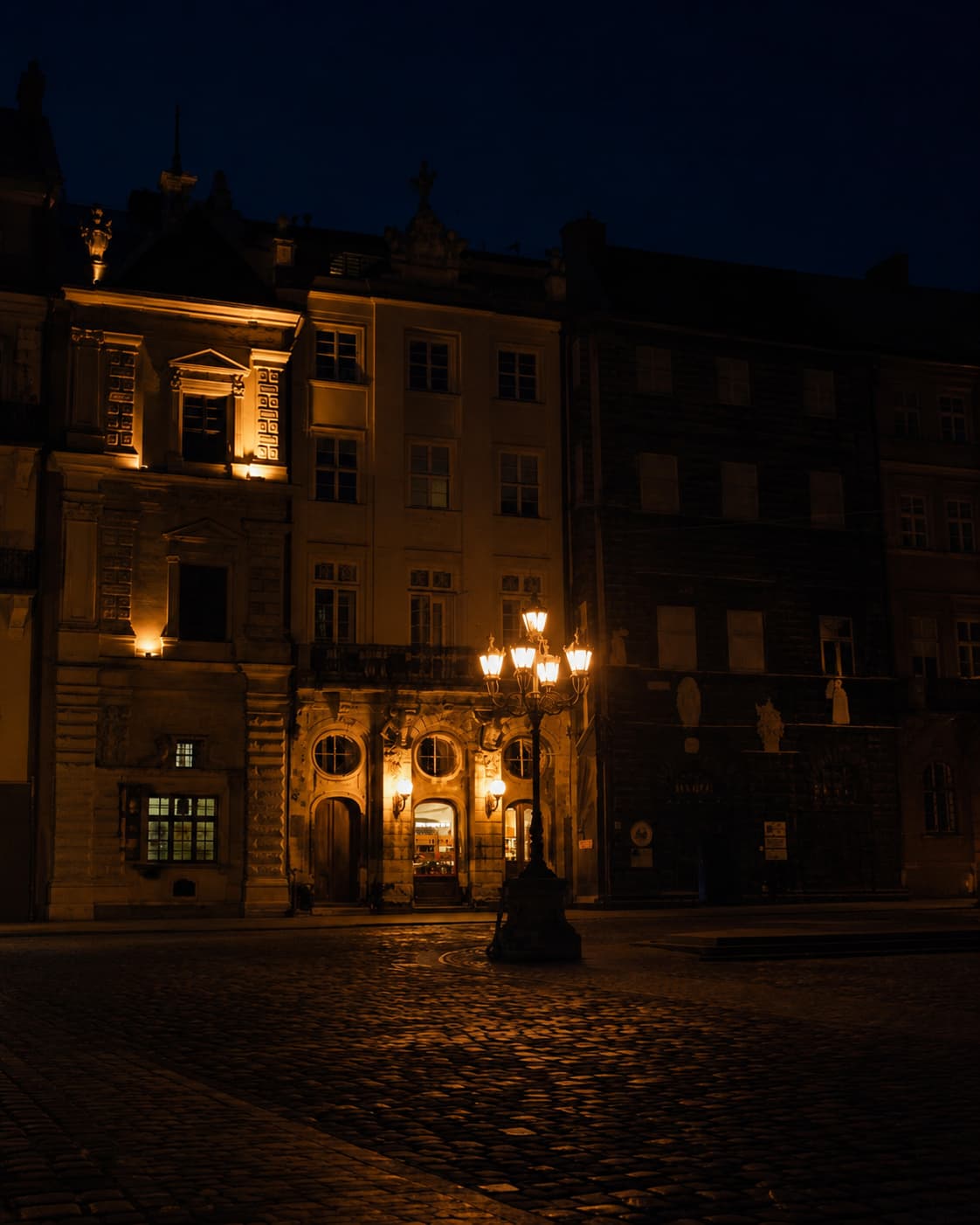
The best swaps were never really about saving money. They were about getting somewhere before it became the thing everyone was trying to escape.