

Best European Cities in October: Ranked and Honestly Rated
The best European cities in October are not a consensus — they depend on what October means to you. We scored seven against six criteria: warmth, foliage, mobility, crowds, value, and rain risk. Not one list of equally glowing verdicts. A real ranking you can actually use.
The best European cities in October share almost nothing in common — and that’s the problem with every guide that treats them as interchangeable. Twelve cities, twelve nearly identical paragraphs about mild weather and fewer crowds. Nothing tells you how Seville compares to Prague, or whether Barcelona’s famous rain problem actually matters. This post does something different: six criteria, scored 1–5, applied consistently across seven cities. The methodology is transparent. The verdicts are honest. And at least three cities on this list will surprise you — in both directions.
01 — Is October a Good Time to Visit Europe?
Yes — with two honest trade-offs you should know going in.
The upside is real. Crowds at major sites drop noticeably from the July–August peak, accommodation and flight prices fall across the continent, and the temperatures in southern Europe are often the most pleasant of the year — warm enough to be outside all day without the punishing heat that drives locals indoors from July through early September.
The trade-offs are equally real. October is when Europe’s Atlantic-facing cities — Lisbon, Barcelona — receive their heaviest seasonal rainfall. Daylight shortens markedly: you lose roughly 90 minutes of usable light compared to August, and on 25 October 2026, clocks across the EU fall back an hour, compressing the day further. According to Time and Date, the DST change affects every EU country simultaneously, so this affects whichever of the best European cities in October you choose. A city with a compact, walkable core matters more in October than it did in summer, because you’re navigating by foot in shorter daylight and occasionally in rain.
The scoring system below accounts for all of this. Warmth and swimmability score high for southern cities; foliage and mobility score high for northern ones. No city gets a free pass on weather reliability, because that’s the criterion competitors consistently omit. These are the best European cities in October scored on what October actually delivers — not what summer promises.
02 — How We Ranked the Best European Cities in October
Six criteria, each scored 1–5. Every city is assessed on October conditions specifically — not its general year-round appeal. A city famous for beaches gets no credit for July swimming; it earns its warmth score on what October actually delivers.
Is it still t-shirt weather? Is the sea warm enough to swim? The single most-searched October concern — “where is it still warm in Europe in October” — gets its own scored axis here.
Autumn colour in parks, along rivers, in surrounding vineyards or hills. The primary draw for northern and central European cities, and largely irrelevant for southern ones.
Overall ease of moving through the city: walkability of the core plus public transport quality. Weighted for October specifically — compact, walkable centres matter more when daylight is shorter and rain likelier.
How much quieter than summer peak; how much easier it is to access major sights without booking six weeks out or joining a 45-minute queue.
How much accommodation and flights fall compared to summer. The second-biggest shoulder-season motivator after crowds — and the gap is wider for some cities than others.
Rain-day risk and actual daylight hours. The honest counterweight. It’s fine to have six rain days in a month; it’s worth knowing about them before you book an outdoor-heavy itinerary.
Scoring: 5 = exceptional for October specifically, 1 = a genuine weakness the month exposes. No category has a predetermined winner — the scores follow the facts.
03 — The October Cities at a Glance
Full scoring table. Each city ranked 1–5 per criterion, totals out of 30.
| City | Warmth | Foliage | Mobility | Crowds | Value | Weather | Total /30 |
|---|---|---|---|---|---|---|---|
| Seville | 5 | 2 | 4 | 5 | 5 | 3 | 24 |
| Lisbon | 4 | 2 | 3 | 4 | 4 | 3 | 20 |
| Rome | 4 | 3 | 4 | 4 | 3 | 3 | 21 |
| Prague | 2 | 5 | 5 | 4 | 5 | 3 | 24 |
| Barcelona | 4 | 2 | 5 | 3 | 3 | 2 | 19 |
| Kraków | 1 | 4 | 4 | 5 | 5 | 3 | 22 |
| Munich | 2 | 3 | 4 | 4 | 3 | 2 | 18 |
04 — The Rankings: Best European Cities in October
🥇 1. Seville — The Warm-Weather Winner (24/30)
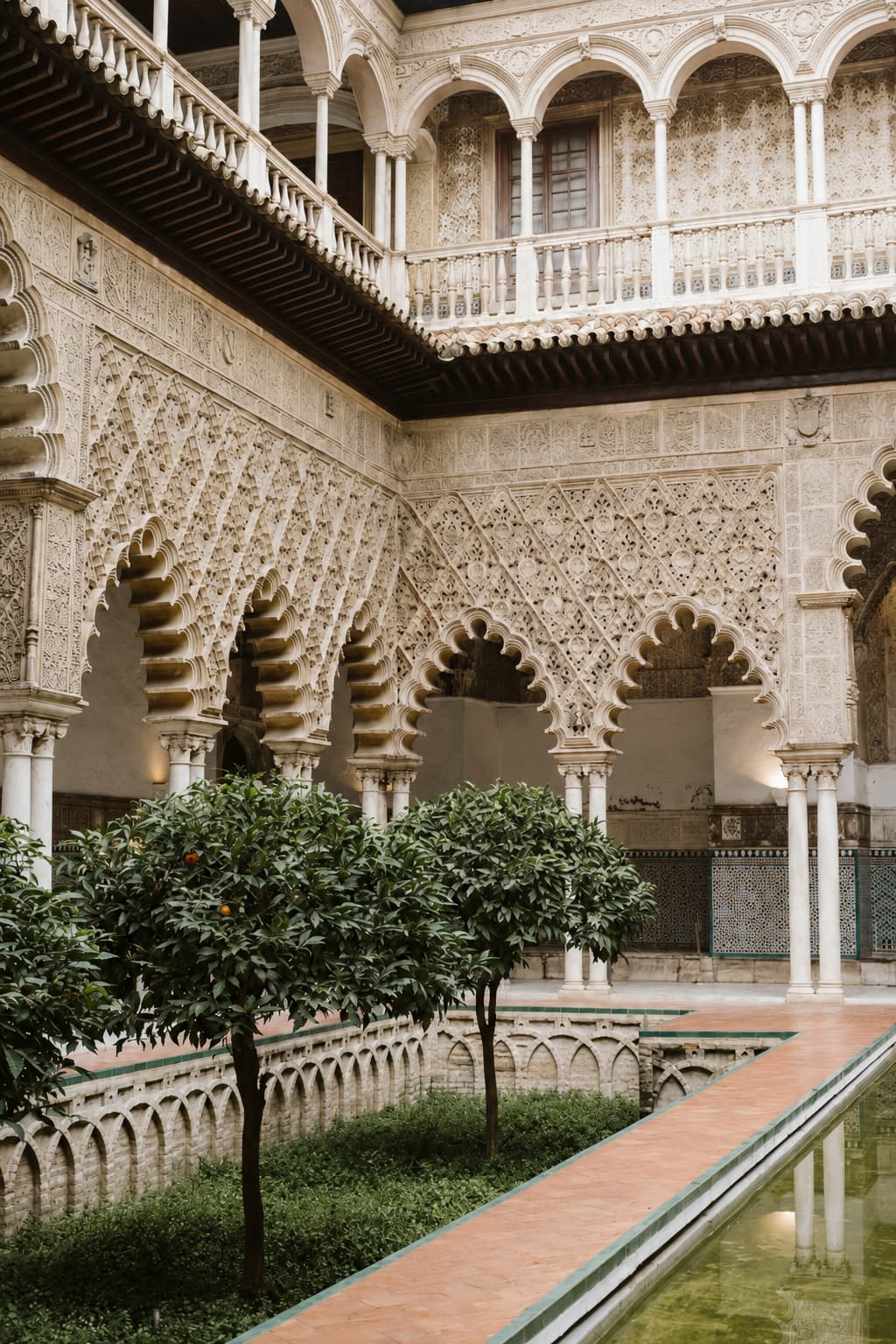
Seville in October is an argument against ever visiting in summer. The city averages a high of around 27°C through the month — warm enough for short sleeves in the middle of the day, cool enough that you can actually walk the historic centre without counting down to the next shaded doorway. The Alcázar gardens feel alive rather than parched. The tapas bars fill at a civilised pace rather than the frantic shoulder-to-shoulder crush of high season.
The value drop is the sharpest of any city on this list. Seville was never cheap in July; in October it becomes genuinely affordable. Accommodation prices can fall by a third or more. Flights from northern Europe follow a similar curve.
The honest caveat: Seville scores 3 on weather reliability, not 5. October is the city’s first serious rain month after a bone-dry summer. Those four rain days arrive with intent — Atlantic storms that can bring heavy downpours, occasionally strong winds, and temporarily closed parks. They pass quickly. But if your itinerary is built around outdoor terraces every evening, factor them in.
Foliage is not Seville’s draw — it scores a 2. The city’s parks are beautiful but not turning-leaf spectacular. This is a city for warm wandering, long evenings, and the Alcázar; not for autumn colour.
🥇 1. Prague — The Foliage and Value Co-Leader (24/30)
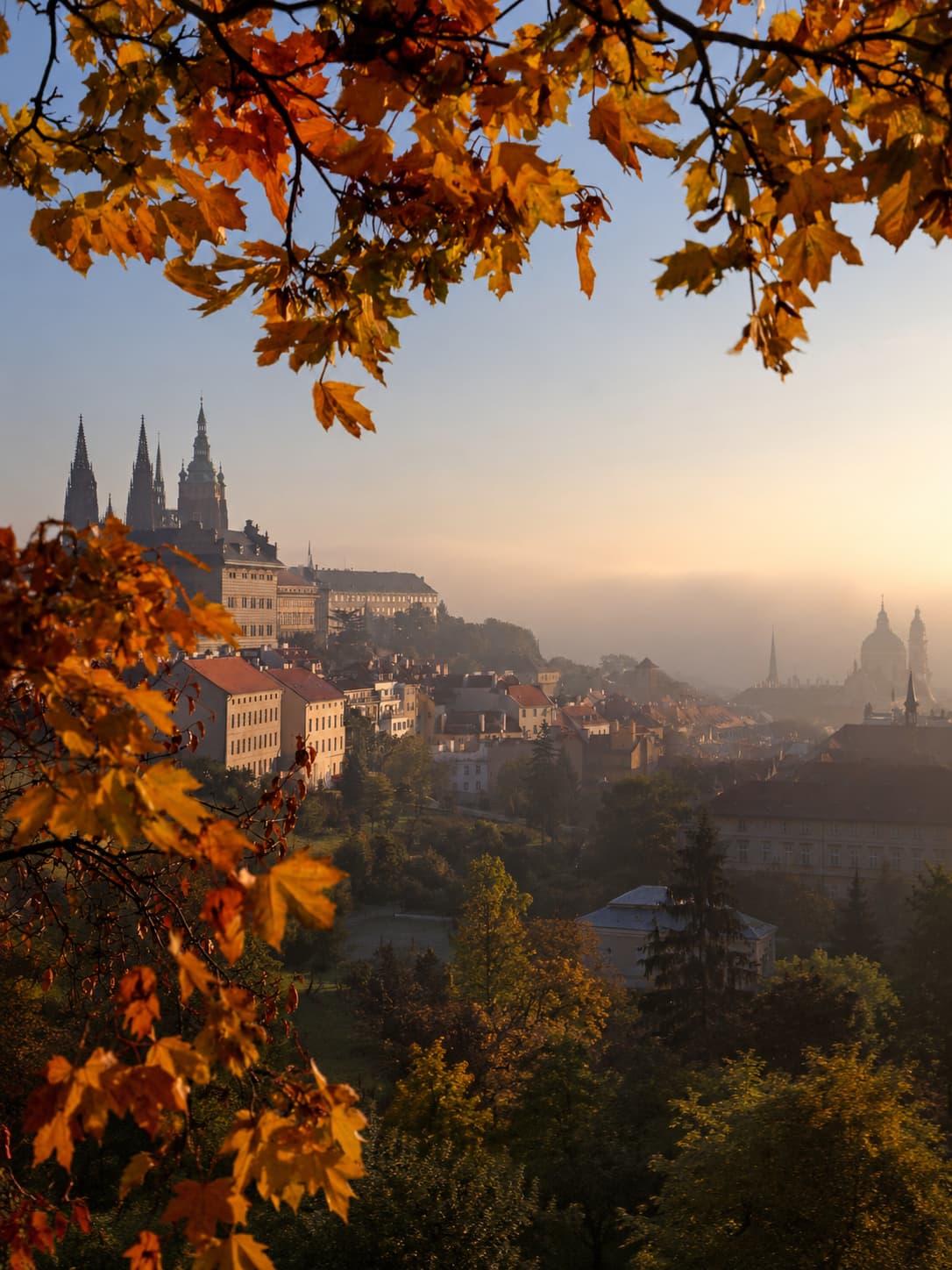
Prague ties with Seville on total score but earns its 24 through an entirely different profile. This is the city that over-delivers on foliage — Petřín Hill above Malá Strana turns spectacular in mid-to-late October, a hillside of maples and oaks going gold and copper against Gothic spires. The Vltava riverbank walkways are carpeted in leaves. It is a genuinely beautiful October city, and the architecture — which was always remarkable — gains a particular sharpness in autumn light.
Mobility is Prague’s clearest practical advantage. The historic centre is compact and flat enough to walk most of the day. The metro and tram system is cheap, fast, and simple to navigate. When October rain arrives (roughly eight days of it), getting from the Castle District to the Old Town is not an ordeal. For a month where daylight runs to about 10–11 hours and shortens sharply after the clock change, this matters more than in summer.
Value scores a 5 — among the best in Central Europe. The Czech koruna keeps Prague affordable for euro and pound travellers even outside shoulder season, and October brings further drops in hotel pricing as the summer crowds clear.
The warmth score is an honest 2. It’s 13°C in the daytime. Evenings can drop towards 5°C. This is sweater-and-coat territory, not a warm city break in any Southern European sense. The Signal Festival of Light, which typically runs in mid-October, turns the city’s landmarks into projections after dark — a genuine October draw, but you’ll be watching them in a warm jacket. Verify the 2026 festival dates before planning around it.
🥉 3. Rome — The Shoulder-Season Sweet Spot (21/30)
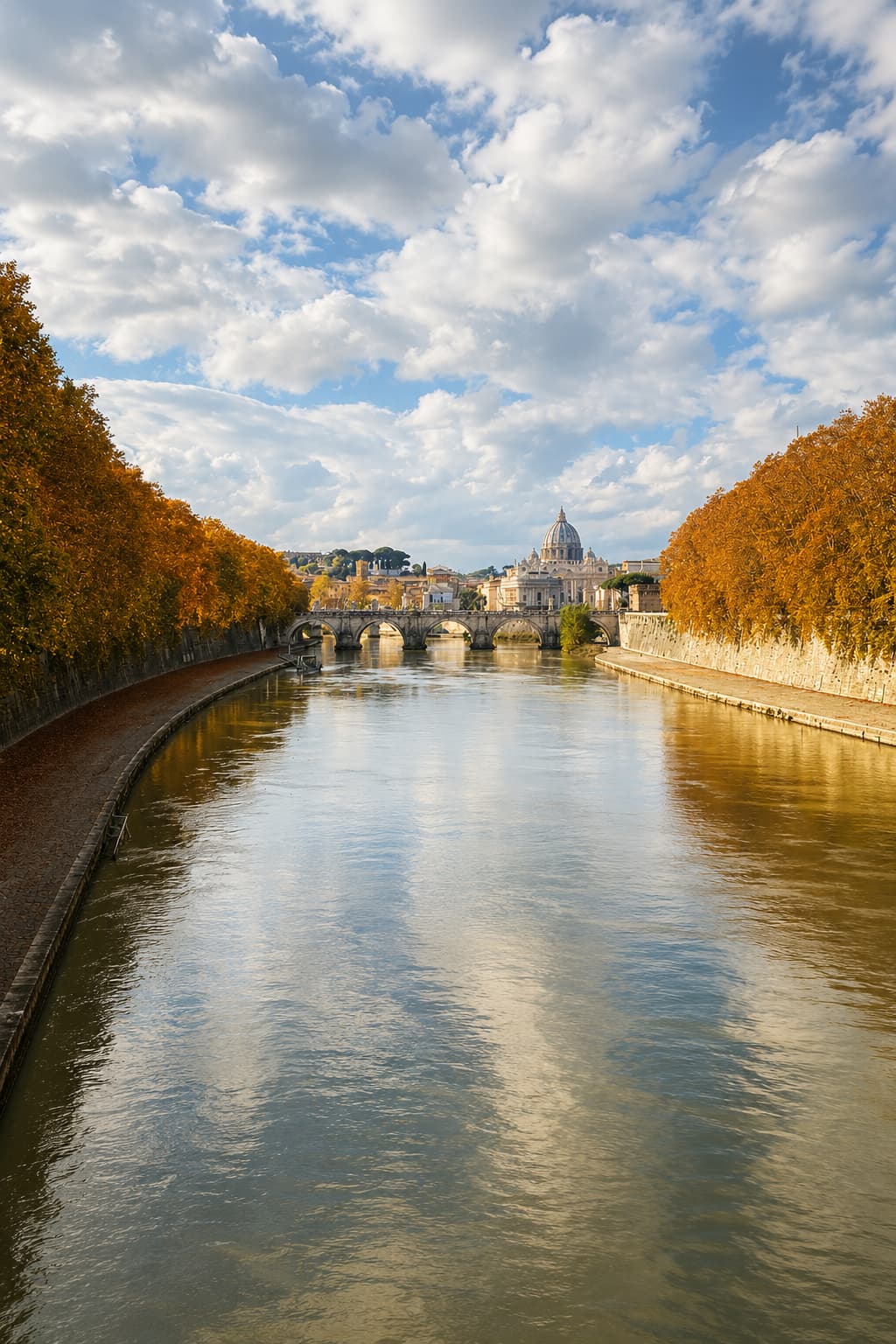
Rome in October sits in an honest middle ground — not the warmth leader (Seville has that), not the foliage leader (Prague), not the value leader (Prague or Kraków). What it delivers is balance. Average highs of around 22°C through the month means you’re not sweating in the Colosseum queue; you’re actually enjoying it. Crowd relief is real and meaningful — October visitors find the Vatican Museums and the Pantheon accessible in ways that July simply doesn’t allow.
The mobility score is solid (4). Rome’s historic centre is dense and walkable; a metro card handles the longer crossings. Rain is the nuance — Rome averages eight to twelve rain days in October across various long-term datasets, which is heavier than Seville and warrants packing layers and a compact umbrella. The showers tend to be brief rather than all-day, but the variability earns Rome a 3 on weather reliability.
Value scores a 3. October is better than August, but Rome never drops as sharply as Central European cities. The city’s year-round demand keeps a floor under prices.
A specific October advantage: sea temperature in Rome’s coastal access points (Ostia, Anzio) stays around 22°C — genuinely swimmable for those who want a day at the coast as part a Rome trip. It’s not a beach holiday, but it’s an option that disappears entirely by November.
4. Kraków — The Best Value on This List (22/30)
Kraków is the post’s ranked surprise: it scores 22 total, ahead of Barcelona and Munich, because it genuinely over-delivers on three criteria simultaneously. Value is exceptional — the Polish złoty keeps daily costs low for euro travellers, and October pricing for accommodation drops further as the crowds clear. The Main Square is still magnificent at this hour; you can cross it without weaving. Kazimierz, the old Jewish quarter, is walkable and atmospheric without the summer restaurant queues.
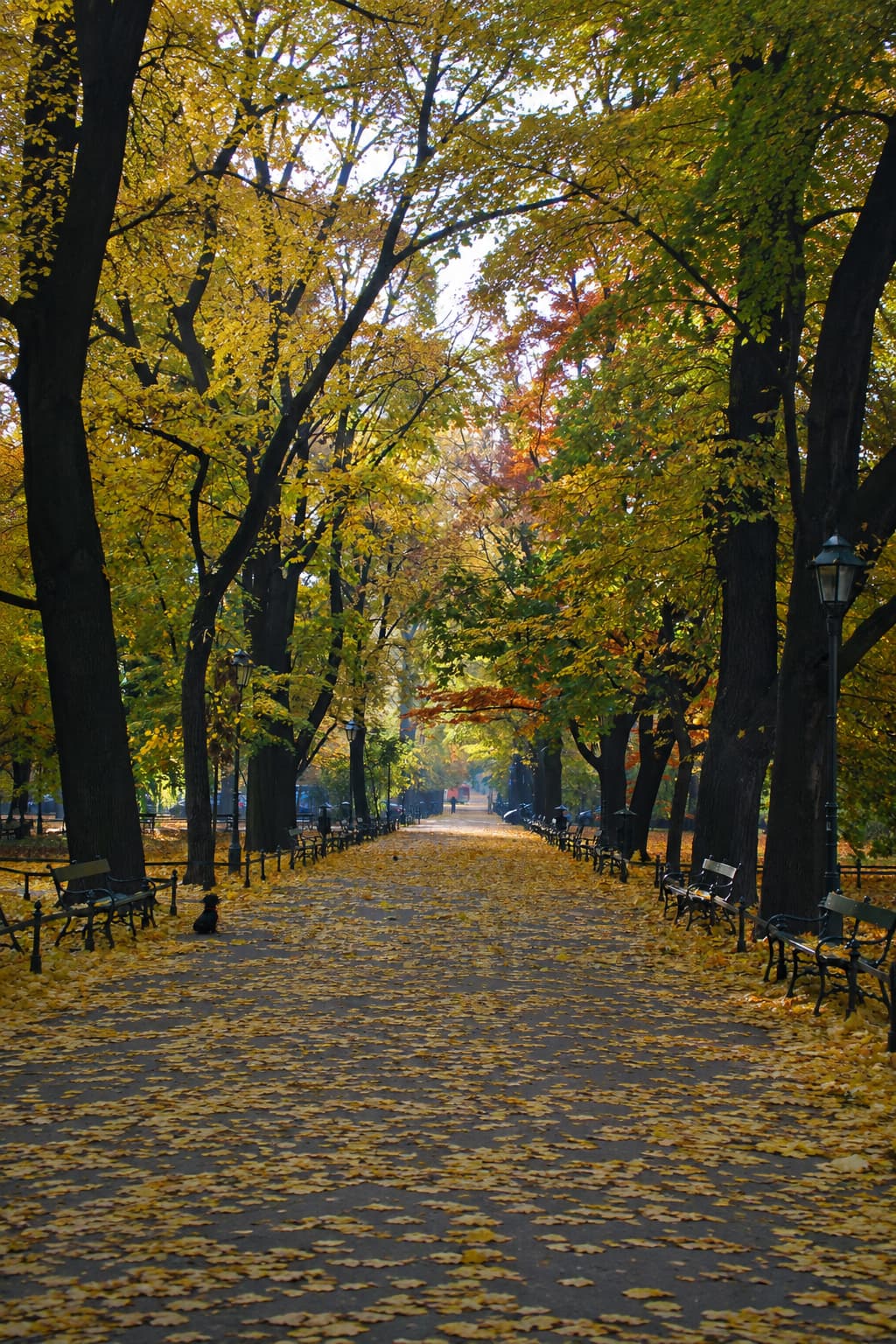
Foliage scores a 4. The Planty gardens encircling the Old Town go amber in October, and the surrounding Małopolska countryside — Zakopane and the Tatra Mountains are a day trip away — is at its most visually spectacular. Mobility is strong (4): the Old Town is compact and flat, with affordable public transport extending outward.
The honest caveat: warmth scores a 1. Kraków in October averages highs around 13°C and lows near 5°C. This is not a warm city break. It is a wool-coat, warm-coffee, afternoon-beer-inside city break. If that’s your register, Kraków in October is excellent. If you need t-shirt temperatures, you need to look further south.
The Wieliczka Salt Mine — one of Europe’s more genuinely impressive underground sites — is a reliable October day trip, and it’s underground regardless of weather. Also worth knowing: if you’re building a broader Eastern Europe itinerary around these best European cities in October, see our Eastern Europe travel guide for costs, safety, and context.
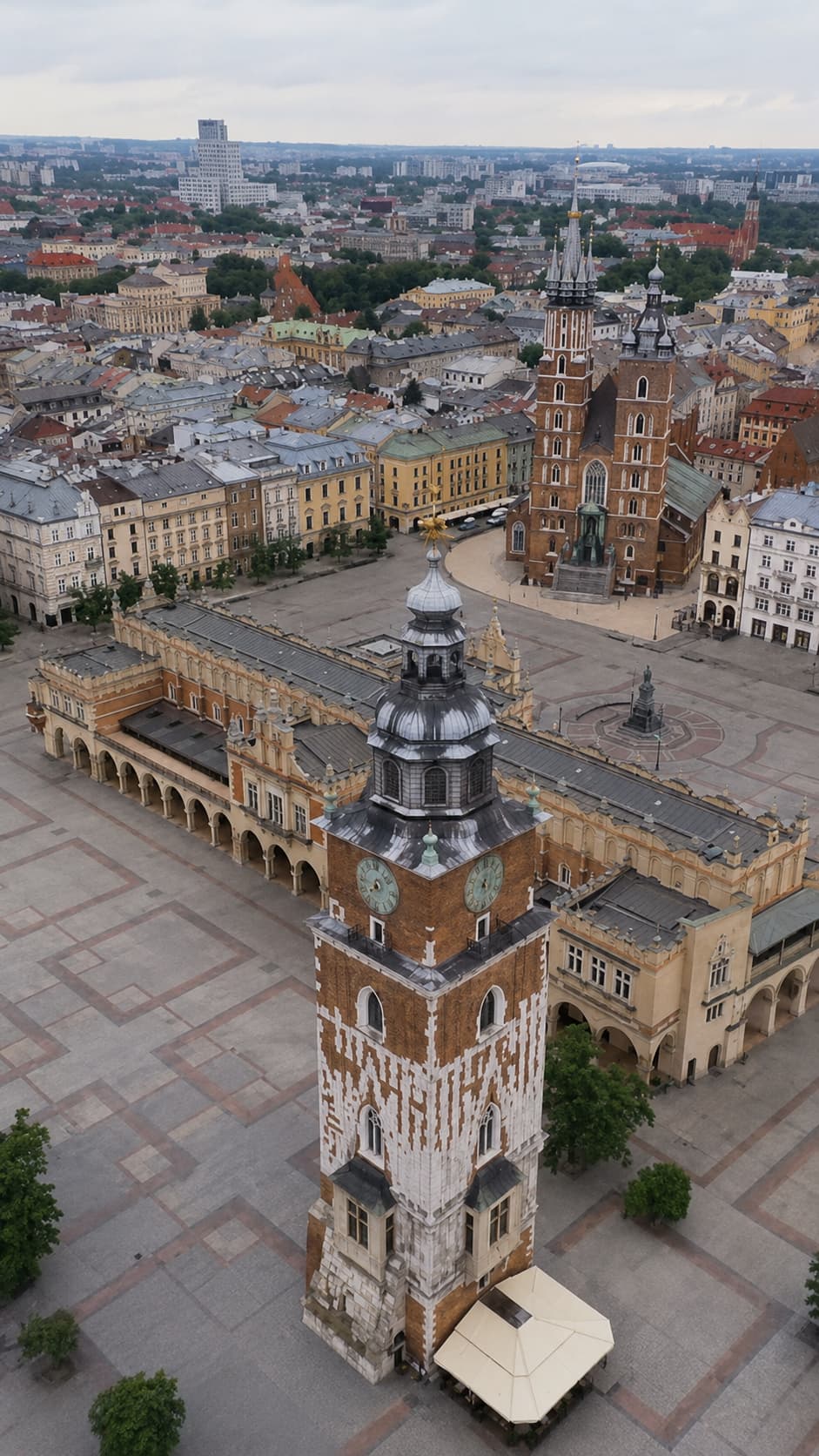
5. Lisbon — Warm but Wetter Than Expected (20/30)
Lisbon scores lower than its warmth numbers might suggest, and the reason is mobility. Lisbon is a hill city in a way that Barcelona and Rome are not. The famous seven hills are charming; in October rain, they become slippery cobblestoned routes between your hotel and everything you want to see. The vintage trams are slow and crowded; the metro is good but doesn’t reach Alfama or the hilltop miradouros. This is a city where getting around in bad weather is a genuine friction, and October can produce that weather.
The warmth score (4) is deserved: daytime highs of ~23°C, with around 7–9 hours of daily sunshine when the sky is clear. Sea temperature at around 19°C is on the cooler side for swimming — doable for cold-water enthusiasts, probably not for the majority. The Atlantic-facing coast at Cascais and Estoril will be windier than this suggests.
Value is solid (4): Lisbon stays more affordable than Rome or Barcelona, and October prices are noticeably lower than summer. Crowd relief is real. It’s a genuinely good October city — just score it honestly rather than claiming it’s Seville. Portugal’s Douro Valley — reachable via Porto — is in the middle of grape harvest season in October; it’s one of the best wine-country trips in Europe at this time of year. See our 3 Days in Porto itinerary for a trip that combines both.
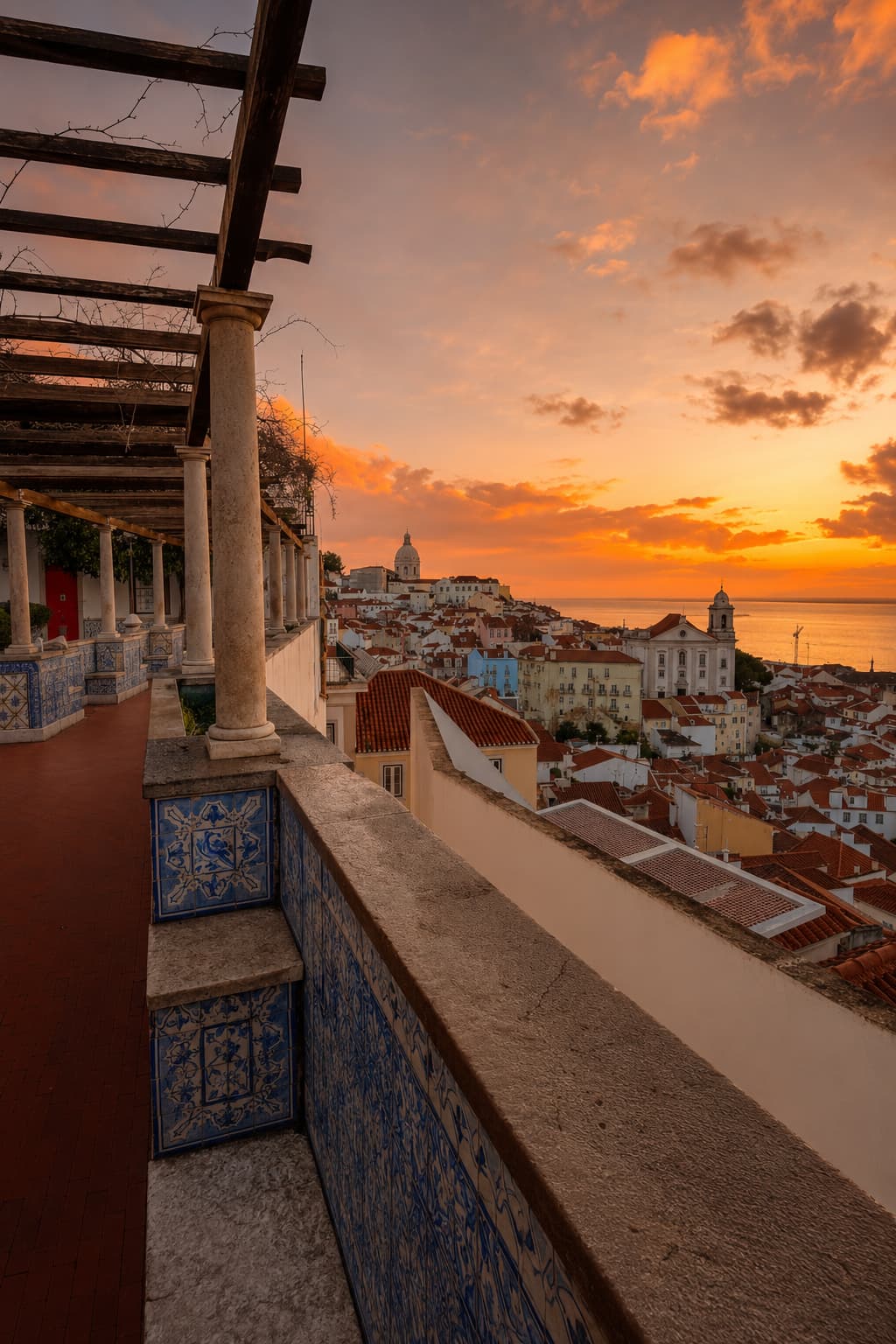
6. Barcelona — Great Transit, Tricky Month (19/30)
Barcelona’s lowest score — a 2 on weather reliability — is the honest number that most October city guides skip over. October is statistically Barcelona’s wettest month. Not a rainy month. The wettest. Multiple climate sources put average October rain days between 9 and 13, with total precipitation that significantly exceeds any other month. The showers can be brief; they can also be sustained Mediterranean storms. If you’re visiting Barcelona in October specifically because you read it’s “shoulder season with good weather,” adjust that expectation.
The rest of the picture is genuinely good. Temperatures stay around 22°C in the daytime — warm enough for outdoor dining in the dry spells. Sea temperature hovers around 22°C, making early-October swimming viable and late-October swimming possible but bracing. The transit system (metro, bus, cable car) is excellent, earning the city a 5 on mobility — easily the best of any city on this list for getting around without a car, regardless of weather. Crowd relief is partial: Barcelona remains one of Europe’s most-visited cities and October is not low season, it’s lower season. The Sagrada Família still requires advance booking.
If your October priorities are architecture (the Modernisme trail makes weather irrelevant — Sagrada Família is indoors), transit ease, and you’re travelling early in the month for a swim, Barcelona earns its place. Go in with accurate rain expectations and it delivers. Go in expecting Seville’s skies, and you may be disappointed.
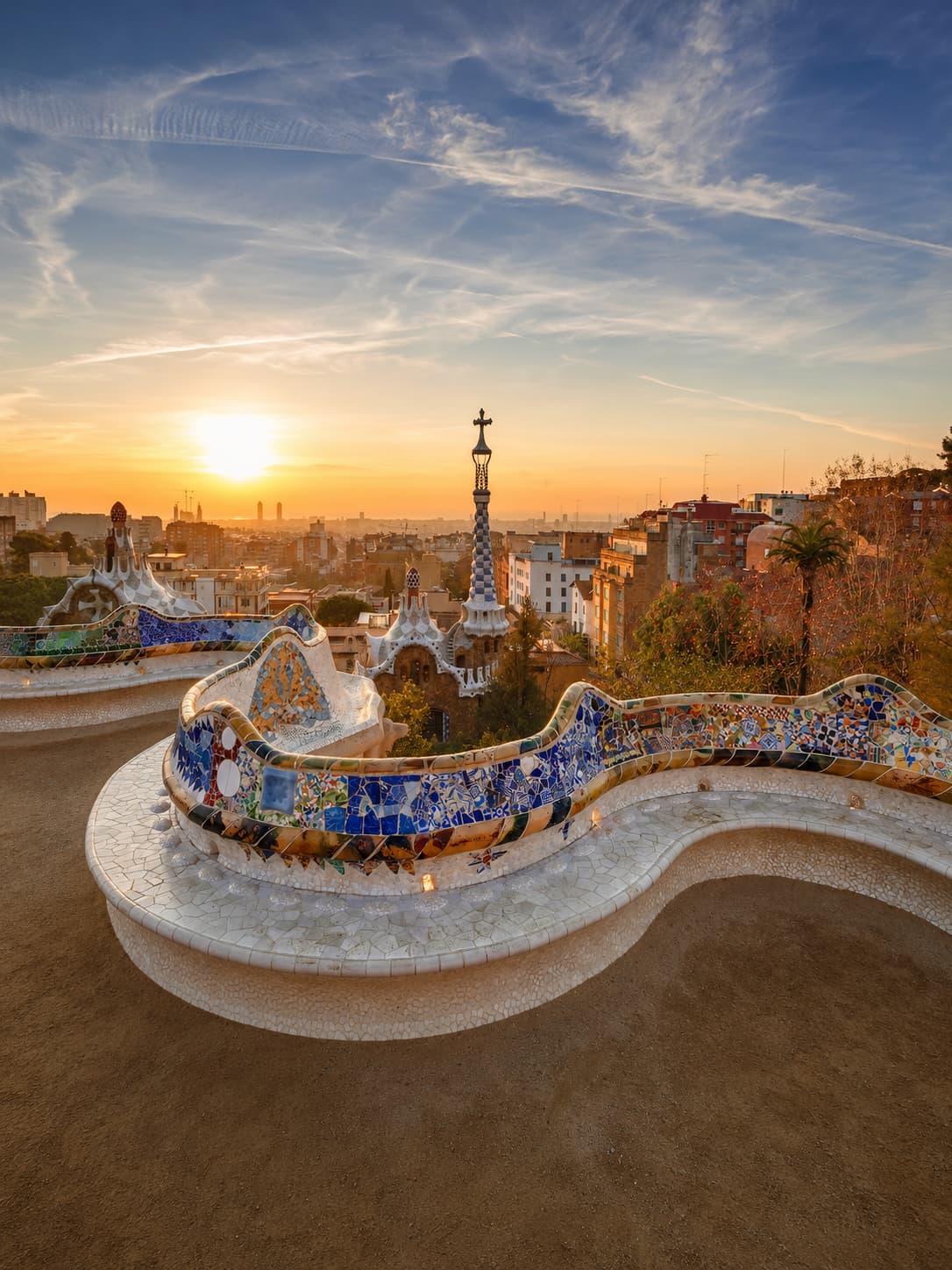
7. Munich — Worth It in October, But Not for Oktoberfest (18/30)
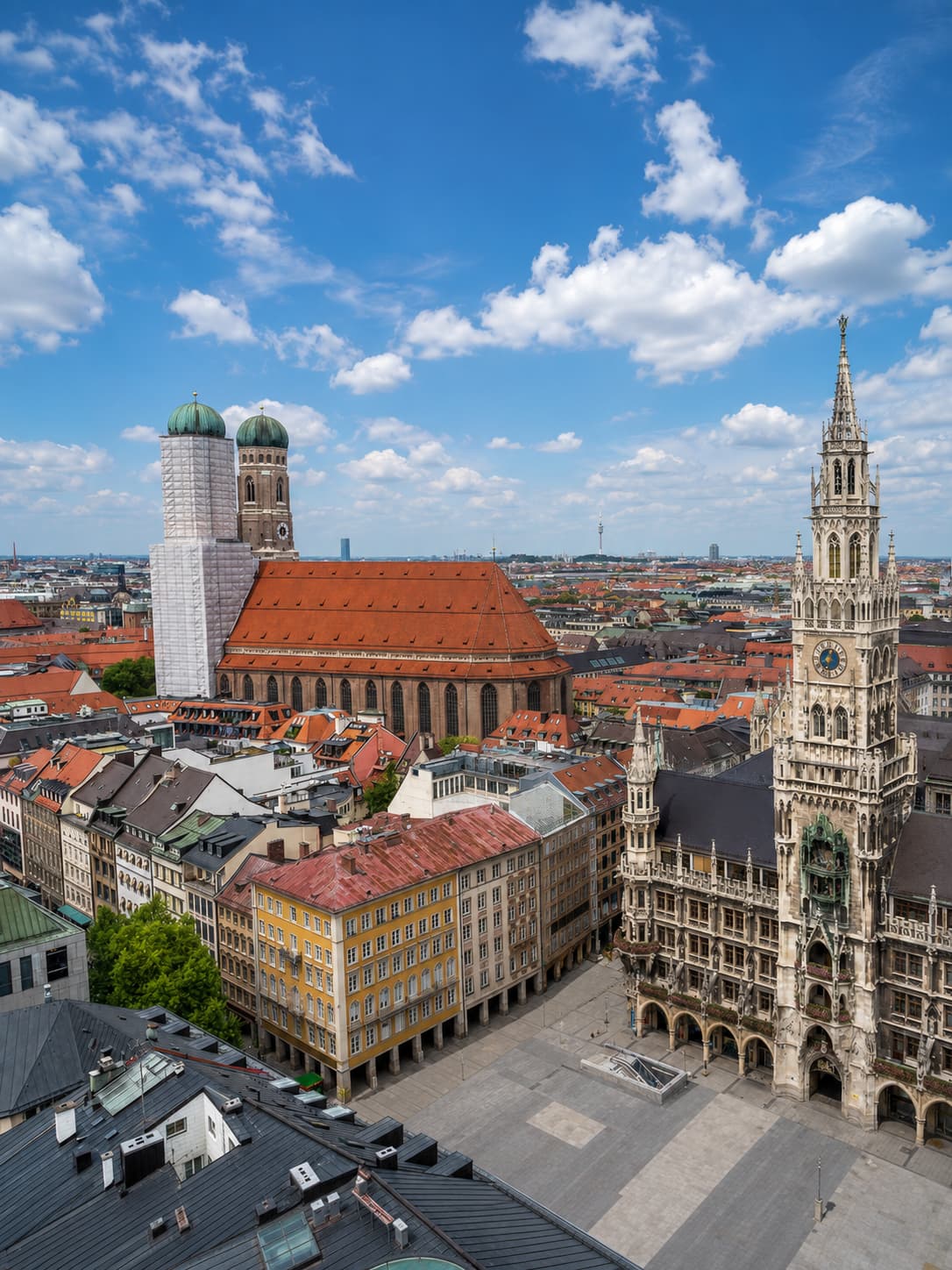
Here is the honest Oktoberfest verdict: if you’re visiting Munich in October because you want to go to Oktoberfest, you need to arrive by 4 October 2026. According to the official Oktoberfest website, the festival runs 19 September to 4 October — by mid-October, the Theresienwiese grounds are cleared and quiet. Most of October is post-Oktoberfest Munich, and that’s a meaningfully different city.
Post-Oktoberfest Munich is still a good city. The English Garden has some of the best October foliage in Germany; the Deutsches Museum is excellent regardless of month; day trips to Neuschwanstein Castle and the Bavarian Alps are at their most dramatically coloured in October. But the city’s primary October draw for international visitors — the festival — is already over for most of the month.
Munich scores a 2 on weather reliability (temperatures hover around 13°C, with genuine cold snaps toward month’s end and an above-average chance of overcast days) and a 3 on value (it never becomes inexpensive). These honest scores push it to the bottom of this ranking — not because it’s a bad city, but because October specifically is not its strongest month for most traveller profiles.
05 — Where Is It Still Warm Enough to Swim in Europe in October?
This is the most-searched October question, and the honest answer depends on what “warm enough” means to you.
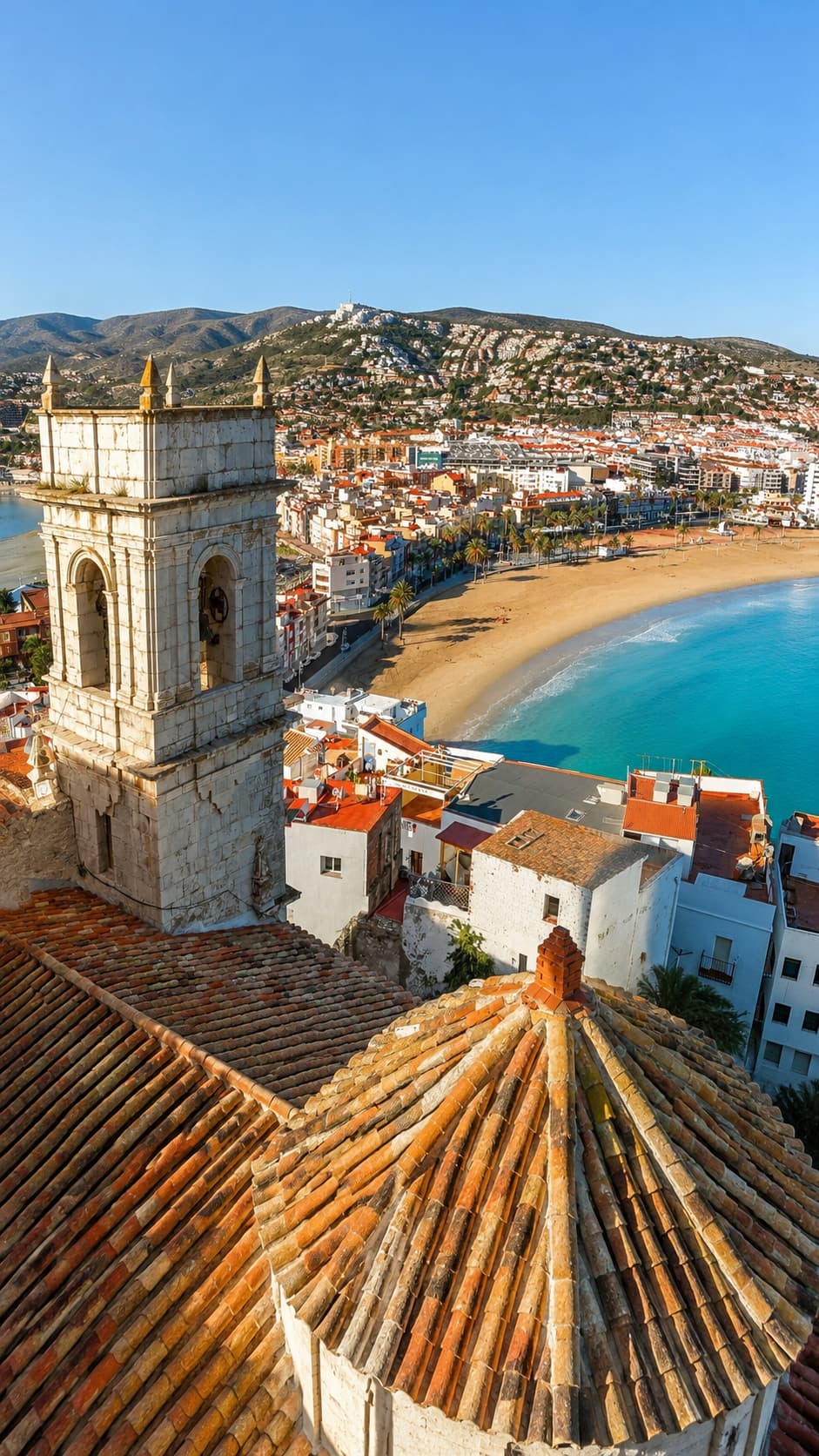
Barcelona and Rome both have sea temperatures around 22°C in early October. At that temperature, you can swim — it’s warm enough for most people, particularly in calm conditions. Barcelona’s beach clubs will have wound down, but the beaches are open. Rome’s coastal day trips (Ostia, Anzio) remain viable.
Lisbon’s Atlantic coast sits around 19°C — noticeably cooler than the Mediterranean due to the cold Canaries Current running up Portugal’s coast. This is cold-water swimming territory. Some will love it; most casual swimmers will find it uncomfortable after five minutes.
Prague, Kraków, Munich: October swimming is simply not a factor. The foliage, cities, culture, and value are the draws. Plan accordingly.
For the warmest sea temperatures in October anywhere in Europe, the Canary Islands (Gran Canaria, Tenerife) — not covered in this ranking of mainland cities — average around 23–24°C in the water and 26°C in the air, making them the clearest answer to the “where can I still genuinely swim in Europe in October” question if warmth is the priority above all else.
06 — What to Pack for the Best European Cities in October
The base-mid-shell system works across every city on this list. The proportions shift depending on where you’re going.
- Base layer: T-shirts and lightweight long sleeves — the daytime staple in southern cities, the indoor layer in northern ones.
- Mid layer: A fleece, light knit, or merino jumper. Essential everywhere from Prague and Kraków; useful for Lisbon and Seville evenings.
- Shell: A compact waterproof jacket is non-negotiable. Barcelona, Lisbon, and Rome all have meaningful rain risk. Prague and Munich have overcast days. The shell folds small; pack it regardless of destination.
- Footwear: Comfortable walking shoes with some weather resistance. Lisbon’s cobblestones become genuinely treacherous when wet. Seville is more forgiving. Prague’s streets are uneven but not as steep.
- Layers, not bulk: A single heavy coat is less useful than three items you can combine. October days can start at 10°C and peak at 20°C in the same place.
Sunscreen still earns its place in your bag for any southern city — 27°C Seville in October sun is real UV exposure. The hat and sunglasses that felt obvious in August matter in October Seville too, even if the air feels autumnal. For a full kit rundown, see our honest Europe packing list.
07 — Early vs Late October — Why the Date Matters for European Cities
October is not a single uniform month in Europe. The difference between the first weekend and the last is large enough to change which city makes sense.
Southern European cities are at their warmest October point. Sea temperatures peak around 22°C in the Mediterranean. Seville and Lisbon can still deliver full t-shirt days. Oktoberfest is in its final days — if the festival matters, this is your window (it closes 4 October 2026). Early October is also when the Douro Valley in Portugal and Tuscany in Italy are in active wine harvest — grape-picking season is a specific draw for those who want to time a visit around it. Foliage in northern cities (Prague, Kraków) is just beginning to turn.
On 25 October 2026, clocks across the EU fall back one hour. Sunset suddenly arrives around 5pm in southern cities and before 5pm in northern ones. This meaningfully changes how much you can fit into an outdoor itinerary. Prague and Kraków hit peak foliage in mid-to-late October — the best of the autumn colour arrives in the window when the days are also shortest. Southern cities are cooler and rainier than early October. Late October is the month’s most honest trade-off period: beautiful in the north, changeable in the south, shorter everywhere. If autumn foliage across Europe is your main motivation, our fall foliage in Europe guide breaks down peak windows by region.
Weather, Crowds & Timing
Planning Your October Trip
08 — The Honest Verdict: Which of the Best European Cities in October Is Right for You?
There is no single best European city for October — because there’s no single type of October traveller. The scoring table does the work this section won’t pretend to do in one sentence.
No other city on this list comes close to Seville’s October warmth-to-value ratio. 27°C, real crowd relief, prices that have genuinely fallen, and enough sunshine days to justify the trip. Just know the rain days arrive with storms, not drizzle.
Both deliver foliage, value, and compact mobility. Prague has the architecture and the Signal Festival. Kraków has the Main Square and the Tatra Mountains a bus ride away. Prague ties for first place overall; Kraków places fourth on total score but exceeds Rome on crowd relief and value. Go to Prague if you want a spectacular walkable city in autumn. Go to Kraków if you want that on an even tighter budget.
Rome sits third overall precisely because it offers something real in every category without leading in any. Not the warmest, not the cheapest, not the most crowd-free — but genuinely good across all six criteria in October. It’s the city that disappoints the fewest types of travellers.
Barcelona ranks sixth overall, but if excellent public transport, Gaudí architecture (mostly indoors), and the possibility of a last October swim are your priorities, and you’ve accepted the rainfall reality, it earns its place. Just don’t go expecting Seville’s skies.
October in Europe doesn’t need a superlative. It just needs the right city for the kind of trip you’re actually planning to take.