
Rome on a Budget: How We Did 2 Days Without a Car
Rome rewards visitors who slow down, walk, and use the same transport as its residents. Here’s exactly what we spent — and where it was worth spending more.
We arrived in Rome as part of a longer Italy road trip, parked the car on the outskirts, and left it there for two full days. That choice ended up being one of the smartest decisions of the trip. Rome, quite simply, is not a city that improves when viewed through a windscreen.
For one thing, much of the historic centre falls inside the ZTL, where cameras automatically fine non-resident vehicles. On top of that, paid parking still leaves you far enough away that you end up using transport anyway.
By contrast, Rome makes immediate sense on foot and by metro. Streets connect naturally, distances shrink quickly, and the city feels far calmer when you are not trying to drive through it.
This is a real-numbers breakdown of two days in Rome — what things actually cost, where the budget leaks, and which expenses were worth every euro.
01 — Getting Around Without a Car
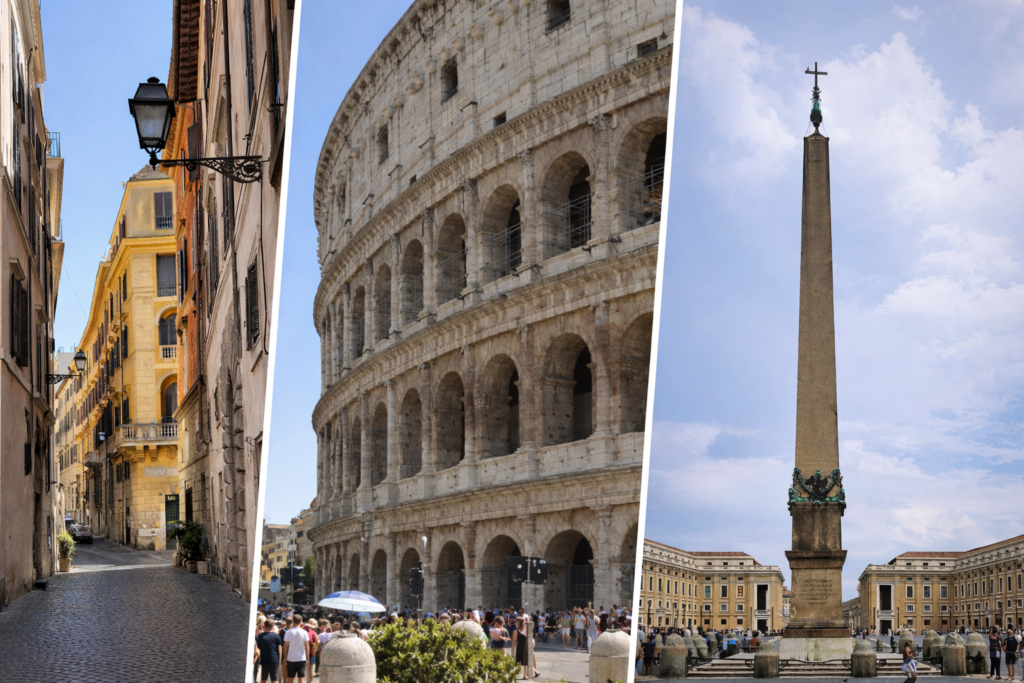
Rome’s historic centre is more walkable than it first appears on a map. Major sights such as the Colosseum, Pantheon, Trevi Fountain, and Spanish Steps sit closer together than many first-time visitors expect. As a result, much of a short stay can be done on foot.
Why car-free travel works here
At first glance, leaving the car behind can feel inconvenient, especially if you are arriving from another part of Italy. In practice, however, it removes almost every major irritation at once. You avoid ZTL fines, skip the parking problem, and move through the centre at the pace the city actually rewards. Consequently, Rome feels smaller, easier, and less stressful.
The metro — simple, limited, useful
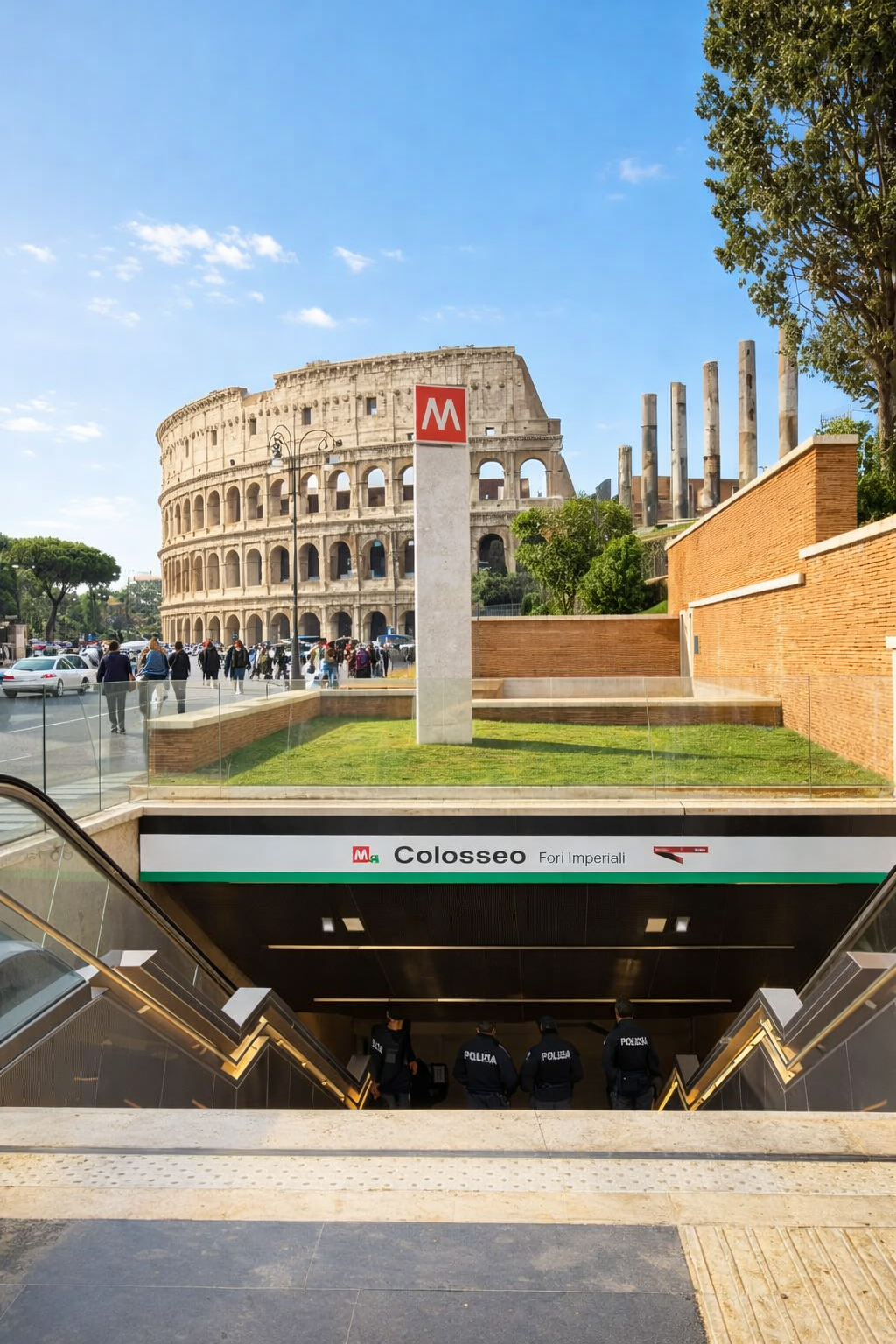
Rome’s metro is not extensive by European capital standards. Even so, the parts it does cover are the parts visitors use most. Line A reaches Termini, Barberini, Spagna, and Ottaviano near the Vatican. Meanwhile, Line B gets you straight to Colosseo.
A single ticket costs €1.50 and remains valid for 100 minutes across metro and bus connections. Therefore, the 48-hour pass at €7 is usually the best-value option for a two-day stay. Buy tickets at a tabacchi shop or metro machine rather than waiting until the last second on the platform.
Buses and trams
Buses cover the gaps the metro misses. For example, Bus 40 and Bus 64 connect Termini with the Vatican area, while Tram 8 is useful for Trastevere. Admittedly, buses can be crowded and slower in traffic. Even so, they are still cheaper and less frustrating than using taxis for short urban hops.
Walking is the real advantage
The best budget choice in Rome is often to walk first and use transport second. Between major sights, you pass fountains, church façades, courtyards, and side streets that would be invisible from a taxi seat. In other words, the city reveals itself in the transitions. Many of Rome’s best moments happen while you are supposedly on the way to somewhere else.
Rome’s Limited Traffic Zone covers much of the historic centre and is camera-enforced. Non-resident vehicles entering the restricted area are fined automatically, often through the rental company later. Park outside the centre and use public transport instead.
02 — Eating Well Without Overspending
Rome can feel either reasonably priced or absurdly expensive depending on where you stop to eat. Restaurants pressed against the Trevi Fountain, Pantheon, or Spanish Steps often charge double for food that is merely passable. Walk two or three streets away, however, and the quality usually improves as the prices fall.
Why location matters so much
Near major monuments, restaurants sell convenience as much as lunch. A few streets back, by contrast, the clientele shifts toward workers, residents, and people willing to walk for a better meal. Consequently, Rome rewards even a small amount of stubbornness. One extra turn down a side street can cut the bill dramatically.
Breakfast the Roman way
Breakfast is one of the easiest savings of the trip. Most Romans stand at the counter, drink an espresso, and eat a cornetto for around €1.50–2.50 total. Sit down and the price rises immediately. Sit outside and it climbs again. Standing at the bar is not the budget version — it is the normal version.
Lunch is the value meal
Lunch offers the best sit-down value in the city. Many trattorie serve a menù del giorno for €12–16, often including multiple courses and bread. At dinner, by comparison, very similar food can cost much more. For that reason, it makes sense to eat your proper restaurant meal in the middle of the day rather than at night.
Cheap food that is still worth eating
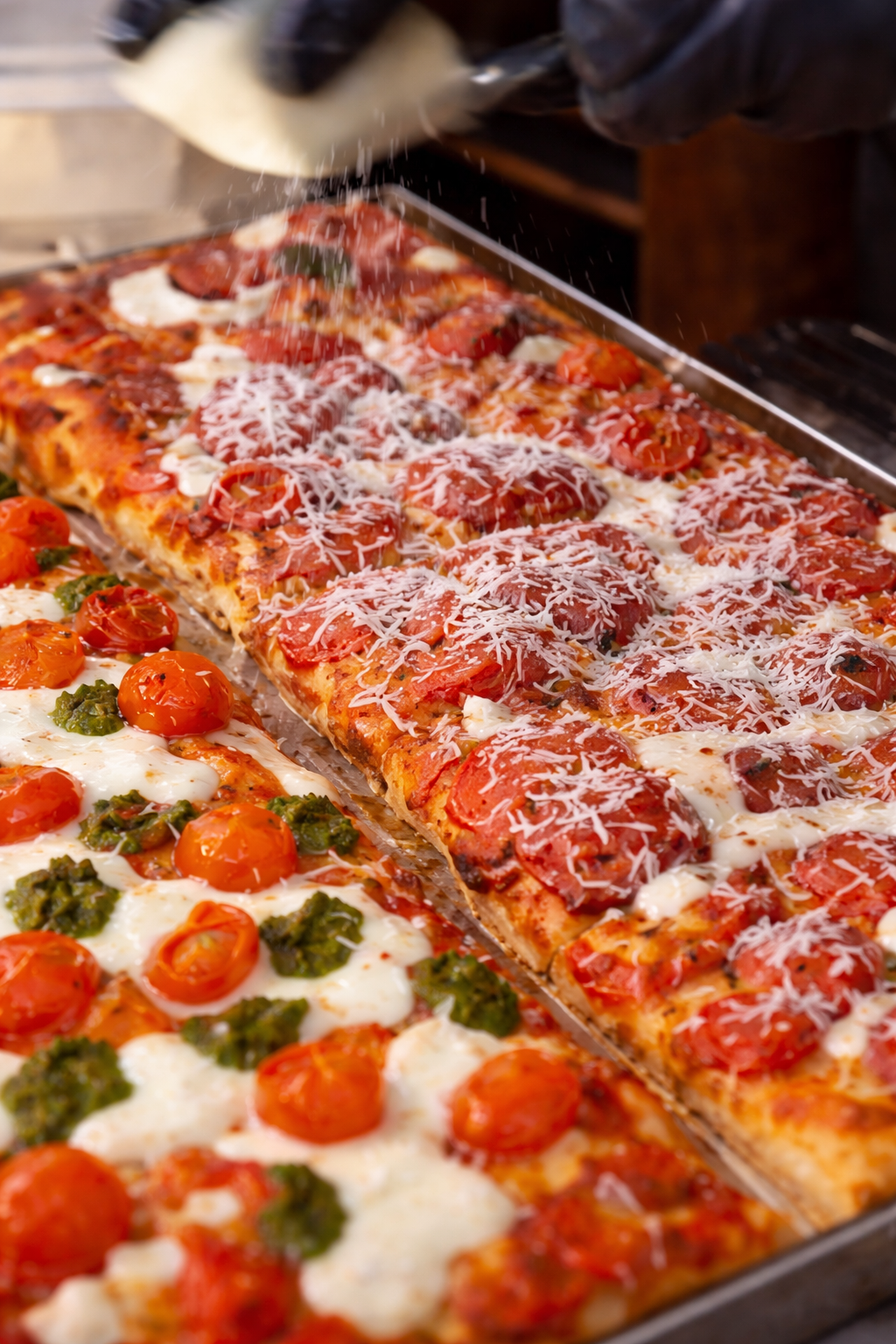
Mercato Centrale at Termini is useful when you want something quick but still good. Pizza al taglio is even better for budget dinners: you pay by weight, portions are generous, and €3–5 goes surprisingly far. Supplì from a friggitoria works the same way. None of these are compromise foods. Rather, they are some of the most satisfying things to eat in Rome.
Drinks without the markup
Aperitivo in Rome is usually less elaborate than in Milan, but you can still find bars offering small snacks with a drink in the early evening. Prices stay sensible if you order at the bar. Table service, on the other hand, often adds cost without adding much pleasure. So, for one quick drink, standing is usually the smarter move.
03 — What to Pay For and What to Skip
Rome is unusually generous with free experiences. Piazzas, churches, fountains, ruins in plain sight, and beautiful viewpoints cost little or nothing. Paid attractions can be worth every euro, but not all of them deserve the same priority. That distinction matters if you are trying to keep a short trip affordable.
Why choosing matters
In Rome, it is easy to overspend through accumulation rather than one big mistake. Ticket after ticket adds up quickly, especially when each entry pushes you into eating nearby afterwards. A better strategy is to pay deliberately for the things that genuinely define the trip, then let the city itself fill in the rest for free.
Paid sights worth the money
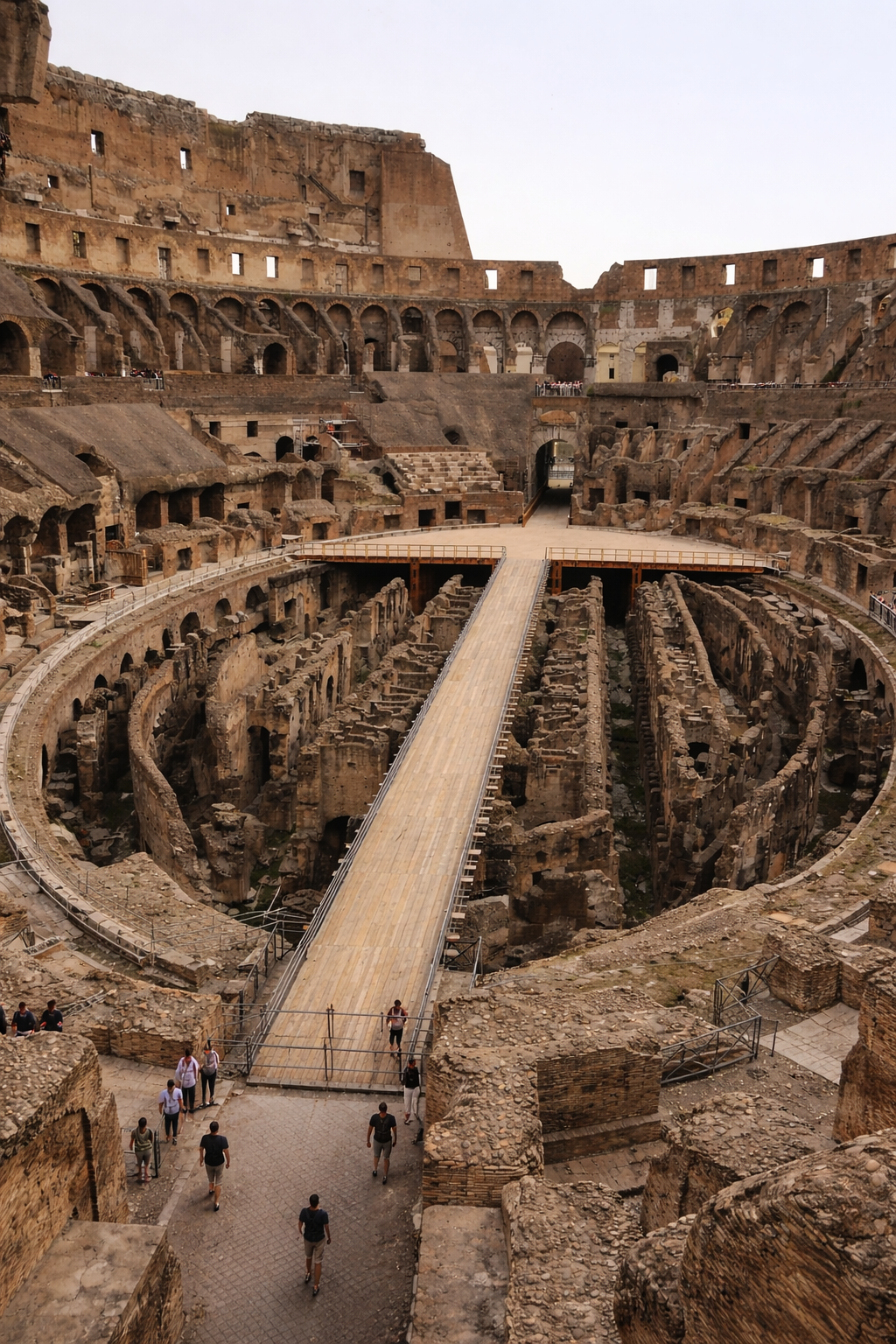
This combined ticket gives you the Colosseum, Forum, and Palatine Hill. All three matter, and together they feel like one experience rather than separate stops. Booking ahead costs a little more, but the time saved is worth it.
The museums are enormous and require time, but the ticket still justifies itself. Queueing without a reservation can waste hours, so pre-booking is the sensible choice. St Peter’s Basilica itself remains separate and free.
The climb is narrow in parts and physically harder than some people expect. Nevertheless, the view across Rome and down into the basilica makes it one of the stronger paid add-ons in the city.
Free and low-cost sights that still feel major
The fountain itself is free. Crowds are the real obstacle, not cost. Go early and the whole experience changes.
The entry fee is modest, and the building still feels underpriced for what it is. Arrive early for a calmer visit.
Many contain artwork and interiors of museum quality with no ticket and no serious queue. As a result, some of the city’s best spaces cost nothing at all.
It is free, easy to reach, and especially good near sunset. Compared with more famous viewpoints, it often feels calmer.
Where the budget disappears fastest
Usually, the problem is not one expensive ticket. Instead, the cost grows when you stack several paid entries into a short trip and then buy meals in the immediate orbit of those attractions. Keep it to one or two major paid sights per day and the numbers remain far more manageable.
04 — Real Cost Breakdown — 2 Days
These are real numbers from a two-person trip, shown per person. Accommodation is listed separately because it changes significantly by neighbourhood and season.
Day-by-day spending
| Category | Day 1 | Day 2 | Notes |
|---|---|---|---|
| Transport | €7.00 | €0 | 48-hour pass covered both days |
| Breakfast | €2.50 | €2.50 | Espresso + cornetto at the bar |
| Lunch | €14.00 | €6.00 | Trattoria lunch, then Mercato Centrale |
| Dinner | €8.00 | €5.00 | Simple dinner both nights |
| Drinks | €6.00 | €5.00 | One aperitivo-style stop each day |
| Colosseum + Forum | €18.00 | — | Booked in advance |
| Vatican Museums | — | €20.00 | Pre-booked |
| Dome climb | — | €8.00 | Stairs-only option |
| Pantheon | €5.00 | — | Low-cost entry |
| Miscellaneous | €5.00 | €5.00 | Water, snacks, extra coffee |
What the totals look like
What is not included
Accommodation sits on top of those figures. Near Termini, a decent private room often costs €60–90 per night for two people sharing. Trastevere and the centro storico usually run higher. Hostels, meanwhile, can bring the total down quite a lot if you are travelling solo.
What the full trip really costs
At the lower end of the accommodation range, a two-night trip for two comes to roughly €350–400 in total. So, Rome is still very possible on a moderate budget. The key is structural: walk more, choose lunch over dinner for your main meal, and avoid paying for convenience around major monuments.
05 — Practical Budget Tips
A good Rome budget strategy should not feel punishing. In other words, the goal is not to strip the city of pleasure. Instead, it is to cut the costs that add little while keeping the parts that make Rome feel like Rome.
Book the big sights before arrival
Queue time is often more damaging than ticket price in a short Rome trip. The Colosseum and Vatican Museums both swallow hours if you leave them to chance. By booking in advance, you spend slightly more money but protect a much more valuable resource: time.
Walk between the famous places
Many of Rome’s headline sights sit closer together than they look on a map. Pantheon to Trevi is short. Trevi to the Spanish Steps is also short. As a result, the metro often makes less sense than simply walking. You save money and, just as importantly, experience more of the city between stops.
Carry a refillable bottle
Rome’s public fountains, the nasoni, are one of the easiest savings in the city. Water is cold, clean, and free. Bottled water in tourist areas, by contrast, becomes a steady trickle of unnecessary spending across two days.
Use lunch as your restaurant meal
Lunch is where Rome offers its best sit-down value. Dinner is where tourist pricing tends to hurt most. Therefore, if you want one proper trattoria meal a day, make it lunch and keep dinner simpler.
Be suspicious of convenience menus
If the menu is only in English and every dish has a photograph, keep walking. If the specials are handwritten and people in work clothes are eating there at 1pm, you are probably in the right place. That single adjustment improves both price and quality more than most budget hacks.
Many sit-down restaurants in Rome add a coperto, usually €1.50–3 per person. It is normal rather than deceptive, but it still changes the real cost of a meal. Standing at the bar or ordering takeaway avoids it completely.
Daily budget questions
Transport and logistics questions
Food and attraction questions
Rome doesn’t require money to be extraordinary.
It requires time, a willingness to walk, and knowing where not to eat.