
The Best European Cities to Visit in September (An Honest Ranking by Type of Trip)
Twelve cities. Four tiers. One honest verdict per city — built around why September specifically makes that destination worth the flight.
The best European cities to visit in September aren’t just “good cities that happen to be open.” What changes in September is the specific deal you’re getting — 20–30% cheaper flights and hotels, seas at peak warmth, and cities that have stopped performing for the tourist crowd and started being themselves again. This guide ranks twelve cities across four tiers, each built around a September-specific argument, not a generic list.
01 — Why September Changes the Calculation for European Cities
Choosing among the best European cities to visit in September isn’t about finding different cities from any other month. What changes is the deal you’re getting when you arrive — and that gap is bigger than most people expect.
Price is the first shift. According to the European Travel Commission, flights and hotel rates run 20–30% lower during the shoulder season compared to peak summer. Hopper’s data is blunter still: travelers who shifted from early July to September saved an average of 33% on round-trip airfare. For a couple booking a ten-day trip at equivalent quality, that gap routinely works out to €800–1,500.
Counterintuitively, the Mediterranean itself is often warmer in September than early July — because it takes months to absorb summer’s heat. Water temperatures across the Med in September sit between 22°C and 26°C, with Turkey’s coast reaching 27–29°C. The beaches have thinned out. France, Germany, Spain and the UK have all sent their school-age families home by mid-month, removing the demographic that generates the longest queues and the most competition for good restaurants.
Less discussed is the atmospheric shift. Harvest season has opened across Europe’s wine regions. Opera and concert seasons reopen after the summer pause. Temperatures that spent July and August at the edge of comfortable have dropped enough to make walking a city a genuine pleasure. For many, September is the month European cities stop performing for tourists and start being themselves again.
How the Tier Structure Works
September doesn’t help every city equally. Some reward the timing for the coast, others for the harvest, others because the heat that made them genuinely uncomfortable in summer has finally broken. The four tiers below are built around that distinction — not just which cities are good, but why September specifically earns each one its place on the list of the best European cities to visit in September.
02 — Tier 1: Best European Cities in September for Coast & Swimming
These are the cities where the primary September case is the coast. The sea is at peak warmth, visitor volume has dropped, and the combination of swimmable water and manageable crowds is the specific thing September gives you that June and July don’t.
Dubrovnik, Croatia
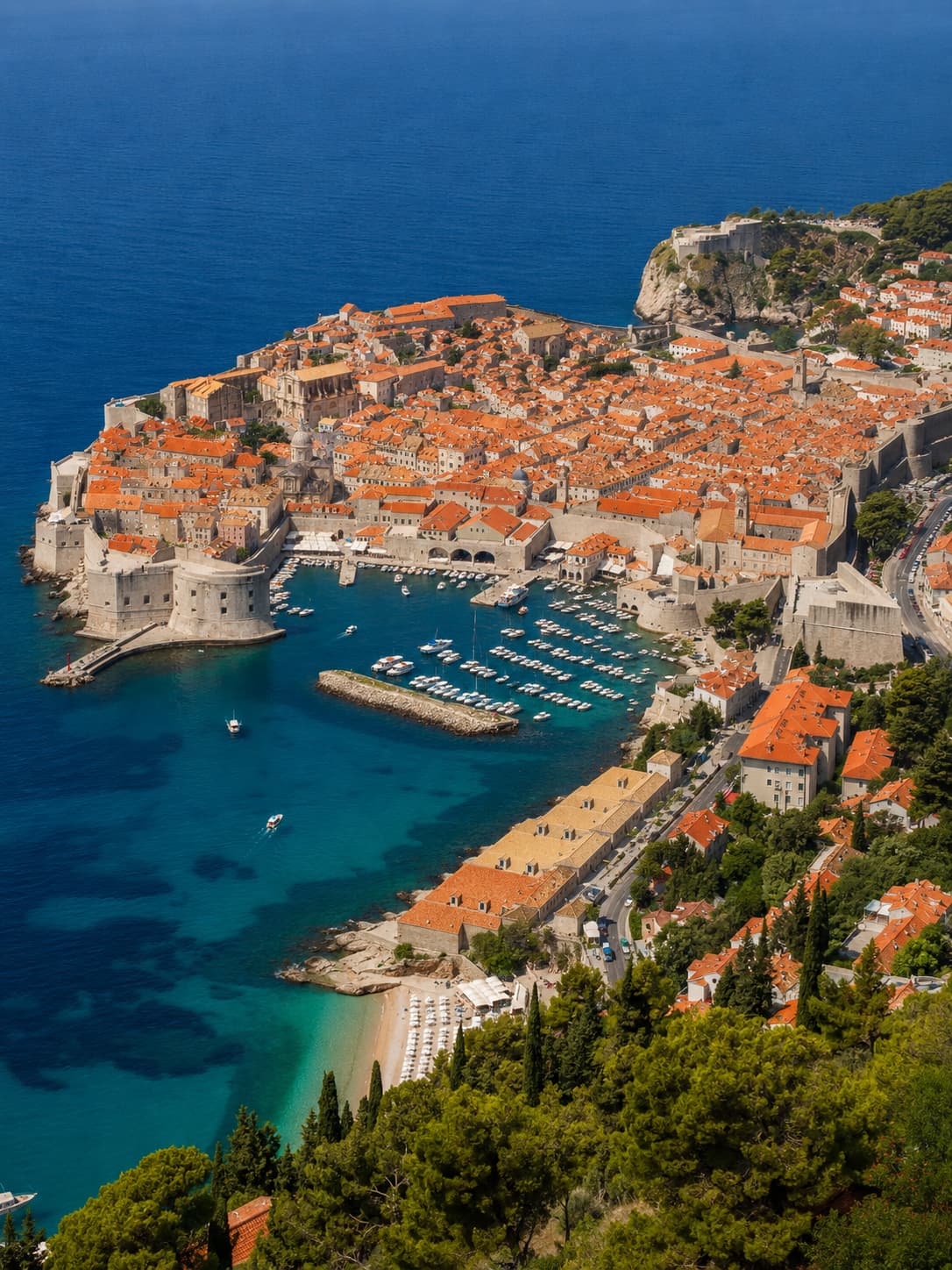
The honest case for Dubrovnik in September is specific: the city walls become bearable. Walking the full circuit in July means sharing two metres of sun-exposed limestone with several hundred other people in 35°C heat. In September, cruise ship volume starts dropping after the first of the month, temperature falls to a manageable 26–28°C, and the wall walk takes on a different character — you can stop, look out at the Adriatic, and register what you’re actually looking at.
One honest trade-off: early September remains genuinely busy. The shoulder season payoff is more pronounced from week two onward. Dubrovnik also tends to keep hotel prices elevated longer than elsewhere — the city has learned how to extract peak rates from people who assumed it would be cheaper. Book well ahead even for September. The Croatia in September vs July comparison covers the specific differences, and the Dubrovnik vs Split guide is worth reading if a less-visited alternative is on the table.
Seville, Spain

Seville in August is a city that has essentially given up. Locals leave, and the streets belong to tourists willing to navigate 40°C heat. In September, specifically from around the 10th onward, temperatures drop enough — to 28–30°C — that the city reopens to normal life. Tapas bars reclaim their locals. Meanwhile, the cathedral is still busy but no longer a compressed queue. At the Alcázar, the gardens are at their best when you’re not escaping the heat to get inside.
The honest caveat: 28–30°C is still warm. For visitors from the UK or northern Europe it’s comfortable; for those accustomed to air conditioning as a lifestyle requirement, it might not feel like a dramatic improvement on August. September in Seville is meaningfully better than August — but it isn’t cool. The better framing is that September is when the city becomes livable again. The Seville spring vs summer guide has useful seasonal detail if the timing is still undecided.
Antalya, Turkey
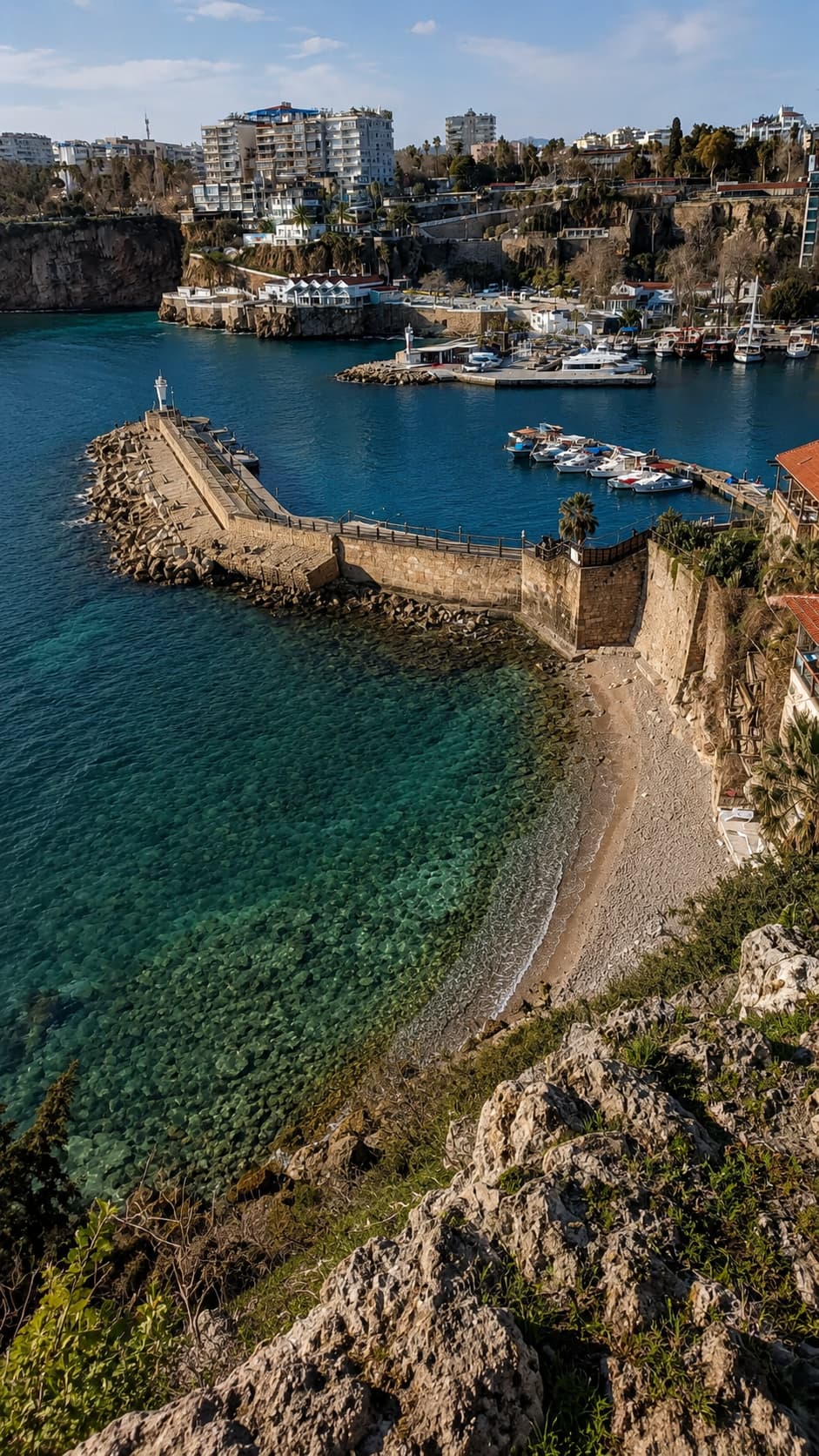
If the primary goal is swimming, Antalya makes the strongest September case in Europe. Turkey’s coast runs warmest — water temperatures around 27–29°C — and the city itself is genuinely uncrowded compared to Croatian or Spanish alternatives. Prices are lower than anywhere else on this list. Meanwhile, the beaches are good, and the old town (Kaleiçi) is compact enough to occupy a day or two.
The trade-off is honest: Antalya is primarily a resort city, and the resort crowd is right about what it offers. For culture-first travelers, it will feel thin beyond the coast. For swimmers, divers and people who want warm water without competition, September here delivers the best pure value proposition in Europe. The Is Antalya Worth Visiting post covers the honest question directly.
03 — Tier 2: Best European Cities in September for Harvest & Food
These are the cities where the September argument is specifically culinary — harvest festivals, wine estate tastings, truffle markets, and the kind of local food culture that operates differently once the tourist volume drops. The sea temperature payoff is secondary or absent. The food calendar is the reason.
Porto, Portugal
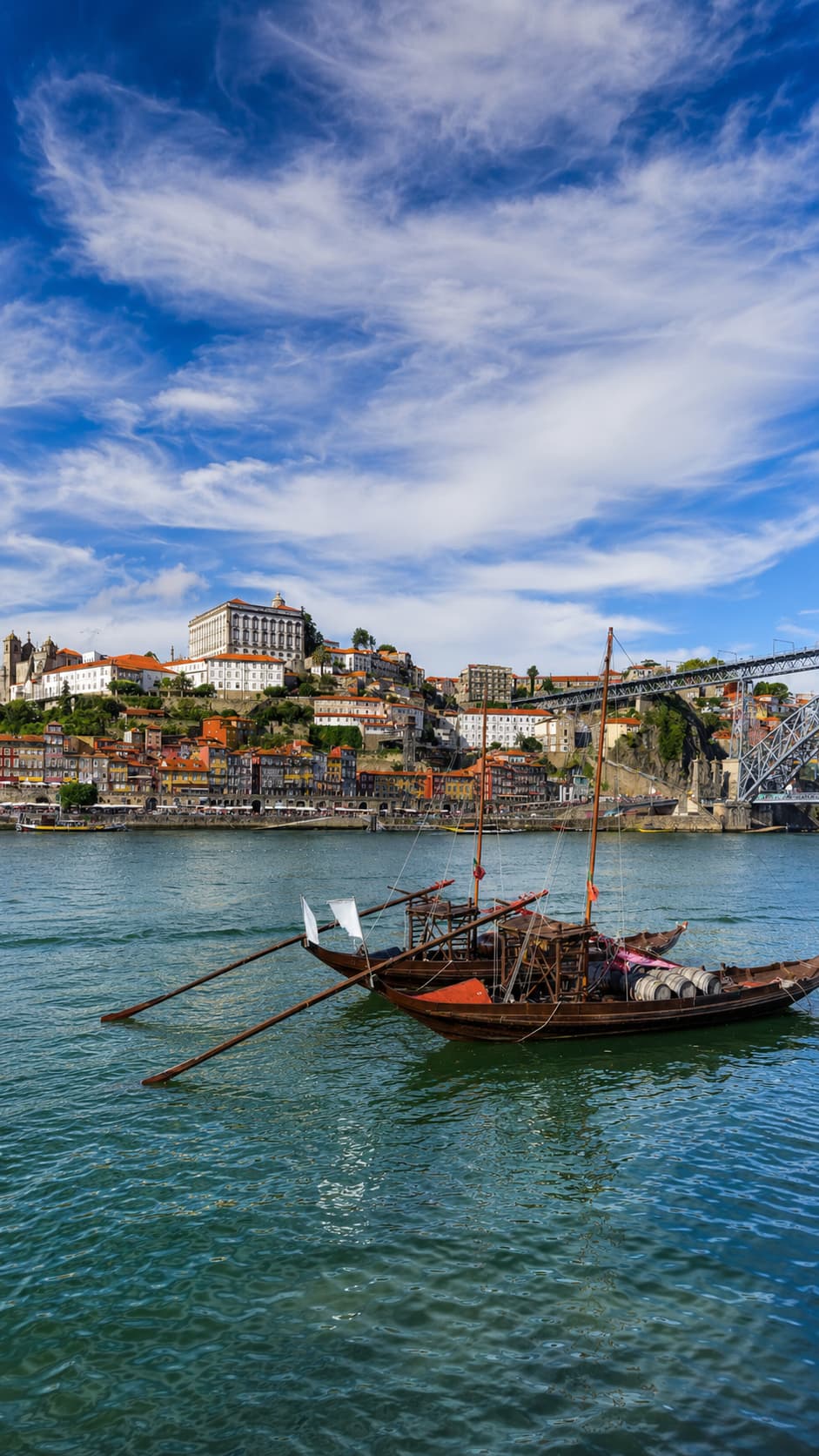
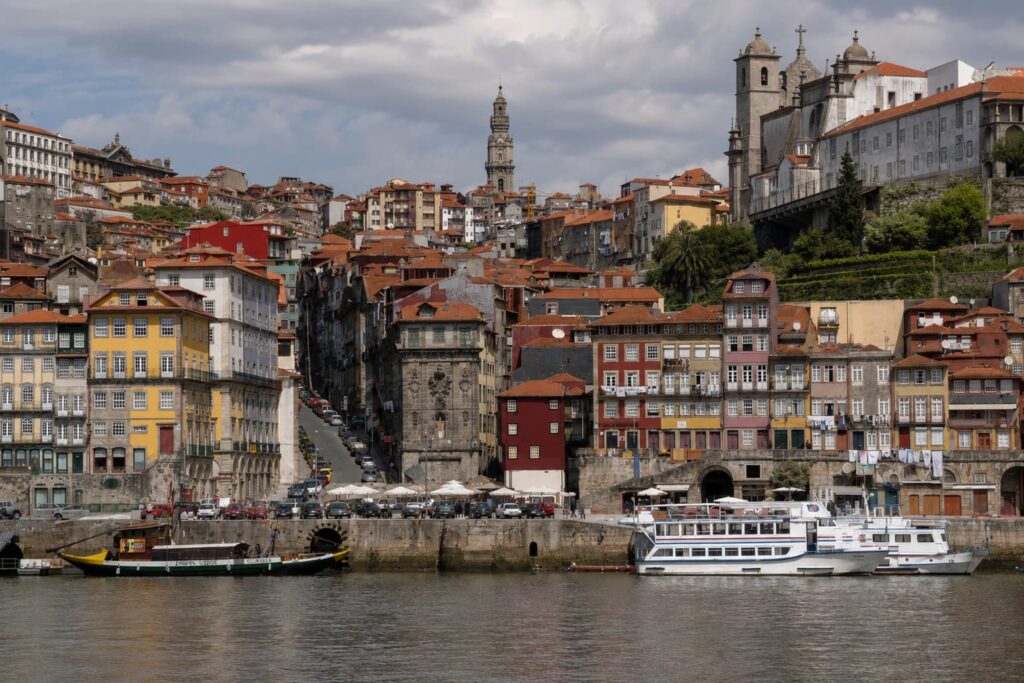
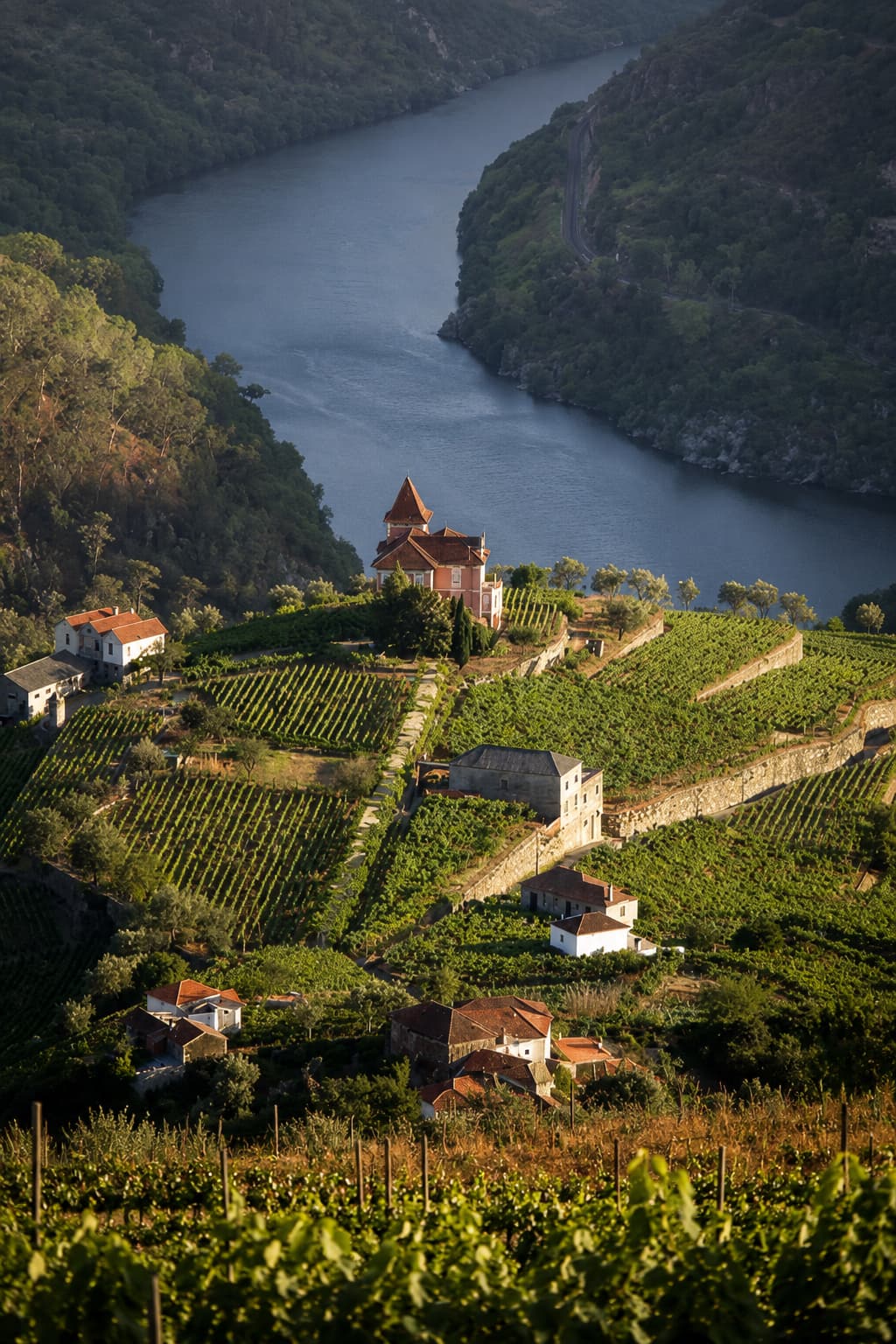
Porto in September is doing two things simultaneously: the Douro Valley harvest runs September through October, meaning the wine lodges across the river in Vila Nova de Gaia are at their most active with tastings, and the city itself hits its most comfortable temperature — around 22–25°C with low humidity and long evenings. The combination of walkable hilltop neighbourhoods, a functioning food scene, and an easy day trip to harvest-season wine country makes September the single best month for Porto.
Furthermore, Porto’s visitor peak runs July and August, meaning the September drop-off is one of the most pronounced on this list. The Livraria Lello queue shortens, and better guesthouses have availability again. As a result, the 3 days in Porto itinerary holds particularly well for September visits — the pacing suits the slower rhythm the city finds this time of year.
Bologna, Italy
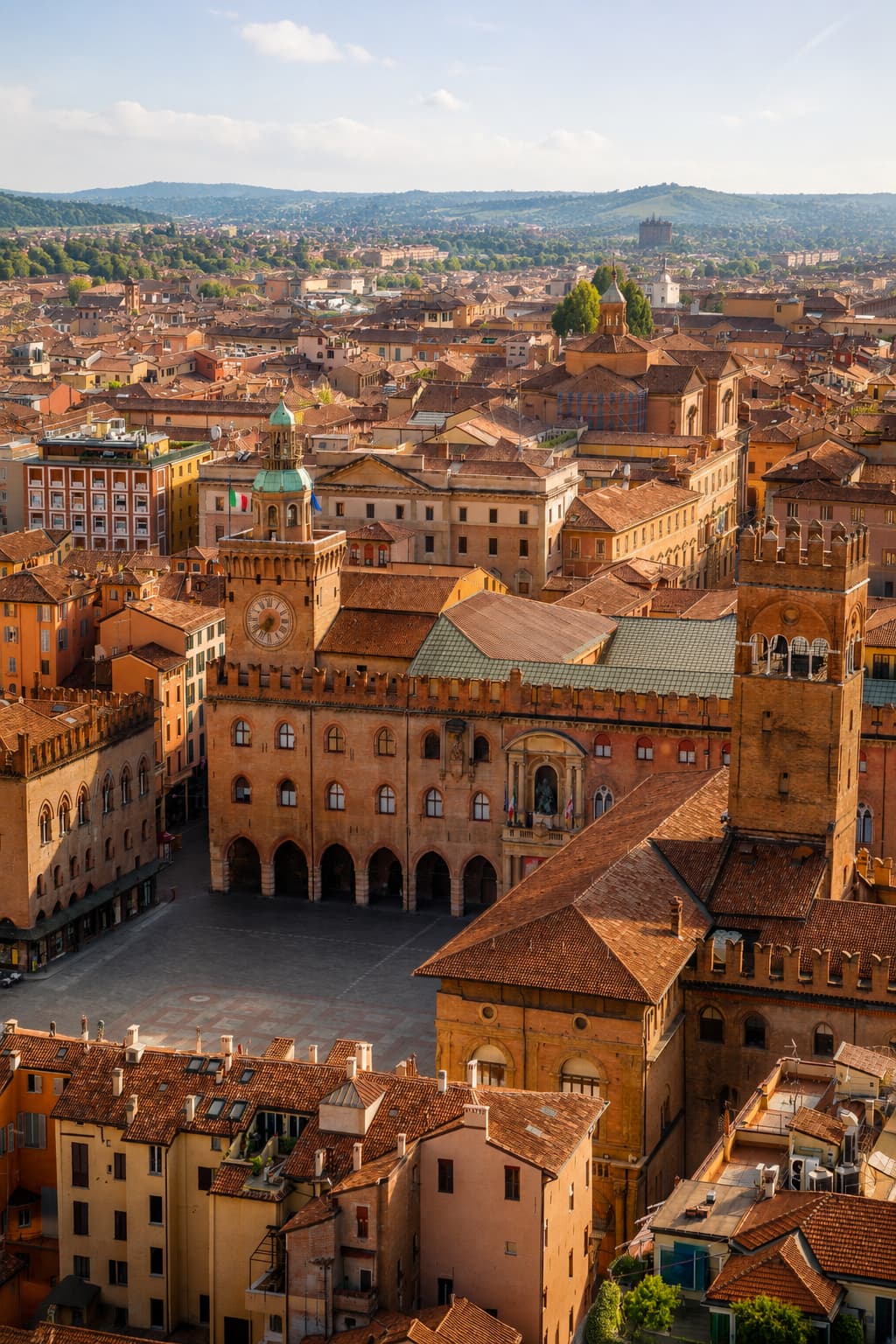
Bologna makes a consistent case across most of the year, but September is its specific peak. Truffle season opens in Emilia-Romagna in late September. The university restarts, which means the city loses the summer ghost-town quality that makes Italian cities feel hollow in August. Temperature is ideal for the kind of all-day eating and walking that Bologna rewards. And because most international visitors route through Florence or Rome, Bologna remains consistently overlooked by the tourist infrastructure that raises prices and shortens menus elsewhere.
The trade-off is essentially non-existent for food-focused travelers. Bologna doesn’t have a coast, so the swimming case is absent. However, as a base for day trips into Emilia-Romagna’s wine and food country — Parma is 60km away, Modena 35km — September in Bologna delivers a harvest calendar that rivals Porto without the crowds that have since found Porto. Among the best European cities to visit in September for food specifically, Bologna is consistently underrepresented on lists that default to Paris or Barcelona.
San Sebastián, Spain
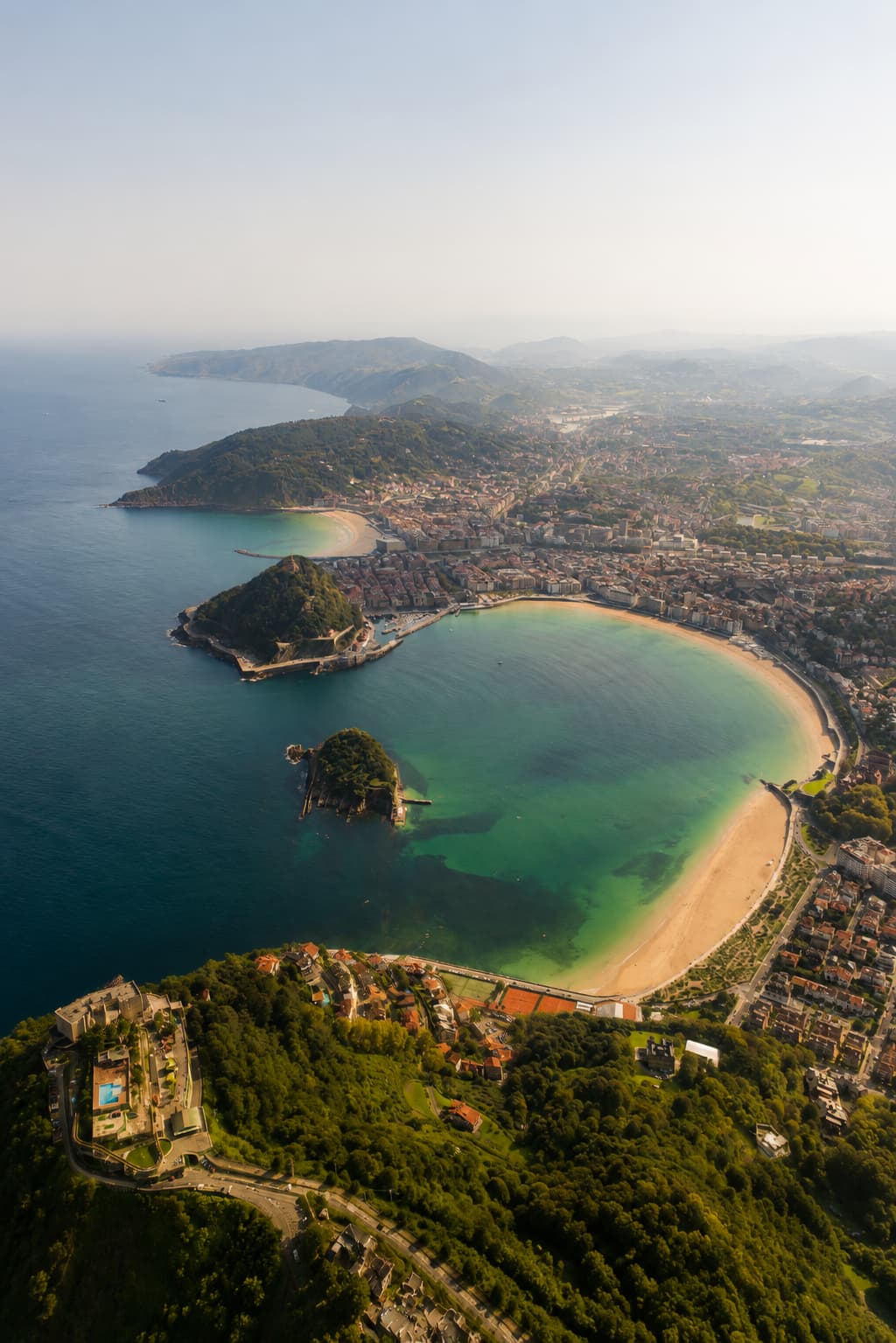
San Sebastián’s September case is threefold: La Concha beach is still warm and swimmable, the pintxos bars around the old town reclaim their tables from the summer tourist wave, and the San Sebastián International Film Festival runs in the third week of September — one of the more atmospheric cultural events in Europe, set against a Basque coastal backdrop. The combination of beach access, food culture and a legitimate reason to be there in that specific month makes San Sebastián the most complete September destination on this list.
The honest trade-off is price — San Sebastián has discovered its reputation, and accommodation reflects it. Relative to July and August, September offers a modest discount and a noticeably more local version of the city. The pintxos circuit around the old town (Bar Nestor, La Viña, Borda Berri) operates at its intended rhythm once the summer crowds have thinned — shorter waits, better service, more room at the bar.
04 — Tier 3: Best European Cities in September for City Walking
These are cities where the September argument is about temperature. The heat that made them uncomfortable in July and August has broken enough to walk for six hours without retreating to a café, and the cultural seasons that went quiet in summer have reopened. Their September payoff is entirely about being on foot in a city at the right temperature.
Prague, Czech Republic
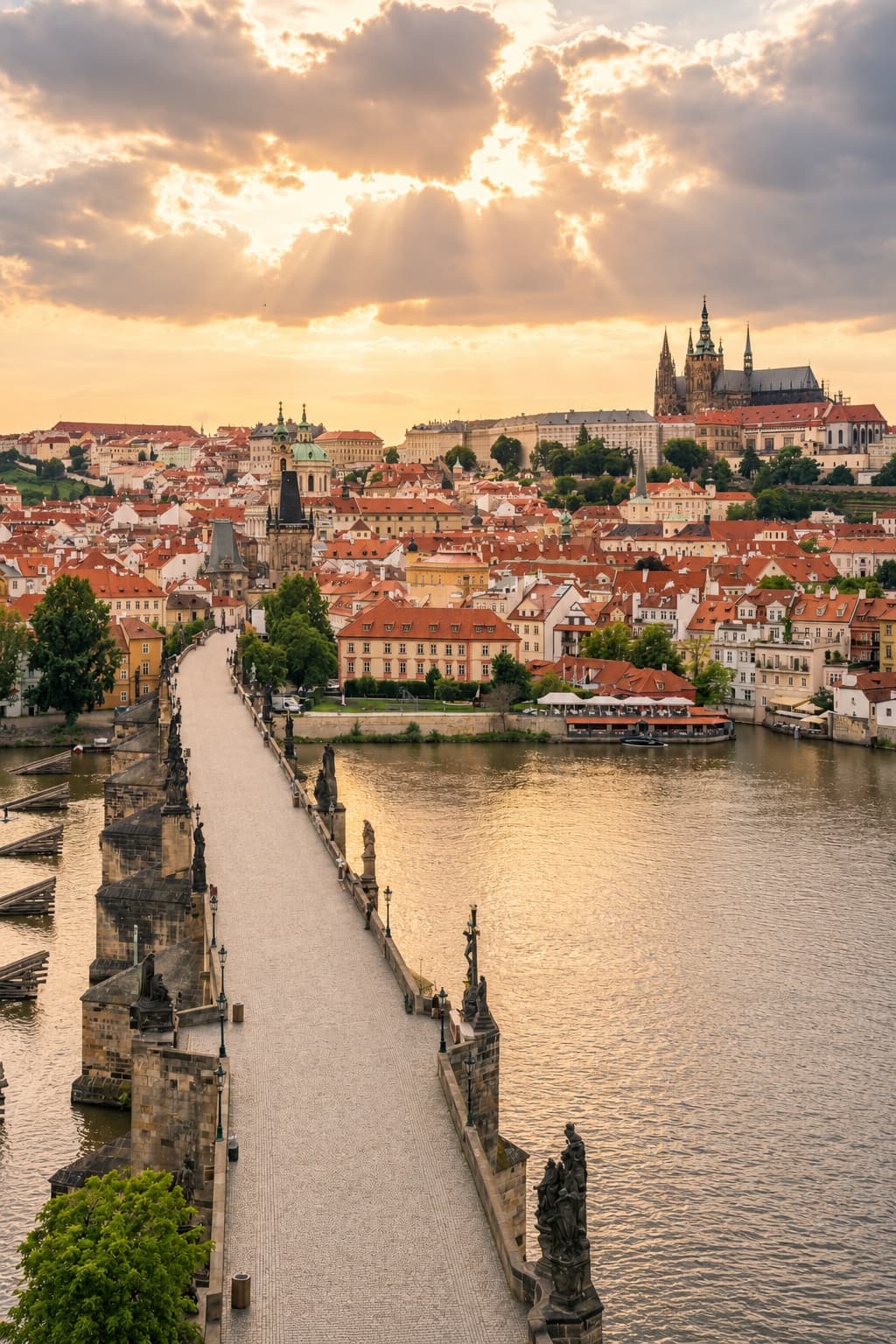
Prague’s medieval core is extraordinary, and in July and August it becomes a genuine obstacle course — Charles Bridge in peak summer is a crowd management exercise, not a walk. In September, specifically from mid-month, the tour group volume drops to the point where the city becomes navigable on foot at a normal pace. Beer garden culture extends deep into early autumn, the light through the old town is warmer and lower than summer, and temperature hovers around 18–22°C — ideal for the amount of pavement Prague requires.
Moreover, Prague benefits disproportionately from the school-return crowd drop. A large proportion of its summer visitors travel in family groups that return home by early September. The trade-off is that Prague is never truly empty — it remains one of the most visited cities in Europe year-round. The Prague travel guide covers the core navigation honestly. September is the best month for first-timers who don’t want their experience defined by the queue.
Lisbon, Portugal
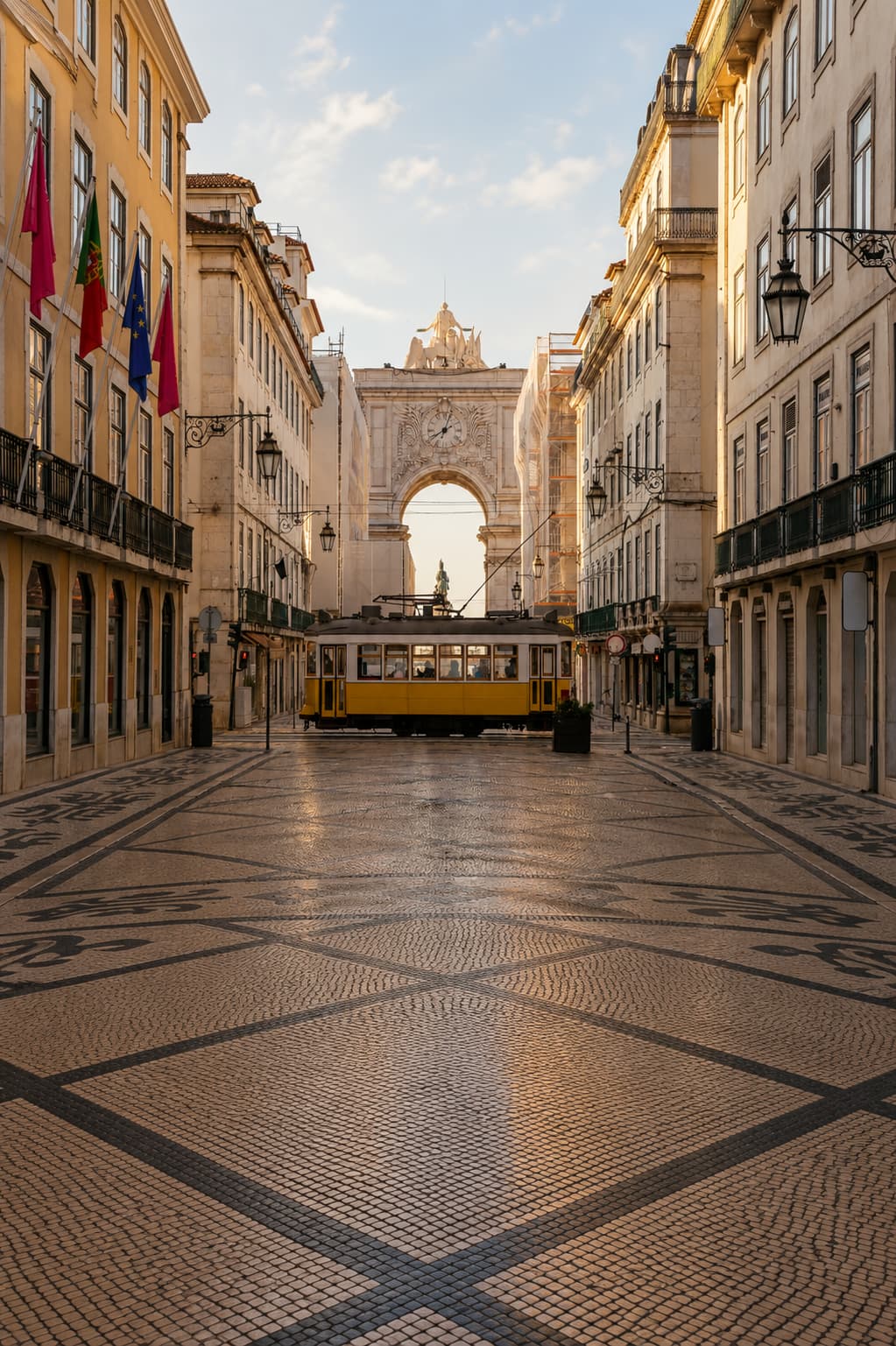
Lisbon is a walking city built on hills. In July and August at 37°C, those hills become a physical argument against the whole trip — every tram 28 photo hides the fact that the tram itself is a standing-room sardine tin and the climb from it to wherever you’re going requires serious heat management. In September at around 22–26°C, Lisbon transforms. The Alfama climbs become pleasant. The miradouros have their ambient quality back. Fado season, which pauses in summer, reopens in September at the smaller, less tourist-facing venues.
The 3 days in Lisbon itinerary was built for exactly this kind of visit — slow, neighbourhood by neighbourhood, on foot. In September the full walk is possible in a way it simply isn’t in August. Additionally, Portugal’s Atlantic position means the light in September has a quality that the more intense summer months lack — low, golden, and extraordinarily good for the white facades of the old town.
Vienna, Austria
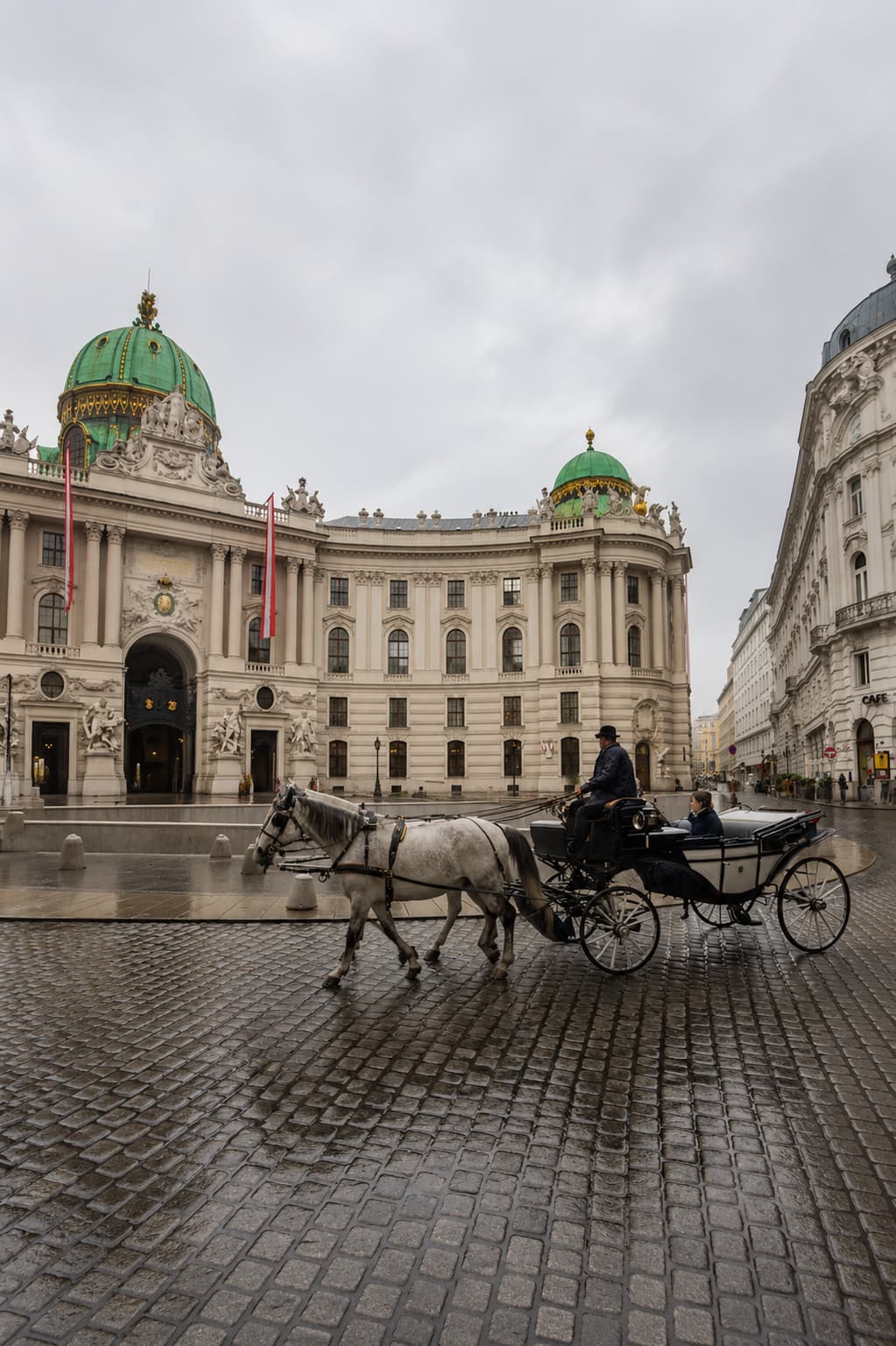
Vienna’s September case is cultural more than climatic, though the temperature is also right — around 17–22°C, ideal for walking the Ringstrasse circuit. The Wiener Staatsoper opens its 2026/27 season on September 4th with Verdi’s Don Carlo, and a free outdoor Opern Air concert at the Burggarten on September 6th features Asmik Grigorian and Piotr Beczała performing in the open air. For anyone with even a passing interest in opera or classical music, September is the most rewarding Vienna month on the calendar.
The Naschmarkt is also at its best — the market runs year-round but September brings autumn produce into the mix alongside the usual Viennese, Turkish and Middle Eastern stalls. Furthermore, the summer tourist peak has passed, which means the café culture Vienna is famous for — sitting two hours over a coffee and a newspaper — operates at its intended tempo. The Vienna in two days guide covers the key stops, though September rewards a slower pace than the itinerary implies.
05 — Tier 4: The Most Underrated European Cities to Visit in September
These three cities share one quality: no competitor’s September list includes them with a September-specific argument. They appear on generic Europe lists without the honest question of why this month makes them the right call. In each case, September delivers something the city doesn’t offer in summer.
Kotor, Montenegro
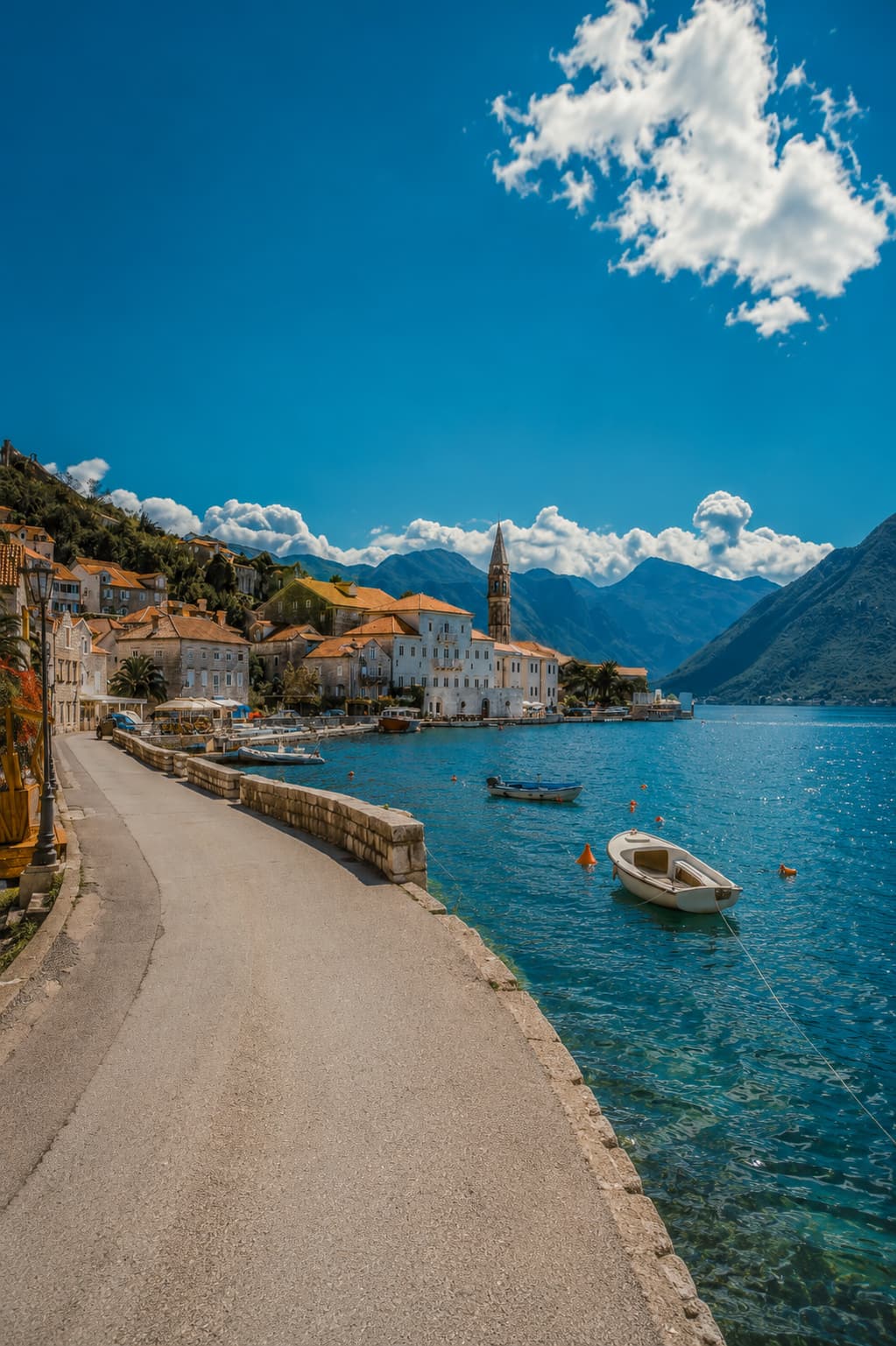
Kotor is one of the most dramatically situated old towns in Europe — a medieval walled city pressed between sheer mountains and the Bay of Kotor, which functions as an inland sea. In summer it’s overrun. The cruise ship schedule sends multiple vessels per day into the bay from June through August, and the old town fills with passengers on three-hour excursions. In September that schedule drops sharply, and the city returns to something closer to what it actually is: a compact, remarkably preserved town that rewards slow walking and early mornings.
Additionally, the Adriatic is still warm — water temperatures in the bay sit around 24–26°C in September — so the swimming case is intact. Combined with the crowd reduction, Kotor in September offers the most dramatic per-unit experience of any destination on this list relative to its peak-season version. The Montenegro road trip guide covers the coastal route properly — Kotor works best as part of a larger Montenegrin circuit rather than a standalone flight-in trip.
Ghent, Belgium
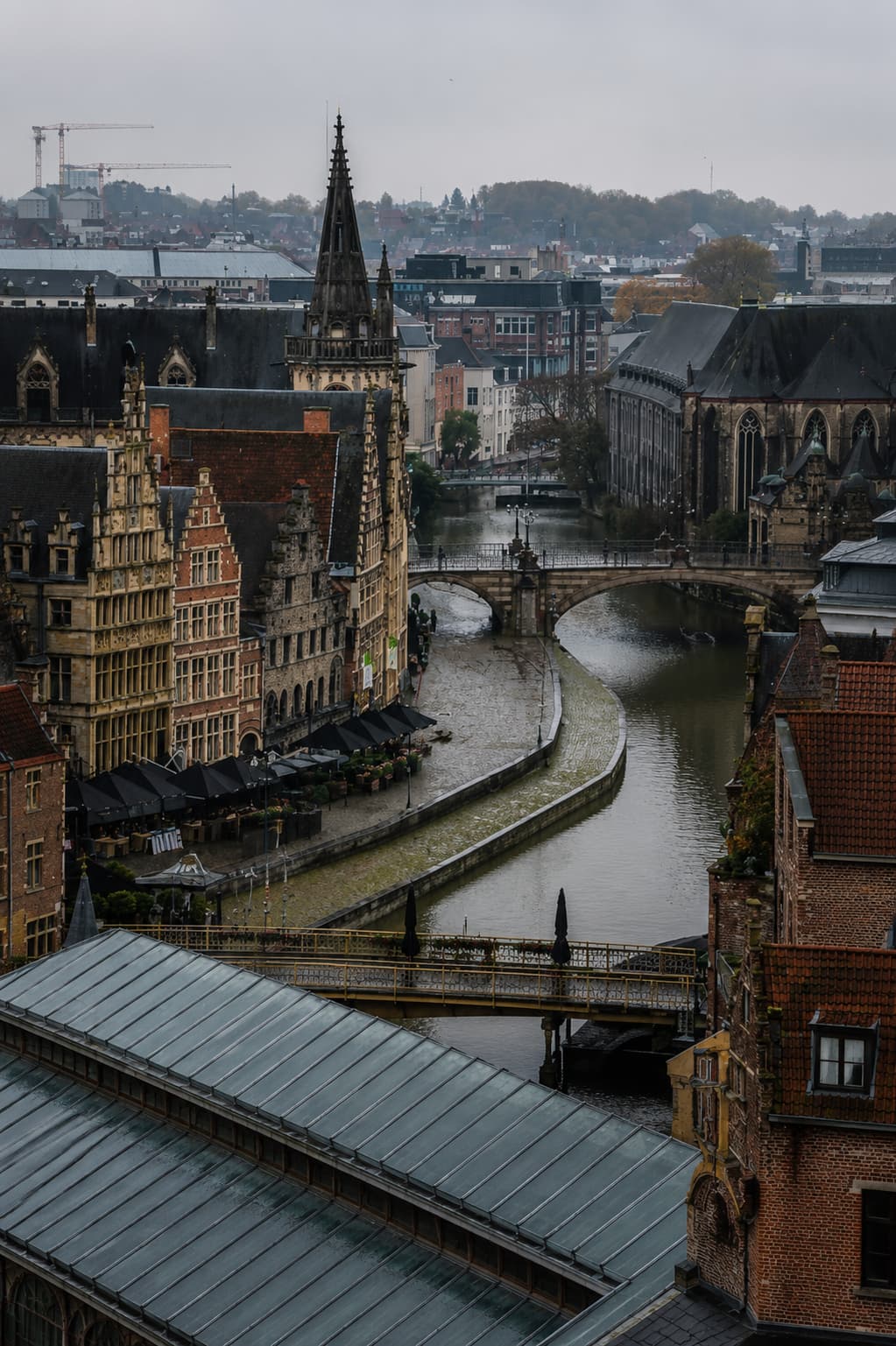
Ghent is consistently overlooked in favour of Bruges, which is two hours closer to the Channel and has a more established tourist infrastructure. The honest difference is that Ghent is a university city and Bruges is a museum city. In September, Ghent University’s 36,000 students return, the city’s café, music and bar culture reactivates around their rhythms, and the medieval canals take on a quality of real daily life that Bruges — however beautiful — never quite manages.
In contrast, Bruges in September is still primarily oriented around the tourist economy regardless of the month. Ghent’s September payoff is therefore specific: the canal light in early autumn is exceptional, the city is compact enough to walk in an afternoon but deep enough to occupy three days, and international visitor numbers remain low because the train from Brussels takes 25 minutes and most people haven’t factored that in. The fact that Ghent appears on no major list of the best European cities to visit in September is, in itself, an argument for going.
Thessaloniki, Greece
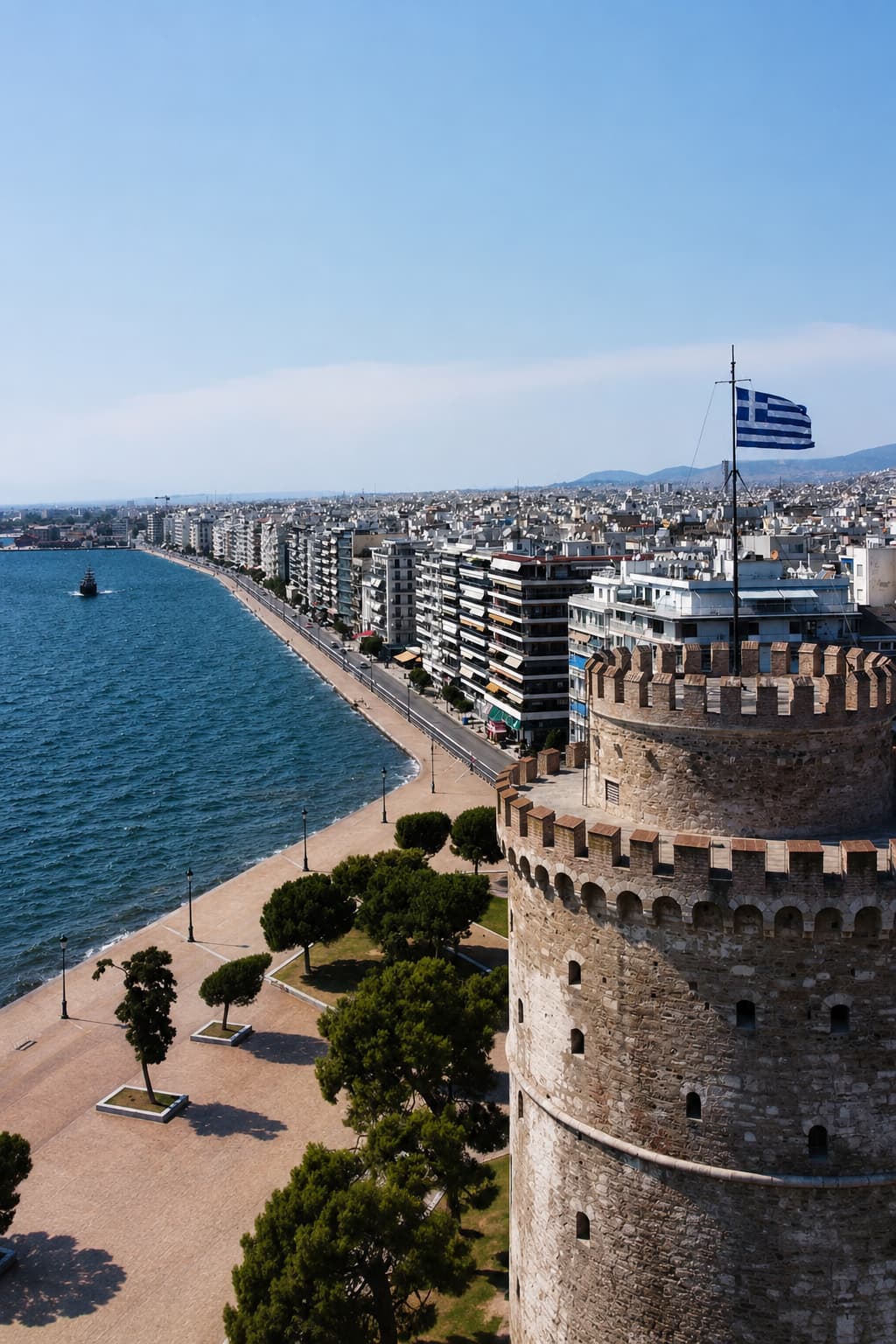
Most people who visit Greece in September go to Santorini, Mykonos or Crete. Thessaloniki — Greece’s second city, in the north — operates on a fundamentally different logic. Prices are a fraction of the island equivalent. The food scene is widely regarded as better than Athens, built on a layered Ottoman-Greek-Jewish culinary history that produces dishes the island tavernas don’t make. The Byzantine architecture is substantial — Thessaloniki has more UNESCO World Heritage monuments than any other Greek city.
In September specifically, residents return after the summer dispersal, meaning the food markets, the Modiano covered market and the waterfront promenade operate at their local rather than tourist rhythm. Moreover, the Aegean coast is still warm and swimmable via day trip. For travelers who want Greece without Santorini’s infrastructure costs or cliff-edge hotel rates, Thessaloniki in September is the most honest version of the country available at a European city-break budget.
06 — Is September Really Cheaper? What the Numbers Say
The 20–30% figure from the European Travel Commission is real and consistently cited, but it deserves some precision. The saving is primarily on accommodation and flights rather than on in-country costs — restaurants in tourist-heavy cities don’t dramatically reprice in September, and museums don’t offer shoulder-season discounts. The money you save is on the largest line items in any trip budget.
| Cost Category | August (Peak) | September | Saving |
|---|---|---|---|
| Transatlantic flights | Highest of the year | ~33% lower (Hopper) | ~$280–350 per ticket |
| Hotel rates | Peak pricing | 20–30% lower (ETC) | Significant at 10 nights |
| Restaurants | Standard tourist pricing | Similar — no repricing | Marginal |
| Attractions | Full price | Full price | None |
| Car rental | High demand, high rates | Noticeably lower | Moderate |
| Total trip (couple, 10 days) | Baseline | Equivalent quality | €800–1,500 saved |
Additionally, BudgetBytez’s 2026 analysis found September consistently among the best-value months for European travel, with flights running 20–40% below peak season on major routes. The practical implication is clear: for destinations where you’d otherwise be trading down in accommodation to stay within budget in July, September lets you book the place you actually want.
- Best-value coastal pick: Antalya — cheapest combination of flights, hotels and sea temperature on the list
- Best-value city pick: Thessaloniki — no island premium, UNESCO-level history, food scene that justifies the flight
- Biggest relative saving: Dubrovnik and Prague — both have outsized peak-season premiums that September erodes fastest
- Where the saving is smallest: San Sebastián and Bologna — reputation has been established and prices follow; September is still better than August but the saving is less dramatic
07 — What to Pack for Europe in September
Packing for September is a range challenge, not a volume challenge. A morning in Vienna at 17°C and an afternoon in Seville at 30°C require different clothes, and managing both in a carry-on requires layering logic rather than outfit-by-outfit planning.
Swimwear is non-negotiable. A light linen or cotton layer for evenings is enough — September nights on the Mediterranean rarely drop below 20°C. Sandals will cover most walking if they’re comfortable enough for cobblestones.
Add one medium-weight layer — a compact down jacket or structured fleece — for mornings and evenings in the 14–18°C range. Comfortable walking shoes, not sandals: cobblestones across these cities are unkind to flat or open footwear over a long day.
A proper waterproof layer earns its space. September in Belgium carries a reasonable chance of rain, and an afternoon downpour in a city that beautiful is better experienced with a hood than without one.
One smart evening outfit is worth packing — the Staatsoper doesn’t enforce a dress code, but most attendees are in smart-to-formal attire, and arriving underdressed at one of the world’s great opera houses is a specific kind of regrettable.
Overall: September doesn’t require a full summer wardrobe or a full autumn wardrobe. The practical kit is three or four warm-weather pieces, one medium-weight layer, and one waterproof for northern destinations. Everything else is either redundant or better bought on arrival.
September Crowds, Prices and Swimming Questions
Food, Wine and Packing Questions
The Honest Verdict on the Best European Cities to Visit in September
September doesn’t make every European city better — it makes specific cities better for specific reasons. Dubrovnik and Antalya reward September for the coast. Porto and Bologna reward it for the harvest calendar. Prague and Lisbon reward it because the heat that made them difficult in summer has broken. Kotor rewards it because the cruise ships have left. Ghent rewards it because the students have returned. Thessaloniki rewards it because it was never built around the tourist season in the first place.
The tier structure above isn’t a ranking of overall quality — Vienna is a better city than Antalya by most measures. It’s a ranking of how much September specifically improves the experience relative to going in peak summer. By that logic, Kotor and Porto are the most September-dependent cities on the list — their gap between peak and shoulder season is the widest. Vienna and Bologna would still be excellent in August; September just makes them marginally better. That distinction matters when ticket prices are what’s guiding the decision.
In short: September is Europe’s best-value month for reasons that go beyond the price drop. The version of these cities you encounter — with actual residents, actual restaurants and room to actually walk — is closer to the one worth travelling for. Whether you’re choosing between the best European cities to visit in September for swimming, for harvest, or simply for the quality of a walk through a medieval street at the right temperature, the timing changes what you actually find there.
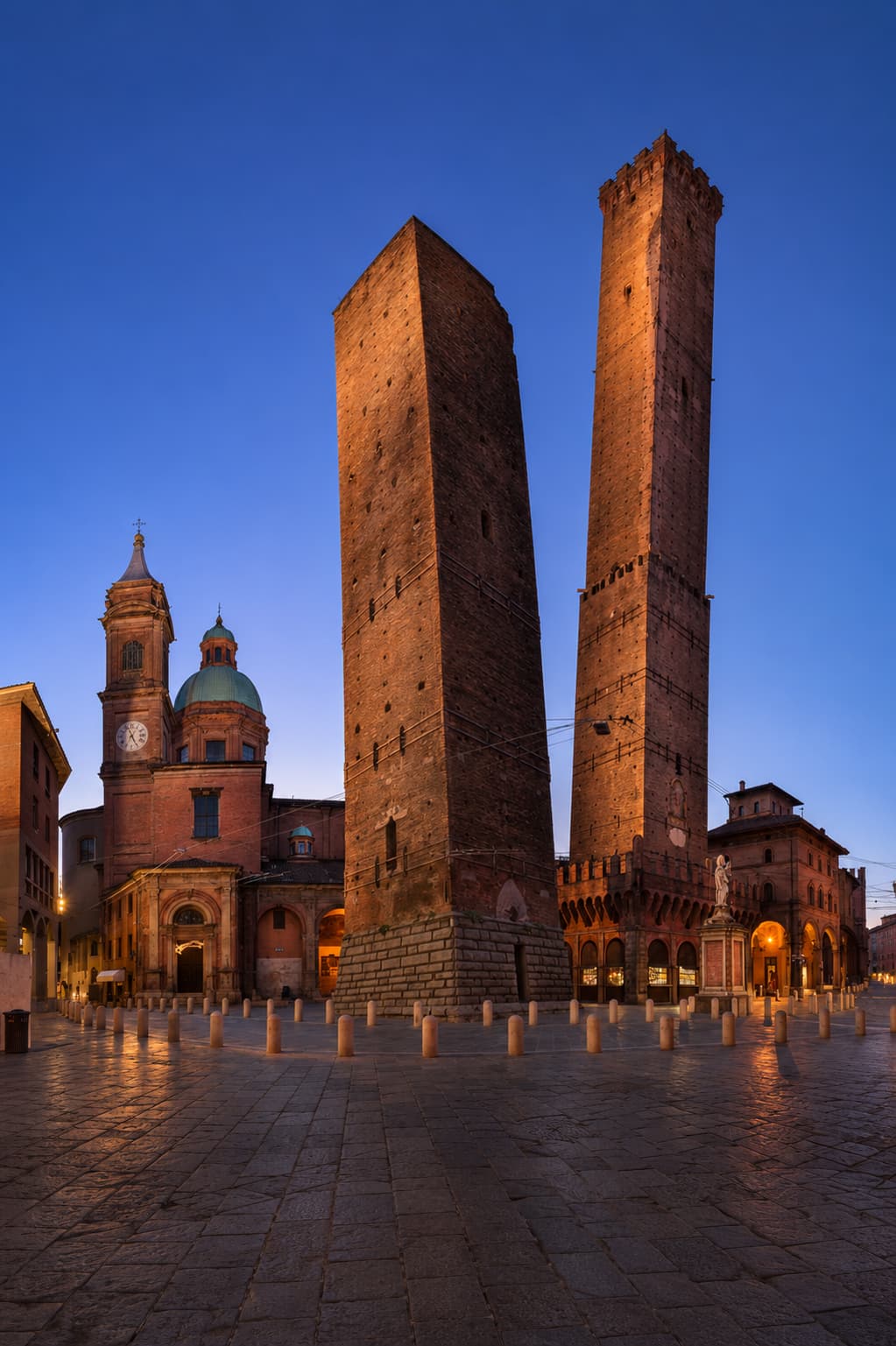
The right September city depends on what you’re optimising for — sea temperature, harvest timing, walkability, or simply the version of Europe that exists when the school-holiday crowd has gone home.
All twelve above deliver that version. The question is just which one it is for you.