
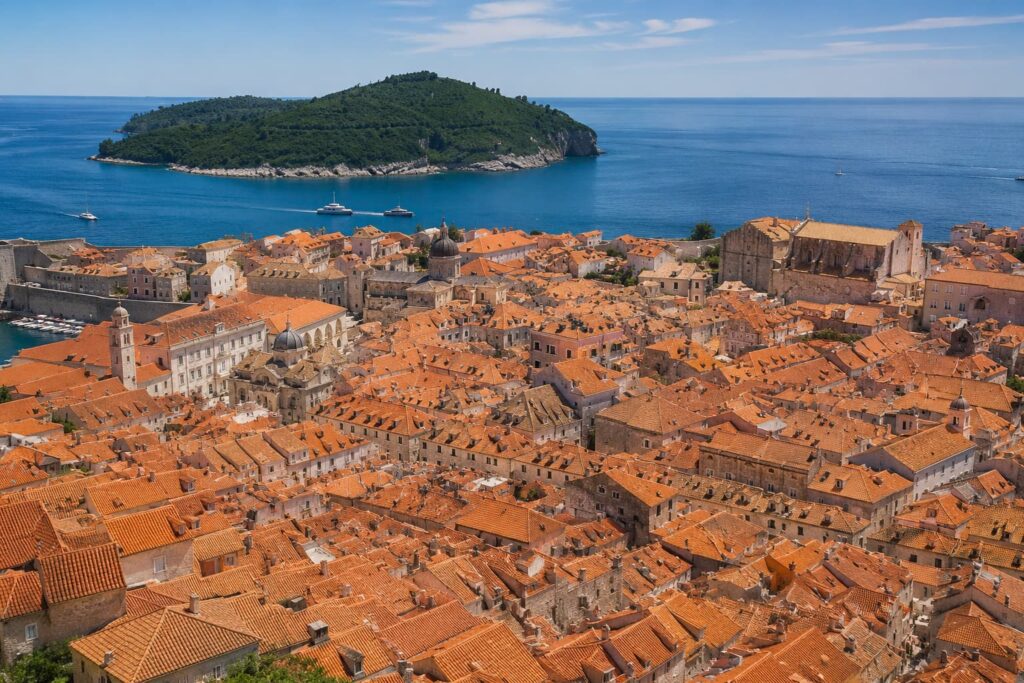
Croatia in September vs July: What Actually Changes
Croatia in September vs July: crowds, prices, sea temperature, and ferry schedules — here’s what honestly shifts between the two months, and which one suits your trip.
- The Short Version
- Croatia in September vs July: Which Is Better?
- How Crowded Does Croatia Get — and Does September Fix It?
- Is the Sea Still Warm Enough in September?
- Are Things Meaningfully Cheaper in September?
- What Are the Real Downsides of September?
- Does Croatia Get Rain in September?
- Which Is Better for Dubrovnik Specifically?
- The Verdict
- FAQ
01 — The Short Version
If you’re weighing Croatia in September vs July and just want a direct answer: September is the better month for most travellers — but with real trade-offs that the “shoulder season is always better” narrative glosses over.
July gives you the full version of Croatia: every ferry running, every beach bar open, every festival on the calendar, and the longest days of the year. However, it also gives you Dubrovnik at its most punishing — dense queues, streets that function as outdoor ovens, and accommodation prices that reflect pure demand. Furthermore, you’ll be competing with roughly nine million other visitors who descend on the Croatian coast in July and August combined.
September narrows the crowd, cools the air slightly, and softens accommodation costs. In turn, you also get reduced ferry schedules, businesses that start winding down after the 15th, and a genuine rain risk that arrives in the final week of the month. Neither month is objectively better. The right choice depends on what kind of trip you’re taking.
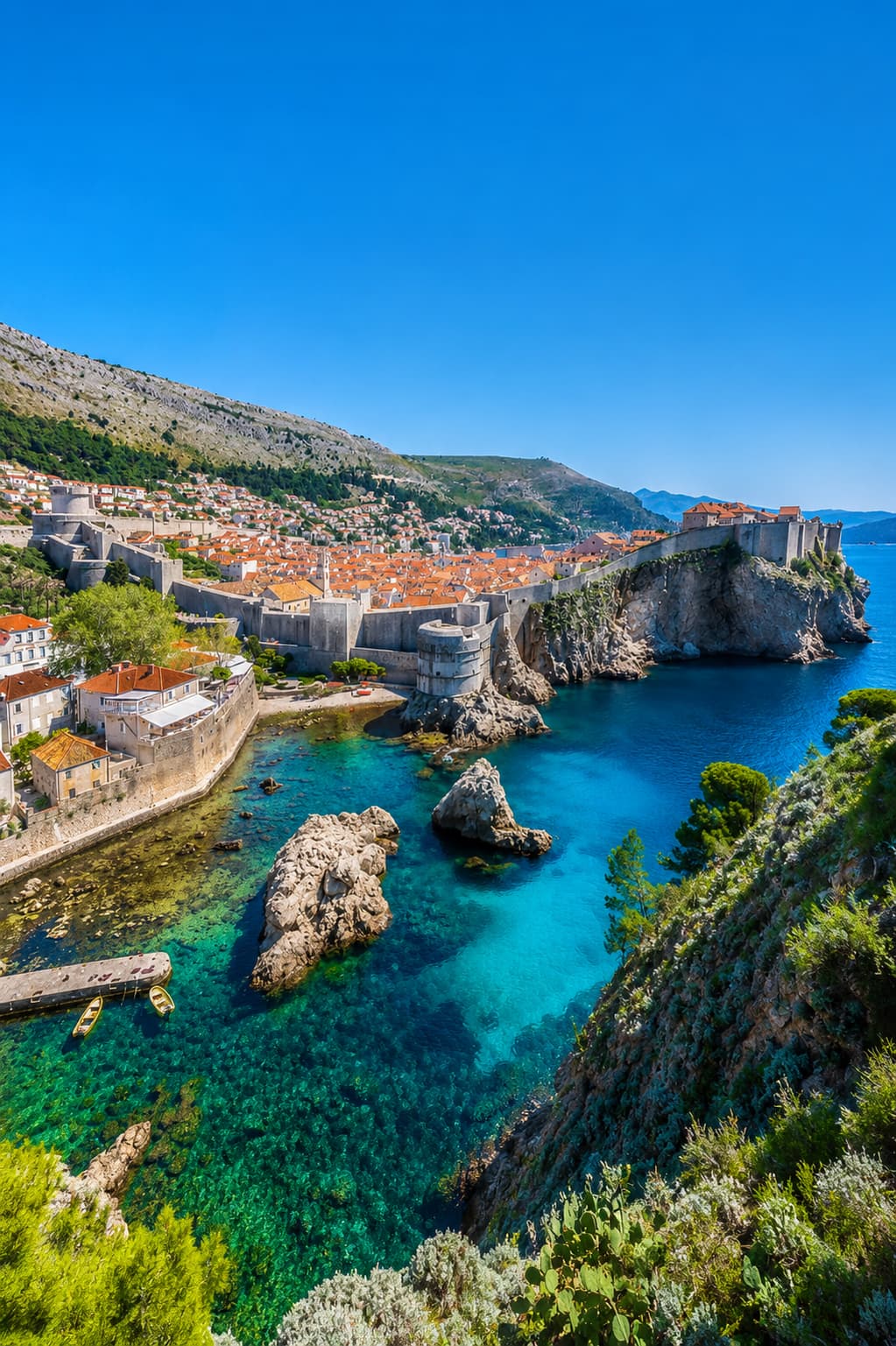
02 — Croatia in September vs July: Which Month Is Actually Better?
The question itself points at a real decision most visitors face once they’ve booked flights to Split or Dubrovnik: peak season with everything running, or shoulder season with fewer people and lower prices. The honest answer is that the two months suit different types of trips.
What kind of trip are you taking?
For a sightseeing-first trip — walking Dubrovnik’s city walls, exploring Diocletian’s Palace in Split, visiting Plitvice Lakes — September is clearly the stronger choice. Temperatures drop from an average of 30°C in July to around 25–27°C in September, which makes hours of walking and standing in queues significantly more comfortable. Crowds at major sites thin out, particularly after the first week, as families with school-age children return home.
For a beach-heavy or island-hopping trip, the calculus shifts. July delivers Croatia at full operational capacity: every beach club open, every catamaran tour running daily, every island bar staying open until late. Moreover, July’s sea temperature peaks near 26°C around Dubrovnik — the warmest the Adriatic gets — which matters if swimming is central to your plans rather than incidental to them.
For island hopping specifically, September introduces a variable that most comparison posts ignore: ferry timetables. Croatia’s domestic ferry network moves to a shoulder-season schedule in September, meaning certain inter-island routes reduce frequency. If your itinerary requires specific connections between smaller islands, that’s worth verifying before you book.
Go in July if your trip centres on beaches, island nightlife, festivals, or maximum island mobility.
Go in September if you’re prioritising sightseeing, coastal towns, and walking without heatstroke.
03 — How Crowded Does Croatia Get in July — and Does September Actually Fix That?
Croatia’s Adriatic coast draws roughly nine million visitors across July and August combined. That concentration makes the peak season experience at major sites genuinely difficult — not “a bit busy”, but gridlock-level crowded at the places most people go to see.
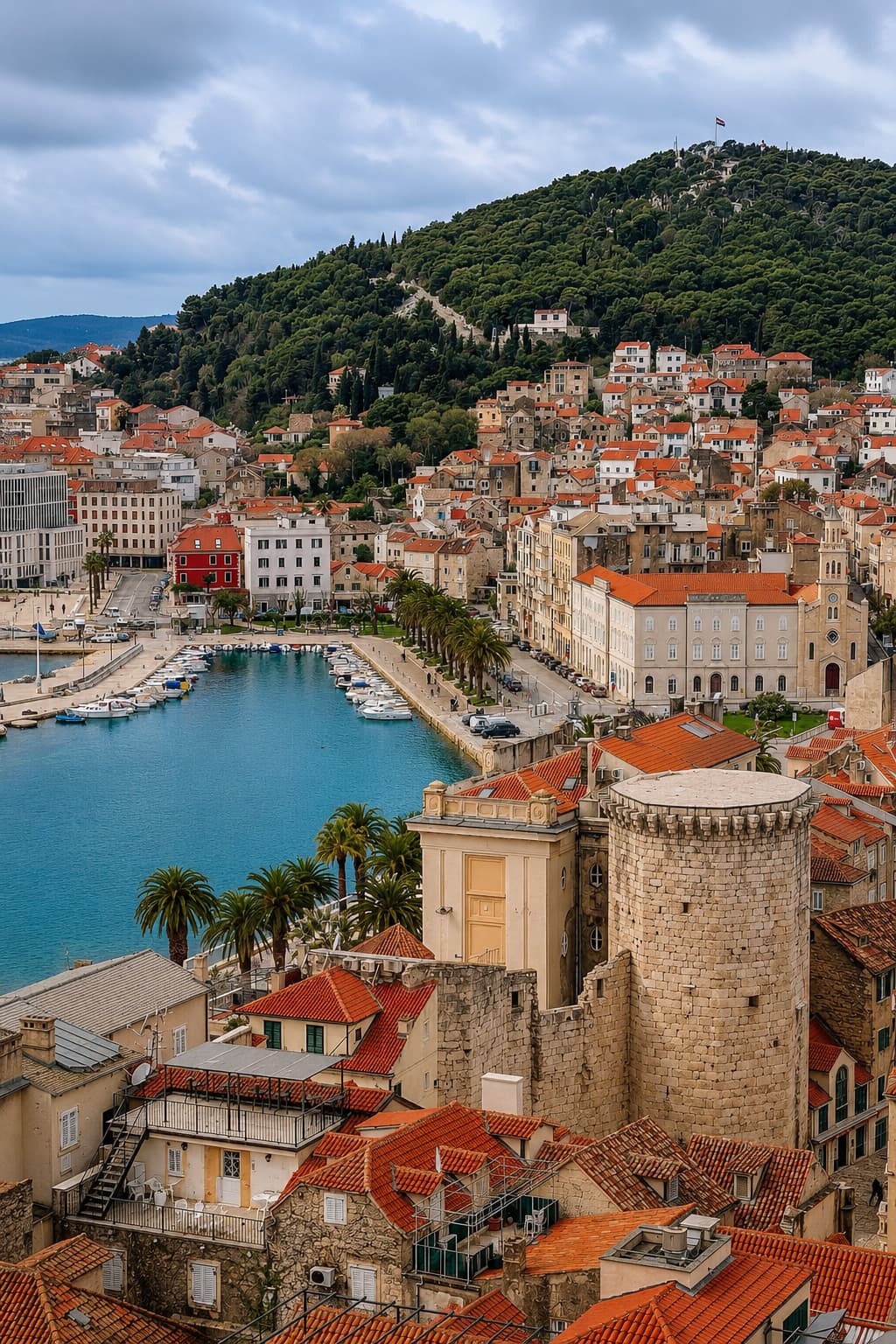
Dubrovnik: the extreme case
Dubrovnik in July is a known problem. The city introduced cruise ship caps and daily visitor limits to its UNESCO-listed Old Town precisely because summer crowds exceeded what the medieval streets could absorb. Walking the city walls in July means navigating a slow-moving queue in direct sun, with the stone radiating heat on both sides. The city is still worth it — but not without acknowledging what you’re walking into.
September reduces the pressure noticeably, particularly from the second week onward. By mid-September, the cruise ship footfall drops, school holidays are over across most of Europe, and the Old Town becomes navigable again without queuing for fifteen minutes to enter a restaurant. That said, Dubrovnik in early September is still busy — it’s not a quiet city even in shoulder season.
Split and the islands: a more nuanced picture
Split handles its crowds better than Dubrovnik because Diocletian’s Palace is a living city, not a sealed monument. Residents live and work inside the walls year-round, which gives it an everyday quality that absorbs tourism more naturally. In July, the Riva waterfront is loud and dense in the evenings. In September, it calms considerably while remaining lively enough to feel like a proper coastal city.
On the islands — Hvar, Brač, Korčula — the September shift is the most welcome. Hvar Town in July can feel less like a Dalmatian island and more like an outdoor nightclub. By September, the villa crowd thins, prices at restaurants drop, and you can actually find a table without a reservation. On the other hand, some smaller beach bars and seasonal restaurants start closing after the first week of September, so the full range of options July offers is no longer guaranteed.
04 — Is the Sea Still Warm Enough to Swim in September?
Yes — and this is the September advantage that most travellers underestimate. Sea temperatures in the Adriatic don’t drop sharply between August and September. Around Dubrovnik, average sea temperature peaks at roughly 26°C in early August, then falls only slightly to around 24–25°C by September. For most swimmers, that’s a negligible difference — the water remains genuinely warm and inviting.
Furthermore, September sea swimming has a quality July doesn’t offer: you’re often sharing the water with considerably fewer people. Coves that are standing-room-only in July become peaceful in early September. The combination of warm water and reduced beach crowds makes the first three weeks of September arguably the best swimming conditions Croatia offers — not just in terms of temperature, but in terms of the actual experience.
Late September is a different story. By the final week, sea temperatures begin dropping more noticeably, and the weather pattern becomes less predictable. If swimming is the primary goal, aim for the first half of September rather than the last.
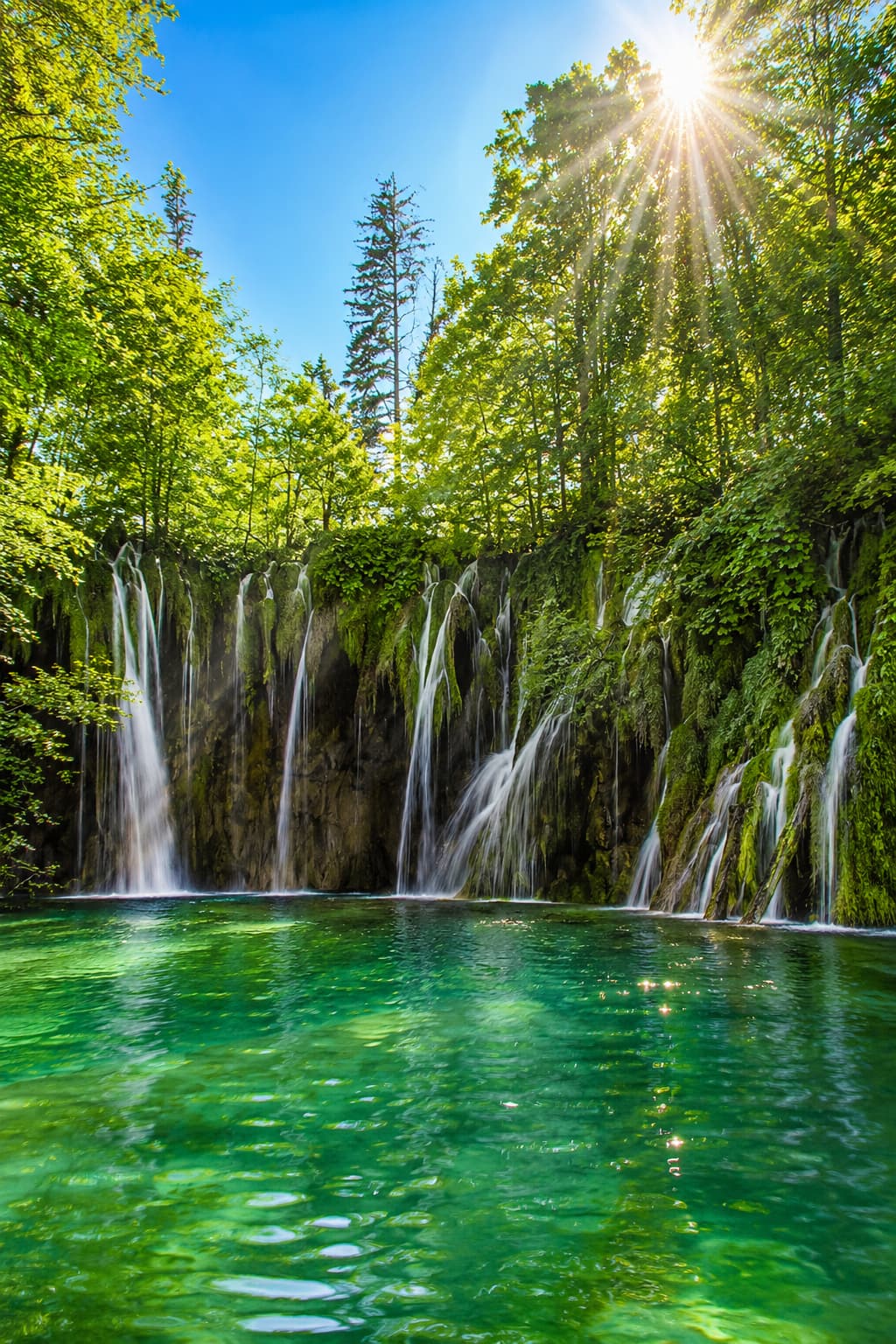
05 — Are Things Meaningfully Cheaper in September?
September does bring price relief, but the scale of that relief depends on which part of September and which type of accommodation you’re booking.
Accommodation
The price differential between peak summer and low season in Croatia can be dramatic — a 4-star hotel that costs €200–€400 per night in July can drop to €40–€80 in low season. September, however, sits in a transitional band. The first two weeks of September still command near-peak rates at popular properties in Dubrovnik and Hvar, particularly on weekends. Prices soften more meaningfully in the third and fourth weeks, by which point the tourism infrastructure is also beginning to wind down.
Practically, you should expect September accommodation to cost 15–30% less than an equivalent July booking at the same property — not the dramatic off-season discount some comparisons suggest. The bigger savings come in late September and October, not early September.
Flights and what actually shifts
Flight prices to Croatian airports (Split, Dubrovnik, Zadar) follow demand more tightly than accommodation. Summer airfares peak in July and August, and September departures from major European hubs do tend to be measurably cheaper — particularly for midweek travel. That said, the gap is less consistent than it once was, since shoulder-season Croatia has become well-known enough that airlines price accordingly. Early booking remains the most reliable strategy regardless of month.
Additionally, restaurants and local services show less price variation between July and September than accommodation does. Restaurant menus in tourist areas are typically priced for the season, not for specific month-by-month fluctuations.
06 — What Are the Real Downsides of September in Croatia?
Most shoulder-season content about Croatia functions as advocacy — September is better, go in September, avoid the crowds. That framing is broadly right but incomplete. There are genuine downsides to September that are worth knowing before you build an itinerary around it.
Ferry schedules start to reduce
Croatia’s domestic ferry network operates a shoulder-season timetable throughout September, meaning certain routes run less frequently than in July and August. The main routes — Split to Hvar, Split to Brač, Dubrovnik to the Elafiti Islands — remain quite frequent. However, connections to smaller islands and less-trafficked routes can drop to once-daily sailings. If your itinerary involves hopping between specific islands on a fixed schedule, verify each route on Jadrolinija’s website before committing to September travel dates.
Late September rain risk
Croatia’s Adriatic coast receives most of its annual rainfall in autumn and winter, with the shift beginning in late September. The first three weeks of September typically stay dry, sunny, and warm. However, from approximately the 20th onward, the weather becomes less reliable — not guaranteed to be wet, but no longer the near-certain sunshine of July. A late-September trip should include some flexibility in the itinerary rather than assuming the same conditions as midsummer.
Some businesses begin to close
The closing pattern is gradual rather than sudden, but it’s real. Smaller beach bars and seasonal restaurants on the islands often close between September 10–20. Some boat tour operators scale back or suspend certain excursions after mid-month. In smaller towns, you may find reduced opening hours at attractions and fewer options for evening dining. Dubrovnik and Split stay operational well into October, but smaller island communities wind down noticeably from mid-September.
Check Jadrolinija for the September schedule before booking. Car ferry spaces on popular routes fill up even in shoulder season — book in advance if you’re taking a vehicle.
07 — Does Croatia Get Rain in September — and How Much Does It Matter?
September in Croatia is not a rainy month in the way that October and November are. Average rainfall along the Dalmatian coast in September is modest — typically 5–8 rainy days across the month, clustered toward the end. For context, July sees only 2–4 rainy days on average, so the difference is real but not dramatic.
The more relevant question is when within September you’re travelling. A trip from September 1–15 carries very similar weather odds to July — largely sunny, warm, and dry. A trip from September 20–30 introduces meaningful uncertainty, with a higher chance of overcast days or short but heavy afternoon rain. That shift doesn’t make late September a bad time to visit, but it does make it a less reliable time for activities that depend entirely on clear weather — boat trips, beach days, coastal hikes.
In practical terms, September rain in Croatia tends to come as short, sharp afternoon showers rather than full-day grey weather. Consequently, a day that starts wet often clears by midday. If you’re primarily sightseeing in towns, a couple of rainy mornings are easily absorbed. If you’re paying for a week of island-hopping catamaran tours, the stakes are higher.
08 — Which Is Better for Dubrovnik Specifically?
Dubrovnik is where the July vs September comparison is most stark, and where September wins most clearly — with caveats.
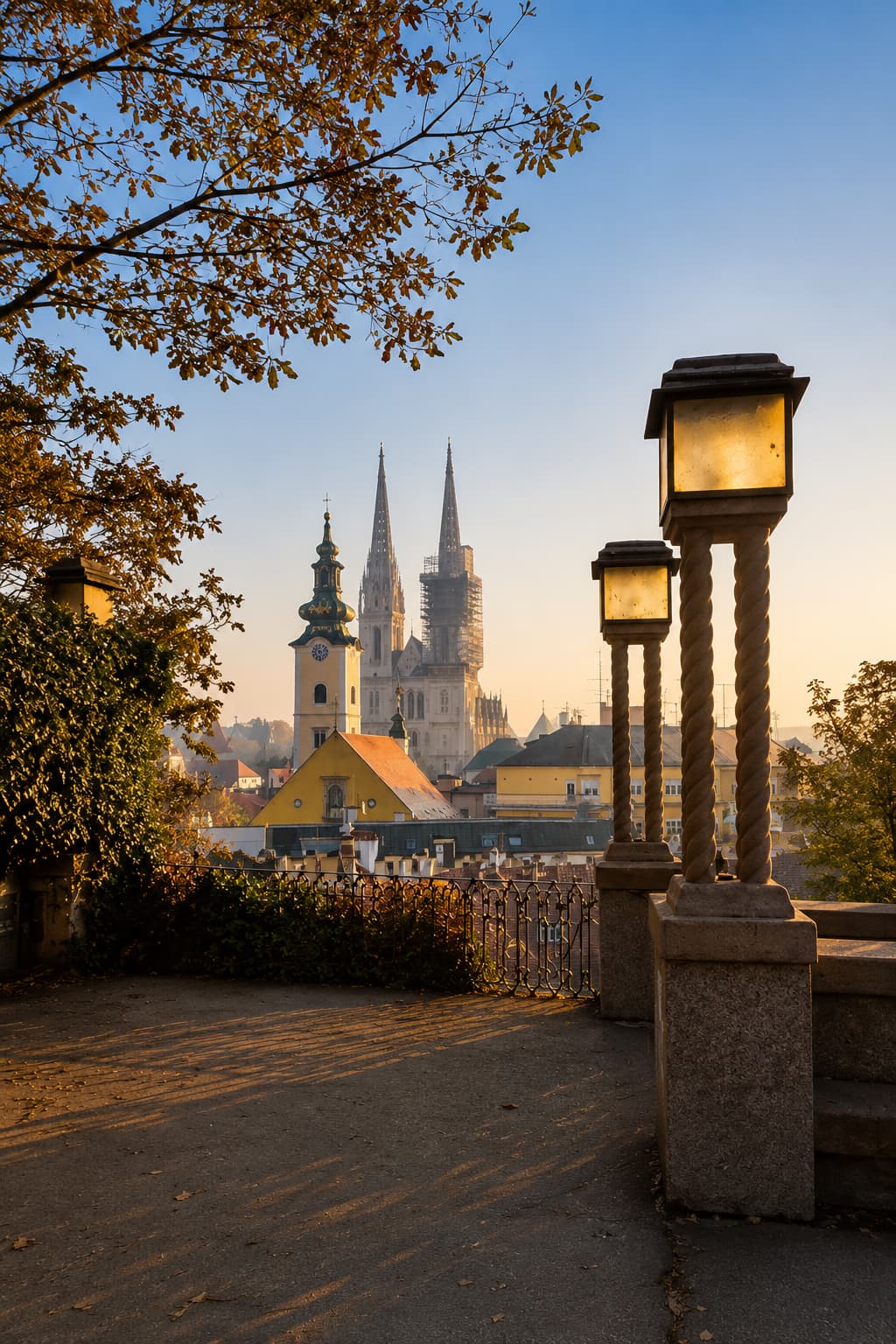
July Dubrovnik is a genuine ordeal for anyone who dislikes crowds. The Old Town’s medieval walls funnel thousands of people through narrow limestone streets simultaneously. The city walls walk — one of the best things you can do in Croatia — becomes a slow queue in direct sun. Most restaurants in the Old Town require advance reservations, and prices are at their highest of the year. Cruise ships dock daily, adding thousands of day-trippers to the resident tourist base. The city is still extraordinary. However, you’re seeing it at its most pressurised.
September Dubrovnik is a different experience. Cruise ship arrivals drop from mid-month, the streets become walkable rather than navigable-only, and the walls can be done in the early morning or late afternoon without significant queuing. Temperatures remain warm — typically 25–28°C in early September — so the heat doesn’t disappear, it just becomes manageable rather than oppressive.
The one July advantage specific to Dubrovnik is the Summer Festival, which runs from mid-July to mid-August. This brings opera, theatre, and classical concerts to outdoor stages across the Old Town — a genuinely special programme that September doesn’t have a direct equivalent for. If that’s a draw, July has something concrete September cannot match.
09 — The Verdict: Who Should Go in July, and Who Should Book September
On balance, when comparing Croatia in September vs July, September is the stronger choice for most first-time visitors — particularly those planning a mix of sightseeing and beach time across the Dalmatian coast. The crowd reduction is real, the sea is still warm, and the overall experience of walking through Dubrovnik, Split, or Hvar is fundamentally more enjoyable when the streets aren’t at capacity.
That said, July has a genuine case for specific trip types. It’s the right month if your itinerary depends on maximum ferry connectivity between smaller islands, if you’re going specifically for the Dubrovnik Summer Festival, if you want the full range of island nightlife and beach club culture, or if you’re travelling with young children who have no flexibility on school holiday timing.
If you can go in early September — specifically September 1–15 — you get most of July’s operational advantages (warm sea, services still running, weather largely reliable) with meaningfully fewer crowds and slightly lower prices. That window is the sweet spot the shoulder-season case is actually built on, even when it’s described vaguely as “September.”
September Weather, Swimming and Prices
Ferries, Closures and Late-Season Travel
Croatia in either month is worth the trip. The question is just which version of it you want — and whether you’re honest with yourself about what that requires.