
Is Antalya Worth Visiting? Here’s What Nobody Tells You
Is Antalya worth visiting? With 45 archaeological sites sitting beside Turkey’s most visited beach strip, the answer depends entirely on which version you find — and how you plan for it.
Is Antalya worth visiting? Most travel content about it exists on a spectrum between “luxury all-inclusive brochure” and “beach holiday checklist.” Neither is dishonest, exactly — Antalya genuinely does have beautiful coastline and very good resort infrastructure. However, that framing tends to bury what the city actually is: a layered, historically dense destination sitting at the edge of one of the ancient world’s most concentrated archaeological regions.
So the honest answer to whether Antalya is worth visiting is not a simple yes or no. It depends on what you go looking for, and whether you’re willing to look past the resort strip to find it.
The short version: Antalya is worth visiting — but the resort strip alone won’t show you why. The old town and the ruins around it are where the answer actually lives.
01 — What Antalya Is Actually Like
Arriving at Antalya Airport in summer is the first reality check. It ranks among the busiest airports in Europe during peak season, processing over 39 million passengers annually, and the arrivals hall in July can feel like a logistical puzzle you didn’t sign up for. Get a SIM card before you leave — the airport has vendors — and either book a private transfer or accept that the shuttle bus will stop at eight resorts before yours.
Once you’re past that, the city itself starts to make more sense.
Kaleiçi: the old town that surprises most visitors
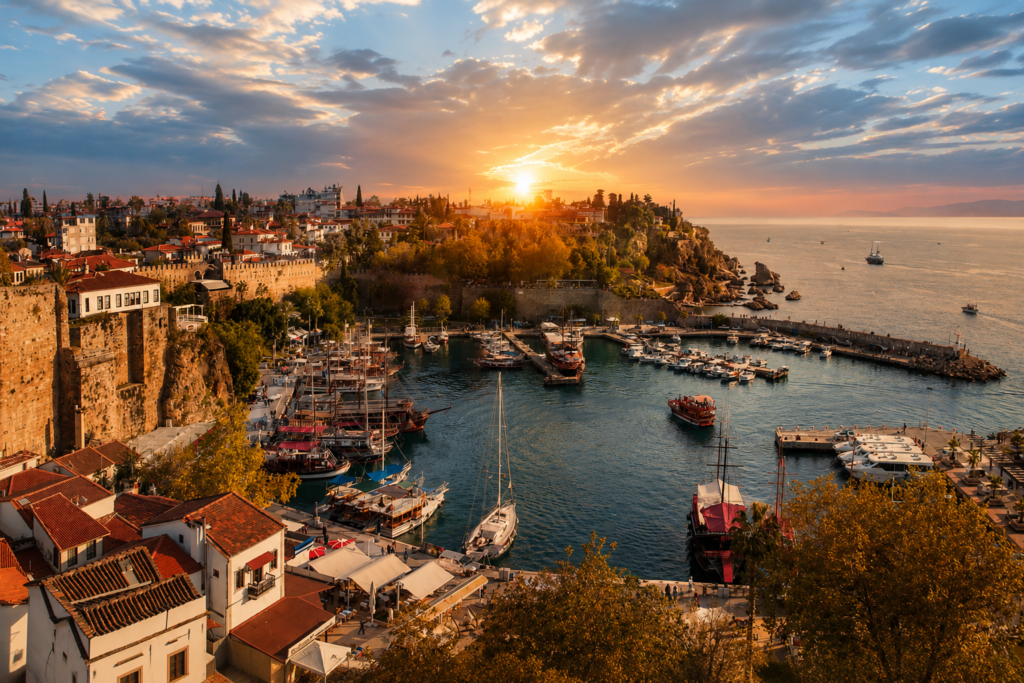
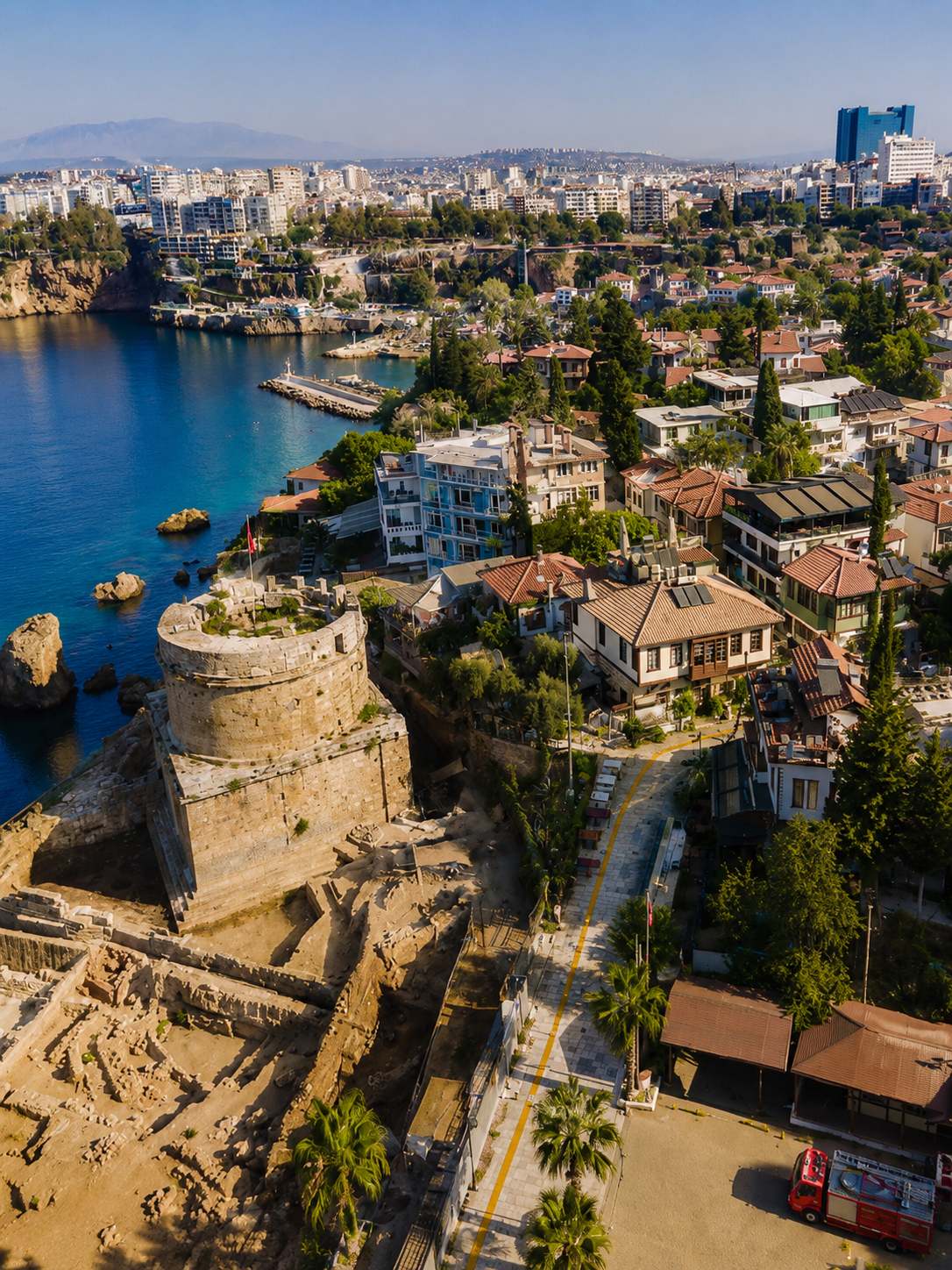
Kaleiçi is where Antalya earns its character. The old town occupies a compact promontory above the harbour, enclosed by Roman walls and filled with Ottoman-era stone houses, narrow lanes, and an old harbour that’s genuinely beautiful at dusk. Most visitors don’t spend nearly enough time here — they treat it as a half-day excursion from their resort, which is a mistake.
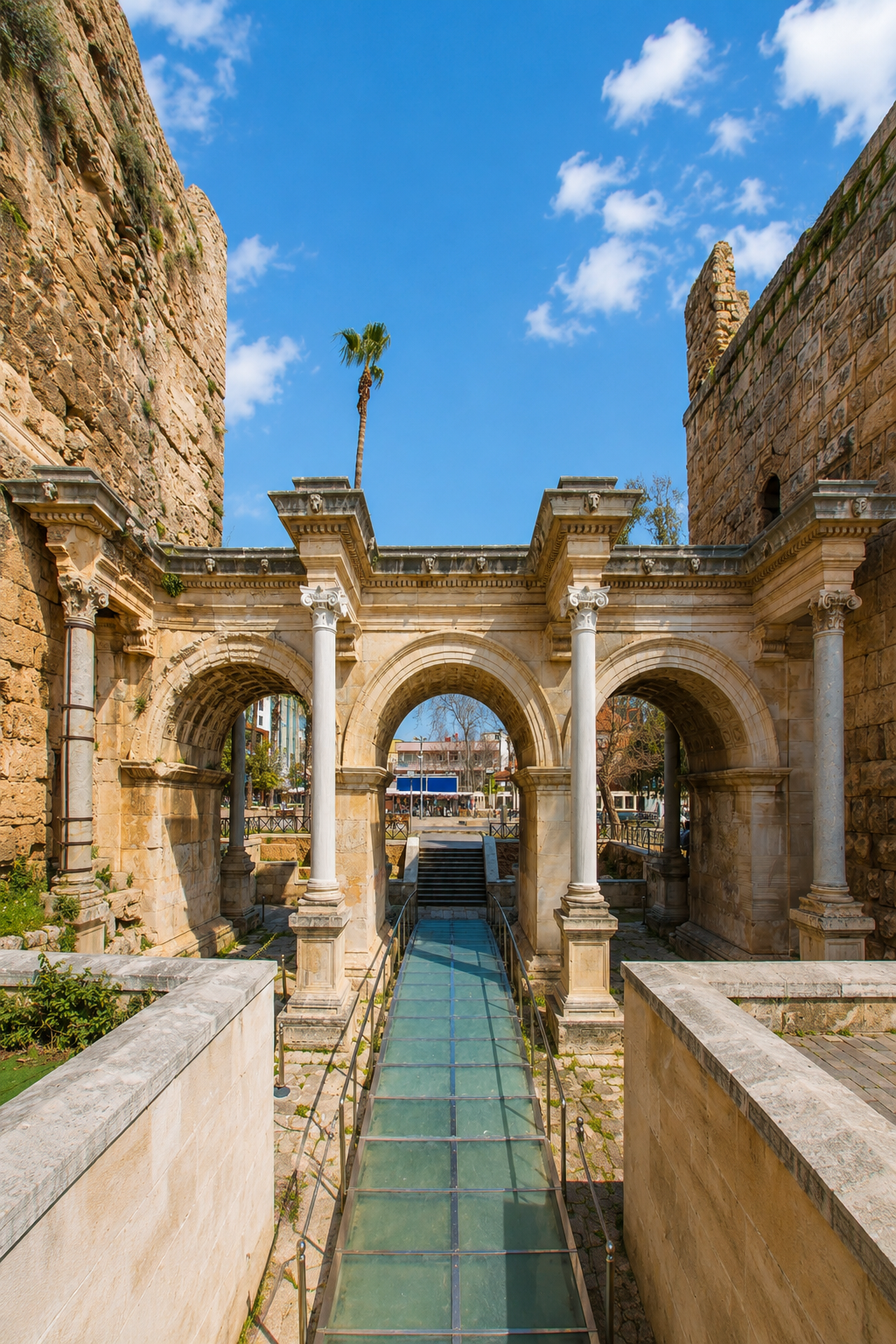
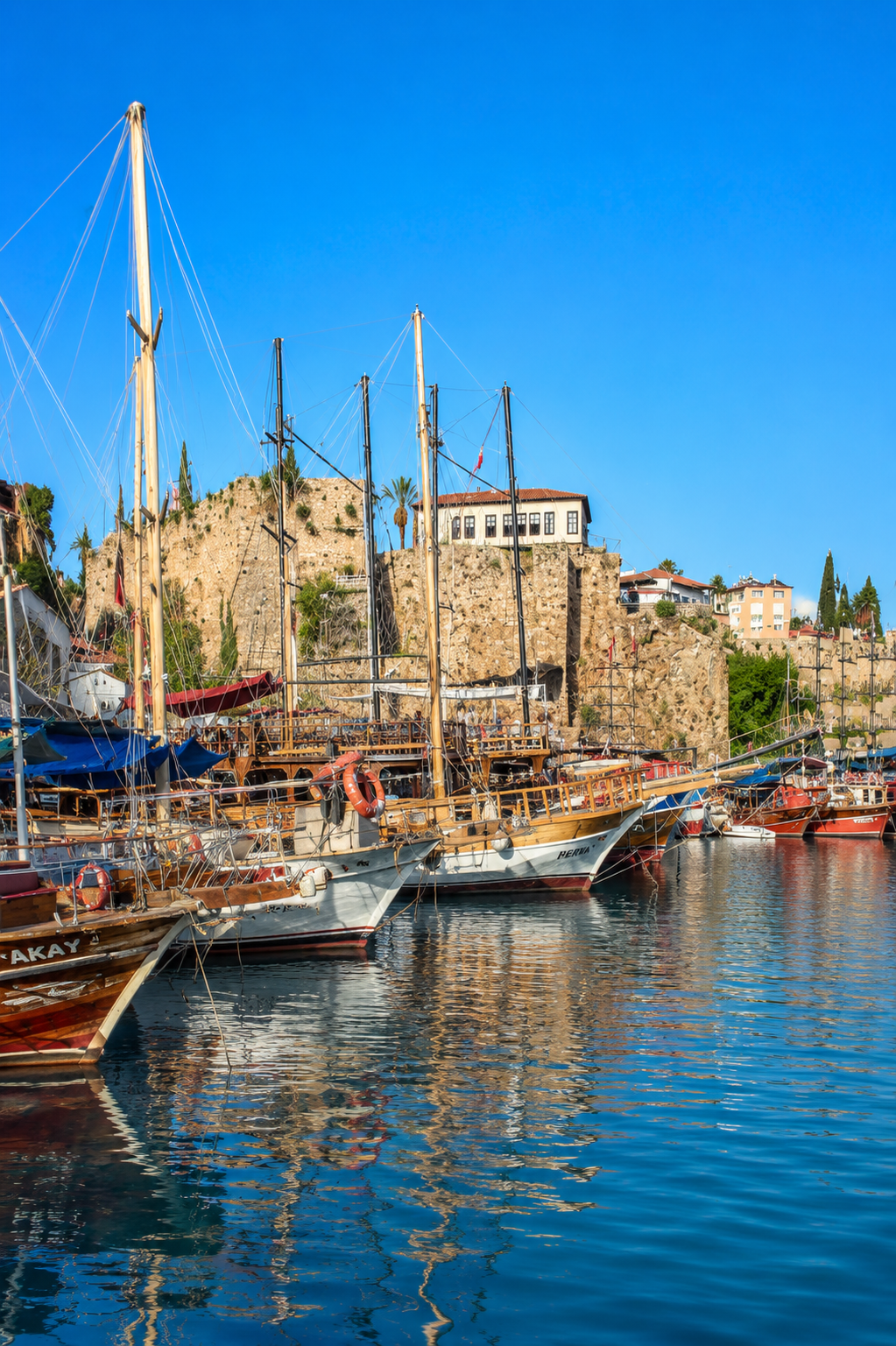
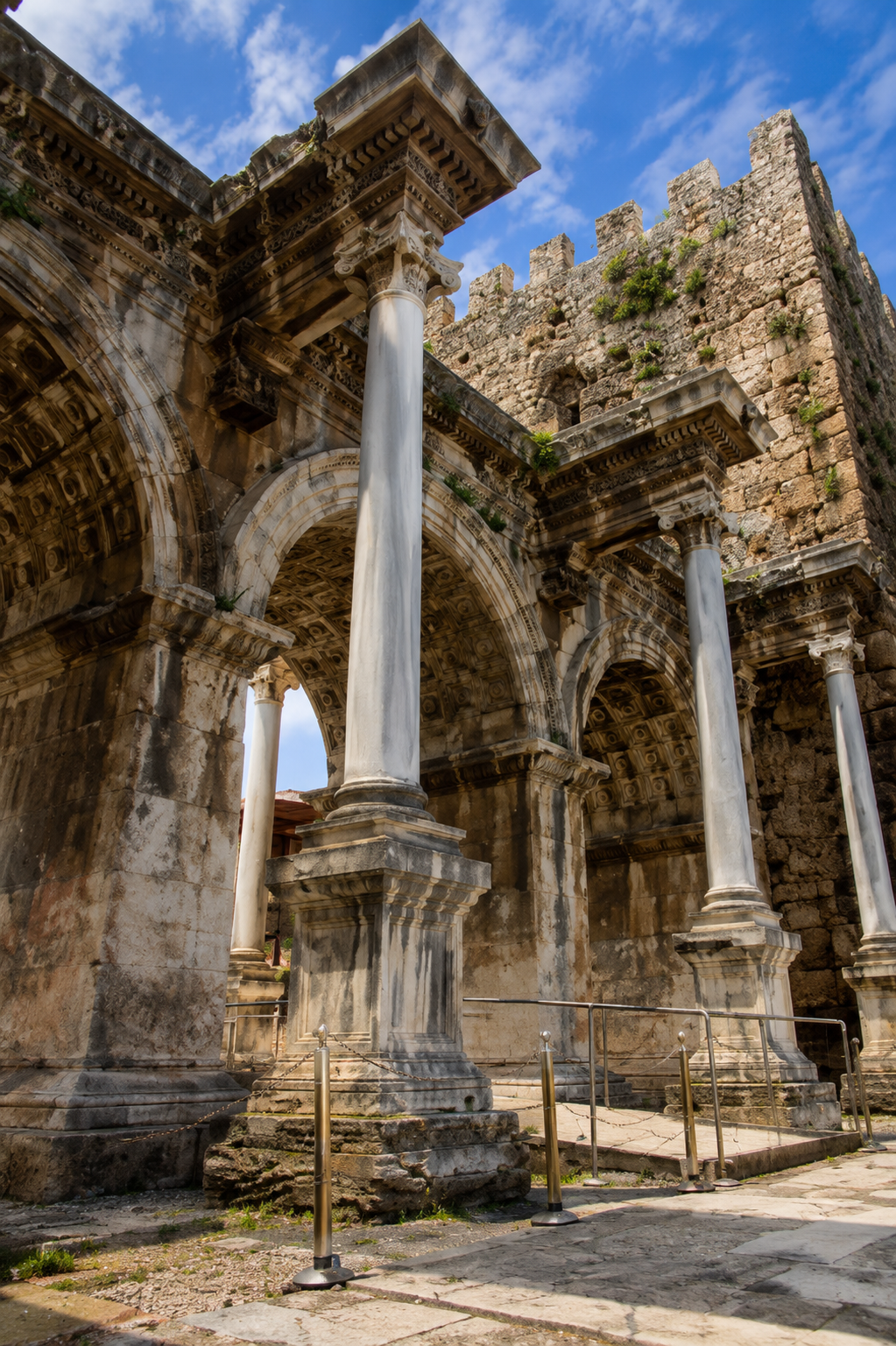
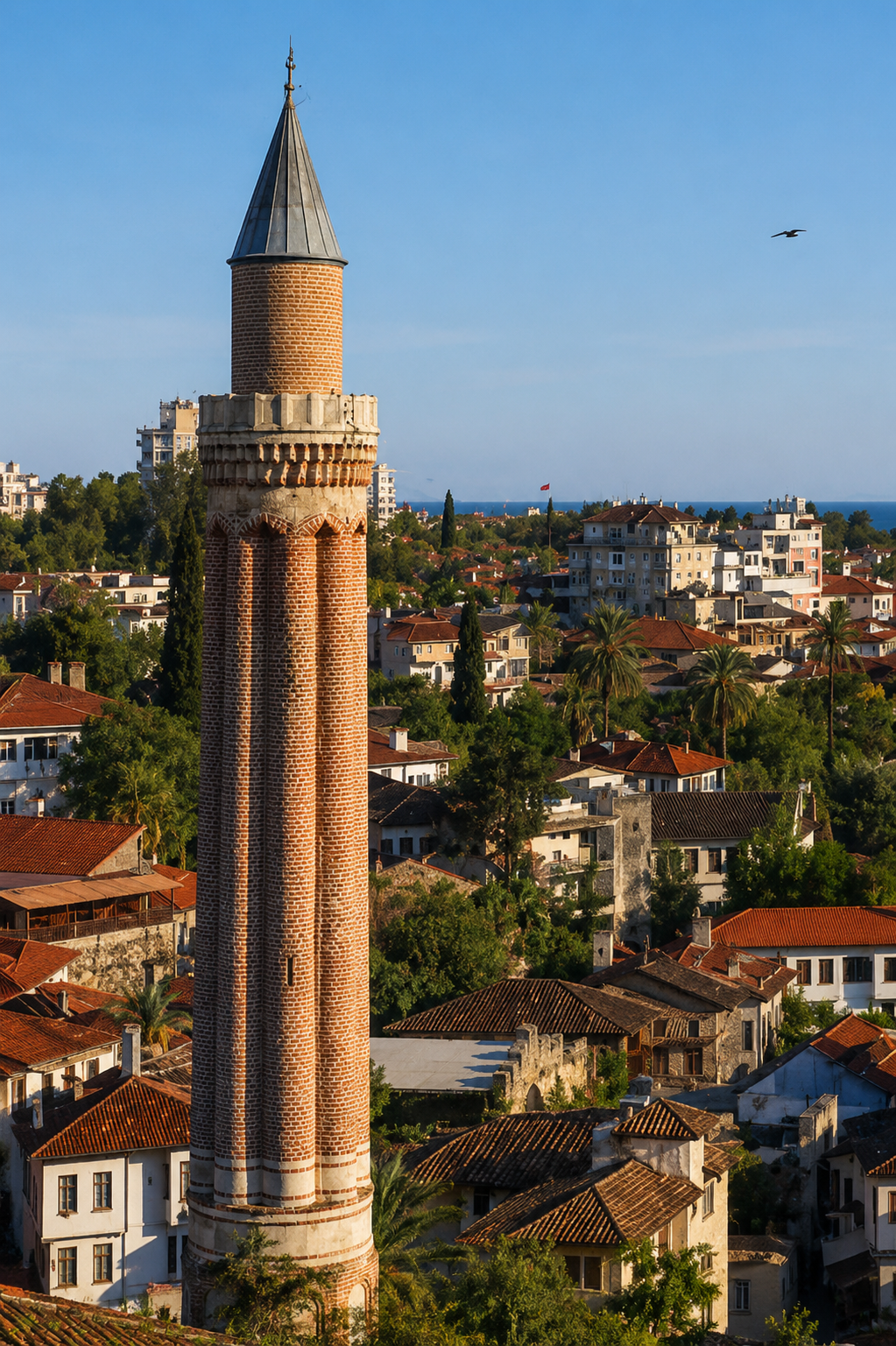
Walking Kaleiçi slowly, you’ll find Hadrian’s Gate (a triumphal arch built in 130 AD in excellent condition), the Yivli Minaret (a 13th-century Seljuk landmark that defines the skyline), and a harbour ringed with gulet boats and open-air restaurants that are, admittedly, tourist-facing but not offensively so. The lanes between these landmarks are genuinely pleasant to get lost in. Boutique hotels occupy restored mansion houses. There are good carpet shops alongside bad ones, and you’ll learn to tell the difference quickly.
The key is to stay in or very near Kaleiçi. Everything changes if your base is the old town rather than the resort corridor.
Beyond Kaleiçi — the resort strip reality
Lara Beach and Konyaaltı are a different proposition entirely. The Lara strip in particular — with its enormous all-inclusive hotels and packaged holiday infrastructure — operates as a mostly self-contained bubble. That’s not a criticism; it serves a specific kind of holiday very well. However, if that’s where you’re based and you don’t actively plan to leave it, you will not see Antalya. You’ll see a Turkish resort that happens to be located near Antalya.
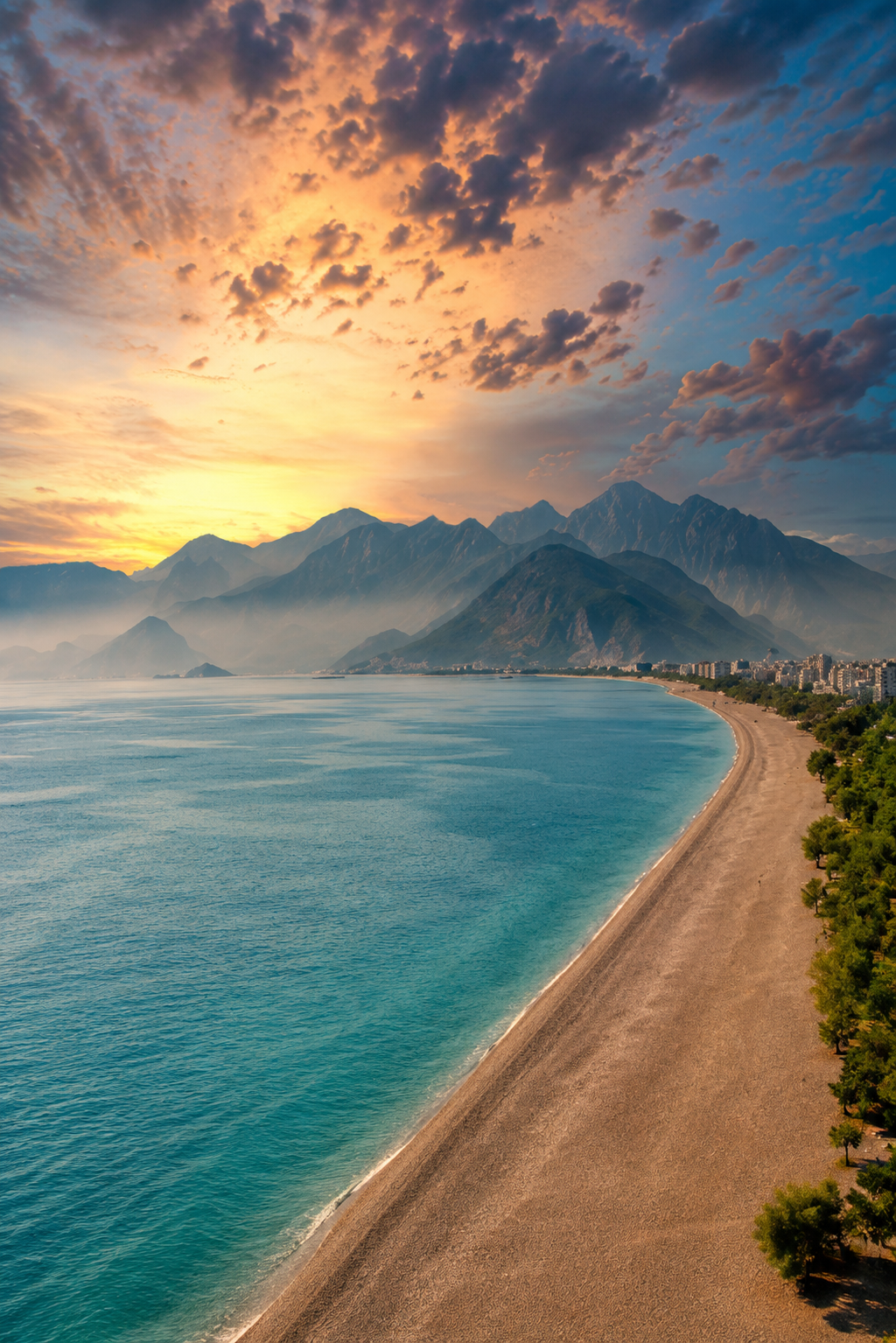
Konyaaltı Beach, west of the centre, is more accessible and has a longer stretch of pebble beach backed by the Taurus Mountains — a genuinely striking backdrop. It’s also where a lot of domestic Turkish tourism concentrates, which makes it feel considerably less manufactured than Lara.
02 — Is Antalya More Than a Beach Destination?
This is the question that matters most, and the answer is yes — considerably more. Antalya Province contains over 45 archaeological sites. The problem is that most package tourists never leave the hotel long enough to reach any of them.
The ancient ruins case: Aspendos, Perge, Termessos
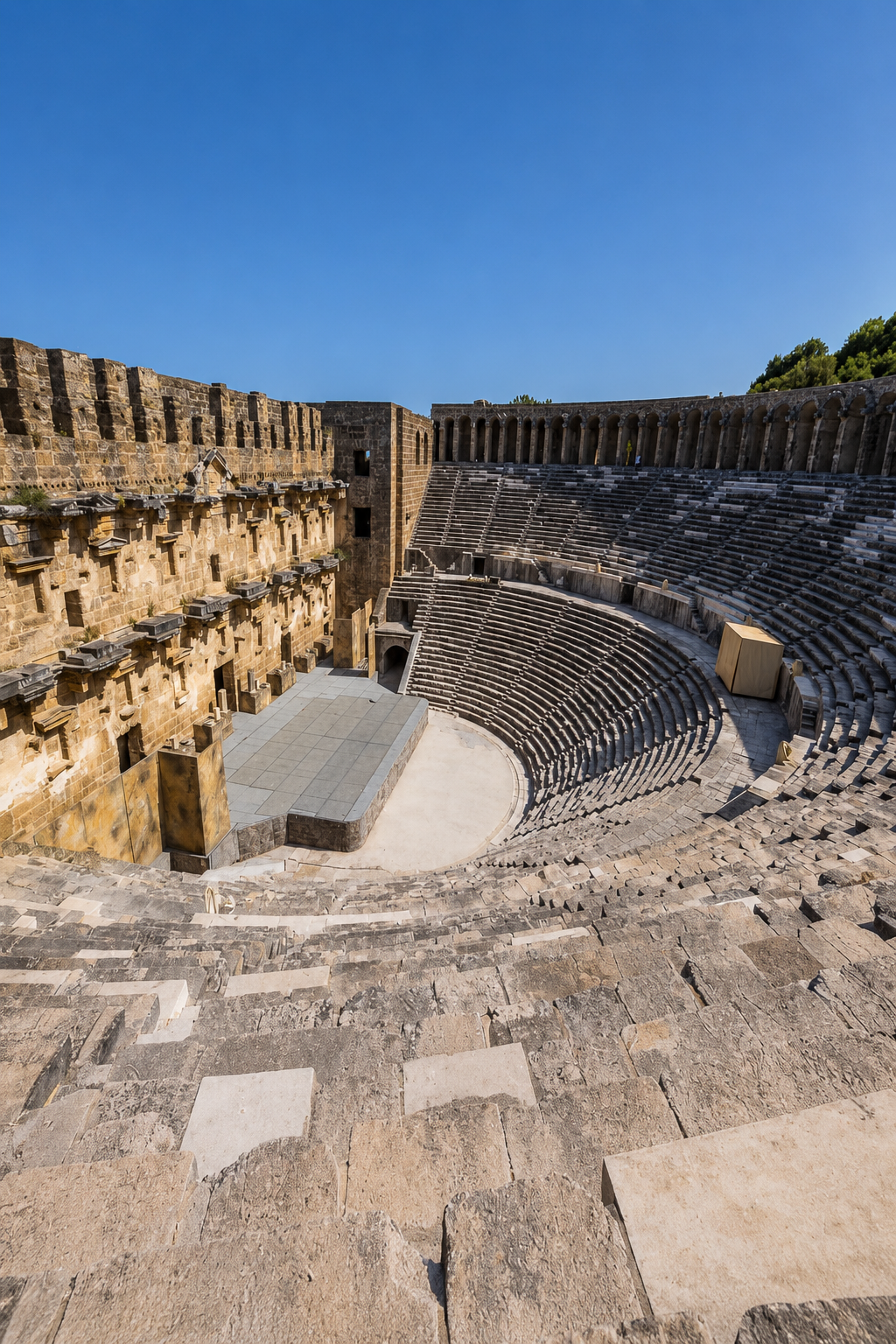
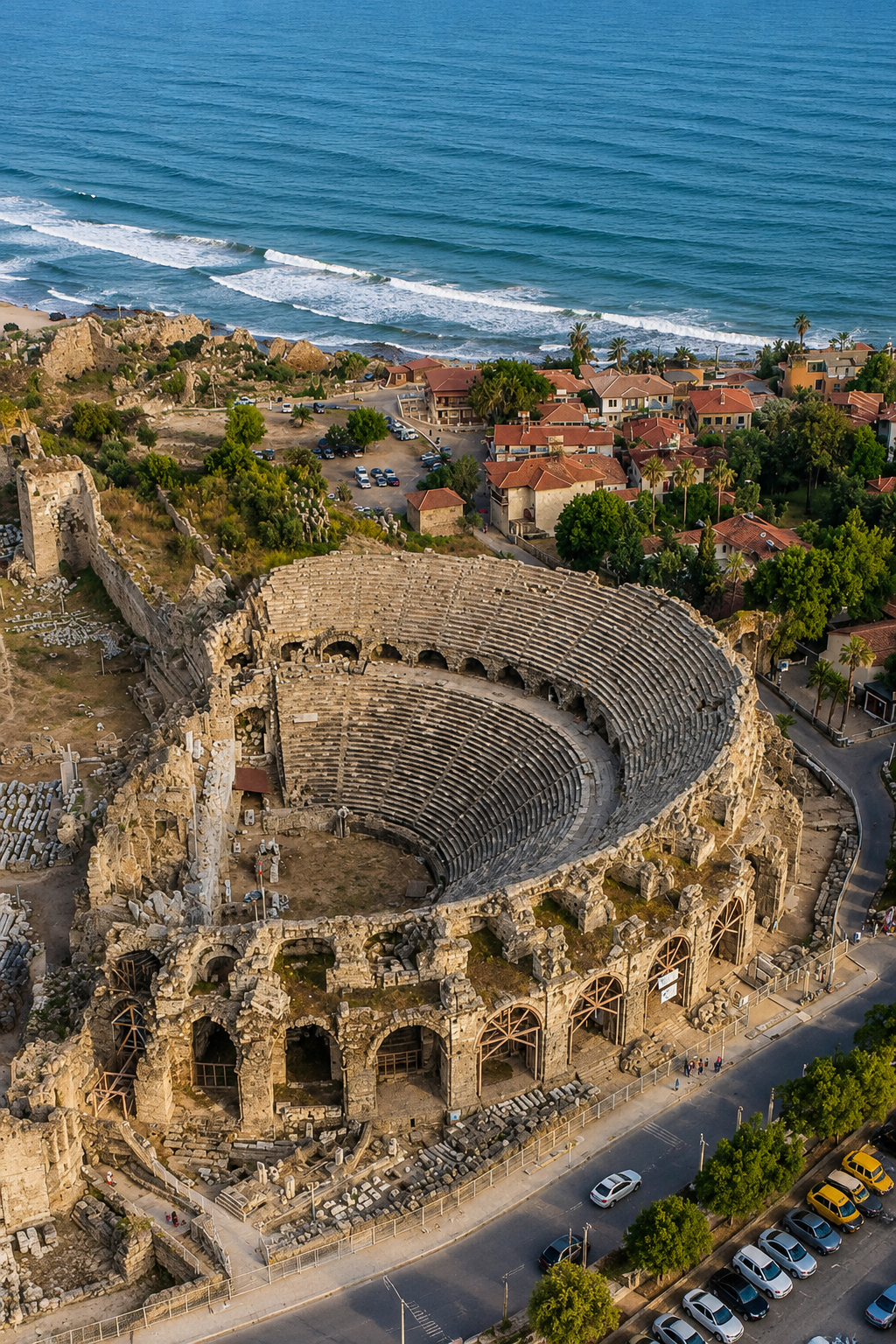
Built in 155 AD and still used for live performances, Aspendos is one of the best-preserved Roman theatres on earth — two-story stage facade intact, seating for 15,000. It’s about 47km east of the city. Worth the trip regardless of your interest in ancient history; the scale reads immediately. Go in spring or autumn when the heat doesn’t punish you for standing in an open amphitheatre.
A Hellenistic and Roman city 17km northeast of Antalya with well-preserved colonnaded streets, baths, and a stadium. Less dramatic than Aspendos but more complete as an urban ruin — you get a real sense of what a Roman provincial city actually looked like at street level. Accessible and not overcrowded even in peak season.
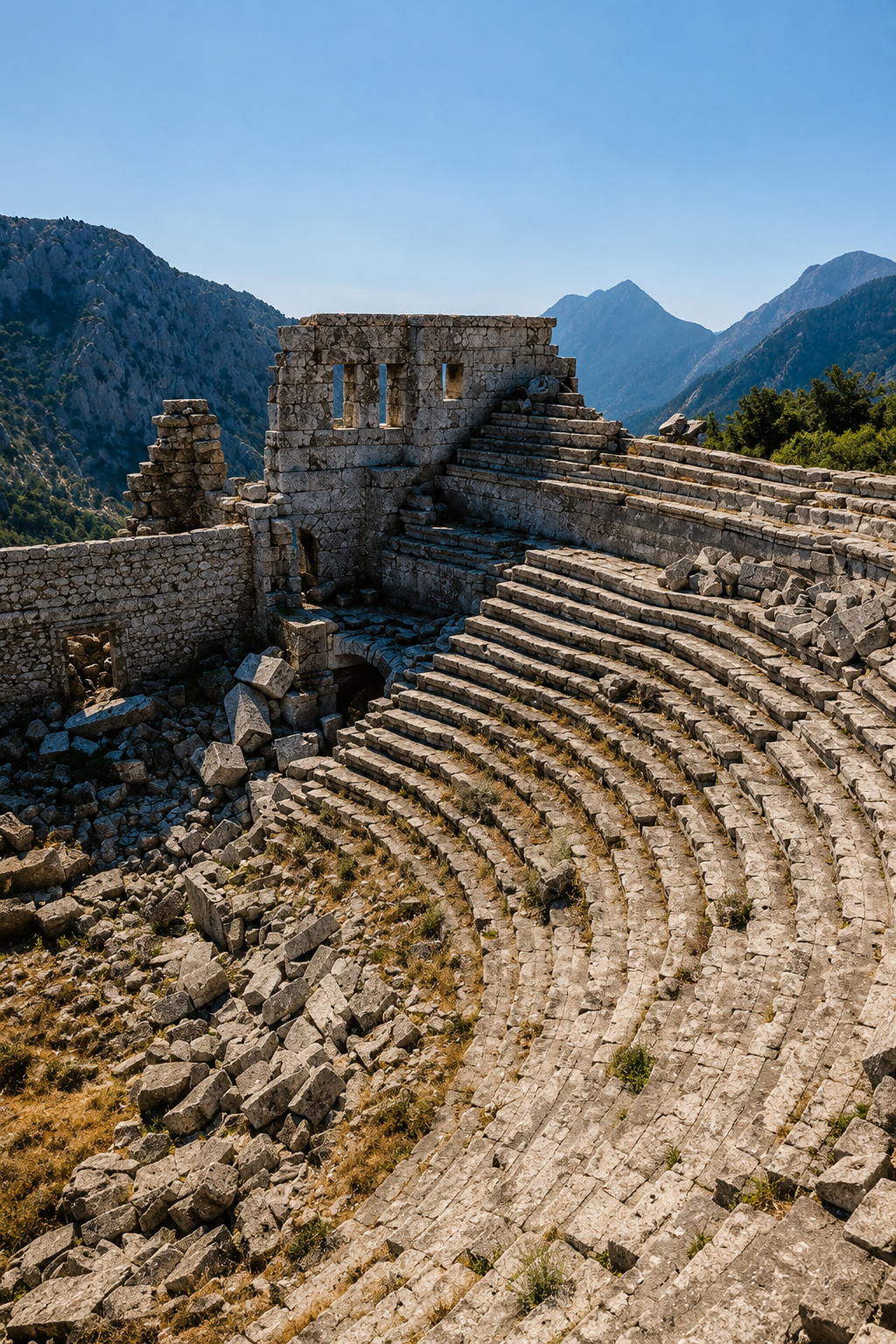
A Pisidian city perched over 1,000 metres up in the Taurus Mountains, 30km from the city, that Alexander the Great decided wasn’t worth the effort of sieging in 333 BCE. That decision has left it largely unrestored and largely unvisited — no gift shops, no coach tour crowds, just ancient stone in a pine forest with the ruins of temples, a theatre, and hundreds of Lycian sarcophagi scattered across the hillside. This is the one site near Antalya that consistently surprises even skeptical travellers.
Day trips worth building your itinerary around
Beyond the ruins, the Antalya region offers a few day trips that justify the destination regardless of the beach question. Side — an ancient port city turned beach resort 75km east — has the unusual combination of a working town, a beach, and two temple columns standing at the edge of the sea. It’s worth a full day. Additionally, the Düden Waterfalls on the city’s eastern edge are genuinely impressive: one falls into the sea from a cliff face, which is a strange and worthwhile thing to see.
Furthermore, the Köprülü Canyon National Park offers whitewater rafting on the Köprüçay River, passing a Roman aqueduct and a 2,000-year-old stone bridge. It’s one of those rare outdoor activities where the historical context makes the scenery stranger and better.
03 — The Downsides of Visiting Antalya
These are worth being specific about, because most travel content glosses over them.
Summer heat and overcrowding
July and August in Antalya regularly exceed 35°C. That is not beach-pleasant heat — it’s the kind that makes exploring ruins miserable and restricts active sightseeing to early morning and evening. The beaches are at capacity. Hotels are fully booked and expensive. Antalya Airport, already a logistical pressure point, escalates significantly. If summer is your only option, set expectations accordingly: a beach-centric stay with very early morning excursions is realistic; a historical exploration itinerary is not.
The Antalya Museum is closed
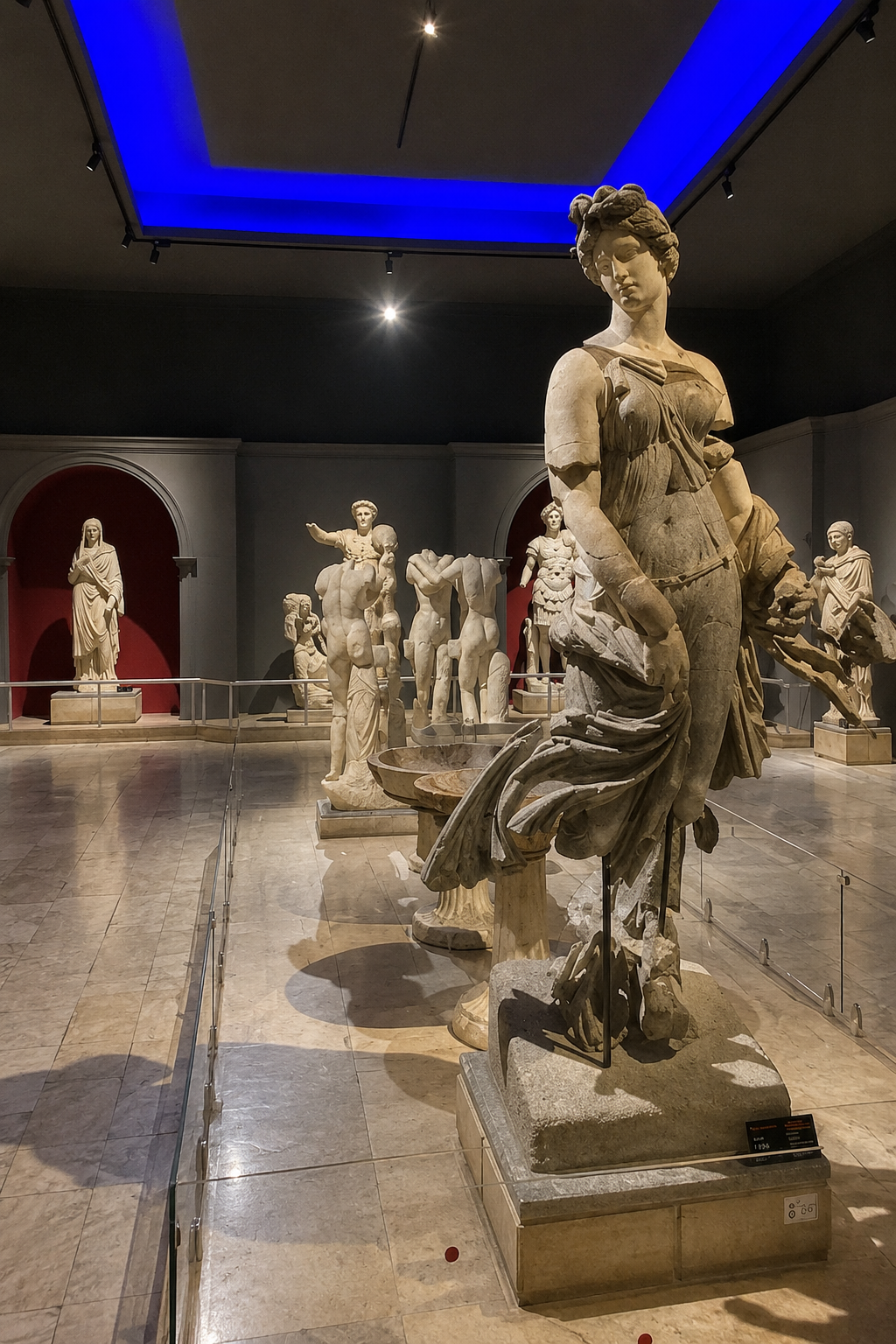
As of 2025–2026, the Antalya Archaeological Museum — which holds one of the most significant collections of Roman-era artefacts in the world, including sculpture from Perge — is closed and undergoing a complete rebuilding. This is a real loss for cultural visitors. In its absence, the Antalya Mevlevihane Museum (housed in a converted dervish lodge) and the Etnography Museum are worth visiting, but they don’t replace it. Plan your expectations around the outdoor sites rather than indoor collections.
The resort-bubble risk
The all-inclusive model is particularly powerful in Antalya — hotels are designed to be self-sufficient, and the transport links between the resort corridor and the city centre are poor enough that leaving requires actual planning. Many visitors genuinely never do. That’s their right, but it means Antalya has a reputation in some circles as a “package holiday destination” that undersells what the surrounding region actually offers. Go in knowing you have to make an effort to escape the bubble.
The Antalya Archaeological Museum (Antalya Müzesi) is closed for a major rebuilding project through at least 2026. Check the official museum page before planning your visit — opening timelines on construction projects like this often shift.
04 — When Is the Best Time to Visit Antalya?
This is one of the clearest answers in any Antalya post: April–June or late September–October.
Spring (April–June)
Spring is the optimal window for anyone combining beach time with active sightseeing. Temperatures between 18–26°C make the outdoor archaeological sites genuinely comfortable to explore. Consequently, visiting Aspendos in May is a completely different experience from visiting in August — you can actually spend time in the space without endurance becoming part of the plan. Hotels are cheaper, beaches are accessible without reservation, and the Taurus Mountain landscapes are green rather than scorched. Moreover, wildflowers across the ancient sites add a visual dimension that summer doesn’t offer.
Autumn (late September–October)
September and October recover the shoulder season advantages after the summer peak collapses. Temperatures drop into the high 20s, the sea remains warm enough for swimming, and — critically — the resort crowd has largely gone home. Late September in Antalya can feel like a genuinely different city from August. That said, some smaller beach facilities start closing in October, and the days shorten noticeably.
What July and August actually look like
It’s not that summer is bad — it’s that summer requires the right mindset. The beaches are accessible, the resort infrastructure is fully operational, and the nightlife (if that’s relevant) is active. However, any historical or outdoor sightseeing needs to happen before 10am or after 4pm. The heat between those hours is not a minor inconvenience; it’s genuinely limiting. Plan accordingly and summer becomes manageable.
05 — How Many Days Do You Need in Antalya?
Three days is the honest minimum for seeing the city itself without rushing — Kaleiçi, the harbour, Hadrian’s Gate, Konyaaltı Beach, and the Düden Waterfalls. Five to seven days is the comfortable window if you want to add day trips to Aspendos, Perge, Side, and Termessos without feeling like you’re commuting rather than travelling.
| 3 days | City-focused: Kaleiçi, harbour, Hadrian’s Gate, Düden Waterfalls, one beach day |
| 5 days | Add Aspendos and Perge as day trips; Side if you want beach + ruins combined |
| 7 days | Full coverage: add Termessos hike, Köprülü Canyon, and slower days in the old town |
| 10+ days | Combine with Cappadocia, Pamukkale, or a westward coastal drive toward Kaş |
If your primary purpose is beach relaxation with a couple of cultural excursions, three to four days is plenty and you’ll leave satisfied. If the ruins are the main reason you’re going, five days minimum — and base yourself in Kaleiçi, not a Lara resort, so travel time to the sites doesn’t consume entire mornings.
06 — Is Antalya Safe for Tourists?
In practical terms, yes. Antalya’s tourist infrastructure is well established and the city is oriented toward international visitors in ways that make basic navigation straightforward. Petty theft exists, as it does in any tourist-heavy Mediterranean city, but it’s not a defining feature of the experience.
The scams worth knowing about are concentrated in Kaleiçi: carpet shop invitations that begin with extended tea and end with high-pressure sales; taxi drivers near the old town who don’t use meters; and occasionally, “friendly locals” who offer to show you around and expect payment at the end. None of this is unique to Antalya, and none of it is difficult to navigate once you know it exists. Use the taxi app (BiTaksi), agree on prices before entering a shop, and treat unsolicited helpfulness with mild skepticism.
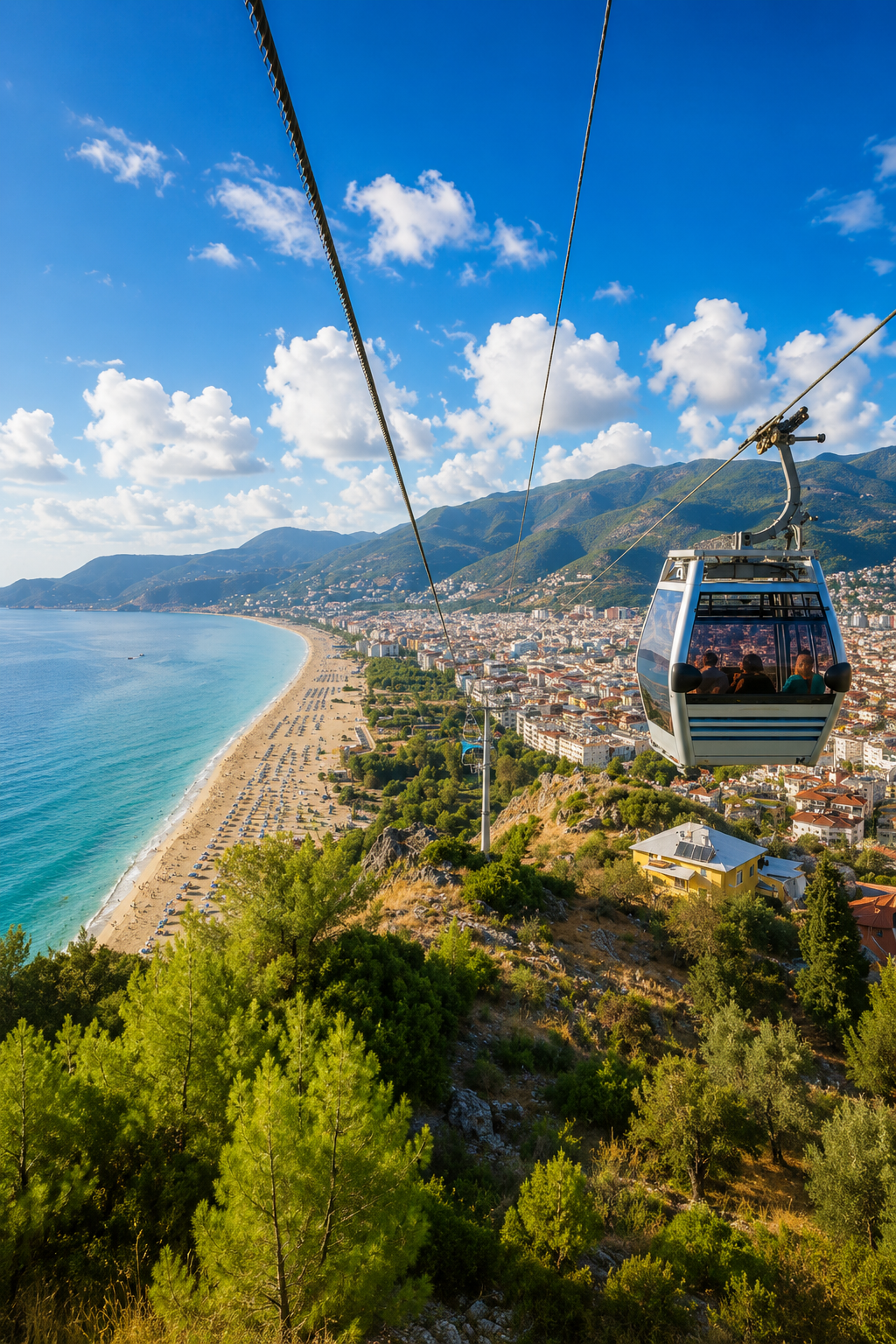
Within Antalya, the Nostalji tram runs from Konyaaltı Beach through Kaleiçi to the city centre — cheap, frequent, and the easiest way to move between the old town and the coast. Separately, the AntRay light rail connects Antalya Airport to İsmetpaşa station near Kaleiçi, which makes the airport transfer straightforward if you’re staying in the old town. For day trips to Aspendos, Perge, and Side, a guided tour or private driver is the most practical option — public transport to the ruins exists but requires significant time investment.
07 — Is Antalya Worth Visiting? The Verdict
Antalya is worth visiting — but the version of Antalya worth visiting requires intention to find.
If you arrive expecting an all-inclusive beach holiday and you want exactly that, Antalya will deliver it efficiently. However, that’s not the interesting case. The interesting case is the traveller who uses Antalya as a base for one of the ancient world’s most accessible archaeological regions, who spends evenings in Kaleiçi, and who visits in April or October rather than August.
Who Antalya is right for
- History and archaeology travelers: Aspendos, Perge, and Termessos are genuinely world-class. If ancient ruins are something you actively seek out rather than tolerate, this region rewards serious engagement.
- Mediterranean-curious travelers who haven’t done Turkey: Antalya is a lower-commitment entry point than Istanbul and more historically interesting than most Aegean package destinations.
- Beach travelers willing to add cultural depth: The combination of good beaches and extraordinary day-trip ruins is unusual. Few Mediterranean destinations offer both at this quality.
Who it will disappoint
- Travelers visiting in July or August expecting comfortable sightseeing: The heat is the defining constraint. Manage it or reconsider the timing.
- Cultural visitors expecting the museum: The Archaeological Museum closure is a real loss. If the collection was your primary reason for going, wait or redirect to the sites themselves.
- Anyone based at a Lara resort expecting to “explore”: The logistics don’t support casual exploration from the resort strip. Either base yourself in Kaleiçi or accept that day trips require planning effort.
In short: Antalya rewards the traveller who makes active choices. It doesn’t reward passivity. That’s a fair deal, and for the right kind of traveller, it’s a very good one.
Antalya is not one place. It’s a resort strip and a Roman harbour town and an archaeological corridor and a mountain gateway, all using the same name.
The version worth finding takes a small amount of effort. It’s worth it.