
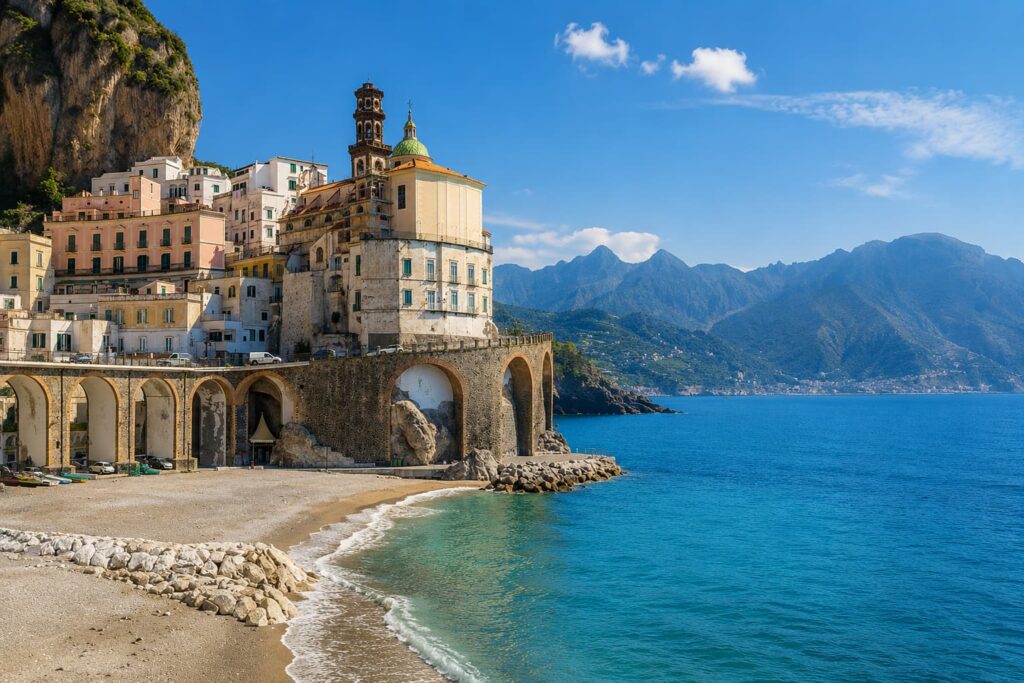
Salerno: A Base for Italy’s Ancient South, Not Just the Amalfi Coast
Everyone treats Salerno as a place to sleep before the coast. The better day trips from Salerno point the other way — Pompeii, Paestum, and the quiet Cilento.
I went to Salerno expecting to use it the way everyone else does — a cheap bed, a quick ferry, gone by mid-morning. In fact, most guides will tell you to do exactly that. They frame Salerno as the practical doorway to the Amalfi Coast, somewhere to park yourself before the prettier postcards begin. That framing is not wrong, exactly. It is just pointed the wrong way.
The reason to stay in Salerno has very little to do with the coast. Within an hour of the city you can stand in front of three Greek temples older than the Parthenon, walk a Roman street still grooved by cart wheels, and eat buffalo mozzarella in the fields where the buffalo actually live. In practice, the best day trips from Salerno run inland and south — toward the ancient world and the unvarnished south — not toward Positano. That is the case this post wants to make.
01 — Why I Stayed in Salerno (and the Reason Nobody Gives You)
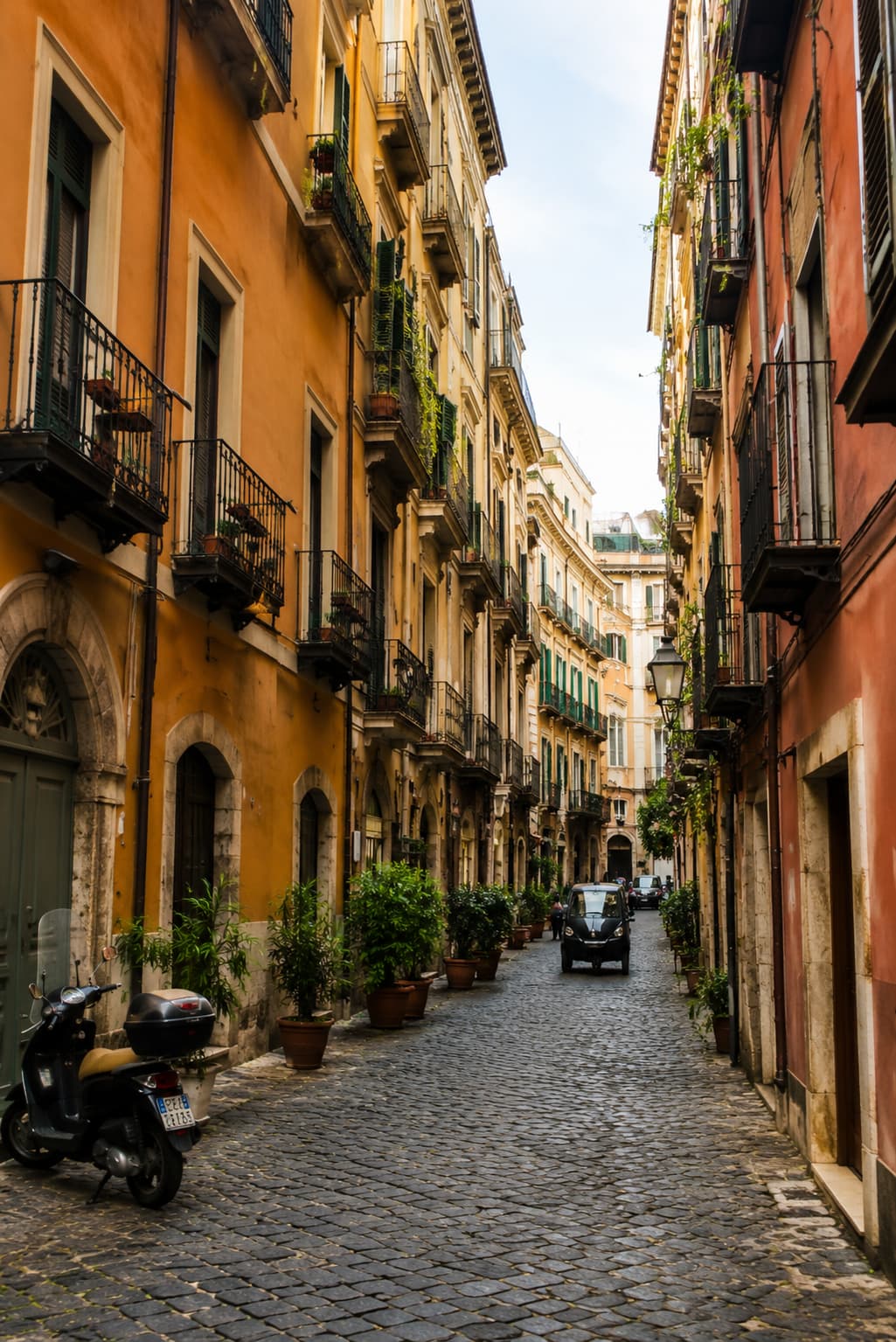
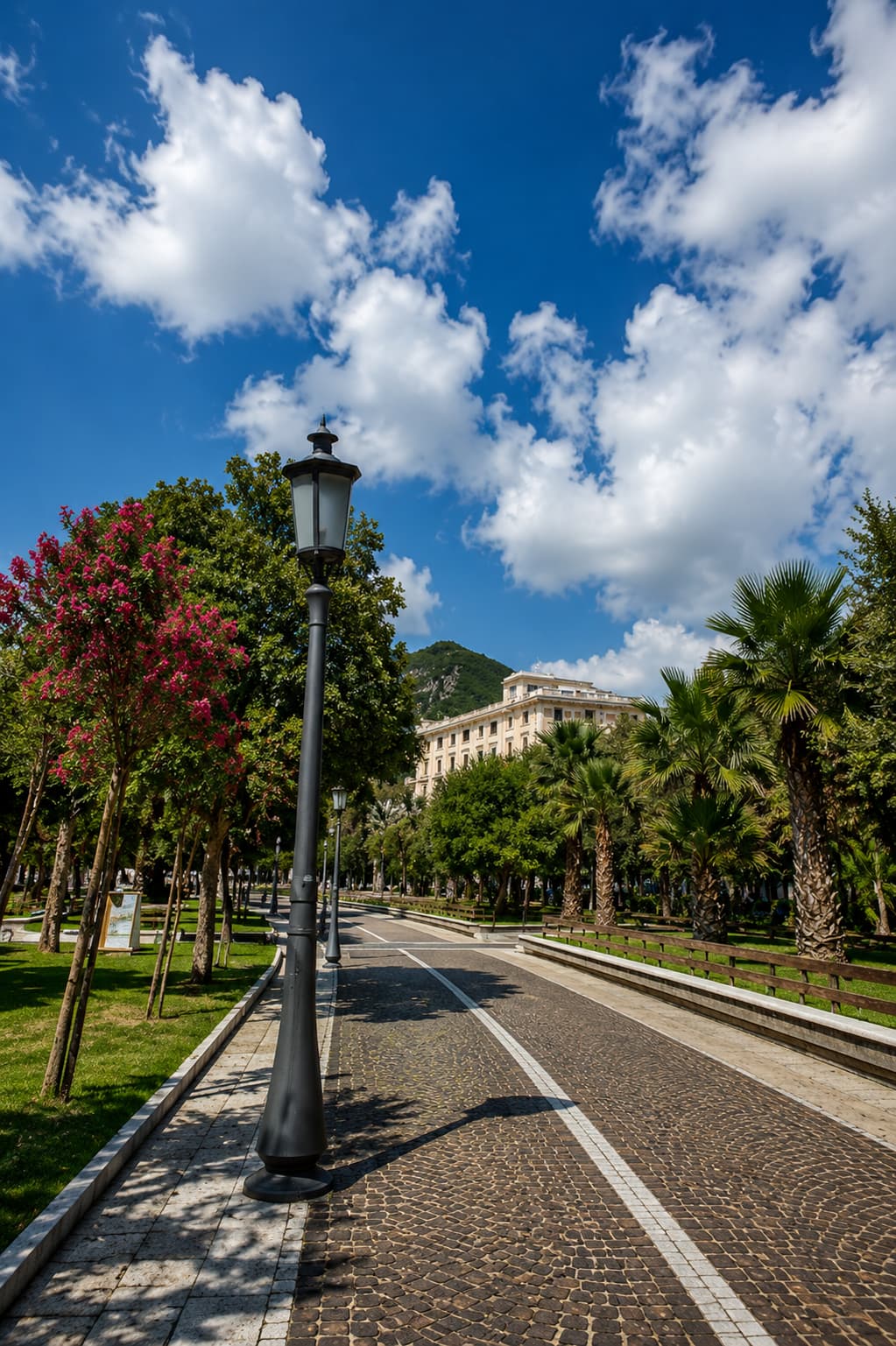
Salerno is a working city. Container cranes stand at the edge of the harbour, ferries come and go on schedules built for commuters rather than honeymooners, and the long seafront promenade fills up in the evening with families and old men arguing about football. There is a cathedral with a crypt that glows like a jewellery box, a medieval centre of crooked lanes, and almost nobody photographing any of it. That last part is the point.
I had booked two nights as a buffer and ended up staying four. What kept me was not a single sight but the texture of the place — the sense that the city was getting on with its own life and I happened to be in it. You order a coffee and nobody hands you a menu in four languages. Furthermore, the prices on that menu are the prices locals pay, which is a rarer thing on this stretch of coast than you might think.
Ultimately, the deeper reason to base here is geography. Salerno sits at the hinge between two completely different Italys. Turn one way and you reach the Amalfi Coast, which is covered to death elsewhere. Turn the other way and the ancient world opens up — Greek temples, a buried Roman town, and a stretch of southern coast that has not yet learned to perform for visitors. Specifically, that second direction is where this post is going, because it is where almost no one tells you to look.
02 — Is Salerno Worth Visiting?
Yes — but probably not for the reasons the brochures give. As a beauty contest against Positano or Ravello, Salerno loses, and it knows it. The city is not trying to be a postcard. What it offers instead is a real place to live for a few days while you reach some of the most remarkable sites in southern Italy, and it offers that for a fraction of what the coast charges.
If you want a base that feels like Italy rather than a stage set, Salerno earns its keep. The historic centre rewards an evening of aimless walking. The Duomo is genuinely worth an hour. Moreover, the city was once home to the Scuola Medica Salernitana, widely regarded as Europe’s first medical school, founded in the early Middle Ages — a piece of history that quietly tells you this was a place of real consequence long before tourism arrived.
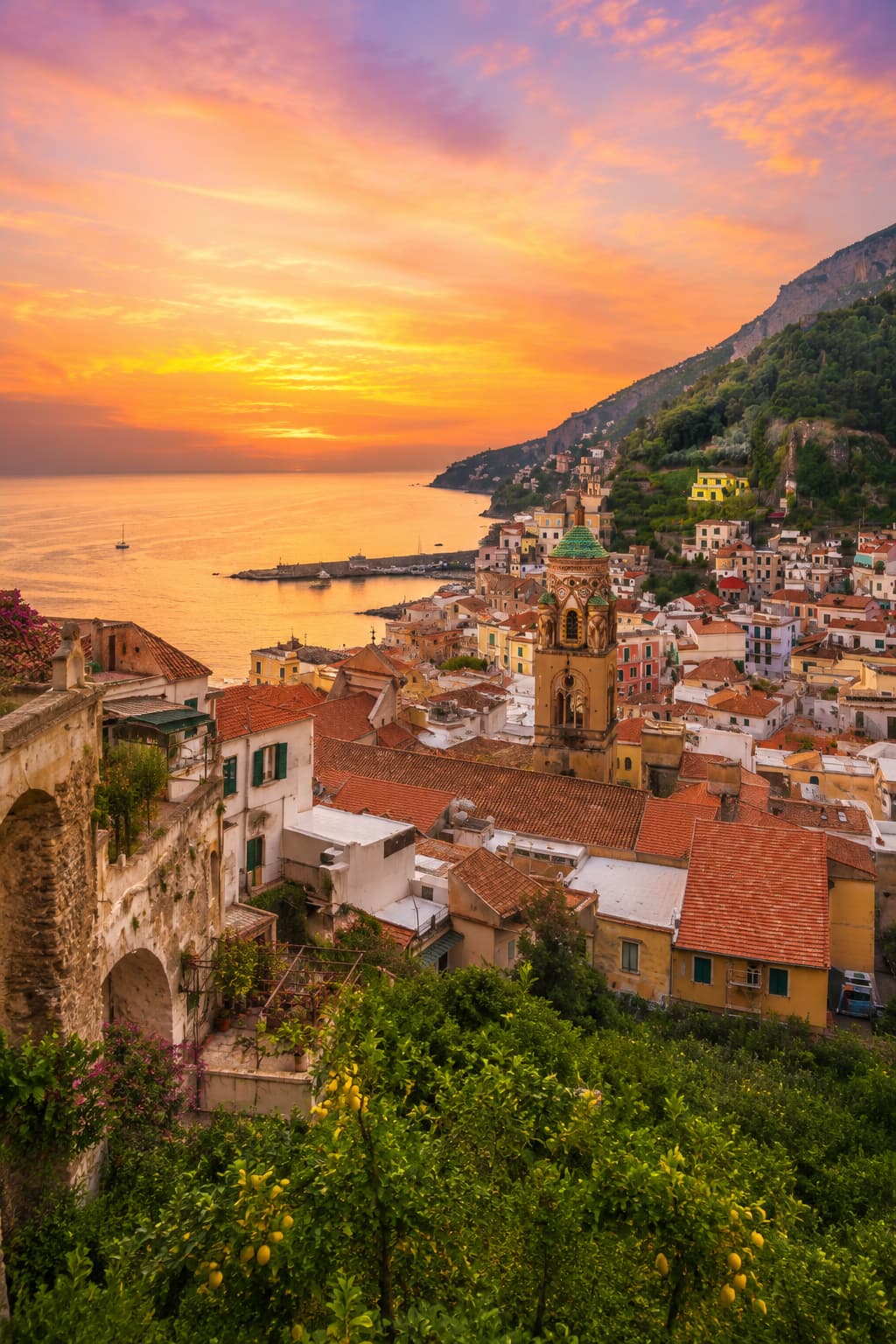
So the honest answer is conditional. Come to Salerno for what it gives access to, and for the unhurried, unperformed feel of the city itself. Do not come expecting it to out-pretty the coast, because it will not, and it is not trying to.
03 — How Many Days Do You Need in Salerno?
Most travellers find two to three days is the right shape. That gives you the city itself plus one or two day trips without the trip turning into a series of train platforms. The historic centre can be walked comfortably in a single afternoon and evening, which frees the rest of your time for the sites that justify the base in the first place.
A realistic two-to-three-day shape
Here is how I would actually structure it, allowing for the fact that ancient sites take longer than you expect and that southern Italy does not reward rushing.
| Day 1 | Arrive, settle in, walk the Centro Storico in the late afternoon. Duomo, the lungomare promenade at sunset, dinner in the old town. No agenda. |
| Day 2 | Paestum. Early regional train, the temples before the heat and the coaches, the museum after. Back in Salerno by mid-afternoon with time to spare. |
| Day 3 | Pompeii — the bigger, more demanding site, so give it most of the day. Alternatively, swap in the Cilento if ruins are starting to blur together. |
If you only have two days, drop the third and choose between Pompeii and Paestum based on what moves you more: the scale of a whole buried city, or the strange, intact grace of the temples. Both are extraordinary. Neither needs the other to be worth the trip.
04 — The Best Day Trips From Salerno
In short, this is the heart of the case for staying here. The best day trips from Salerno are four in number, set out below in rough order of how strongly I would push you toward them, with the logistics that actually matter rather than the ones that pad a list.
Paestum — the Greek temples almost no one expects
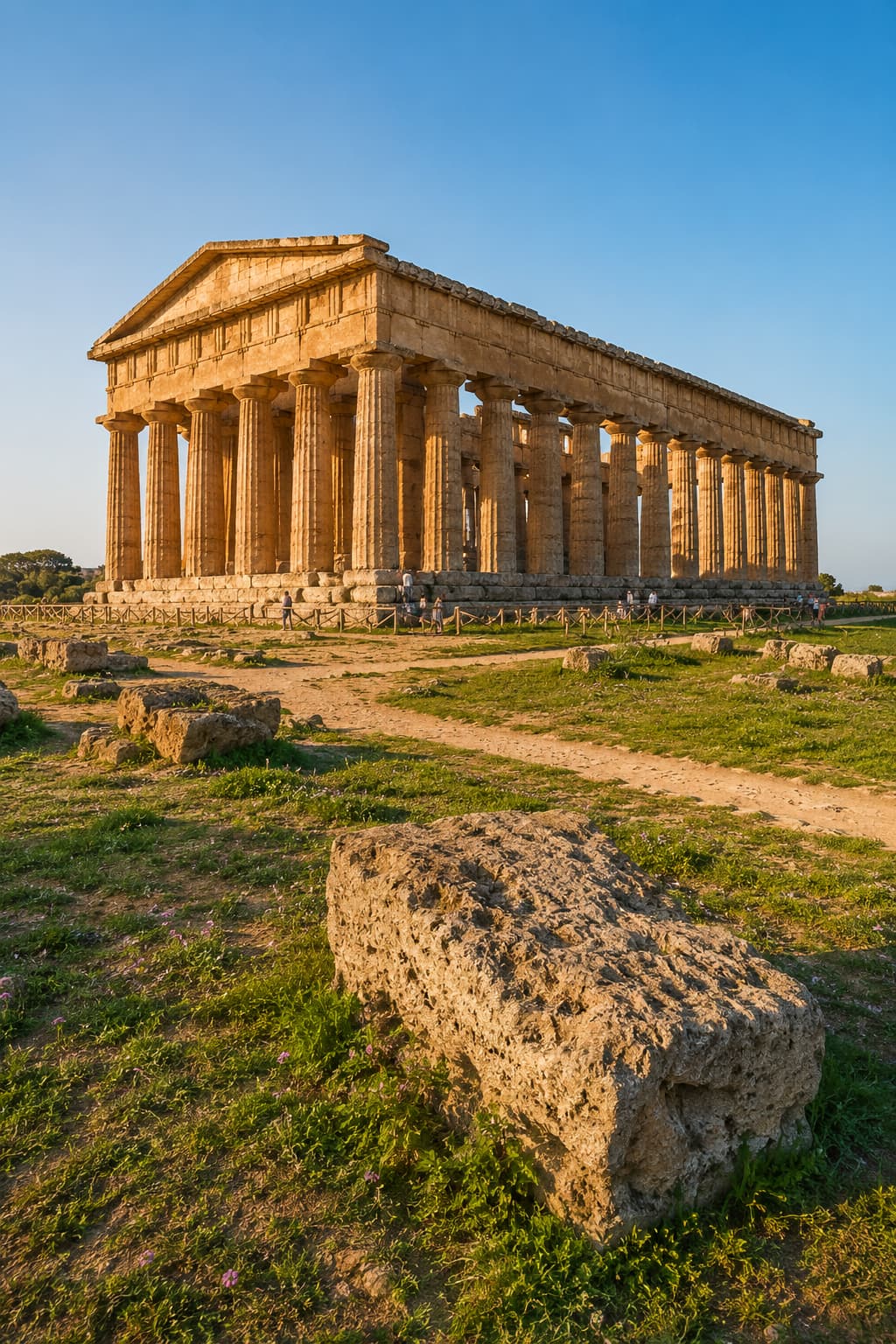
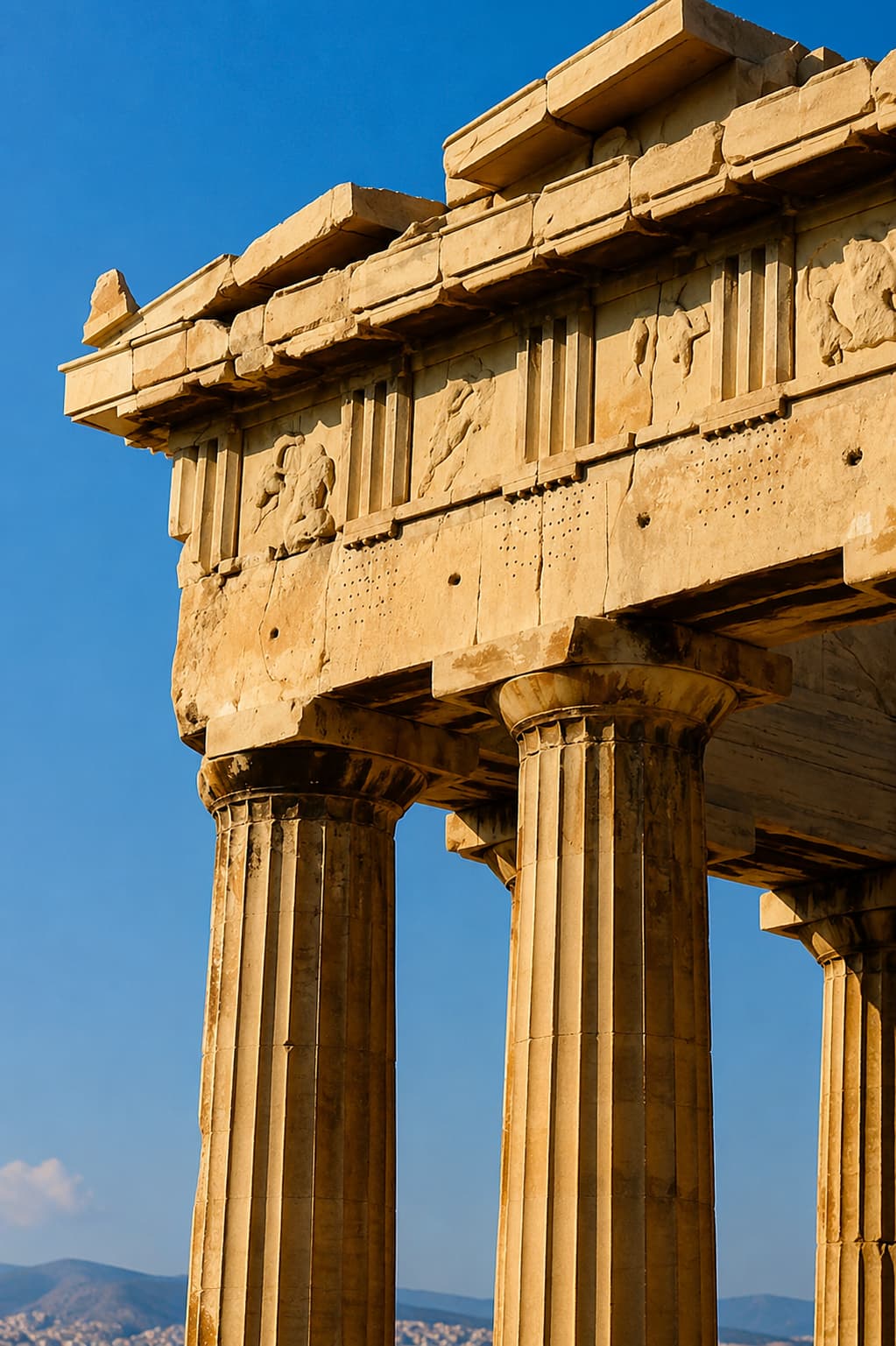
Paestum is the one that surprised me most, and the one I would send you to first. It holds three of the best-preserved ancient Greek temples in the world, built between roughly 550 and 450 BC — older than the Parthenon, standing in open fields rather than behind barriers, and on most mornings nearly empty. You can walk right up to them. The light at that hour does something to the stone that no photograph quite holds.
Getting there is genuinely easy. A regional train from Salerno takes about 35 to 40 minutes and costs around €7 each way. That said, there is one catch worth knowing: the morning timetable has a gap, and trains can be infrequent, so check the return times before you go rather than assuming you can leave on a whim. The site sits a short walk from Paestum station — you will see the temples almost as soon as you exit.
The on-site archaeological museum holds the Tomb of the Diver, a rare surviving example of Greek figurative wall painting, plus the metopes and grave goods that give the temples their context. Many visitors photograph the temples and leave. However, the museum is what turns a nice morning into something you actually understand.
Pompeii — closer than you think
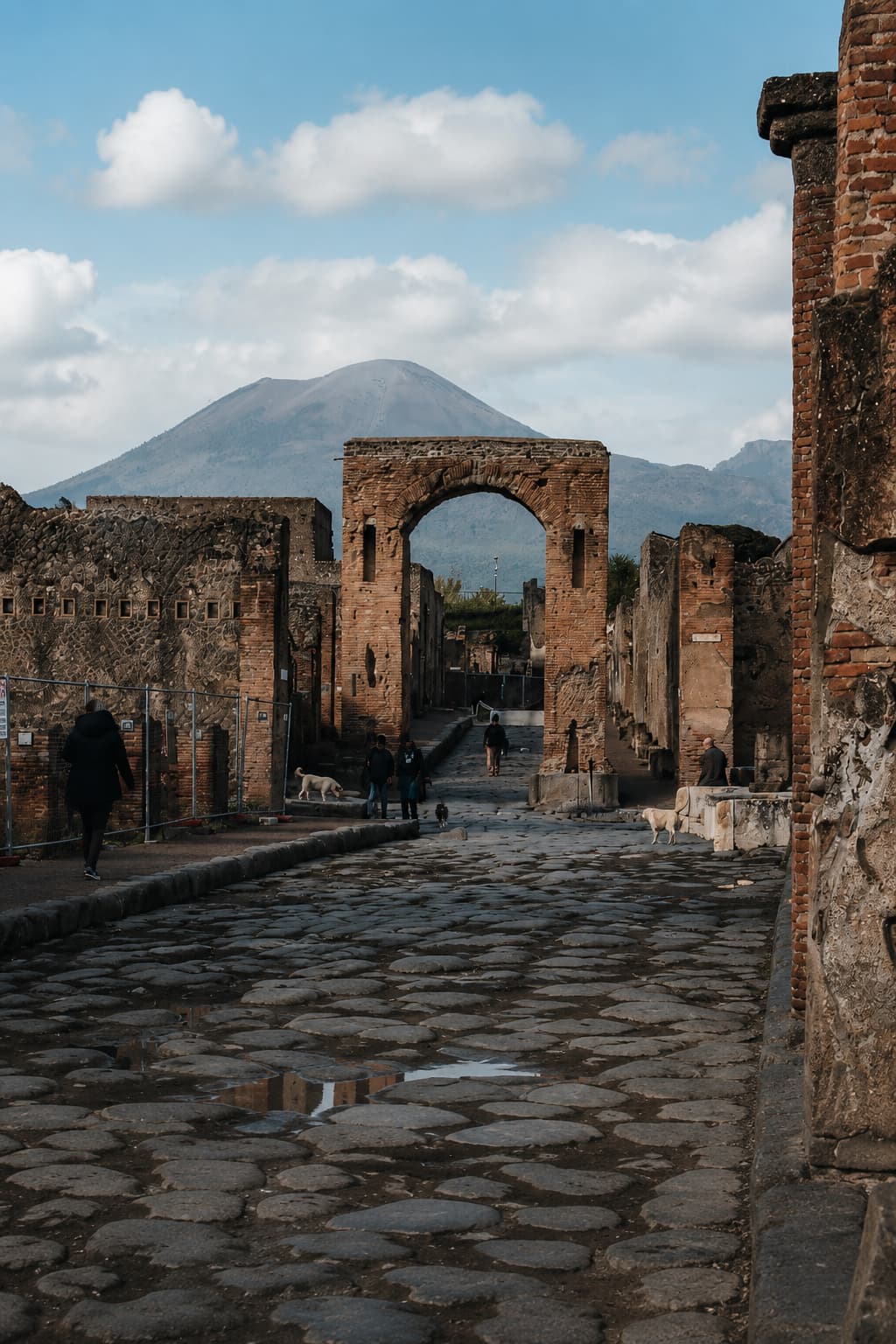
Everyone associates Pompeii with Naples, but Salerno sits roughly 30 minutes from the site by car and is well connected by train too — closer, in fact, than Positano or Amalfi town. The ruins need most of a day; this is not a place you tick off in ninety minutes. You are walking a whole city, and the scale only lands when you have spent a few hours inside the walls.
You have two honest routes in. Self-guided, you take the train and pay entry, which can come to as little as around €50 all in — by far the cheapest option, and fine if you read a little beforehand. Alternatively, a guided half-day tour typically runs €50 to €150 per person depending on group size and what is bundled in. A good guide earns the money here, because Pompeii without context is just a lot of handsome rubble. For the right entrance, aim for Porta Marina or Piazza Anfiteatro depending on which station you arrive at; check before you travel, since it affects your walking route through the site.
If you are tempted to fold Pompeii into a wider loop with Naples, I have written that exact day up separately — it works better as its own road-trip stop than as a rushed half-day. Linked at the foot of this post.
Herculaneum — the quieter alternative
Herculaneum is the connoisseur’s choice — smaller than Pompeii, better preserved in places, with upper floors and wooden fittings that survived where Pompeii’s did not. It is also less crowded, which counts for a lot. Here, though, I owe you an honest note: of the four trips on this list, Herculaneum is the one that is genuinely easier from Naples than from Salerno. The Circumvesuviana line that serves it runs from the Naples side.
From Salerno it is still doable, but it involves a connection and a bit more patience than Paestum or Pompeii demand. If you are basing in Salerno and have to choose, I would do Pompeii from here and save Herculaneum for a Naples day if your trip includes one. It is a recommendation, not a rule — plenty of people make it work direct.
The Cilento — where southern Italy stops performing
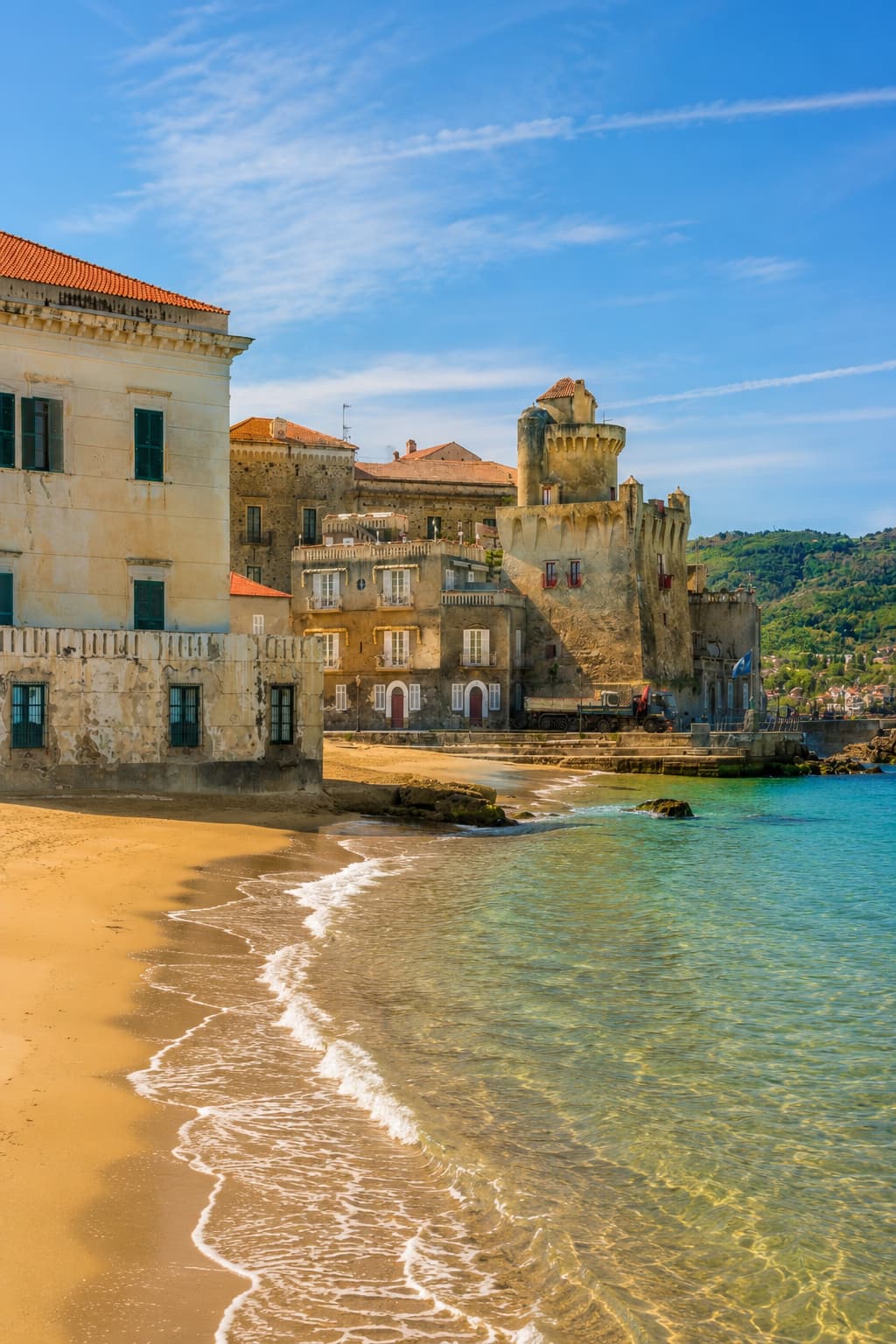
South of Paestum the coast loosens and empties into the Cilento, a stretch of hill towns, quiet bays and farmland that sees a fraction of the Amalfi crowds. This is the trip for the day you have had enough of ancient stone and want to see how people actually live down here. Agropoli has a working harbour and a castle on the headland. Castellabate, a little further on, is the kind of hilltop town the coast used to be full of before the coaches arrived.
This is also buffalo mozzarella country — the real thing, made within sight of the herds, eaten the same day. I had lunch at a roadside caseificio near Capaccio where the mozzarella came out still slightly warm, in water, with nothing alongside it but bread and a tomato that tasted of actual sun. It cost a few euros and ruined every other mozzarella I have eaten since. That is the Cilento in one plate: nothing dressed up, everything good.
If you only do one stop, make it Castellabate. The old town climbs to a belvedere where the whole coast unspools below you, and in the late afternoon the only sounds are church bells and someone’s television drifting out of an open window. Down at Santa Maria di Castellabate the beach is wide, free, and used mostly by Italians. By train and bus the Cilento takes more effort than the ruins, so treat it as a slower, looser day rather than a tight itinerary. The reward is a part of Campania that is not arranging itself for your camera.
05 — Day Trips From Salerno Without a Car
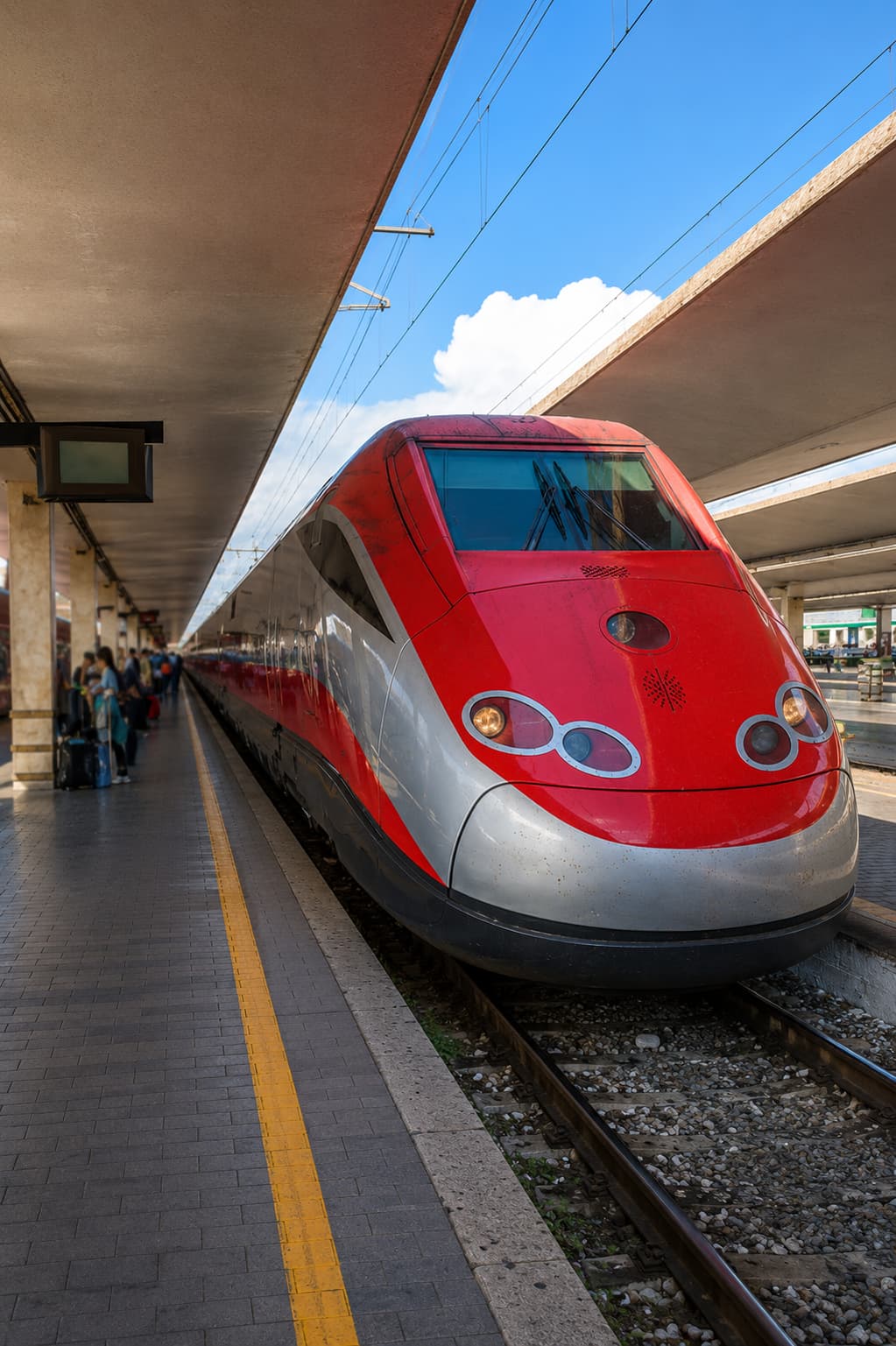
For the most part, yes. The good news for anyone arriving by air is that the best day trips from Salerno work without a rental at all — the city is a rail hub, and the two sites you came for, Paestum and Pompeii, are both straightforward train rides. You do not need to rent anything to have a full, satisfying few days here.
The honest caveats are these. Regional trains run on their own logic, and the timetables thin out at the edges of the day, so a missed connection can cost you an hour. The Cilento is the hardest to reach by public transport — buses exist but they are slower and less frequent, so it is the one trip where a car genuinely opens things up. Herculaneum, as noted, leans toward the Naples side of the network. For everything else, a regional train ticket and a willingness to check the return board will get you where you are going.
06 — Is Salerno a Good Base for the Amalfi Coast?
Yes, briefly and honestly — the ferries and buses to Amalfi and Positano leave from Salerno, and plenty of people use it exactly that way. If the coast is genuinely your only goal, that is a fine plan, and I am not going to pretend otherwise.
But that is not what this post is about, and there are better places to read about doing the coast properly. If the Amalfi towns are your priority, start with the day-trip guide and the alternatives piece below — they are written for that, and they will serve you better than this one will. This post exists for the traveller who wants to point the other way.
07 — Is Salerno Expensive?
Overall, no — and this is part of the appeal. Compared with the Amalfi Coast towns — where a coffee by the water can cost what a full lunch costs elsewhere — Salerno is plainly cheaper across the board. Rooms, meals, and that all-important coffee are priced for a city where people live and work, not for a captive holiday market.
You feel it most at dinner. A proper meal in the old town, with a carafe of local wine, comes in well under what the same plate would cost in Positano. For travellers watching the budget without wanting to eat badly, that gap is the quiet argument for basing here that no brochure will make for you.
Paestum, Pompeii and Day Trip Costs
Choosing Sites and Best Time to Visit
The coast will always have its photographers, and good luck to them.
The better days I had on this stretch of Italy were the ones I spent walking away from it.