Coolcation Destinations in Europe: Famous Alps Travelers Choose Over Beaches
Why thoughtful travelers are trading scorching Mediterranean coasts for cool mountain air — plus ten famous Alpine destinations worth the swap, with the trade-offs nobody mentions.
Why Coolcations Are Replacing Summer Beach Trips
The best coolcation destinations in Europe make sense the first time you feel the temperature gap in your body rather than read it as a marketing word. I understood it standing in a meadow above Garmisch-Partenkirchen in late July, pulling on a fleece while my phone showed 39°C in Rome. The contrast was almost absurd. Friends were melting on a beach in Italy; I was watching cloud shadows move across a green slope and reaching for a second layer. That gap — between a coast that punishes you and a mountain that quietly looks after you — is the entire idea behind a coolcation, and it explains why so many travelers are now choosing the Alps over the Mediterranean for their summer escape.
This is not a romantic notion. It is physics. As Europe’s summers grow hotter and longer, the high mountains have become the obvious heat refuge — cooler by default, dramatic by nature, and genuinely walkable in months when the coast turns into an oven. That said, the glossy roundups tend to push you toward either a Norwegian fjord cruise or a €600-a-night chalet in Gstaad. This guide does neither. It walks through the genuinely famous Alpine names, the honest temperature science behind why they stay cool, and the trade-offs — crowds, thunderstorms, valley-versus-altitude pricing — that most lists conveniently skip.
- Why Coolcations Are Replacing Summer Beach Trips
- What Is a Coolcation?
- Why Travelers Are Choosing Mountains Over Beaches in 2026
- Are the Alps Actually Cooler Than the Mediterranean?
- 10 Famous Alpine Coolcation Destinations in Europe
- Dolomites or Swiss Alps for Summer Travel?
- When Is the Best Time for a Mountain Coolcation?
- What to Pack for a Summer Trip to the Mountains
- Are Coolcation Spots Getting Crowded Too?
- FAQ
01 — What Is a Coolcation?
A coolcation is a vacation chosen specifically to escape extreme summer heat, swapping traditional hot-weather beach destinations for cooler-climate regions like mountains and northern Europe. That is the clean definition, and it has become one of the defining travel shifts of the decade. Instead of booking a Greek island in August and gambling on a heatwave, more travelers now deliberately point themselves at altitude or latitude — somewhere the thermometer behaves.
The word itself is new, but the instinct is old. For generations, people who could afford it left the lowland cities in high summer and went up into the hills. What has changed is the scale and the urgency. Heatwaves that once felt like outliers now arrive on schedule, and the Mediterranean — long the default European summer — increasingly delivers temperatures that make sightseeing genuinely unpleasant. As a result, the calculus has flipped for a lot of people. Coolness is no longer a nice bonus; it is the reason for the trip.
Importantly, a coolcation does not mean a cold holiday. It means a comfortable one. You still get long days, you still get sunshine, you still sit outside with a drink in the evening. You simply do it at 1,500 metres with a breeze, rather than at sea level in still, heavy air. The Alps happen to be the most accessible, most spectacular coolcation destinations in Europe — the continent’s clearest version of this idea.
02 — Why Travelers Are Choosing Mountains Over Beaches in 2026
The shift is measurable, not anecdotal. The European Travel Commission reports that climate-driven destination shifts are now a primary factor for roughly 1 in 4 European holidaymakers, with alpine demand rising sharply — Grindelwald hiking interest is reported up around 60% year-over-year for 2026. When a quarter of a continent’s travelers start weighting temperature as a primary booking factor, the map redraws itself. Mountain towns that once filled mainly in ski season now see real summer demand.
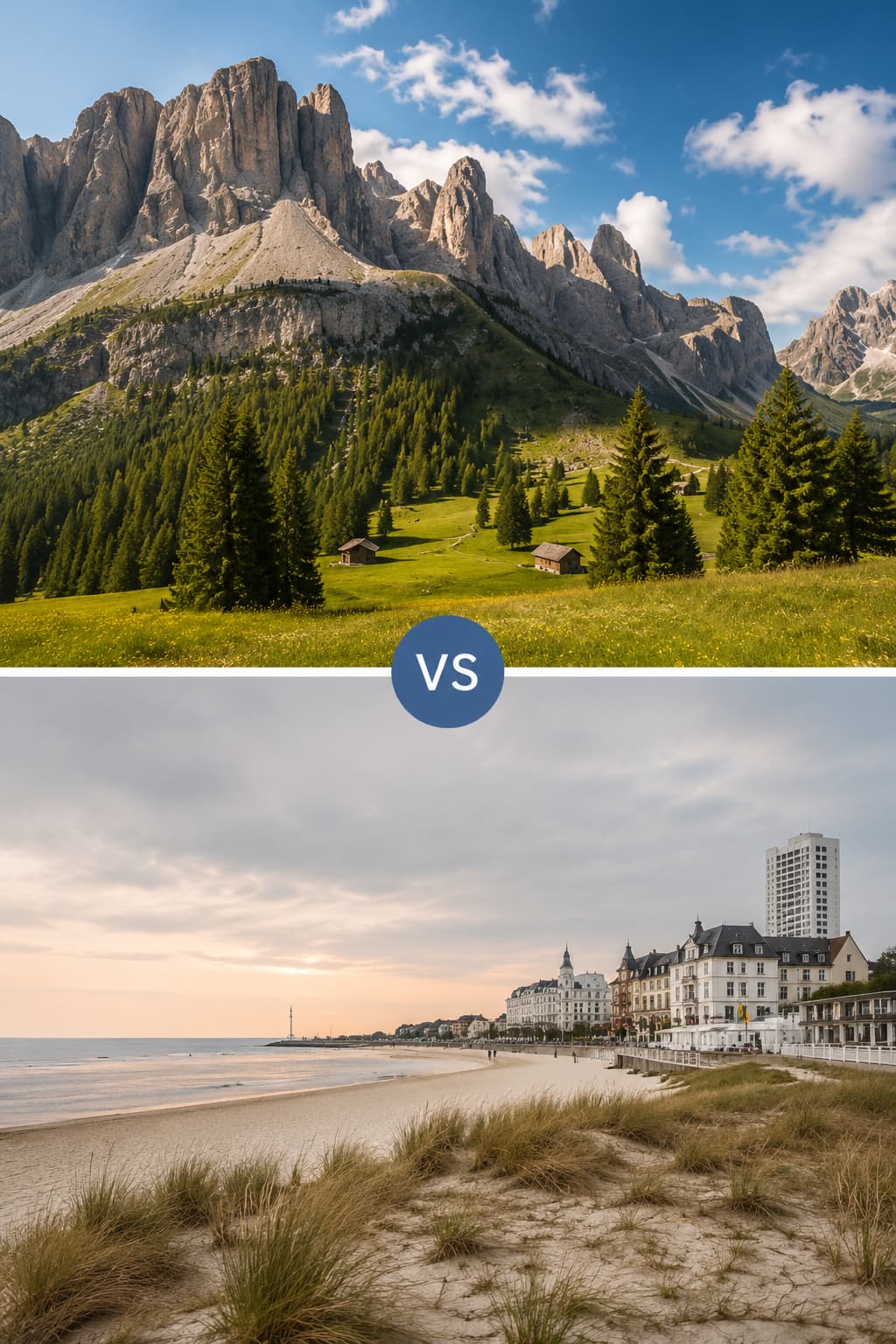
Several things are happening at once. Heat is the obvious driver, but it is not the only one. There is also a quieter, slow-travel logic at work: the mountains offer a kind of trip that the crowded coast increasingly cannot.
At altitude, the heat simply does not reach the same extremes. You can hike, sightsee, and sleep without the sapping discomfort of a coastal heatwave. For many travelers, that reliability is now worth more than a beach.
Mountains reward patience — early starts, long walks, evenings that wind down rather than ramp up. Furthermore, the pace tends to attract people looking to actually rest, not to queue for a sunbed at 7am.
A coolcation tends to come with built-in activity: hiking, cable cars, lake swims, mountain huts. In contrast to a beach holiday that can blur into one long flat day, the mountains give a trip natural structure.
The Alps deliver landscape on a scale the coast rarely matches. Moreover, that drama is exactly what makes these destinations so saveable, so searched, and so quick to crowd — which is its own warning, addressed later.
03 — Are the Alps Actually Cooler Than the Mediterranean?
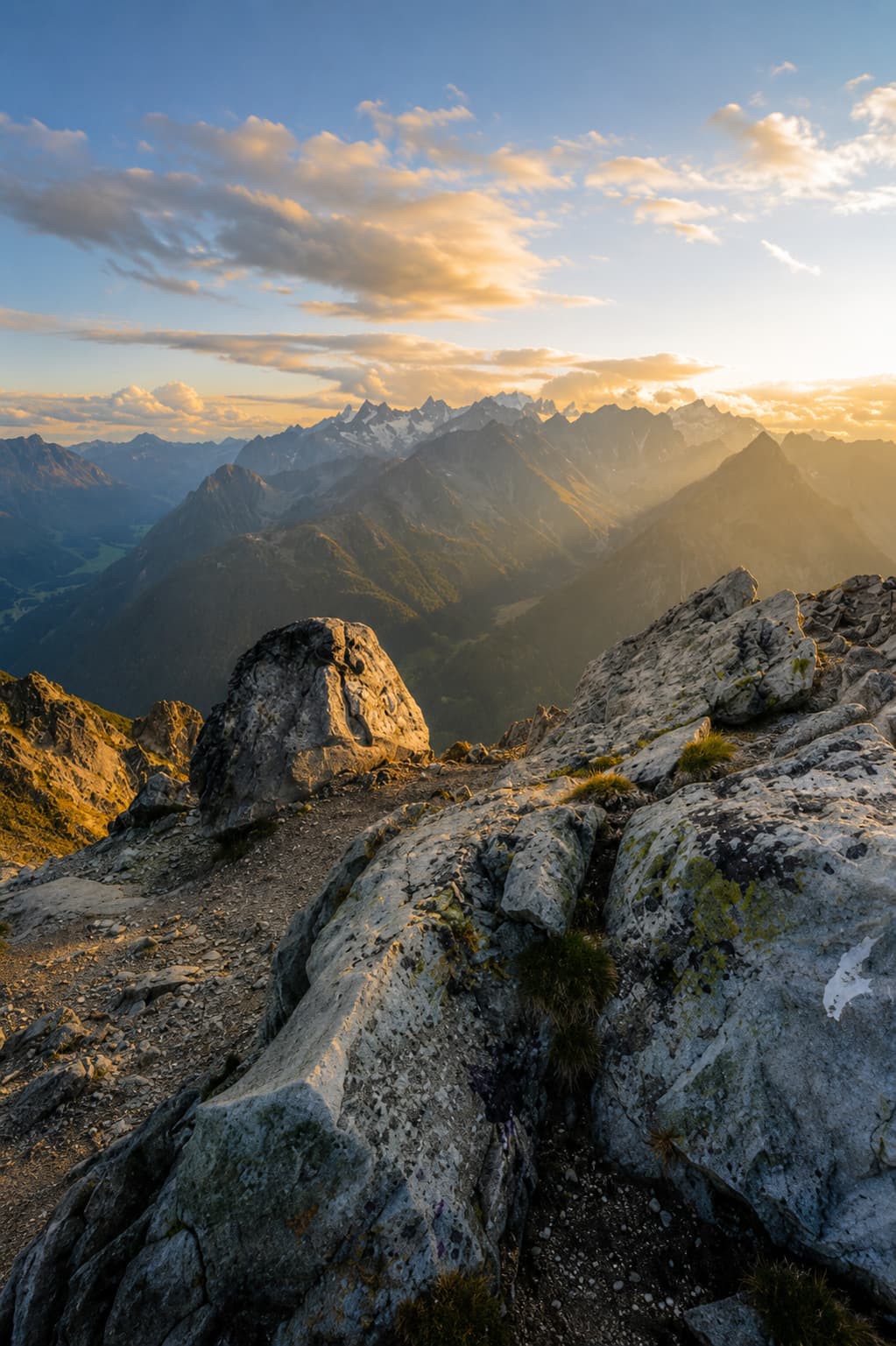
Yes — and the reason is precise enough to plan around. Temperature drops by roughly 6.5°C (about 11.7°F) for every 1,000 metres of altitude gained, which is why high-altitude Alpine destinations stay mild even during Southern European heatwaves. This is not weather luck; it is the lapse rate, a basic property of the atmosphere. Gain height, lose heat, almost like clockwork.
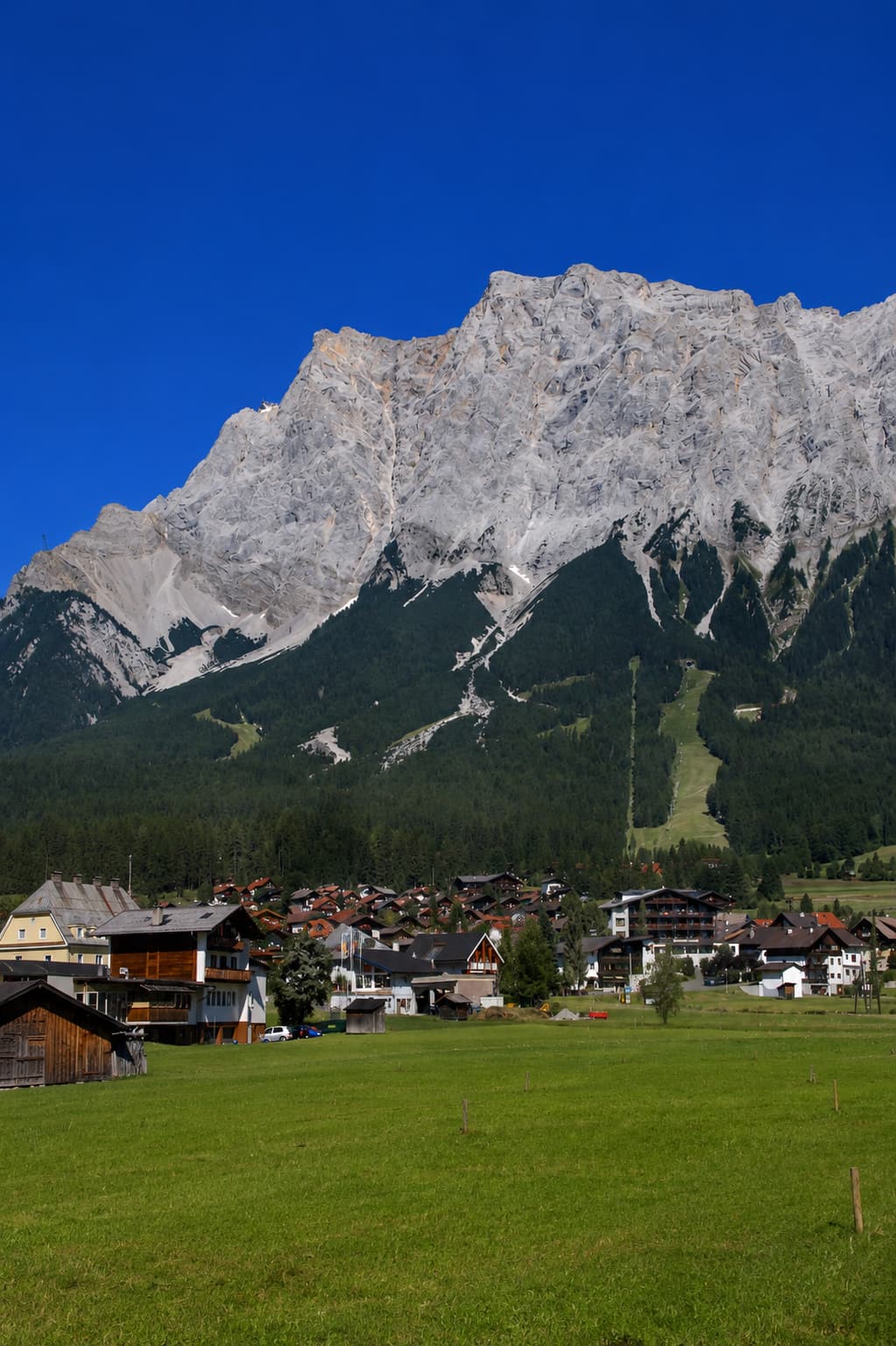
The numbers make the gap vivid. In the Dolomites, a UNESCO World Heritage site, summer daytime temperatures at altitude typically hover around 19°C (66°F), compared with the 38–40°C highs recorded in Mediterranean cities. That is a twenty-degree difference for a few hours’ drive north and a couple of thousand metres up. Germany’s Zugspitze tells the same story in starker terms: the country’s highest peak at 2,962 metres holds two glaciers year-round, and summit temperatures usually sit between 5°C and 15°C even while the valleys around Garmisch-Partenkirchen reach 20–30°C.
Every 1,000m up takes roughly 6.5°C off the temperature. So a 35°C lowland afternoon becomes a pleasant ~22°C at 2,000m. Specifically, this is why a mountain base at 1,200–1,800m hits the sweet spot — cool enough to sleep well, warm enough to sit outside in the evening.
The honest catch: weather changes fast at altitude
Here is the part the brochures leave out. Mountain coolness comes bundled with mountain volatility. A bluebird morning can turn into a thunderstorm by three in the afternoon, and at altitude those storms arrive quickly and hit hard. Consequently, the rhythm of a good coolcation is to start early and be heading down — not up — by early afternoon, especially on exposed ridges and summits.
Weather can also swing across a wider range in a single day than the coast ever does. You may want a sun hat at noon and a proper jacket by evening. That is not a flaw in the destination; it is simply the deal you make. Pack for it, watch the forecast, respect the afternoon, and the mountains hold up their end. Ignore all three and even a famous, well-managed valley can turn a good day cold and wet in an hour.
04 — 10 Famous Alpine Coolcation Destinations in Europe
These are the famous names on purpose — the headline coolcation destinations in Europe that travelers actually search for, spread across six countries for geographic range. Switzerland appears four times, simply because it owns the most iconic peaks on the continent. Each entry comes with the honest trade-off, because no destination is all upside, and pretending otherwise is how generic travel writing loses your trust.
France and Switzerland’s Big Alpine Icons
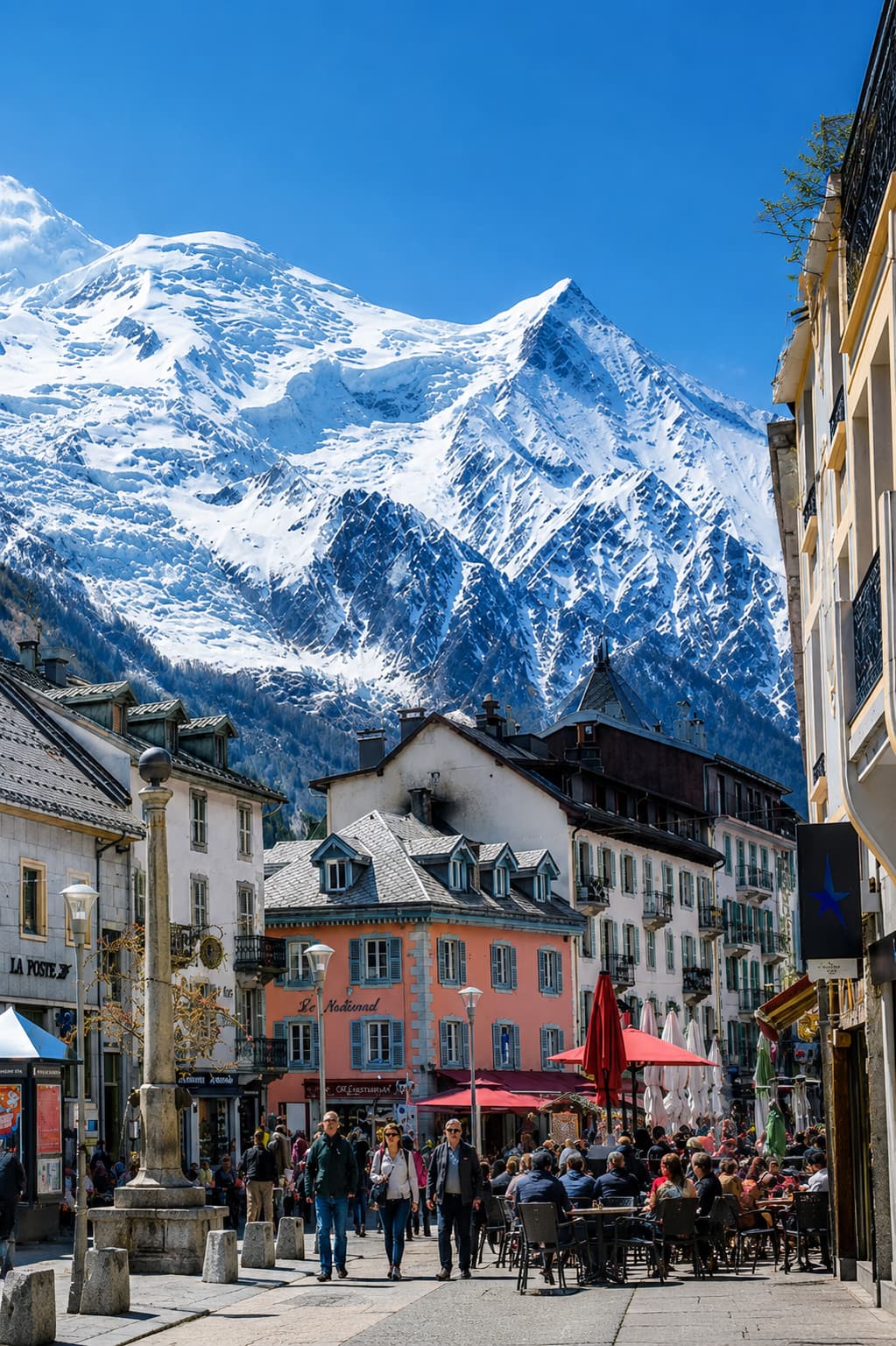
Sitting directly beneath Mont Blanc, Chamonix is the spiritual home of European mountaineering and one of the most thrilling valley bases on the continent. The Aiguille du Midi cable car lifts you to 3,842 metres in twenty minutes, where it stays genuinely cold even in August. Trails radiate everywhere, from gentle valley walks to serious high routes. The honest catch: the dining scene is surprisingly weak for somewhere this famous — you come for the mountains, not the meals — and the town itself can feel more functional than charming.
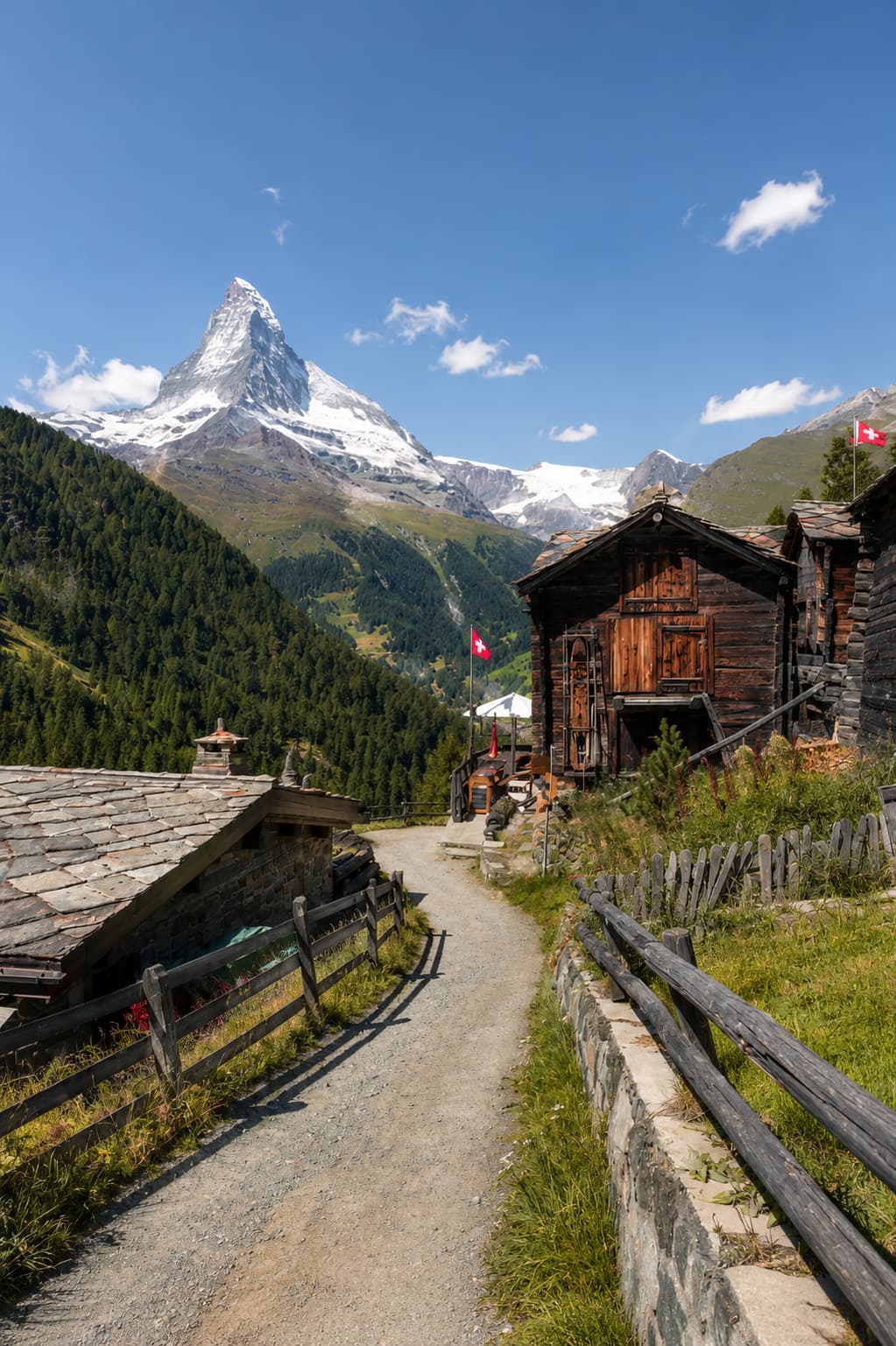
Zermatt is car-free, which gives the village an unusually calm, clean-aired feel, and the Matterhorn above it is the most recognizable mountain in the world for good reason. The high trails and the Gornergrat railway deliver postcard views without much effort. That said, this is one of the most expensive resorts in the Alps — accommodation, food, and lift passes all carry a premium — so it suits a shorter, splurge-style stay rather than a long budget base.
Bernese Oberland and Dolomites Summer Bases
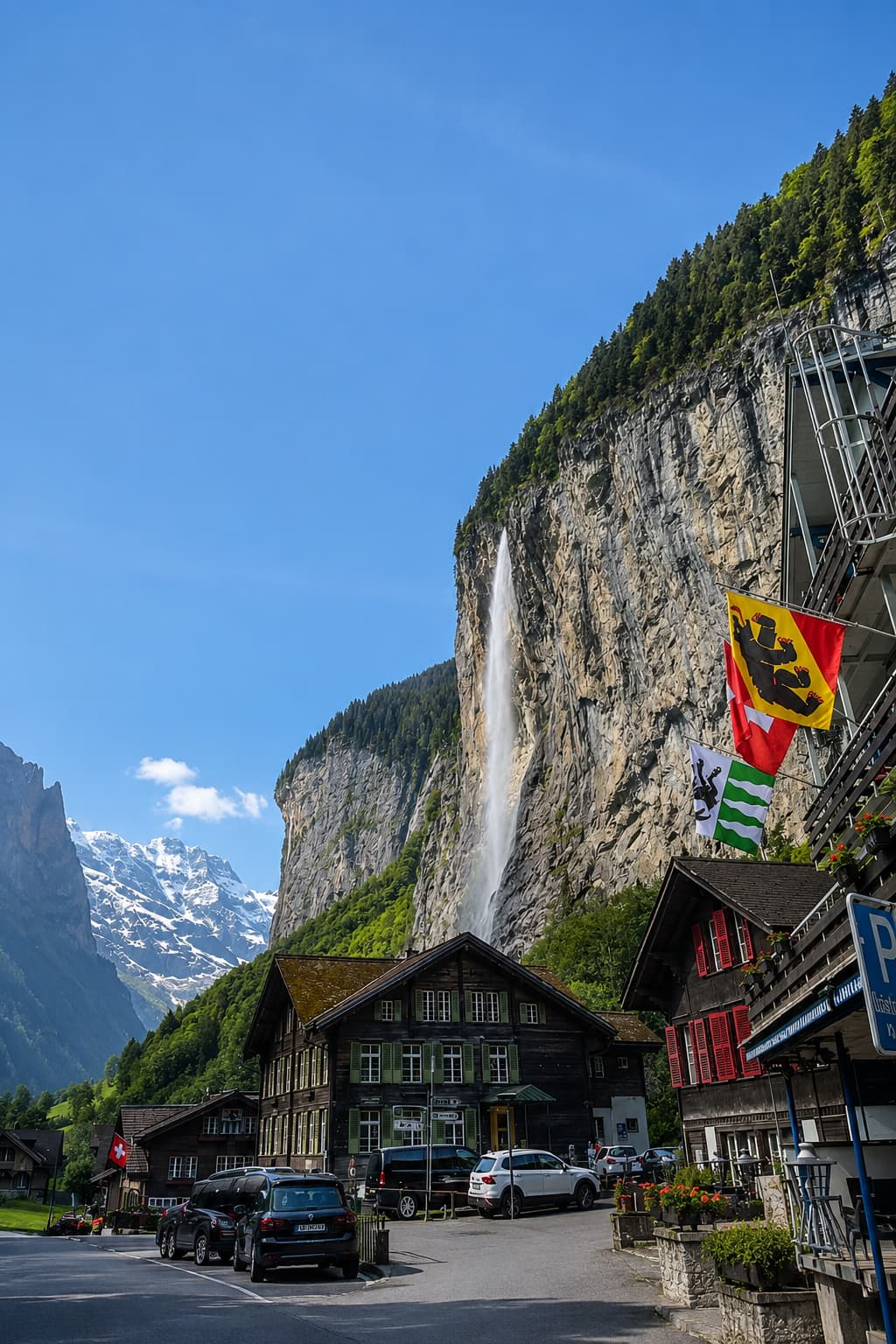
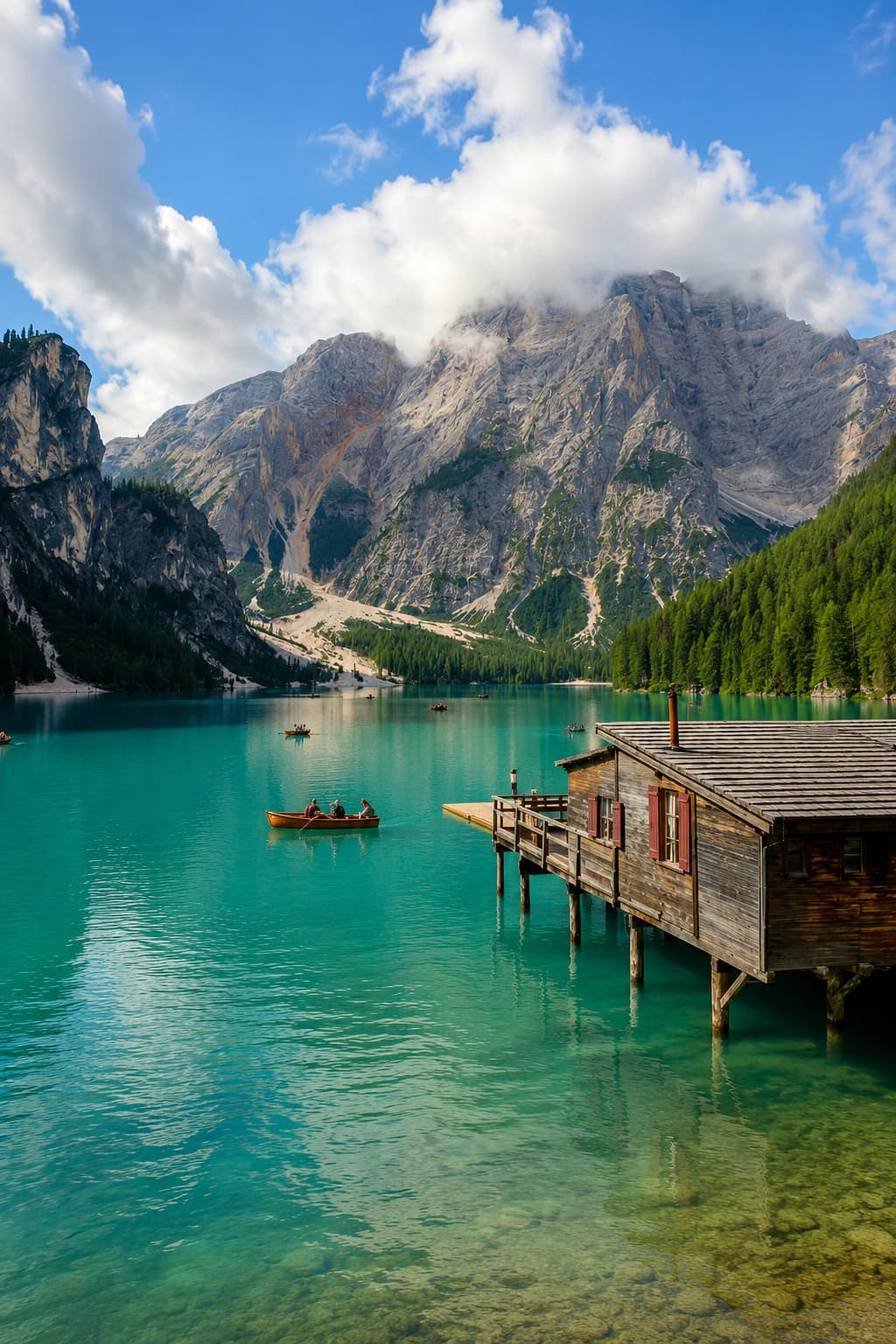
Set between two lakes with the Jungfrau massif behind, Interlaken is the natural hub for the Bernese Oberland and a brilliant base if you want variety — lake swims, easy valley walks, and big high-mountain excursions all from one spot. Lauterbrunnen and Grindelwald are short hops away. The catch is that Interlaken itself leans touristy and adventure-sports heavy; for quiet, you sleep in the surrounding villages and treat the town as a transport hub.
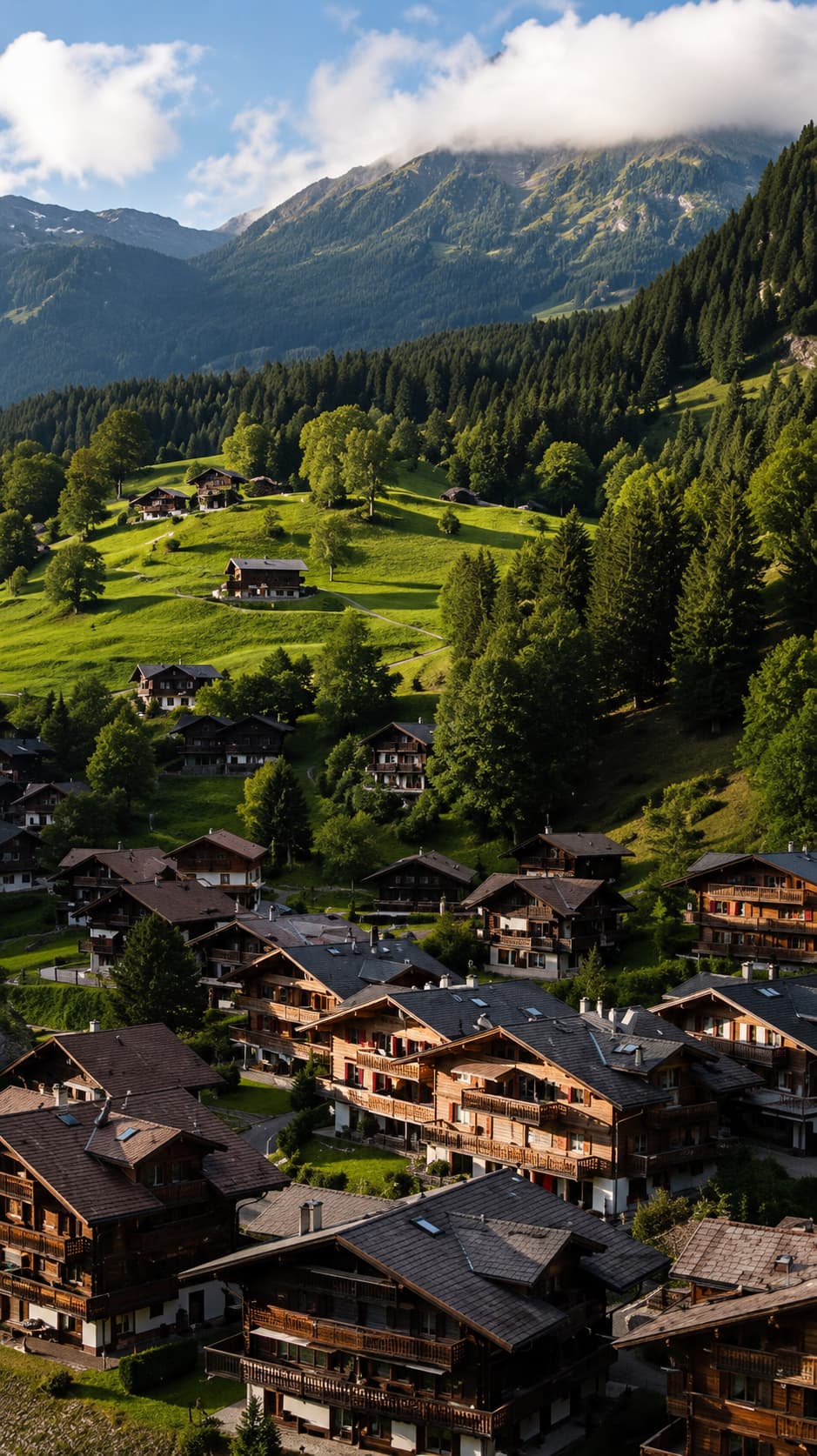
Grindelwald sits right under the north face of the Eiger, and the setting is hard to overstate — you step outside and the wall is just there. The First and Jungfraujoch excursions are world-class, and the village has more warmth than Interlaken. The honest problem is popularity: hiking interest here is up roughly 60% year-over-year for 2026, and it shows. Go early in the day and early in the season, or the most famous viewpoints get genuinely busy.
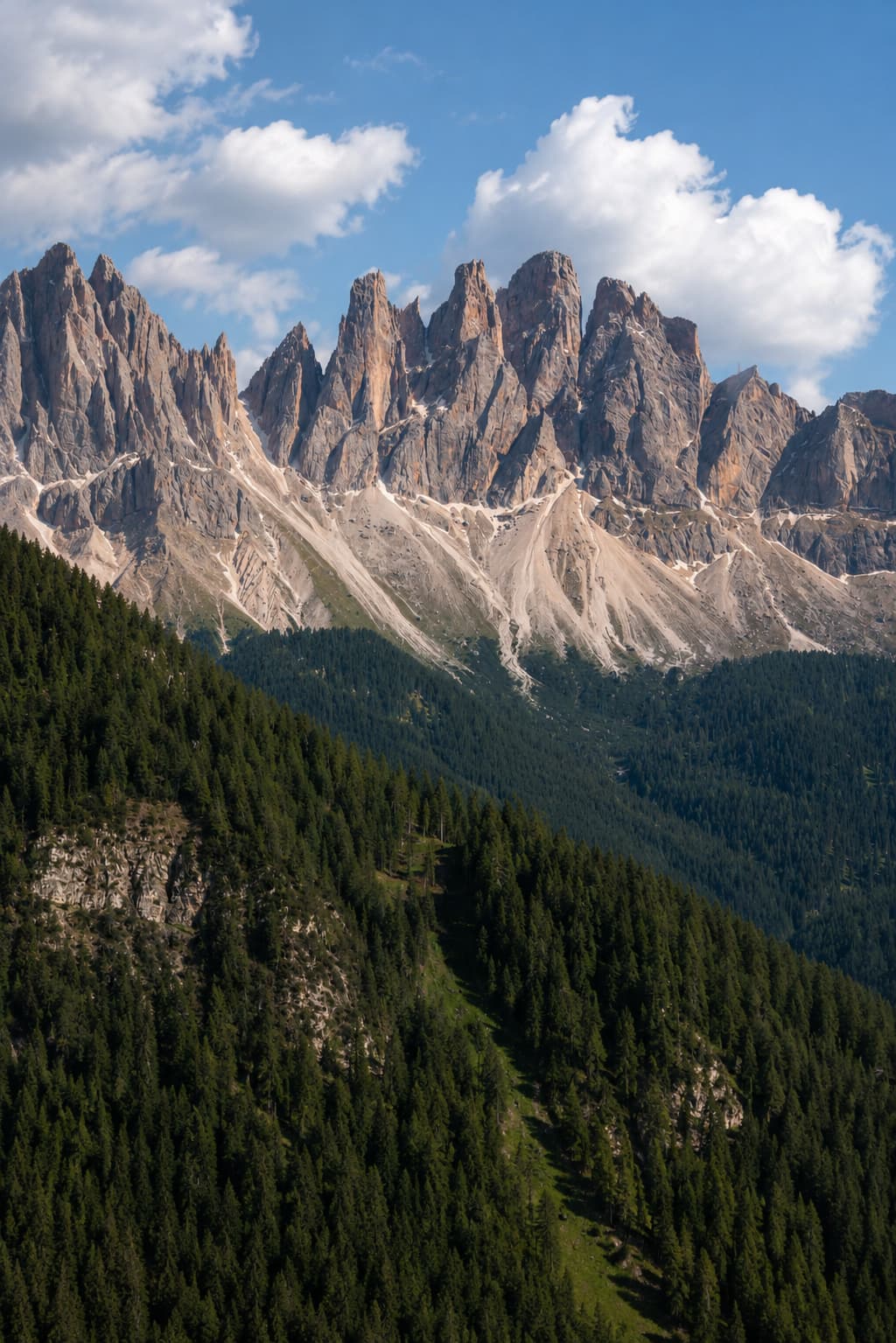
For anyone who loves Italy but cannot face an August city, the Dolomites are the answer: cool mountain air, Italian food, and some of the most theatrical rock scenery on earth. Summer daytime highs at altitude hover around 19°C while Rome bakes near 40°C. Val Gardena offers gentler, family-friendly valleys; Cortina brings a touch of glamour. The trade-off is logistics — you really want a car here, as the most beautiful passes and trailheads are awkward to reach otherwise.
Austria, Germany and High-Altitude Switzerland
Innsbruck is the rare Alpine base that is also a proper city — old town, museums, cafés, easy rail links — with the Nordkette range rising straight out of it. A funicular takes you from the centre to over 2,000 metres in under half an hour, which means you can have an espresso downtown and stand in cool mountain air before lunch. For travelers who want culture and altitude in one trip, it is ideal. The catch is that the city itself sits relatively low, so summer days in town can still warm up — the cool is up the cable car, not on the main square.
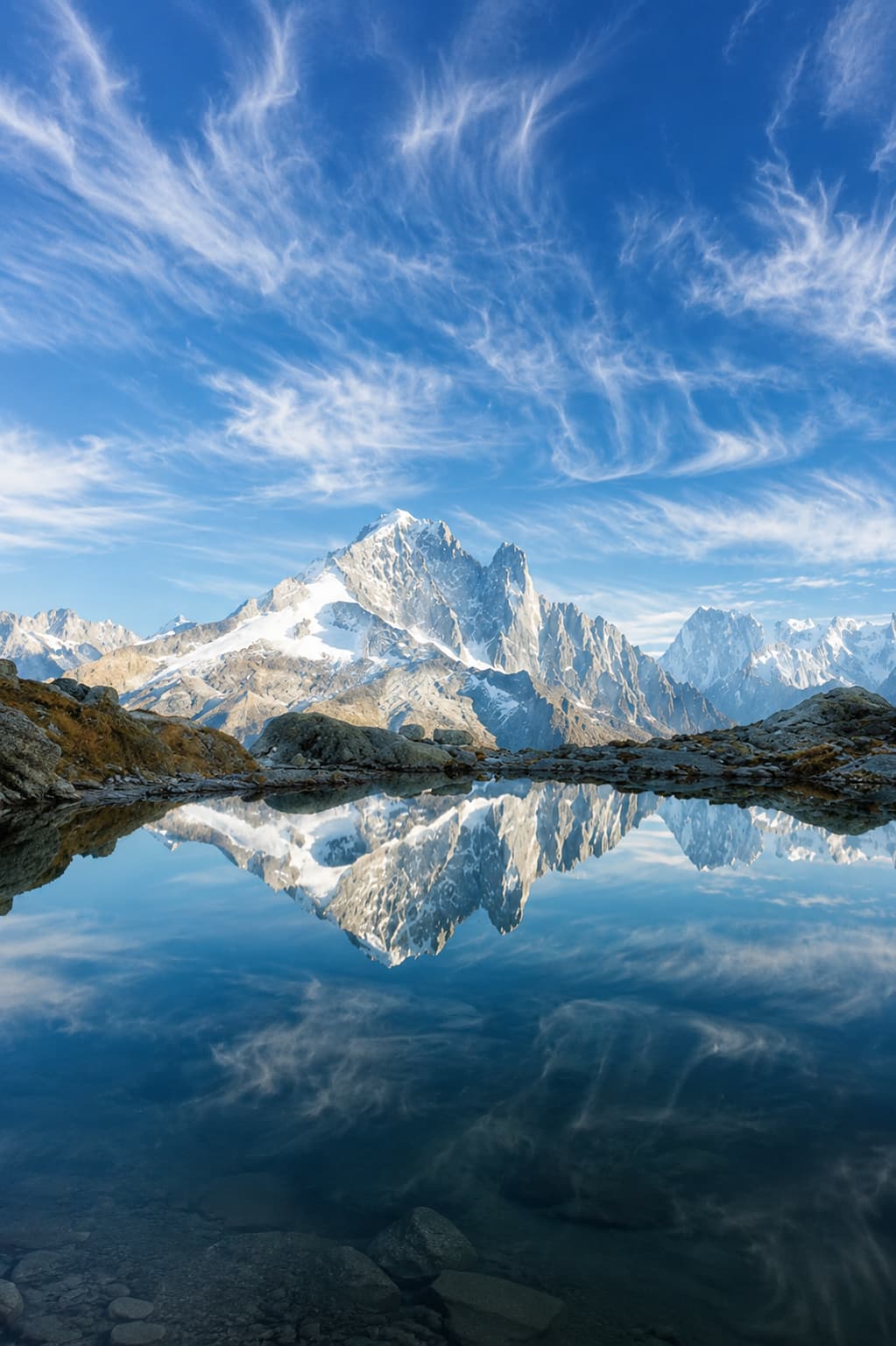
Germany’s highest peak gets skipped by nearly every Italy-and-Nordic roundup, which is exactly why it belongs here. The Zugspitze stands at 2,962 metres, holds two year-round glaciers, and keeps summit temperatures between 5°C and 15°C while the valley towns reach 20–30°C. Crucially, the summit is a cable-car day trip, not a base — the place you actually stay is Garmisch-Partenkirchen below, a handsome Bavarian town with the Partnach Gorge, easy trails, and good rail access. It is the quietest genuinely famous name on this list.
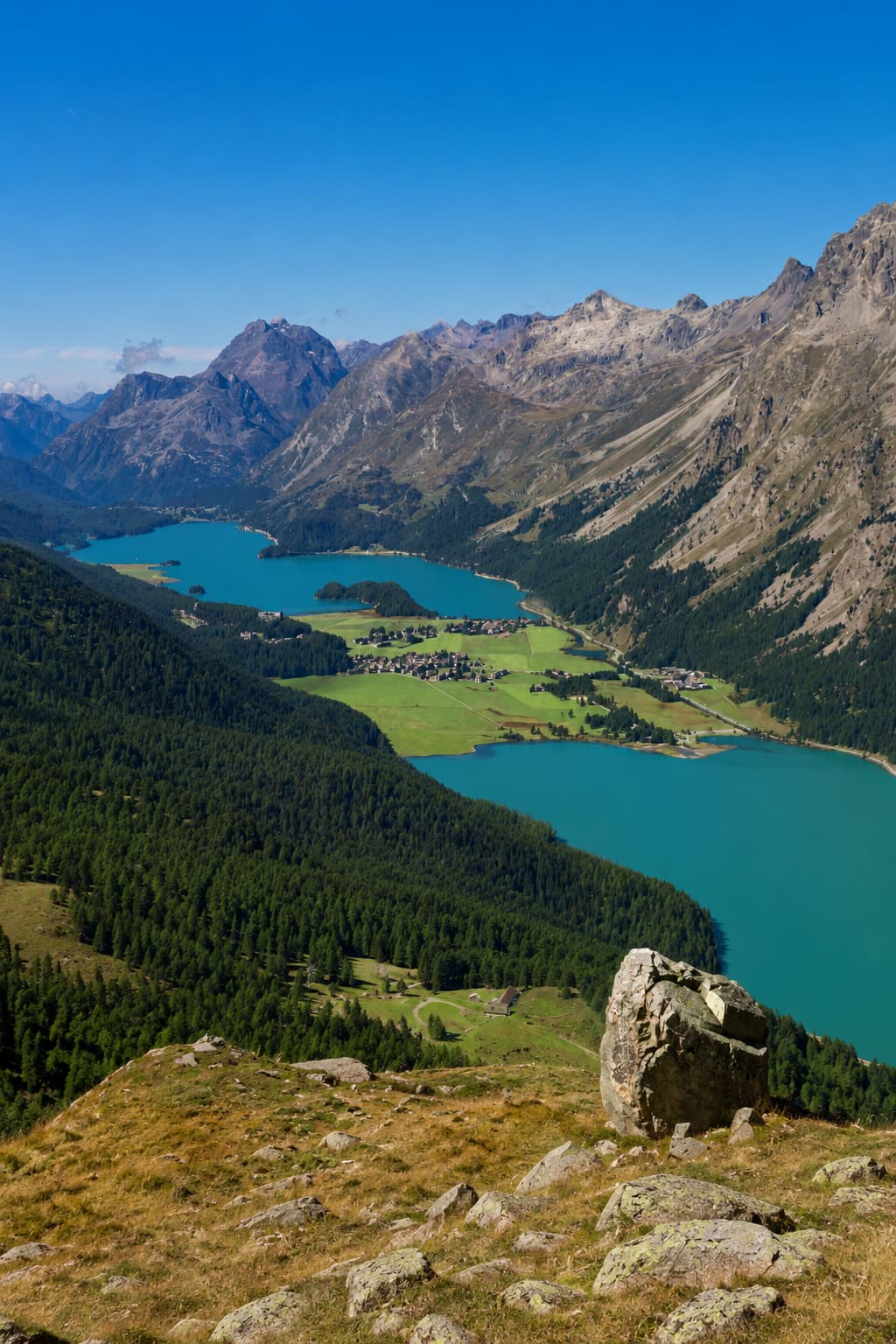
The Engadin valley sits high — St. Moritz itself is above 1,800 metres — which gives it crisp, clear summer air and a string of glacial lakes that turn an improbable blue. The walking here is gentler and more contemplative than the big-peak drama elsewhere, and the light is famously good. The obvious trade-off is cost: St. Moritz is synonymous with luxury, and prices reflect it. Base yourself in a smaller Engadin village like Pontresina or Sils for the same altitude and air at a more human price.
Gentler Lakes and Affordable Alpine Alternatives
Annecy is the lower-altitude, gentler pick — a canal-laced old town on one of the cleanest lakes in Europe, with green Alpine foothills rather than glaciers. For travelers who want cool enough without serious hiking, this is the sweet spot: swim in the lake, walk easy trails, eat well, and skip the high-altitude exposure entirely. The honest note is that Annecy is lower and milder, so in a real heatwave it softens the edge rather than removing it — and the lakefront gets popular in peak summer.
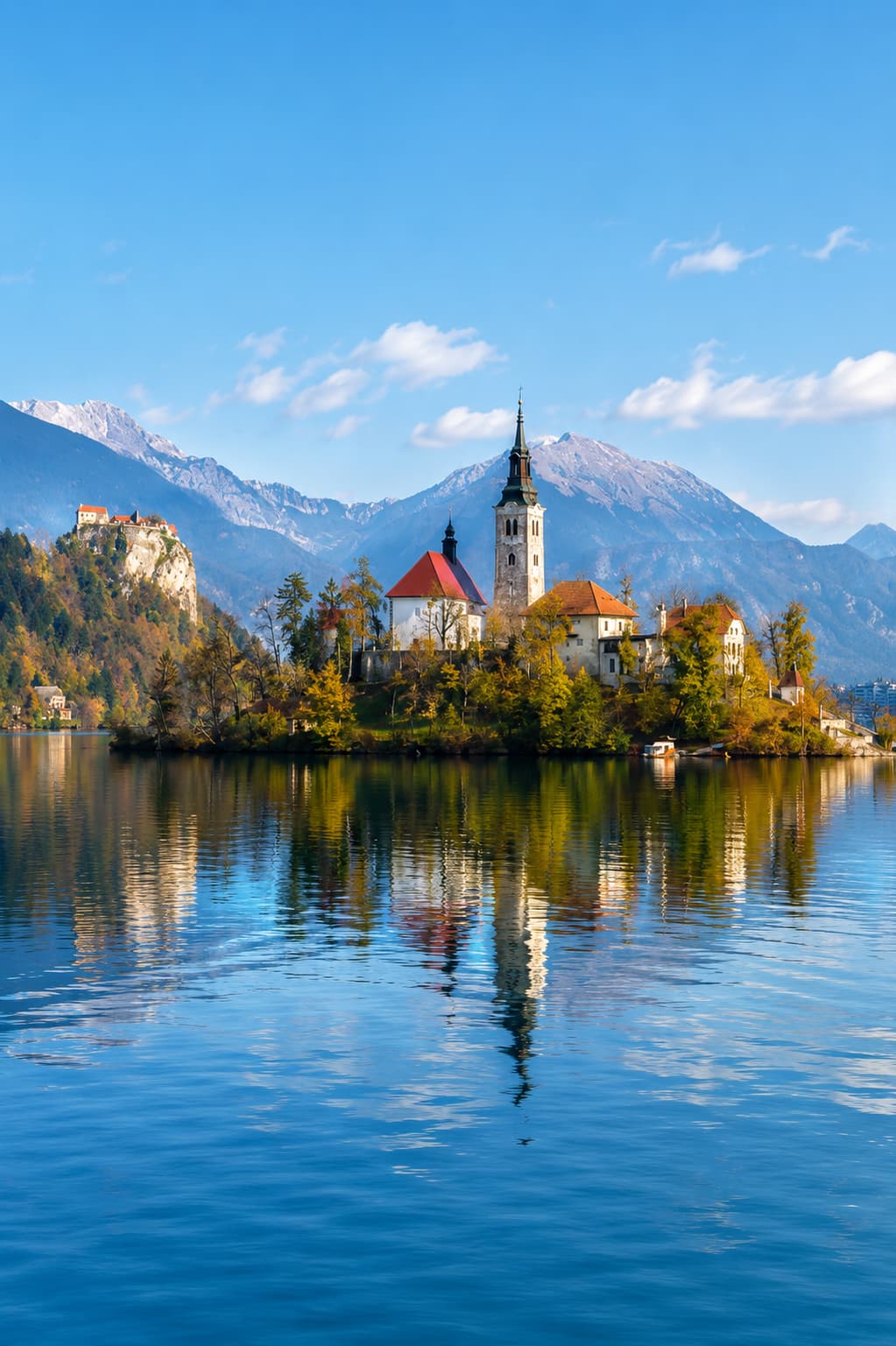
Bled is the value pick of the list — an island church on a glacial lake, the Julian Alps behind, and prices well below the Swiss and French resorts. As a base it opens up Triglav National Park, the Vintgar Gorge, and quieter Bohinj nearby. The trade-off is its own success: Bled has become genuinely crowded, particularly around the lake itself in midsummer, so you trade some serenity for the savings. Stay near Bohinj for the same mountains with far fewer people.
The high-peak names — Chamonix, Zermatt, Grindelwald, the Dolomites, Zugspitze, St. Moritz — give you the strongest cooling and the biggest drama. Meanwhile, Annecy and Bled are the lower, gentler, cheaper picks for travelers who want cool enough without the serious hiking or the serious bills. Match the destination to the trip you actually want, not the one that photographs best.
05 — Dolomites or Swiss Alps for Summer Travel?
This is the question that comes up most, and the honest answer is that they offer genuinely different trips. The Swiss Alps deliver the highest peaks, the most polished infrastructure, and the most reliable rail and cable-car access — at the highest prices in Europe. The Dolomites give you that pale, theatrical rock scenery, warmer Italian culture, and better food, but with patchier public transport and a near-requirement for a car.
In short: choose Switzerland if you want the highest mountains and the smoothest, car-free logistics, and you are willing to pay for both. Choose the Dolomites if you want the most striking rock scenery, far better food, and a softer bill — and you do not mind renting a car. Neither is wrong. They simply suit different travelers, and on balance most people know within a sentence which one they are.
06 — When Is the Best Time for a Mountain Coolcation?
The reliable window runs from late June to mid-September, when the high trails are clear of snow, the cable cars and mountain huts are fully open, and the days are long. Within that span, though, the experience shifts noticeably from month to month, and timing your trip well makes a real difference to both crowds and conditions.
| Late June – early July | Trails opening up, meadows at their greenest, wildflowers near peak. Some high routes may still hold snow patches. Crowds building but not yet at maximum. |
| Mid-July – August | Peak season — warmest, most reliable, everything open. Also the busiest and priciest, with the famous viewpoints genuinely crowded. Afternoon thunderstorms most frequent now. |
| September | Arguably the sweet spot — stable weather, thinner crowds, lower prices, and the first hints of autumn colour. Cooler nights; some high lifts begin closing late in the month. |
If you can choose, early September is the smart bet. The summer heat down on the coast has barely broken, yet the mountains are calmer, cheaper, and often clearer than in August. Specifically, you get the coolcation benefit without the peak-season crush.
07 — What to Pack for a Summer Trip to the Mountains
Packing for a coolcation trips people up precisely because it is summer everywhere else. You are not packing for a beach; you are packing for a place where the temperature can swing twenty degrees in a day and a clear morning can turn to rain by mid-afternoon. The principle is layers, not bulk.
A breathable base, a warm mid-layer (fleece or light down), and a waterproof shell. At altitude you may want all three within a single day, even in August.
Grippy hiking shoes or boots, broken in before the trip. Mountain trails are uneven and often damp; trainers will let you down on anything beyond a valley stroll.
The sun is stronger up high than the cool air suggests. Pack strong sunscreen, a hat, and sunglasses — sunburn at altitude catches people off guard precisely because it never feels hot.
A packable rain jacket and a dry bag for electronics. Additionally, a small daypack keeps water, snacks, and that extra layer with you when the weather turns on the trail.
08 — Are These Coolcation Destinations in Europe Getting Crowded Too?
This is the counterpoint the trend pieces tend to skip, and it deserves an honest hearing. The same forces driving people to the mountains are, inevitably, crowding the mountains. When roughly one in four European travelers starts weighting coolness as a primary factor, the most famous valleys feel it first. Grindelwald’s reported 60% jump in hiking interest is not an abstract statistic — it is queues at viewpoints, full car parks, and booked-out mountain huts.
The irony is sharp. People leave the overcrowded coast for the calm of the mountains, and in large enough numbers they bring the crowding with them. Honeypot spots — the Bled lakefront, the Eiger viewpoints, the most photographed Dolomite passes — now see real midsummer congestion. Pretending otherwise would be exactly the kind of brochure-talk this blog exists to avoid.
The fix is not to abandon the famous names; it is to be smarter about how you use them. Stay in the quieter neighbour — Bohinj instead of Bled, Pontresina instead of St. Moritz, a Garmisch side-valley instead of the summit platform. Start your days early, before the cable cars disgorge the crowds. Travel in early or late season rather than peak August. Do those three things and even the most popular valley still delivers the quiet, cool trip you came for.
For the data behind the shift, the European Travel Commission tracks how climate is reshaping European demand, and UNESCO’s listing for the Dolomites covers the geology behind that pale, theatrical rock.
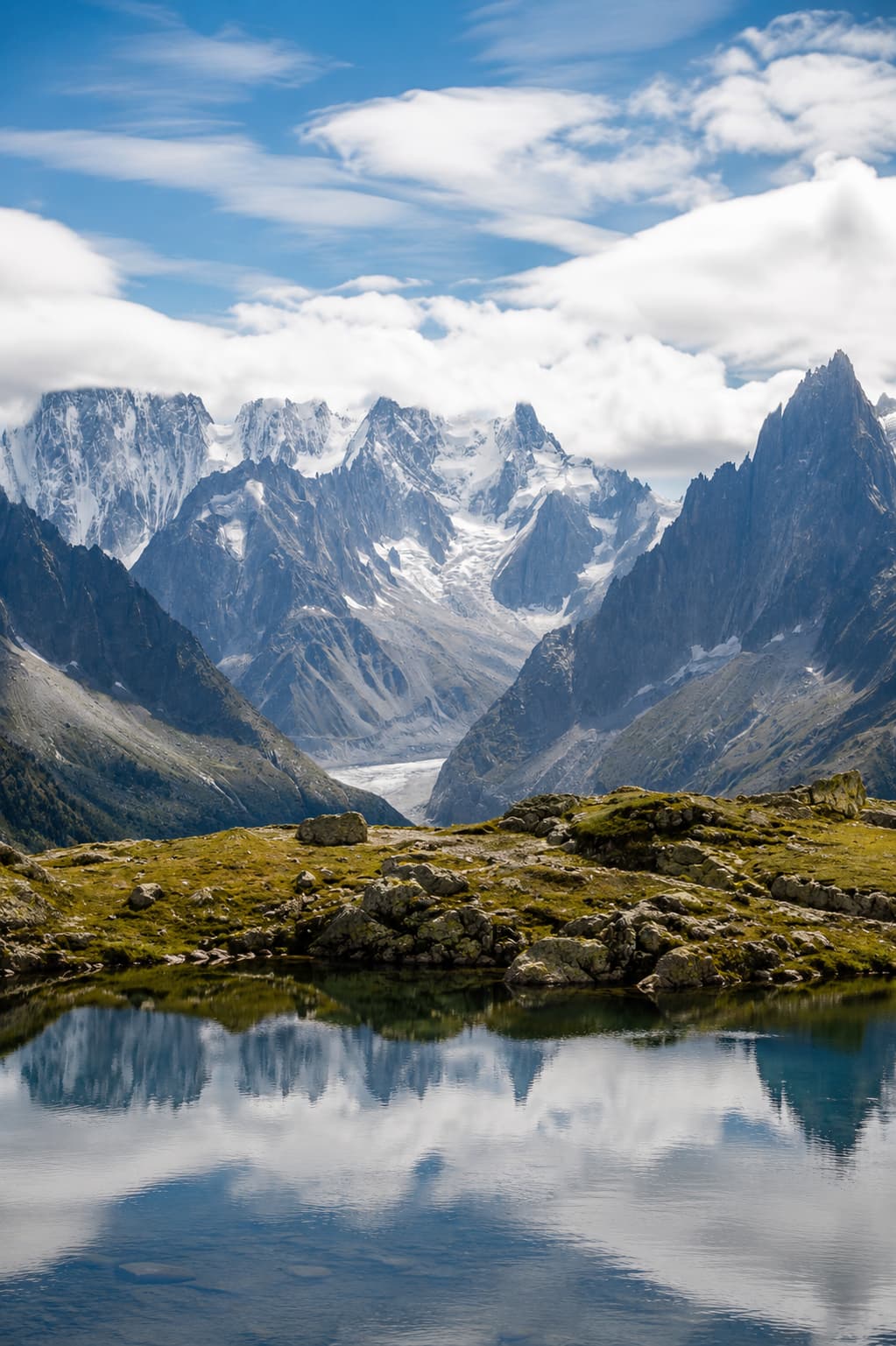
The coast will always be there, and on the right day there is nothing better. But there is a particular kind of relief in trading the heat for the height — in pulling on a fleece in July while the lowlands swelter, and walking out into air that simply behaves.
Trading the coast for the quiet, it turns out, is less a sacrifice than a swap most of us were ready to make.