
3 Days in Stockholm: What to See, Where to Slow Down, and When to Go
Planning 3 days in Stockholm? Here’s how to spend them without the noise — 14 islands, two UNESCO sites, one very long summer evening, and an honest take on which season to actually pick.
Why Stockholm Rewards a Slower Itinerary
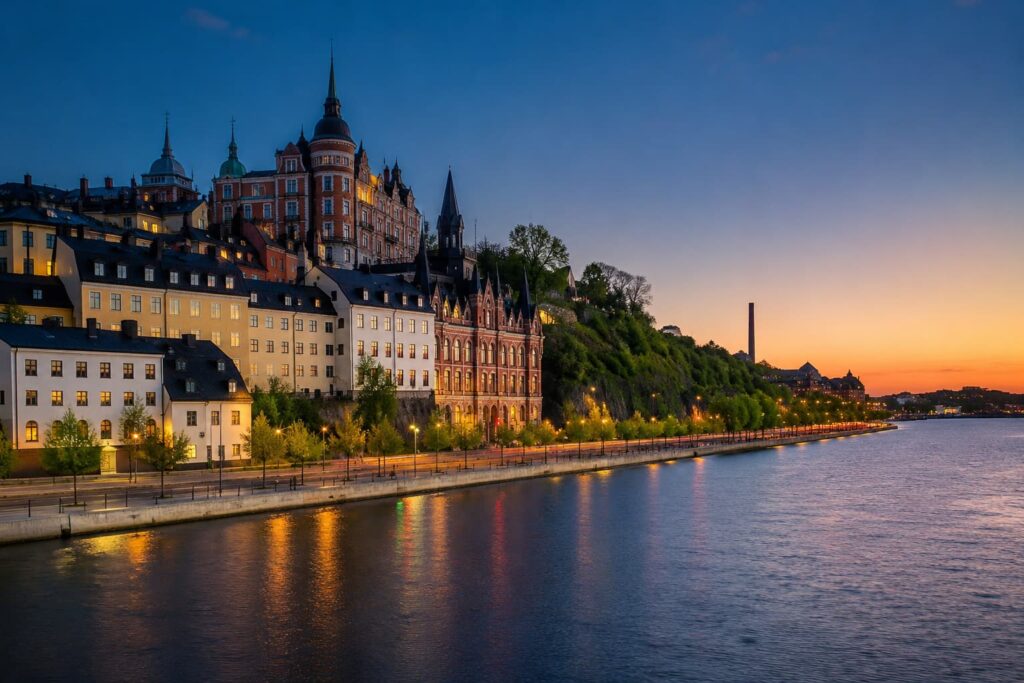
Spending 3 days in Stockholm means navigating a city built across 14 islands where Lake Mälaren meets the Baltic Sea — a geographic fact that sounds like trivia until you’re standing on a bridge watching the water on both sides. Trying to decide which direction is actually the centre of the city. There isn’t one, exactly. That’s part of what makes it interesting.
Three days here is enough to understand the city’s structure, to move between its most distinct neighbourhoods, and to leave with a sense of the place rather than just a list of things visited. However, it isn’t enough to do everything — and the posts that tell you otherwise are not being honest about the pace Stockholm rewards.
This guide is built around that constraint: how to spend 3 days in Stockholm well, which things genuinely earn your time, and — perhaps more usefully — what season to actually visit, because Stockholm in July and Stockholm in October are not the same experience at all.
01 — Is 3 Days in Stockholm Enough Time?
The honest answer: yes, with a clear itinerary — and no, if you try to fit in everything the guidebooks list. Stockholm is bigger than its reputation suggests. The islands spread the city across a wide area, and moving between neighbourhoods takes longer than a glance at the map implies. That said, three focused days give you the core of the city: Gamla Stan, Djurgården, Södermalm, and the Tunnelbana art trail between them.
What You Can Realistically Cover in 3 Days in Stockholm
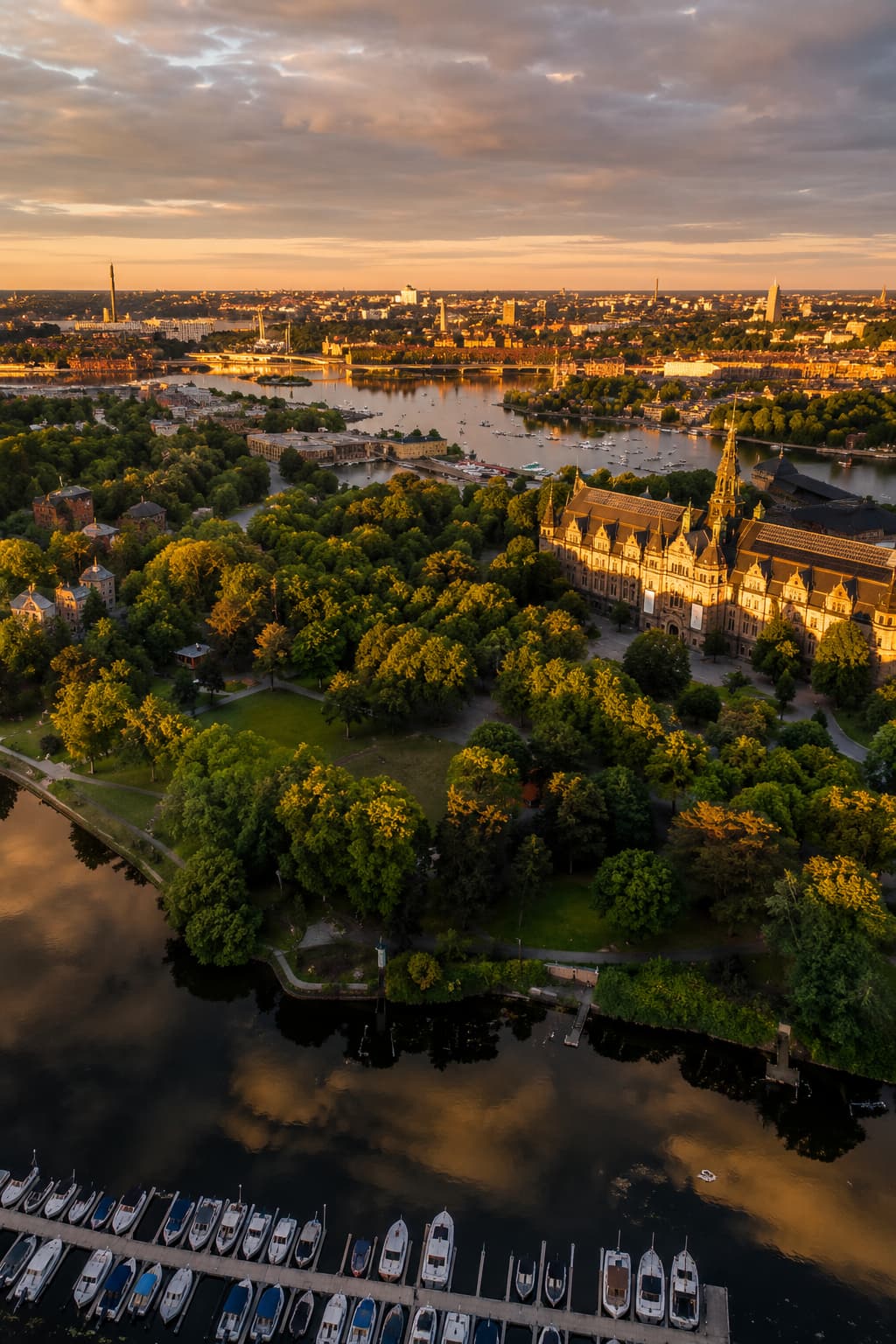
In three days, you can walk Gamla Stan without rushing it, spend a proper half-day at the Vasa Museum, experience Södermalm by evening, and ride the metro as the art gallery it genuinely is. You can also fit in Djurgården’s outdoor spaces and — if you’re disciplined about mornings — a visit to Drottningholm Palace without losing an entire day.
What you cannot do in three days: a full archipelago day trip, the Woodland Cemetery at Skogskyrkogården, a thorough exploration of Östermalm and Norrmalm, and the ABBA Museum with the energy it deserves. These exist. They’re worth your time. They require a fourth day — or a return trip.
When It’s Worth Extending Your Stay
If you’re spending 3 days in Stockholm in summer, consider extending to four. The long evenings invite a slower pace, and cutting days short feels wasteful when there’s still light at 10pm. Additionally, if the archipelago matters to you — and it should, because those islands are not a side trip but a natural extension of what Stockholm is — build in at least one full day for Fjäderholmarna or Vaxholm.
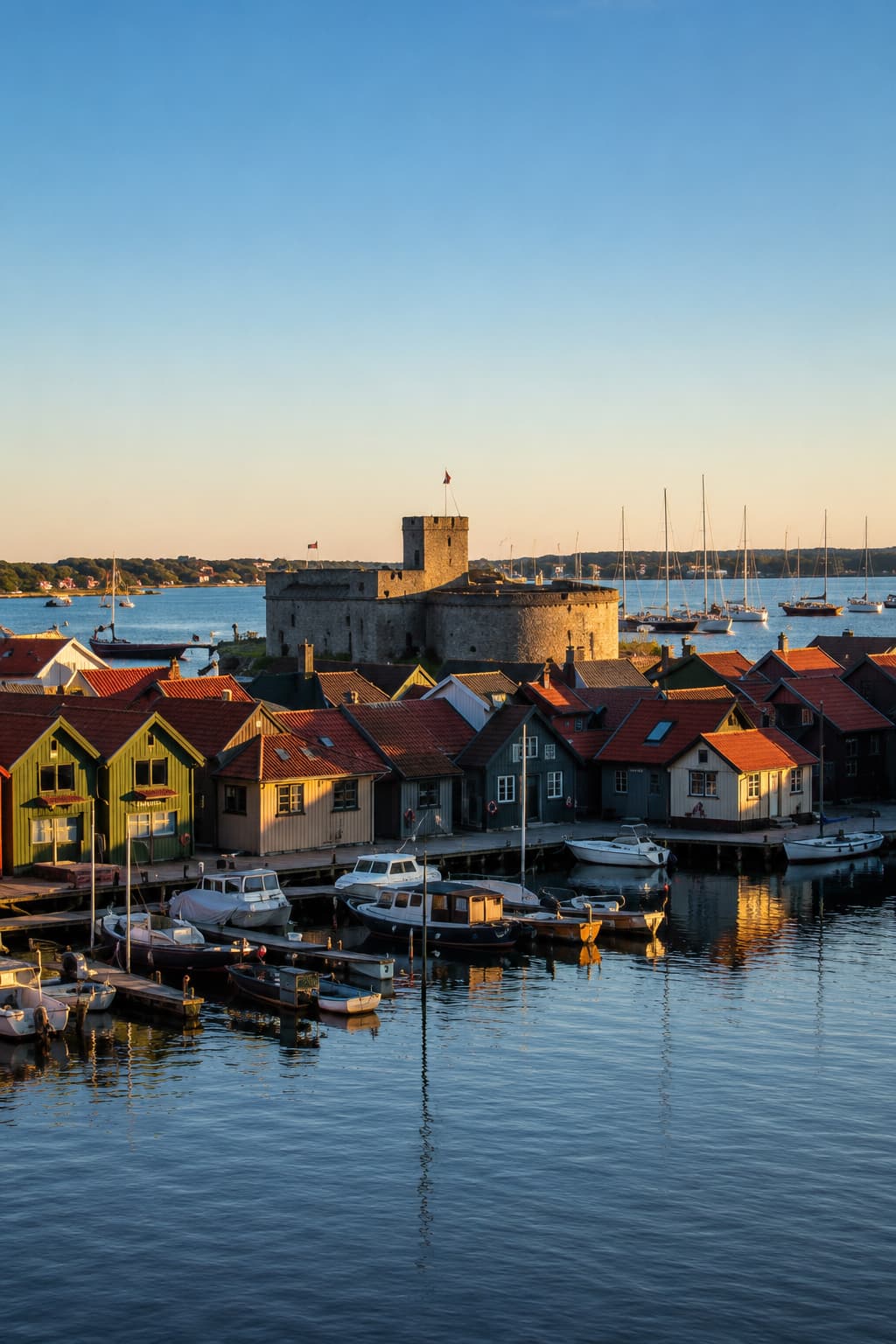
Stockholm’s archipelago contains roughly 30,000 islands, islets, and rocks. The nearest ones are reachable in under an hour by ferry. If you have a fourth day and visit between May and September, prioritise this over almost anything else on the standard itinerary list.
02 — Day One of 3 Days in Stockholm: Gamla Stan and Your First Fika
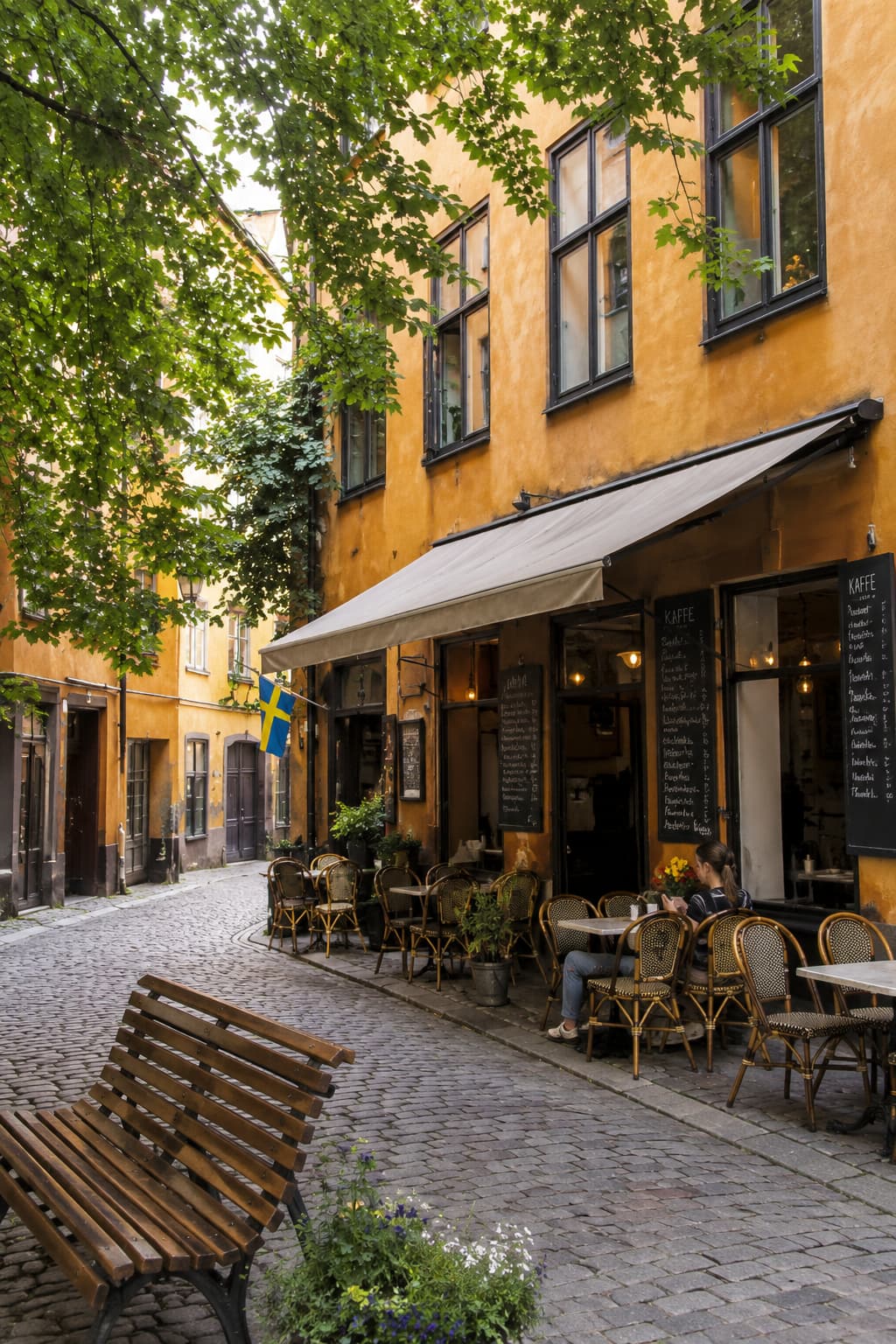
On day one of 3 days in Stockholm, start in Gamla Stan. Not because it’s the most interesting neighbourhood — Södermalm arguably wins that contest — but because it orients you. The medieval street grid, the ochre and terracotta facades, the cobblestone lanes that narrow to shoulder-width between buildings: this is where Stockholm’s logic reveals itself. From here, every other neighbourhood makes more sense.
Walking the Old Town Without Rushing It
Gamla Stan covers a small island, but the density of things worth slowing down for makes half a day reasonable. Walk Stortorget — the main square — in the morning before the tour groups arrive. The coloured merchants’ houses surrounding it are among the most photographed streets in Scandinavia, but the photograph does not adequately prepare you for how small and intact the whole square feels in person.
From Stortorget, walk south through the tangle of lanes toward Järntorget. The streets here — Österlånggatan and Prästgatan in particular — are where you want to spend time rather than the main drag of Västerlånggatan, which becomes souvenir-dense by midday. The Royal Palace sits at the northern end of the island; the Changing of the Guard happens daily in summer and is worth watching once, though it draws a crowd.
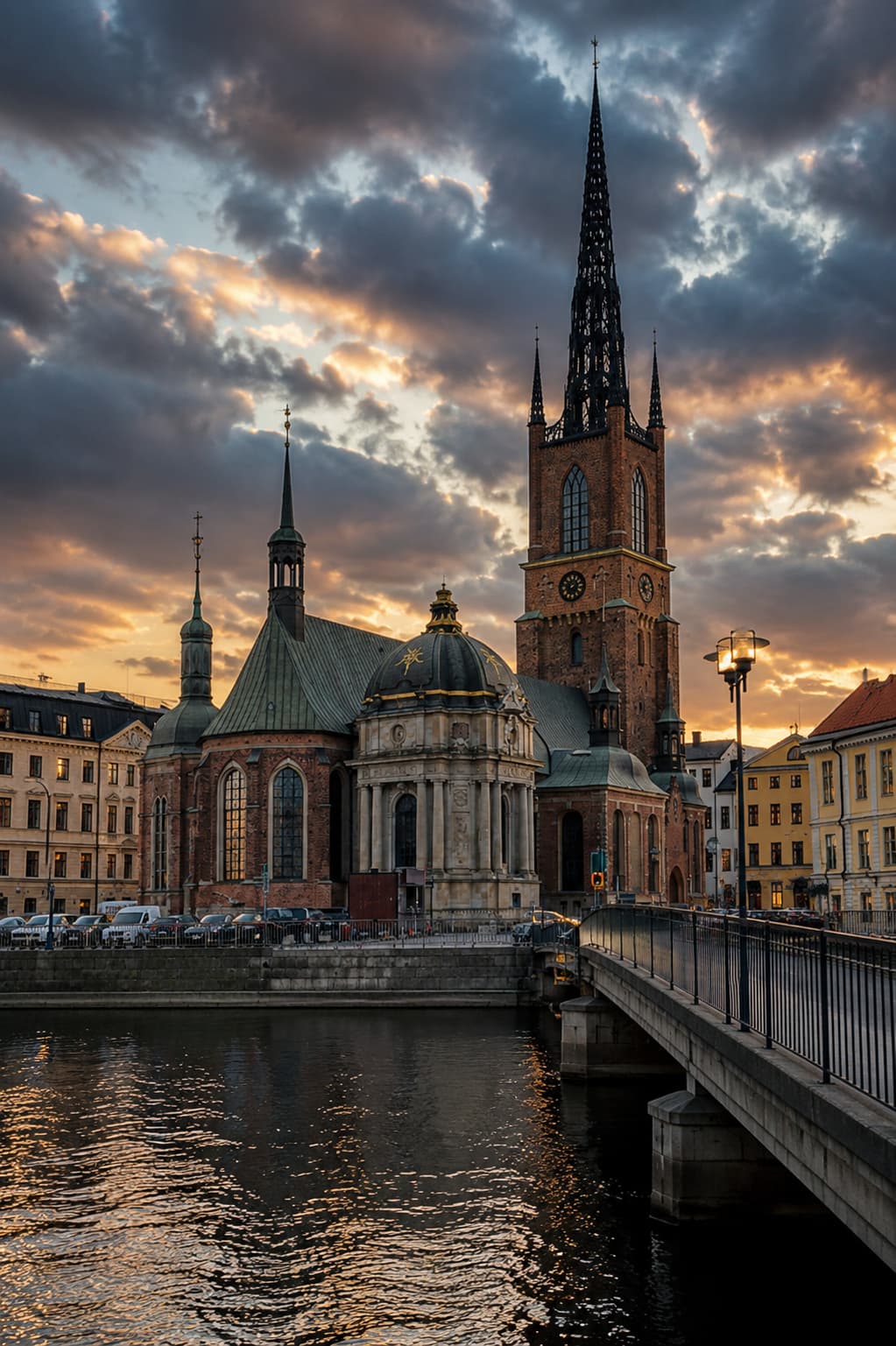
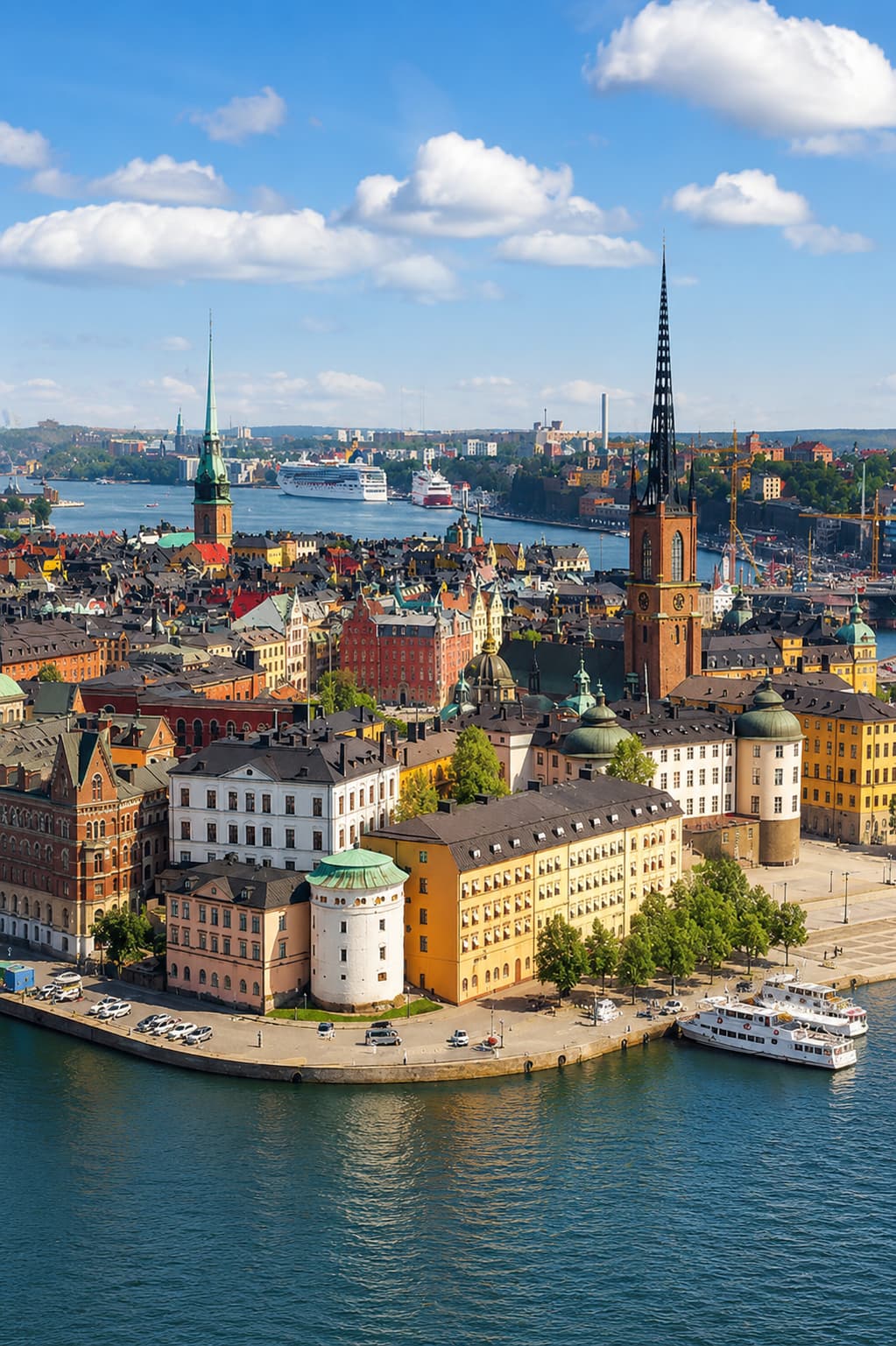
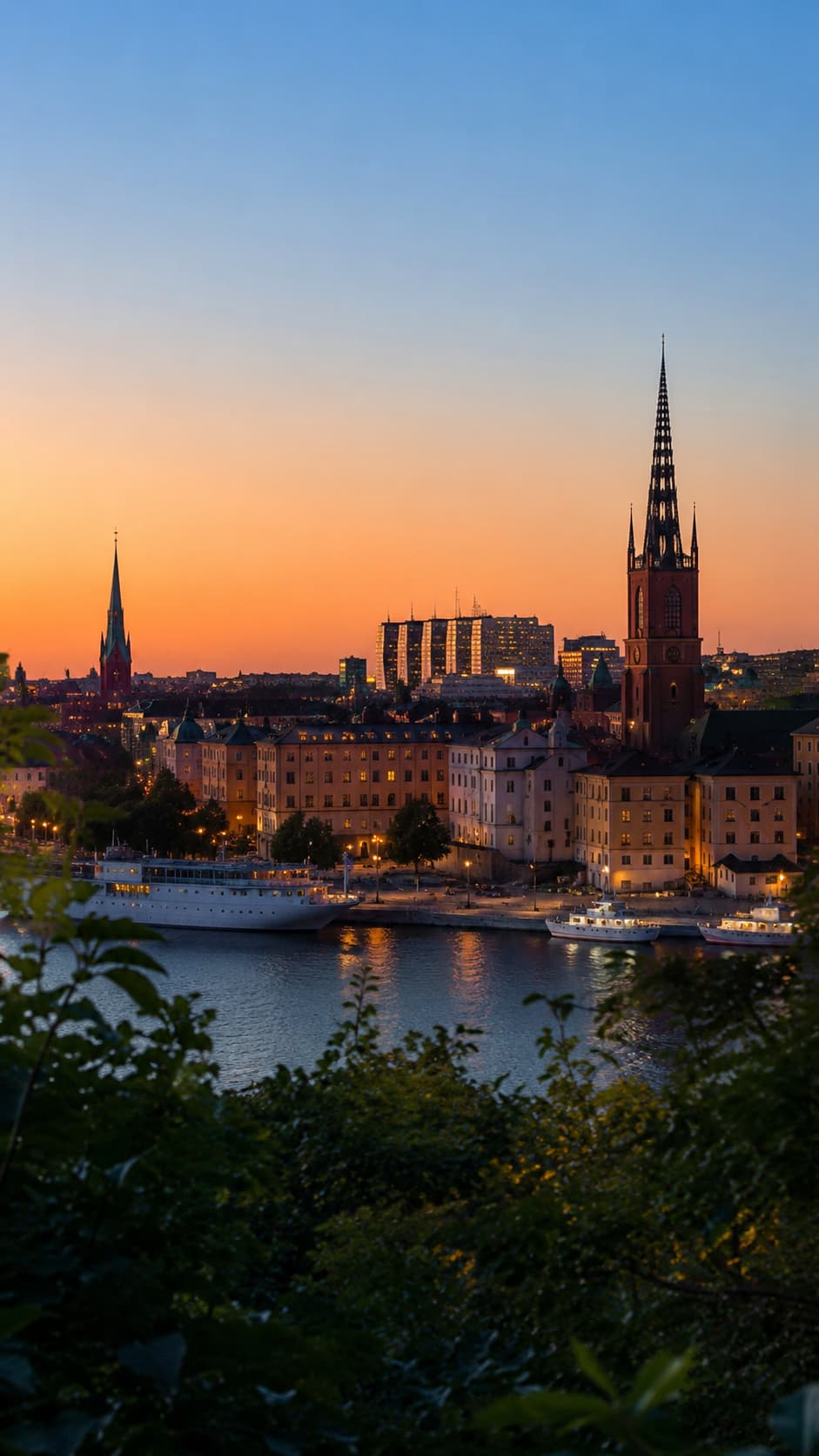
Cross the bridge to Riddarholmen — the small adjacent island — for one of Stockholm’s better views back across the water toward the city hall and the heights of Södermalm. It takes twenty minutes and most visitors skip it entirely.
What Is Fika, and Where Should You Have It?
Fika is the Swedish concept of the coffee break — but describing it that way undersells it. In practice, fika is a deliberate pause: coffee and something sweet, usually a kanelbulle (cinnamon bun) or cardamom roll, taken at a point in the day when continuing without stopping would be worse than stopping. It’s not a rushed espresso at a counter. It’s the reason Swedish offices have sofas near the kitchen.
For your first one in Stockholm, Café Grillska Huset on Stortorget is reliable and reasonably priced for the location — it’s run by a charitable foundation and serves some of the better kanelbullar in the old town. Alternatively, walk five minutes to Kafé Långa Raden on Riddarholmen for something quieter. Avoid the tourist-facing cafés with English-first menus on Västerlånggatan — they charge twice as much for worse pastries.
Spend the afternoon on Djurgården if the weather holds — the parks and waterfront are worth the short ferry from Slussen — or save Djurgården for Day Two and end the first evening in Gamla Stan as the crowds thin out. The old town at dusk, when the light drops low and the day-trippers have gone, is substantially more pleasant than the same streets at noon.
03 — Day Two of 3 Days in Stockholm: Djurgården, the Vasa, and Södermalm
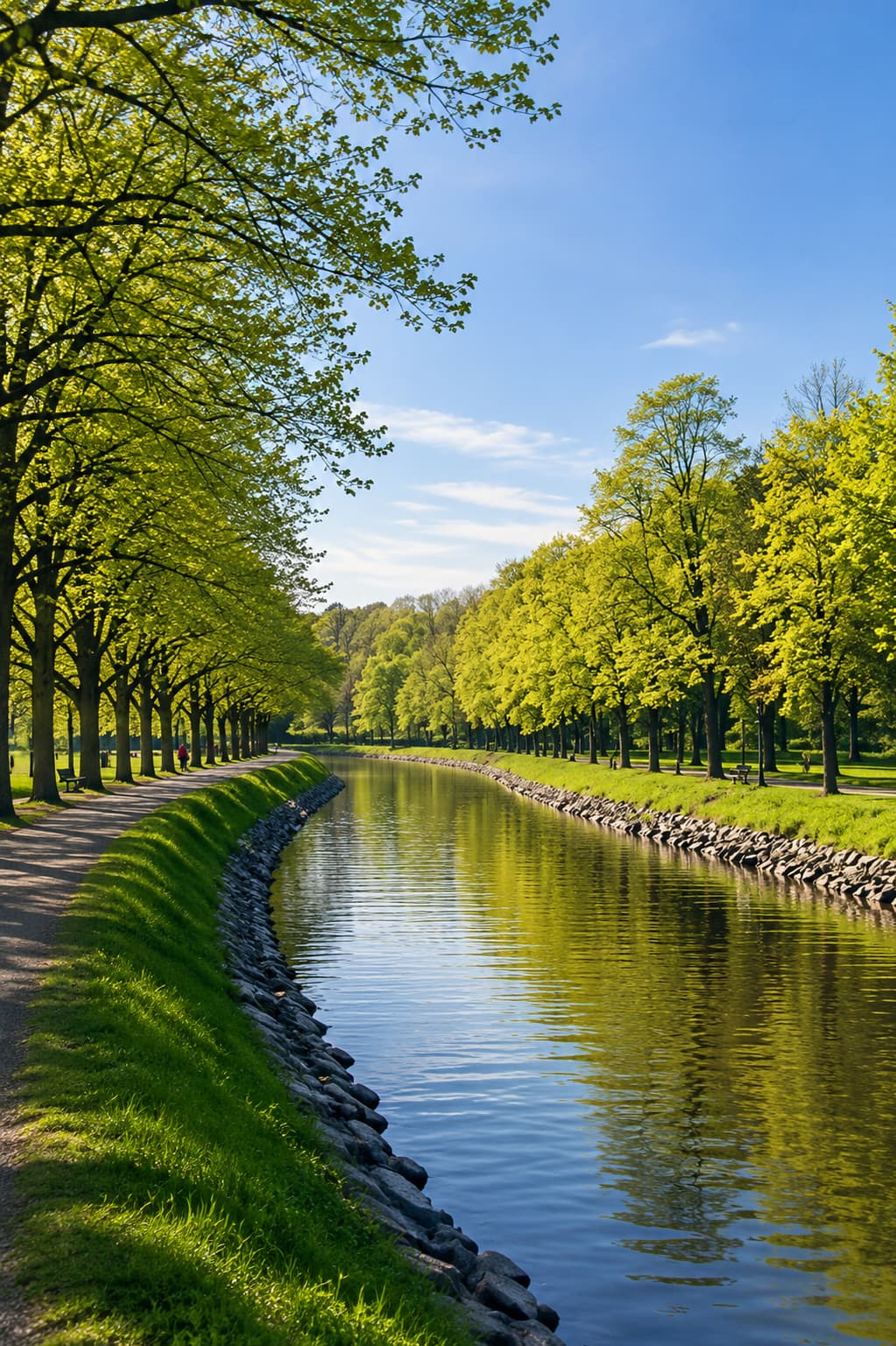
Djurgården is a forested island east of the old town — reachable by ferry from Slussen or Nybroplan, or on foot from Östermalm. Most visitors come for the museums, but the island itself deserves attention. The paths along the waterfront and through the parkland are among the most pleasant walking in the city, particularly in spring when the trees are in leaf and the light is extraordinary over the inlet.
The Vasa Museum: Is It Worth the Hype?
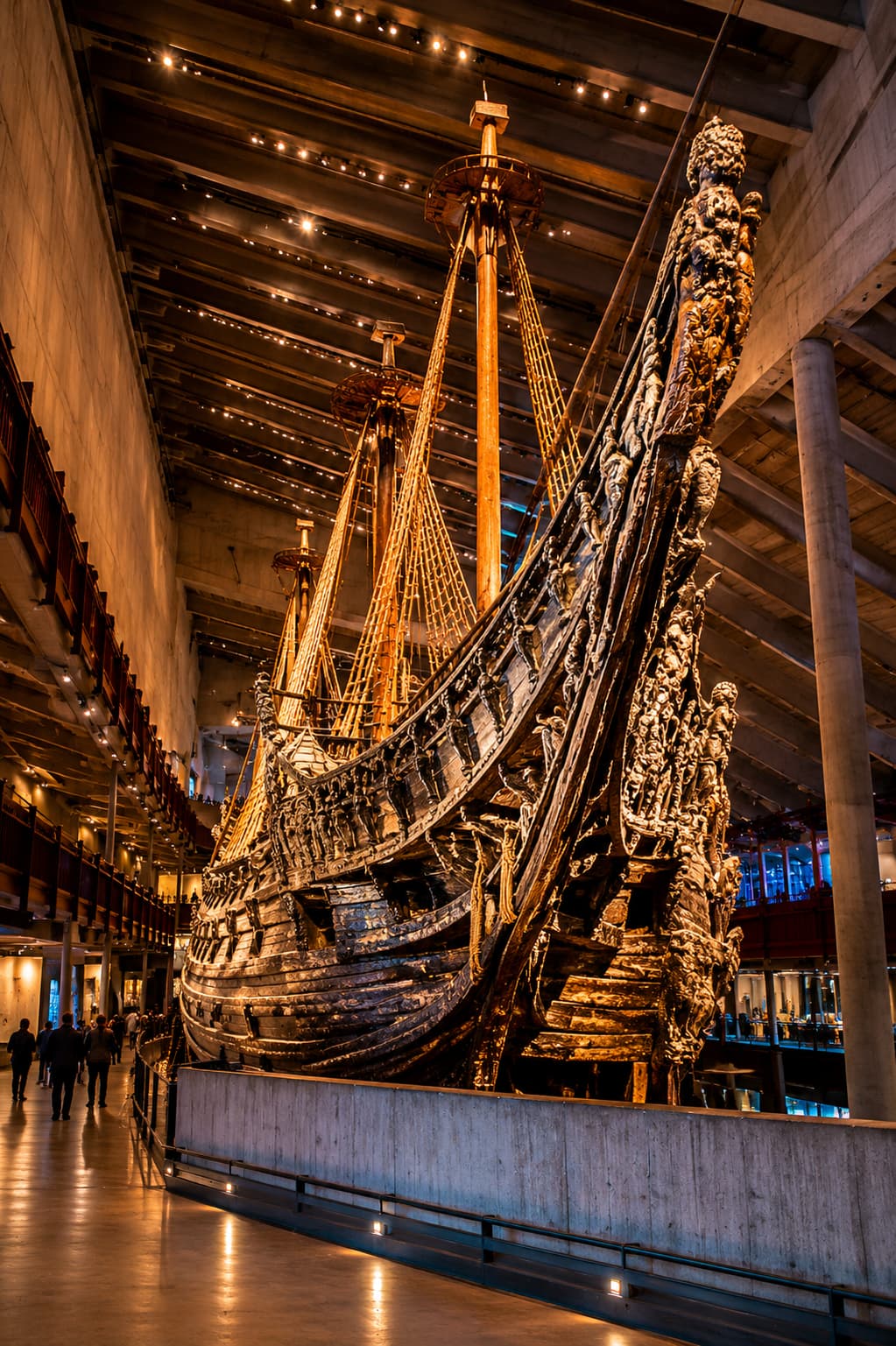
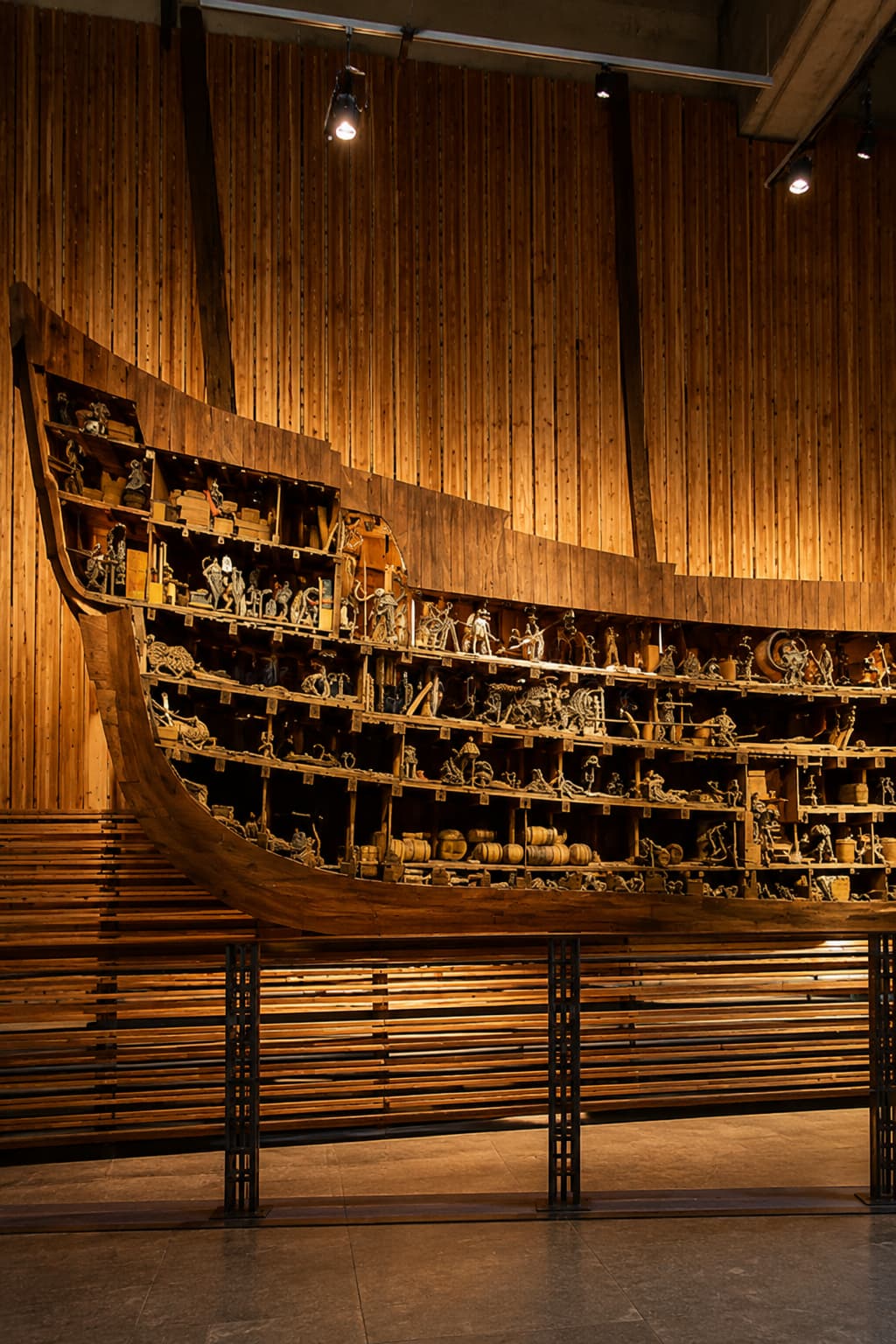
Yes. The Vasa Museum houses a 17th-century warship that sank on its maiden voyage in 1628, just 1,300 metres from where it was launched, in full view of the Stockholm crowds who had come to watch it depart. It was salvaged nearly intact in 1961, after 333 years on the harbour floor, and is now displayed in a purpose-built hall that was designed around the ship rather than the other way around.
The scale of the thing — 69 metres long, its hull dark and massive under the museum lights — is genuinely arresting. Moreover, it’s not simply a preserved ship: the museum explains why it sank (catastrophic design failure, a hull too narrow for the weight of its cannons), what was found inside it (the remains of crew members, personal belongings, cargo), and how the salvage operation worked. Even visitors who have no particular interest in maritime history tend to spend longer here than they planned. Allow two hours minimum.
Book in advance: Tickets sell out in peak season, particularly July–August. Pre-book online at vasamuseet.se to avoid queues. Best time to visit: First entry slot of the day — the museum gets crowded by 11am in summer. Skip: The adjacent Junibacken (a children’s Astrid Lindgren attraction) unless you have children with you — it’s not worth the time otherwise.
The rest of Djurgården’s museums — Skansen (the open-air folk museum), Nordiska museet, the ABBA Museum — are all within walking distance. Skansen is enormous and could consume an entire day on its own; for a three-day itinerary, prioritise the Vasa and one other. The ABBA Museum is very good if the music means something to you; it’s also very expensive and entirely skippable if it doesn’t.
Why Södermalm Feels Like the Real Stockholm on Day Two
Cross from Djurgården back toward the centre and take the short walk or metro ride to Södermalm — the large island south of Gamla Stan. Most travel writing mentions Södermalm as Stockholm’s “creative” neighbourhood, which is accurate but misses the more important point: this is where Stockholm stops performing for visitors and simply exists.
The streets around Götgatan and Nytorget have the density of a genuinely residential city neighbourhood — independent cafés, wine bars, bookshops, hardware stores, and bakeries all coexisting within a few blocks. SoFo (the area south of Folkungagatan) is worth an evening wander without a specific agenda. End the day at one of the low-lit wine bars on Skånegatan or Bondegatan — the neighbourhood has more of these per block than almost anywhere else in Stockholm, and the atmosphere after 7pm in good weather is one of the better urban evening experiences the city offers.
For a view that summarises Stockholm’s geography in a single frame, walk to Monteliusvägen — a narrow path along the northern cliff edge of Södermalm — at any time of day. The city hall, Gamla Stan, the water, and the bridges spreading between islands: all of it visible from one path. In summer, locals come here with wine and a blanket. In autumn, it’s often empty. Both are worth experiencing.
04 — Day Three of 3 Days in Stockholm: The Tunnelbana Art Trail
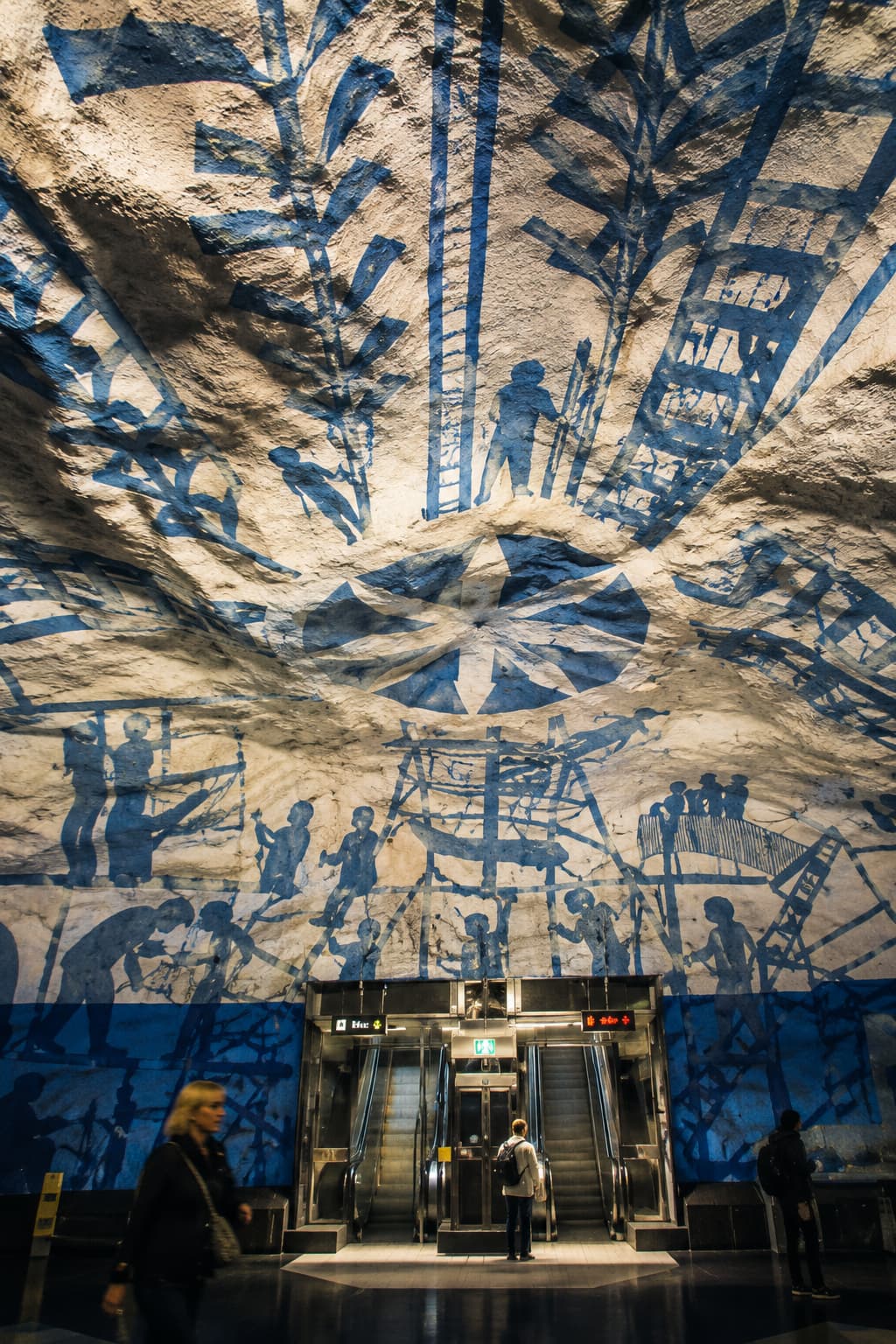
On the final day of your 3 days in Stockholm, the metro system — the Tunnelbana — is described in tourist literature as the world’s longest art gallery, and for once the description earns its keep. More than 90 of its 100 stations are decorated with murals, mosaics, sculptures, and installations by over 150 Swedish artists, spanning work from the 1950s through to recent commissions. The effect ranges from subtle (carved rock faces left exposed in the tunnel walls) to genuinely extraordinary (T-Centralen’s blue cave ceiling, Kungsträdgården’s archaeological fragments, Solna Centrum’s red landscape and social commentary).
The Stockholm Metro as an Accidental Gallery
A focused art trail on the Tunnelbana takes roughly half a day if you’re stopping to actually look at each station. The blue line running northwest — specifically the stations from T-Centralen through Rådhuset, Fridhemsplan, and out to Akalla — contains the highest concentration of remarkable work. T-Centralen itself, with its curved blue-painted ceiling covered in painted vines and flowers, is worth five minutes of deliberate looking even if you’re not doing the full trail.
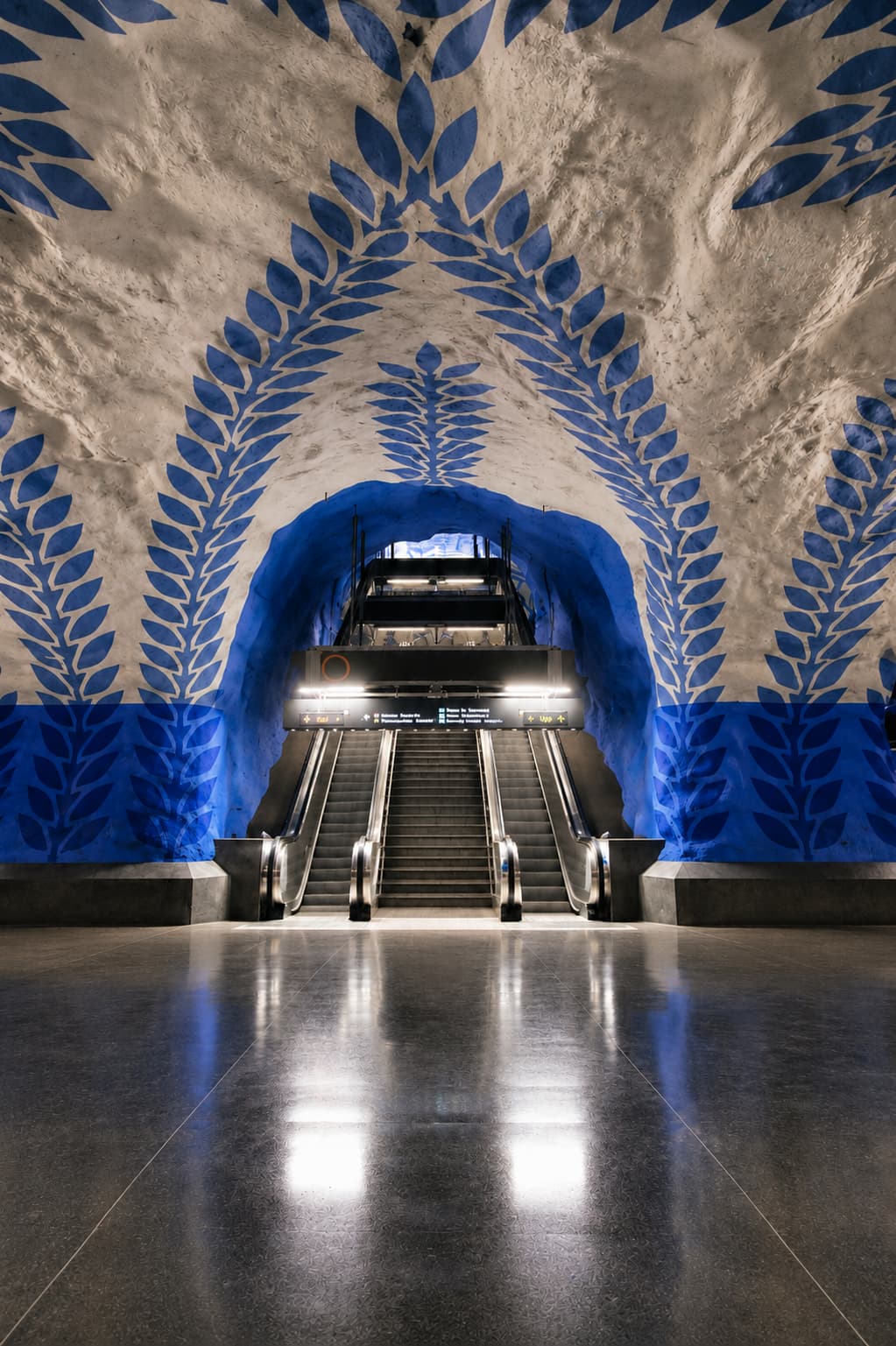
For a practical approach: buy a 24-hour SL card, ride the blue line northwest from T-Centralen, and get out at three or four stations that interest you. Rådhuset (the rock-cave interior), Solna Centrum (the red ceiling political murals), and Kungsträdgården (with Roman and Renaissance fragments embedded in the walls) are the stations that tend to land most strongly with first-time visitors. The exercise costs nothing beyond the transit fare and requires no booking — simply walk in.
Should You Do a Day Trip? Archipelago, Drottningholm, or Neither
The most realistic day-trip options from Stockholm in a three-day visit are the near archipelago or Drottningholm Palace — and you probably have time for one, not both.
Drottningholm Palace is a UNESCO World Heritage Site and the official residence of the Swedish royal family. It’s 30 minutes from T-Centralen by metro and ferry, and the palace grounds — particularly the formal baroque gardens and the remarkably intact 18th-century court theatre — justify the trip. That said, the interior tour is not exceptional by European palace standards; the grounds are what actually earn the journey. Go if you have a genuine interest in garden architecture or Baroque history; skip it if you’re simply checking a UNESCO box.
The near archipelago, by contrast, earns the journey for almost everyone. Fjäderholmarna is 25 minutes by ferry from Nybrokajen and gives you a sense of island life, open water, and the particular stillness of the outer Stockholm islands without committing a full day. Vaxholm, further out at roughly an hour, is worth the additional travel time if you can spare it. The archipelago is Stockholm’s best day trip — considerably better than Drottningholm for most visitors — but it requires warm weather and ideally a weekday in summer to avoid the crowds on the most accessible islands.
05 — Stockholm in Every Season: An Honest Comparison
Stockholm is one of those cities where the season you choose genuinely changes what you experience — more so than most European capitals. The gap between peak summer and deep winter is not just a matter of temperature; it’s a difference in atmosphere, pace, daylight, and what the city itself is doing. Here is what each window actually offers.
Summer in Stockholm
Late June through early August is Stockholm at its most open and most crowded. In high summer, the city sees up to 18 hours of daylight — a disorienting, quietly magical phenomenon that changes how you experience even ordinary evenings. Dinner at 9pm with the light still full and golden is not a novelty after a few days; it becomes the rhythm. The outdoor bars along Södermalm’s cliff edge stay busy until midnight. The archipelago ferries run at full frequency. Locals who can afford to have already left for their summer houses.
The trade-offs are real: museums queue, accommodation prices are at their peak, and the most popular areas of Gamla Stan function at capacity. Additionally, many Stockholmers are genuinely absent in July, which gives the city a slightly tourist-only quality in some neighbourhoods. Best for: First-time visitors who want maximum daylight and access to the archipelago. Book accommodation at least two months in advance.
Spring and Autumn in Stockholm
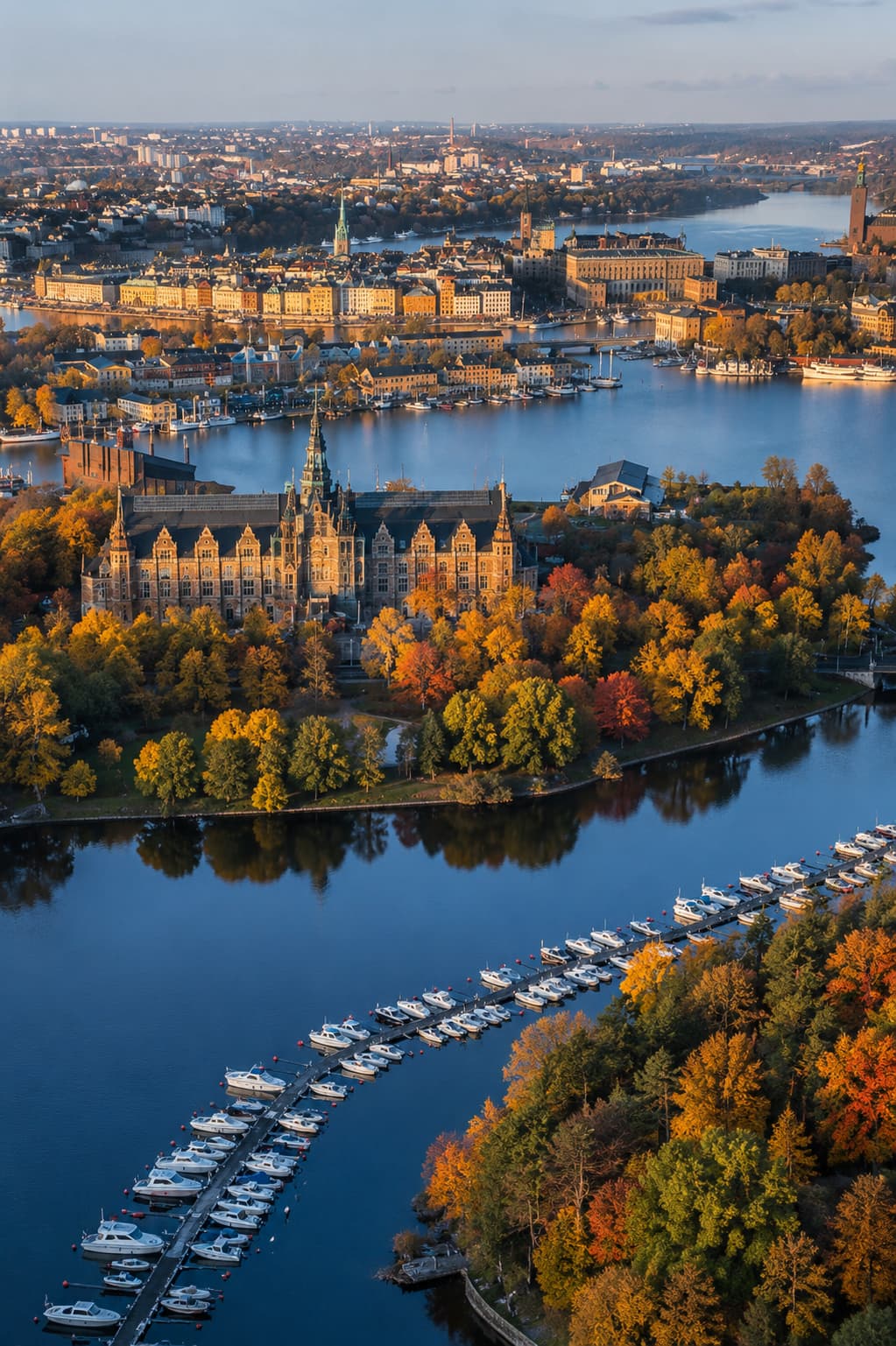
May and September are Stockholm’s best-kept travel windows. May brings the city back to life after winter — the trees on Djurgården are in leaf, the outdoor seating reappears, and the long evenings begin building toward summer without the crowds that follow. September, meanwhile, offers the opposite trajectory: crowds thinning, light turning golden and low, and the city resuming a more local rhythm as the tourist season ends. Prices drop noticeably compared to summer, and accommodation is easier to book with less lead time.
October introduces the first cold properly — temperatures drop to single digits, daylight shortens quickly, and the archipelago season closes. That said, Stockholm in October has its own appeal: the Södermalm wine bars fill with locals rather than tourists, the museums are navigable without planning, and the city is at its most genuinely inhabitable. Best for: Return visitors, budget-conscious travelers, those prioritising authenticity over optimal weather. For a first visit, May is the sweet spot — good weather, manageable crowds, the islands waking up.
Winter in Stockholm
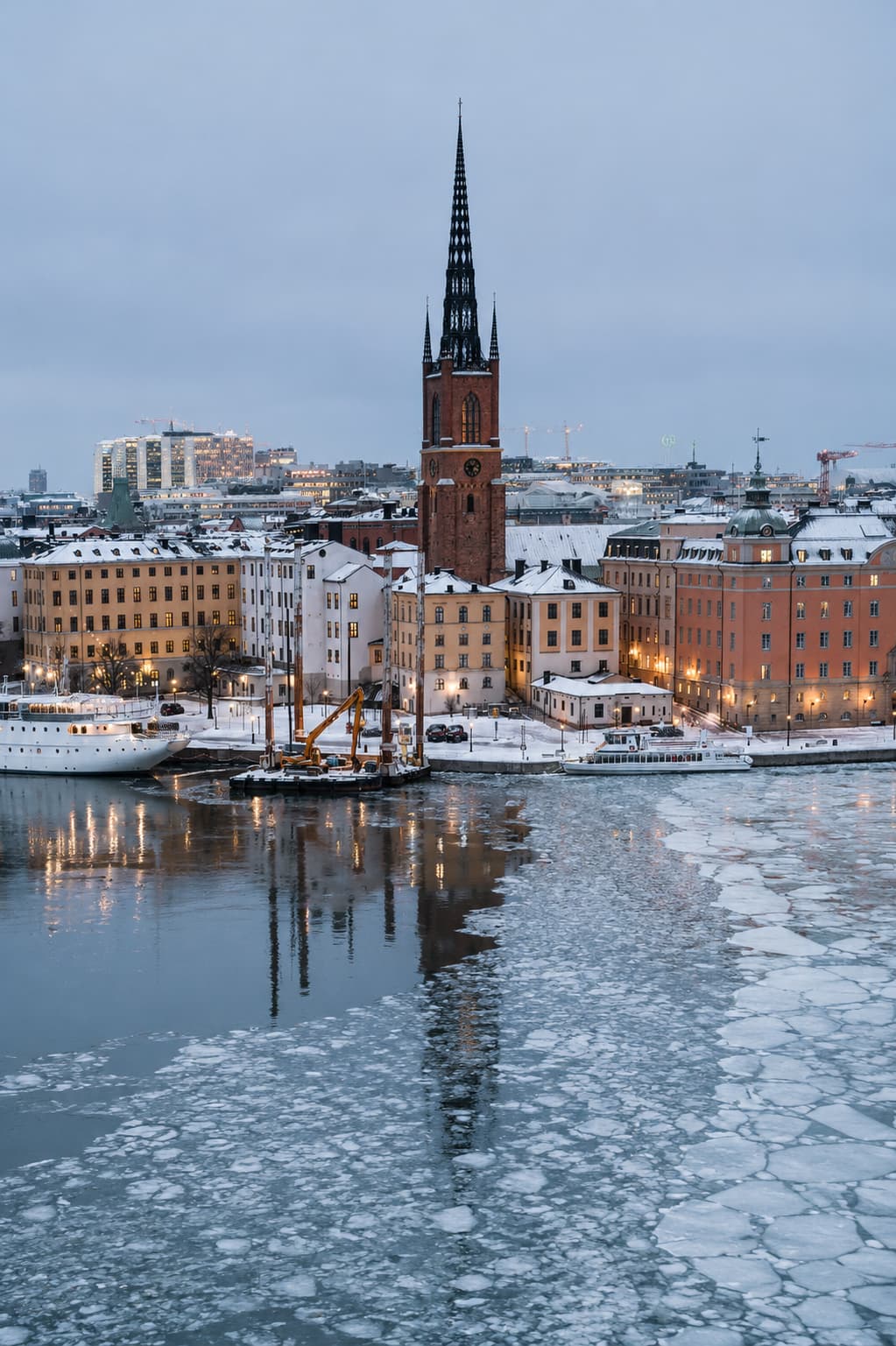
Winter Stockholm is not for everyone, and the Nordics’ dark season is not something to minimise: in December, Stockholm gets around six hours of usable daylight. The sun rises late, sets early, and stays low throughout its brief arc. For visitors accustomed to short winter days this is manageable; for others it can be genuinely disorienting after a few days. However, this is also Stockholm in its most atmospheric state — candlelit café windows, snow on Gamla Stan’s rooftops when conditions allow, Christmas markets in Stortorget, and museums that are wonderfully uncrowded.
In contrast to Lofoten in winter, Stockholm’s infrastructure is entirely built for this season — warm indoor spaces, well-heated transport, and a cultural calendar full of concerts and exhibitions. The city doesn’t shut down in winter; it retreats indoors, which has its own quality. Best for: Travelers who like cities in quiet mode, Nordic aesthetics, and extremely good deals on accommodation. Bring a proper coat.
06 — Is Stockholm Expensive? A Realistic Cost Breakdown
Stockholm is genuinely expensive — one of the costlier cities in Europe for day-to-day spending. That said, the difference between a poorly-planned trip and a thoughtfully-planned one is larger here than in most cities, because the gap between tourist-facing prices and local-facing prices is wide. Knowing where each one applies makes a meaningful difference to the daily total.
Where to Save Money on 3 Days in Stockholm
The Tunnelbana and SL transport card covers virtually all in-city movement — one 24-hour card (around €14) eliminates all individual transit costs for the day. Grocery shopping from ICA or Hemköp, Stockholm’s main supermarket chains, lets you assemble a lunch from the deli section for a fraction of café prices. Additionally, Stockholm’s most compelling experiences — Djurgården’s parks, the Tunnelbana art trail, Monteliusvägen’s view, and Gamla Stan itself — are free. Furthermore, the city’s museums have a mix of free and paid entry: Moderna Museet (contemporary art on Skeppsholmen) and the National Museum of Fine Arts are both free entry, making them easy morning or afternoon stops.
What’s Worth Spending On
The Vasa Museum (around €19) is the one paid attraction that unambiguously earns its price. Beyond that, the archipelago ferry to Fjäderholmarna (around €14 return) and a proper dinner in Södermalm once during the trip — budget €40–60 for a meal with wine at one of the neighbourhood’s better bistros — round out the things worth spending on. A fika at a quality café runs €7–10 including a pastry; it’s a cost worth absorbing twice a day as part of the Stockholm experience.
Budget (hostel, self-catering, free museums): €60–80/day. Mid-range (hotel, one restaurant meal, paid museum): €120–160/day. Comfortable (good hotel, two restaurant meals, archipelago day trip): €180–240/day. Note: accommodation is the largest variable — book early for summer, book anything reasonable for winter.
07 — Getting Around Stockholm: What You Actually Need to Know
Stockholm’s transport network is genuinely excellent — clean, reliable, and well-integrated across the metro, tram, bus, and ferry lines that cover the city’s spread of islands. For a three-day visit, the combination of the Tunnelbana and walking covers almost everything on the itinerary above.
The Tunnelbana and SL Cards
The SL card is Stockholm’s transit card and the correct way to pay for all public transport in the city. Load it with a 24-hour, 72-hour, or 7-day pass depending on your trip length — for three days, the 72-hour pass (around €30) makes the most sense. It covers the metro, trams, buses, and the Djurgårdslinjen ferry between Slussen and Djurgården.
The Tunnelbana runs three lines (red, blue, green) and connects the major neighbourhoods efficiently. From T-Centralen, Gamla Stan is one stop on the red line, Södermalm (Slussen) is two stops, and Djurgården is a short tram or ferry connection from the centre. As noted above, the metro stations themselves are worth treating as destinations — specifically the blue line northwest of T-Centralen.
The Arlanda Express train connects the airport to T-Centralen in 20 minutes, running every 15 minutes. It’s fast and excellent, but expensive (around €30 single). The cheaper alternative — Flygbussarna airport coach, around €12 — takes 40–45 minutes to the city centre and covers the same route at a more reasonable price. The SL card does not cover Arlanda airport connections.
Walking Between Neighbourhoods
Stockholm rewards walking more than the transit map implies. Gamla Stan to Södermalm (across Slussen bridge) is a ten-minute walk. Gamla Stan to Djurgården, via the footbridge and along the Strandvägen waterfront, takes around 25 minutes and passes through some of the city’s best waterfront scenery. Södermalm to Djurgården is less natural on foot — use the ferry or tram for that connection.
The city’s geographic spread means that some distances appear shorter on the map than they feel on foot — specifically anything crossing from one island to another. Build buffer time into morning plans, particularly if the Vasa Museum is on the agenda, where entry queues can add 20 minutes to an otherwise prompt arrival.
Where to Stay, Safety and Museum Booking
Language, Trip Length and Best Time to Visit
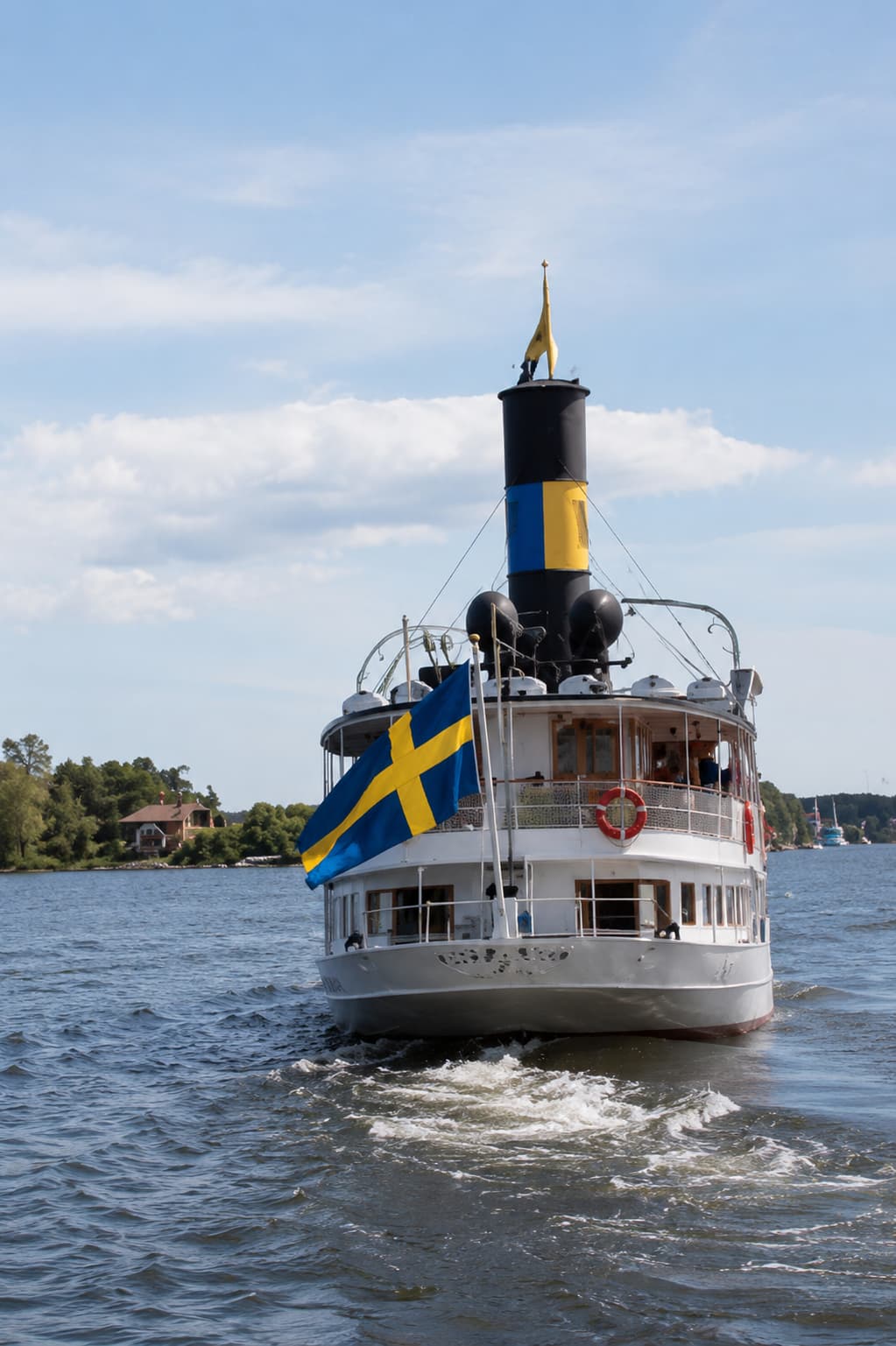
3 days in Stockholm asks you to move between islands and let each one settle before you move on.
Three days is enough to understand why people come back — usually to go further out into the water than they managed the first time.