
Skiing in Europe: 10 Alpine Resorts Ranked
A European ski trip made simple: ten Alpine resorts ranked on snow, lift pass price, ski area size and access, each with its honest catch.
How to Choose the Right European Ski Resort
Skiing in Europe comes down to one decision made months before you fly: which resort gets your week. The Alps hold hundreds of them, and the gap between a high, snow-sure village and a low one in a warm January is wide enough to sink a trip. This guide ranks ten resorts so that choice is easier.
The list ranks resorts, not regions, because a region name tells you little about the snow under your skis. Each entry is judged on four things: snow reliability, ski area size and variety, the 2026/27 lift pass price, and how easily you can get there. Every resort also gets an honest catch, since no ski village is perfect, and knowing the weak point before you book is worth more than another list of superlatives.
Skiing in Europe also rewards planning around the pass you hold. Several of these areas sit on the Ikon or Epic networks, which can change the real cost of a week for American visitors, so the cost section explains which resort sits on which pass.
All prices below are adult six-day passes in the 2026/27 main season, taken from the resorts’ own pages. Transfer times are approximate and change with traffic and weather.
01 — How We Rank Skiing in Europe
Snow reliability carries the most weight, because a week of bare patches costs the same as a week of powder. High base altitude, glacier access and consistent snow records push a resort up. Resorts that depend on snowmaking at lower altitude lose points, although good grooming keeps many of them very skiable.
Ski area size and variety come next. A large linked area means you can ski for six days without repeating a run, while a small one suits a shorter stay. Pass price then turns size into value, so the table later shows cost per kilometre of piste for the three biggest names.
Access is the final factor. A resort that needs a four-hour mountain transfer after a long-haul flight is a different proposition from one with a train station in the village. Prices, piste lengths and access notes come from official resort pages where available; the few figures that could not be confirmed are left out rather than guessed.
02 — The Ten at a Glance
| # | Resort | Region, Country | 6-day pass | Best for | Catch |
|---|---|---|---|---|---|
| 1 | Val Gardena (Dolomiti Superski) | South Tyrol, Italy | €453 | Value and scenery, intermediates | Lower altitude, relies on snowmaking |
| 2 | Val Thorens (Les 3 Vallées) | Savoie, France | €421 (3 Vallées) | Snow reliability | Purpose-built, very cold in January |
| 3 | Tignes–Val d’Isère | Savoie, France | €468 | Snow record, advanced skiers | One of France’s priciest passes |
| 4 | Zermatt (Zermatt–Cervinia) | Valais, Switzerland | from CHF 432 | The Matterhorn, a glacier, a car-free village | Top-of-market pricing, long transfer |
| 5 | St Anton (Ski Arlberg) | Tirol, Austria | €468 | Train access, advanced terrain, après-ski | Hard going for beginners |
| 6 | Obergurgl (Obergurgl-Hochgurgl) | Tirol, Austria | €469 | Snow-sure with a traditional village | Smaller area, remote |
| 7 | Cervinia (Zermatt–Cervinia) | Aosta Valley, Italy | €338 (Italian side) | Value with high-altitude snow | Afternoon sun softens the slopes |
| 8 | Mayrhofen and Hintertux (Zillertal) | Tirol, Austria | €399 | Value, with a glacier in reach | Spread along the valley |
| 9 | Zell am See–Kaprun | Salzburg, Austria | €440 | Beginners, train access, lake setting | Lower town slopes |
| 10 | Cortina d’Ampezzo (Dolomiti Superski) | Veneto, Italy | €453 | Olympic glamour, the town itself | Several sectors linked by ski bus |
Prices are adult six-day passes, main season 2026/27. Zermatt uses dynamic pricing, so the figure is a starting price. Cervinia shows the Italian side only, and Val Thorens shows the full Les 3 Vallées pass.
The cost per kilometre is the six-day main-season pass divided by pistes on offer. It rewards big areas, so treat it as a value guide rather than a quality score.
03 — The 10 Best Resorts for Skiing in Europe
Each entry below follows the same order: the numbers, the skiing, the way in, and the catch. Read the catch first if you already have a favourite, because it is the part brochures leave out. A resort that looks perfect on paper can still be wrong for your group, your dates or your budget.
1. Val Gardena (Dolomiti Superski), South Tyrol, Italy

Val Gardena tops this ranking because it scores well on all four factors at once. Dolomiti Superski covers about 1,200 km of pistes across 12 areas on one pass, and the valley sits in the middle of it. At €453 for six days in 2026/27, that works out to roughly €0.38 per kilometre, far below Les 3 Vallées or Tignes–Val d’Isère.
The headline route is the Sella Ronda, a loop of four mountain passes around the Sella massif that you can ski in either direction in a day. Beyond that, the terrain is mostly long, well-groomed intermediate runs, and gentle slopes above Ortisei, Santa Cristina and Selva keep beginners busy. The scenery is the best on the list, because the pale rock towers glow pink in the evening light, an effect locals call enrosadira.
Getting there is straightforward by road from Innsbruck or Verona, and the villages are small, walkable and Italian in the best sense, with good food at lunch. Mountain huts serve polenta, pasta and strudel on the slopes, so a ski day here rarely feels rushed. If you are building a longer trip, our northern Italy road trip covers the driving side.
The catch: the villages sit at 1,200 to 1,600 m, so early and late season lean on snowmaking, and a warm spell can thin the lower runs.
2. Val Thorens (Les 3 Vallées), Savoie, France
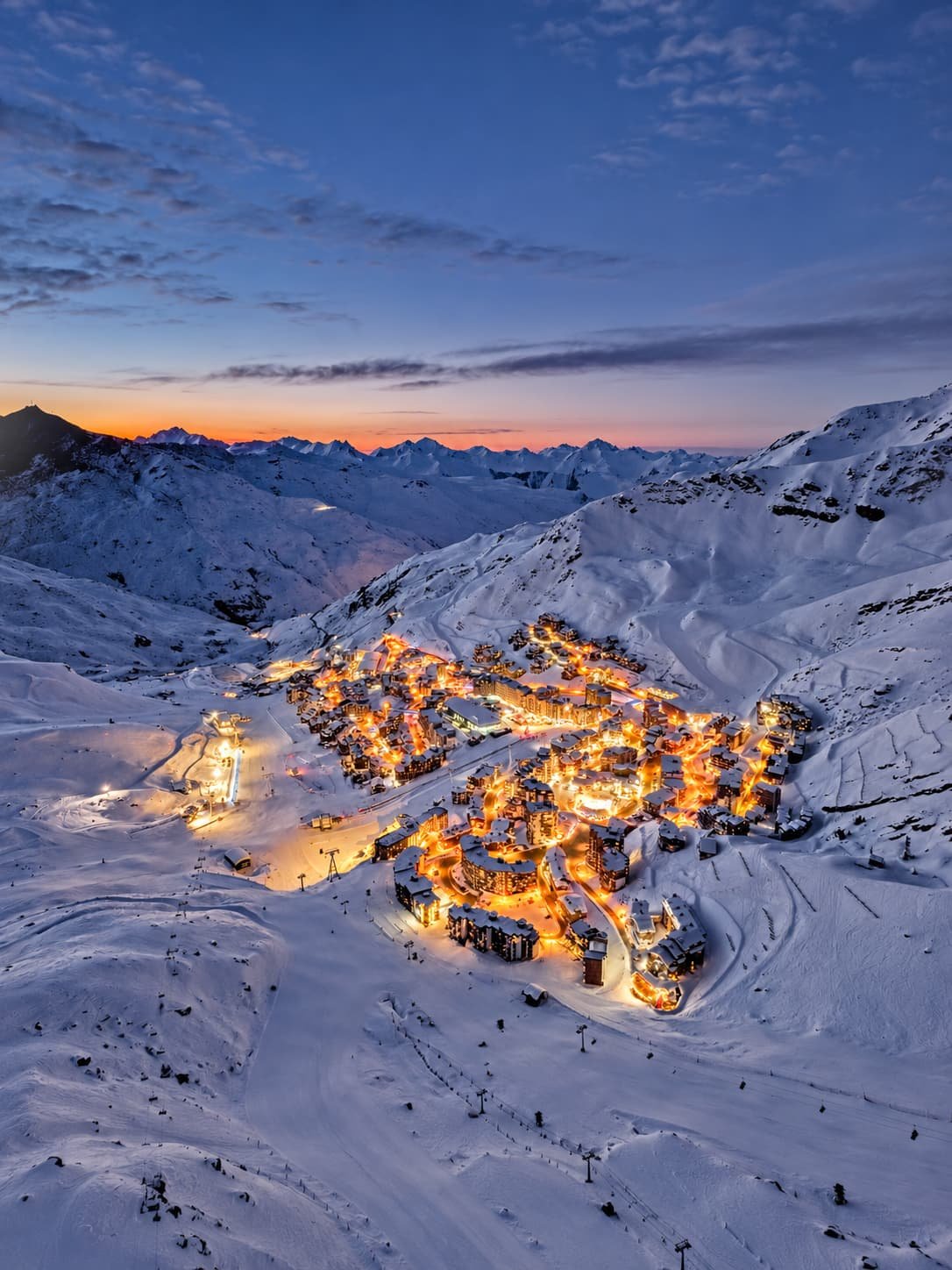
Val Thorens is the highest ski resort in Europe, with the village at 2,300 m and lifts reaching above 3,000 m. That altitude is the whole case for it: the snow arrives early, stays late and holds through mild spells that would strip lower resorts. For anyone who cannot afford a bad week, it is the safest pick here.
The pass covers Les 3 Vallées, around 600 km of linked pistes, which is the largest connected ski area in the world. At €421 for six days, the cost per kilometre is about €0.70, so you are paying a fair price for a huge area. Intermediates and confident beginners get the most from it, and experts find steep runs and off-piste above Méribel and Courchevel.
You reach Val Thorens by train to Moûtiers and then a bus, or by road from Chambéry or Geneva. Once there, you step out of the door onto the slopes, which saves time every morning. The lifts are fast and linked, so it is easy to cross into the neighbouring valleys when the weather changes.
The catch: it is purpose-built and functional rather than pretty, and at that height January is very cold.
3. Tignes–Val d’Isère (Espace Killy), Savoie, France
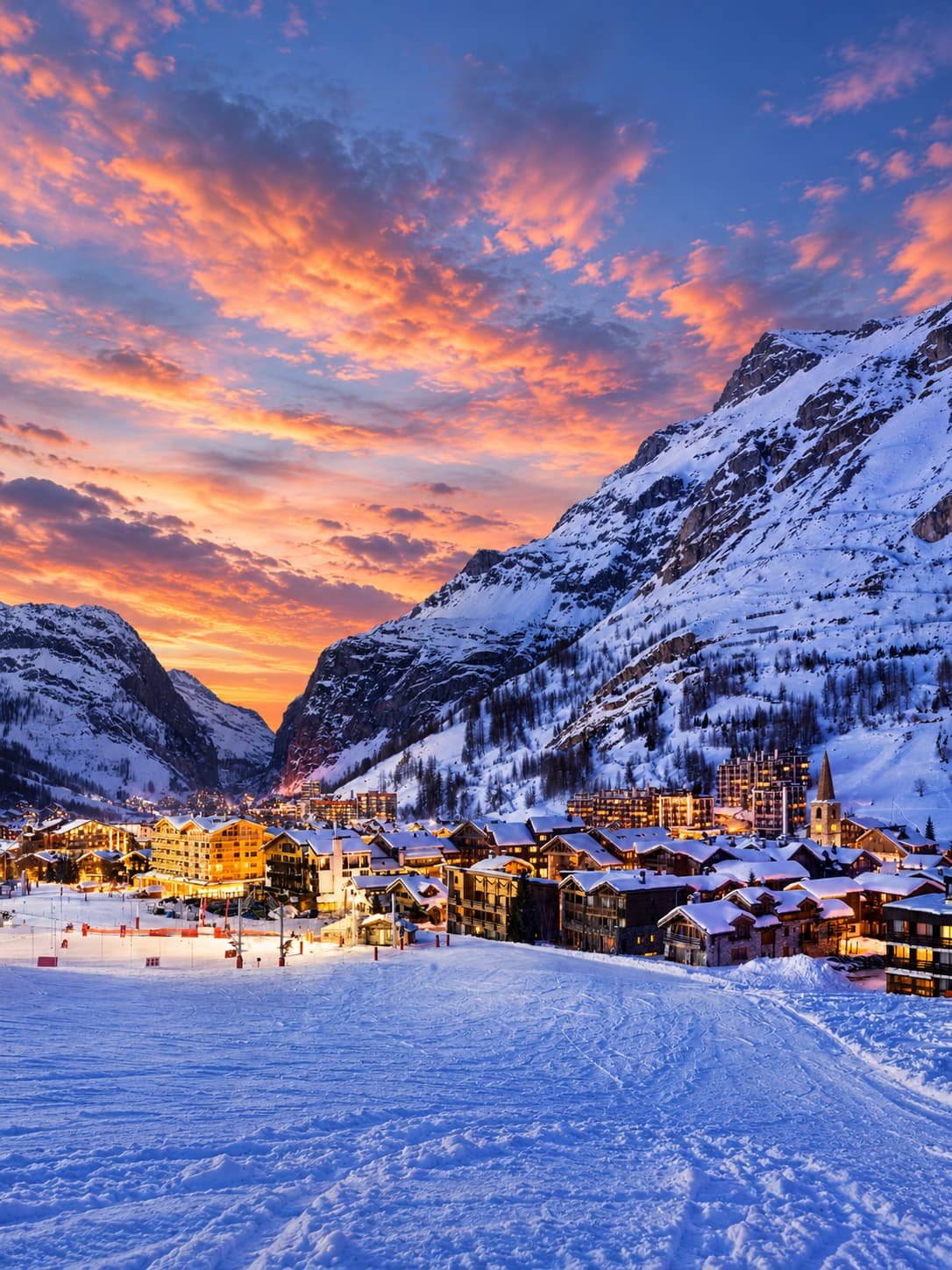
Tignes and Val d’Isère share the Espace Killy area, and the combination has one of the best snow records in the Alps. The Grande Motte glacier tops out at 3,456 m, which gives dependable skiing early in the season, while the area as a whole suits strong skiers who want steep pistes and generous off-piste.
Val d’Isère is the more traditional of the two villages, with stone chalets and a long ski history. Its Face de Bellevarde run hosted the men’s downhill at the 1992 Winter Olympics. Tignes is modern and high, which works well if you prefer ski-in, ski-out convenience. Together they give you a choice of mood within one pass.
The six-day pass costs €468, which comes to roughly €1.56 per kilometre across about 300 km. That is about four times the Dolomiti Superski rate, so you pay for the snow and the terrain.
The catch: it is one of the priciest passes in France, and parts of Tignes are architecturally dated.
4. Zermatt (Zermatt–Cervinia), Valais, Switzerland

Zermatt is where skiing in Europe meets a landmark. The Matterhorn dominates every view, the village is car-free, and the Matterhorn Glacier Paradise lift reaches 3,883 m, the highest lift station in Europe. Glacier skiing here keeps the area open far beyond the usual season.
The linked Zermatt–Cervinia area covers about 360 km and crosses the border into Italy, so lunch in Cervinia is a real option. Crossing the border on skis is one of the memorable parts of the week. The six-day international pass starts from CHF 432, and the lowest single day price is CHF 89. Because pricing is dynamic, the date you buy matters.
Visitors who do not ski will still enjoy the place. Our guide to Switzerland in winter without skiing shows how.
The catch: it sits at the top of the price range, and the transfer is long: cars stop in Täsch, and a train covers the last stretch.
5. St Anton (Ski Arlberg), Tirol, Austria

St Anton is the most train-friendly resort on the list, with a mainline station in the village and direct services from Innsbruck and Zurich. That makes a week without a car easy, and the ski bus network covers the rest. After a day on the slopes, the village is busy enough to feel lively but small enough to cross on foot.
Ski Arlberg links St Anton with Lech, Zürs and Stuben, giving about 305 km of pistes and some of the best off-piste in Austria. The village has a serious reputation for après-ski, which starts on the lower slopes in the afternoon and carries on into the evening.
The pass costs €468 for six days in 2026/27. That is up from the previous season, so older price lists are out of date.
The catch: the terrain is demanding, and beginners find the steeper links tiring, so it suits intermediates and above.
6. Obergurgl (Obergurgl-Hochgurgl), Tirol, Austria
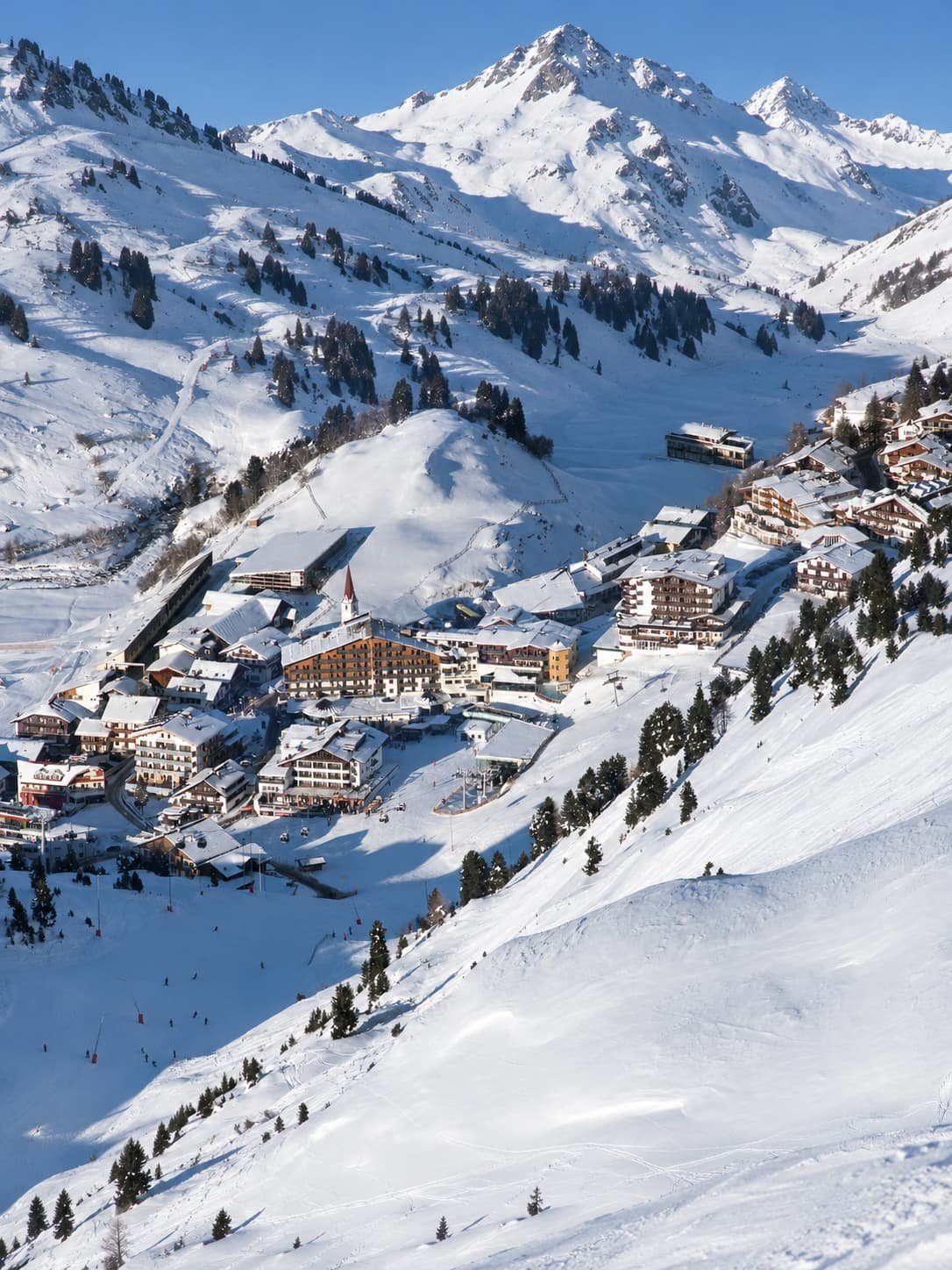
Obergurgl is one of the highest villages in Austria, and the snow shows it. Together with Hochgurgl it offers about 110 km of pistes that run above 3,000 m at the top, with a reputation for good conditions from early winter to spring.
It suits families and skiers who like a real village with a church, a few shops and no nightlife sprawl, and the quiet evenings are part of the appeal. The skiing is mostly intermediate and well maintained, and the lifts are modern.
Confirm the current pass price on the resort page before booking, and note that this resort sits outside both the Epic and Ikon networks.
The catch: the area is small for a full week, and the single valley road makes it remote.
7. Cervinia (Zermatt–Cervinia), Aosta Valley, Italy
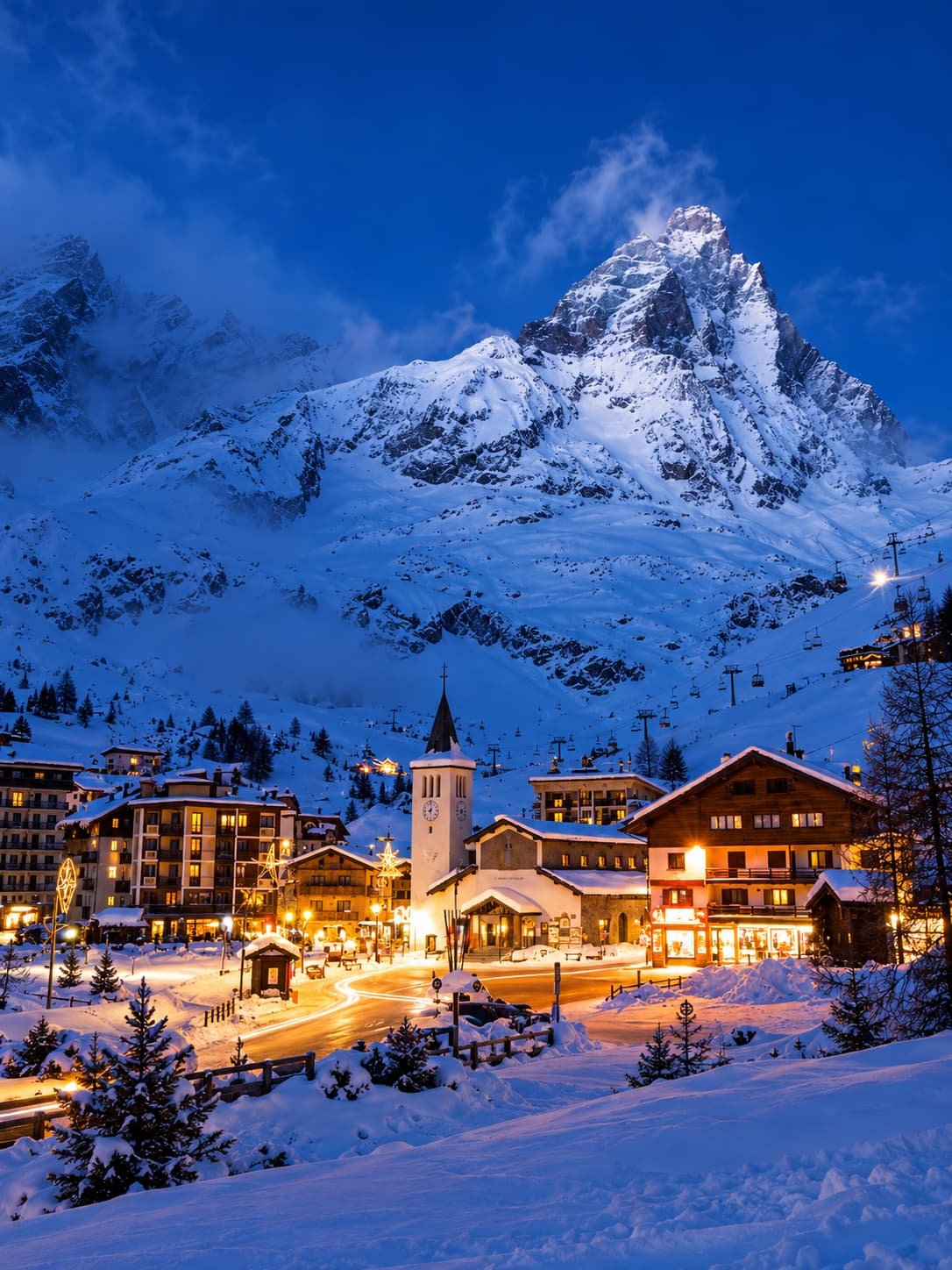
Cervinia shares its ski area with Zermatt but sits on the Italian side, and the price difference is the reason to choose it. The Italian-side six-day pass costs €338, which is far below the Swiss rate, while the village still sits at 2,050 m with lifts rising to 3,480 m.
Wide, sunny, mostly intermediate slopes make up the area, with Italian food at lunch to match. Up high, the snow lasts through spring, which makes Cervinia a strong late-season choice.
The pass shown is for the Italian side only. If you want to ski across to Zermatt, you need the international version, so decide before you buy.
The catch: the slopes face south, so afternoon sun softens the snow, and the village is more functional than charming.
8. Mayrhofen and Hintertux (Zillertal), Tirol, Austria
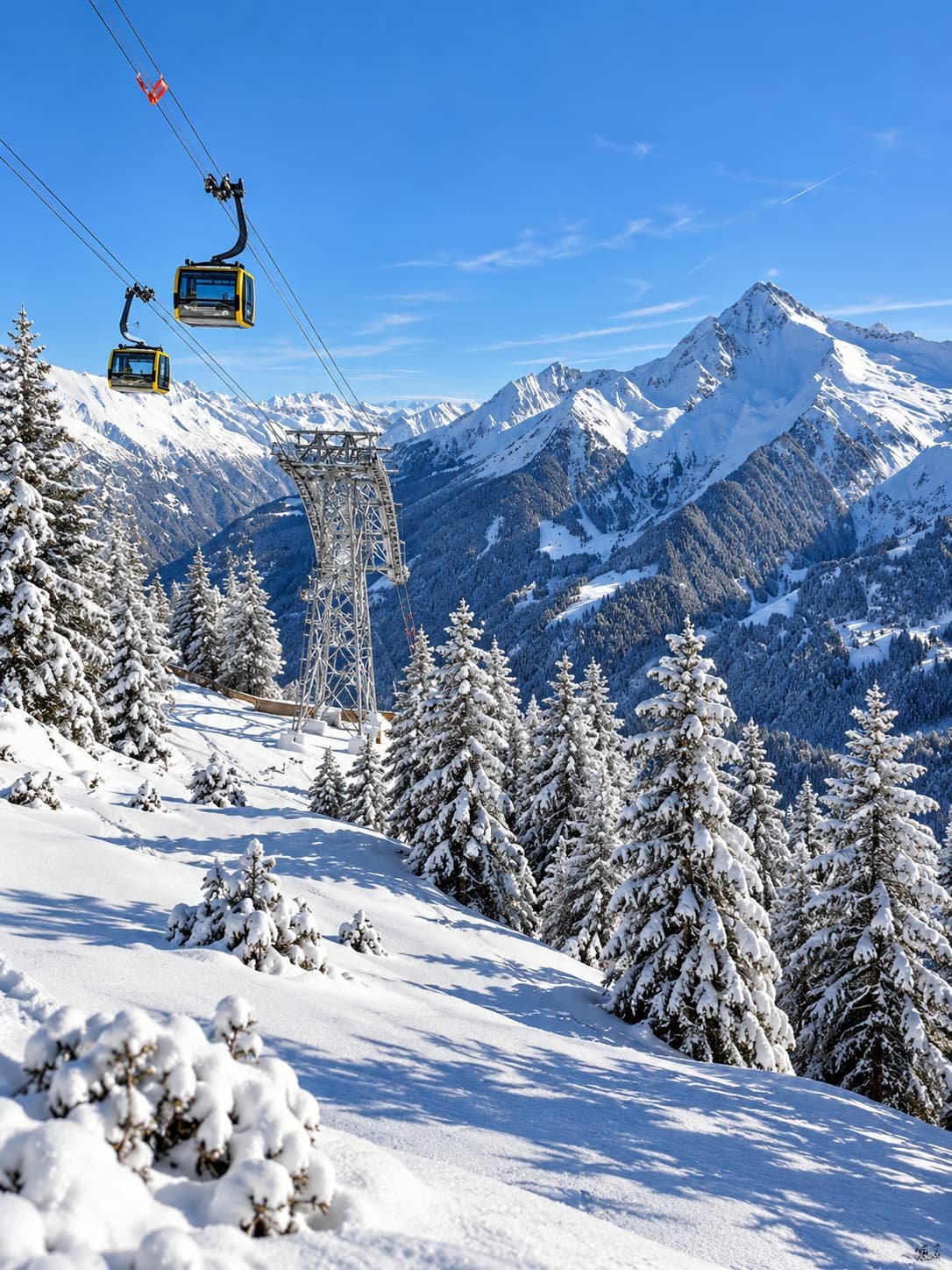
The Zillertal gives you two skiing styles in one valley. Mayrhofen is a lively base with a long après-ski reputation and steep terrain on the Penken and Ahorn sides, including the Harakiri run, one of the steepest pistes in Austria at a 78% gradient.
Hintertux, at the end of the valley, adds a glacier up to 3,250 m that keeps skiing available when lower areas are bare. At €399 for six days, the combination is a good value, and a train from Jenbach covers the first stretch from Innsbruck.
Bring a sense of adventure about logistics, as the two ski areas are separate and need a shuttle between them.
The catch: the areas are spread along the valley, so you will spend time on buses between them.
9. Zell am See–Kaprun, Salzburg, Austria
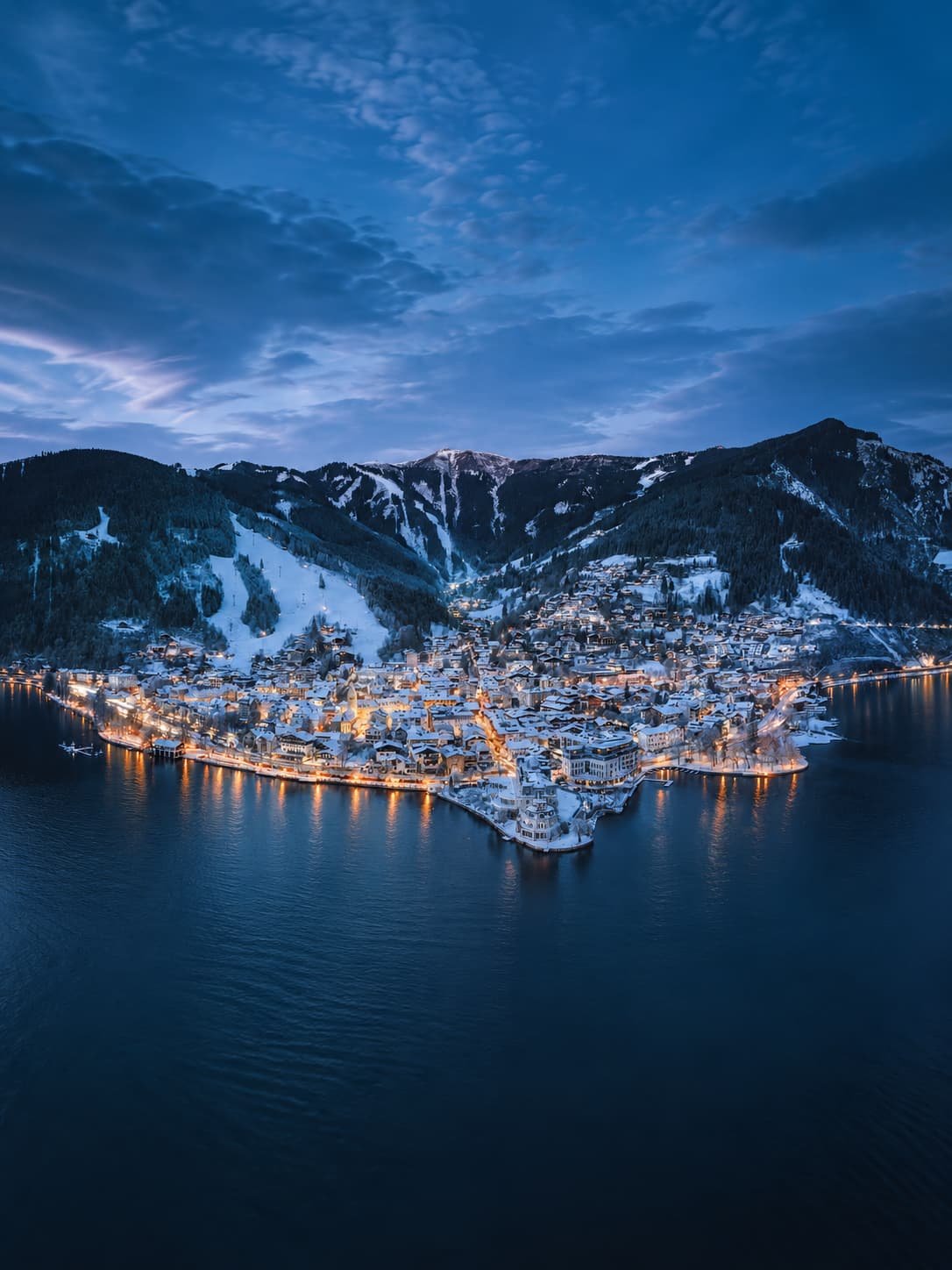
Zell am See–Kaprun pairs two ski areas with one lakeside town. The Schmittenhöhe rises straight above Zell, while the Kitzsteinhorn glacier above Kaprun reaches 3,029 m and gives a snow-sure alternative when the lower slopes are thin.
With a mainline station in town, so a car-free week is realistic, and the gentle terrain on the Schmittenhöhe suits beginners and families. Setting is a plus too: you ski in the morning and walk by the lake in the afternoon.
A six-day pass costs €440, and the area is part of the Epic Pass network, which matters for American visitors.
The catch: the town slopes sit lower, so snow quality depends on the weather, and the glacier is a bus ride away.
10. Cortina d’Ampezzo (Dolomiti Superski), Veneto, Italy

Cortina is the glamour pick. It hosted the 2026 Winter Olympics with Milan, and the town centre, with its pedestrian shopping street, old bell tower and mountain backdrop, is as much the reason to come as the skiing. It uses the same Dolomiti Superski pass as Val Gardena at €453 for six days, and that pass is also valid on Ikon.
The skiing is a collection of seven sectors, including Tofana, Faloria and the Cinque Torri, linked by the free Skibus S 33, which runs every 15 minutes. Some sectors have excellent sunny cruising, and the Tofana runs add real steepness.
A day on Cinque Torri, with its views and mountain huts, shows why people forgive the logistics. The town also suits a slower week, with long lunches and an evening stroll through the centre.
The catch: you work between sectors by bus rather than skiing one connected loop, which makes it less seamless than Val Gardena.
04 — Skiing in Europe by Region
Skiing in Europe looks different depending on which country you choose, and the ten resorts fall into four broad groups. Treat the groups as a shortcut: once you know the style you like, the individual entries above show which resort delivers it best.
France offers the highest altitude and the biggest linked areas. Expect large pistes, efficient lifts and modern villages, with prices that reflect the snow.
Austria wins on villages, après-ski and public transport, which makes it a natural base for first-time skiing in Europe. Tirol is a strong choice for skiing in Europe if you value atmosphere and an easy journey. Lift passes are competitive, and Austria hosts four of the ten resorts.
The Dolomites combine low pass prices, long intermediate runs and unmatched views. Snowmaking is heavy, so conditions are consistent but not deep.
One ski area, two countries and two price levels. The Swiss side offers style and the Italian side offers value, both with glacier terrain above 3,400 m.
05 — Which Resort for Which Skier
- First-time skiers: Zell am See–Kaprun and Val Gardena have gentle terrain and easy villages.
- Snow guarantee: Val Thorens and Obergurgl sit highest, so conditions hold when others struggle.
- Advanced skiers: Tignes–Val d’Isère and St Anton have the steepest pistes and the best off-piste.
- Budget-minded skiers: Cervinia and Mayrhofen give the most skiing per euro.
- Car-free trips: St Anton, Zell am See and Zermatt all work well on rail.
- Non-skiing partners: Zermatt and Cortina have towns worth exploring, and our guide to winter in Switzerland without skiing helps.
- Scenery: Val Gardena and Zermatt are the most beautiful.
06 — When to Go Skiing in Europe
Timing changes both price and snow, so choose the month as carefully as the resort. The main season for skiing in Europe runs from December to April, but the quality of each month depends heavily on altitude. A high resort in early December can beat a low one in February, so match the month to the resort rather than the other way round.
Only the highest resorts have full terrain, so Val Thorens, Tignes and Obergurgl are safest. Pair it with a Christmas market trip, as in our guide to Swiss Christmas markets.
Book early, expect crowds, and choose a resort where the snow is dependable.
After the first week, crowds thin and the snow is usually at its best. Dress for real cold at altitude.
Mid-February is the busiest week of the year in many resorts, so book months ahead.
Higher resorts shine, because the sun is warm and the snow lasts at altitude. Cervinia, Zermatt and the glaciers remain strong.
If you are visiting in autumn, our Alps in October guide covers what to expect, and our coolcation Alpine destinations guide suits summer.
07 — What Skiing in Europe Costs
Skiing in Europe costs less than most American visitors expect once the pass is sorted. The lift pass is the one number you can price accurately, and it is often the smartest place to compare resorts. Accommodation, equipment hire and lessons vary too much between resorts and weeks to give a fair range, so check current rates when you book.
| Lift pass range | €338 (Cervinia, Italian side) to €469 (Obergurgl) for six days in 2026/27. Zermatt starts from CHF 432. |
| Ikon Pass | Zermatt, Dolomiti Superski including Cortina and Val Gardena, and Cervino Ski Paradise in Aosta Valley. Full Ikon includes 7 days at these. |
| Epic Pass | Les 3 Vallées including Val Thorens, Mayrhofen and Hintertux, Zell am See–Kaprun, and Ski Arlberg including St Anton. Days are limited. |
| Neither pass | Obergurgl-Hochgurgl. |
| Accommodation, hire, lessons | Varies widely by resort, week and property type, so no range is given here. |
Check current day counts and conditions with the pass provider before you buy, since the number of included days differs by resort and can change between seasons. Skiing in Europe on an American multi-resort pass can lower the cost sharply for a week at the right resort, but only if the days included match your plans.
For comparing passes, see the official pages for Dolomiti Superski, Ski Arlberg and Zermatt.
08 — Getting There for Skiing in Europe
Most American travellers fly into a major hub and finish the journey by train, bus or transfer. Plan the last leg before you book flights, because the transfer decides how much of your first day is left. A late arrival into a remote valley can cost you a full ski day, so aim to land early or add a night near the airport.
- By train: St Anton, Zell am See and Mayrhofen (via Jenbach) are the easiest. Zermatt takes a train from Täsch, and Val Thorens needs a bus from Moûtiers.
- By air: Innsbruck serves St Anton, Obergurgl and Mayrhofen. Geneva, Zurich, Verona, Turin, Salzburg and Venice cover the rest.
- By road: Val Gardena, Cortina and Cervinia suit a hire car, but winter tyres and chains are required.
- By shuttle: shared airport transfers run to most resorts and cost less than private taxis.
09 — What to Pack for Skiing in Europe
- Layers: thermal base layer, mid-layer, waterproof shell.
- Helmet and goggles: essential, and easier to bring than rent.
- Sun protection: high-altitude UV is strong, so pack SPF and lip balm.
- Gloves and neck warmer: bring a spare pair.
- Après boots and a day bag: for evenings and lift days.
- Travel essentials: our Europe packing list covers adapters and documents.
Choosing a Resort, Snow, and Value
Train Access, Trip Costs, and the Best Time to Ski

The best week on skis is the one where the snow, the price and the journey all agree.
Choose the resort that suits all three.