
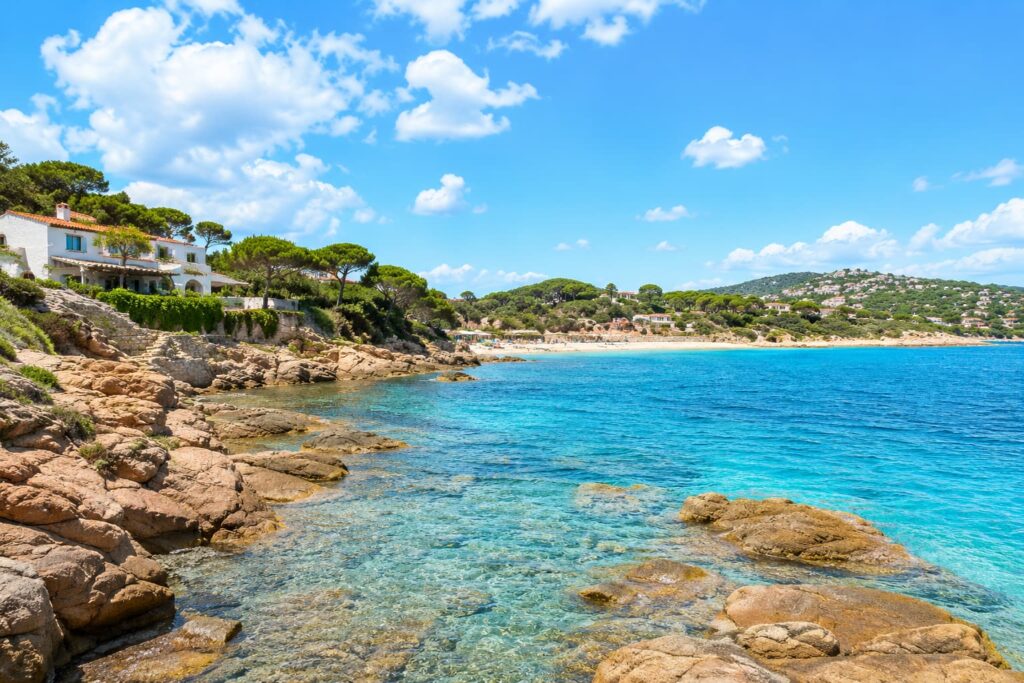
Northern Sardinia Travel Guide: The Beautiful North Without the Luxury Markup
The beaches locals actually use, where to base yourself, what it really costs — and an honest read on whether the Costa Smeralda is worth your time at all.
Why Northern Sardinia Is More Affordable Than Its Reputation
This northern Sardinia travel guide starts with a reputation problem, and it isn’t the one you’d expect. The water here is genuinely some of the clearest in the Mediterranean, the sand genuinely white, the granite coastline genuinely strange and beautiful. Yet the region carries a name for being eye-wateringly expensive — a name it mostly doesn’t deserve. That reputation comes almost entirely from one stretch of coast: the Costa Smeralda, where Porto Cervo charges Monaco prices for a view you can have, more or less, for free a few kilometres down the road.
This is a guide to doing the beautiful north honestly. Specifically, it’s about basing yourself in Olbia or the lower-key towns of Gallura, swimming at the beaches locals actually use, and treating the Costa Smeralda as a day-look rather than a place to hand over your holiday budget. The famous resorts are real, and worth seeing. They are not, however, the price of admission to the region — and understanding that distinction is the single most useful thing any northern Sardinia travel guide can give you before you book.
- Why Northern Sardinia Is More Affordable Than Its Reputation
- What Northern Sardinia Is Known For
- Is Olbia Worth Visiting?
- Is Sardinia Really That Expensive?
- The Best Beaches in Northern Sardinia
- Is the Costa Smeralda Worth It?
- Where to Base Yourself
- Do You Need a Car?
- When to Visit (and How to Get There)
- FAQ
01 — What This Northern Sardinia Travel Guide Covers, and What the North Is Known For
Northern Sardinia centres on Gallura, the granite-strewn region in the island’s northeast, and on Olbia, the port city that serves as its main gateway. This is a landscape shaped by stone — pale, wind-rounded boulders that pile up along the coast and scatter across the interior hills, softened by low Mediterranean scrub the locals call macchia. Where that granite meets the sea, it produces the thing the north is genuinely famous for: shallow bays of impossibly clear water over white sand, the colour somewhere between turquoise and pale jade depending on the depth and the hour.
The granite, the water, and the macchia
The texture of the north is unusual even by Mediterranean standards. Gallura’s granite doesn’t form cliffs so much as it forms sculpture — great rounded masses smoothed by millennia of wind, sometimes balanced improbably on one another, sometimes split clean as if by a chisel. Between them grows the macchia, a dense low carpet of juniper, myrtle, and wild herbs that scents the air after rain and turns the hills a dusty green. Meanwhile the coast itself stays low and intricate, all coves and inlets rather than grand headlands, which is exactly why the water reads so clear: shallow granite basins catch the light and throw it back. For a traveller paying attention, the landscape tells you immediately that this is an island apart from the Italian mainland — older, drier, and stranger.
The Costa Smeralda’s outsized shadow
The most famous slice of this coastline is the Costa Smeralda, the stretch around Porto Cervo developed from the 1960s into one of the Mediterranean’s marquee luxury destinations. Its beaches — Liscia Ruja, Spiaggia del Principe, and the rest — are the postcards that sell Sardinia abroad. That said, the Costa Smeralda is a small fraction of the north, and its reputation has come to stand in for the whole region in a way that does the rest a disservice. The famous resorts sit roughly a 30 to 40 minute drive from Olbia, which means the genuinely expensive part of northern Sardinia is geographically tiny and easily kept at arm’s length.
What surrounds it is a coastline of equal beauty and far gentler prices. The granite, the water, and the white sand don’t stop at the Costa Smeralda’s boundary — they run the length of the north, through beaches near Olbia and down toward San Teodoro, where local families have swum for generations without anyone charging them for the privilege. Beyond the beaches, the region is also known for its food and wine: the crisp white Vermentino di Gallura, Sardinia’s only DOCG wine, grows on these granite slopes, and the seafood along this coast is among the best in Italy. In other words, the thing that makes the north worth visiting is widely distributed; only the markup is concentrated.
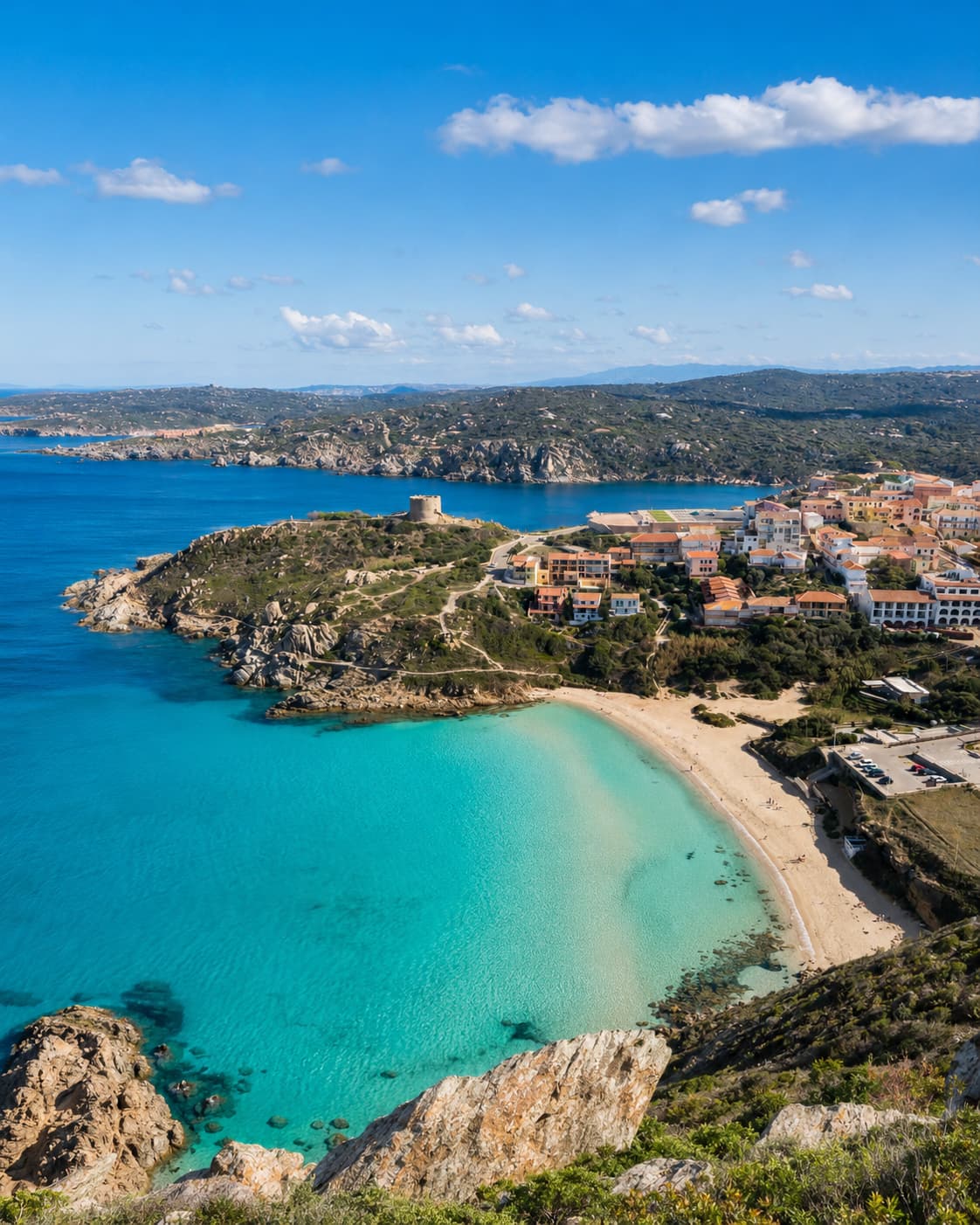
02 — Is Olbia Worth Visiting (or Just an Airport)?
Olbia gets dismissed as a place you fly into and drive out of, and that’s a mistake — though an understandable one. Most visitors do treat it as a transit point, collecting a rental car and heading straight for the coast. However, the town itself has a life that has nothing to do with tourism, and a couple of unhurried days here are far from wasted.
The town behind the airport
The centro storico is small but real: a walkable grid of streets around the Corso Umberto, with the Romanesque basilica of San Simplicio anchoring the old town and aperitivo culture filling the squares each evening. Specifically, this is where Olbia earns its keep. Restaurant prices sit at local Sardinian levels rather than resort levels, the seafood is excellent, and you’re surrounded by people living ordinary lives rather than performing a holiday. The basilica itself is worth a slow look — built from local granite in the eleventh century, it’s the most important Romanesque church in the north and a reminder that Olbia has been a real place for far longer than the resorts down the coast. For a traveller who wants to feel somewhere rather than be sold something, that texture matters more than any marina.
Why it works as a base
As a practical base, Olbia is hard to beat in the north. The airport sits minutes from the centre, the port connects you to the mainland and the islands, and the best beaches near the city are a short drive away. Granted, it lacks the immediate glamour of Porto Cervo or the beach-village charm of San Teodoro — but it makes up for that with affordability, convenience, and a sense of being a working Sardinian town rather than a stage set. Crucially, staying here keeps your daily costs anchored to normal prices while leaving the whole northeast coast within easy reach. On balance, the honest verdict is that Olbia is genuinely worth a night or two, not merely tolerable.
Basing in Olbia and driving out to beaches each day typically costs a fraction of staying on the Costa Smeralda — while putting you within easy reach of the same water. Book accommodation here and treat the famous coast as a day trip, not a postcode.
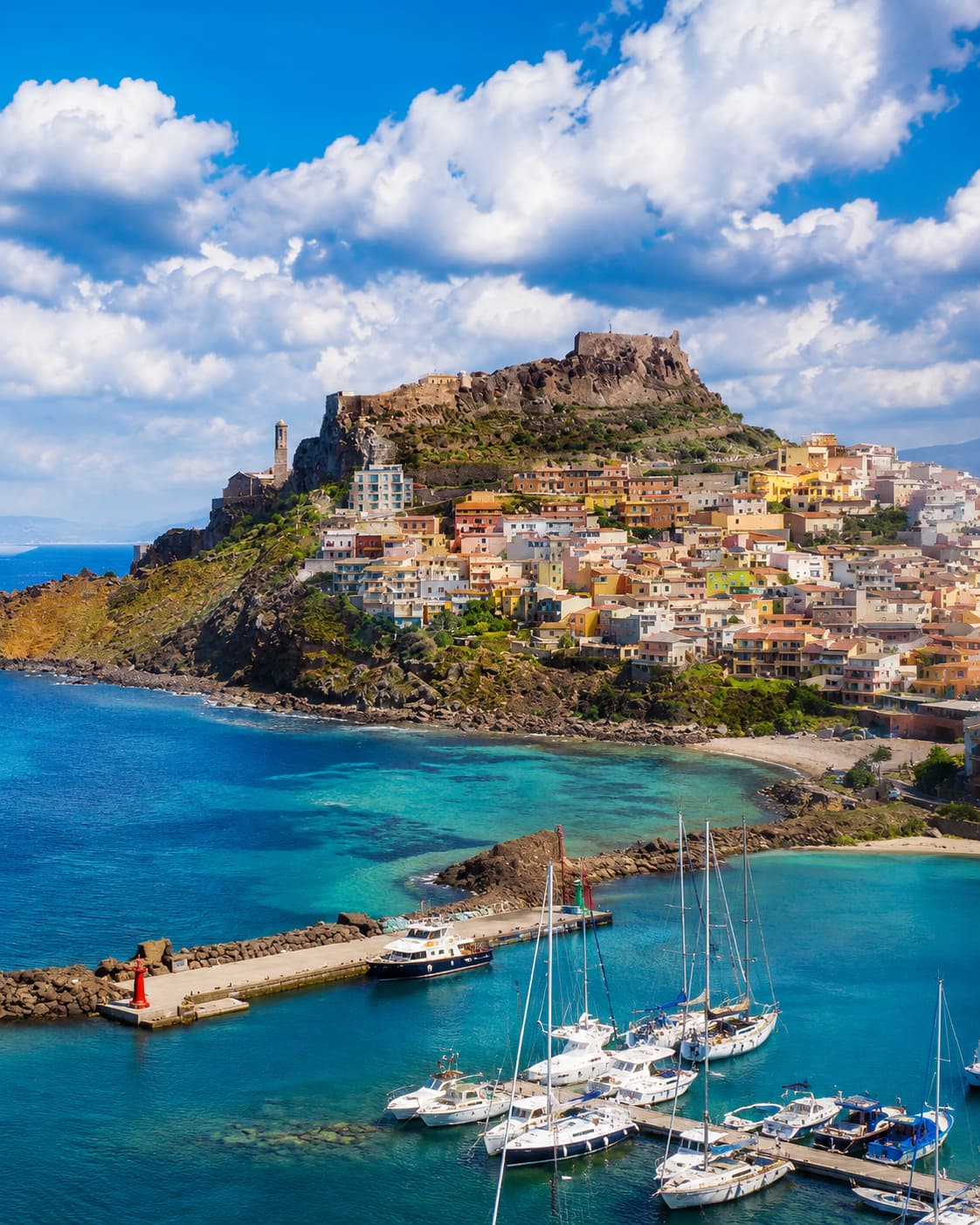
03 — Is Sardinia Really That Expensive?
This is the question that shapes the whole trip, and the honest answer is: not unless you choose to make it so. Sardinia’s reputation as a budget-destroyer comes overwhelmingly from the Costa Smeralda, where Porto Cervo’s marina, designer boutiques, and beach clubs operate at a price level that has little to do with the rest of the island. Mistaking that one resort enclave for the whole region is the single most expensive misunderstanding a visitor can have.
What it actually costs away from the resorts
Step outside the Costa Smeralda and the numbers come back to earth quickly. In Olbia and the lower-key Gallura towns, a meal at a local trattoria generally runs somewhere around €15 to €25 per person — fresh pasta, local seafood, a glass of Vermentino — rather than the three-figure tabs of the resort restaurants. Outside the very peak of August, shoulder-season accommodation in and around Olbia often sits in the €80 to €150 a night range, a different universe from Porto Cervo’s high-season rates. These are not rock-bottom backpacker prices, but they are squarely reasonable for a Mediterranean beach holiday, and they’re the reason this northern Sardinia travel guide keeps steering you toward the towns rather than the resorts.
Where the markup actually lives
The expensive Sardinia is small and avoidable. It lives in Porto Cervo’s beach clubs, in the marina restaurants, in the handful of resorts built to relieve a particular kind of visitor of a particular kind of money. Meanwhile, the same turquoise water laps perfectly free beaches twenty minutes away, where the only cost is parking and perhaps a sun lounger. Therefore the practical move is simple: enjoy the Costa Smeralda with your eyes, spend your money in Olbia and the towns, and let the markup belong to someone else.
How to visit Costa Smeralda on a budget
If you want the famous coast without the famous bill, the method is straightforward and worth spelling out. First, sleep in Olbia or a Gallura town, never on the Costa Smeralda itself — this single decision accounts for most of the savings, since accommodation is where the markup bites hardest. Second, bring your own day to the beach: a packed lunch, water, and your own shade mean you can swim at Liscia Ruja or Spiaggia del Principe and spend almost nothing, rather than paying beach-club rates for a lounger you’ll use for three hours. Third, eat your main meals back in town, where a trattoria dinner costs what a couple of drinks might at the marina. Done this way, a full day on the most expensive coast in Sardinia can cost little more than petrol and parking — which is precisely the point of basing yourself cleverly.
It’s also worth remembering that the value extends well beyond the beach. The Gallura interior, a short drive inland, offers Vermentino vineyards, granite-village walks, and agriturismo lunches at prices that would seem impossible on the coast. Taken together, the picture is clear: Sardinia is only as expensive as the postcode you choose to spend in, and the north makes it genuinely easy to choose well.
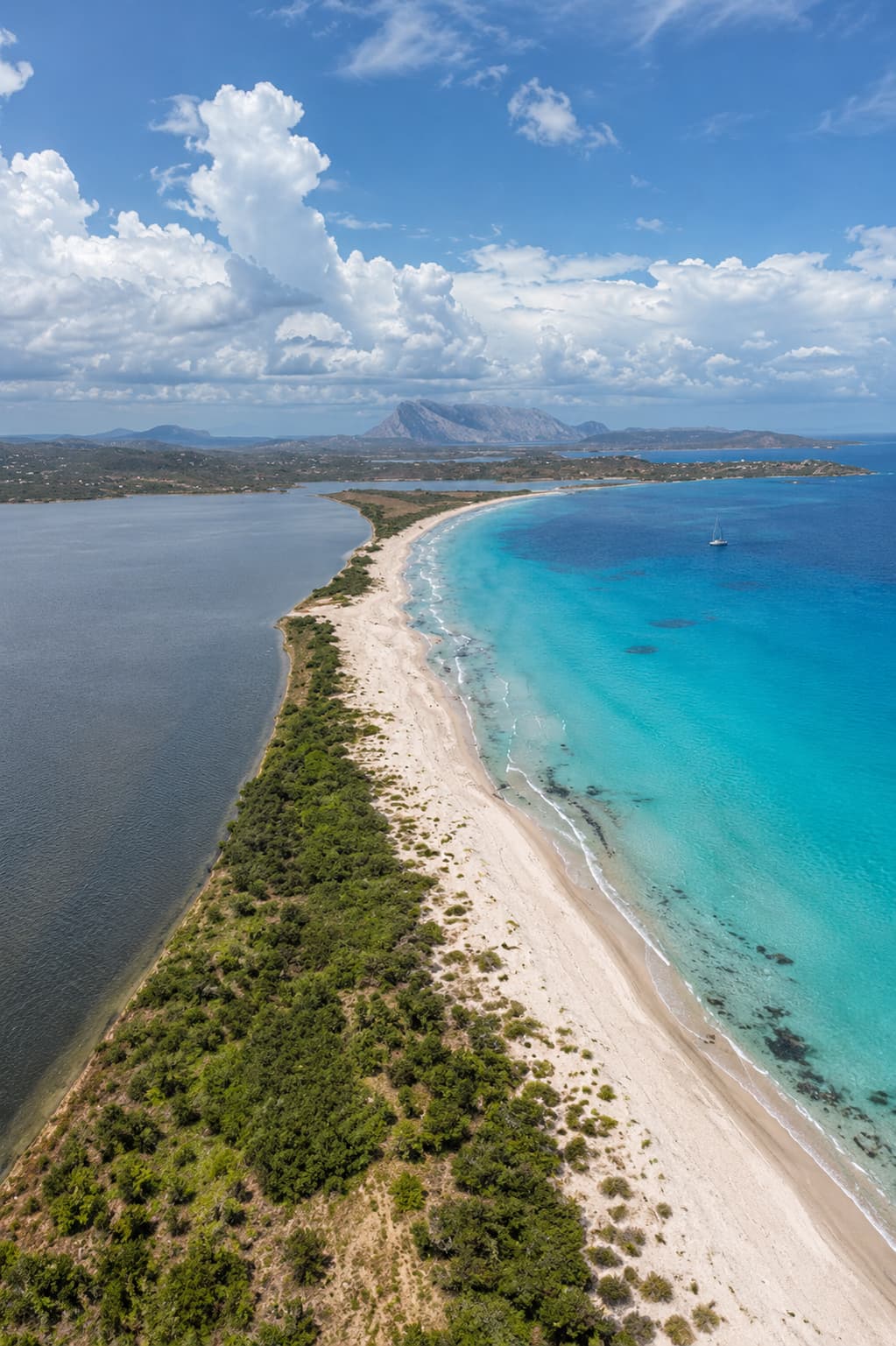
04 — The Best Beaches in This Northern Sardinia Travel Guide
This is what you came for, and the north delivers it generously. The beaches are the heart of any northern Sardinia travel guide, and they divide roughly into three tiers: the local-favourite stretches near Olbia, the worth-the-drive beauties to the south and on the islands, and the famous Costa Smeralda sands you can enjoy without ever booking a room there. Each tier rewards a slightly different appetite for effort, so it’s worth knowing where they sit before you plan your days.
The local-favourite beaches near Olbia
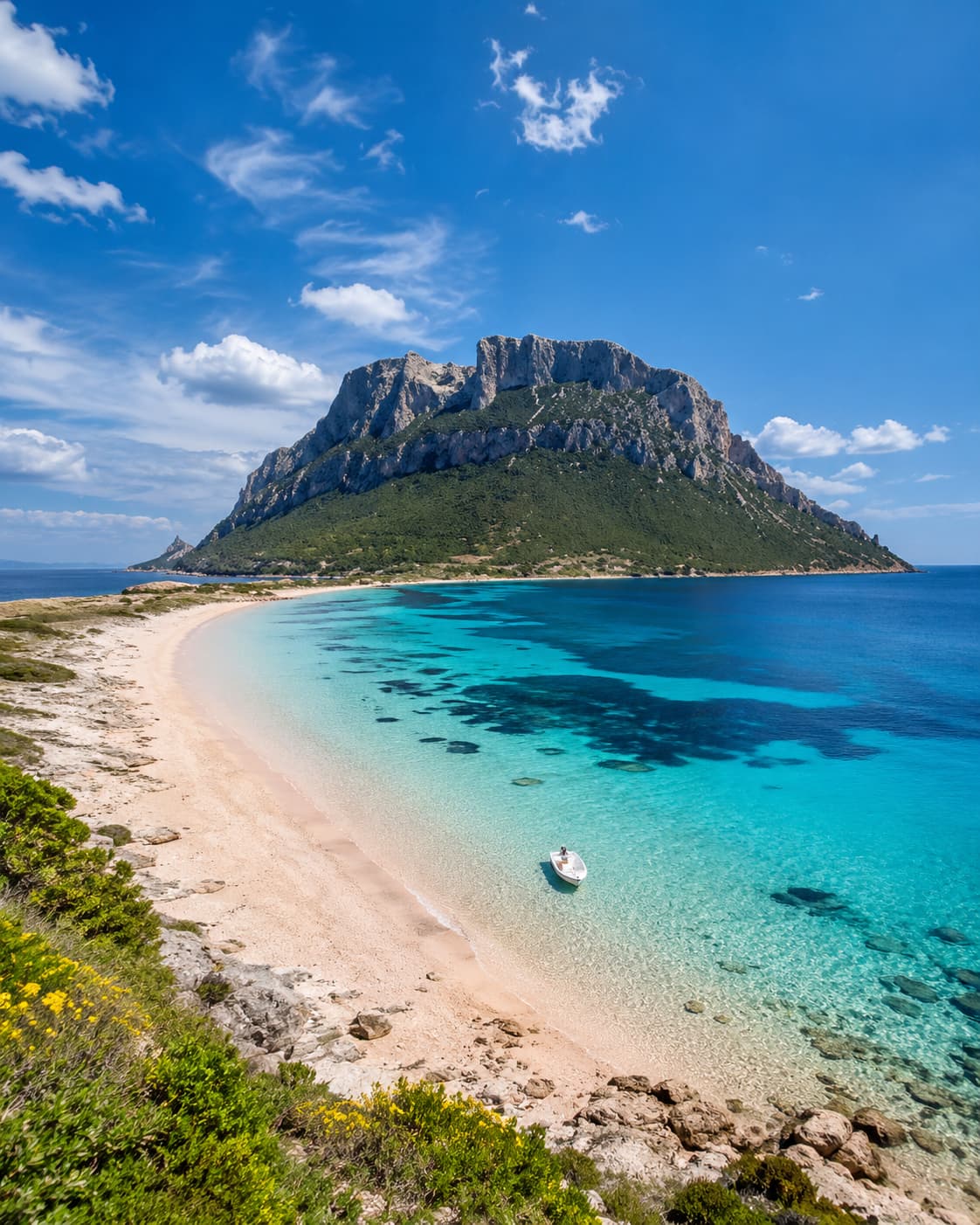
Close to the city, three beaches do most of the everyday work for Olbia’s own residents. Pittulongu is the classic — a long, easy arc of pale sand with shallow clear water and a view across to the island of Tavolara, popular precisely because it’s good and close. Just along the coast, Bados offers the same gentle water with a slightly quieter feel, while Porto Istana, a little further out toward Tavolara, gives you a string of small white-sand coves that face the island head-on. None of these will cost you anything beyond parking, and all three deliver the turquoise-over-white that sells the region.
Worth-the-drive beaches
For the truly memorable swimming, point the car south or out to the islands. La Cinta at San Teodoro is the headline — a long ribbon of white sand backing onto a lagoon, with water that shades from clear to electric blue. Nearby, Cala Brandinchi has earned the nickname “little Tahiti” for its shallow, almost luminous shallows, though that reputation now brings summer crowds and, in peak season, a parking fee and daily visitor cap. Offshore, the protected marine area around Tavolara — that dramatic limestone slab visible from half the northern coast — offers some of the clearest water and best snorkelling in the region.
The Costa Smeralda beaches, enjoyed honestly
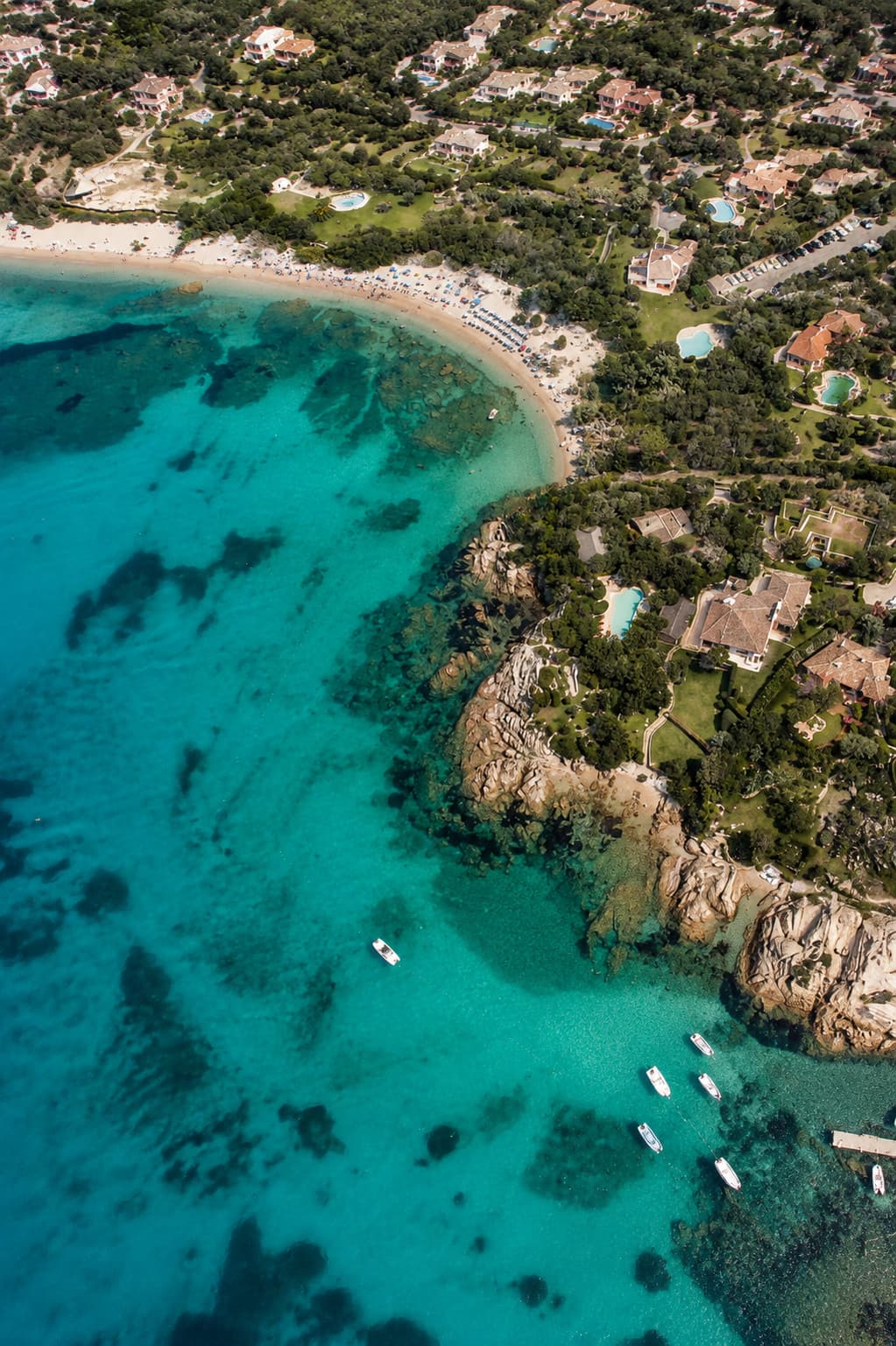
The famous beaches deserve a look, and you don’t need to stay at Porto Cervo to take it. Spiaggia del Principe and Liscia Ruja are genuinely beautiful — sculpted coves of fine sand and clear water that earned their fame honestly. The trick is to arrive as a day visitor: drive in, park, swim, and leave your wallet largely closed. Of course the beaches themselves are public, as all Italian beaches are below the high-water line, so the water costs nothing even where the surrounding real estate costs everything.
At the popular northern beaches, the genuine expense isn’t entry — it’s parking, which fills early in July and August. Arrive before 10am or after 4pm to find a space, and check ahead for beaches like Cala Brandinchi that now run a seasonal daily visitor cap and booking system.
05 — Is the Costa Smeralda Worth It?
Yes — to look at. The Costa Smeralda is worth an afternoon of your trip and almost never worth your accommodation budget. As a piece of landscape it’s undeniably lovely, and Porto Cervo’s marina is a particular kind of spectacle: a parade of yachts and boutiques that’s genuinely interesting to walk through once, in the way that any concentrated display of money is interesting. You gain the postcard, the people-watching, and a swim at beaches you’ll recognise from a hundred brochures.
What you gain, and what you give up
What you lose by staying there is harder to justify. Hotel rates, restaurant prices, and beach-club fees on the Costa Smeralda run at multiples of what the same experience costs an easy drive away, and the atmosphere tilts toward the curated and exclusive rather than the relaxed. For the IQT reader — someone who’d rather feel a place than be marketed at — the resort enclave tends to give less the longer you stay. Admittedly some travellers want exactly that polish, and for them it delivers. For most, though, the honest call is to visit, enjoy, and sleep elsewhere.
There’s also a quieter point worth making about what the Costa Smeralda actually is. It was built, more or less from nothing, as a development project in the 1960s — a designed resort coast rather than a place that grew its own character over centuries. That shows. Porto Cervo is handsome and deliberate, but it has the slightly weightless feel of somewhere conceived for visitors from the start, with little of the ordinary life that makes Olbia or the Gallura towns feel rooted. So the trade is clear enough: you go for the beauty and the spectacle, both of which are real, and you accept that the substance lives elsewhere on the island. Seen that way, an afternoon is exactly the right dose.
06 — Where to Base Yourself in the North
Where you sleep shapes the whole trip more than any single beach does, and the north gives you a few genuinely different options. If there’s one decision this northern Sardinia travel guide would have you get right, it’s this one. Each base comes with a clear trade-off between cost, character, and convenience, so the right answer depends on what kind of traveller you are. The instinct to book right on the famous coast is worth resisting, because in practice you’ll spend most of your waking hours on beaches that are easily reached from a cheaper, more characterful base. Below is the honest read on the main contenders.
The four realistic bases, ranked by who they suit
Best for most travellers. Affordable, central, minutes from the airport, and within easy driving reach of the whole northeast coast. You trade beachfront immediacy for genuine value and a real town to come back to each evening.
Best if you want to walk to the sand. A relaxed resort town near La Cinta with a younger, livelier summer feel and good mid-range options — busier and pricier than Olbia in peak season, but right on the water.
Best only if the polish is the point. Beautiful, exclusive, and expensive across the board. Worth a visit; rarely worth the room rate unless luxury itself is what you’re buying.
Best for travellers who want granite hills, Vermentino vineyards, and agriturismo calm over beachfront. Cheaper and far quieter, but you’ll drive to every swim — a real consideration in high summer.
07 — Do You Need a Car?
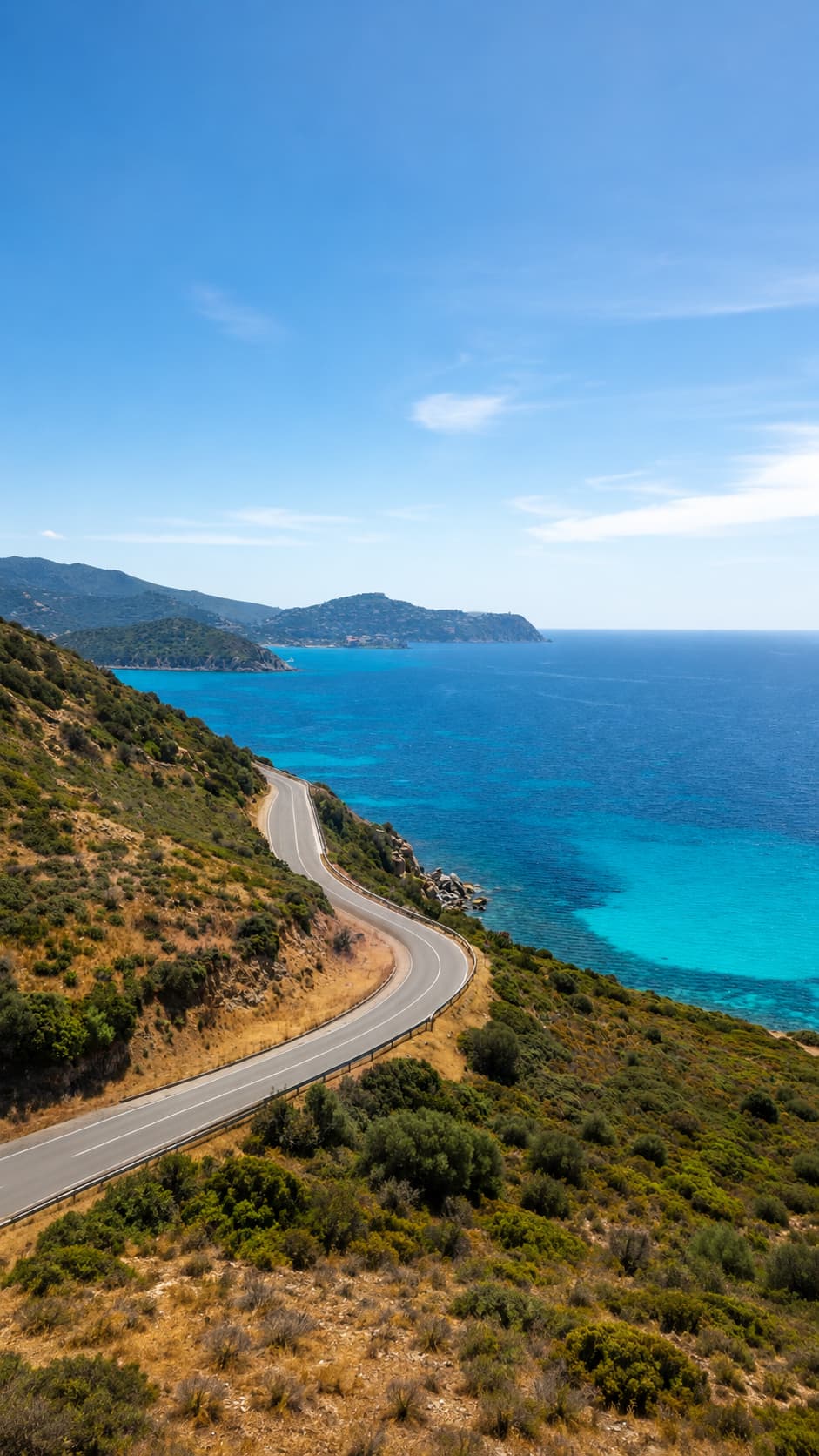
Yes — and this isn’t a soft recommendation. A rental car is effectively essential for exploring northern Sardinia, because public buses are infrequent, slow, and simply don’t reach most of the coastline worth reaching. The best beaches sit at the ends of side roads with no useful transit, and the freedom to chase a quieter cove or change plans with the weather is most of what makes a Sardinia trip work.
What the region looks like without one
Without a car, the region shrinks dramatically. You’d be limited to whatever your base town offers within walking distance plus the occasional organised excursion — which, in practice, cuts you off from exactly the local beaches and worth-the-drive stretches that justify the journey. Consequently, the rental cost should be treated as a core part of the budget rather than an optional extra. Pick it up at Olbia airport, where the centre is only minutes away, and factor in that beach parking fills early in peak season.
One honest caveat: a car is essential, but it isn’t always relaxing in high summer. On the busiest August weekends the roads to the best-known beaches back up, and the small car parks behind them fill by mid-morning. That said, the answer isn’t to skip the car — it’s to use it early. Set out before the crowds, and the same freedom that the car gives you becomes its greatest advantage, letting you reach a quiet cove and claim a parking space while everyone else is still finishing breakfast.
Roads are well maintained but coastal routes wind, so journey times run longer than the map suggests. Photograph the car at pickup and return, keep a contactless card handy for gated beach parking, and build in extra time at dusk when wildlife is more active on rural roads.
08 — When to Visit (and How to Get There)
Timing is the other decision that quietly makes or breaks the trip, and no northern Sardinia travel guide is complete without it. For warm water without the crush, the clear winners are May–June and September. These shoulder months give you swimmable seas, comfortable temperatures, and far more breathing room on the beaches and the roads. July and August bring the best swimming conditions, but they also coincide with Italy’s domestic August holiday — when beaches, ferries, and accommodation across the north book out and parking becomes a daily contest.
Getting to northern Sardinia in 2026
Reaching the north has never been easier. Olbia Costa Smeralda Airport is running its largest network ever for summer 2026 — roughly 134 routes to 96 destinations, operated by around 40 airlines across some 4.8 million seats. Most significantly for travellers from the United States, Delta launched the first-ever scheduled nonstop between the US and Sardinia on 20 May 2026, a four-times-weekly New York JFK to Olbia service that ends decades of mandatory connections through Rome or Milan. In turn, that single route has made the north directly reachable from across the Atlantic for the first time, and added to an already dense web of European connections. Before booking, it’s worth checking current routes and schedules on the airport’s official flight network page, since the summer timetable shifts year to year.
| Best months | May–June and September — warm water, fewer crowds, easier parking and booking. |
| Peak season | July–August — best swimming but busiest; book well ahead and expect the August domestic rush. |
| Main airport | Olbia Costa Smeralda (OLB) — largest-ever network in summer 2026, minutes from the city centre. |
| From the US | Delta’s nonstop JFK–Olbia route launched 20 May 2026, four times weekly for the summer season. |
| Getting around | Rental car effectively essential; pick up at the airport. |
Planning Your Northern Sardinia Base
Beaches, Costa Smeralda and First-Time Tips
First-Time Northern Sardinia Travel Tips
If this northern Sardinia travel guide leaves you with one thing, let it be this: the north’s secret isn’t a place. It’s a distinction —
between the coast everyone photographs and the same water, a few kilometres on, where no one’s charging for the view.