
Traveling in Eastern Europe: Costs, Safety, and Where to Actually Go
Everything you need to plan Eastern Europe travel in 2026 — what it actually costs, how safe it genuinely is, and where to go first.
Eastern Europe travel has spent thirty years living under a reputation it doesn’t deserve. The shorthand — rough, unstable, post-Soviet, vaguely dangerous — was shaped by the 1990s and has been outdated for a long time. In 2026, most of the region is rated Level 1 by the U.S. State Department, meaning the same baseline caution you’d apply in France or Spain. The castles are real. The food is extraordinary. The prices are the most compelling argument in European travel.
There are genuine exceptions — places where the old caution still applies, and a few specific border zones where it applies sharply. This post names them. But the point is to separate the real caveats from the inherited nervousness, because most people who ask “is Eastern Europe safe?” are really asking about Prague, Budapest, and the Dalmatian coast — and those places are fine.
What follows is the honest regional briefing: costs by country and travel style, a straight answer on safety, how to actually move around, and a curated map of where to go — organized around IQT’s own library of deeper guides. Read this to decide where you’re going, then follow the links into the detail.
01 — The Reputation vs. The Reality
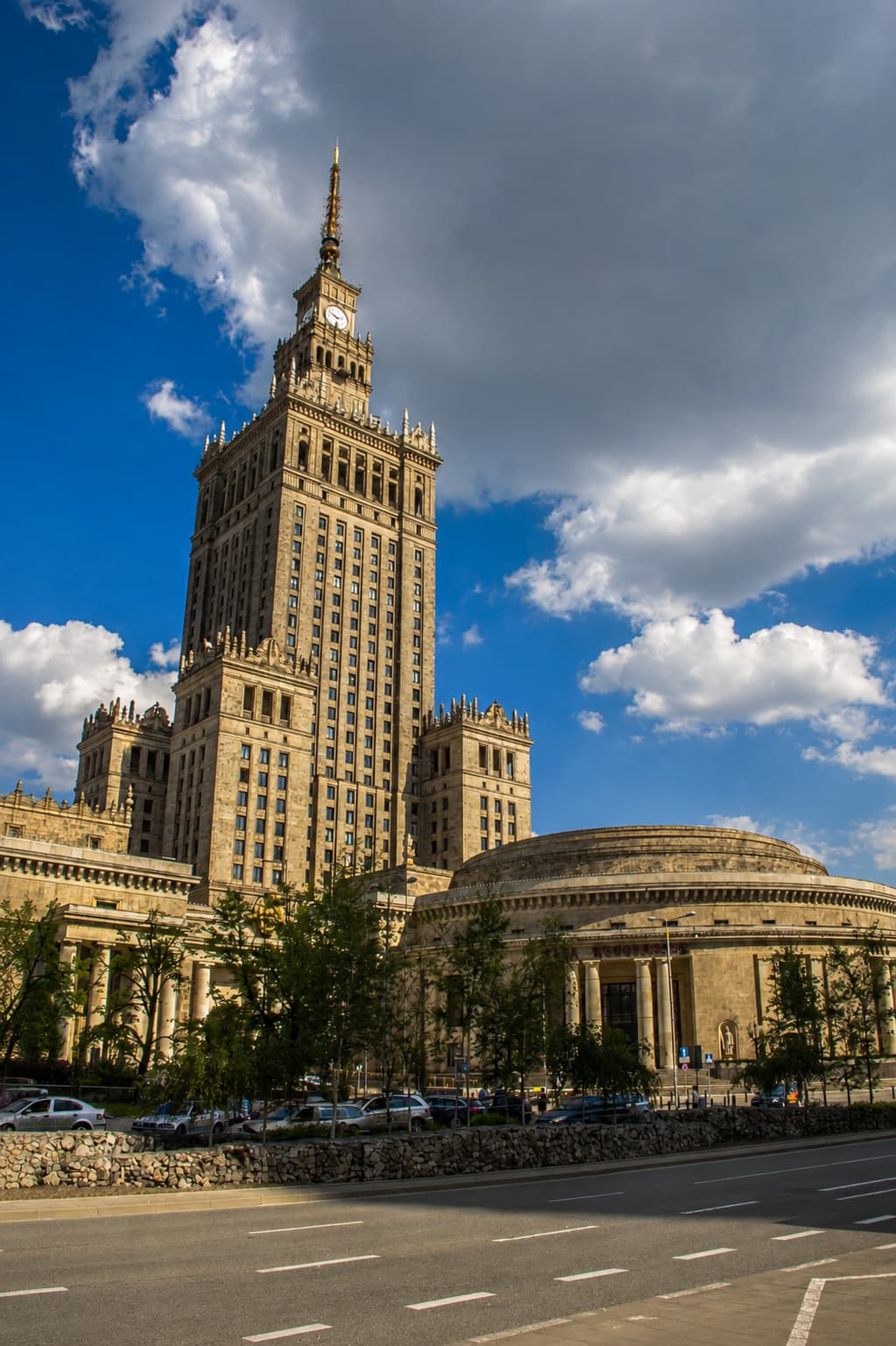
The mental image of Eastern Europe that most people carry was formed in the 1990s, when the region was genuinely in transition — economies collapsing, borders shifting, infrastructure inadequate by any standard. That’s a quarter of a century ago. Warsaw is a modern European capital with a functioning metro and a restaurant scene that would embarrass several Western cities. Bucharest has a tech sector. Belgrade has an international airport and one of the most talked-about nightlife scenes in Europe. Ljubljana is, by any reasonable measure, one of the most pleasant cities on the continent.
The gap between reputation and reality is sharpest on two questions: cost and safety. Both are genuinely misunderstood in both directions. People expect Eastern Europe travel to be almost free and assume it’s vaguely dangerous — and end up surprised that it’s very affordable but not dangerous, or that some specific parts of the region do warrant real caution while the majority doesn’t. Getting the actual picture of both is the point of this guide.
02 — How Much Does It Cost to Travel Eastern Europe?
The short answer for anyone planning Eastern Europe travel: significantly less than Western Europe, and the gap is wider than people expect. Eurostat data consistently shows the cheapest European countries clustering in the east — Romania, Bulgaria, Hungary, Poland, and the Western Balkans all run well below the EU price average. The expensive outliers (Switzerland, Norway, Iceland, Denmark) are all in the west.
Daily budgets by travel style
What you spend depends more on which part of Eastern Europe you’re in than on how you travel. The Western Balkans (Albania, Serbia, Bosnia) are the cheapest tier. The “classic” Central Europe circuit (Prague, Budapest, Vienna, Kraków) sits meaningfully higher. Croatia — especially the Dalmatian coast and Dubrovnik — is increasingly priced at near-Western European levels in peak season.
| Western Balkans (Albania, Serbia, Bosnia, North Macedonia) |
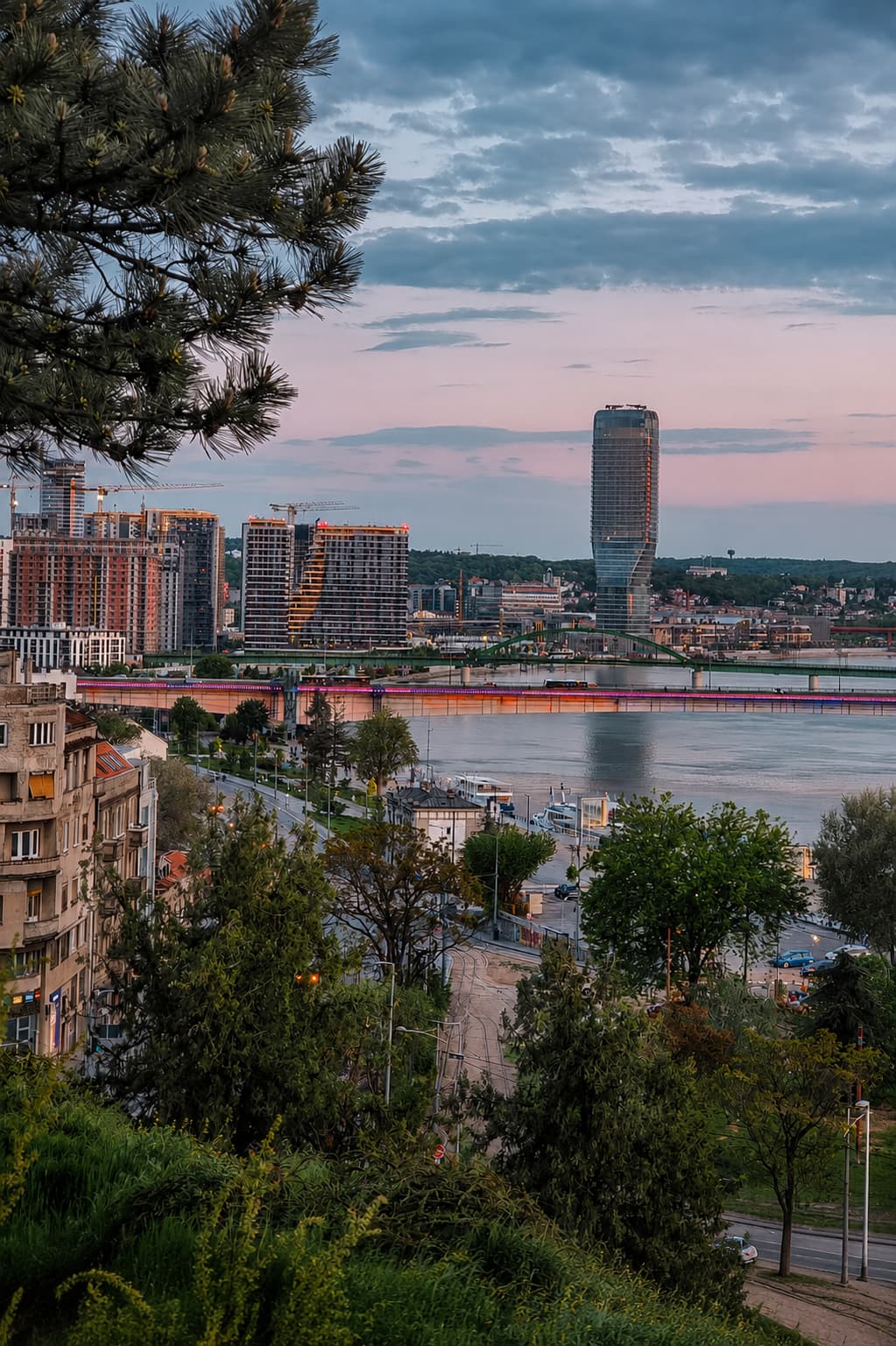
Budget: €25–35/day · Mid-range: €45–65/day. Serbia’s Belgrade has among the lowest average daily costs of any European capital. Albania remains the standout — a week’s budget travel costs what one or two days cost in Paris. ⚑ Verify figures at publish. |
| Romania & Bulgaria | Budget: €30–50/day · Mid-range: €60–80/day. Romania and Bulgaria have long been the floor of EU-country travel costs. Note: Bulgaria adopted the euro in January 2026, which has nudged prices slightly upward — some services saw rounding-up of roughly 20% after the changeover. Still excellent value. ⚑ Verify current figures at publish. |
| Central Europe (Czech Republic, Hungary, Poland, Slovakia) |
Budget: €40–70/day · Mid-range: €80–120/day. Prague and Budapest are the priciest cities in the region — but still dramatically cheaper than their Western European counterparts. Warsaw and Kraków offer better value within this tier. |
| Croatia | Budget: €50–75/day (coast) · Zagreb and inland: €40–60/day. Dubrovnik in particular has moved into near-Western European pricing in peak season. The coast is worth it for many travelers, but heading inland brings costs sharply back down. |
| Baltic States (Estonia, Latvia, Lithuania) |
Budget: €45–65/day · Mid-range: €80–120/day. Tallinn and Riga have gentrified and priced accordingly in their historic centres. Still cheaper than Scandinavia by a wide margin. |
The cheapest countries — and what your money actually gets
The cheapest countries in Eastern Europe in 2026 are consistently Georgia (if you count the Caucasus edge), Serbia, Bosnia and Herzegovina, Albania, and North Macedonia in the sub-EU Western Balkans tier — and Romania and Bulgaria in the EU tier. Note: Ukraine, Russia, and Belarus should not be framed as travel recommendations regardless of cost — see the safety section.
What “budget” actually means at these prices is worth being specific about: a hostel dorm in Belgrade, a sit-down local meal with a beer, and city transport for the day runs roughly €25–35 in 2026. A mid-range hotel, restaurant dinner, and museum entry in Romania runs €50–70. These aren’t deprivation figures — they represent a genuinely comfortable travel experience at prices that feel almost absurd if you’ve been budgeting for Western Europe.
Eastern vs. Western Europe — the honest gap
The gap is real and it’s substantial. Eurostat’s comparative price data puts Romania at roughly 64% of the EU average and Bulgaria at 60% (pre-euro; the conversion has adjusted this). Western European outliers like Switzerland and Norway run 30–40% above the EU average. In practice: a mid-range week in Serbia costs roughly what two or three days cost in London or Zurich. That ratio hasn’t changed much in years — it’s structural, not a temporary sale.
The important caveat is Croatia, which has been gradually decoupling from “Eastern European prices” framing. Dubrovnik in July runs Western European prices. The rest of the country is cheaper, but the Dalmatian coast is no longer the budget destination it was a decade ago.
03 — Is Eastern Europe Safe?
The honest answer — safer than its reputation
Most of Eastern Europe is rated Level 1 (“exercise normal precautions”) by the U.S. State Department — the same rating applied to Switzerland, Portugal, and Japan. This includes Poland, Czechia, Hungary, Romania, Bulgaria, Croatia, Estonia, Latvia, and Lithuania. Violent crime against tourists is uncommon across the region. The primary risk in the cities is the same as anywhere else in Europe: pickpocketing in crowded tourist areas, bag theft on public transport, and taxi scams at airports.
Several Western European capitals — Paris, Rome, Barcelona, Brussels — carry Level 2 (“exercise increased caution”) partly due to terrorism threat assessments. By the U.S. State Department’s own metrics, Prague is currently rated safer than France. This is worth sitting with if your mental model of Eastern Europe as “risky” was formed by reading news headlines rather than actual travel advisories.
Where genuine caution applies
Three countries in the broader Eastern European region carry Level 4 (“Do Not Travel”) advisories as of 2026: Ukraine, Russia, and Belarus. Ukraine due to the ongoing war with Russia; Russia due to the active conflict, arbitrary detention risks, and severely limited consular access for Western nationals; Belarus due to political repression and the border situation. These are not routine travel-advisory language — they reflect active, serious risk. Do not visit these countries.
⚑ Verify current advisory levels at publish — the situation with Russia/Ukraine/Belarus is live and advisory levels can change.
Below that level, there are a handful of specific zones worth understanding:
Kosovo declared independence in 2008 and is not recognised by Serbia. The border between the two is politically charged and has seen periodic tensions. Kosovo itself is generally safe to visit, but understand the entry/exit dynamics — entering Kosovo from Serbia and trying to return is complicated, and some nationalities face issues at certain crossings. Check current FCDO or State Department guidance specific to this border before your trip.
Transnistria is a breakaway region of Moldova that functions as a de facto independent state with Russian military presence. It’s a popular curiosity among intrepid travelers, but carries genuine unpredictability — particularly since the war in Ukraine began. Not a default “avoid,” but go informed, not casually. Check current advisories.
As of April 2026, Serbia was listed at Level 3 (“reconsider travel”) in a broad State Department advisory update citing regional border tensions. ⚑ Verify current advisory at publish — this may have changed. The vast majority of travelers visit Belgrade and Serbia without incident.
The real risk: petty theft, taxi scams, and how to handle them
The day-to-day risk for tourists in Eastern Europe is the same category of thing you face anywhere else in Europe. Pick a crowded market in Prague or Budapest: keep your bag in front of you and don’t leave your phone on a café table. Arriving by taxi from the airport in any Eastern European capital: use the app-based options (Bolt is widespread across the region) or pre-booked transfers, not the unofficial drivers who approach you in arrivals. Card skimming has declined with chip technology but still exists at some ATMs — use bank-branded machines in visible locations.
None of these risks are unique to Eastern Europe. They’re just more likely to catch people off-guard when they haven’t been told to expect them.
04 — Getting Around Eastern Europe
The backbone of budget travel across Eastern Europe is the intercity bus — specifically FlixBus and its regional equivalents. Buses connect cities that don’t have direct train links, run on more frequent schedules than trains in many corridors, and are consistently cheaper. The Sofia–Plovdiv route in Bulgaria, for example, runs on a few euros and takes around two hours. ⚑ Verify current fares at publish.
- Buses (FlixBus, Lux Express, regional carriers): Default choice for most intercity travel. Book in advance for better prices and guaranteed seats. Lux Express is particularly good in the Baltics — reliable and comfortable for the overnight routes.
- Trains: Work well in some corridors (the Budapest–Kraków–Warsaw axis, parts of the Czech rail network, Romania’s longer routes) but are slower and less frequent than buses in much of the Balkans. The scenic value of train travel in some mountain corridors is worth the extra time — the line through Bosnia is one of the most beautiful rail journeys in Europe.
- Renting a car: Makes sense for the Balkans — Montenegro, Albania, Bosnia, and the Croatian interior are all significantly more accessible by car. Montenegro’s Bay of Kotor and the Albanian Riviera are almost impossible to explore properly by public transport. The Montenegro road trip guide and the Dalmatian coast road trip go into this in detail.
- Bolt: The dominant ride-hailing app in Eastern Europe — more widely available than Uber in most countries and significantly cheaper than taxis. Download it before you arrive. Available in Tallinn, Riga, Vilnius, Warsaw, Bucharest, Sofia, Belgrade, Tirana, and most other capitals.
- Flights: Wizz Air and Ryanair have dense Eastern European networks. Flying between cities that would otherwise require an overnight bus can make sense for longer itineraries — check the time/cost trade-off per leg.
05 — Where to Actually Go — A Country-by-Country Map
This is the hub section: brief orientations on each part of the region, with links to the full IQT guides where they exist. Eastern Europe travel rewards specificity — the question isn’t just “is it good?” but “which part, for how long, in which season?” The entries below help you decide where to start, then point you somewhere with the actual depth.
The Easy First-Timers: Czechia, Hungary, Poland, Croatia, Slovenia
These are the countries that work smoothly for a first Eastern Europe trip — infrastructure is solid, English is widely spoken in tourist areas, and the cities have the kind of concentrated historic centers that reward short stays. They’re also the priciest tier within the region, but still cheaper than Western Europe by a meaningful margin.
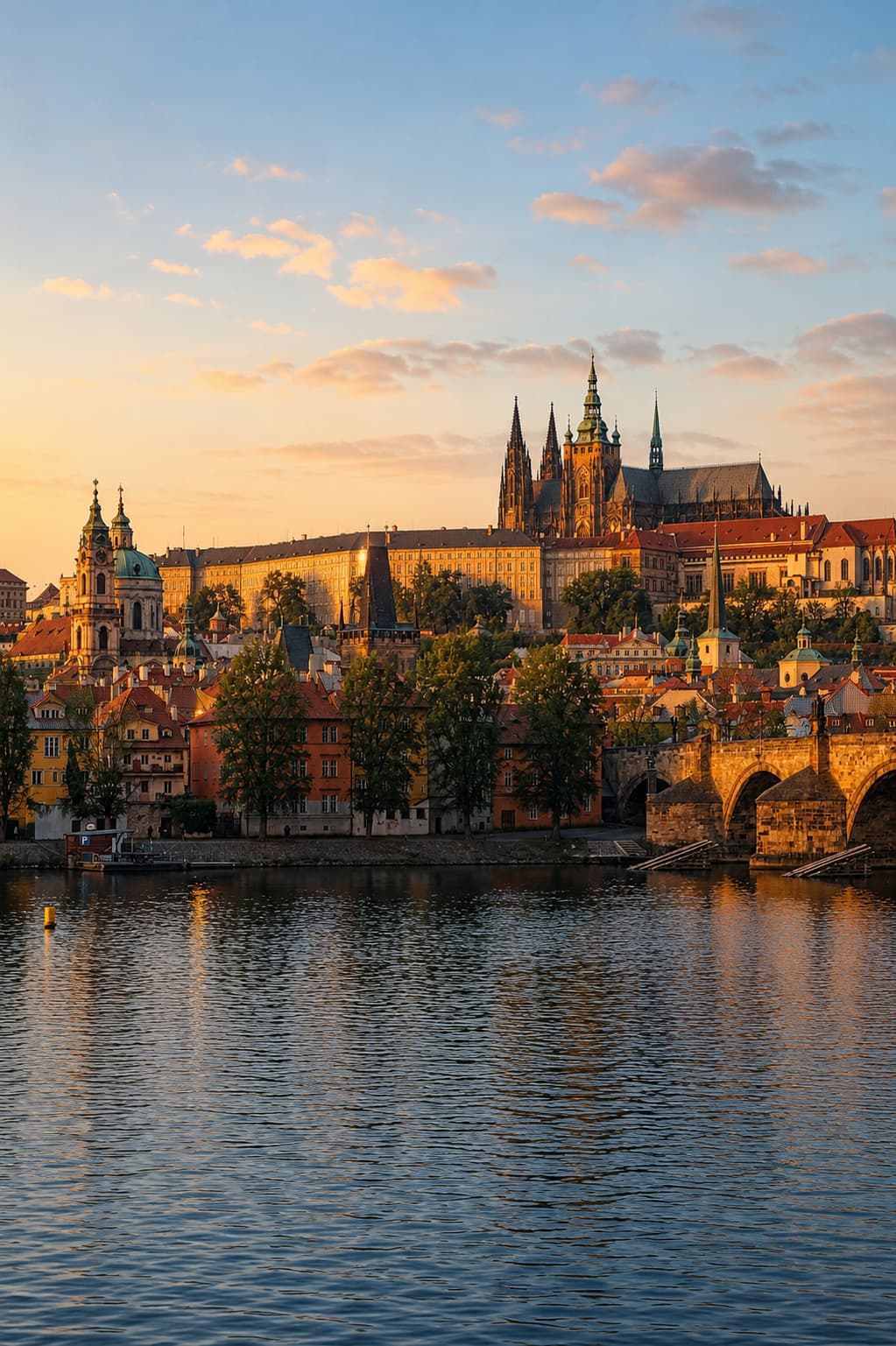
Prague is one of the best-preserved baroque cities in Europe and remains genuinely beautiful despite the tourist volume. The city rewards slow walking and is more interesting than its party-destination reputation suggests. The Prague travel guide covers what’s worth your time and what to skip. If you’re weighing it against Budapest, Prague vs Budapest breaks down the trade-offs honestly. Coming in autumn? The best cafés in Prague guide is worth bookmarking for the slower, quieter version of the city.
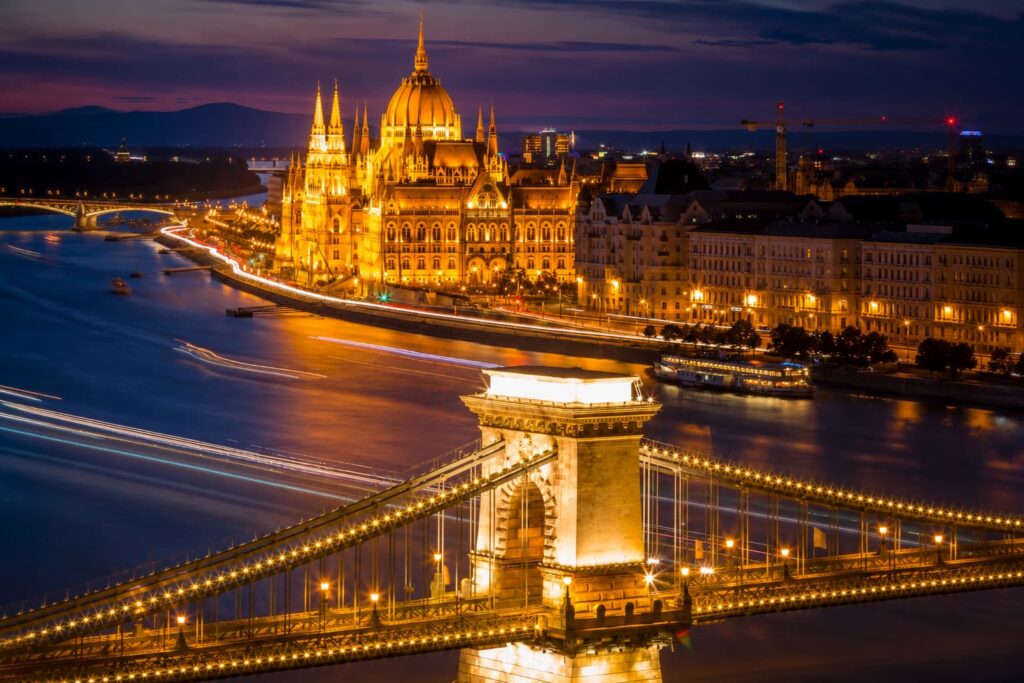
Budapest is split down the middle by the Danube — Buda for hills and the castle district, Pest for ruin bars and thermal baths and the kind of evening that stretches later than it should. Two days covers the essentials at a pace that doesn’t feel rushed. The two-day Budapest guide gives you the structure. Vienna is a half-day train away and worth layering in — the Vienna two days guide has that covered.
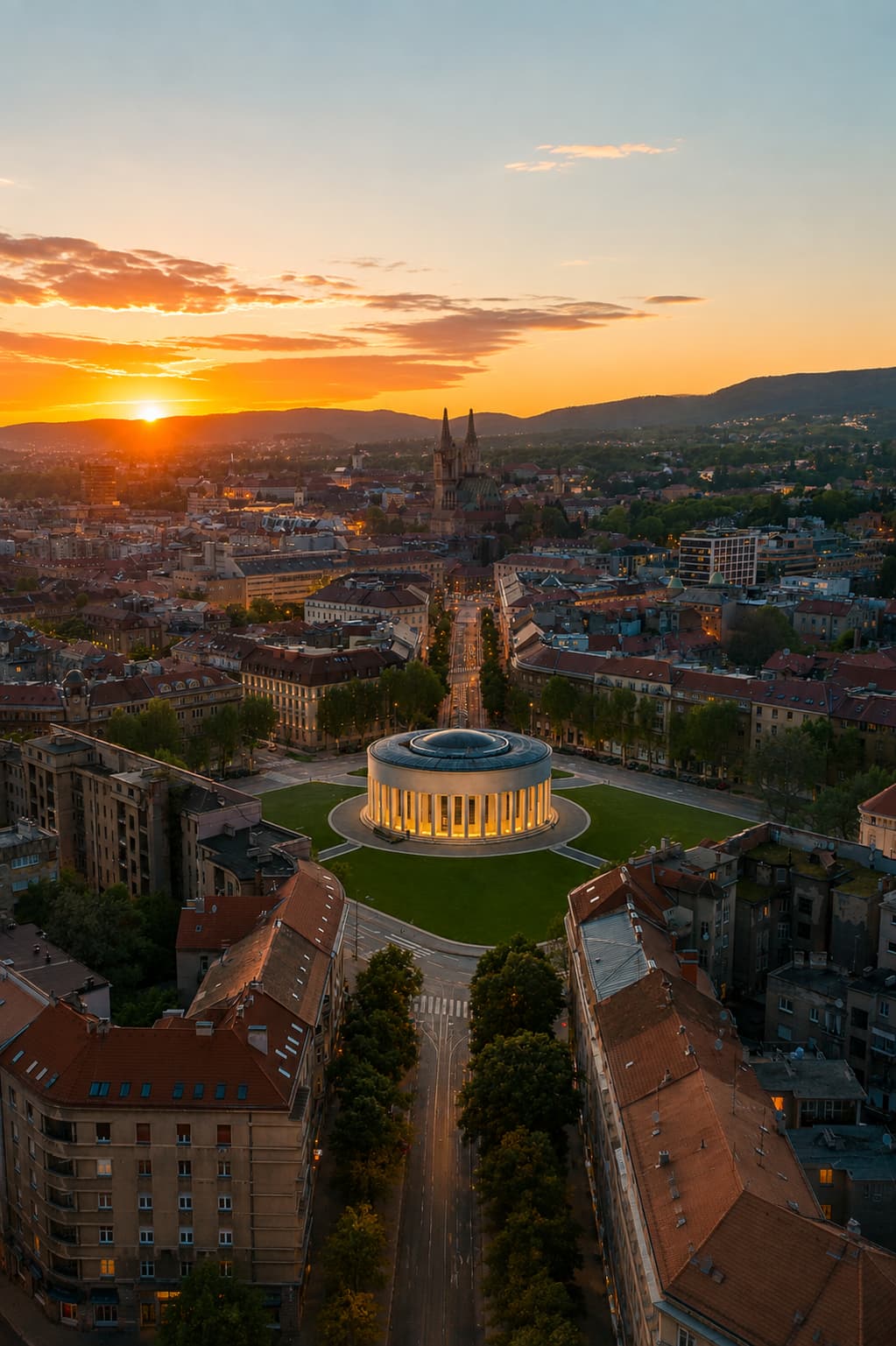
Croatia’s Dalmatian coast is among the most beautiful stretches of water in Europe. Dubrovnik is extraordinary and increasingly expensive. Split is more livable and a better base. The honest question for most travelers is whether to go by car or bus — the Dalmatian coast road trip guide makes the case for driving it. For the classic Split vs. Dubrovnik debate, the comparison is direct.
Bratislava sits between Vienna and Budapest and is often treated as a rushed day trip from one or the other, which isn’t the right framing. It’s small and walkable and has a genuinely pleasant old town that deserves more than a few hours. Is Bratislava worth stopping? — the honest answer is yes, if you’re already on that corridor.
The Adriatic and Balkans: Montenegro, Albania, Bosnia
This is where Eastern Europe gets genuinely underrated — not in the polished, overused sense, but in the sense that these countries are compelling, affordable, and still attract a fraction of the visitors that Croatia or Czechia do. The Adriatic side (Montenegro, Albania) is coastal and dramatic. Bosnia is inland, historically layered, and unlike anywhere else in Europe.
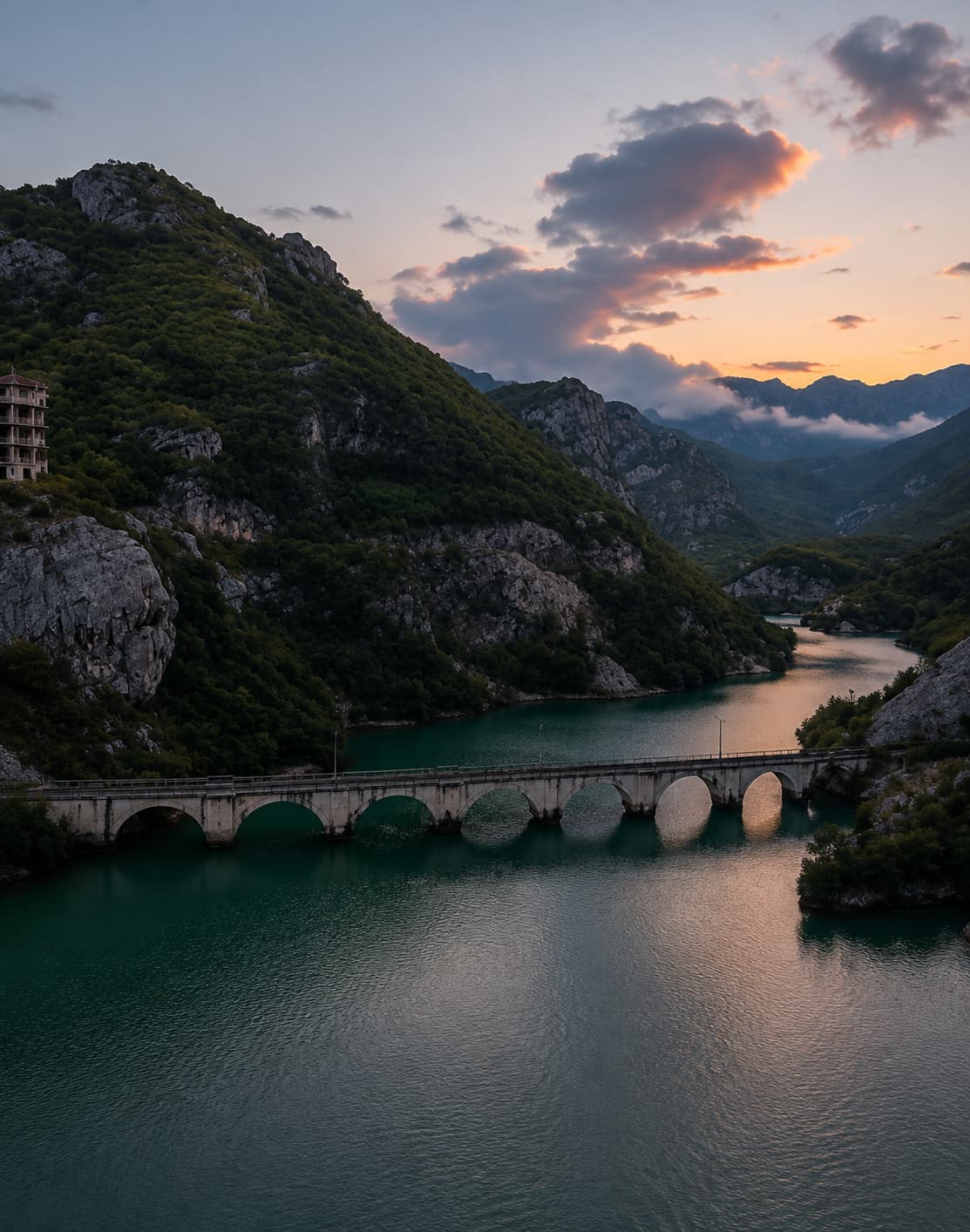
Montenegro is small enough to road-trip in four or five days and varied enough to justify doing it slowly. The Bay of Kotor is inland-sea dramatic. The Durmitor plateau in the north is a different kind of beautiful — alpine, spare, almost Scandinavian in atmosphere. The Montenegro road trip guide covers the full loop with honest assessments of each stop.
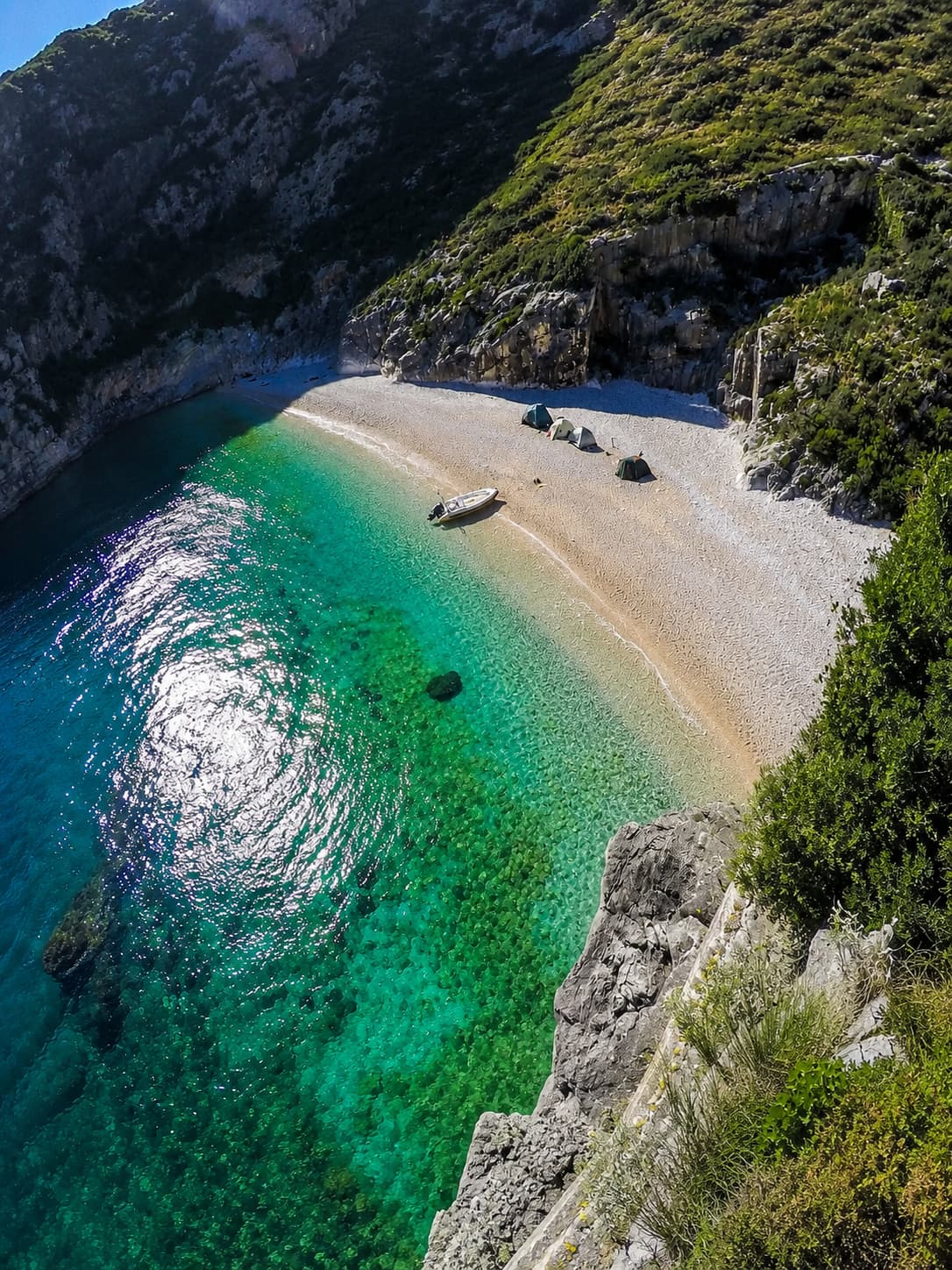
Albania has been the “underrated” pick in European travel writing for several years now, and unlike most “underrated” destinations, it’s still actually underrated. Tirana is chaotic and interesting. The riviera is legitimately beautiful and priced at a level that makes the Amalfi Coast seem like a joke. The Albania travel guide covers the planning side; I Traveled Alone to Albania: What Nobody Tells You is the honest read.
The Underrated: Romania, Bulgaria, the Baltics
Romania is one of the most misunderstood countries in Europe — its reputation for being bleak and industrial bears almost no resemblance to the Transylvanian countryside, the medieval towns of Brașov and Sighișoara, or Bucharest’s unexpected energy. Bulgaria has Sofia, a coastline on the Black Sea, and mountain towns like Plovdiv that are worth crossing the continent for. The Baltics (Estonia, Latvia, Lithuania) have the most intact medieval city centres in Northern Europe and the benefit of being almost entirely overlooked by the tour-bus circuit.
If Transylvania is on your list, the Transylvania from Bucharest itinerary covers a realistic two-day loop — the most practical way to do it without a hire car base in Bucharest.
The Road-Trip Routes: Central Europe by Car
If you’re planning to drive it rather than bus between cities, the Central Europe road trips are the natural entry point. The core Central Europe road trip guide covers the main corridor. There’s a cities-focused variant that prioritises urban stops, and a friends-trip version with a different pacing logic. The Dresden guide is worth reading as a stop on the Germany–Czechia corridor.
06 — When to Visit Eastern Europe
The shoulder seasons — late spring (May–June) and early autumn (September–October) — are the best windows for Eastern Europe travel, and not by a narrow margin. Summers in the Balkans and the Adriatic run genuinely hot, the crowds at Dubrovnik and Prague are at their worst, and accommodation prices at coastal Croatia in July and August have moved firmly into peak-Western-Europe territory.
May and June give you long days, temperatures in the comfortable mid-20s in most of the region, and the pre-summer prices. September is often even better — the light is lower and warmer, the crowds have thinned, and the shoulder-season window is when the Dalmatian coast, the Transylvanian countryside, and the Baltic cities are at their most pleasant. For where to go by specific month, the September European cities guide and the August travel guide cover the seasonal logic in detail. October is worth its own mention — the best European cities in October guide covers which Eastern European destinations hold up especially well in the shoulder season, and fall foliage in Europe makes the case for Romania and the Balkans specifically. If the Alps are on your radar, the Alps in October guide is the companion read for that window.
Winter is not a reason to avoid Eastern Europe. Prague and Budapest in December are among the best versions of themselves — the Christmas markets are more authentic and less overwhelming than Germany’s, and hotel prices drop sharply. The Baltics in winter are cold, honest, and beautiful in a way that summer doesn’t give you. For the markets specifically, when do Christmas markets start has the city-by-city breakdown. Slovenia’s Lake Bled in autumn is a particular standout — see the Lake Bled autumn itinerary for a two-day plan before the winter crowds arrive.
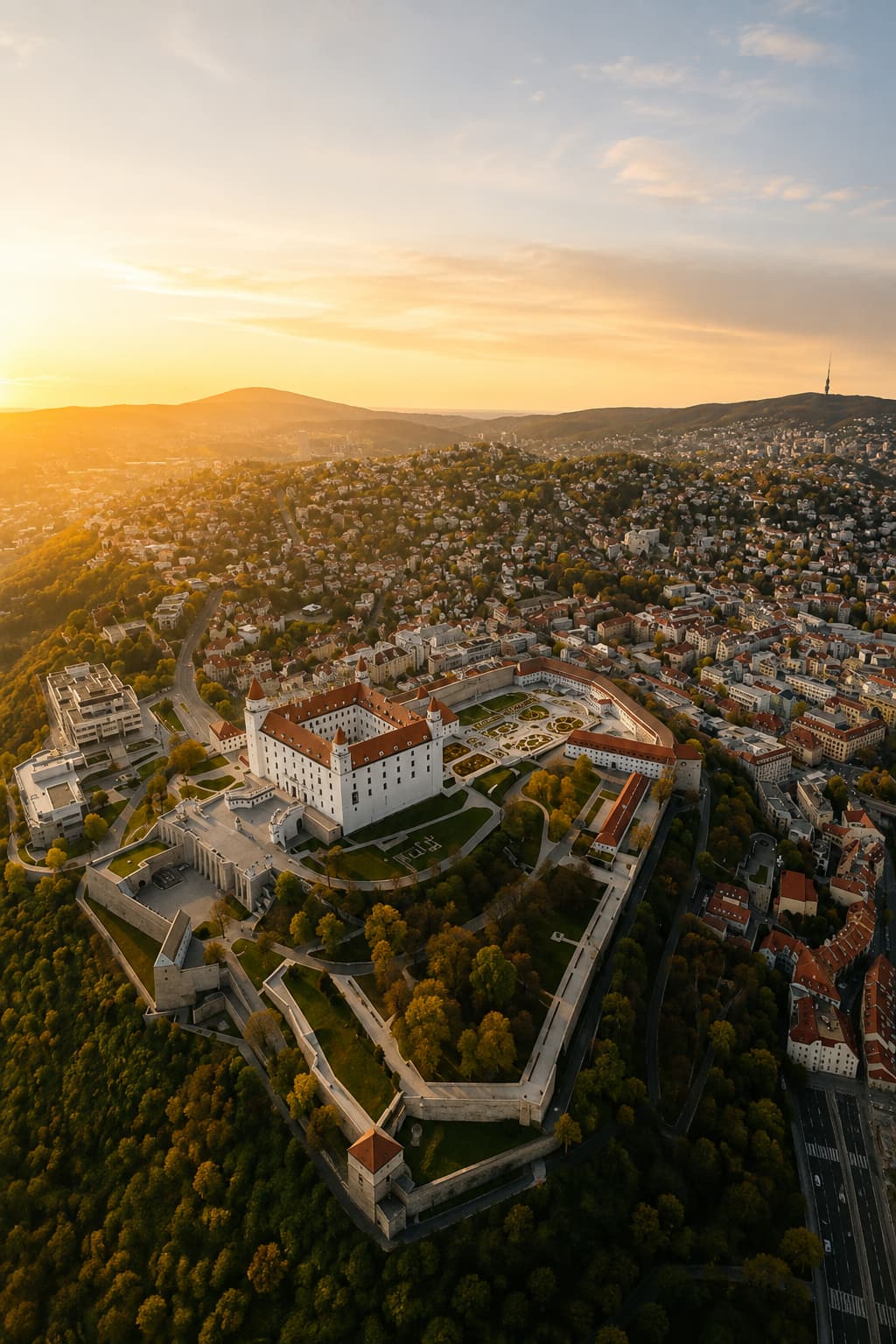
Eastern Europe doesn’t need defending — it needs discovering, at its own pace and on its own terms.
The reputation will catch up eventually. Until then, the prices stay low and the cities stay quiet enough to actually think in.