
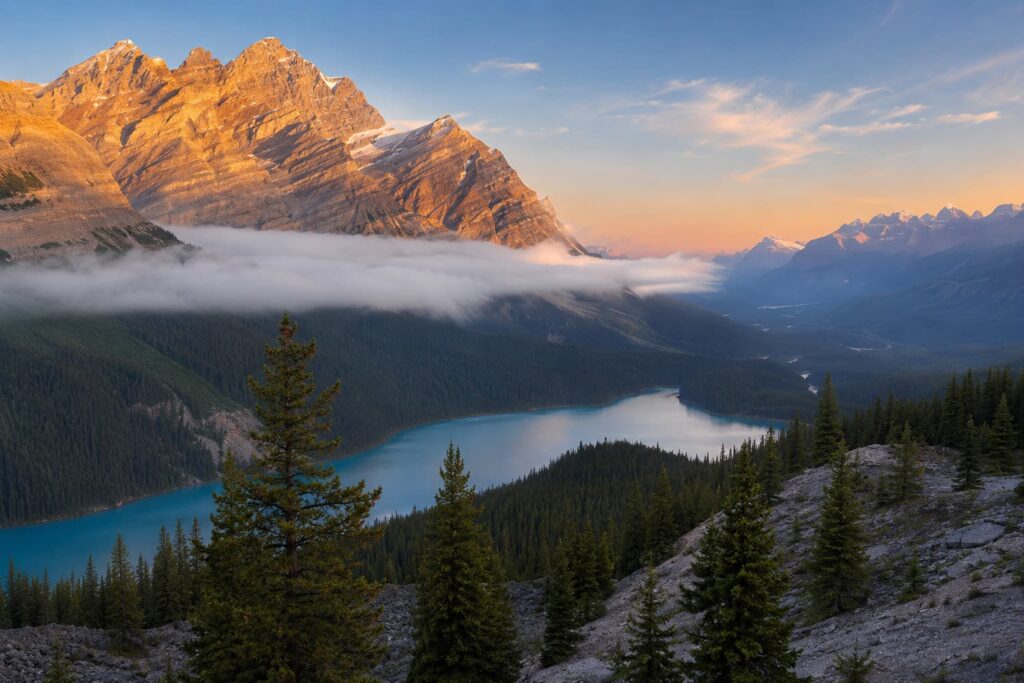
13 Beautiful Lakes in Europe Other Than Lake Como
Lake Como is genuinely beautiful — but it isn’t the only lake in Europe worth the trip. These thirteen Lake Como alternatives span seven countries, each with an honest read on what it trades off.
01 — Why everyone goes to Lake Como (and why you might not want to)
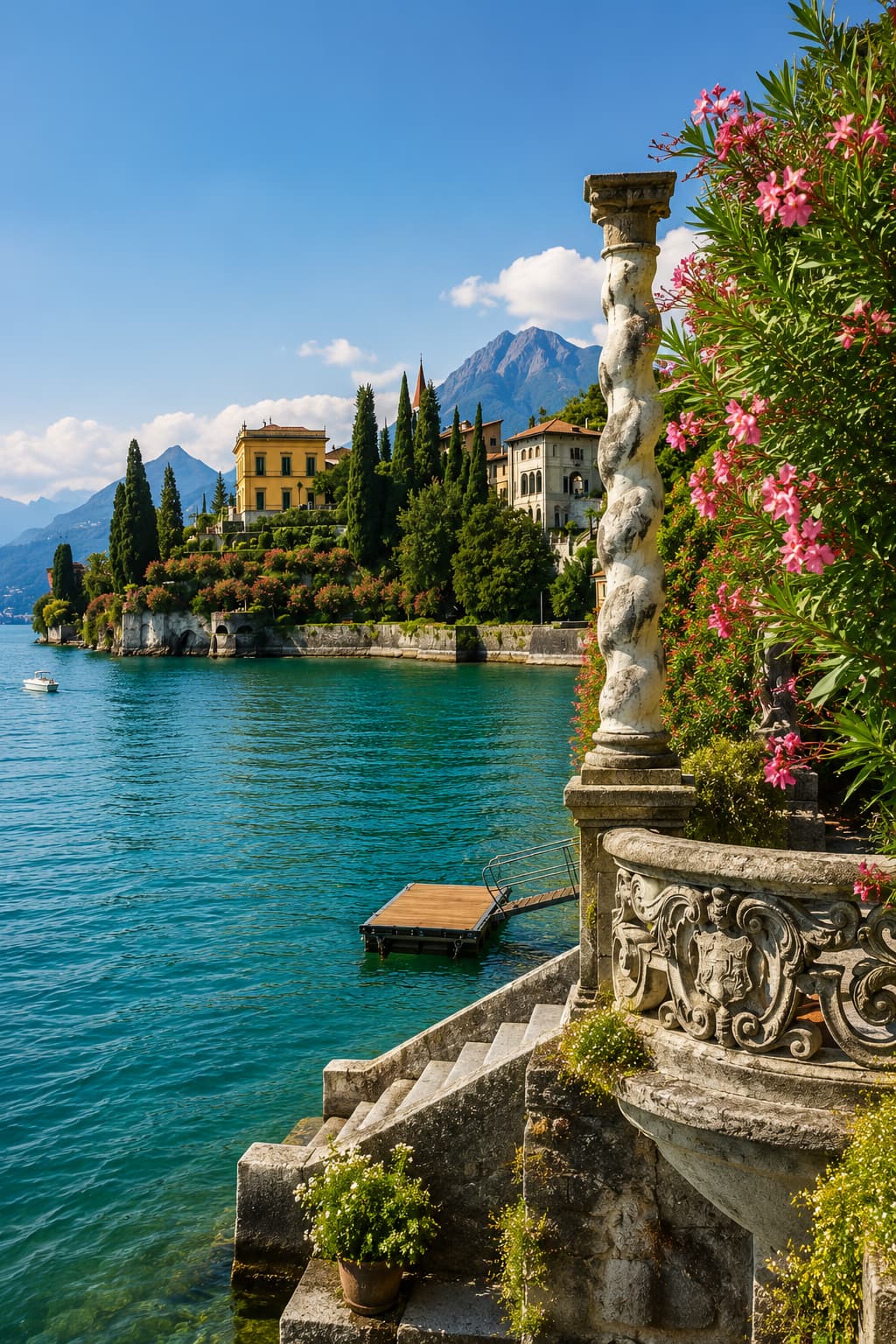
Lake Como earns its reputation, and that’s exactly why Lake Como alternatives are worth knowing. The water sits a deep, serious blue against steep green hills, the villas have four hundred years of money behind them, and Bellagio at golden hour looks exactly like the photographs that brought you there. Nobody who calls Como overrated has actually stood on the ferry deck between Varenna and Menaggio. It is, plainly, one of the most beautiful lakes in Europe.
However, the problem is that everyone else has read the same photographs. In July and August the lakeside road — the narrow SS340 that hugs the western shore — slows to a crawl, and the ferries fill before you reach the front of the queue. Hotel prices in Bellagio and Varenna have drifted into a bracket that assumes you are celebrating something. The beauty is real; so is the friction.
Why Lake Como Sends Travelers Elsewhere
This shift is not just anecdotal. A 2026 Skyscanner report found that more than a third of travellers now actively seek out quieter destinations, partly in response to overcrowding at the places everyone already knows. Como is exactly the kind of place that sends people looking. The good news is that Europe is full of lakes — some carved by the same glaciers and holding the same blue water, others dramatically different — and most of them never made the Instagram shortlist.
In other words, what follows is not a list of “dupes” in the influencer sense — the implication that you are settling for a knockoff. Several of these Lake Como alternatives are quietly better than Como at the specific things you probably want: swimming, walking, eating without a reservation, hearing yourself think. Each entry below leads with the honest trade-off, because that is the part the glossy roundups leave out.
02 — What lake in Europe is most similar to Lake Como?
If you want the Como feeling — that combination of deep water, steep wooded slopes, ferry-linked villages, and a faint sense of old wealth — you do not have to leave the region. Four lakes sit within easy reach and carry much of the same character.
Lake Orta is the closest match in atmosphere: smaller, softer, and almost eerily quiet by comparison, with a single perfect island in the middle. Across the Swiss border, Lake Lugano shares Como’s actual water — the two lakes nearly touch — but carries fewer crowds. Maggiore is the large, grand near-neighbour, cheaper than Como and far better connected by train. Iseo is the local secret, an hour from Milan, with the largest lake island in Europe and a fraction of the visitors.
Specifically, if someone wants one answer to “where do I go instead of Como without losing the look,” it is Lake Orta. It is Como in miniature, with the volume turned down. The lakes further down this list — the German, Austrian, and Slovenian ones especially — are not near-matches at all, and they are not meant to be; they trade Como’s villa-lined elegance for something wilder, brighter, or more dramatic. If a Como look-alike is the goal, stay in the first handful. If a better version of what you actually want from a lake is the goal, read on.
03 — The 13 lakes worth choosing instead
Specifically, the order runs roughly from “closest to Como in feel” toward “different, and better for it.” Each of these Lake Como alternatives notes what you gain and what you give up, because no swap is free.
1. Lake Iseo, Italy — the quiet one an hour from Milan
Iseo is the lake Milanese families go to when they want water without the performance. Roughly an hour from Milan or Bergamo, it is smaller and noticeably quieter than Como, and it holds Monte Isola — the largest lake island in Europe, where cars are banned and the loudest sound is a Vespa carrying someone’s groceries uphill. The trade-off is straightforward: you lose Como’s grand-villa glamour and gain a working lake where the towns feel lived-in rather than curated.
Getting there: train from Milan to Brescia, then a local line to Iseo town; the island is a short ferry hop. When to go: June or September. What it costs: noticeably less than Como in both money and effort — a meal on Monte Isola will not require a second glance at the bill.
2. Lake Orta, Italy — Como’s smaller, softer sibling
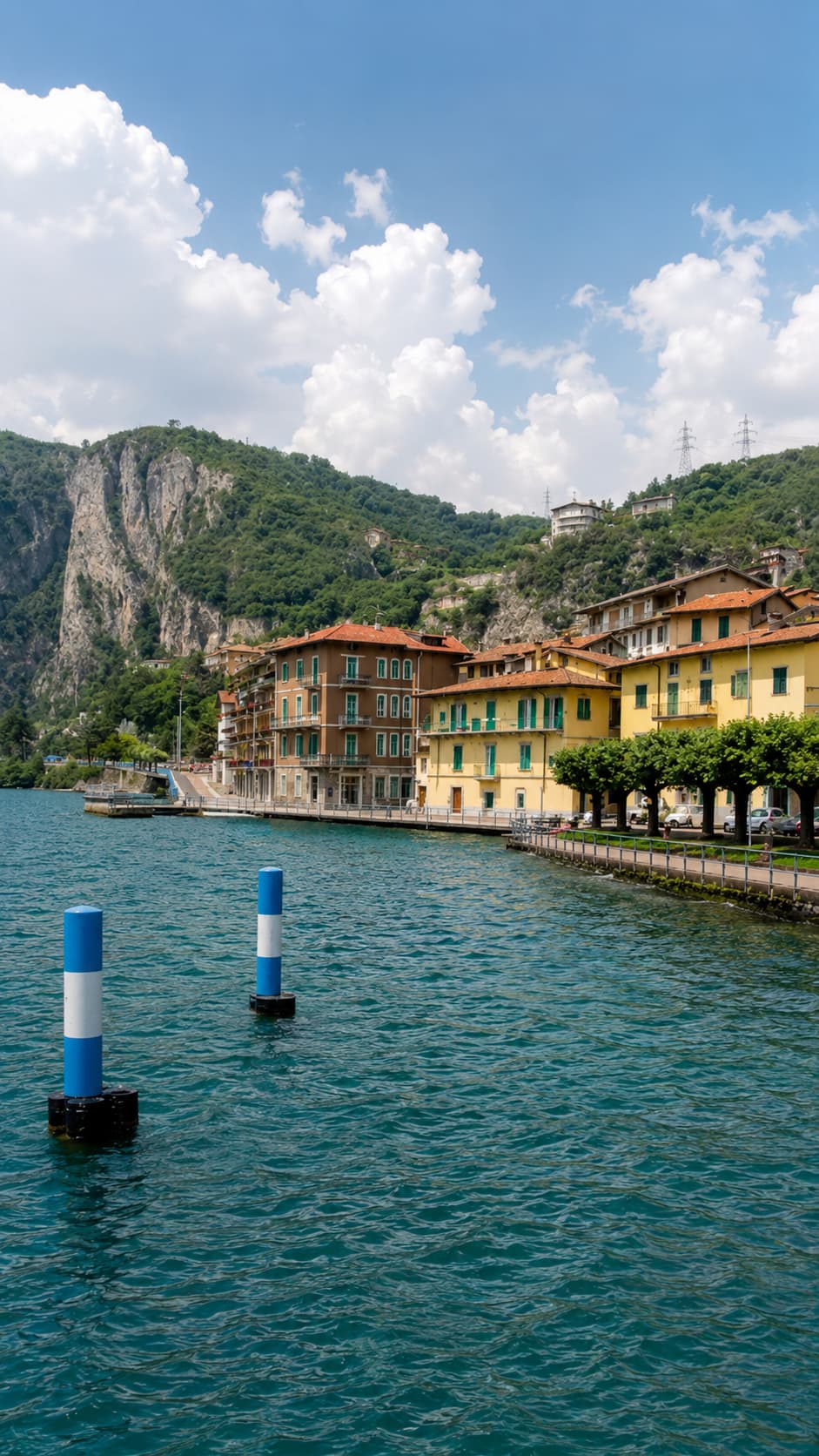
Orta is what Como looks like in a dream where the tour buses never arrived. The medieval village of Orta San Giulio faces a single island, Isola San Giulio, crowned by a basilica and a silent convent. The whole lake is small enough to absorb in a slow afternoon. You give up Como’s scale and its ferry network; in return you get the most genuinely peaceful water on this list, and an evening in the village square that feels like a held breath.
Getting there: train from Milan toward Domodossola, change for Orta-Miasino. When to go: May or late September, when the village is awake but not full. What it costs: mid-range — cheaper than Como, though the few good hotels book early.
3. Lake Maggiore, Italy — the affordable near-neighbour
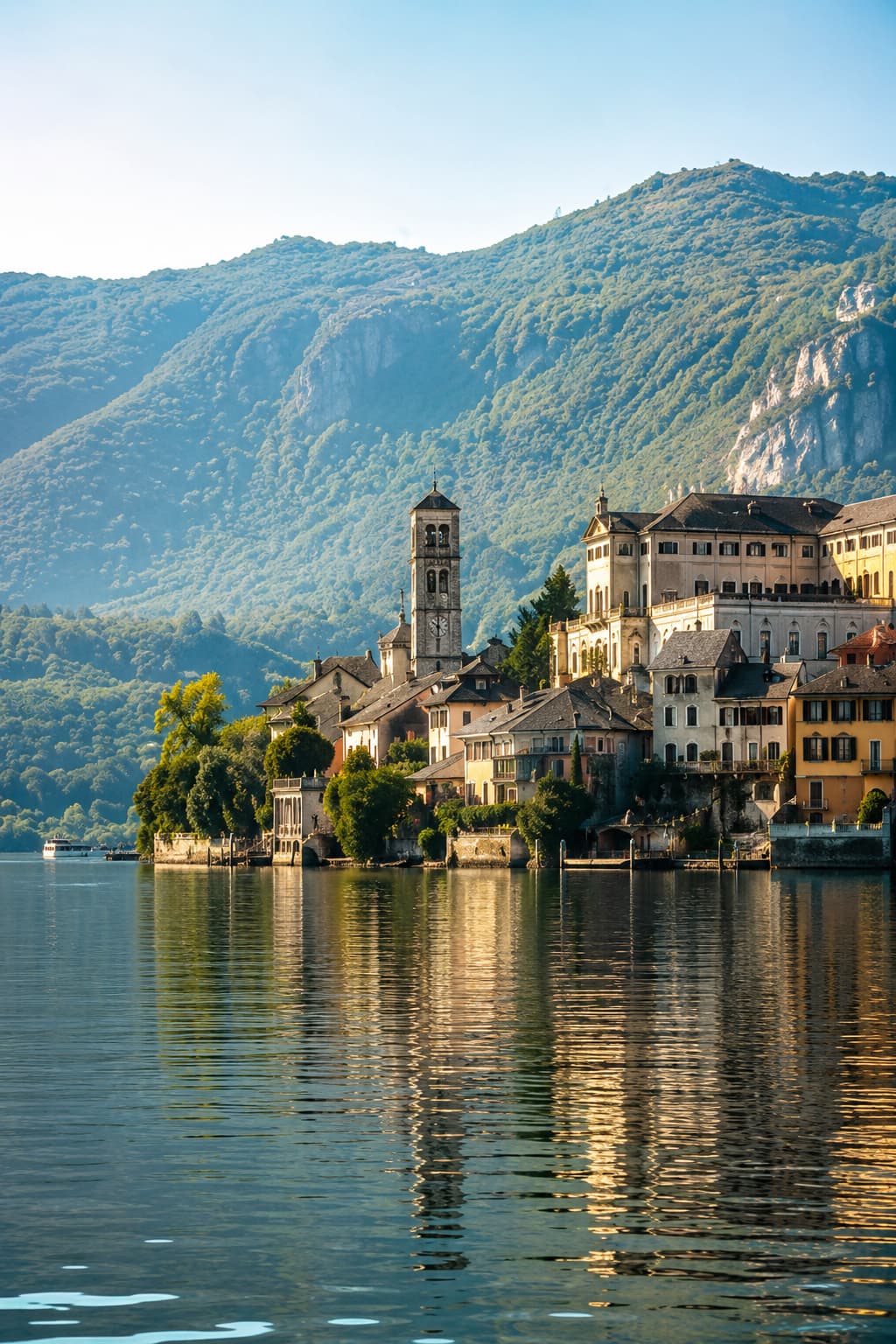
Maggiore is the large lake that does most of what Como does, for less, with better trains. The Borromean Islands off Stresa carry baroque palaces and terraced gardens that rival anything on Como’s shore, and the lake stretches north into Switzerland for those who want to keep going. The trade-off is that Maggiore is broad and a little diffuse — it lacks Como’s concentrated drama, the sense that the mountains are leaning in over you. What it offers instead is room to breathe and a far gentler relationship with your budget.
Getting there: direct trains from Milan to Stresa in under an hour. When to go: April to June for the gardens in flower. What it costs: the affordable near-neighbour — clearly below Como, especially for lodging.
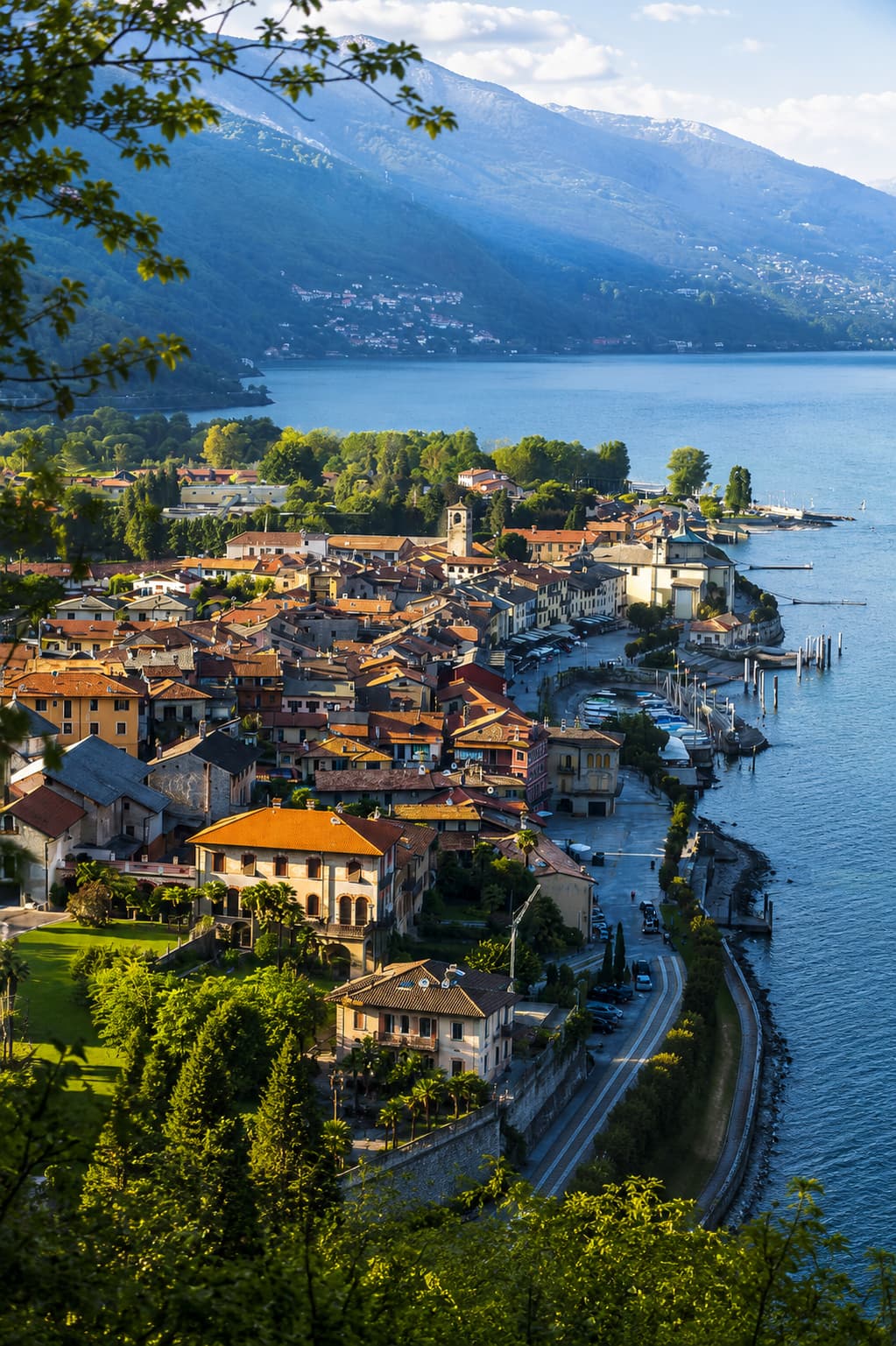
4. Lake Lugano, Switzerland/Italy — same water, fewer crowds
Lugano sits almost against Como — the two lakes are separated by a thin spine of mountain — yet it feels markedly calmer, partly because the Swiss side carries a different rhythm and price logic. The town of Lugano is handsome and walkable, the water is the same deep alpine blue, and the surrounding peaks give it real drama. The trade-off is cost in the opposite direction: Switzerland is not cheap, and a lakeside coffee will remind you of that. What you buy with it is order, quiet, and trains that arrive when they say they will.
Getting there: direct trains from Milan or Como; it is on the main line to Zurich. When to go: June or September. What it costs: higher than the Italian lakes, lower than Como in summer once crowds are priced in.
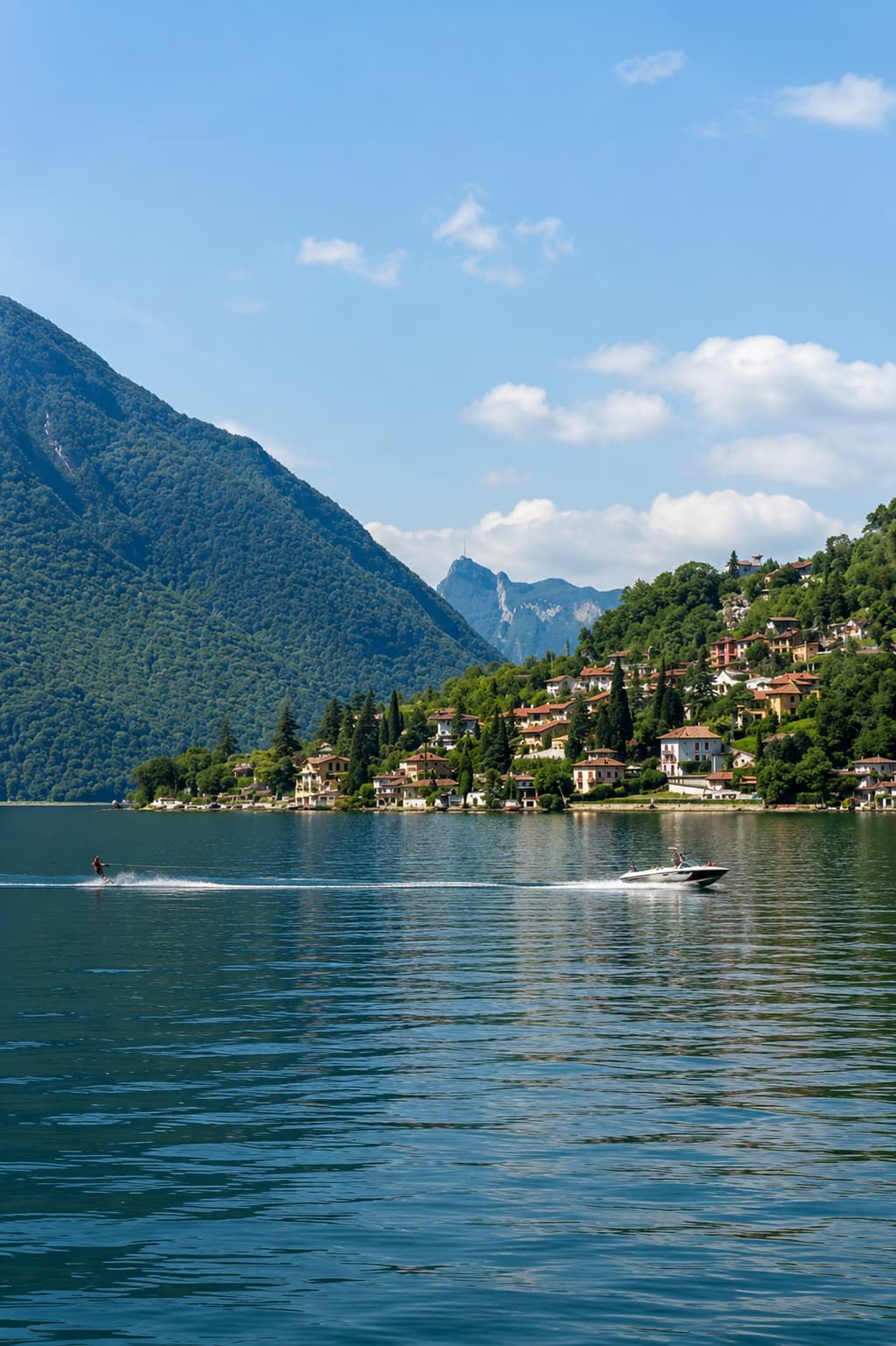
5. Lake Lucerne, Switzerland — the grand one with the paddle steamers
Lucerne is Switzerland’s scenic lake at full volume: a long, cruciform sheet of water that bends between mountain peninsulas so the view reconfigures at every turn, with a handsome medieval city at its head. A fleet of restored historic paddle steamers still works the lake, and riding one to a shoreline village feels pleasantly out of its own time. The trade-off is the familiar Swiss one: this is not a budget destination, and Lucerne city draws serious tour-group traffic in summer. But the lake is large enough that an hour out on the water leaves the crowds behind, and the scale of the scenery is something none of the Italian lakes quite matches.
Getting there: direct trains from Zurich in around 45 minutes, with the boat terminal a few minutes’ walk from the station. When to go: June or September; autumn is quietly spectacular on the surrounding slopes. What it costs: high — Swiss pricing throughout, though a Swiss Travel Pass covers the boats and softens the maths.
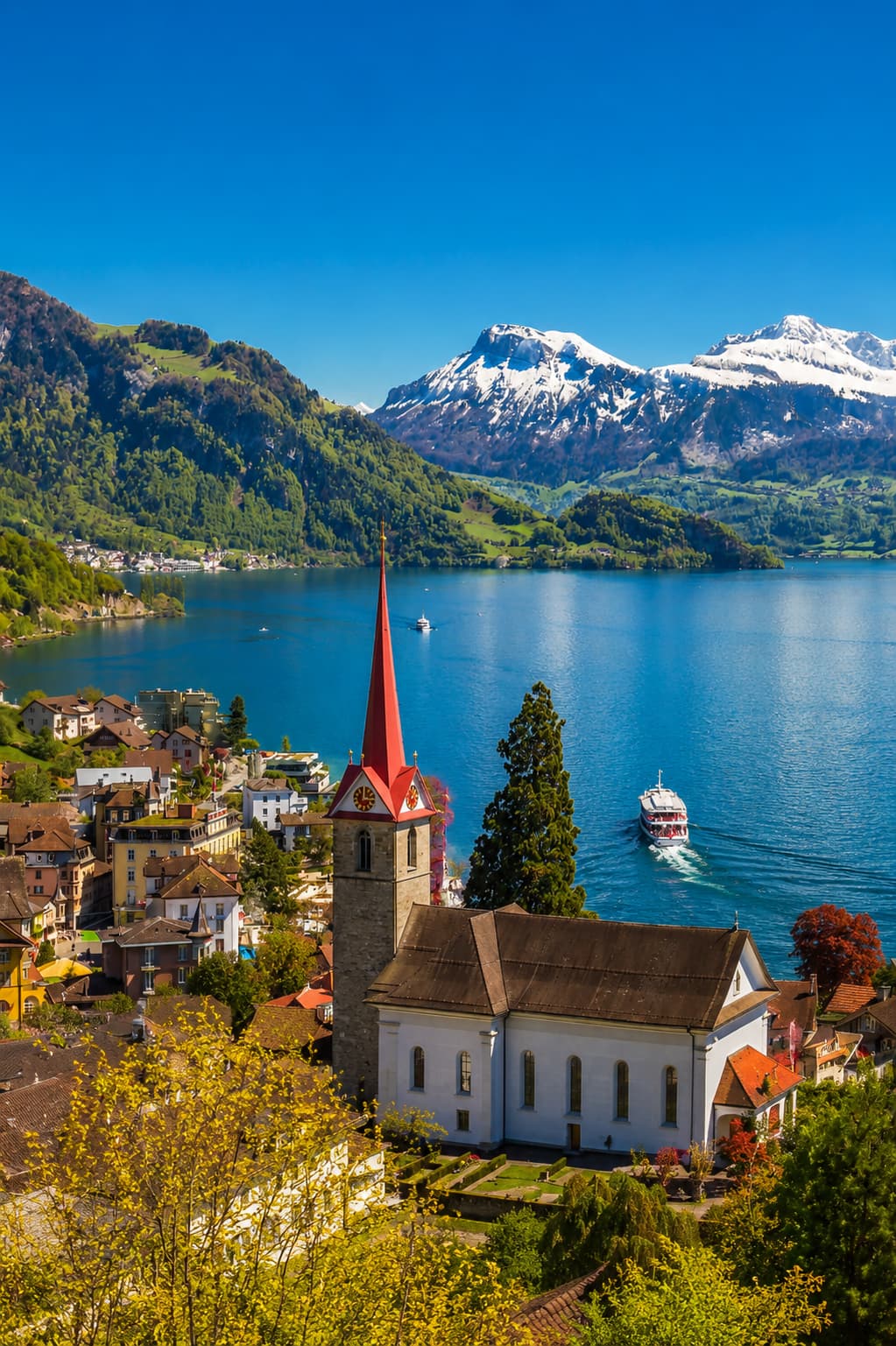
6. Königssee, Germany — the most dramatic water on the list
Königssee, tucked into the Berchtesgaden National Park in Germany’s south-eastern corner, is the lake people mean when they say a place looks like a Norwegian fjord. Sheer limestone walls drop straight into deep emerald water; it is among the cleanest lakes in Germany, and to keep it that way only silent electric boats are allowed on it. Those boats glide to St. Bartholomä, a red-domed pilgrimage chapel from the 1600s that sits on a small peninsula with nothing behind it but rock and sky. The trade-off is that this is scenery, not town life — there is no lakeside promenade of cafés, and in peak summer the boat queues are real. Come early, take the first sailing, and it is as close to sublime as a lake gets.
Getting there: roughly 150 km south-east of Munich; train to Berchtesgaden, then a short local bus to the Königssee pier. When to go: June, or September into October when the crowds fall away. What it costs: low for the region itself, with a fixed fare for the boat; Berchtesgaden lodging is reasonable by Alpine standards.
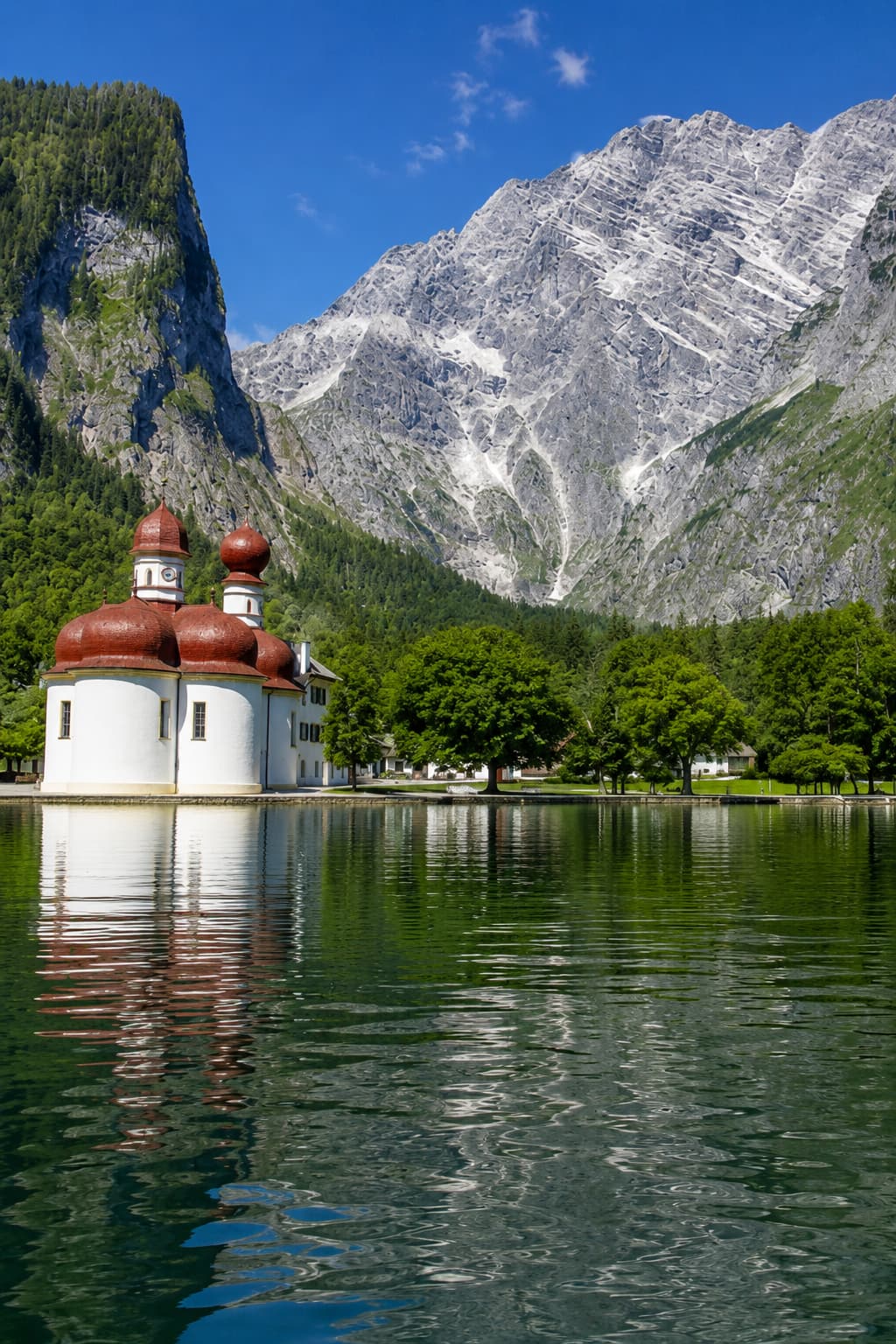
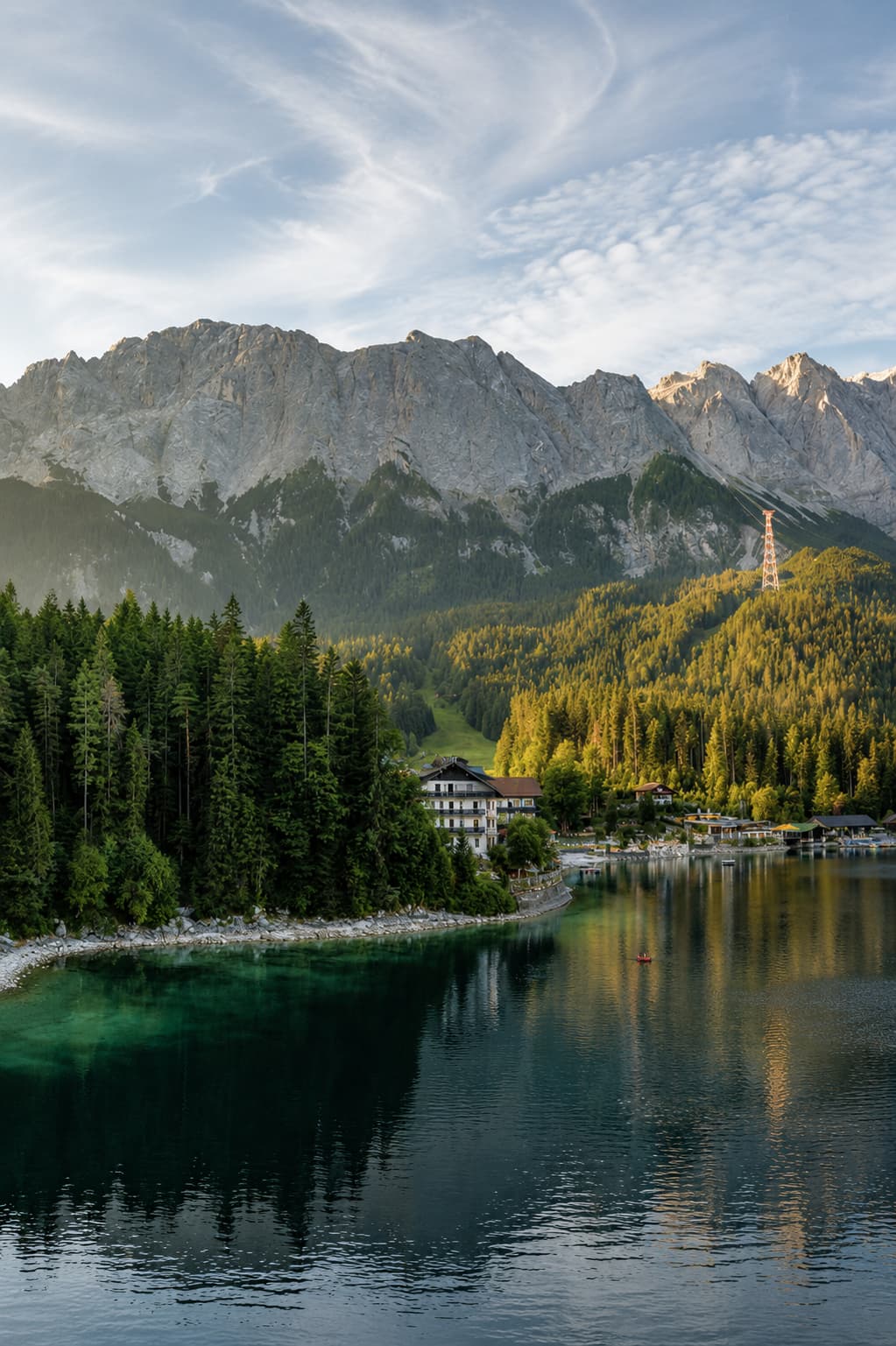
7. Eibsee, Germany — the turquoise one beneath the Zugspitze
If Königssee is dark and monumental, Eibsee is its bright sibling: a small, dazzling turquoise lake scattered with little wooded islands, sitting at the foot of the Zugspitze, Germany’s highest peak. The water is clear and swimmable, and a flat path loops the whole shore in a couple of easy hours. The lake is also a springboard for the mountain above it — the Eibsee cable car climbs to the Zugspitze summit straight from the shore, so a morning swim can lead into an afternoon at the top of the country. The trade-off is that Eibsee is no secret and the car park fills on summer weekends — but the crowds thin within a few minutes’ walk from the shore, and the water rewards anyone who actually gets in.
Getting there: near Garmisch-Partenkirchen; the Zugspitze cog railway from Garmisch stops at Eibsee on its way up, and the separate Eibsee cable car ascends from the lakeshore. When to go: May to October; weekday mornings for the quietest water. What it costs: low to reach the lake; the cable car up the Zugspitze is the pricier add-on if you want it.
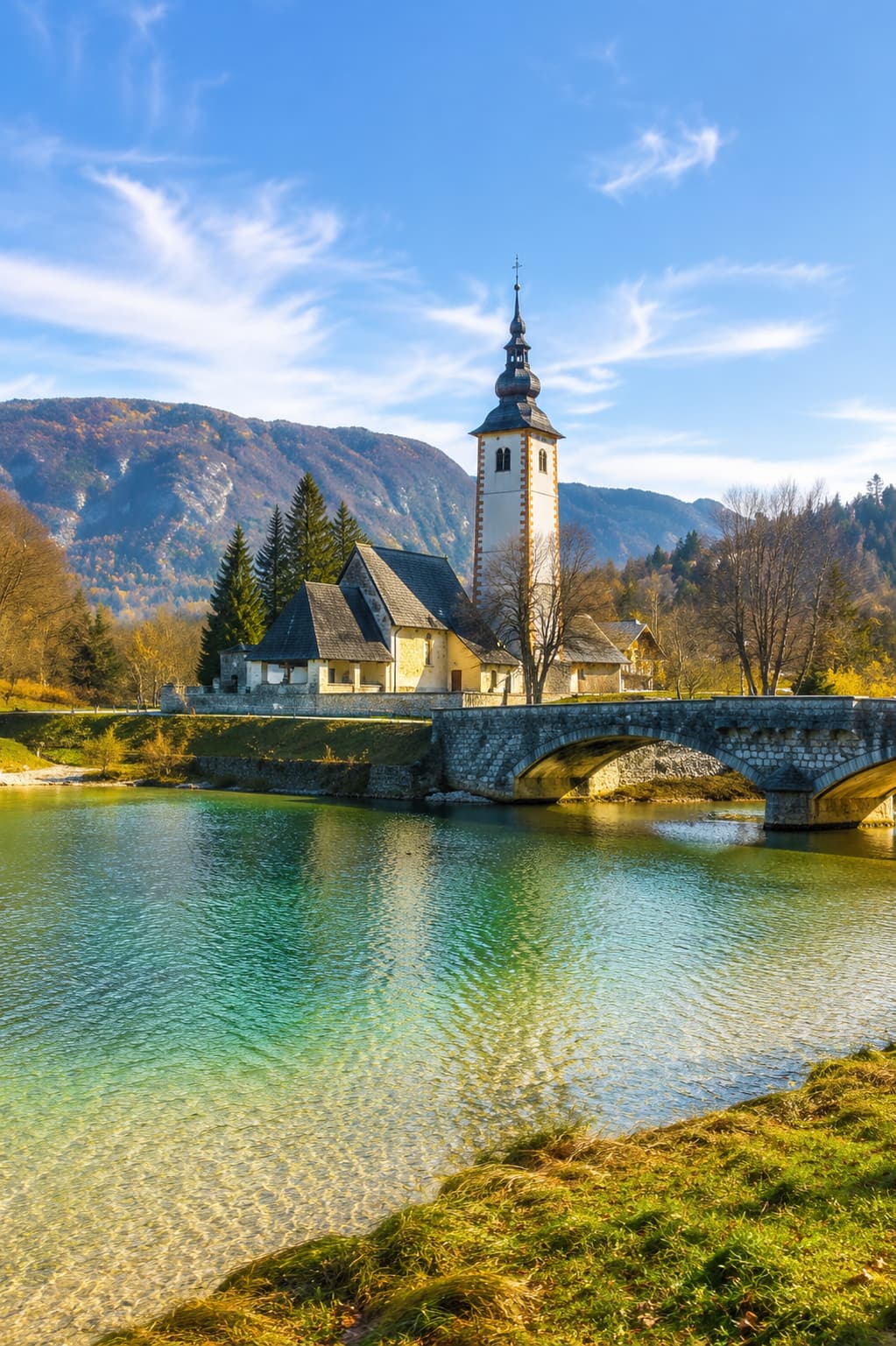
8. Lake Bohinj, Slovenia — what Bled used to feel like
Everyone goes to Lake Bled; almost nobody continues the extra 26 km to Lake Bohinj, which receives a fraction of the visitors and sits deeper inside Triglav National Park. Bohinj is larger, wilder, and ringed by mountains rather than postcard hotels — it is, by most honest accounts, what Bled felt like a generation ago. The trade-off is that there is less to do in the curated sense: no cliff-top castle, no island church with a wishing bell. What there is instead is water you can swim in, trails that start at the shore, and genuine quiet.
Getting there: bus or car from Bled, about 40 minutes; reachable from Ljubljana in roughly two hours. When to go: late June through September for swimming. What it costs: low — Slovenia remains one of the better-value corners of the Alps.
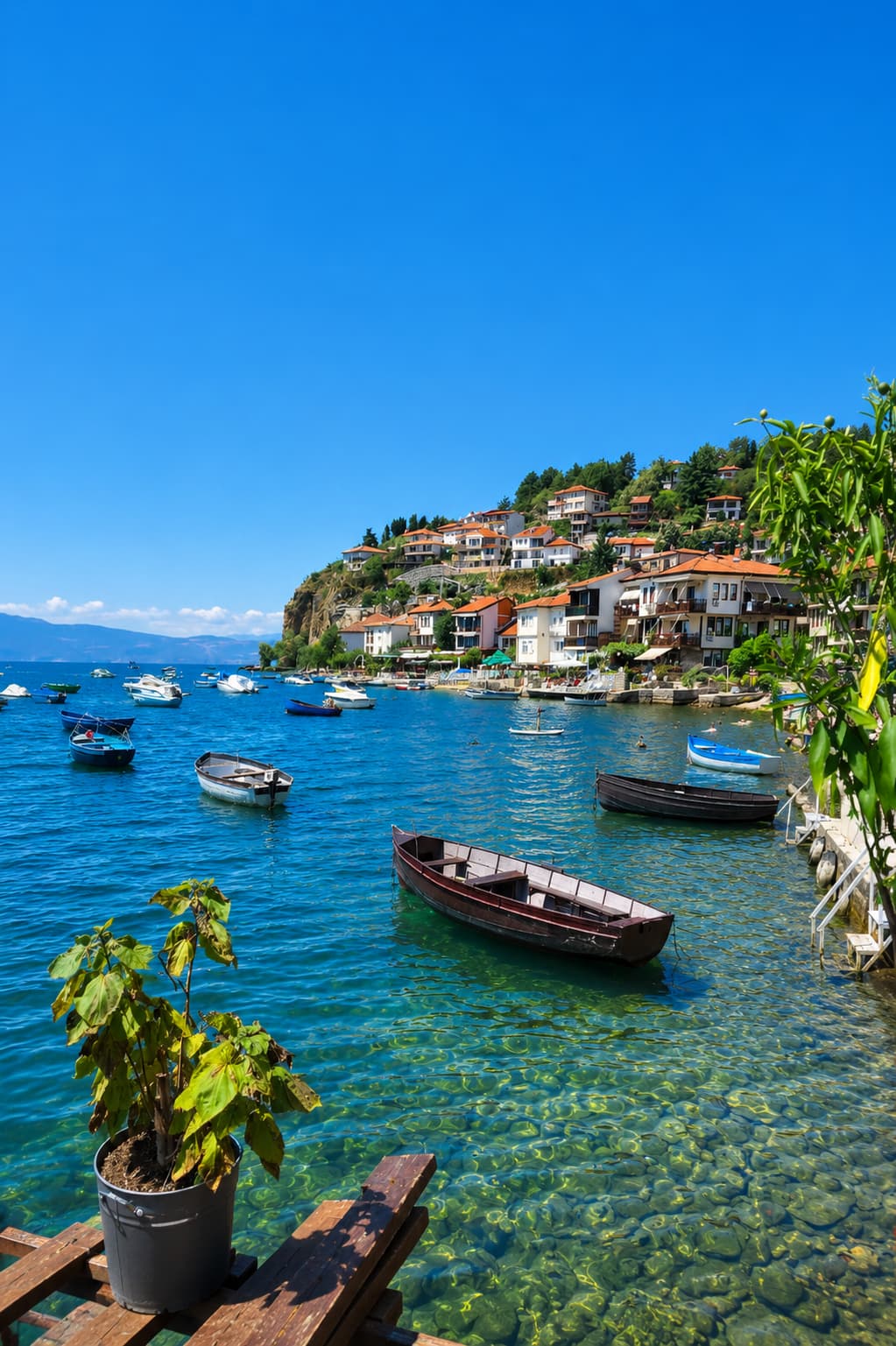
9. Lake Ohrid, North Macedonia — the cheapest of them all
Lake Ohrid is one of Europe’s oldest and deepest lakes, and it offers a quieter, far more affordable alternative to Como without giving up scenery. The old town of Ohrid tumbles down to the water in tiers of churches and red roofs, the lake itself is enormous and clean, and the prices belong to a different decade. The trade-off is distance and polish: Ohrid takes more effort to reach, and the infrastructure is rougher around the edges than an Italian lake town. For travellers who count that as character rather than inconvenience, it is the standout value on this list.
Getting there: fly to Ohrid or Skopje, then road transfer; there is no fast train. When to go: June or September. What it costs: the cheapest dupe by a wide margin — a lakeside dinner here costs less than a coffee in Bellagio.
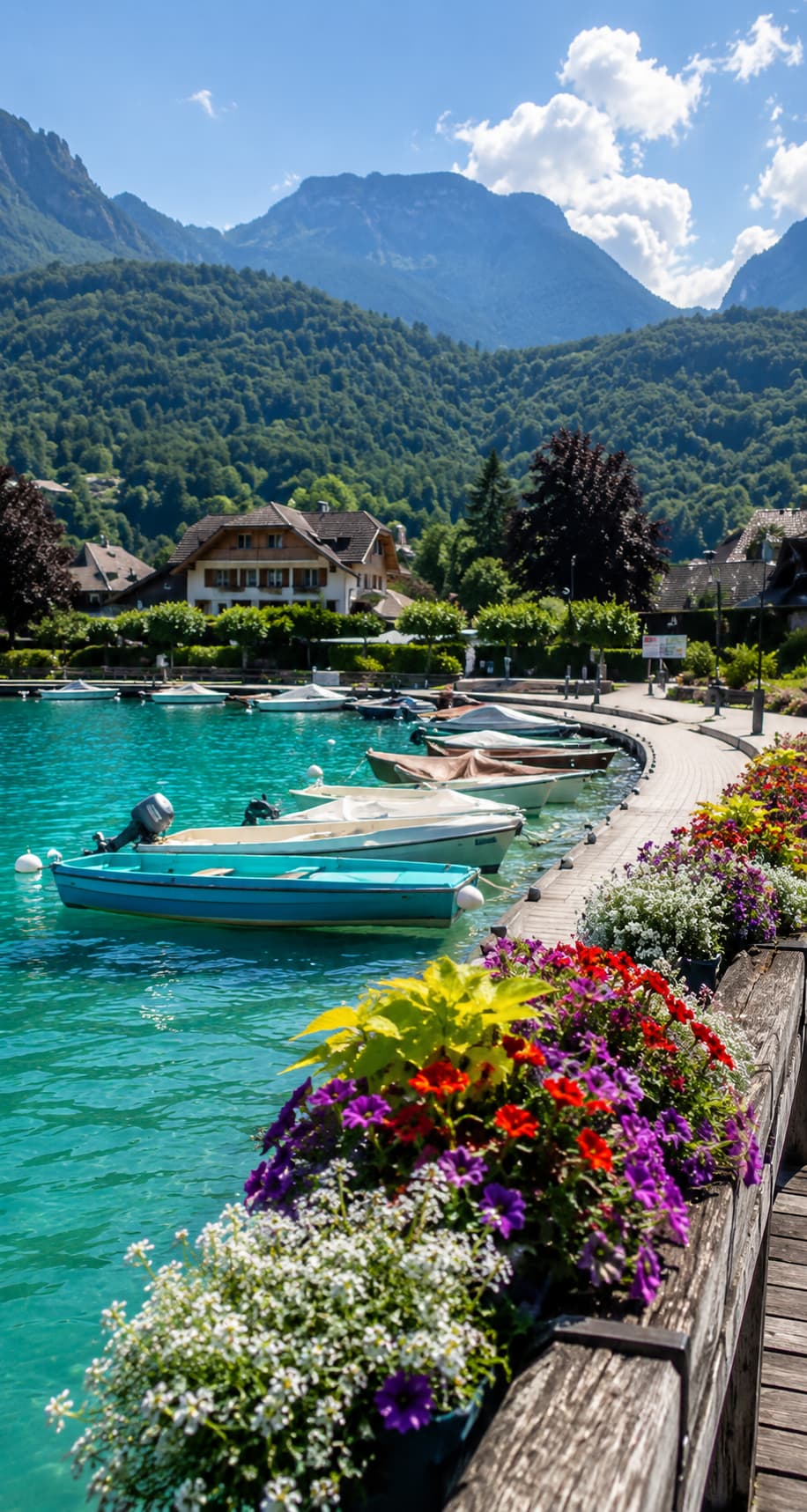
10. Lake Annecy, France — the swimmable one
Annecy, in the French Alps, is often described as one of the cleanest lakes in Europe, with swimmable turquoise water and mountain views — and unlike most of Como’s shoreline, you are actively encouraged to get in. The old town threads canals between pastel buildings, a flat lakeside path runs for miles for cyclists and walkers, and the water in July is genuinely warm. The trade-off is that Annecy is no secret; in high summer the town is busy and the beaches fill. Even so, the lake is large enough to swallow the crowds in a way Como’s narrow shore cannot.
Getting there: train to Annecy from Lyon or Geneva, both straightforward. When to go: June or early September for warm water without peak density. What it costs: mid-range — French Alpine, not Swiss, so manageable.
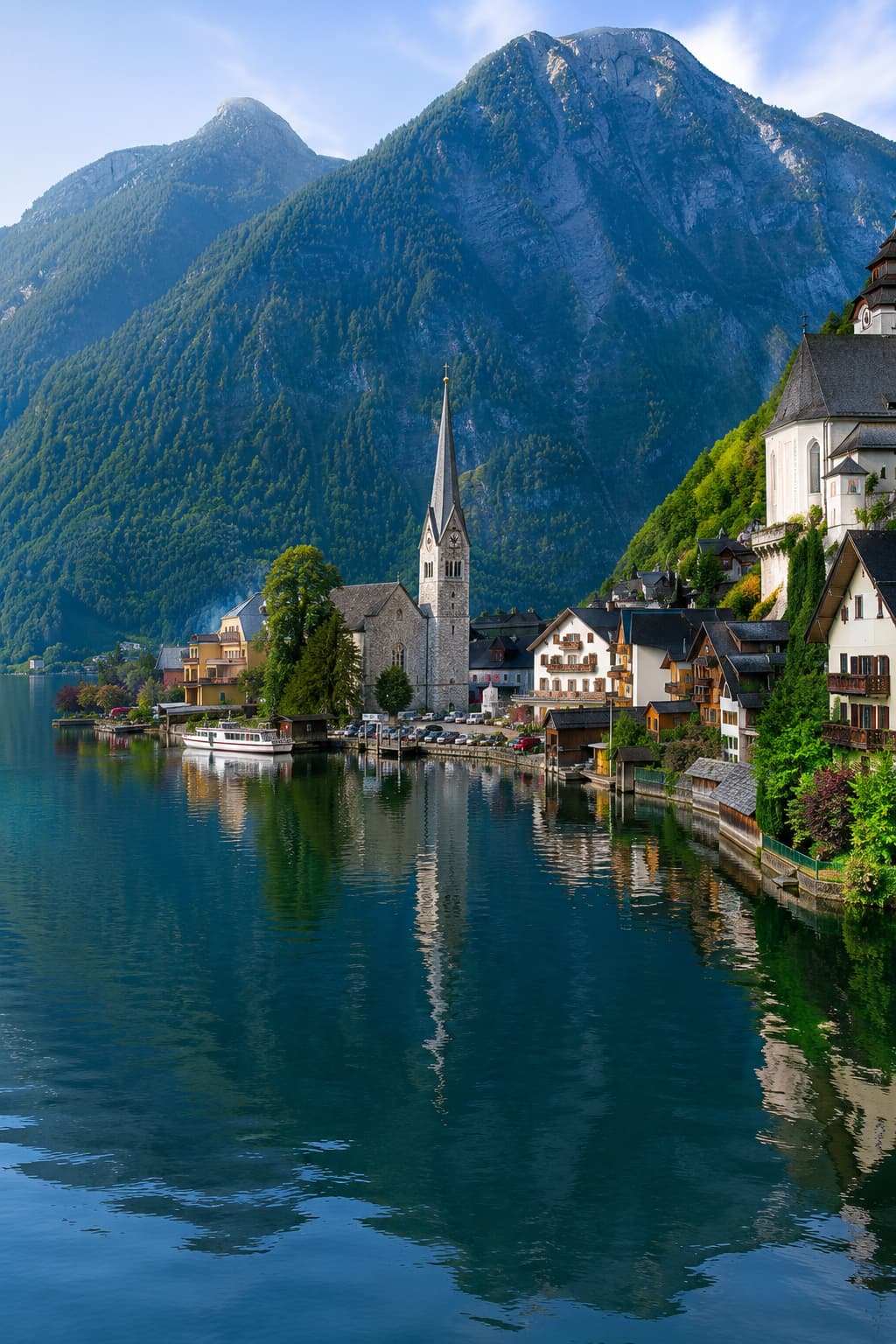
11. Lake Hallstatt, Austria — the postcard village, honestly assessed
Hallstättersee, in Austria’s Salzkammergut, is ringed by 2,000-metre peaks and carries one of the most photographed villages in Europe on its western shore — a tight cluster of pastel houses and a church spire reflected in still water, backed by the Dachstein range. It is, without exaggeration, breathtaking. It is also a cautionary tale: Hallstatt has become so famous that the small village now absorbs enormous day-trip volume, and there are stretches of the day when the lakefront feels less like a place than a queue for a photograph. The honest play is to stay overnight or base yourself in a neighbouring village like Obertraun, which gives you the lake at its calmest while the day-trippers are stuck in the famous corner.
Getting there: train from Salzburg to Hallstatt, with a short ferry across the lake to the village from the station. When to go: May, late September, or October; avoid midsummer midday entirely. What it costs: mid-range Austrian — reasonable lakeside lodging if you book a little out from the village itself.
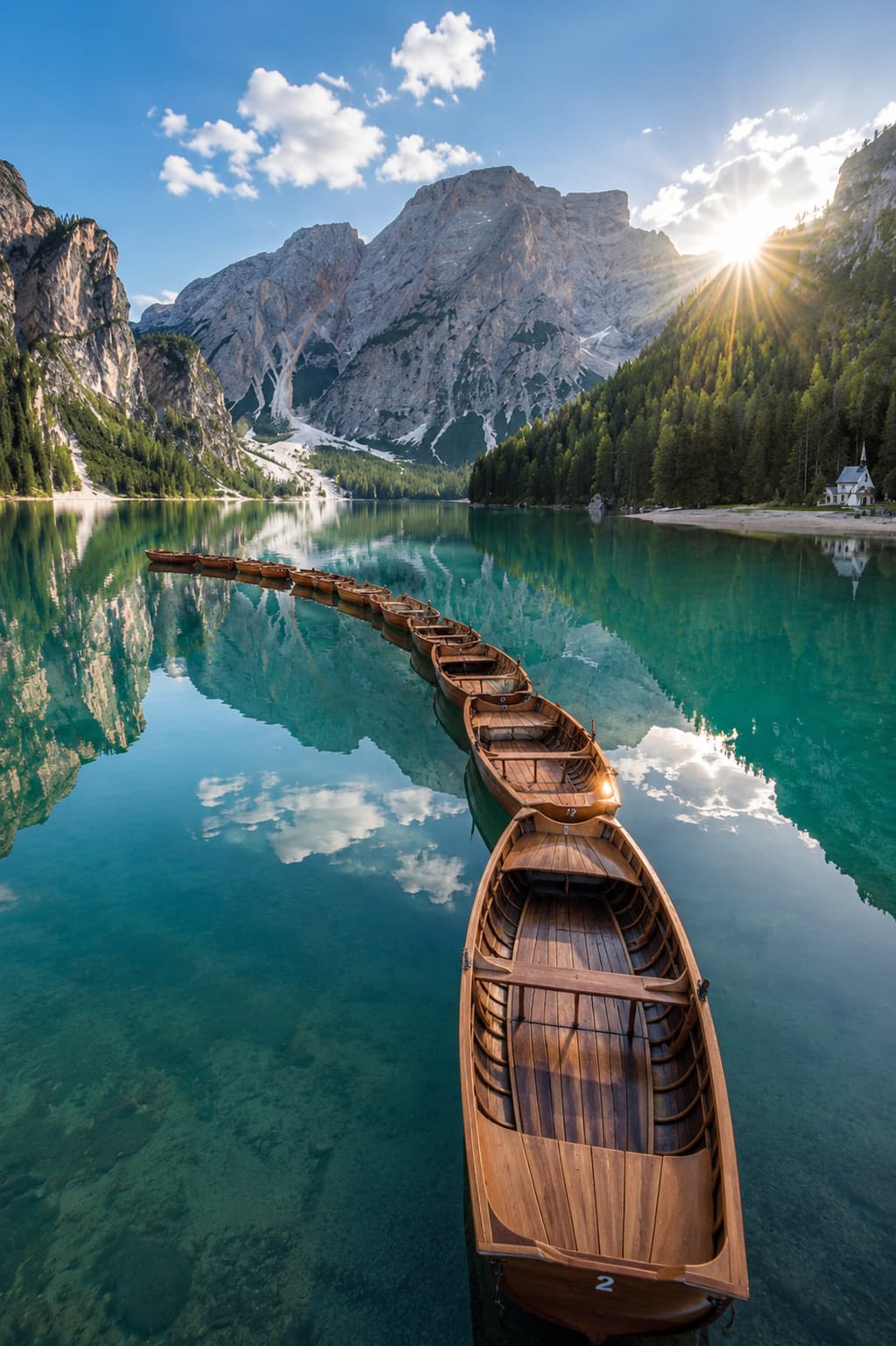
12. Lago di Braies, Italy — for the mountains, not the towns
Braies is an outlier here, and the most photographed lake in the Dolomites. It is small, emerald, and walled by sheer rock — a place you go for the mountains rather than for any lakeside town, of which there is essentially none. The trade-off is sharp: there is no village life, no ferry network, no evening square, and in peak season the access road is now ticketed to control the crowds the photographs created. The reward is a single, concentrated hit of alpine drama — the boathouse, the rowboats, the wall of rock doubled in still green water — that few lakes anywhere can match. Frame your visit around early light or a weekday and the postcard is yours alone; arrive at midday in August and it belongs to everyone.
Getting there: car or seasonal bus from the Pustertal valley; book the timed entry in summer. When to go: early morning in June or September; avoid midday July–August entirely. What it costs: low for the lake itself, though the Dolomite valleys around it are not cheap to stay in.
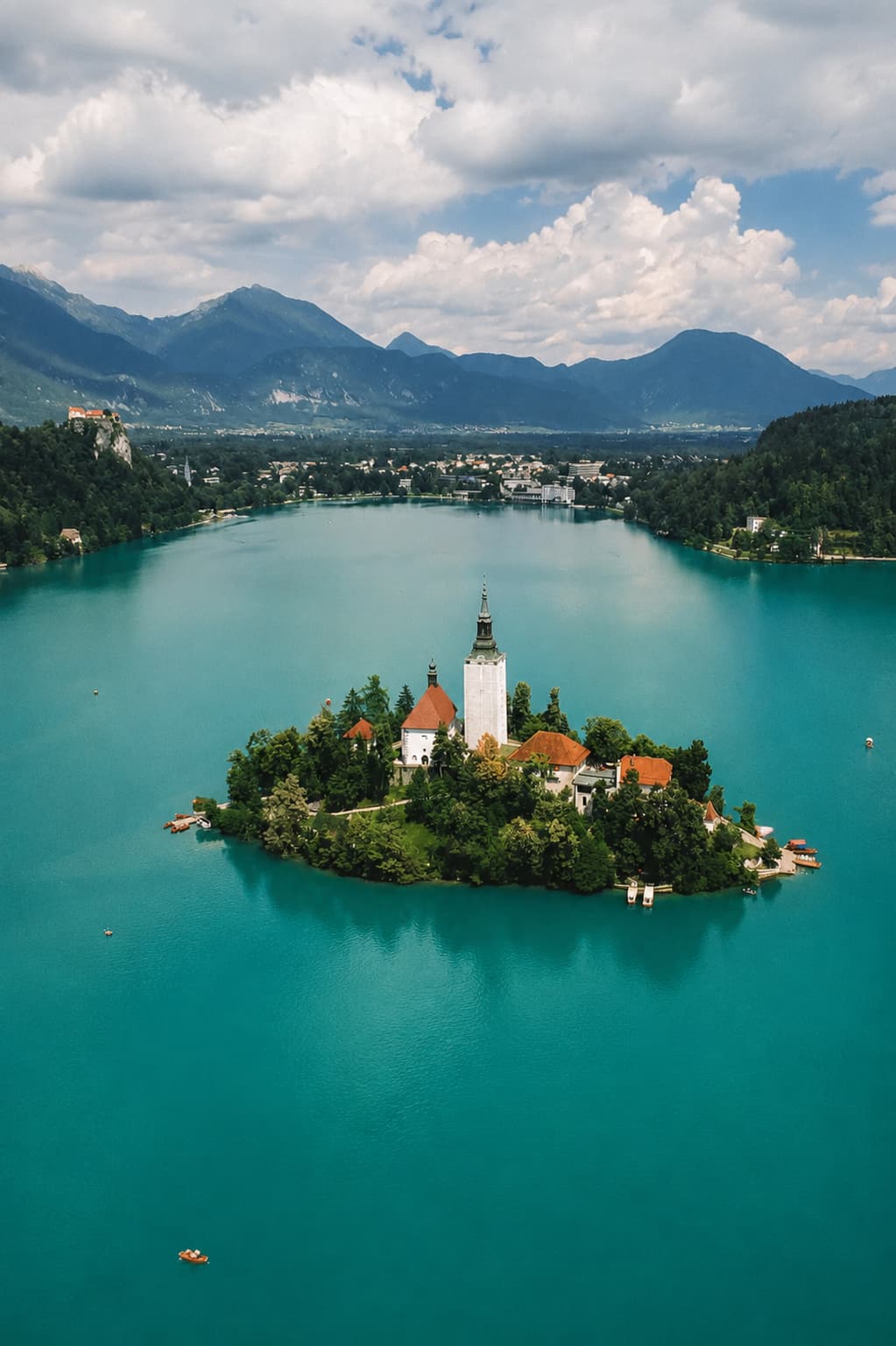
13. Lake Bled, Slovenia — the famous one, honestly assessed
Bled belongs on this list precisely because it is the one alternative most people already know — so it deserves an honest read. The island church, the cliff-top castle, the cream cake: all real, all lovely, all genuinely worth seeing once. The trade-off is that Bled has become its own kind of Como, smaller in scale but proportionally just as busy, and the lakeside loop in August moves at the pace of the slowest group photo. The smart move is to pair it with its quieter neighbour: see Bled for the icons, then drive the half hour to Bohinj for the swim and the silence, and you get the best of both in a single day.
Getting there: bus or train from Ljubljana, about an hour and a half. When to go: May, September, or October, when the crowds thin and the colour turns. What it costs: moderate, and rising — still well below the Italian lakes.
04 — Which Lake Como alternative is cheapest?
If budget is the deciding factor, the answer is not close. Lake Ohrid sits in a different price universe from the Italian, Swiss, and German lakes — accommodation, food, and transfers all cost a fraction of what Como demands, and the lake gives up nothing in scale or history. Among the Italian options, Iseo and Maggiore are the gentlest on the wallet, both clearly below Como without the journey to the Balkans. The Swiss lakes, Lugano and Lucerne, sit firmly at the top of the range.
| Cheapest overall | Lake Ohrid, North Macedonia — by a wide margin. Meals and lodging cost less than half of the Italian lakes. |
| Best value in Italy | Lake Iseo and Lake Maggiore — both an easy train ride from Milan and far below Como prices. |
| Best value in the Alps | Lake Bohinj, Slovenia, and Königssee, Germany — low prices, high scenery, genuine quiet. |
| Most expensive alternatives | Lake Lugano and Lake Lucerne — Swiss pricing applies, though crowds are lighter than Como. |
Lower prices usually come bundled with more effort to arrive — Ohrid has no fast train, Bohinj needs a connection, Braies needs a car. The Italian lakes cost more partly because Milan puts them within an hour of a major airport. Decide which currency you would rather spend: money, or time on the road.
05 — Which lake is the least crowded?
Overall, Lake Bohinj takes this comfortably. Sitting just beyond the far busier Bled, it receives a small fraction of the visitors despite being larger and arguably more beautiful, which makes it one of Slovenia’s most authentic lake destinations. Lake Orta runs a close second for sheer stillness, and Lake Iseo holds up well given how near it is to Milan.
The lakes to approach with timing in mind are Braies, Bled, Hallstatt, and Eibsee. All four are quiet at dawn and overwhelmed by mid-morning in summer — the crowd is a scheduling problem rather than a permanent condition. Arrive early, or visit in the shoulder season, and any of them can feel almost private. Hallstatt in particular rewards staying overnight: the day-trippers leave, and the village empties into something close to silence.
06 — When is the best time to visit Europe’s lakes?
For most of these lakes, the sweet spot is late May through June, or the back half of September. In those windows the water has warmed enough to swim, the gardens and forests are at their best, and the peak-summer crush has either not arrived or just left. July and August bring the warmest water but also the heaviest crowds and the highest prices — the exact conditions that probably sent you looking past Como in the first place.
October deserves a mention for the Slovenian, Austrian, German, and Dolomite lakes specifically, where autumn turns the surrounding forests gold and the light goes long and soft. Swimming is off the table by then, but for walking, photographing, and sitting quietly by the water, it may be the best month of all. As a rule, plan for the shoulder seasons and treat high summer as the compromise it is.
Want to swim? Aim for late June to early September. For quiet and colour, aim for late September into October. If you want both at once, you will have to pick one — that is the trade the calendar always asks for.
Easy Lake Como Alternatives Without a Car
Lake Como Comparisons and Country Picks
Choose the lake that fits the trip you actually want — the swim, the walk, the cheap dinner, the morning with no one else on the water.
Como will still be there, beautiful and busy, whenever you decide it is worth the queue.