
The Solo Traveler’s Summer Bucket List: 20 Experiences Worth Actually Doing
Most bucket lists are destination lists wearing a disguise. These twenty experiences are different — defined by the moment, not the map, and available anywhere summer breathes.
A solo travel bucket list is a set of experience-based challenges — not destination lists — designed to build confidence, deepen presence, and make travel feel intentional rather than touristic. According to the Adventure Travel Trade Association, solo travel now accounts for roughly 25% of all international leisure trips.
Most solo travel bucket lists are really just destination lists wearing a disguise. They tell you where to go, not what to actually feel, do, or become. But the best solo travel moments aren’t locked to a specific coordinate on Earth — they’re a collision between your openness and the world’s invitation.
Every experience on this list can be found anywhere summer breathes — whether that’s a coastal village in Portugal, a mountain town in Pakistan, a dusty road in Mexico, or the quiet edge of your own city on a long July evening. No passport requirement. No budget bracket. Just you, choosing to show up.
What Makes a Solo Travel Bucket List Experience Worth Actually Doing?
The best solo travel experiences share one quality: they require your full presence to work. Unlike sightseeing, which you can do half-distracted, the experiences on this list only deliver their value when you actually show up — alert, alone, and willing to let something happen. They’re worth doing not because they photograph well, but because they change the texture of how you move through the world afterward.
01–03 — Night Sky, Food & Real Immersion (Solo Travel Bucket List Starters)
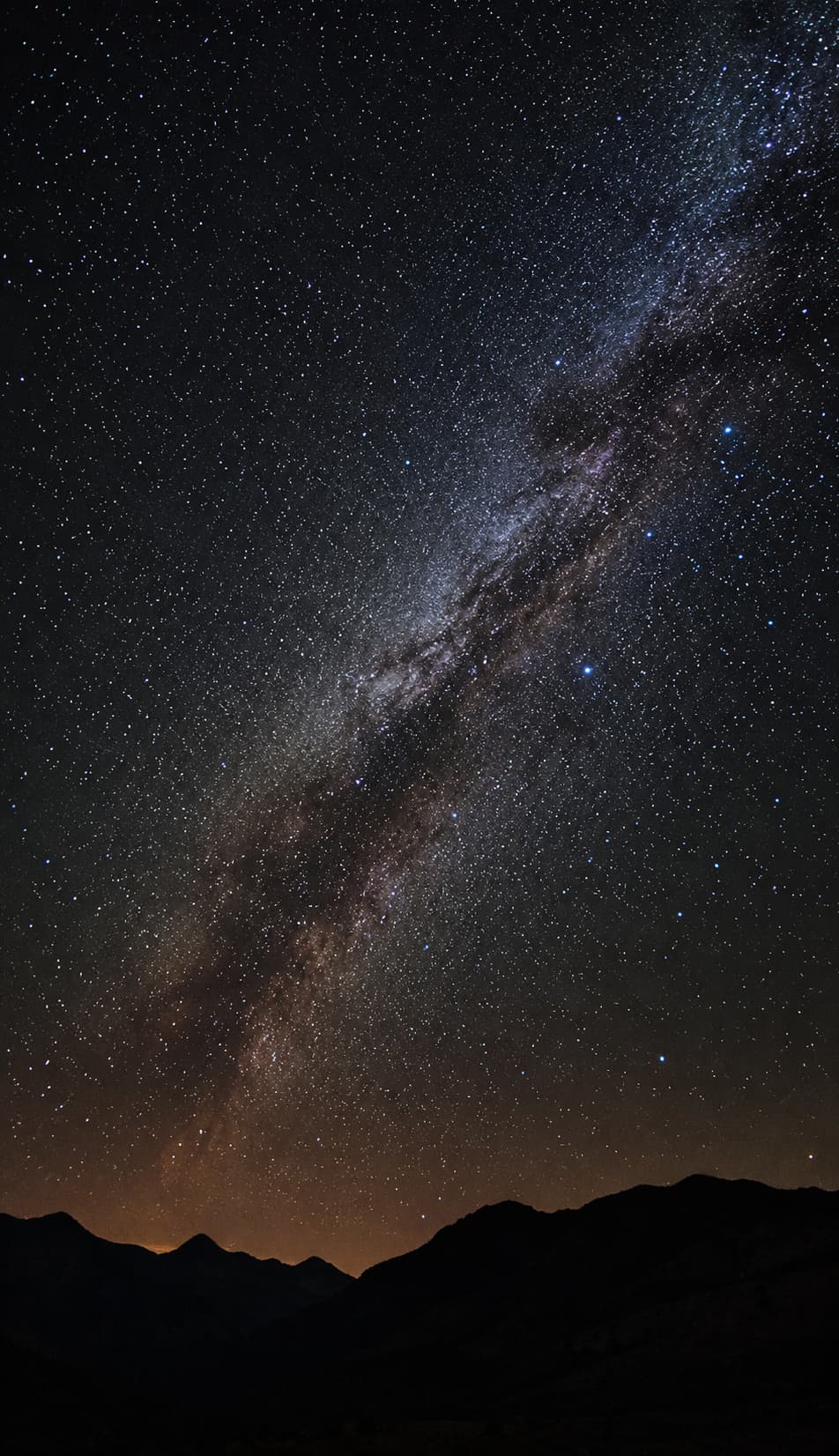
Not a hotel rooftop — a proper night under open sky, away from light pollution, where the Milky Way becomes literal. Pick any remote hillside, desert, or lakeside campsite. Bring a blanket, a thermos, a star map app, and stay long enough that it stops being a photo op and starts being an experience.
A proper sit-down meal at a place you’ve been putting off because “it feels weird to go alone.” Order the full menu. Eat slowly. Ask the server what they’d recommend. Solo dining is the single most confidence-building habit in a traveler’s toolkit.
You arrive alone, work alongside people, and eat together — by the end of two hours you’ve shared something real. Find a class taught by a home cook, not a hotel kitchen. What you’re really learning is a culture through its kitchen logic: what it reaches for instinctively, what it feeds its children.
Download Light Pollution Map or SkySafari before you go. The difference between “somewhat dark” and “Bortle Class 2” is astonishing.
Counter seats and bar dining are made for solo guests. Ask for them specifically — you’ll often get better service, better views, and better conversation.
Platforms like Airbnb Experiences, EatWith, and Cookly connect you with home cooks worldwide. Expect to spend $25–$80 and leave with three new friends.
04–08 — Nature, Adventure & Slow Travel
Set your alarm for 4am, pack light, and walk toward something high or open in the dark. The specific mountain or cliff doesn’t matter nearly as much as the ritual: earning the view through effort, standing at the threshold of a new day completely on your own terms. The solitude of a sunrise hike resets something in the nervous system that nothing else quite reaches.
No itinerary. Pick a neighborhood and walk. Sit in a café until your coffee is cold. Wander into a shop you have no reason to enter. The difference between a tourist and a traveler is this kind of intentional purposelessness — the willingness to let a place show you what it wants to, rather than what the guidebook says it should.
Not small talk. Ask someone in a hostel common room about the best and worst thing that’s happened to them this trip. Solo travel naturally creates the conditions for this — you don’t have a companion to retreat into — and the conversations that result are among the most honest you’ll ever have.
Adventure, Festivals and Social Confidence
Paragliding. Surfing. Rock climbing. Scuba diving. Pick the one that makes your stomach drop slightly — not from real danger, but from the nervous excitement of pushing past a self-imposed limit. Summer is the season for this, and the solo part matters: no one to negotiate the hesitation with. You decide, you show up, you do it.
Every region celebrates summer with something — music, food, solstice, saints’ days, or just the tradition of gathering outdoors when evenings are long. Festivals are the world’s most welcoming social infrastructure: no one expects you to know anyone, and the shared experience creates instant belonging. La Fête de la Musique, Midsummer in Scandinavia, Eid celebrations across South Asia — or the street fair in whatever city you happen to be in.
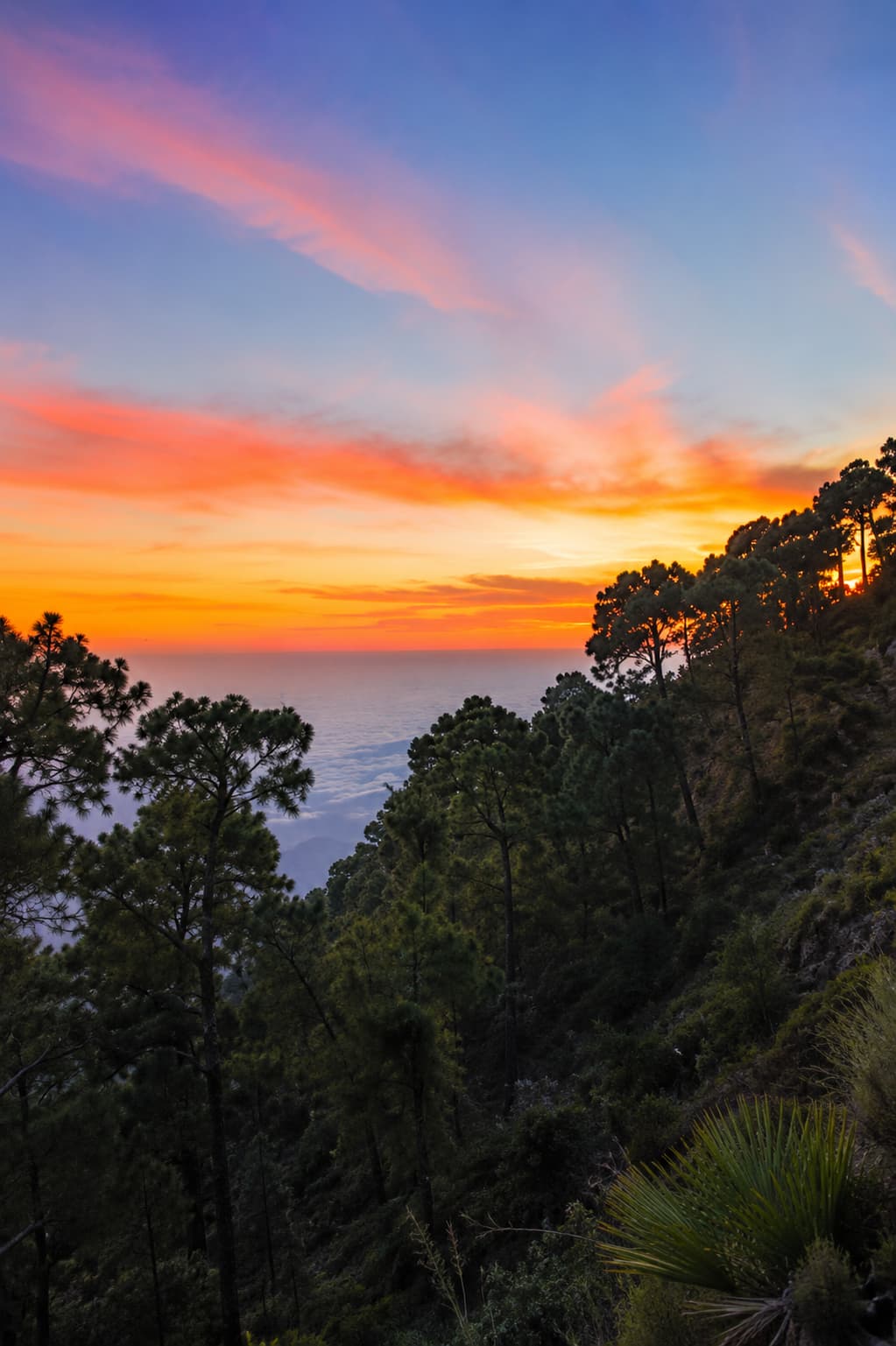
AllTrails has sunrise time listings integrated into trail pages. Search “viewpoint” + your region for summit hikes built specifically for panoramas.
Most are more beginner-accessible than they look. A two-hour intro surf lesson or tandem paraglide costs less than a nice dinner and recalibrates your sense of what you’re capable of.
09–13 — Journaling, Markets, Trains & Water
Not Instagram captions — real writing: what confused you, what surprised you, what you noticed about yourself that you wouldn’t have noticed at home. Solo travel compresses experience in a way that makes daily writing genuinely necessary. By day seven, you’ll read back the first entry and barely recognize the person who wrote it.
Go when it’s still quiet enough to hear the vendors setting up. Buy something you don’t know how to cook and ask how to use it. Markets reveal a culture’s real appetites — not the dishes it dresses up for visitors, but the ingredients it reaches for without thinking.
Water, Creativity and Hands-On Travel
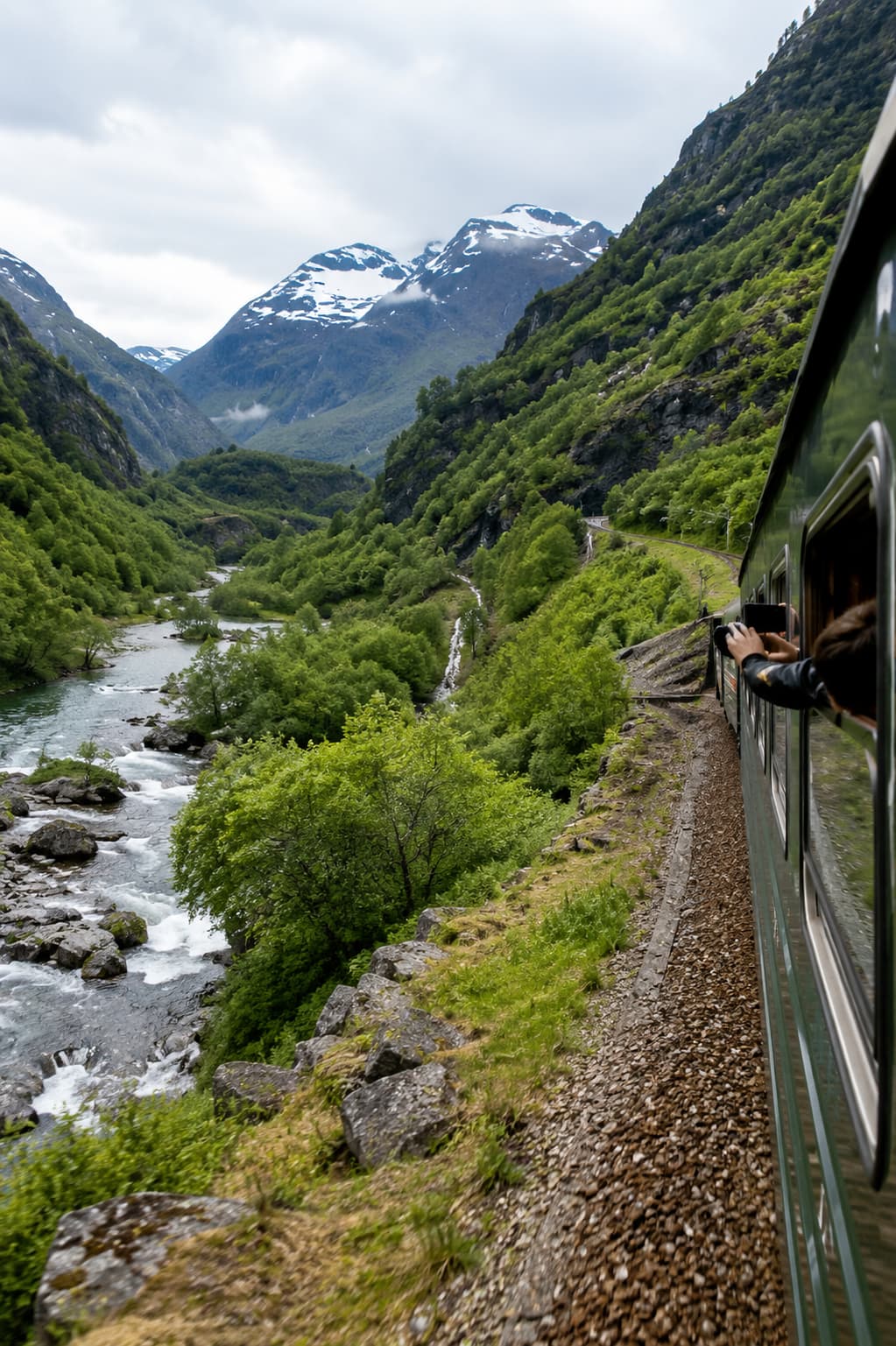
Pick a journey long enough to feel it — six hours minimum — and resist the urge to fill it with podcasts or screens. Look out the window. Think without an agenda. Some of solo travel’s most clarifying moments happen in motion, when the forward momentum makes you feel like something is being decided even when nothing in particular is happening.
A cold mountain lake. Ocean waves bigger than you’re used to. A river you have to commit to. The slight scare is the signal that something real is happening — water demands full presence and strips every layer of comfort-seeking. Afterward, the warmth of a towel and sun on wet skin becomes one of the most profound small pleasures available to a human being.
A pottery class, a weaving workshop, a watercolor afternoon in a public park with a €5 kit. The medium is almost irrelevant — the point is spending a few hours making something physical in a place that isn’t home. Creative work while traveling has a looseness to it, and that looseness is where the most interesting self-discoveries tend to happen.
Three handwritten pages, unfiltered, immediately on waking — the most effective journaling format. They bypass the self-editing that kills honest reflection.
Arrive within the first hour of opening. The produce is freshest, the vendors most talkative, and the light for photos is extraordinary.
Wild swimming communities exist in almost every country. Search “[your region] + wild swimming” to find local spots, seasonal conditions, and safety guidance.
14–20 — Mindfulness, Service, History & the Hardest One
Leave the phone at your accommodation. Walk. Sit. Exist in a place without documenting or consulting it. What fills the space instead — boredom, observation, unexpected conversation, the startling clarity of just being somewhere — is what solo travel was always supposed to deliver.
A beach cleanup. A community garden. Teaching a skill. The shift this creates in how you relate to a place is hard to overstate — from guest to participant, from consumer to contributor. It’s also among the most reliable ways to meet local people doing meaningful work.
Not the comfortable history — the complicated one. A war memorial. A site of historical injustice. Solo travel has a moral dimension that group travel often smooths over: you can’t deflect the discomfort onto someone else’s reaction. You have to stand in front of something hard and decide what you think.
Workaway and Worldpackers list one-day to multi-week volunteer opportunities globally. Search by city or region for immediate options — your accommodation host often knows of informal local opportunities that never appear online.
Hire a local guide for difficult historical sites when possible. Context transforms a place from a landmark into a lesson — and a guided visit is often the difference between a solemn hour and a genuinely formative one.
Night Music, Retreats and the Inner Journey
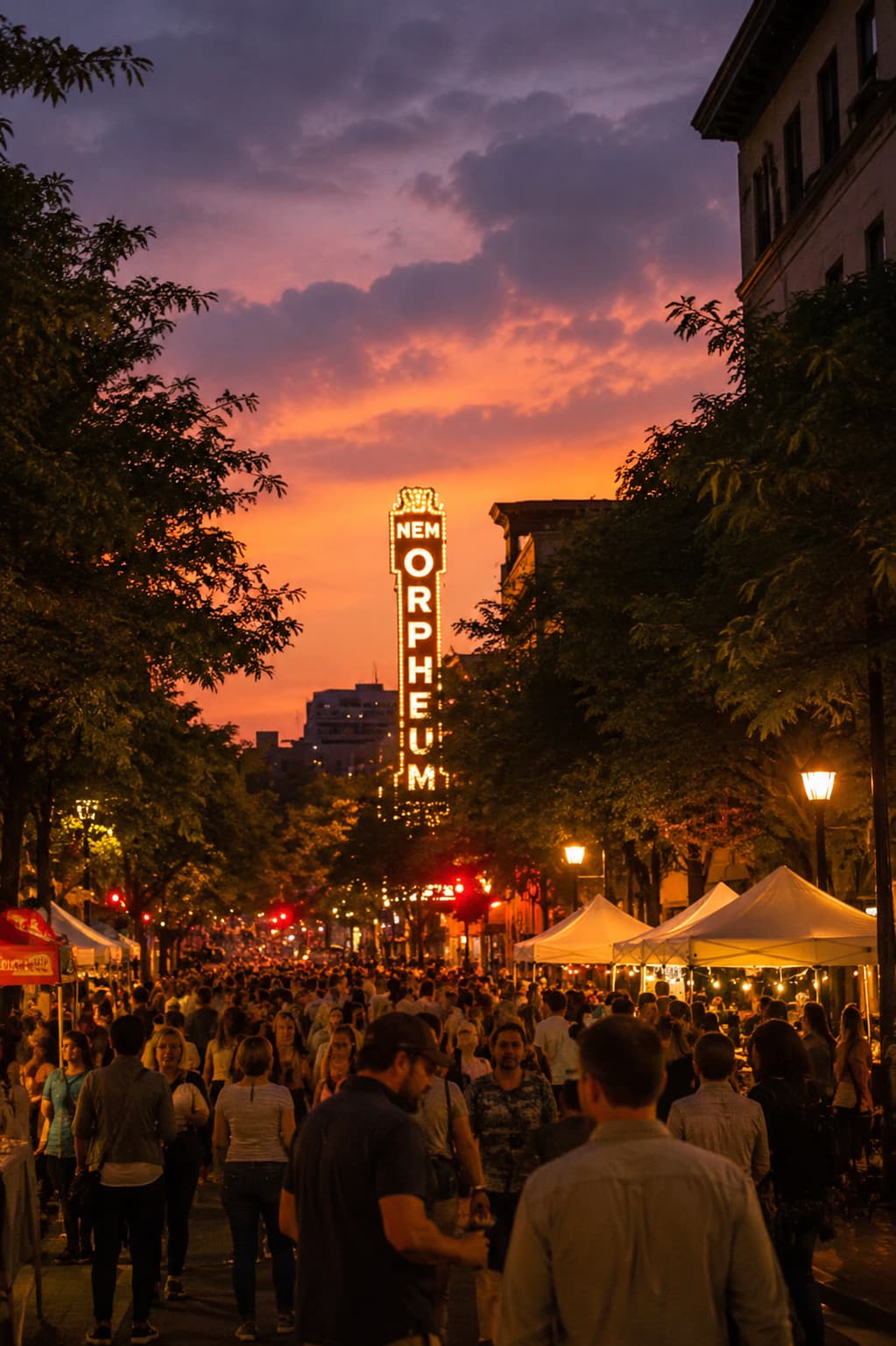
Not a nightclub. A jazz bar, a rooftop with a local band, a street corner where someone is playing. Going out alone at night is one of the last things solo travelers tend to give themselves permission to do. Find somewhere with music, get a drink, let the evening happen. You are allowed to be there.
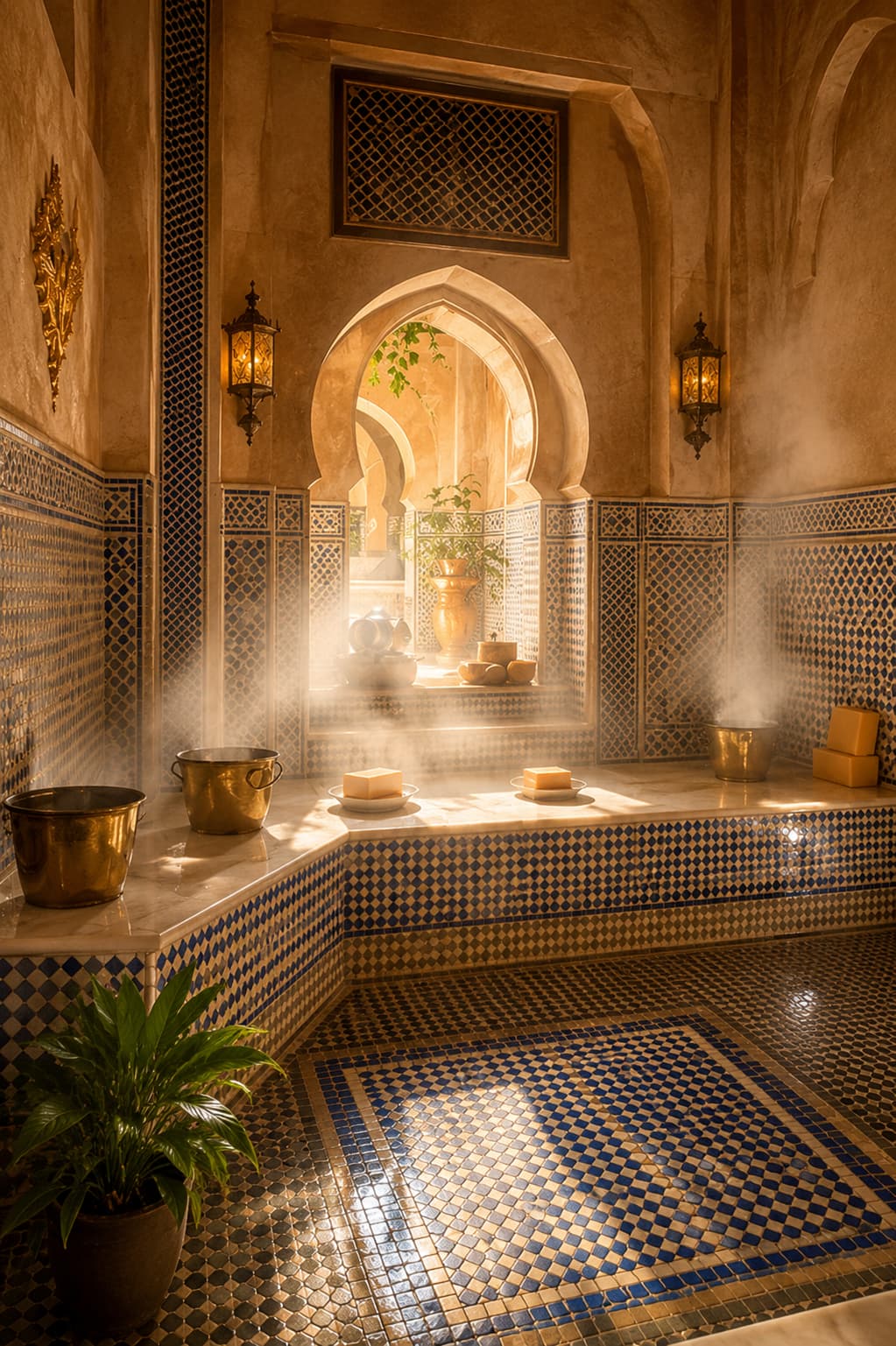
A hammam. A day spa. A silent morning meditation. The “me-moon” trend reflects something important: that the soul of solo travel was always about relationship with yourself, not just the world. Find the local version of restoration and give yourself a full day of it without guilt or justification.
Language, Reflection and the Inner Journey
Not hello and thank you — learn something that opens a conversation. Even badly spoken, the attempt changes how people respond to you. The moments where you stumble through a language and someone helps you finish the sentence are among the warmest in solo travel.
Almost every solo trip has an unspoken agenda beneath the itinerary — a decision that needs making, a grief that needs space, a version of yourself you’re trying to locate. Most solo travelers circle this thing for days before finally sitting down with it. Make space for it this summer. The world’s most interesting destination is still, after all, the interior one.
Focus on: something beyond a greeting (try “What do you recommend?” or “Is this made here?”), a polite refusal, and a genuine compliment. Even one phrase spoken with real effort lands differently than a full sentence delivered with apology.
Start with three hours. Tell yourself it’s a trial. By hour two, you’ll realize you’re more present than you’ve been in months.
Traditional bathhouses — hammams, saunas, onsen, jjimjilbangs — are extraordinarily affordable and built for exactly this kind of solitary restoration.
Solo Travel Bucket List Basics
Planning, Journaling and Solo Retreats
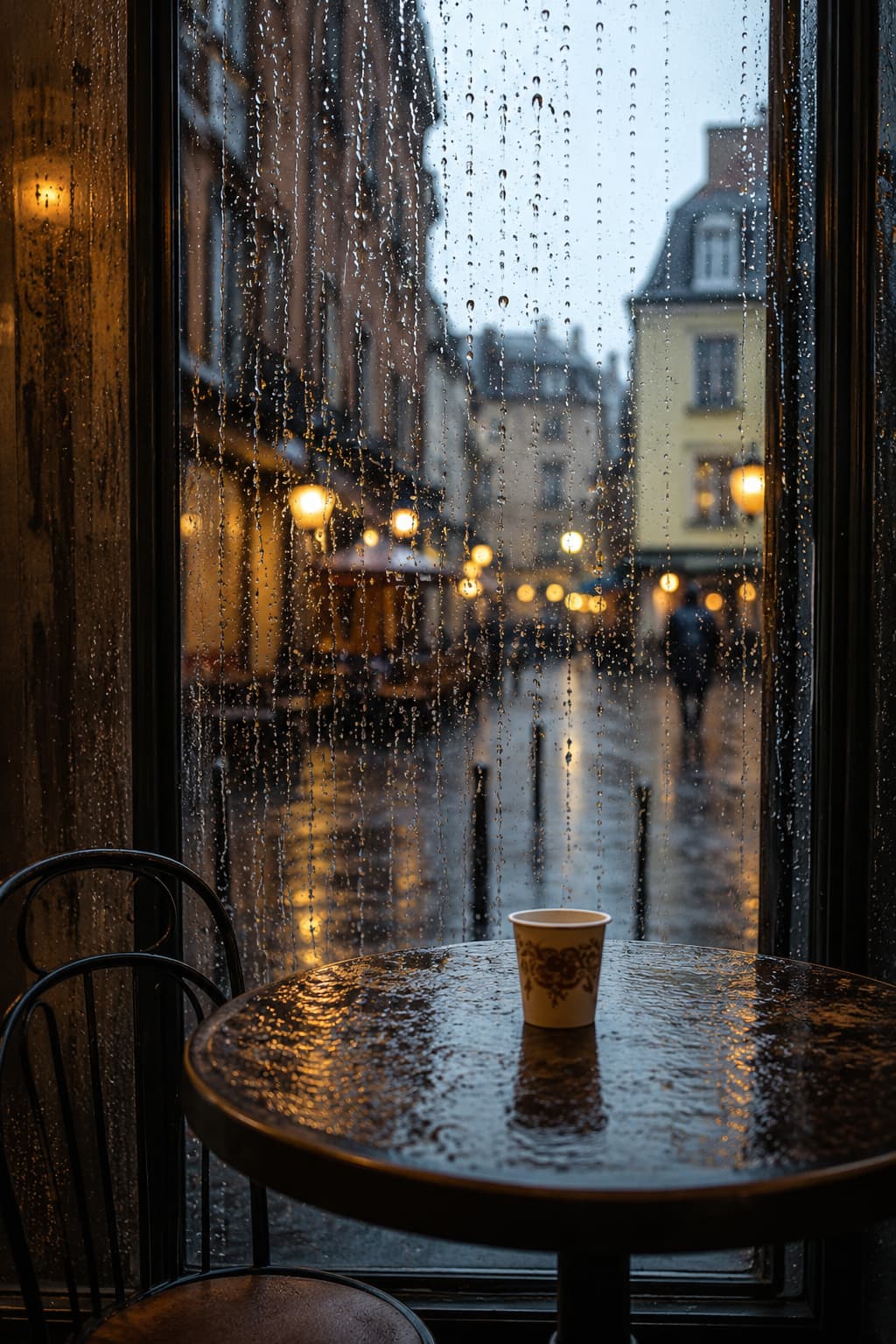
The world’s most interesting destination is still, after all, the interior one.
This summer, your solo travel bucket list has twenty reasons to find it.