
Scotland in Autumn: Where to Go When the Colours Actually Peak
The glens go amber, the crowds go home, and October turns out to be exactly the right time to see Scotland properly.
Scotland in autumn is a genuinely different trip from the summer version — quieter glens, low amber light, and the kind of wildlife that tour operators rarely lead with. This guide covers the best places to visit Scotland in autumn, when the foliage actually peaks, what the weather means in practice, and why mid-October is the window worth booking around.
01 — Why Autumn Changes Scotland
Scotland in autumn is not the same country as Scotland in summer. Technically the postcards look similar — the lochs, the glens, the castle silhouettes against big skies — but the light is different, the scale of the landscape feels different, and crucially, it’s yours in a way it isn’t in July. The coach tours thin out. Skye’s car parks empty. By October, the roads through Glencoe return to something closer to the quiet they deserve.
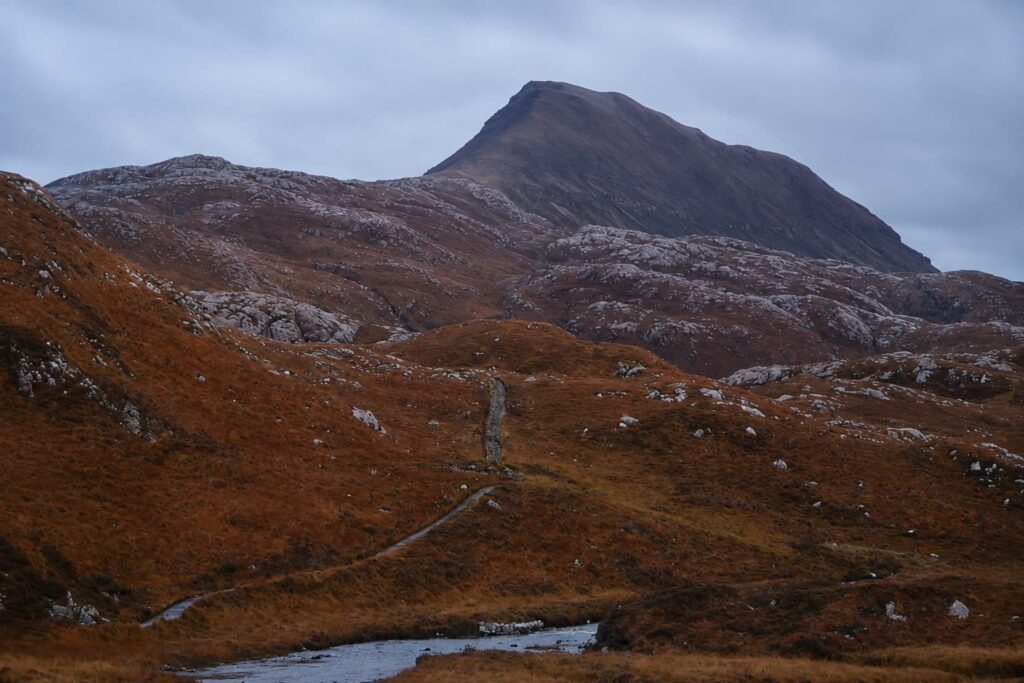
What replaces the crowds is colour. From late September, the deciduous woodlands across Perthshire, the Trossachs, and Argyll begin turning — birch silver giving way to amber, the larches catching fire, the bracken on the open hillsides shifting to a deep, burnt orange that makes the whole glen glow in afternoon light. By mid-October, Scotland’s autumn is in full performance.
On top of that, there is the wildlife. The red deer rut starts in late September and peaks through mid-October, when stags roar at dawn across the open hillsides of the Angus Glens and the Cairngorms. It’s one of the most genuinely dramatic wildlife events in Britain, and most visitors have no idea it’s happening.
None of this is a secret, exactly. VisitScotland mentions it. Tour operators will sell you a package around it. However, what the promotional copy doesn’t tell you is where specifically the colours peak, how short the best window actually is, and why November — despite its atmospheric reputation — is a different, quieter, and more demanding season than October. That’s what this post is for.
02 — When Is the Best Time to Visit Scotland in Autumn?
The short answer: book for the last week of September through the third week of October. That’s the reliable window for foliage, wildlife, and the best balance of daylight and atmosphere. Outside of that, you’re either too early or making peace with a different kind of trip.
September — The Shoulder of Autumn
Early September is still late summer in Scotland. The heather is purple across the moorland, the Highlands are clear and golden, and visitor numbers have already dropped noticeably from the August peak. Midges — Scotland’s small, persistent, and deeply annoying biting insects — are beginning to thin in most areas by mid-September, which makes this the first genuinely pleasant month for lingering outdoors without wanting to run. The autumn colour, however, has barely started. You’ll see the first turns in sheltered glens and lower woodland, but the full spectacle isn’t there yet.
Late September is worth it for the Braemar Gathering (early September), the beginning of the stag rut, and the first moody mornings in the Cairngorms. Arrive from around September 20th onwards and you’ll catch Scotland easing into autumn without the October crowds that are starting to build.
October — The Main Event
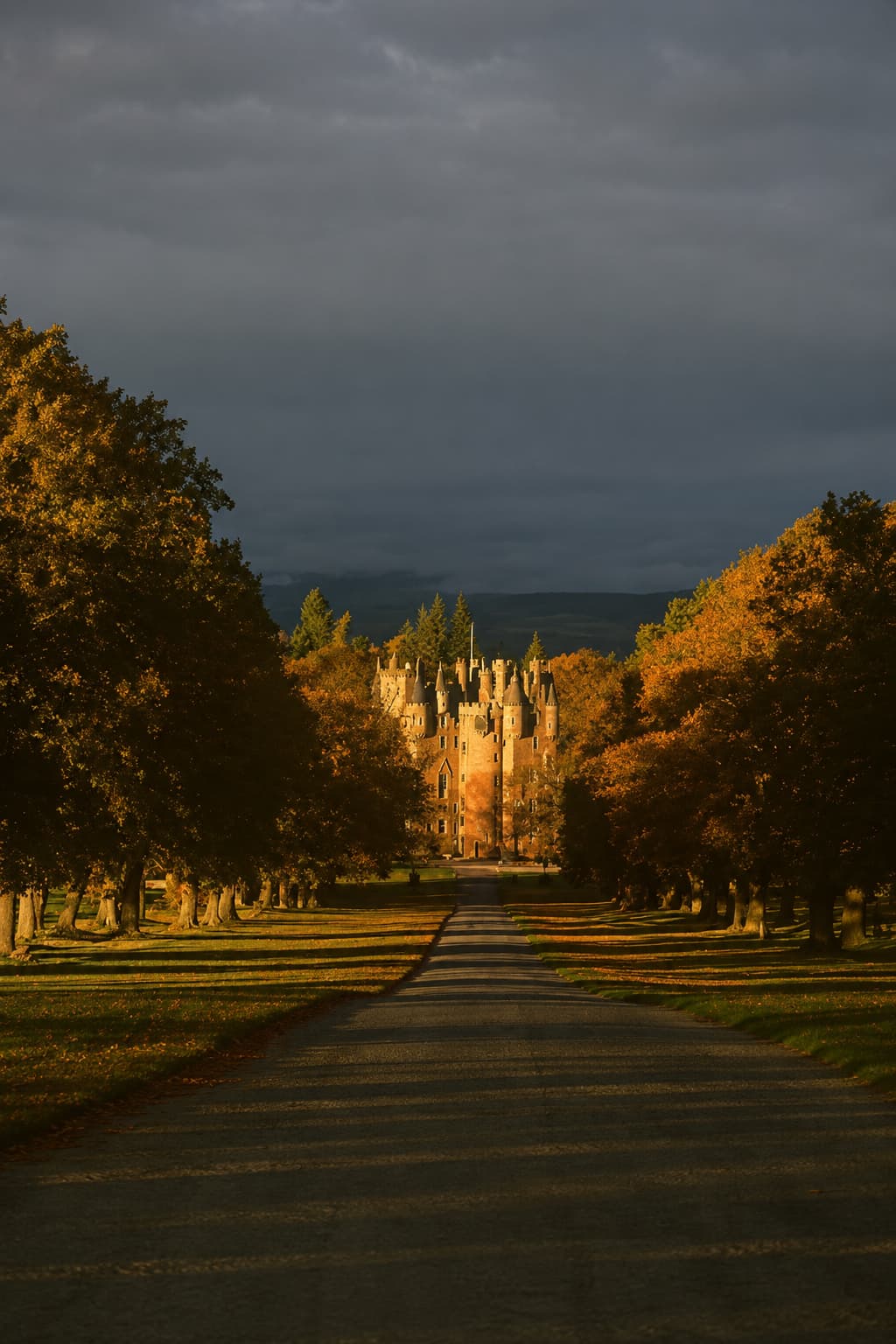
October is the peak of Scotland’s autumn, and mid-October is its peak within that. The larches in Perthshire are turning fast, the beech hedges along the Highland roads glow in low afternoon light, and the bracken on every hillside is the colour of rust. Visibility is sharp on clear days, and the shorter days mean the light comes in at a more dramatic angle.
The stag rut peaks in mid-October — dawn in the Angus Glens is genuinely worth setting an alarm for. Additionally, the Enchanted Forest sound and light event runs in Faskally Wood near Pitlochry through October and early November, which makes this a genuinely packed cultural calendar alongside the natural spectacle.
The tradeoff is weather. October is unpredictable everywhere in Scotland, but particularly on the west coast and Skye. Plan flexibility into your itinerary — specifically, avoid booking Skye as your first stop on a fixed schedule you can’t adjust. More on this below.
November — For Serious Mood-Chasers Only
November in Scotland is another country. The leaves are largely gone by mid-November, the daylight drops to around nine hours, and the weather along the western coast turns genuinely difficult. Nevertheless, this is also when the Highlands are at their most dramatic and most empty. The mountain snowline drops, early-morning frost lies on the glens, and the atmosphere is exactly what the phrase “Scottish autumn” conjures in people who have never been.
In short: if you want colour and wildlife, go in October. If you want silence and drama and can tolerate genuine cold and limited daylight, November rewards the patient traveller. St Andrew’s Day on the 30th of November adds a cultural anchor to the month if you’re based in Edinburgh or Glasgow.
03 — The Best Places to See Autumn in Scotland
These are the six locations where Scotland in autumn actually delivers on the promise — each for different reasons, and each worth understanding before you decide which to prioritise.
Perthshire — Scotland’s Big Tree Country
If you go nowhere else in Scotland in autumn, go to Perthshire. The region holds some of the oldest and tallest trees in Britain — including the Fortingall Yew, thought to be the oldest living tree in Europe — and the concentration of deciduous woodland along the River Tay and its tributaries produces the finest autumn colour anywhere in the UK. Hermitage woodland near Dunkeld is the most photogenic: a short walk through Douglas firs and larches to Ossian’s Hall above the River Braan, the canopy burning orange overhead. Loch Tummel offers the same spectacle at water level, particularly from the Queen’s View viewpoint above the loch at dawn.
The Pass of Killiecrankie is narrower, more dramatic, and easier to miss — a gorge carved by the River Garry with steep beech and oak woodland on both sides, the kind of place that doesn’t photograph well but stays with you. Pitlochry works as a base: accessible, quiet by November standards, and within twenty minutes of all three of these sites. The Enchanted Forest runs at Faskally Wood from early October through early November, which turns an already-strong itinerary into a genuinely full programme. Perthshire’s colour typically peaks in mid-October, and it earns the journey in a way that Scotland’s more famous destinations sometimes don’t.
Glencoe — Drama With No Crowd Filter
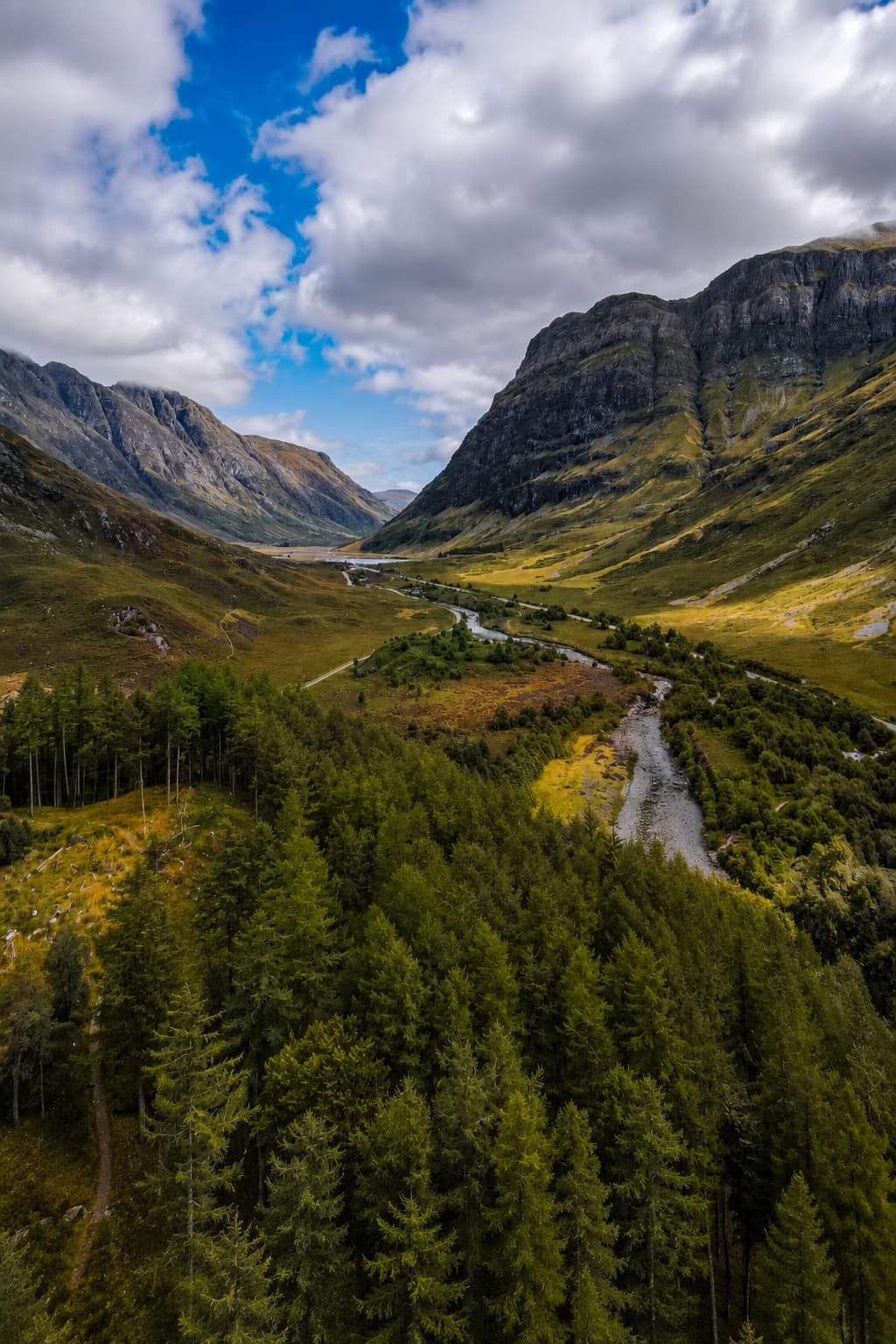
Glencoe is one of the most famous landscapes in Scotland, and autumn is the honest answer to the question of when to go. In summer, the carpark at the visitor centre fills early, coaches stop along the main road, and the glen itself is busy enough that the sense of scale gets diluted. In October, the coaches stop coming, the bracken on the valley walls has turned the colour of copper, and the low cloud that frequently sits over the glen in autumn adds rather than subtracts from the atmosphere. The Buachaille Etive Mòr at the eastern approach — the pyramid-shaped mountain that appears on half the postcards — looks best in autumn light: rust and gold on the lower slopes, grey-black above. Glen Etive, a side road that turns south from the main A82 just before the Buachaille, is worth the fifteen-minute detour: a long, narrow glen with the river running through it and almost nobody else there. Glencoe works as a one-night stop on a longer Highland circuit, or as a standalone two-night trip from Edinburgh or Glasgow for those with limited time. The drive from Glasgow takes around ninety minutes.
The Cairngorms — Heather Plateau and the Speyside Trail
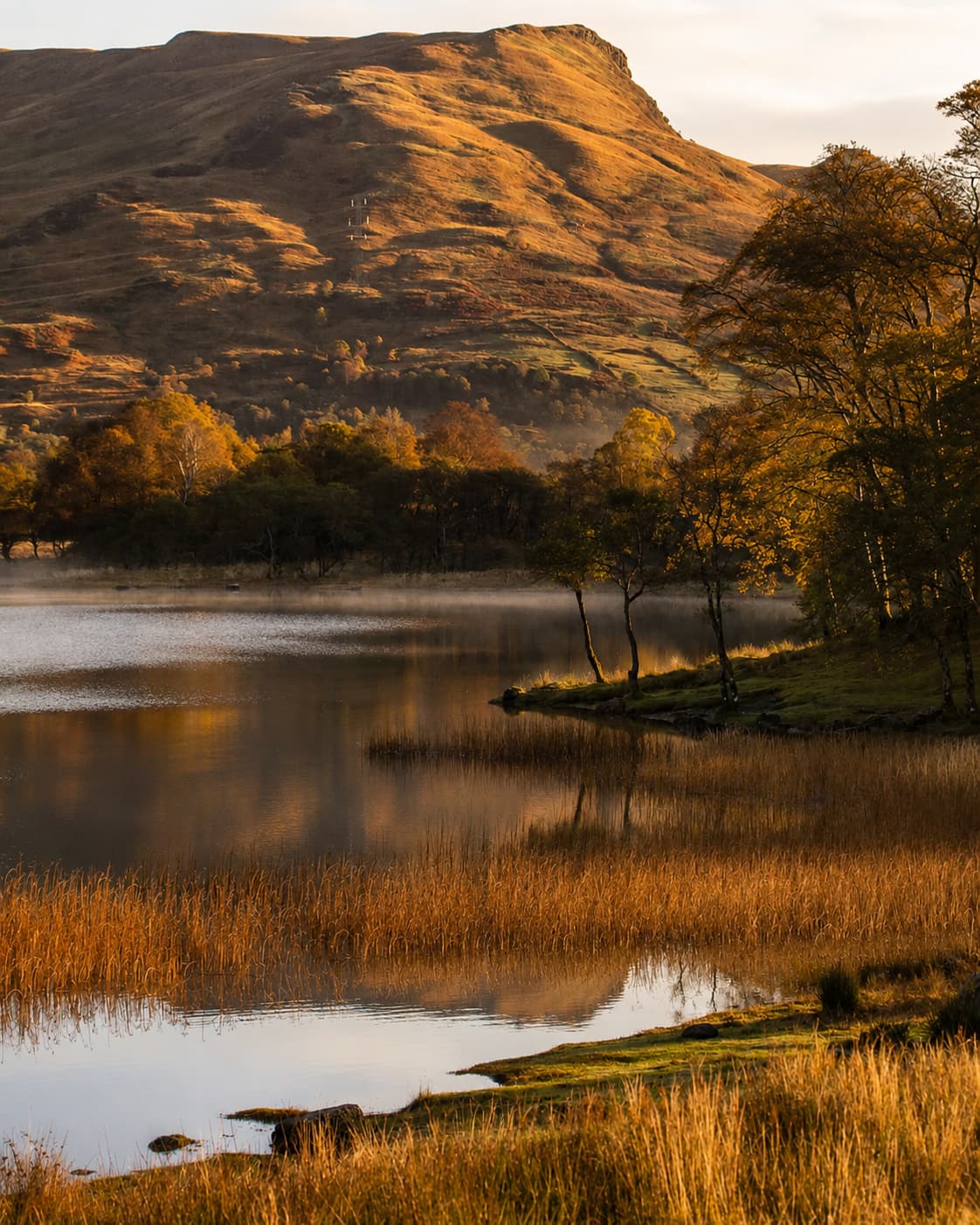
The Cairngorms National Park is the largest in Britain and the one that rewards the slower traveller most reliably in autumn. The plateau itself — a high, exposed Arctic-Alpine landscape — has largely turned brown and bronze by October, but the Rothiemurchus estate near Aviemore holds one of the last great Caledonian pine forests: ancient Scots pines with a woodland floor of heather and bilberry, red squirrels moving through the canopy, and a quiet so complete it’s slightly disorienting. This is also the natural home of the Speyside Whisky Trail, a loose circuit of distilleries — Glenfiddich, Balvenie, Glenlivet, Cardhu among them — that works as a rainy-day programme and genuine cultural immersion in equal measure. October is actually the ideal time to visit distilleries: the spirit of the previous harvest is still recent, distillery tours run full schedules without the summer pressure, and a dram at the end of a cold wet trail is exactly what it sounds like. Aviemore is the obvious base, though Grantown-on-Spey is quieter and puts you closer to the eastern distilleries. Allow at least two nights to do both the landscape and the whisky trail any justice.
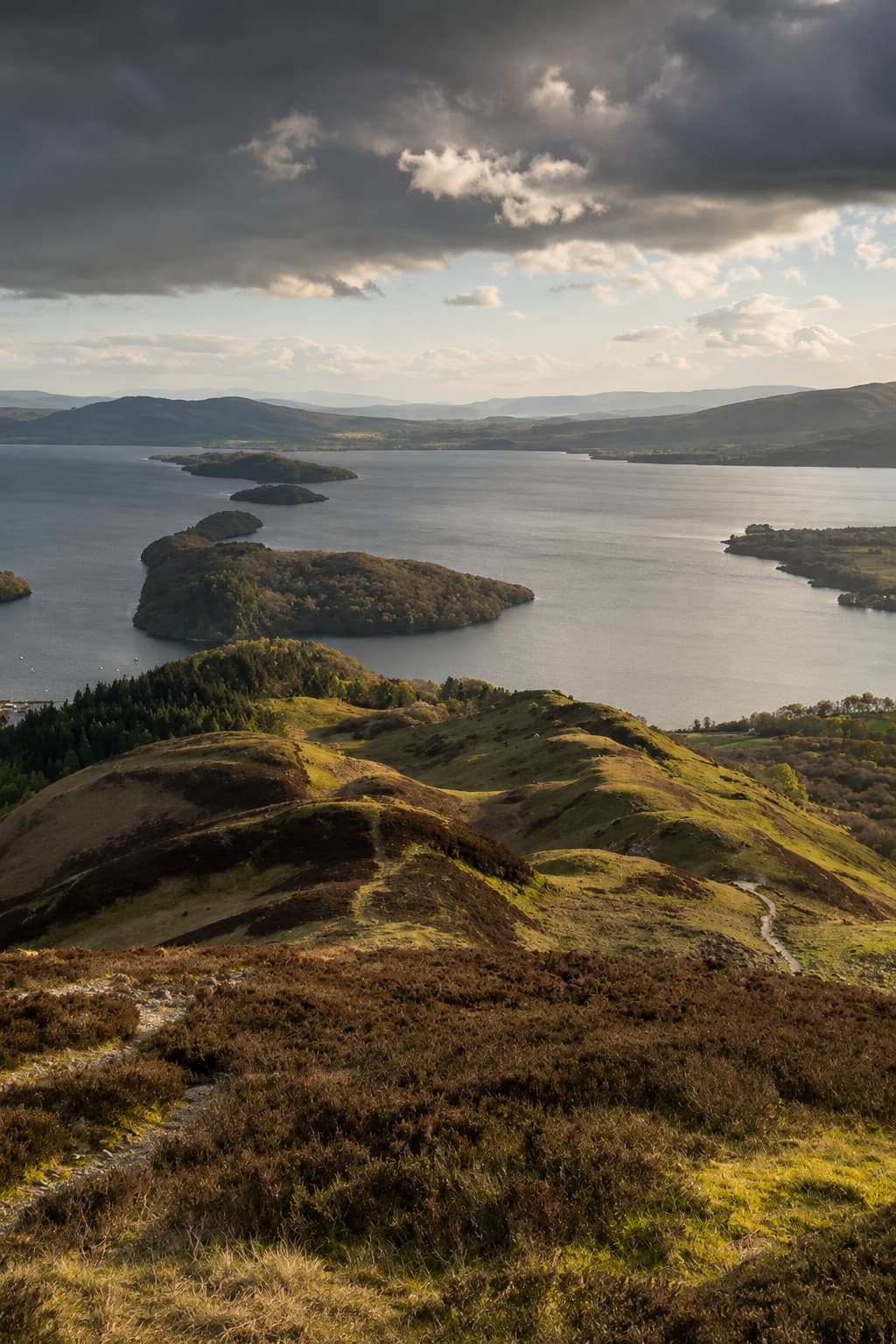
Loch Lomond & The Trossachs — Closest to the Crowds, Worth It Anyway
The honest caveat first: the Trossachs is the most accessible part of Scotland’s Highlands from Glasgow and Edinburgh, and it shows even in autumn. The village of Luss on the western shore of Loch Lomond still gets weekend visitors through October, and the carpark at Balmaha fills earlier than you’d expect. That said, the autumn colour here — oak, rowan, and birch lining the loch shore, reflected in the water on still mornings — is genuinely beautiful and doesn’t require a long drive north to access. For first-time visitors or those combining Scotland with a city stay, the Trossachs offer the autumn experience in a more manageable package. The Rob Roy Way walking route runs through the region, and the drive along the eastern shore of Loch Lomond between Balloch and Rowardennan is one of the better autumn road routes in the country. Go midweek, go early, and expect it to be busier than anywhere else on this list. It’s still worth it.
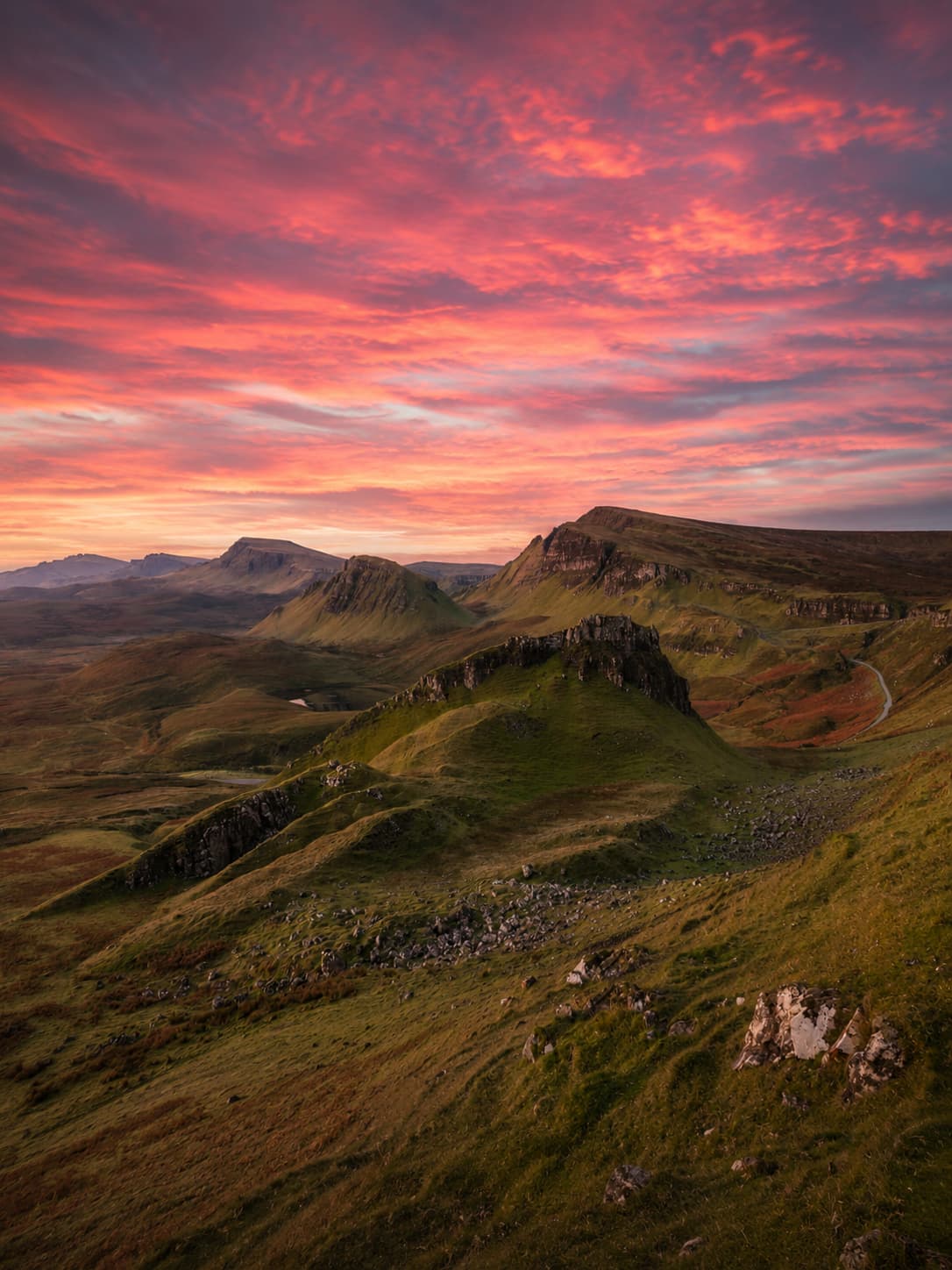
Isle of Skye in Early October — The Sweet Spot
Skye in late October is genuinely unpredictable in a way that requires honesty: the Fairy Pools can flood and close after sustained rain, the Quiraing road closes in high winds, and the Old Man of Storr is invisible on four days out of seven in November. None of this makes Skye a mistake — it makes it a trip that rewards flexibility over planning. The sweet spot is the first two weeks of October, when visitor numbers have dropped sharply from the summer peak but the weather hasn’t yet turned into the sustained Atlantic battering that November brings. In autumn morning mist, the Quiraing becomes one of the more otherworldly landscapes in Britain. The Fairy Pools, if the water levels are right, run clearer than in summer. The Portree harbour at low tide in flat, grey October light is exactly the image of Scotland that people carry before they’ve been. Book accommodation in Portree or Broadford at least six weeks ahead — even in October, Skye’s limited bed stock fills faster than visitors expect. And treat the weather forecast as information rather than a plan.
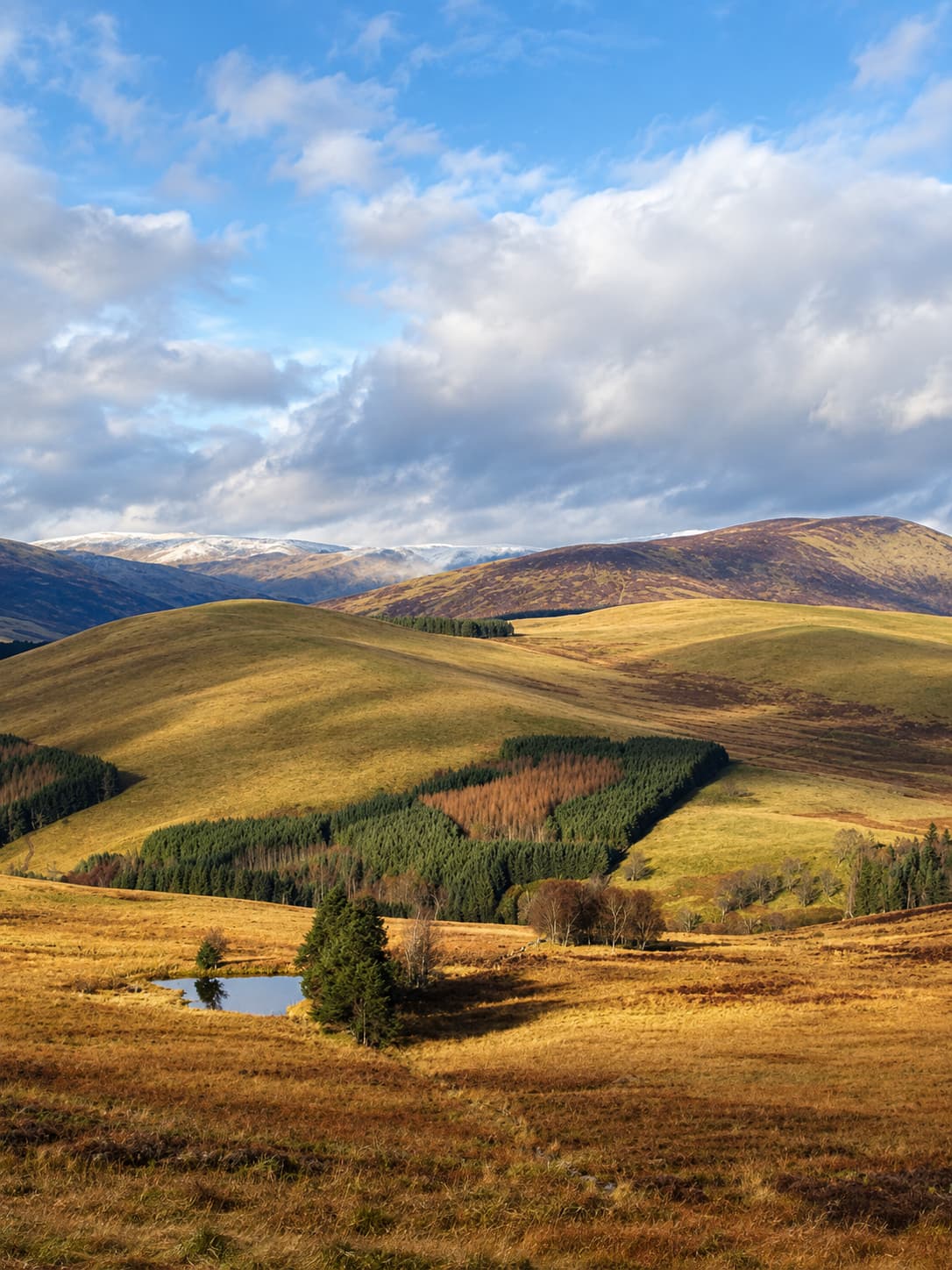
Angus Glens — Red Deer Country
The Angus Glens — Glen Clova, Glen Isla, Glen Esk, and Glen Lethnot — are the least-visited entry on this list and consequently the one that delivers the most unfiltered version of Scotland in autumn. These are working Highland glens in the eastern Cairngorms, accessible from Kirriemuir and Brechin, where the roads narrow and the population density drops to something close to zero. In mid-October, the red deer rut runs across these hills. Stags roar at dawn — a sound closer to a bellow than a call — and the hillsides can hold herds of thirty or forty hinds with a dominant stag moving between them. This is not managed wildlife tourism. There are no hides, no wardens, and no guaranteed sightings. However, the combination of near-empty glens, genuine Highland scale, and the possibility of watching one of Britain’s most dramatic wildlife events from a roadside without another car in sight is the reason this belongs on the list. Glen Clova is the most beautiful and the most accessible. Start there, and drive further east if you want more solitude.
04 — Is the Stag Rut Worth Planning a Trip Around?
The red deer rut in the Scottish Highlands peaks in mid-October, and it’s one of the few genuinely wild spectacles in Britain that requires no ticket, no guided tour, and no preparation beyond showing up in the right place at the right time. Stags roar at dawn across the open hillsides — a deep, territorial sound that carries across a glen and is completely unlike anything you’ll hear in a managed wildlife park. Herds of hinds move along the valley floors while rival stags clash on the higher ground.
Where to Go
The Angus Glens (Glen Clova and Glen Esk in particular) are the most reliable locations for roadside sightings. The Cairngorms plateau around Glen Feshie and Abernethy also holds large deer populations. On Skye and in the Western Highlands, deer are present but the denser terrain makes viewing harder. For the best chance, drive slowly along a glen road at dawn — between about 6:30am and 9am in mid-October — and stop when you see a herd on the hillside. They’re accustomed to vehicles and won’t bolt if you stay in the car. Get out, and most herds will retreat.
What to Realistically Expect
The rut is wild, which means it’s unpredictable. On a clear, still morning in the right glen, you might watch a full confrontation between two mature stags from fifty metres away. On a grey, windy day with rain coming sideways, the deer are there but invisible. The honest advice: don’t plan a trip only for the rut. Treat it as the bonus event on an autumn Scotland itinerary that’s already earning its keep on landscape and colour alone. If you see it, it’s extraordinary. If you don’t, you’ve still had a proper autumn in the Highlands.
05 — What the Weather Is Actually Like
Scotland in October is cold and frequently wet. That’s the honest version. The more useful version is that it’s predictable in its unpredictability, and knowing what you’re dealing with lets you plan around it rather than be defeated by it.
Temperatures and Rainfall
October daytime temperatures across the Highlands sit between 8°C and 13°C. The western coast — Skye, Argyll, Oban — receives significantly more rainfall than the east. Edinburgh and the eastern lowlands are generally drier than the Highlands, though no part of Scotland is reliably dry in autumn. Overnight temperatures in the Highlands can drop to 3°C or 4°C, particularly after mid-October. In Perthshire, a sharp overnight frost is what triggers the best colour in the deciduous trees — so cold nights are not a problem, they’re part of the point.
November brings shorter days (nine hours of daylight by the end of the month) and more sustained westerly weather systems. The west coast in November is beautiful in the way that a grey sea in a storm is beautiful: atmospheric, dramatic, and not for everyone.
What to Pack
A waterproof jacket that genuinely keeps out rain — not a shower-proof layer. Warm base layers. Wool socks. Hiking boots or sturdy walking shoes with grip: the paths in Perthshire and around the Cairngorms are often muddy through October. A small day pack. Binoculars for the stag rut and red squirrel watching in Rothiemurchus. Midges are largely gone by mid-October outside of sheltered western valleys, but a head net adds no weight and costs no comfort to carry just in case.
06 — How Many Days Do You Need in Scotland in Autumn?
The honest answer depends on what you want to prioritise and how much driving you’re willing to do. Scotland is deceptively large — the drive from Edinburgh to Skye is around three and a half hours on good roads, and many of the best autumn locations require minor road driving on single-track routes. That said, a tight itinerary can still deliver a genuinely complete autumn experience if you’re selective.
3 Days — Edinburgh Base, Perthshire Focus
Three days is enough for a focused Perthshire autumn trip from Edinburgh. Day one: drive up to Dunkeld and the Hermitage, continue to Pitlochry. On the second day: Loch Tummel, the Queen’s View, and the Pass of Killiecrankie. Day three: return via the Trossachs, stopping at Loch Achray or the Trossachs Pier, back to Edinburgh by evening. This route doesn’t touch the Highlands proper, but it delivers the best autumn colour in Scotland in a compact, manageable circuit.
5 Days — Perthshire Plus Glencoe or Cairngorms
Five days opens the trip enough to add either Glencoe or the Cairngorms to the Perthshire base. A logical route: Edinburgh → Perthshire (two nights) → Glencoe/Fort William (one night) → Cairngorms/Aviemore (two nights) → Edinburgh. Additionally, this is enough time to combine the Rothiemurchus forest walk with a Speyside distillery visit — a genuinely satisfying combination that earns the drive north.
7 Days — The Full Autumn Circuit
A full week allows Skye in the mix. The standard circuit goes: Edinburgh → Perthshire → Glencoe → Fort William → Isle of Skye (two nights, allowing for weather flexibility) → Cairngorms → Edinburgh. This covers the three main landscape registers of Scotland in autumn — deciduous woodland, Highland drama, and sub-Arctic plateau — plus the option to detour into the Angus Glens for the stag rut on the return leg. For a more detailed day-by-day breakdown of a Scotland road route, the full Scotland itinerary on the blog covers the logistics properly.
October Weather and Visiting Skye
November Travel and Driving in Scotland
Autumn Colours and the Stag Rut
The Quiet Logic of Scotland in Autumn
There’s a reason the honest traveller tends to land in Scotland in October rather than July. The famous landscapes are still there — Glencoe hasn’t moved, Skye is still dramatic — but autumn adds something that summer can’t: the sense that the place is being itself rather than performing for an audience. The glens are quieter. Autumn light is lower and stranger. The bracken on every hillside has turned the colour of old iron, and the larches in Perthshire are doing something that requires no filter and no particular photographic skill to document.
October in Scotland is not a compromise on the summer version. In several specific ways, it’s the better trip. The honest guide to the Highlands covers the broader logistics of a Scotland trip — the autumn version is simply the best context in which to go and find out what all the fuss is about.
October in Scotland isn’t the month before winter.
It’s the month the country stops pretending summer was the point.