
Germany vs Austria Christmas Markets: Which Country Actually Does It Better?
Germany invented the Christmas market and has roughly 2,500 of them. Austria has fewer, but the ones it does have are surrounded by Alpine scenery and stay open longer. Here’s who should actually pick which — and why the answer depends entirely on the kind of traveler you are.
01 — The short answer
When it comes to germany austria christmas markets, the choice comes down to two fundamentally different trips. If you want the full range — different cities, different vibes, the sense of a country that takes this seriously as a national institution — go to Germany. If you want a single trip that looks stunning in every photo, fits into four or five days without a car, and doesn’t require you to consult a map of 16 federal states, go to Austria.
Neither answer is wrong. They’re just answers to different questions.
The longer version is more useful, so here it is.
02 — Germany Austria Christmas Markets: Which Country Does It Better?
The honest answer is that the question has a false premise. You’re not comparing like with like. Germany and Austria operate at different scales and with different strengths — and the “better” country depends entirely on what you’re optimising for.
The case for Germany: depth, variety, and the original thing
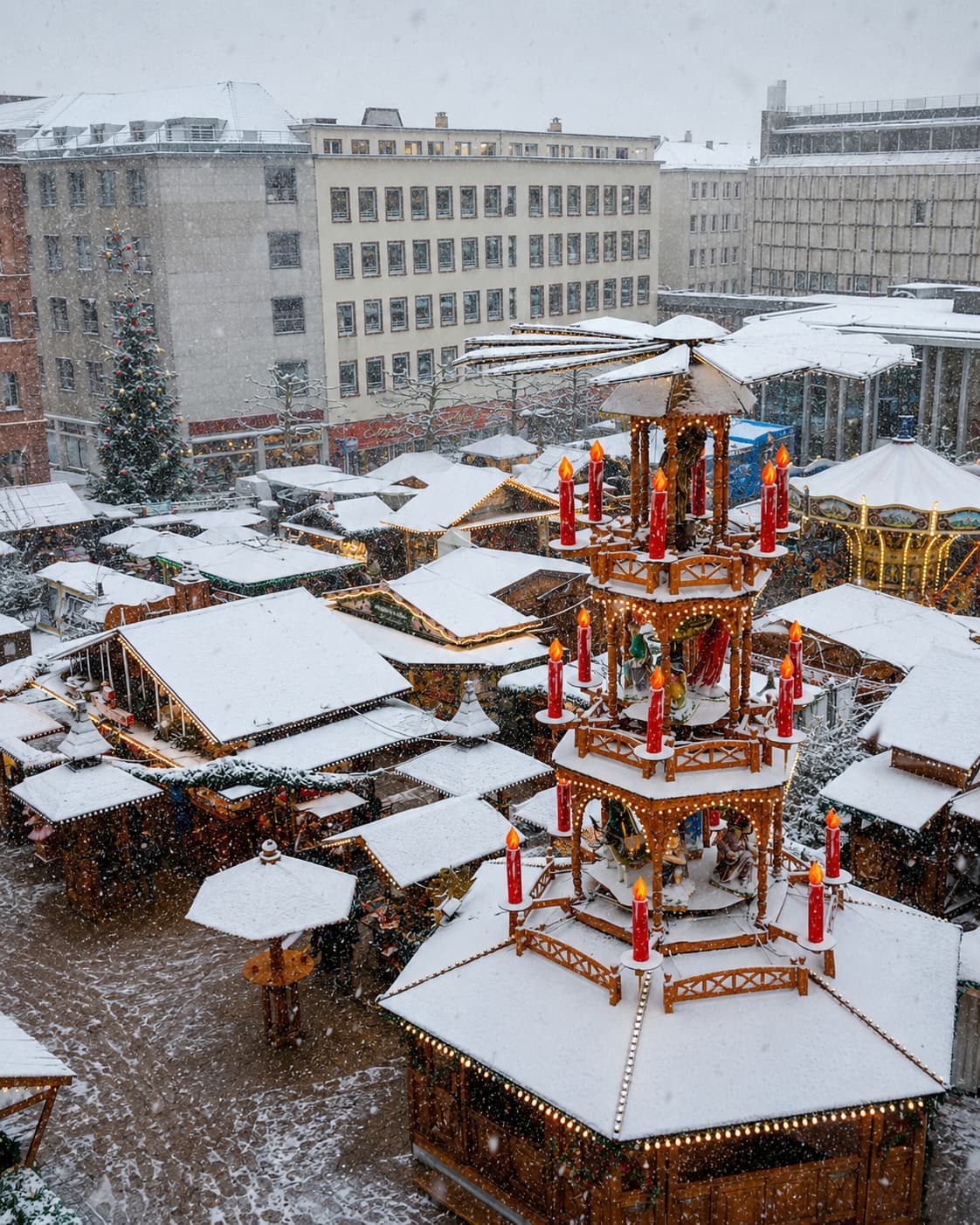
Germany’s Dresden Striezelmarkt, first documented in 1434, is the oldest recorded Christmas market in the world. That history isn’t trivial — it means six centuries of accumulated tradition, from Nuremberg’s Christkindlesmarkt (the one that launched the “Christkind” angel opening ceremony now copied across Bavaria and Austria) to Cologne’s half-dozen markets sprawling across the cathedral quarter. The official Striezelmarkt page lists exact dates and the full programme each year.
The scale is simply unmatched. Around 2,500 Weihnachtsmärkte open across Germany each November, ranging from the famous (Dresden, Nuremberg, Cologne, Munich, Hamburg, Heidelberg) to the genuinely lovely and barely-tourist-visited. This breadth is Germany’s real advantage: you can spend two weeks doing nothing but hopping markets, and every city will feel distinct. Cologne’s cathedral backdrop is nothing like Nuremberg’s medieval square, which is nothing like Hamburg’s waterfront or the Black Forest’s Ravenna Gorge market — a ticketed event in an illuminated gorge that sells out within hours of going on sale.
Germany is also where the food tradition runs deepest. Lebkuchen from Nuremberg (the city has a protected designation, like Champagne), Stollen from Dresden, Glühwein served in collectible city-specific mugs you keep as a souvenir. These aren’t things that exist as regional specialties by accident — they’re products of centuries of market culture that Austria has borrowed and adapted, not originated.
The case for Austria: scenery, compactness, and staying power
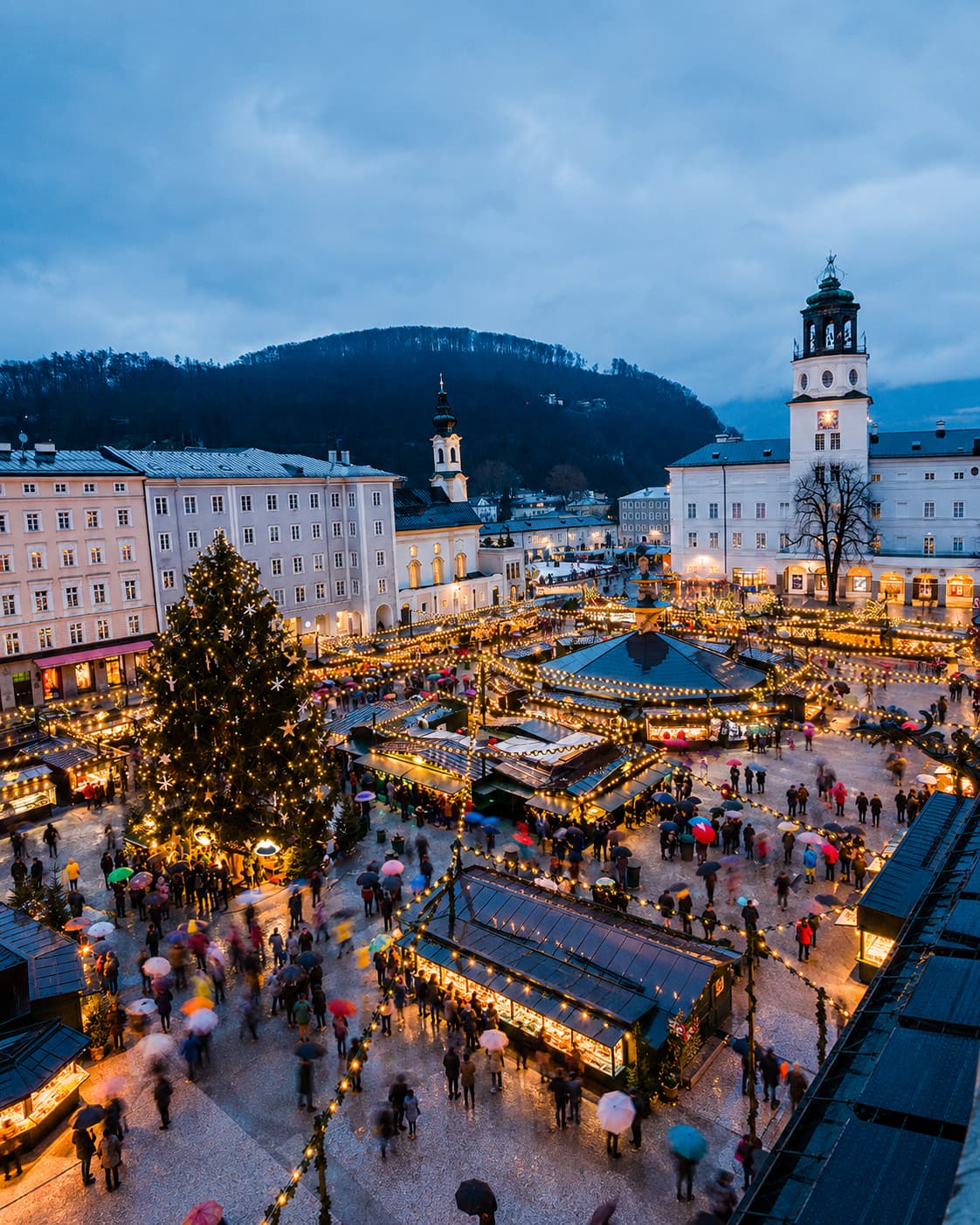
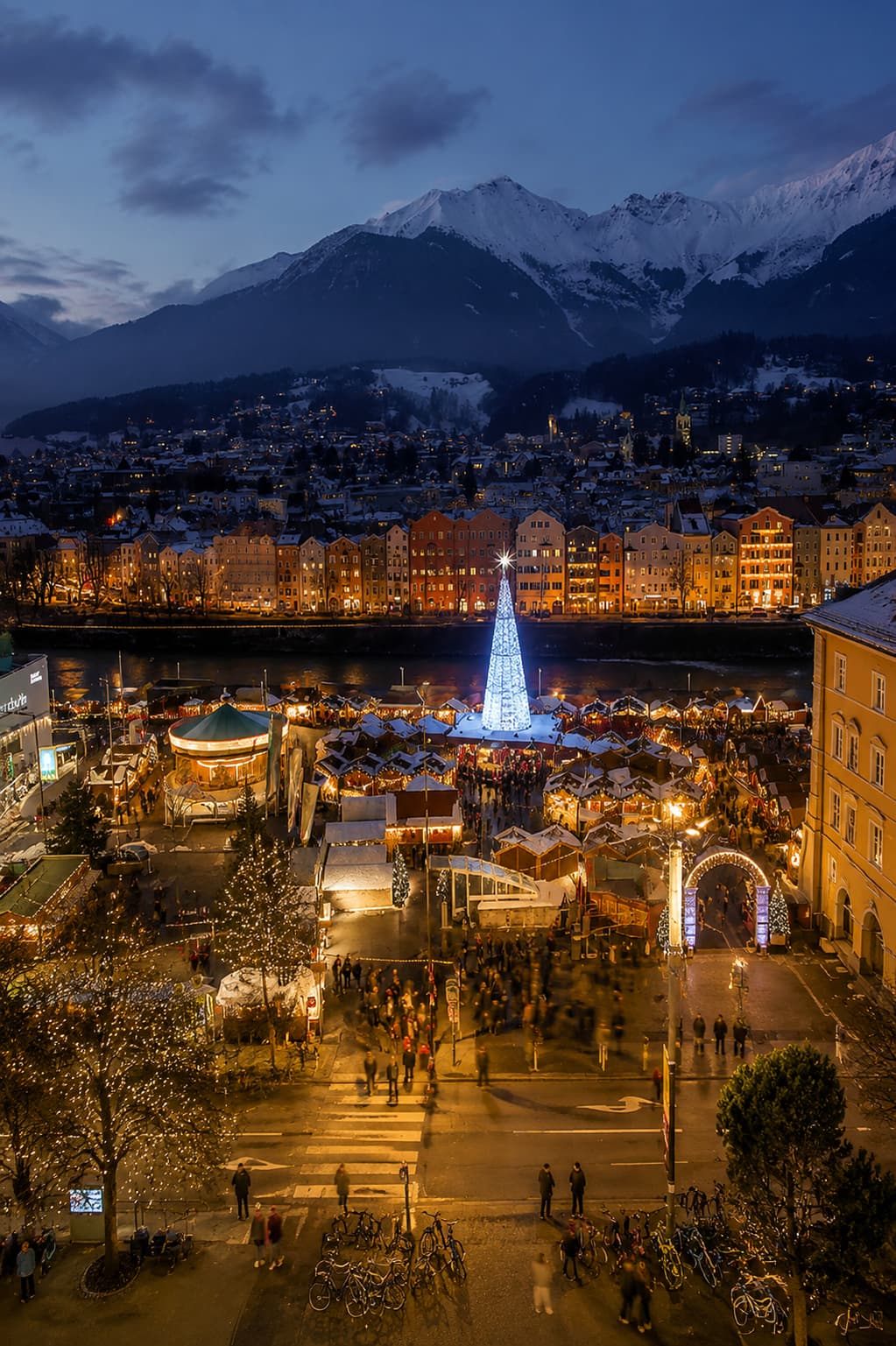
What Austria does that Germany doesn’t — can’t, geographically — is put Christmas markets against Alpine scenery. Salzburg’s market in Domplatz sits at the base of a castle that rises directly above you. Innsbruck’s market is ringed by mountains close enough to look painted on. Hallstatt, that tiny lakeside village that barely handles its regular tourist load, becomes something genuinely excessive in December: the lake, the church, the snow, the stalls. It can feel staged because it looks too good. It isn’t staged.
Austria’s other practical advantage is compactness. Vienna, Salzburg, Innsbruck, and Graz are all connected by fast, frequent rail. You could sensibly combine all four in a single week without a car and without backtracking. In Germany, replicating that — getting from, say, Cologne to Nuremberg to Dresden to Munich — takes considerably more time, money, and planning, even with the excellent rail network.
And then there’s the timing difference. Most Austrian markets run through Christmas Eve and many continue to January 6 (Epiphany). Germany’s markets — even the famous ones — typically close on December 23 or 24. If your trip falls on or after Christmas Day, Austria is your only realistic option between the two countries.
03 — Are Austrian Christmas Markets Better Than German Ones?
In terms of pure atmosphere, the two countries have genuinely different characters — not better or worse, but different in ways that matter depending on your temperament.
Traditional, rooted, occasionally raucous (especially Cologne)
Town squares, cathedral forecourts, historic Altstadt streets
Deep regional craft traditions — Nuremberg toys, Erzgebirge carvings
Protected-designation specialties — Nuremberg Lebkuchen, Dresden Stollen
Heavy at famous markets; smaller cities genuinely uncrowded
Dec 23–24 (most markets)
Quieter, more church-centred, Alpine in character
Palace courtyards, mountain backdrops, lakeside villages
Elaborate decorations, imperial-era ornaments, handmade glass
Kaiserschmarrn, Punsch, roasted chestnuts — rich but less regionally specific
Vienna markets very busy; Innsbruck and Graz manageable
Christmas Eve to Jan 6 (varies by market)
Germany’s markets feel more embedded in local life — they’re not primarily a tourist attraction, they’re how German cities mark Advent, which means they have a slight unselfconsciousness that the biggest Austrian markets (particularly Vienna’s Rathausplatz) can sometimes lack. Austria’s markets, in return, tend to be more visually spectacular: there are settings in Austria that Germany simply cannot match.
04 — Is Germany or Austria Cheaper for a Christmas Market Trip?
Neither country is cheap once you factor in flights, accommodation, and the cost of actually spending time at a market. But there are meaningful differences in how the money flows.
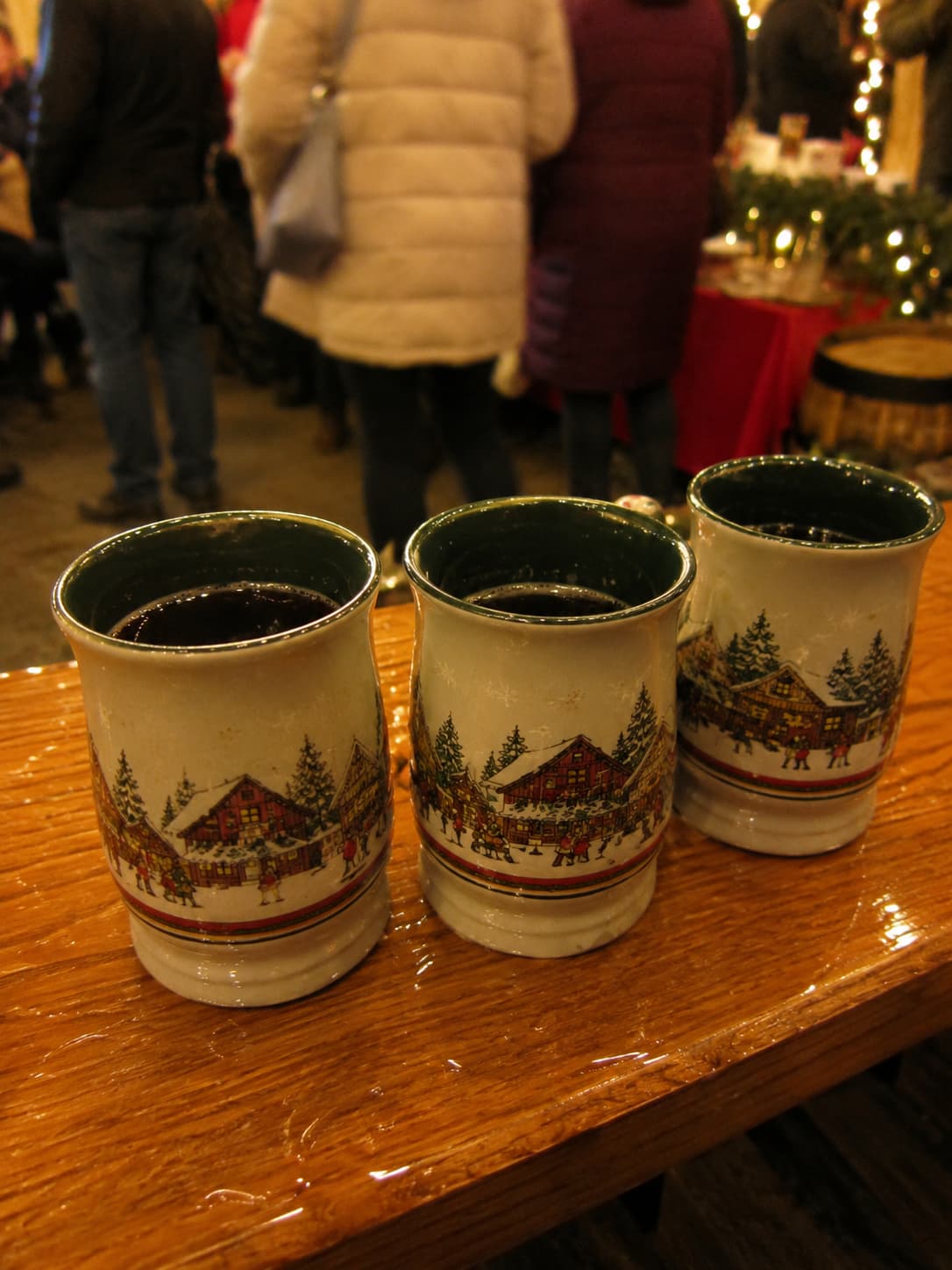
At the market itself, prices are broadly similar: a Glühwein will cost €3–5 in both countries, food stalls run €5–12 for a proper meal, and the ceramic mug deposit (usually €2–3, refundable or kept as a souvenir) is the same system on both sides of the border.
Where costs diverge:
- Accommodation: Vienna is more expensive than most German market cities (Munich excepted). Nuremberg and Dresden offer better value for central, well-located hotels during December.
- Transport: Austria wins for inter-city rail efficiency. Vienna–Salzburg is under three hours for €15–40; Salzburg–Innsbruck is 90 minutes. Germany’s rail network is excellent but longer distances between major market cities add up.
- The Bayern-Ticket: A single day ticket (from €29) covers Bavaria-wide rail travel including the Munich–Salzburg route. If you’re based in Munich and want a day in Salzburg, you’re crossing the border for under €30 return.
- Smaller German cities: Nuremberg, Dresden, Erfurt, and Regensburg are noticeably cheaper than Vienna for accommodation, making a Germany-focused trip easier on a tight budget.
Overall: Germany has the edge on budget if you’re strategic about which cities you choose. Austria wins on logistical efficiency — fewer cities to cover, less ground to cover between them.
05 — Is Vienna or Munich Better for Christmas Markets?
This is the most-searched city matchup, and it deserves a direct answer.
Vienna has more markets and more variety within the city. The Rathausplatz market (the main one, in front of City Hall) is vast, slightly commercial, and very popular with tour groups. But Vienna’s secondary markets are where the city earns its reputation: Schönbrunn Palace, Belvedere Palace, and Maria-Theresien-Platz each run their own market in genuinely spectacular settings. You could spend two full days doing nothing but Vienna’s markets without repeating yourself.
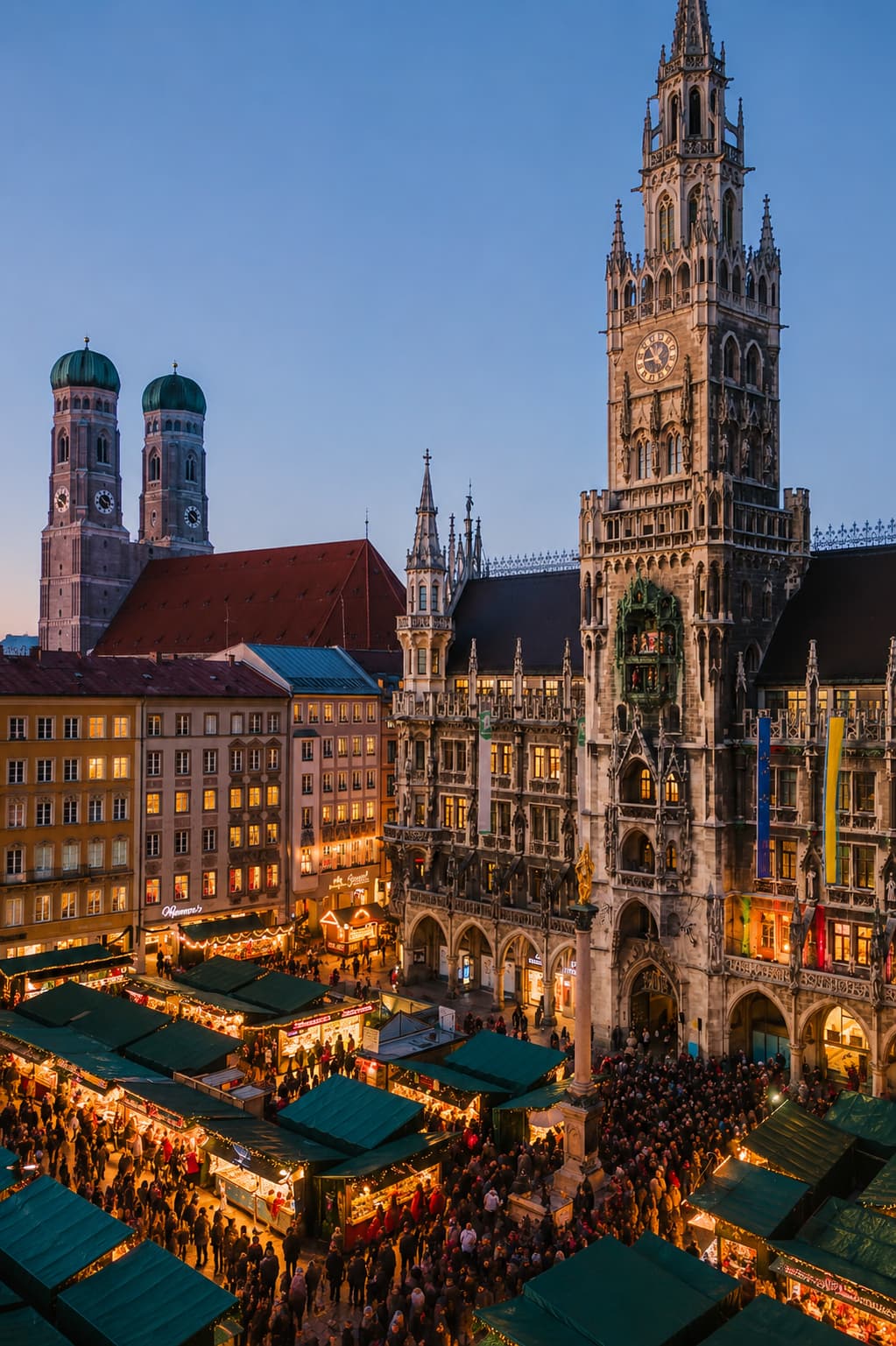
Munich has a better single market — the Christkindlmarkt on Marienplatz is one of the most atmospheric in Europe, small enough to feel human-scaled but anchored by the dramatic Gothic Rathaus. Munich also gives you easy access to smaller Bavarian market towns (Regensburg, Rothenburg ob der Tauber) that show a different, quieter side of the German tradition.
For a first Christmas market trip specifically: Munich is the sharper introduction. The Marienplatz market is classic, compact, and immediately legible as “this is what a German Christmas market is.” Vienna’s range is richer, but requires more navigation to experience its best.
If you’ve already done Munich and want the next level: Vienna, for the palace markets alone. The Vienna Tourist Board’s Christmas guide lists all markets by district with exact opening hours. Read more about how to spend the time well in two days in Vienna.
06 — When Do Christmas Markets Open — and Which Country Stays Open Longer?
Both countries typically open their markets in late November, tied to the start of Advent — in 2026, Advent Sunday falls on November 29, which is when most markets in both countries begin.
The closing date is where they diverge significantly.
| Germany (most markets) | Open late November · Close December 23 or 24. A small number extend past Christmas — notably some markets in North Rhine-Westphalia and the Black Forest. |
| Austria (most markets) | Open late November · Many run through December 26, and some continue to January 6 (Epiphany / Three Kings Day). Vienna’s Rathausplatz is a notable exception — it closes Christmas Eve — but Salzburg and Innsbruck markets typically continue through the holiday period. |
| Hallstatt | A special case: the December market in Hallstatt runs weekends only, and the village is magical but genuinely heaving — arrive early if you go on a weekend. |
| Best time to visit | First two weeks of December in both countries — markets fully operational, Advent mood at its peak, before the final-week crush. Weekdays are meaningfully quieter than weekends everywhere. |
If your trip falls between December 26 and January 6, Austria is the clear answer. Germany’s major markets will be dark. Austria’s will still be running.
For more detail on the full season calendar across Europe, when Christmas markets start in 2026 has the complete breakdown. If you’re deciding between a Christmas market trip and a winter sun escape, where to go in December covers both angles honestly.
07 — Can You Visit Both Germany and Austria Christmas Markets in One Trip?
Yes, and it’s one of the most natural Christmas market itineraries in Europe. The Munich–Salzburg axis is the easiest entry point.
The Munich–Salzburg combination
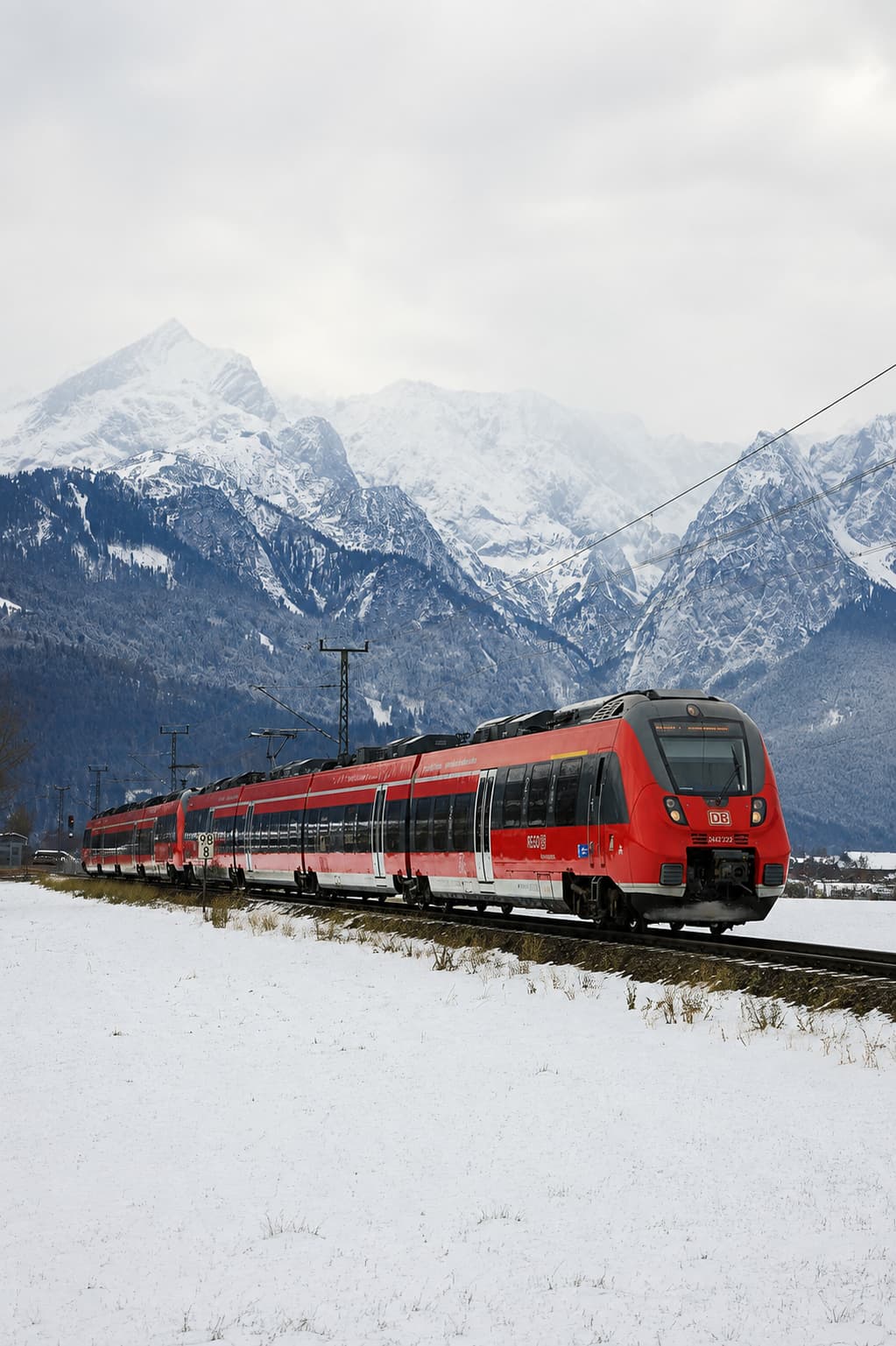
Munich to Salzburg is 90 minutes by train. The Bayern-Ticket (a Bavaria-wide day pass, from €29 for one person) covers the entire journey including the cross-border leg into Salzburg. This means you can base yourself in Munich for two or three days, do the Marienplatz market and the smaller Bavarian towns, and take a day trip to Salzburg for the price of a single regional train ticket.
Alternatively, the Dresden–Prague–Vienna corridor makes a more ambitious but entirely doable week-long itinerary: Dresden for Germany’s oldest market, Prague as a bonus stop (not Germany or Austria, but geographically between them and exceptional at Christmas), then Vienna for the Austrian capital’s palace markets. We’ve covered the Dresden to Vienna road trip at length for those who prefer to drive. The Prague vs Budapest comparison is also worth reading if you’re considering where to extend the trip.
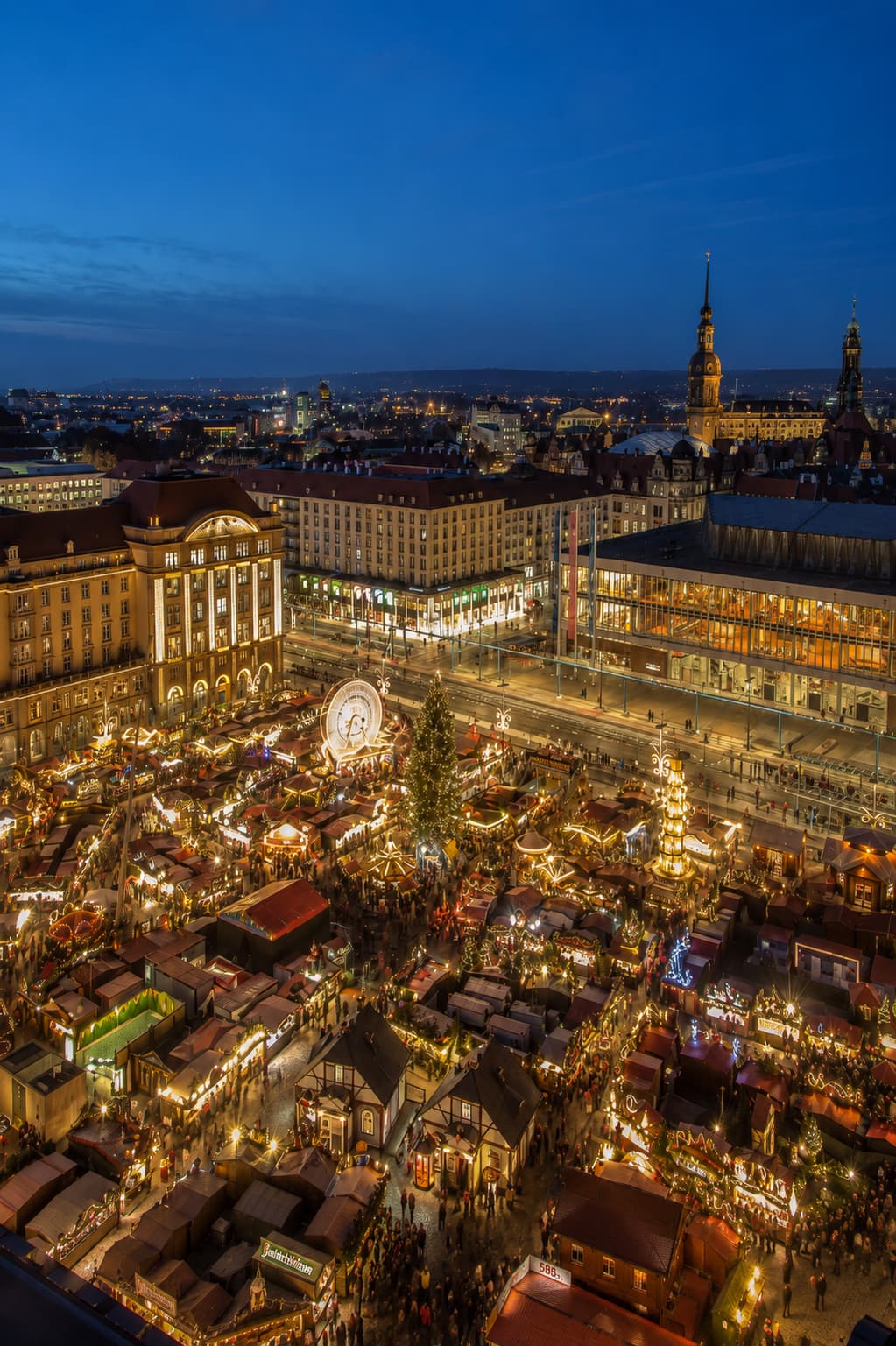
Dresden itself is worth the detour specifically for the Striezelmarkt on Altmarkt — the oldest Christmas market in the world, running since 1434, still in its original location, with a wooden pyramid 14 metres tall at its centre. The Dresden travel guide covers what else to see while you’re there.
08 — So Which Should You Actually Choose?
The germany austria christmas markets question really does have different right answers depending on who’s asking. Here’s how to make the call.
Choose Germany if…
Dresden’s Striezelmarkt in 1434, Nuremberg’s Christkindlesmarkt with its angel opening ceremony, the Erzgebirge wooden carvings that have been sold at Saxon markets for centuries. Germany is where this tradition was invented and where it still runs deepest.
Germany’s market cities each have a completely different character — Cologne is nothing like Nuremberg, which is nothing like Hamburg or Heidelberg. If you want variety, Germany has it in a way no other country does.
Nuremberg, Dresden, and Erfurt are meaningfully cheaper than Vienna for accommodation. Germany lets you experience iconic markets without paying capital-city prices.
Protected-designation Lebkuchen from Nuremberg. Stollen from Dresden, made to a recipe that dates to the 15th century. Glühwein culture that runs city by city, with different recipes and collectible mugs at each market.
Choose Austria if…
No Christmas market in Germany has a backdrop like Salzburg’s castle or Innsbruck’s mountain range. If the photo matters — and let’s be honest, it matters — Austria is consistently winning.
Germany’s markets close Christmas Eve. Austria’s don’t. If you’re travelling between Christmas and New Year, or in early January, Austria is your only viable option of the two.
Vienna, Salzburg, Innsbruck, Graz — all on fast rail links, all with markets of their own, all visually spectacular. You can cover Austria’s Christmas market highlights in four or five days without driving or replanning.
Austria’s compact geography and consistently high-quality settings make it a more controlled introduction. Less risk of spending a day on a market that turns out to be mediocre, which is a real possibility in Germany if you don’t research carefully.
Choose both if…
Munich plus Salzburg plus, optionally, the Dresden–Vienna corridor covers the best of both countries and gives you a genuine comparison that goes beyond “which country wins.” Base yourself in Munich for Bavaria, then cross to Salzburg on the Bayern-Ticket, then work your way east if time allows. This is also how most experienced Christmas market travellers structure a Central European December trip.
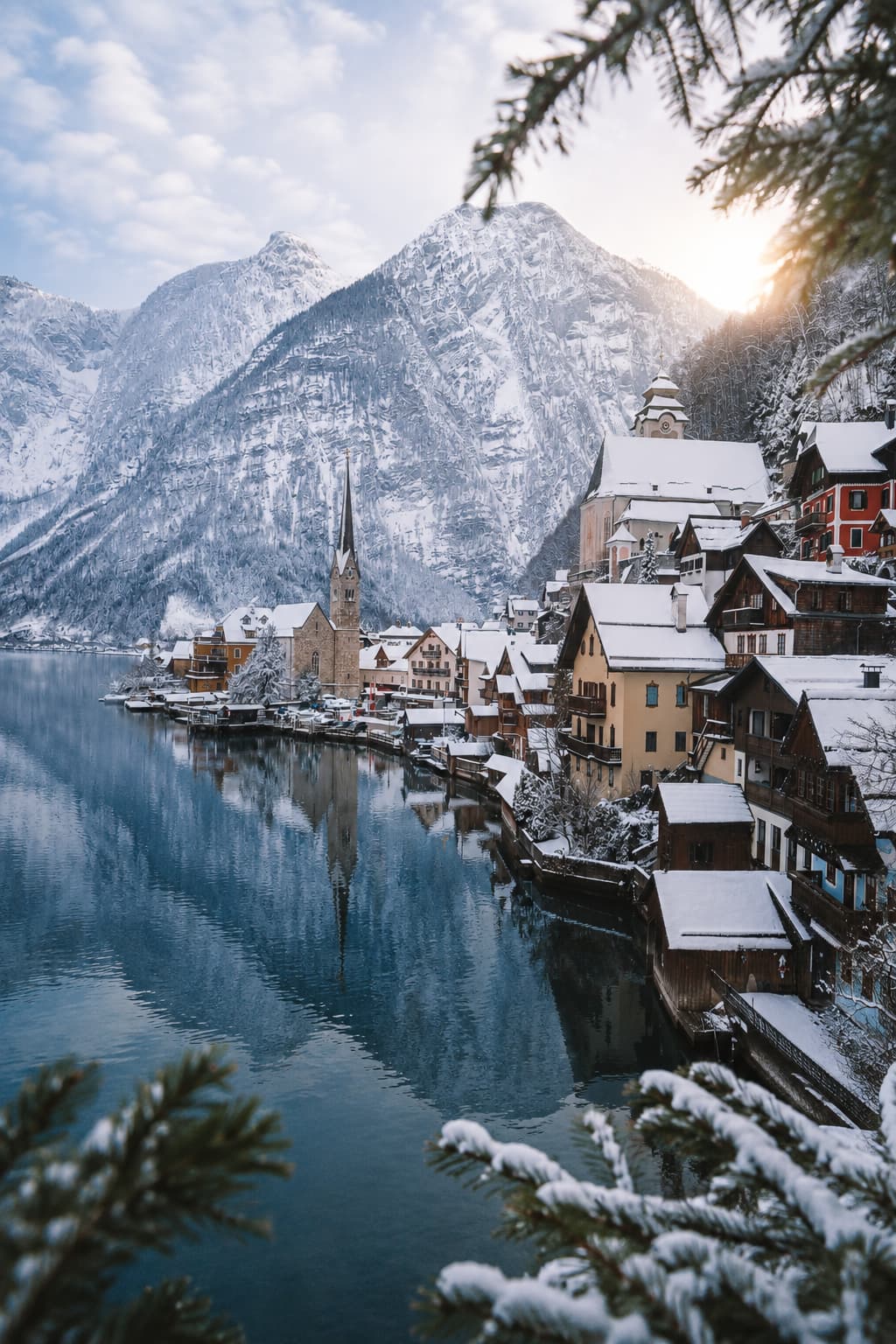
Germany invented this tradition and still tends it with real care. Austria borrowed it, improved the backdrop, and made the logistics easier.
Both are worth the December cold. The choice between them is just a question of what you’re actually after.