

Day Trips from Brussels by Train: 15 Honestly Ranked (3 to Skip)
Day trips from Brussels, sorted by train time: Ghent in 30 minutes, Paris in 82, Amsterdam in under two hours. Which work as a day, which are better overnight, and which to skip.
Day trips from Brussels are among the easiest in Europe, because the capital sits on a rail network that reaches half of Belgium in under an hour and three neighbouring countries in about two. Fifteen places are realistic by train, and five of them are across a border.
Most lists treat all fifteen the same way: a photo, a few sights, a cheerful “only an hour away”. This one sorts them instead. Some places genuinely work as a day, some work but reward a night, and a few look close on the map without being worth the train time. Every entry carries one of those verdicts, stated plainly.
Brussels is the base. You don’t need to move hotels to see half of Belgium and three neighbouring countries, so one good room covers all of it. For the days in the city itself, here is how to spend the Brussels days themselves.
01 — Day Trips from Brussels: Stations, Tickets and the Return-Train Rule
Domestic trains for day trips from Brussels need no reservation. You buy a ticket at the station or in the SNCB app and board any service on your route, and weekend fares are cheaper than weekday ones. Brussels has three main stations, Central, Midi and Nord, so start from whichever is nearest and let the app pick the quickest departure.
International day trips from Brussels work differently. Eurostar, TGV and ICE services leave from Brussels-Midi, and they are worth booking ahead because the lowest fares sell first. Eurostar lists Paris and Amsterdam from €29 one way and Cologne from €19, though those are starting prices subject to availability, not what you will always pay.
That is the rule behind every verdict below: plan around the last train back, not the first one out. Late services thin out, dinners and ceremonies run long, and one missed connection can cost you the night. Before you pick a destination, check the last departure home on the SNCB journey planner and work backwards.
| Trip | By train from Brussels | Verdict |
|---|---|---|
| Ghent | about 30 min | Works as a day trip |
| Mechelen | 20 to 30 min | Works as a day trip |
| Leuven | 20 to 30 min | Works as a day trip |
| Lille | about 35 min | Works as a day trip |
| Liège | about 40 min | Works as a day trip |
| Antwerp | 45 to 50 min | Works as a day trip |
| Bruges | about 1 hr | Better overnight |
| Namur | about 1 hr | Works as a day trip |
| Dinant | about 1 hr 20 | Works, check the last train |
| Paris | about 1 hr 20 | Works, rushed and expensive |
| Maastricht | about 1 hr 45 | Works as a day trip |
| Ypres | 1 hr 40 to 2 hrs | Better overnight |
| Cologne | about 1 hr 50 | Works, as a long day |
| Amsterdam | about 1 hr 50 | Better as your next stop |
| Waterloo | about 25 min plus bus | Works as a half-day |
02 — Day Trips from Brussels Under 45 Minutes
Ghent

Ghent is the easiest yes on the list. Trains leave Brussels several times an hour, so you can go when you wake up without studying a timetable. Start on the Graslei and Korenlei, the two medieval quays along the Leie, then walk to the Gravensteen, a moated castle in the middle of town, and finish in St Bavo’s Cathedral, which holds the Ghent Altarpiece.
If you can, sleep there, because Ghent is best in the evening, once the daytime visitors leave. The Belgium itinerary builds a night in Ghent into a longer route, and where to stay longer in Belgium covers the other bases.
Mechelen
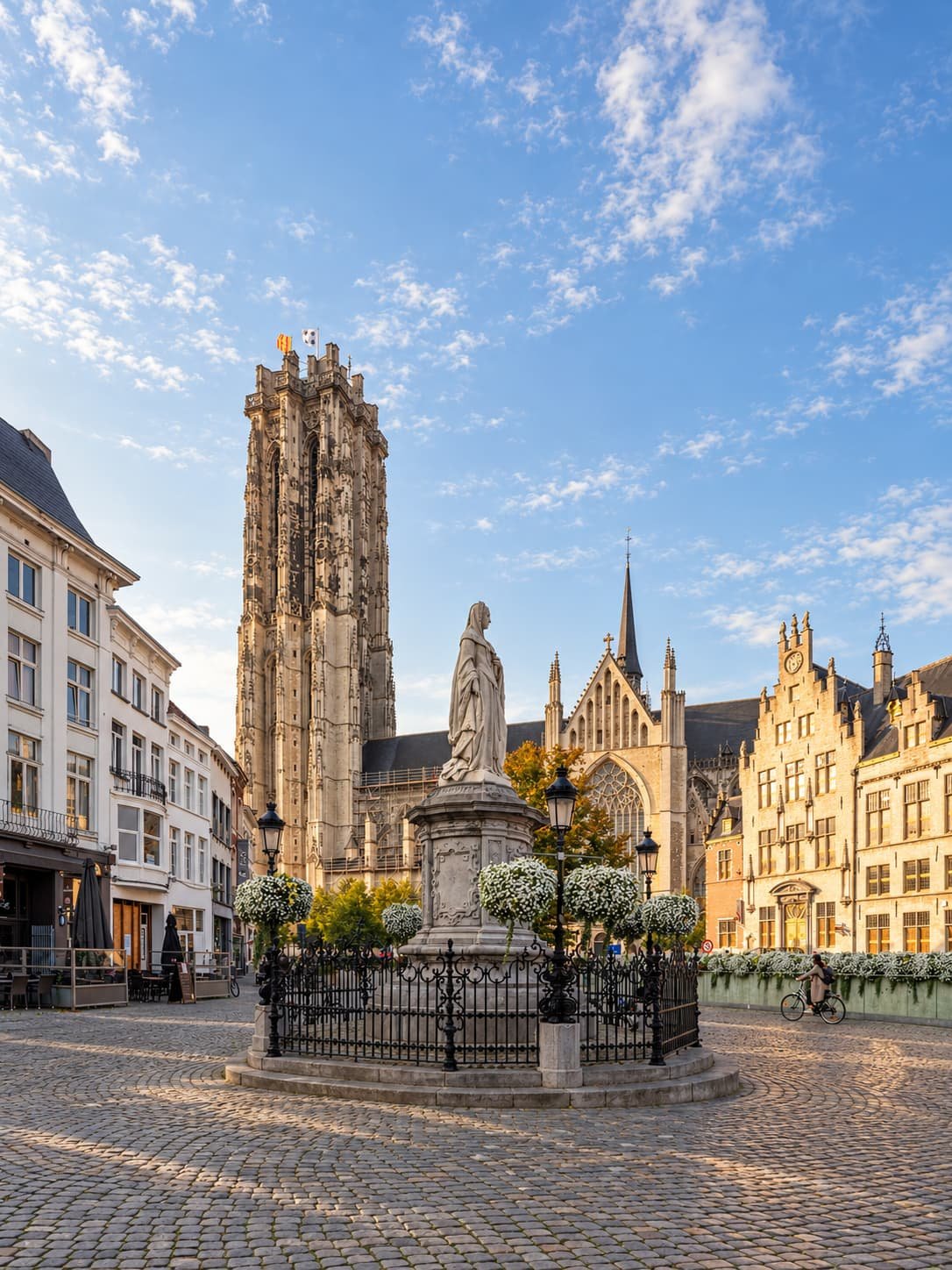
Mechelen sits on the line to Antwerp, which makes it the simplest stop to add on the way out or back. Climb the tower of Saint Rumbold’s Cathedral for the view, cross the Grote Markt, and follow the Dijle through the centre. The town is compact, so three to four hours is plenty. For a longer stay, see where to stay longer in Belgium.
Leuven

Leuven is a university town, and it feels like one: students fill the squares early and stay late. Start at the Gothic town hall on the Grote Markt, walk the Oude Markt, then finish at the Groot Begijnhof, a restored béguinage that belongs to the university. Trains are frequent, so you can leave whenever the day runs out. For longer stays, see where to stay longer in Belgium.
Lille, France

Lille puts you in France in about 35 minutes, which is faster than many commutes. TGV and Eurostar services leave from Brussels-Midi, so book a seat if you want a particular time. Walk the Grand’Place, look into the courtyard of the Vieille Bourse, and wander the cobbled streets of Vieux-Lille. The city rewards a loose plan better than a list.
In December the Christmas market fills the centre. See the best Christmas markets in Europe for how it compares.
Liège
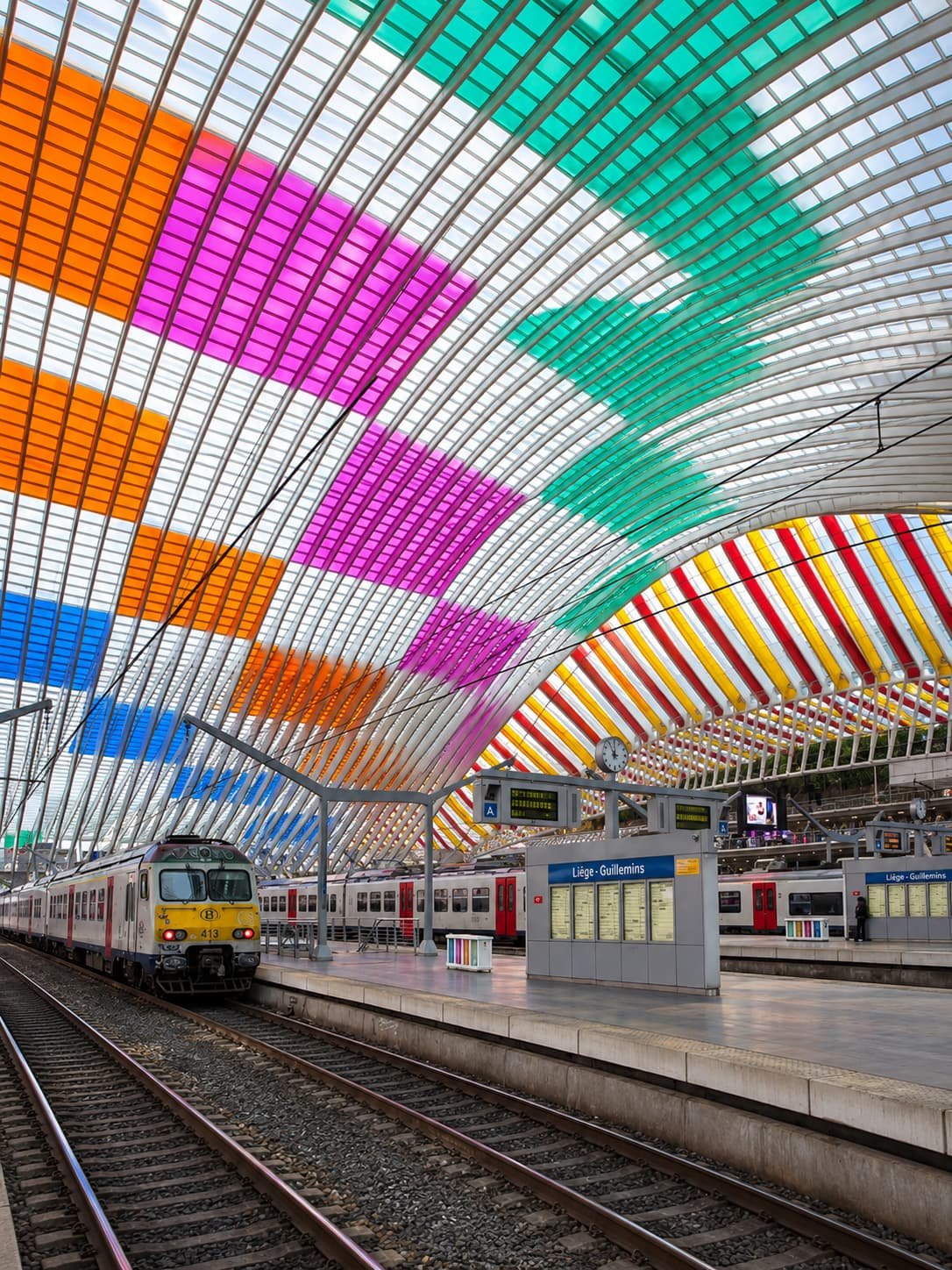
Liège is the Belgian city people skip on the way to somewhere prettier, which is mostly why it is easy to enjoy. The fastest trains take about 40 minutes. You arrive at Liège-Guillemins, the vaulted white station by Santiago Calatrava, then climb the Montagne de Bueren, a long public staircase with a view over the rooftops. On Sundays the La Batte market runs along the Meuse. For longer stays, see where to stay longer in Belgium.
Antwerp
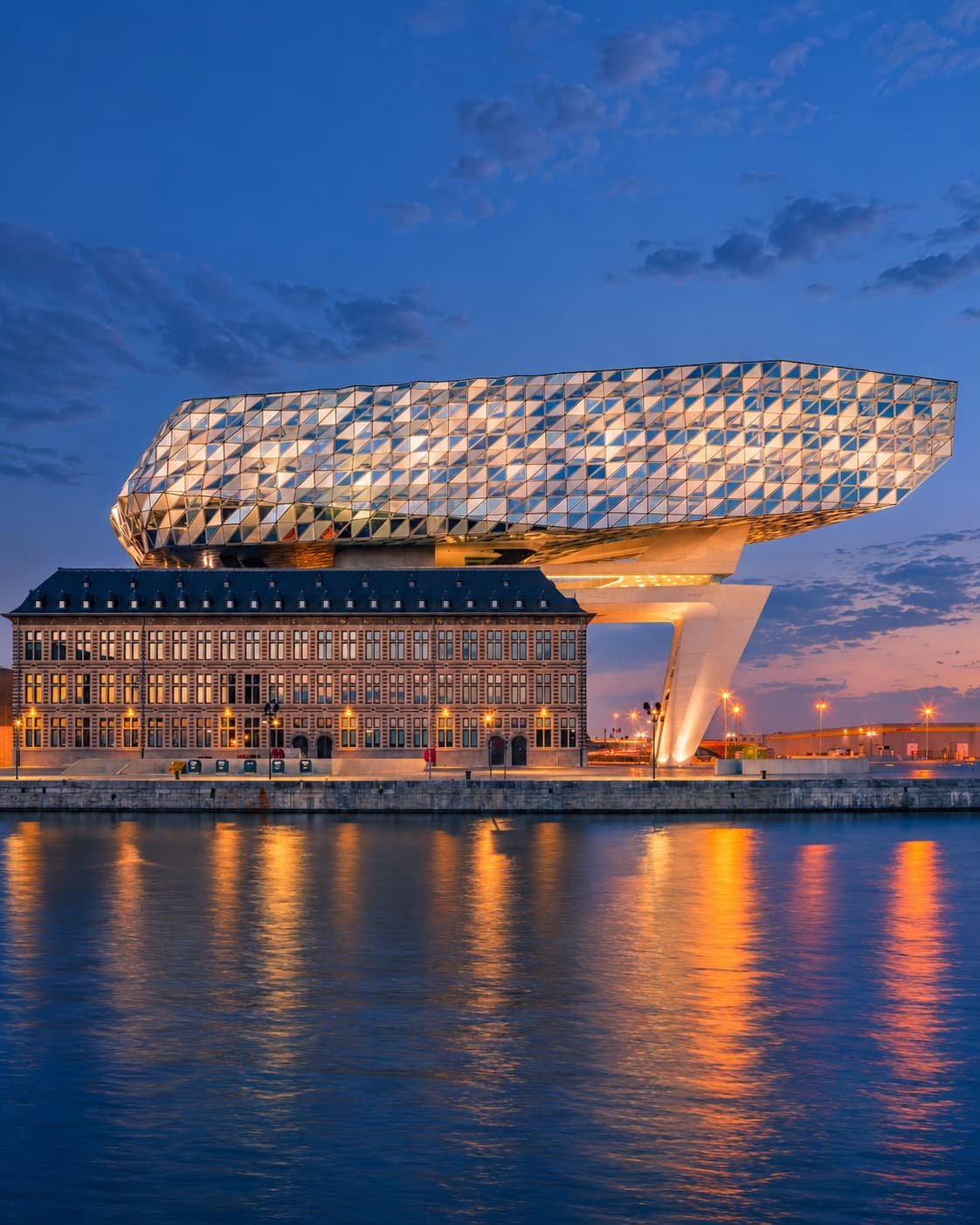
Antwerp earns a full day. The arrival is part of it, because the Antwerpen-Centraal station hall is a sight on its own. From there, walk to the Cathedral of Our Lady and the Grote Markt, then add the Rubens House if you want one museum. It is bigger and busier than Ghent, with fashion, shopping and a working port behind it, so choose one area and stay in it. For longer stays, see where to stay longer in Belgium.
03 — Day Trips from Brussels in About an Hour
Bruges

Bruges is the most popular of all day trips from Brussels, and that is the problem: the day-tripper crowds fill the centre by mid-morning, and the town empties after about 6pm, which is when it becomes worth being there. Treat it as a stay, not a stop, and read why Bruges is worth an overnight before you book. For other bases, see where to stay longer in Belgium.
Namur
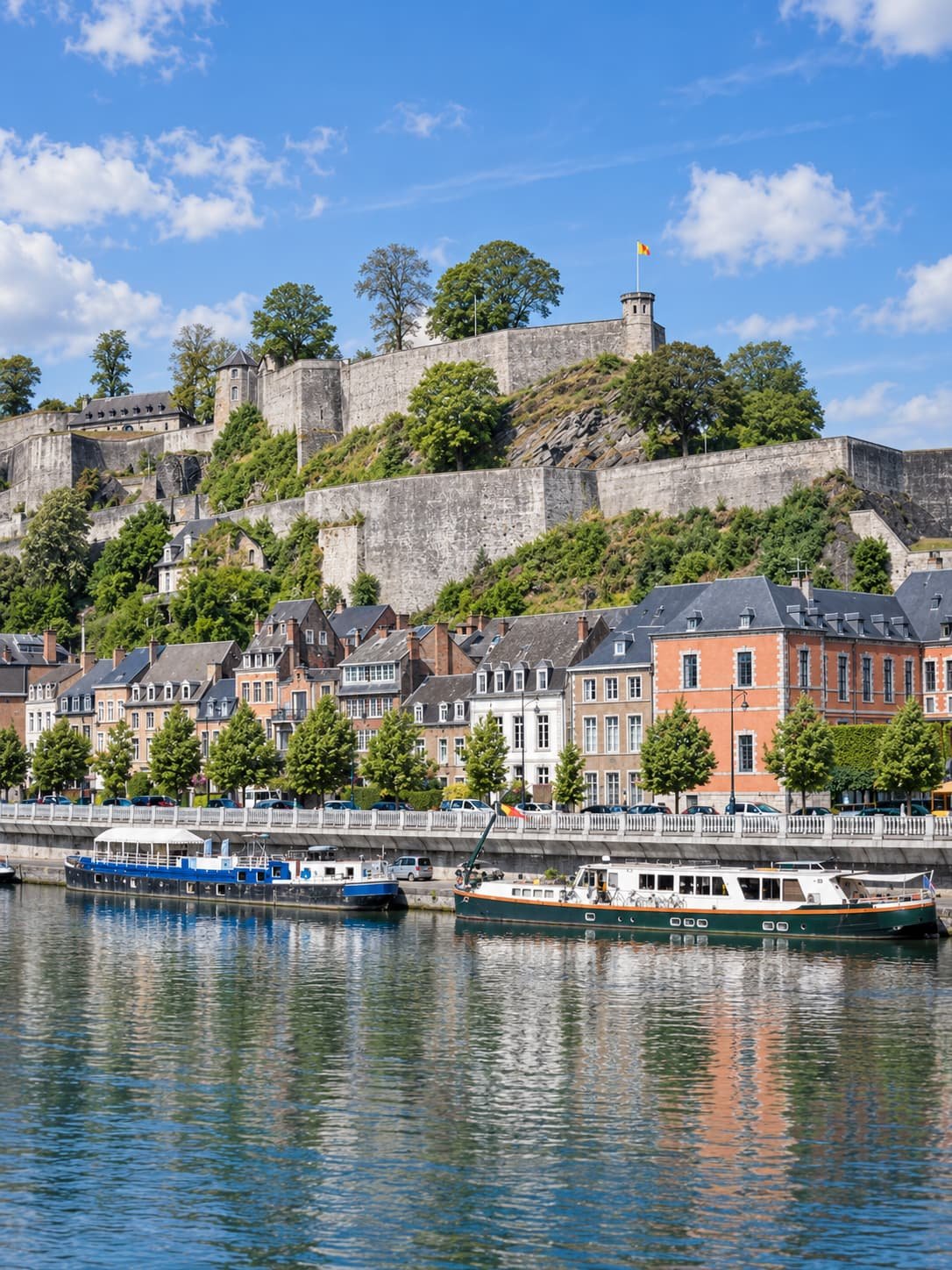
The citadel above the meeting of the Meuse and the Sambre is the main reason to go. Walk up through the trees or take the cable car when it runs, spend an hour on top, then come down to the old town for the rest of the afternoon. Namur and Dinant are about 30 minutes apart by train, so on a longer stay the two combine into one good day. For more, see where to stay longer in Belgium.
04 — Day Trips from Brussels Between One and Two Hours, Plus a Half-Day
Dinant

Dinant may be the best-looking ride on the list: a direct train of about 1 hour 20 minutes to a town squeezed between the Meuse and a limestone cliff. The collegiate church with its bulbous spire sits on the river, and the Citadel above it rewards the climb or the cable car. Adolphe Sax was born here, so the bridge carries saxophones.
The catch is the evening. Services are limited later in the day, so check the last train back before you plan dinner. For longer stays, see where to stay longer in Belgium.
Paris, France
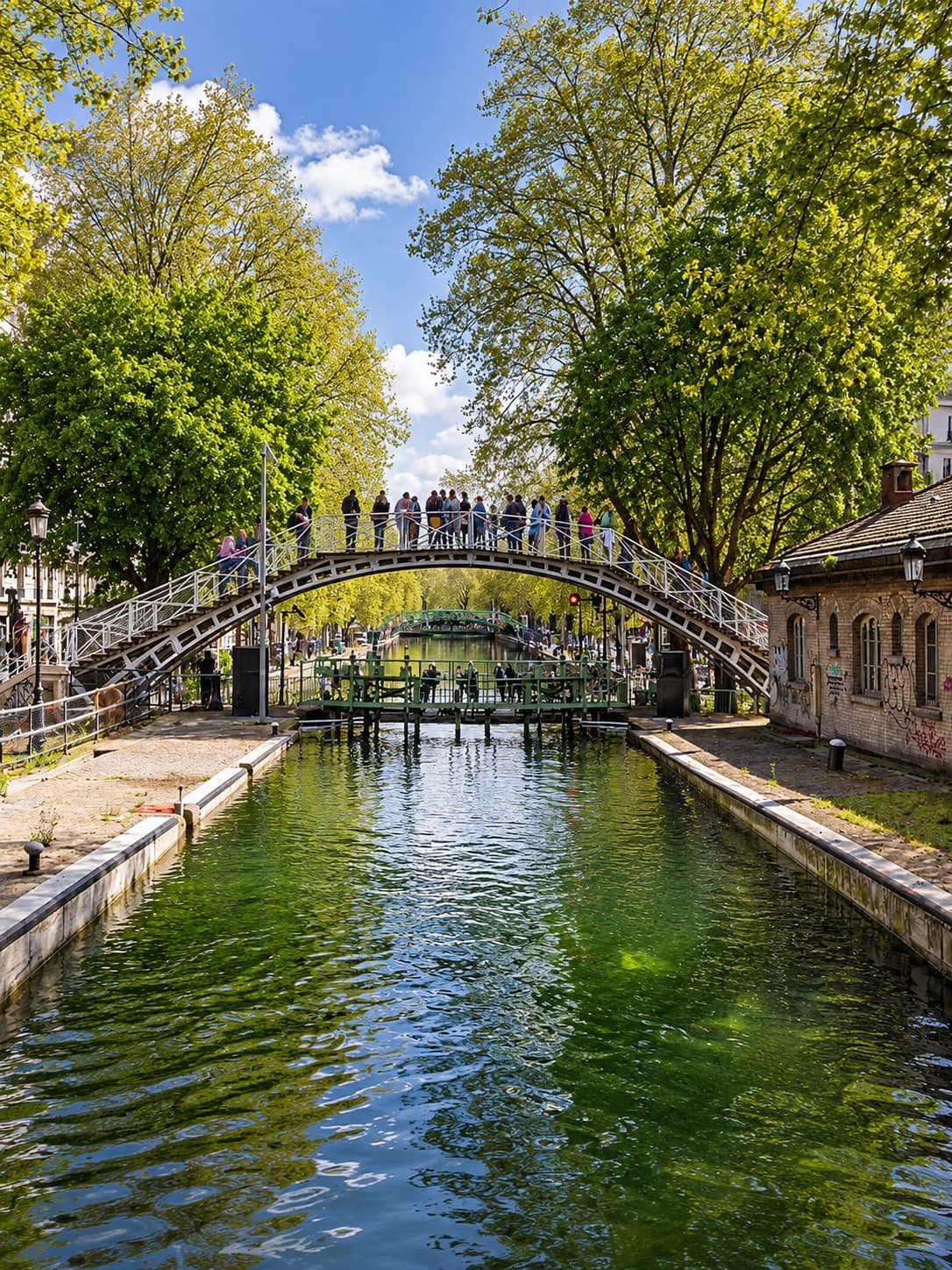
Paris counts as a day trip only if you accept what that means: a day in Paris means choosing one neighbourhood, not doing the landmarks. Eurostar takes about 1 hour 22 minutes from Brussels-Midi to Gare du Nord, with fares from €29 one way, and that arrival puts Canal Saint-Martin and Montmartre within walking distance. Pick one and stay there until the train home. The Paris landmarks guide and the best time to visit Paris cover the longer version.
The cheaper route is the OUIGO Train Classique, which takes about three hours and has tickets from around €10. The extra time is the price you pay. It works, but it is rushed and expensive, and the landmarks are better saved for a trip of their own.
Maastricht, Netherlands

Maastricht takes about 1 hour 45 minutes with a change at Liège, and it is the quietest foreign day on the list. Stay in the old centre: walk the Vrijthof, cross the Sint Servaasbrug over the Maas, and look inside the bookshop in a former Dominican church. The change at Liège means you can pair the two cities, but only if you start early.
Ypres

Ypres appears as Ieper on station boards and timetables, and the journey takes between 1 hour 40 minutes and two hours. The town was rebuilt after the First World War, and the sights are the reason to go: the In Flanders Fields Museum in the Cloth Hall and the Menin Gate.
The catch is the schedule. The Last Post is sounded under the Menin Gate every evening at 8pm, which makes the trip back late and long. Once the ceremony is over you still face up to two hours on the train, so check the last departure from Ypres before you commit, or stay the night. The Last Post Association publishes the ceremony details. For longer stays, see where to stay longer in Belgium.
Cologne, Germany
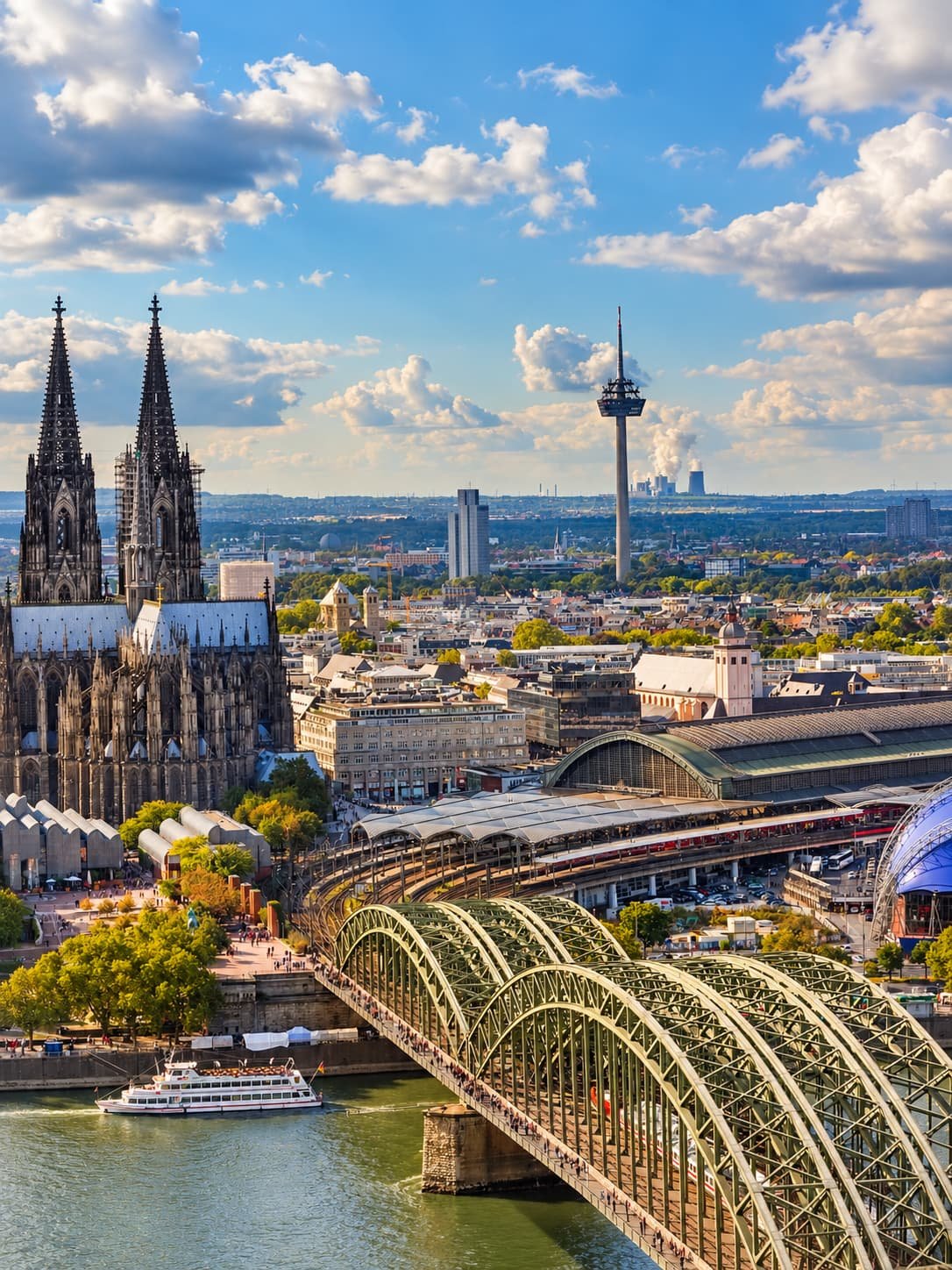
Cologne is a long day, but a good one. The train takes about 1 hour 50 minutes from Brussels-Midi, and the cathedral stands outside the station when you arrive, so the first sight costs nothing. Add the old town and a walk across the Rhine, and you have the basics. Aachen sits on the same line, so you can break the trip there for its cathedral on the way back.
In December the Christmas markets make the long day worthwhile; see Germany versus Austria Christmas markets. Book ahead, because Eurostar lists Cologne from €19 one way.
Amsterdam, Netherlands

Amsterdam is technically possible: about 1 hour 52 minutes each way from Brussels-Midi, with fares from €29. But nearly four hours on trains for a few hours on the canals is a poor trade, and prices climb on busy days. The honest verdict is that Amsterdam works better as the next stop on your trip than as a day out from Brussels. If it is already on your route, take the train there and leave Brussels behind.
Waterloo

Waterloo is a half-day, and the transport works once you know the trick. Take a train from Brussels-Midi to Braine-l’Alleud, which takes about 15 to 25 minutes depending on the service, then bus W for the short ride to the Lion’s Mound, or walk about three kilometres. Climb the mound for the view over the battlefield, then add the Panorama or the 1815 Memorial visitor centre. The sites keep seasonal hours, so check opening days before you go. A half-day leaves room for Brussels in the evening, and where to stay longer in Belgium covers longer plans.
05 — Day Trips from Brussels That Are Not Worth It
Some day trips from Brussels look close on the map and fail on the clock. Three of them tempt people more than they should.
It is about three hours each way. That is six hours of train for a city you would barely see, and even from Namur it is still about two hours on. Do it as an overnight or not at all.
The train takes about two hours, but border checks and the early arrival Eurostar asks for eat into the day. By the time you clear both ends, too little is left for the price. Treat London as a trip of its own.
Durbuy and Bouillon need a car. Public transport reaches them slowly, with long waits between connections. For the villages, see a Belgium road trip through the Ardennes.
06 — Which Day Trips from Brussels to Pick, by Length of Stay
Fifteen day trips from Brussels is too many for one visit, so choose by how many free days you have rather than by what looks closest on the map. Each day spent away from the capital is a day not spent in it, and the best-value trips are the ones that cost the least time on the train. Here is how that plays out.
Pick Ghent for a smaller city and Antwerp for a bigger one. Either works on a regular ticket, with no reservation and no border.
Easiest
Lille puts you in France before lunch. Leuven is the lighter option, and an easy one to fit around a late start.
Add one
Namur and Dinant pair well, about 30 minutes apart. Maastricht is a quiet trip into the Netherlands, and Ypres works best as an overnight, so the Last Post doesn’t leave you racing for the last train.
Go further
07 — Day Trips from Brussels in Winter
Shorter daylight changes the maths. In December the sun sets before 5pm in Brussels, so a trip that feels generous in June leaves you a few hours of light. Aim for day trips from Brussels under an hour: Ghent, Antwerp, Mechelen, Leuven, Lille and Liège all leave time to look around and still get home at a sensible hour. Paris, Cologne and Amsterdam stay possible, but you will see much of them after dark.
Check the return train before you leave, not after. Winter timetables thin out in the evening on some lines, and a missed connection in the dark costs more time than it does in summer. Pack for a day outdoors too: the walk from the station to the old centre is rarely covered, and Belgian rain tends to arrive without warning.
December also gives you a reason to go further. Lille, Cologne and Aachen all hold Christmas markets, and the extra travel pays off when the stalls are open. Dates change every year, so start with the best Christmas markets in Europe and Germany versus Austria Christmas markets.
08 — Day Trips from Brussels: Frequently Asked Questions
A good day trip leaves a little unfinished.
Brussels makes it easy to go back for the rest.