

Solo Travel Tips for First-Timers: 12 Things Nobody Warns You About
Solo travel searches just hit an all-time high — but trending doesn’t mean easy. These are the solo travel tips first-timers actually need, including the costs, the loneliness dip, and who it’s actually for.
Why First-Time Solo Travel Needs Honest Advice
- Why First-Time Solo Travel Needs Honest Advice
- Why Solo Travel Is Having Its Moment
- 01 — The First Day Is the Hardest
- 02 — Loneliness Is Real — But Not What You Think
- 03 — The Single Supplement Nobody Warns You About
- 04 — You Don’t Have to Do It Completely Alone
- 05 — Safety: Real Consideration, Not a Paranoid One
- 06 — You Will Make Decisions Constantly
- 07 — It’s Unusually Good for Introverts
- 08 — You’ll Spend More on Food Than You Budgeted
- 09 — Where You Go Matters More Than How Ready You Feel
- 10 — Your Itinerary Will Change — Build That In
- 11 — The Fear Before the Trip Is Worse Than the Trip
- 12 — The First Trip Doesn’t Have to Be Grand
- Is Solo Travel Right for You?
- FAQ
Why Solo Travel Is Having Its Moment — And Why That Doesn’t Make It Easy
These solo travel tips exist because most of what’s written about the subject in 2026 isn’t actually honest. Searches for “solo travel” reached an all-time high this year, according to Google’s own travel trends data published in April. Also, “women solo travel” hit a 15-year search peak in the same window. Moreover, the global solo travel market is now valued at over $549 billion — growing at nearly 15% annually, faster than the broader travel industry for the fourth consecutive year.
But here’s the thing about trend data: it tells you what people are searching for, not what they actually find when they get there. Indeed, most content written about solo travel is either a relentlessly positive listicle designed to convert fence-sitters, or a safety-first anxiety manual that assumes the reader is terrified and needs to be talked down off a ledge.
However, this post is neither. Rather, it’s an honest pre-trip briefing — 12 things that first-timers consistently find surprising, written for the person genuinely considering a solo trip but who hasn’t committed yet. Not to sell you on it. To help you decide. Instead, these solo travel tips cover the parts that rarely make the Instagram caption.
01 — The First Day Is the Hardest
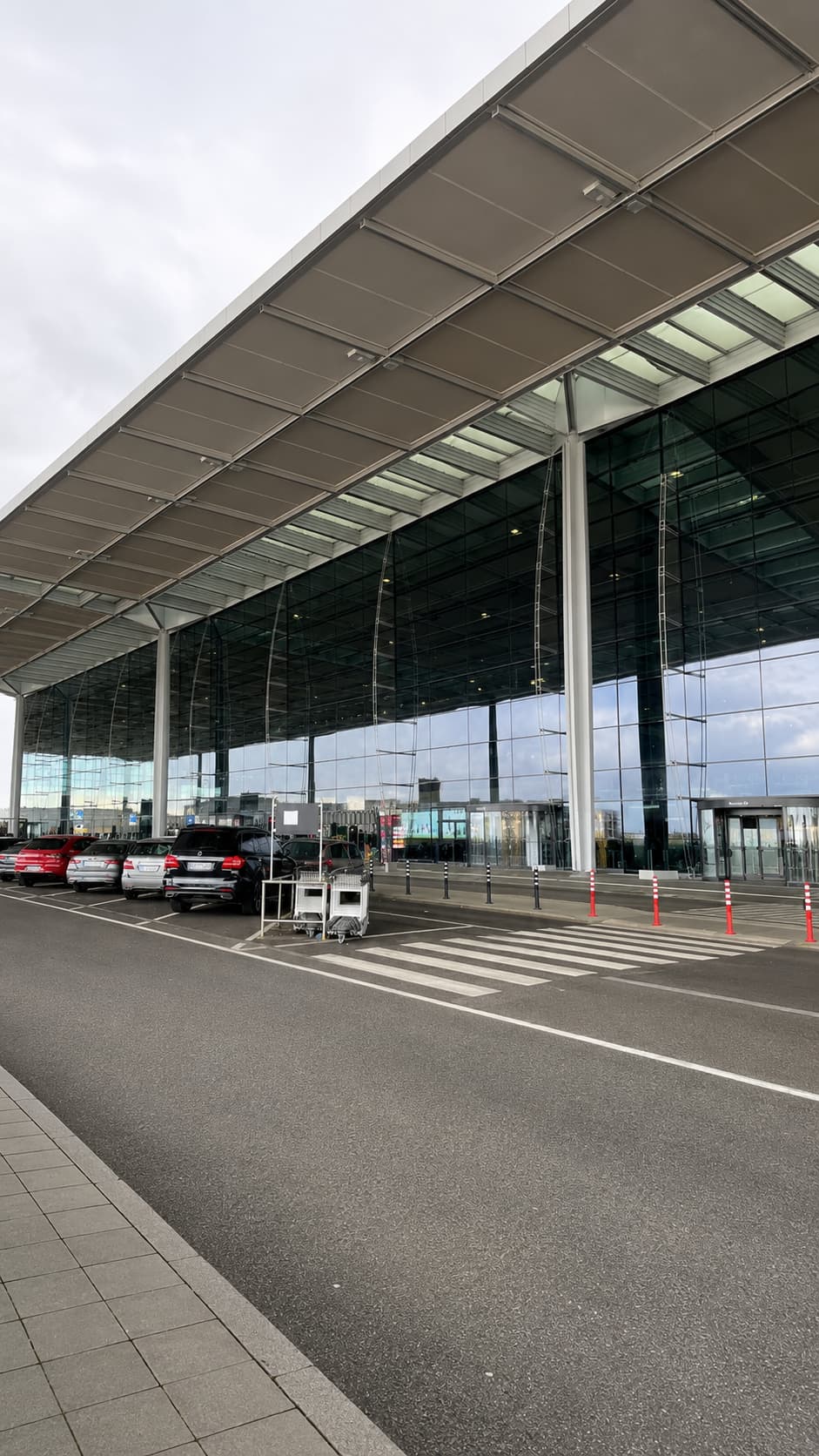
There’s a specific quality to the first afternoon of a solo trip that nobody really prepares you for. You’ve landed, you’ve found your accommodation, and yet now you’re standing in a room — or sitting in a café you picked at random — and there’s no one to debrief with. Not in a distressing way, necessarily. But that absence registers.
Also, arrival disorientation is normal — you’ve just traveled a long way with no one to say “so what do you think?” to. For people accustomed to traveling with others, this is also the most unsettling part of the whole trip, and it happens before you’ve even done anything.
Treat the first afternoon as a low-stakes orientation exercise. Walk somewhere. Find coffee. Don’t plan anything elaborate. Also, give yourself a few hours to adjust to the rhythm of being alone in a new place before you try to do anything. And almost everyone who’s traveled solo more than once will say the same thing: by day two, it clicks.
Eventually, it passes. In particular, the specific adjustment of being alone somewhere new is one of the most consistently underestimated things in solo travel — experienced travelers mention it almost universally, and almost universally as something they no longer think about after the first couple of trips.
02 — Solo Travel Tips on Loneliness: It’s Not What You Think
A 2026 survey by Solo Traveler World and Hostelworld found that 49% of solo travelers worry about loneliness before their trip. That’s a reasonable thing to worry about — but what it actually feels like is different. In practice, there’s a meaningful gap between what loneliness feels like in anticipation and what it actually feels like on the ground.
Often, the fear is cinematic: eating alone at a candlelit table while couples laugh around you, or standing at a viewpoint with nobody to share it with. The reality is more ordinary. Instead, loneliness on a solo trip, when it hits, tends to land on day two or three — after the novelty has worn off and before you’ve settled into any kind of rhythm. Rather, it’s often less about missing people and more about the fact that experiences aren’t being shared in real time.
It passes. Yet most solo travelers report it lifts once you start moving, once you start talking to anyone at all, once you find a café you want to return to. In other words, you don’t need to eliminate it — you just need to know it’s coming so it doesn’t feel like evidence that the whole thing was a mistake.
Furthermore, studies published in late 2025 found measurable improvements in self-efficacy, resilience, and reductions in anxiety and stress among solo travelers — effects that persisted after the trip ended. Still, the loneliness dip is real — and what happens on the other side of it is also real.
03 — It Costs More Than You Expect: The Single Supplement
Solo travel has a financial structure that group travel doesn’t, and the biggest piece of it is the single supplement — the surcharge hotels, cruise lines, and tour operators charge solo travelers for occupying a room, cabin, or seat alone. Also, it can add anywhere from 10% to 100% to accommodation costs. Most solo travel tips roundups don’t mention it until you’re already looking at the bill.
The logic from the operator’s side: a double room costs the same to run whether it has one or two guests. However, from the traveler’s side, it’s a significant and often invisible penalty for traveling alone. Also, it remains one of the most commonly cited financial barriers to solo travel — particularly for women over 50, according to JourneyWoman.

However, there are ways to reduce it. Here’s where the money actually goes and what to do about it:
Generally, these price by room rather than by occupancy — meaning you pay for the room, not a solo penalty on top of the room rate. Worth filtering for specifically when searching.
Notably, hostels don’t charge the supplement at all. Private rooms in hostels are often well-priced and give access to common areas — useful for the social aspects of solo travel without the dorm trade-off if you don’t want it.
Priced per property, not per person. No supplement, by definition. Adds the advantage of a kitchen, which cuts food costs — a real consideration when eating out solo every night.
Some operators catering specifically to the solo travel market now advertise no-single-supplement policies explicitly. Worth filtering for when booking group tours or structured trips.
04 — You Don’t Have to Do It Completely Alone
Solo travel doesn’t mean spending every hour of every day without human contact. It means traveling on your own terms — and the spectrum between full isolation and a group package tour is wide enough to accommodate most temperaments.
One of the easiest entry points. Most major cities run free (tip-based) tours that last two to three hours, attract a mix of solo travelers and couples, and give you immediate social structure without any commitment. You show up, you walk, and you go your separate ways. Also genuinely useful for orientation.
Wellness retreats in Europe are one format that works particularly well for first-timers who want company built in — the accommodation, meals, and programming are all designed around solo guests arriving alone. It’s a good middle option if the blank-slate freedom of fully solo travel feels like too much to start with.
Even if you book a private room, most social hostels have a bar, common kitchen, or lounge where solo travelers end up talking. You don’t have to be a backpacker for this to work — you just have to show up in the common area.
05 — Solo Travel Tips on Safety: Real Consideration, Not a Paranoid One
Safety advice for solo travel usually falls into one of two failure modes: dismissing it entirely (“you’ll be fine”) or catastrophizing it into a list of 40 precautions that make anyone too anxious to leave. Neither is useful. These solo travel tips on safety are about calibrating to the actual risk level of where you’re going — not the worst-case scenario.
Indeed, risk exists, and it’s not evenly distributed. Some destinations are structurally safer for solo travelers than others — and some are safer depending on your gender. Women traveling alone face a different statistical picture than men. Not because travel is uniquely dangerous for women, but because harassment and certain street crimes skew toward solo women in ways worth acknowledging rather than papering over.
Simply put: tell someone at home your itinerary. Download offline maps before you need them. Research your accommodation neighborhood, not just the accommodation. Arrive in unfamiliar cities during daylight if you can. Trust your read of a situation rather than being polite about it. Iceland, Portugal, and Japan rank consistently among the safest environments for solo travelers across all demographics.
And it’s the most significant one. Solo travel safety tips are only useful if they’re calibrated to the real risk level of where you’re actually going. According to the 2026 Solo Female Travel Trends Survey, safety is the number one concern — but the baseline risk in well-chosen destinations is lower than most first-timers expect going in.
06 — You Will Make Decisions Constantly — And That Is the Point
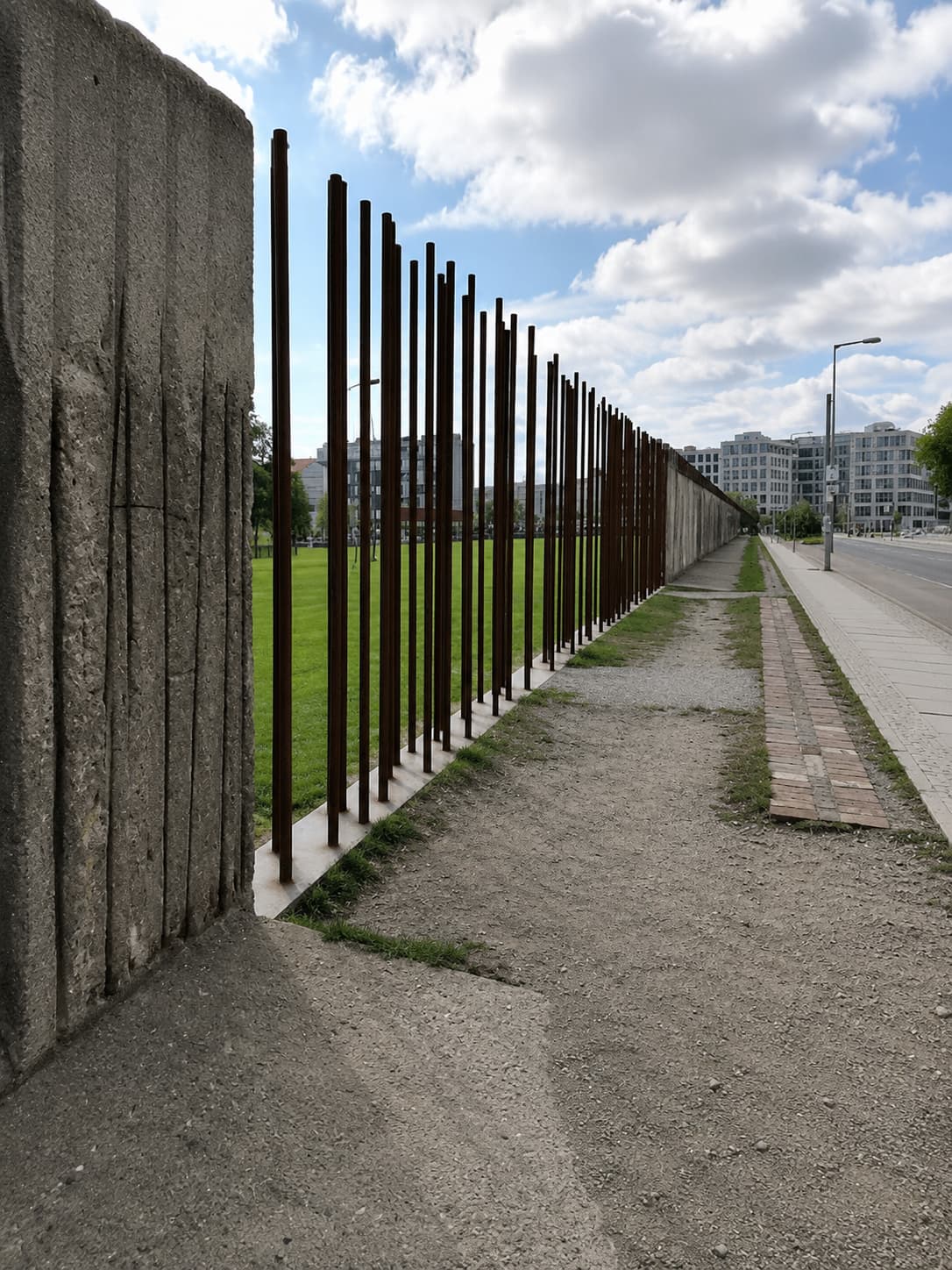
When you travel with other people, decisions get distributed. Someone decides where to eat. Someone else decides whether to stay for one more drink. The group momentum carries you. When you travel alone, every decision is yours — where to eat, how long to stay, whether to skip the museum entirely, whether to spend the afternoon doing absolutely nothing.
This is the freedom solo travel evangelists talk about. However, it’s also genuinely exhausting for a few days. Decision fatigue is real — and it’s worth knowing it’s coming. For this reason, the practical solo travel tip here is to over-plan slightly more than you think you need to at the start — not a rigid itinerary, but a loose framework of where you’re going to eat tonight and what you’re doing tomorrow morning. The freedom to abandon the plan is easier to exercise when you have something to abandon.
If you want to see what that negotiation-free travel actually looks like in practice, the post on Italy with friends versus Italy solo covers it across the same destination — the contrast makes the difference concrete.
07 — Solo Travel Tips for Introverts: It Suits You Better Than You Think
There’s a counterintuitive argument that solo travel suits introverts better than group travel does, and it’s worth making explicitly.
On constantly — no natural off switch
Hard to step away without explanation
Every change requires group negotiation
Averaged across the group’s energy levels
You control when and how much
Step away whenever, no explanation needed
Change them whenever you want
Entirely yours
Solo travel, by contrast, removes the sustained social performance entirely. Instead, you interact when you want to — with a tour guide, at a bar, in a hostel common room, with the person next to you at a restaurant counter — and you stop when you’ve had enough. Consequently, for people who find extended group environments draining, this isn’t a drawback of solo travel. It’s the main selling point. This is arguably the most underrepresented solo travel tip in mainstream guides, which are written primarily with extroverts in mind.
08 — You’ll Spend More on Food Than You Budgeted
Eating out alone every night adds up faster than most first-timers expect. You can’t split a bottle of wine, split a starter, or order a dish you’re unsure about knowing someone else will eat it if you don’t. Every item on the table is yours, entirely, in both the cost sense and the risk sense.
Budget an extra 15–20% on your daily food estimate. Some people find eating alone in restaurants perfectly comfortable; others find it the most self-conscious part of the whole trip, particularly in the evening. Markets, food halls, countertop bars, and the occasional deli run are all legitimate options — not budget compromises, just a different relationship with eating out. Give yourself permission to have a low-key Tuesday dinner without feeling like you’ve failed at the local cuisine.
09 — Solo Travel Tips on Choosing a Destination: This Decision Matters Most

Notably, most people spend far more energy on whether they’re ready to travel solo than on where to go. In fact, the destination is the more important variable — and it’s the one you can actually control. These solo travel tips on destination exist because this is the decision most guides treat as an afterthought.
Walkable. Navigable by public transport. Enough English spoken to reduce friction. Enough solo travelers in the ecosystem that you’re not an anomaly. A food and social scene that accommodates a single person without awkwardness. Lisbon, Kyoto, Amsterdam, and Copenhagen consistently make first-timer shortlists for exactly these reasons.
For instance, car-dependent infrastructure Limited English. Nightlife or dining culture that’s socially oriented toward couples and groups. These places are possible to travel solo — they’re just actively harder than they need to be for a first trip, and the friction will exhaust you before the experience can reward you.
Japan in spring — despite its reputation for complexity — is one of the most structurally solo-friendly destinations on earth. Safe, efficient, easy to navigate alone, and a culture where dining and traveling solo is completely unremarkable. The solo travel summer bucket list has more destination ideas organized by what kind of experience you’re after.
10 — Your Itinerary Will Change — Build That In
Generally, solo travel plans diverge from solo travel reality. The difference between a plan derailing and a plan evolving is mostly a matter of attitude — and the practical solo travel tips here are about building in the flexibility rather than defending the schedule.
Especially on a first trip. Don’t book so far ahead that you can’t change anything without a financial penalty. Keep a few nights unbooked. Leave one or two full days with nothing on them. Book transport in blocks rather than the whole trip at once.
Often, over-planning as a response to anxiety — creating an itinerary so detailed that every deviation feels like failure. A looser plan executed with flexibility will almost always produce a better trip than a tight plan defended against reality. The plan is scaffolding, not a contract.
11 — The Fear Before the Trip Is Usually Worse Than the Trip Itself
This isn’t motivational filler. The research supports it specifically. Studies published in late 2025 found that the anxieties people report most frequently before a solo trip — loneliness, safety concerns, the fear of getting things wrong — rarely match the intensity of the experience on the ground. In fact, the anticipatory fear consistently exceeds the actual difficulty.
Indeed, part of this is practical: once you’re there, you’re problem-solving in real time, which is more engaging than imagining problems in the abstract. Furthermore, most things — getting from the airport to the accommodation, finding somewhere to eat, navigating a new city — turn out to be easier than they looked on the planning end. The problems that arise are usually different problems than the ones you worried about, and smaller.
If you want a case study in what a genuinely hard solo trip actually looks like — one where things did go wrong — the post on traveling alone to Albania doesn’t romanticize any of it. It’s useful precisely because it’s honest about the difficulty — and still comes out the other side intact.
12 — The First Trip Doesn’t Have to Be a Grand Adventure
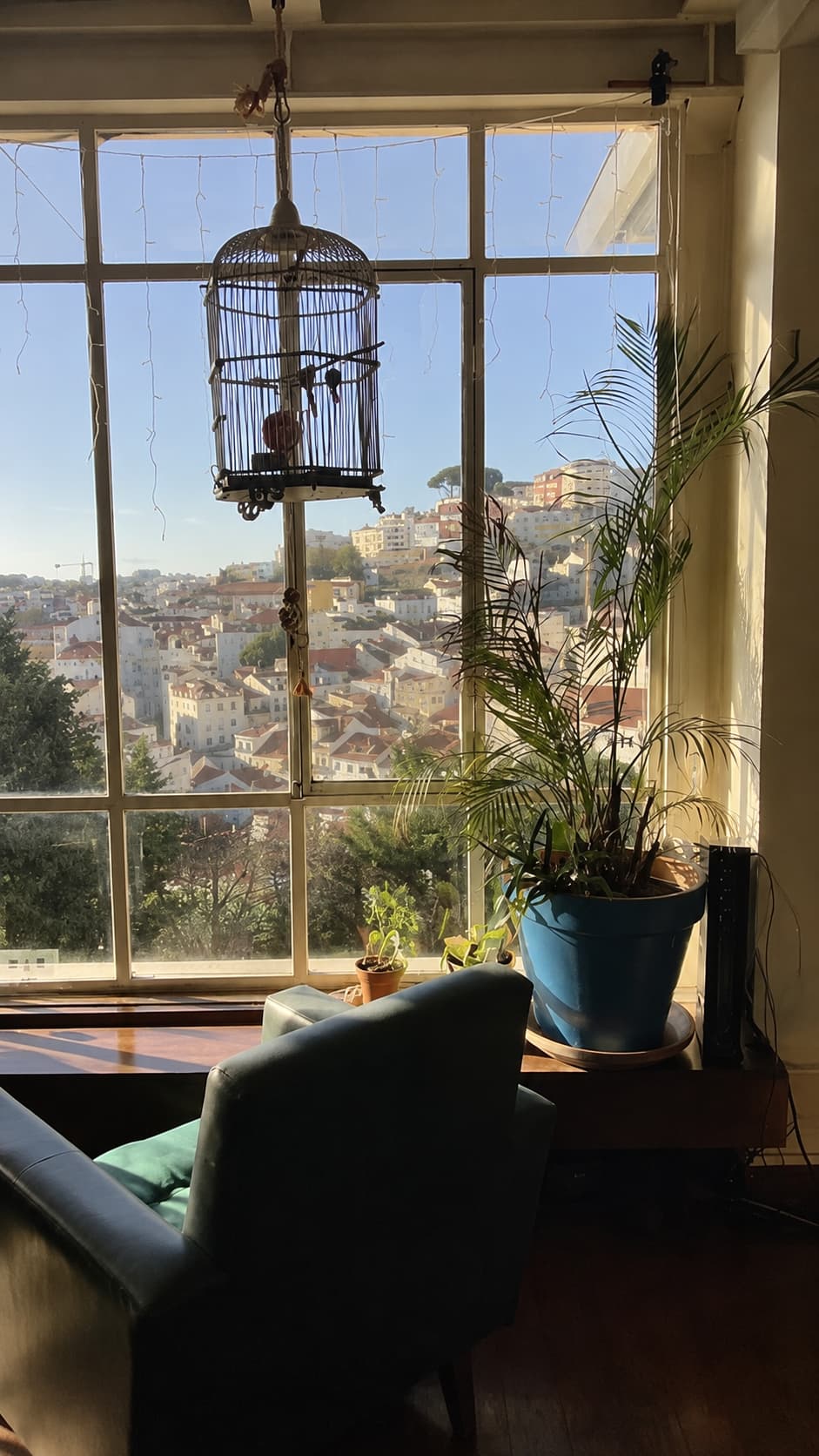
Specifically, there’s a gravitational pull in solo travel content toward scale — the solo sabbatical, the six-month trip, the transformative crossing of a continent alone. This is not helpful if you’ve never traveled solo and are trying to decide whether to try a long weekend in another city first. The best solo travel tips are often the most unglamorous ones: start smaller than you think you need to.
For example, a long weekend somewhere manageable — a train ride away, somewhere you can walk or navigate easily, with a flexible return — is a completely legitimate first solo trip. It lets you test the experience of being alone in a new place without committing to three weeks of it. You’ll find out whether you like your own company more or less than you thought. Additionally, you’ll learn what bothers you (the evenings? making all the decisions alone? certain kinds of restaurants?) and what doesn’t. That information is worth more than any amount of reading about solo travel.
Ultimately, the trip that actually happens — the short one, the manageable one, the one that doesn’t require quitting your job or spending your savings — is worth infinitely more than the grand adventure you keep planning and never book.
So — Is Solo Travel Right for You?
Overall, the honest verdict is: it depends on what you’re actually asking. If you’re asking whether solo travel is worth doing at all — the data, the research, and the consistent testimony of people who’ve done it says yes. Indeed, the personal growth aspect isn’t marketing language; it appears in peer-reviewed research with measurable outcomes. The discomfort is also real — and temporary.
For whether it’s right for you specifically, here are the questions that are more useful than the general case:
Questions to Ask Before Booking a Solo Trip
- Do you actually want to go alone, or are you settling for it? Solo travel is significantly better when it’s a deliberate choice. If you’d strongly prefer to be traveling with someone, that’s worth acknowledging — the experience will be different in ways that matter.
- Can you tolerate uncertainty without it becoming anxiety? Not eliminate it — tolerate it. Things will go mildly wrong. How you respond to that is the relevant variable.
- Is the destination you’re considering one that works for solo travel? If not, is there a different starting destination that would remove unnecessary friction?
- Are you prepared for the evenings to be the hardest part? Generally, mornings and afternoons take care of themselves. Evenings — dinner, what to do after, the absence of easy conversation — are where most people find the actual difficulty of solo travel lives.
Still, none of those questions should produce a hard stop for most people. The remaining answer is: try it, small, and find out. After all, every experienced solo traveler started with a first trip they weren’t entirely sure about. These solo travel tips exist to make that first trip less surprising — not to make the decision for you.
Solo Travel Tips
Safety, Costs and Introvert Questions

Solo travel doesn’t become easier because the trips get bigger.
It becomes easier because you stop needing it to be anything other than what it is.