
Rome + Vatican City: How to See Both Without Losing a Full Day
The order, the timing, the shortcuts — and what nobody in the queue ahead of you knows.
01 — The Core Problem: Two Giant Sites, One Day
A Rome + Vatican itinerary for one day sounds straightforward. On a map, the distance between them is not significant — you could walk it in under half an hour. However, this is precisely where most trips quietly break down. Distance is not the problem. The way each place functions is the problem.
Rome is fluid. You move through it gradually, discovering piazzas and side streets between destinations, stopping when something catches your attention, doubling back without consequence. The city absorbs detours. By contrast, the Vatican is structured. Security checks, queue systems, dress codes at the entrance, and controlled movement through galleries — every element shapes your experience before you even step inside. Treating both locations the same way leads to wasted time and unnecessary frustration.
Why order matters more than anything else
The Vatican rewards early arrivals more than almost any other site in Europe. If you enter before the crowds build — before the first wave of tour groups arrives around 9am — the experience feels calm, spacious, and manageable. The square reads the way it was designed to be read: as a single, unified space. By mid-morning, however, queues stretch considerably and the movement inside becomes stop-and-start. The Sistine Chapel, which should feel like an arrival point, instead feels like a crowded corridor you are being shuffled through.
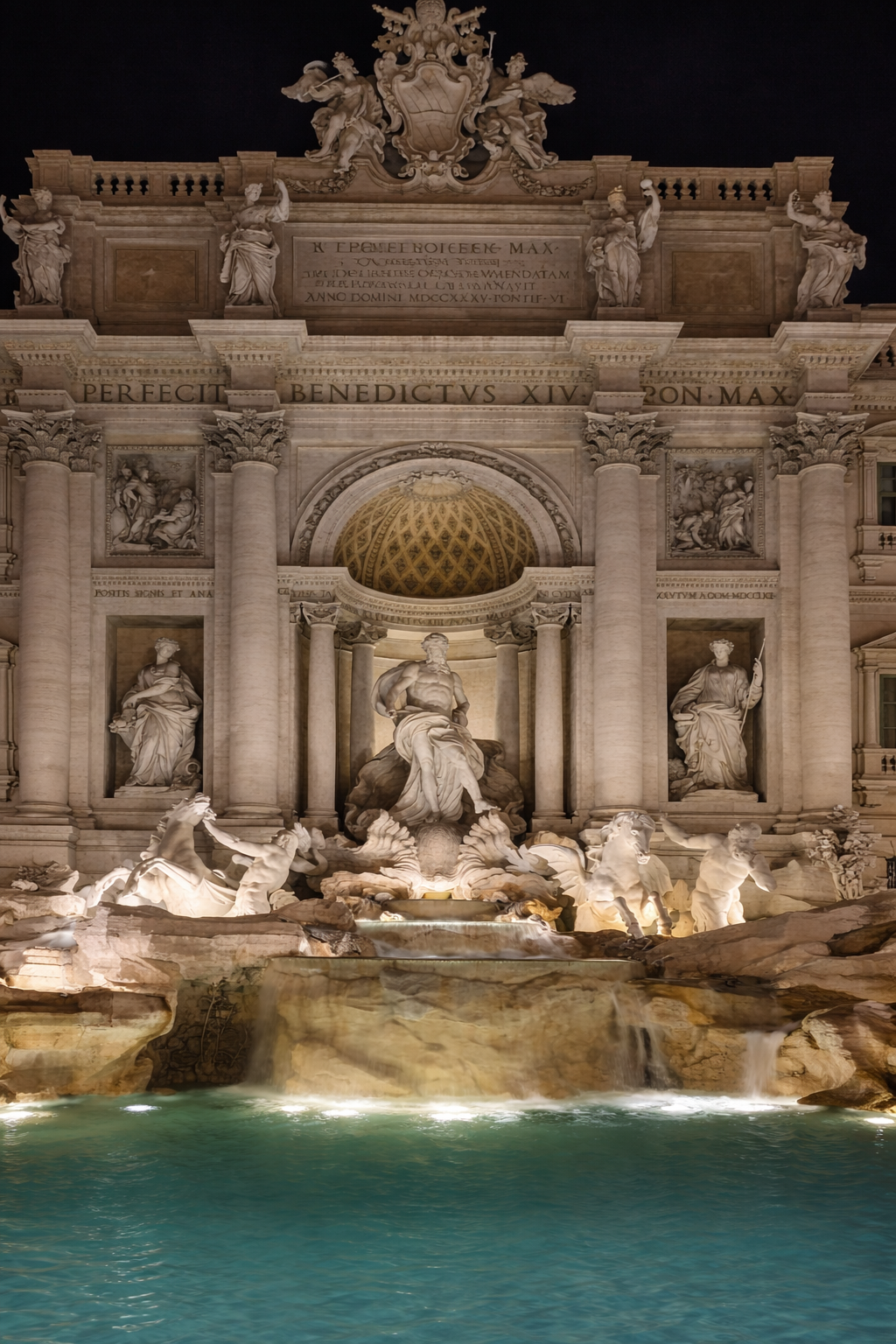
Rome behaves differently. As the day progresses, the city becomes easier to enjoy. The light softens in the afternoon. Crowds shift away from the major landmarks and toward restaurants and bars. The Pantheon, which is genuinely overwhelming at midday, becomes something closer to contemplative by early evening. The Trevi Fountain — relentlessly photographed throughout the day — turns quiet and almost dreamlike after 10pm, when most visitors have already gone to bed.
Therefore, the correct approach to a one-day Rome + Vatican itinerary is not about geography. It is about timing. Start with the place that rewards structure and an early start. Finish with the place that rewards flexibility and late light.
The half-day mistake (and how to avoid it)
The most common version of this trip goes like this: visitors begin with Rome because it is more familiar. They walk to the Colosseum, stop for lunch near it, and by early afternoon head toward the Vatican. By that point, queues are at their highest, the heat of the day has peaked, and energy is already reduced. The Vatican becomes something to get through rather than something to absorb.
Reversing the order solves this completely. Begin with the Vatican while your focus is fresh and the crowds are still building. Then allow Rome to unfold naturally in the second half of the day, when the pressure of structured sightseeing has lifted. This single adjustment — which costs nothing and requires no extra planning — can save two hours of queuing and significantly change the quality of the entire day.
02 — Vatican City in a Rome + Vatican Itinerary (One Day Plan)
Basilica vs Vatican Museums — which one for you
This decision defines your day more than anything else, and it is worth being honest about what each option actually involves.
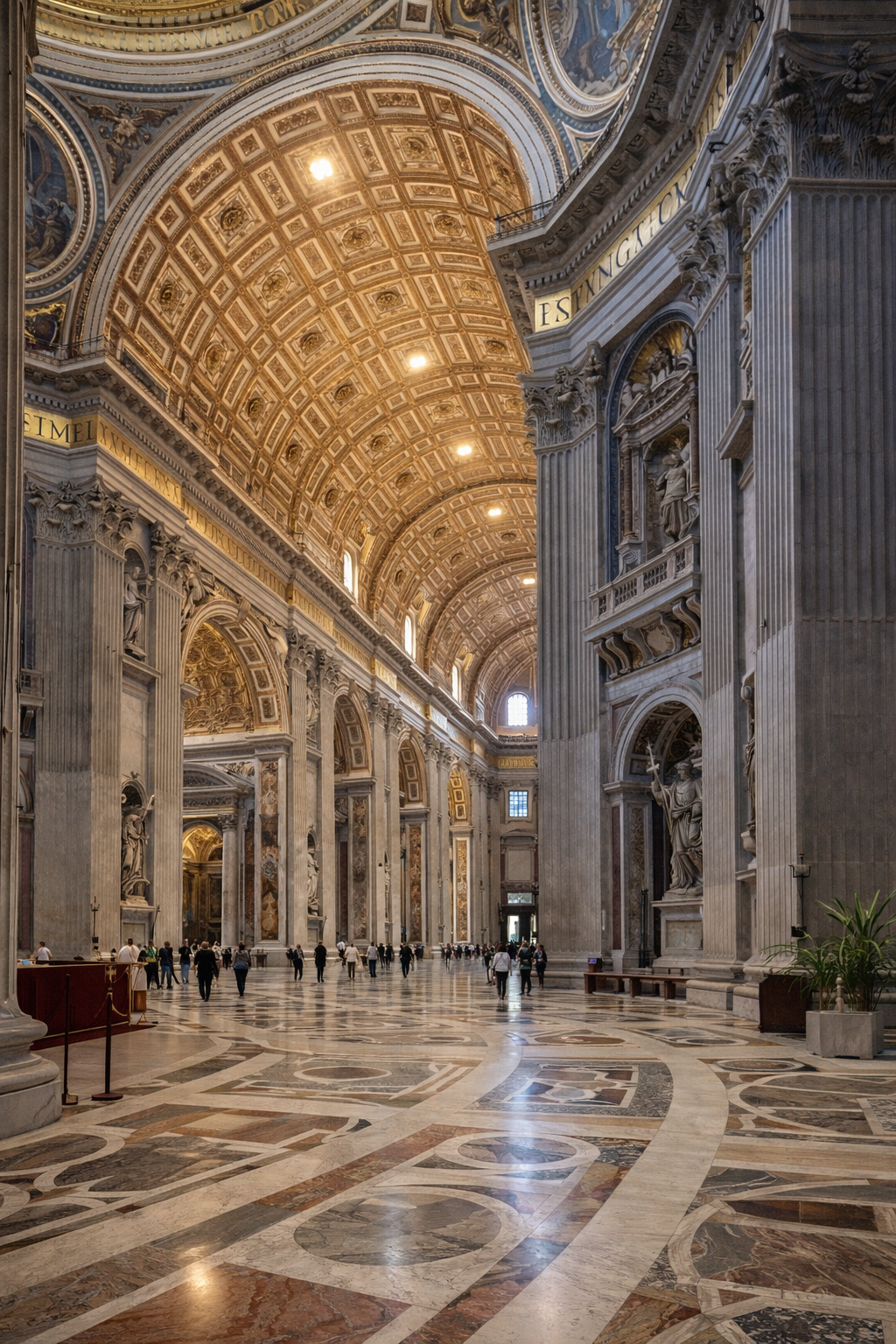
St Peter’s Basilica is free to enter, and the queue — while present — moves steadily if you arrive early. There is no fixed route and no time pressure once you are inside. You move at your own pace through one of the most extraordinary interiors in the world: the baldachin above the main altar, the pietà behind glass in a side chapel, the sheer scale of the nave which consistently makes people stop and recalibrate their sense of space. If your goal is a meaningful experience of the Vatican that fits inside a Rome Vatican itinerary one day plan, the Basilica is the right choice. You will leave with enough energy to fully enjoy Rome afterward.
The Vatican Museums are a different proposition. Even with pre-booked tickets — and booking is essential, not optional — the full route through the galleries takes three to four hours minimum. The Egyptian collection, the Gallery of Maps, the Raphael Rooms, and finally the Sistine Chapel are linked in a continuous sequence, and there is no shortcut that doesn’t feel like you missed the point. The Sistine Chapel itself is extraordinary, but you arrive at it after sustained walking through a dense and complex building, and the room is almost always crowded regardless of the time of day.
Consequently, pairing the Museums with a full day of Rome is possible but demanding. Most people who attempt it end the day having done both things adequately rather than either thing well. If the Sistine Chapel is a priority, dedicate a separate morning entirely. The Museums deserve that.
The dome climb — go or skip?
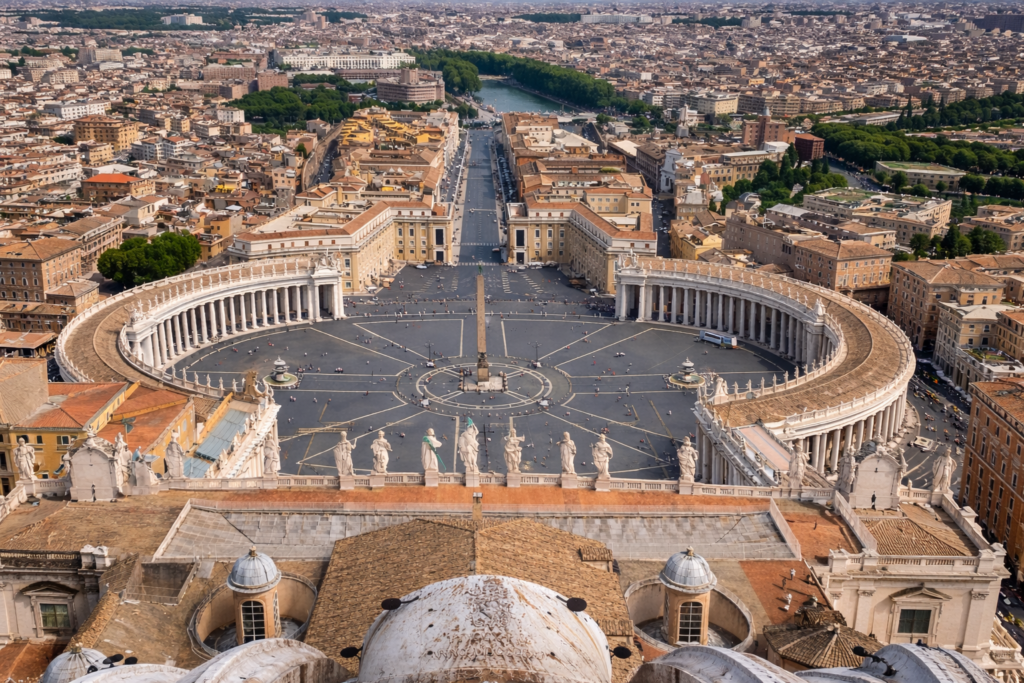
The dome climb is one of the more underrated decisions in Rome travel planning. Most guides mention it briefly. The view from the top, however, is genuinely distinct from anything else the city offers. Standing above the colonnade, you can see St Peter’s Square in its full elliptical geometry — the way Bernini designed it to be experienced, which is from above rather than from within. Beyond the square, the city spreads out toward the Tiber and then continues east, a low terracotta horizon that clarifies how the ancient and the modern co-exist here.
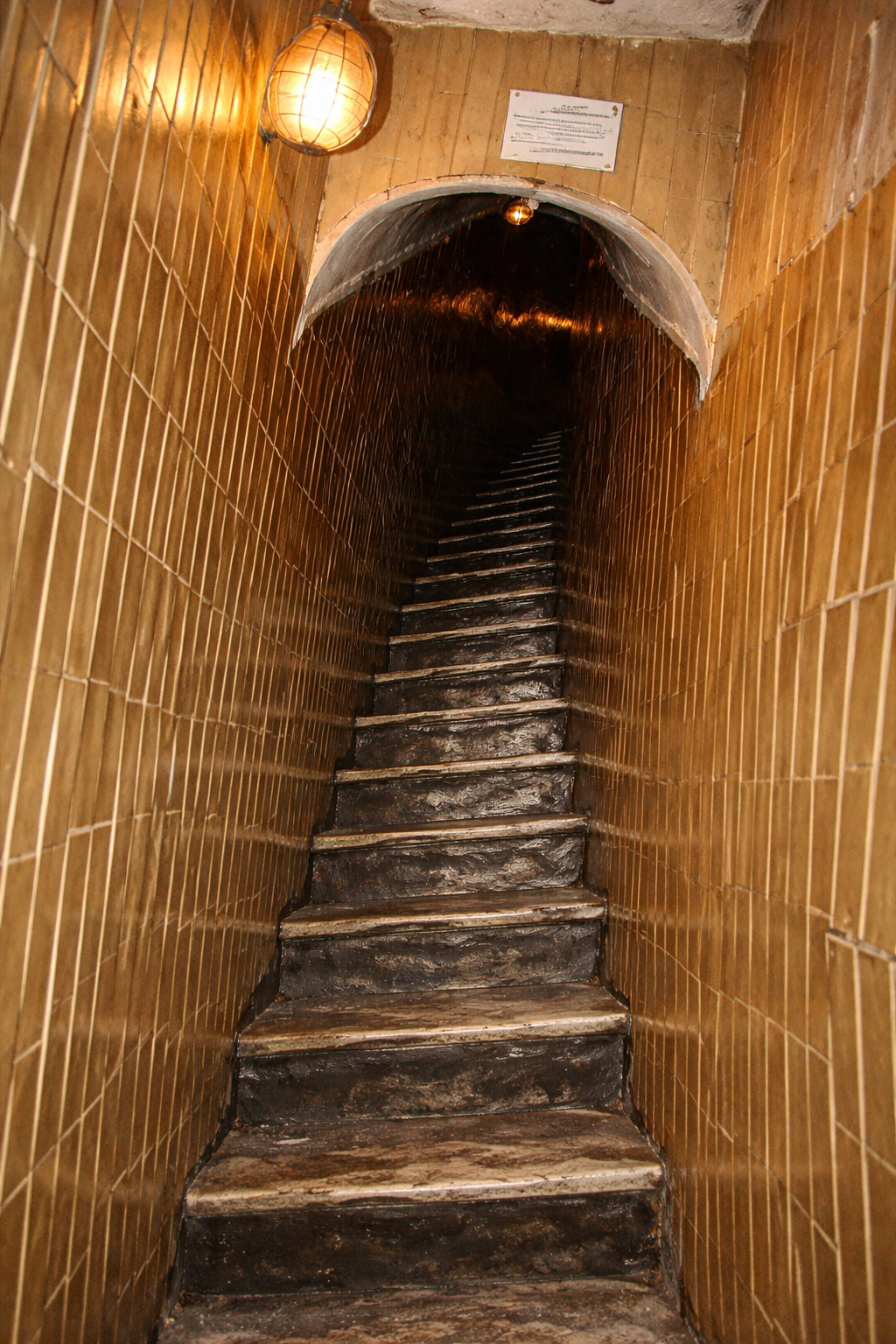
A lift takes you partway up, which removes most of the initial climb. The remaining stairs, however, are narrow and follow the curve of the dome’s inner shell — meaning the walls lean inward as you ascend. The final section is enclosed, with limited headroom in places. The vast majority of visitors manage this without difficulty. That said, if you are sensitive to confined or tilted spaces, stopping at the terrace level — which still offers an excellent view over the square — is a sensible alternative. The extra climb is worth it for those who can do it. It is not worth distress.
Budget approximately 30–45 minutes for the dome climb on top of your Basilica visit.
The pizza spot right next to the Vatican
The streets immediately surrounding St Peter’s Square are predictable in the way that tourist-adjacent streets always are: menus in six languages, staff outside gesturing at tables, and prices that reflect location rather than quality. Avoid them without guilt. Walk east for five or six minutes — past the Lungotevere and into the streets behind Castel Sant’Angelo — and the atmosphere changes noticeably. Smaller trattorias, simpler menus, and the kind of lunch that costs half as much and tastes considerably better.
This short detour also provides a natural pause between the structured intensity of the Vatican and whatever comes next. Sitting down for forty-five minutes with a proper plate of pasta and a glass of house wine resets the day more effectively than pushing on while tired. Rome is better experienced with energy, not despite the lack of it.
03 — Rome’s Historic Centre: How to Pair It
Once you leave the Vatican and cross back over the Tiber, the pace changes immediately. The security queues and fixed routes are gone. Rome opens up, and your movement becomes genuinely your own. However, not every landmark belongs in the same day — and understanding which ones complement a Vatican morning is what separates a good day from an exhausting one.
What pairs with Vatican day
The Pantheon, Trevi Fountain, and Spanish Steps form a compact and walkable loop through the historic centre. The distances between them are short enough to move gradually, with space for a coffee or a pause between each. None of them require tickets or timed entry (the Pantheon has recently introduced a small entrance fee, but no pre-booking is necessary), which means you maintain the flexibility you gained by leaving the Vatican’s structure behind.
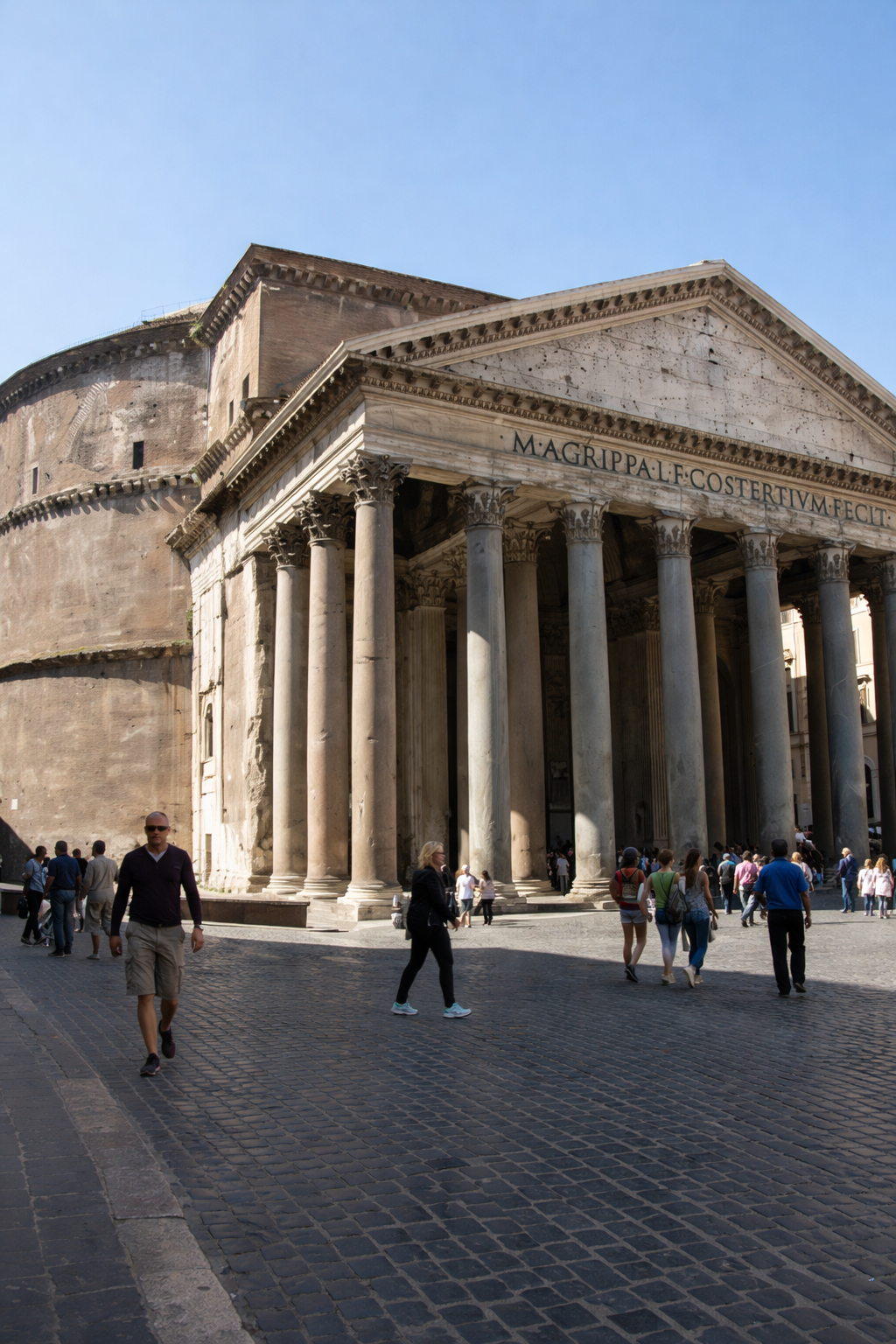
The Pantheon rewards some prior understanding. It was built in 125 AD and has been in continuous use since — first as a temple to all gods, then as a Christian church. The oculus at the top of the dome is the only source of natural light inside, and on clear days a column of sunlight moves slowly across the floor throughout the afternoon. Standing beneath it, the engineering feels both ancient and impossible. Allow at least thirty minutes here, not as a brief stop between other things.
Trevi Fountain, meanwhile, is a question of timing more than anything else. At midday in summer it is completely surrounded, and the experience is largely one of managing crowds rather than seeing the fountain. In the early evening it is still busy, but the light is better and the atmosphere less frantic. After 10pm, on most nights, the square quietens significantly. If you have the option, save Trevi for the end of the evening and visit the Pantheon and the Spanish Steps in the afternoon instead.
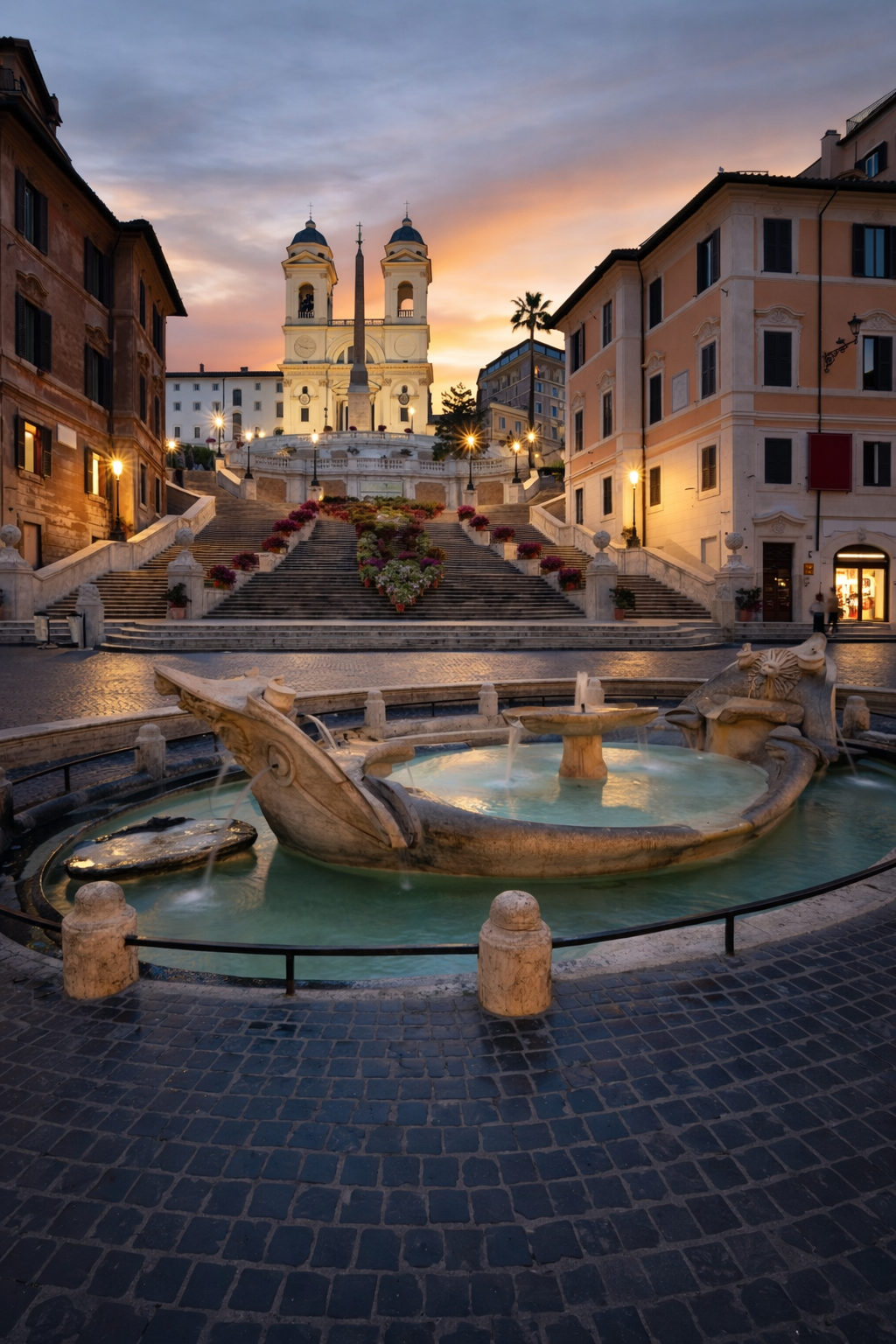
The Spanish Steps are best experienced as a pause rather than a destination. Sit down, face the city below, and allow twenty minutes to pass without any particular purpose. This is exactly what the steps were designed for — a place to be in Rome rather than to see Rome.
What needs its own morning entirely
The Colosseum and the Roman Forum are the obvious omissions from a one-day Rome + Vatican itinerary, and they should be. Together, they require structured entry, sustained attention, and the kind of walking that accumulates fatigue even on a cool day. The Colosseum alone — if you actually stop to understand what you are looking at rather than circling the arena and leaving — takes the better part of two hours. Add the Forum and Palatine Hill, which are included on the same ticket, and you have a full morning.
Additionally, the Forum rewards some preparation. Without context, it reads as a field of broken columns and partially standing walls. With even a basic understanding of what each structure was and why it mattered, it becomes one of the most extraordinary places in Europe to spend an unhurried hour. That kind of engagement is simply not possible when your energy is already committed to a Vatican morning.
Treat the Colosseum area as its own day, starting early and finishing there rather than trying to append it to anything else.
04 — The Rome + Vatican Itinerary That Actually Works (One Day)
The morning — Vatican early
Arrive at St Peter’s Square before 8:30am. At this time, the piazza is still finding its shape for the day. The light is low and directional. The queue at the Basilica entrance is short, and the security process moves quickly. This single timing decision is the most consequential part of the entire day — everything that follows is easier because of it.
Enter the Basilica and move slowly. Resist the instinct to walk directly toward the famous points and instead let the scale of the interior register first. The baldachin — Bernini’s bronze canopy above the altar — is visible from the nave but becomes something different as you approach it. Walk the full length of the church before returning to the side chapels. The pietà is in the first chapel on the right as you enter: small behind its protective glass, and more quietly affecting than most visitors expect.
If you are doing the dome climb, join that queue after the Basilica interior rather than before. By 10am you should be either on your way down from the dome or finishing your exploration of the Basilica floor. Either way, you leave the Vatican grounds before the day’s busiest period begins.
From there, lunch in the streets behind Castel Sant’Angelo. Take your time. The structured part of the day is finished.
The afternoon — crossing into Rome
Walking across the Tiber from the Vatican side into the historic centre creates a natural transition that no metro journey replicates. The Ponte Sant’Angelo — the bridge lined with Bernini’s angels — leads directly toward Castel Sant’Angelo and then into the fabric of central Rome. The walk from there to the Pantheon takes roughly twenty minutes through streets that reward slow movement: small piazzas, a good bookshop, the kind of alimentari that has been in the same family for three generations.
Arrive at the Pantheon in the early afternoon, when the light through the oculus is active and the midday crowds are starting to thin toward the lunch hour. Spend thirty to forty minutes inside, then step out into the Piazza della Rotonda for a coffee at one of the tables facing the facade. The coffee will cost more than it should. It is worth it for exactly one visit.
From the Pantheon, the Spanish Steps are a fifteen-minute walk northeast. Use the time between to move through Piazza Navona if you have not seen it — the baroque fountains and the long narrow shape of the former stadium are worth fifteen minutes even on a full day. The steps themselves offer the pause described earlier: sit, face the city, do nothing in particular. By this point in the day, doing nothing in particular is exactly right.
The evening — Trevi or Spanish Steps
Dinner in the Trastevere neighbourhood, if you have the energy to cross the river again, is worth the detour. The streets are narrow and medieval, the restaurants are mostly small and owner-run, and the atmosphere in the evening is more genuinely local than anywhere in the historic centre. Alternatively, eat near Campo de’ Fiori, which is less tourist-saturated than the streets around the Pantheon and has better options at the mid-range price point.
After dinner, pick one: Trevi Fountain or the Spanish Steps at night. Not both — one. The Trevi Fountain after 10pm is the version that justifies its reputation. The crowds are substantially reduced, the illumination is warm and considered, and the sound of the water becomes audible again over the general noise of the city. Throw a coin if you are inclined. Walk away without looking back at it. The theatrical ending is, occasionally, the right choice.
05 — Getting Around: On Foot and By Metro
Walking through Rome
Rome’s historic centre is compact enough to explore almost entirely on foot, and this is genuinely the right way to experience it. The distances between major landmarks consistently surprise people — the Pantheon to Trevi Fountain is less than ten minutes. The Trevi to the Spanish Steps is twelve. The Spanish Steps to the Piazza del Popolo is fifteen. None of these require a decision about transport.
More importantly, walking reveals what transit misses. The narrow street that leads unexpectedly into a courtyard. The small church on a corner that has a Caravaggio inside, unlocked and lit, with no queue. The gelateria that has been in the same spot since 1920 and is not in any guide. Rome rewards the traveler who is moving slowly enough to notice it. The metro, by contrast, takes you efficiently from one point to another and shows you nothing in between.
When the metro is worth it
There are two situations where the metro earns its place. The first is arrival: if you are staying outside the historic centre and need to reach the Vatican early in the morning, the Ottaviano station on Line A deposits you less than ten minutes’ walk from St Peter’s Square. The second is departure: if your accommodation is far from the centre and you are returning late and tired, the metro is a practical choice over a long walk or an expensive taxi.
Inside the historic centre itself, however, the metro is rarely faster than walking. The stations are spaced far enough apart that the combination of descent, waiting, riding, and ascending often takes longer than simply continuing on foot. Furthermore, Line A — which serves most tourist points of interest — is a known pickpocket environment, particularly during peak hours. Keep bags closed and phones in pockets, or save the metro for the trips where it clearly makes sense.
A single metro ticket costs €1.50 and is valid for 100 minutes on any combination of metro, bus, and tram. Validate it immediately on boarding.
Where to stay
Staying inside the historic centre is the most convenient option and also, typically, the most expensive one. Hotels in the immediate vicinity of the Pantheon or Piazza Navona charge a premium that reflects location rather than necessarily quality. For many travelers, areas one metro stop outside the centre offer a significantly better value without meaningful inconvenience.
Prati is worth specific mention. It sits immediately north of the Vatican on the western side of the Tiber — close enough to the Basilica that you can walk there in the morning without using transport at all. It is quieter than the historic centre, has good local restaurants that are not oriented toward tourists, and costs noticeably less for equivalent accommodation. For a trip where the Vatican is the first priority of the day, Prati is the practical choice.
— Crowded metro lines are active pickpocket zones. Keep bags closed and phones out of sight from the moment you descend the stairs.
— The dome stairs become narrow and enclosed near the top, with walls that angle inward. Most people manage easily. If you are sensitive to confined spaces, the terrace level is a genuine alternative.
— Better food exists within a five-minute walk of the Vatican. The further you are from the tourist pull of the square, the more honest the menu.
— Trevi Fountain is best experienced late at night, not as a midday tick on a list. Return after 10pm if you can.
— Staying outside the historic centre — particularly in Prati — reduces cost and improves the quality of the morning if the Vatican is your first stop.
06 — Practical: Tickets, Costs, Timing
What everything costs
St Peter’s Basilica is free to enter, which makes it one of the most extraordinary free experiences in Europe. The dome climb costs €8 if you take the stairs for the full ascent, or €10 if you take the lift partway and walk the remainder. Neither requires advance booking — you pay at a desk near the entrance to the dome stairs. The Vatican Museums cost €17 for the standard online ticket, rising to €20–25 for guided versions. Booking online is essential; the walk-up queue is long and the online discount is meaningful.
Rome’s other major sites: the Colosseum and Forum require a combined ticket at €16, bookable in advance through the official site. The Pantheon charges a €5 entry fee introduced in recent years. The Spanish Steps and Trevi Fountain are free. A single metro or bus ticket is €1.50. A 48-hour transport pass is €7, which makes sense only if you plan to use public transport frequently — for a one-day walk-focused itinerary, individual tickets are sufficient.
For food, Rome is honest about its price tiers. A coffee standing at a bar costs €1–1.50. A sit-down lunch at a straightforward trattoria — pasta, a glass of wine, water — runs €15–25 per person. Dinner in Trastevere at a mid-range restaurant averages €30–40. Gelato at a good gelateria is €2.50–3.50 for a cone. The tourist-adjacent restaurants around major sights charge a 30–50% premium for equivalent food. Walking a few streets in any direction solves this reliably.
Best months and what to avoid
April through early June is the strongest window for Rome. Temperatures are warm but not oppressive, the light in the late afternoon is exceptional, and the city is busy without being at its peak. September and October offer similar conditions with the added advantage of lower accommodation prices as the summer season ends. The Pantheon and Vatican are particularly good in October, when the quality of light changes and crowds thin noticeably from August levels.
July and August are the most demanding months. Temperatures regularly reach 35–38°C by mid-afternoon, the city is at maximum tourist density, and Vatican queues extend to lengths that are genuinely discouraging. If you travel in summer, shift your Vatican entry to the earliest possible slot — 8am or earlier — and build rest into the middle of the day rather than pushing through the heat.
Midday Vatican entry is the single biggest timing mistake in Rome travel, regardless of season. By 11am, the square and surrounding queues have built to their daily peak. By noon, the heat of the day and the density of the crowd combine in a way that makes the experience significantly less rewarding than the same visit at 8am. The one-day itinerary described in this post depends on avoiding this window entirely.
07 — The Quiet Part of the Day
By the time you reach the evening, something shifts.
The structured part of the day is behind you — the early queue, the security check, the decision at the dome stairs, the careful movement through the Basilica. All of that has resolved. What remains is slower and more open.
Rome at night does not ask anything from you. The city has been doing this for two thousand years, and it knows how to contain a person who is tired and unhurried. The fountain sounds different when you can hear it. The piazzas feel larger when they are not full.
If the day was planned well, you arrive here with just enough energy left to notice it. That is the point of the whole thing — not the itinerary, not the sites, but the particular quality of being somewhere at the right moment, with nothing left to plan.
Rome gives back exactly as much as you are willing to slow down for.
The Vatican is the morning. The rest of the city is what happens after.