

Belgium Road Trip: 5 Days Through the Ardennes
A Belgium road trip from Namur to Bouillon: drive the south, take the train in the north.
Why a Belgium Road Trip Works Better in the Ardennes
Most Belgium road trip itineraries start in Brussels, swing west through Ghent and Bruges, and end in Antwerp. That is the one way to turn a car into a liability. Parking in those cities is expensive, trains link them faster than any driver can, and Brussels, Ghent and Antwerp all run low emission zones that foreign cars must register for.
The south works the other way round. In the Ardennes, castles, caves, abbeys and river towns sit far apart, rural buses are thin on the ground, and a car turns a scattered map into a loop. This route therefore drives only the south: five days from Namur through Dinant, Durbuy, La Roche-en-Ardenne, Bastogne and Bouillon, then back.
The rule, stated plainly: drive the south, take the train in the north. One more fact shapes the route. Days shorten from October onwards, and the Han caves move to a restricted winter schedule, so closures sit inside the plan rather than in small print.
→
→
→
→
- Do You Need a Car for a Belgium Road Trip?
- Before Your Belgium Road Trip
- Day 1: Namur to Dinant
- Day 2: Han Caves, Rochefort and Durbuy
- Day 3: La Roche-en-Ardenne and Bastogne
- Day 4: Orval Abbey and Bouillon
- Day 5: Back North
- Belgium Road Trip Variations
- Belgium Road Trip by Season
- What to Eat and Drink
- FAQ
01 — Do You Need a Car for a Belgium Road Trip?
Belgium road trip in the north: leave the car at home
In Brussels, Ghent, Bruges and Antwerp, a car costs more than it gives. Trains link the four cities quickly, parking costs real money, and three of them sit inside low emission zones. Brussels covers its whole region, while Ghent and Antwerp each cover their centres. Foreign cars must register for these zones, and a missed registration brings a fine even when the car is clean. For that half of the country, follow the train-based Belgium itinerary instead.
Belgium road trip in the south: take the car
The Ardennes reverses the maths. Distances between sights are modest, yet the sights themselves are scattered: a cave here, a ruined castle a valley away, an abbey almost at the French border. Rural public transport is limited, so without a car you spend much of the day waiting. That said, Namur and Dinant both work by train, and they make good day trips from Brussels if a day is all you have. Beyond them, a car is the practical way to link the loop.
02 — Before Your Belgium Road Trip
Two things matter before you collect the keys: which zones apply, and where you collect the car.
| Ghent and Antwerp | Register a foreign-plated car once, free of charge, on the Flemish zone website. One registration covers both cities. Fines for an unregistered foreign car start at €150. |
| Brussels | Registration is separate and also free. A car that does not meet the zone standard can be fined €350, although a €35 day pass is available. |
| Rental cars | Cars on Belgian plates generally do not need registering. Your rental desk will confirm. |
| Wallonia | The region-wide Walloon zone was scrapped in 2024, so the Ardennes loop sits outside any zone. |
| Where to rent | Take the train from Brussels to Namur and collect the car there. Several rental companies list branches at or near the station, but check availability for your dates. |
| Roads | Quality in the Ardennes varies from good to rough, and secondary roads can be narrow. |
| Winter | Daylight is short, and the higher ground in the east can see snow. |
In short, plan any Belgium road trip in winter around daylight rather than distance.
03 — Day 1: Namur to Dinant Along the Meuse
Day 1 stays short on purpose, because you arrive by train and still need to collect the car.
Start your Belgium road trip at Namur’s citadel
Start at the citadel, which looks down on the point where the Sambre meets the Meuse. From the ramparts you read the geography of the whole trip in one look: a river valley below, wooded hills rolling south. Namur and Dinant get a line each here, since this post covers them as stops on a drive. For the full city picture, see the best cities in Belgium.

The drive south along the Meuse
From Namur, the road follows the Meuse south, with the river on one side and limestone cliffs on the other. Meanwhile the viewpoints come at intervals, so stop whenever the road allows rather than rushing to Dinant. Slow driving pays off here, because the valley is the main sight.
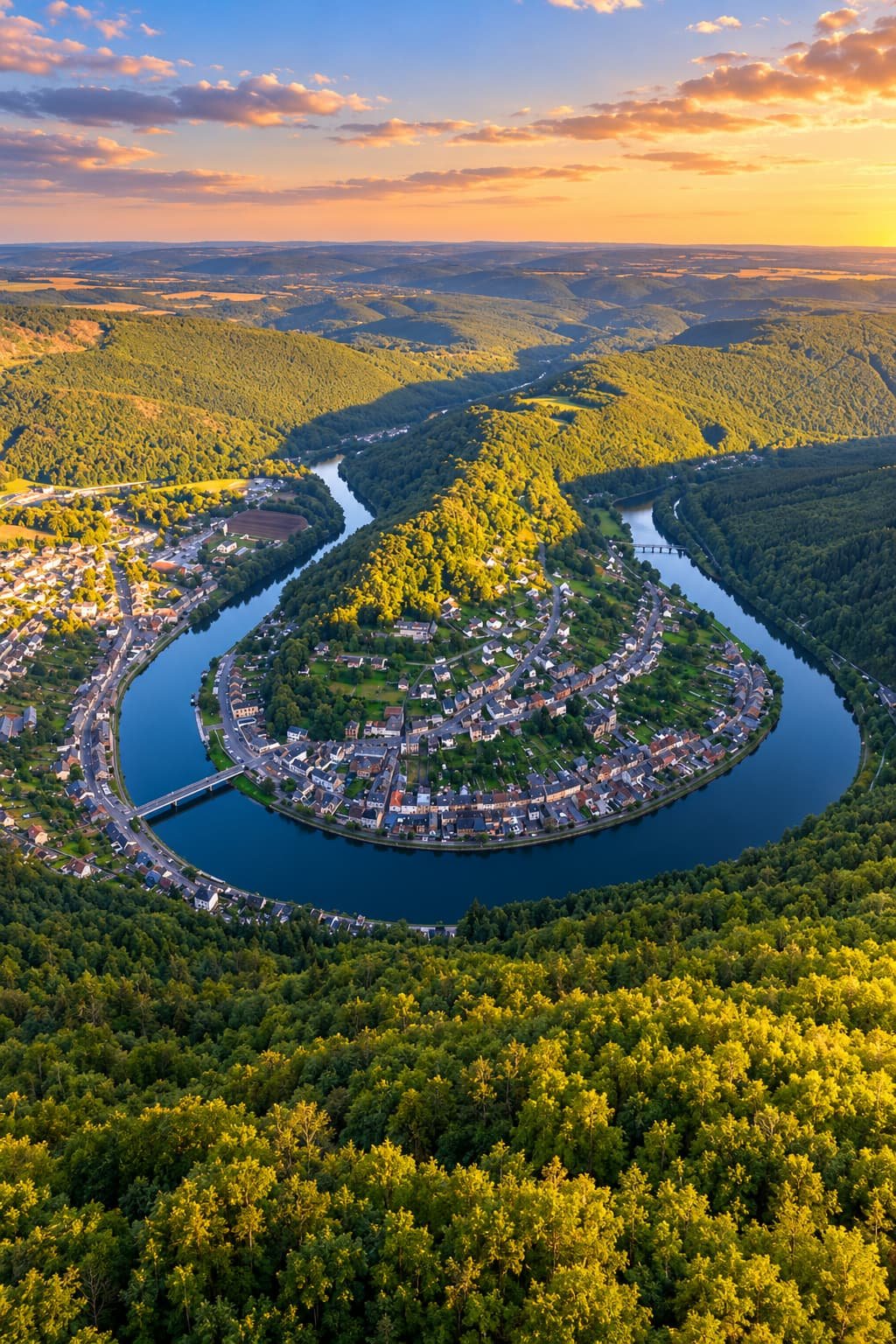
Dinant: citadel and collegiate church
Dinant squeezes between the river and a rock face, and its citadel sits directly above the town. Climb up for the view, then drop back down to the collegiate church at the water’s edge. The town also produced Adolphe Sax, inventor of the saxophone. Sleep in Dinant, or drive back to Namur if you prefer one base for the first nights.
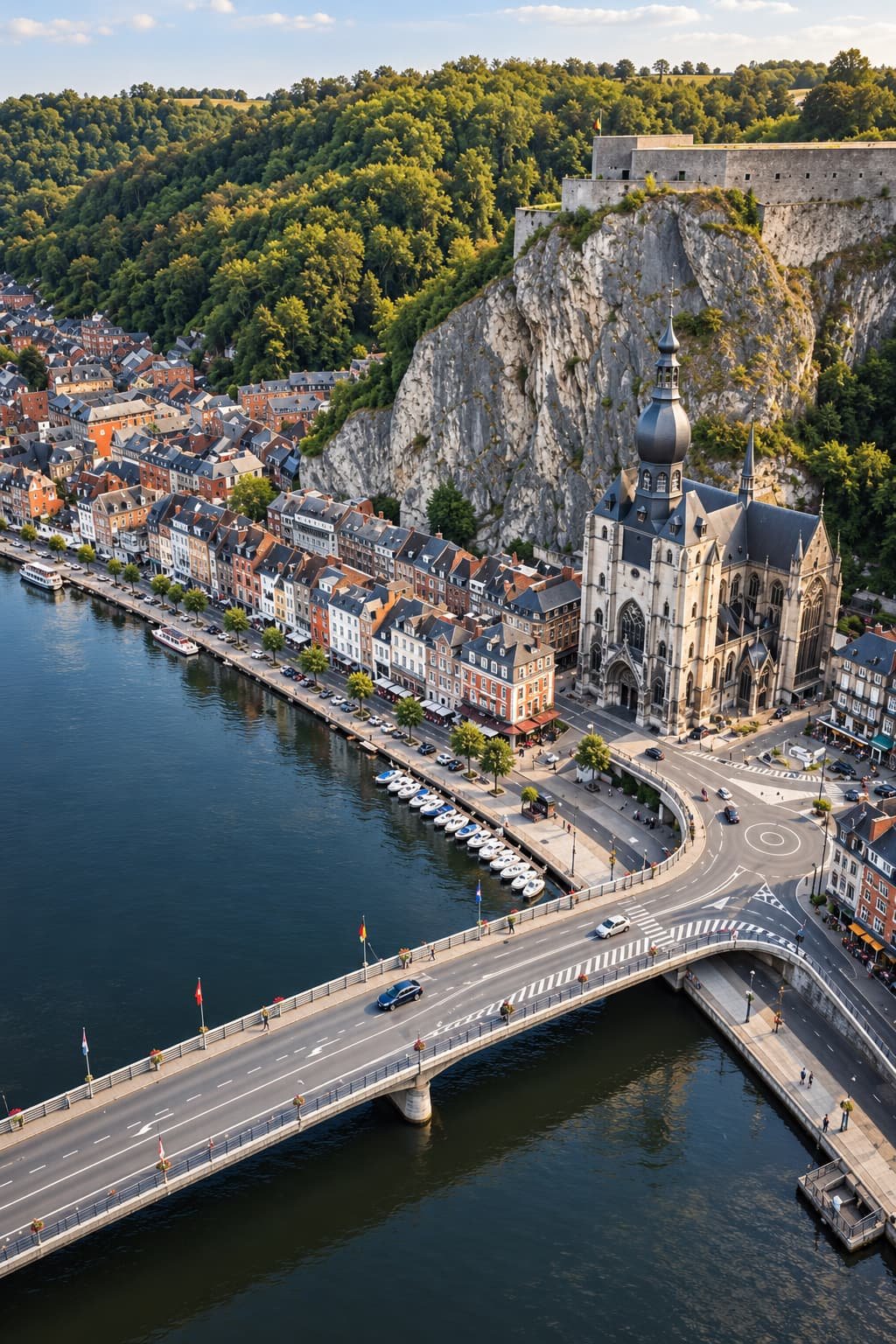
04 — Day 2: The Han Caves, Rochefort and Durbuy
Day 2 is the one the season changes most.
Han-sur-Lesse caves
The Han-sur-Lesse caves anchor the day. The guided tour covers about 1.6 km at 9°C, climbs and drops 367 steps, and takes around 1 hour 45 minutes, so bring a jumper even in October. The caves also sit inside a UNESCO Global Geopark.
Now the honest part. Last winter, guided visits ran at weekends only, from 15 November to 14 December and from 10 January to 8 February, at 10:15 and 13:45, in French and Dutch only. Adults paid €31 and children aged 4 to 11 paid €25, and booking online was compulsory. Check the 2026–27 dates and prices on grotte-de-han.be before you build the day around them, and book first if you travel in winter.

Rochefort, briefly
Rochefort sits close to the caves and is home to a Trappist abbey. Treat it as context on the drive rather than a stop, since the abbey is a working monastery.
Durbuy for the night
Finish in Durbuy, a tiny town on the Ourthe. Its old centre is small enough to walk in a single evening, which suits an arrival after a day underground.

05 — Day 3: La Roche-en-Ardenne and Bastogne
Day 3 is about ruins and history.
La Roche-en-Ardenne’s castle
From Durbuy, La Roche-en-Ardenne is about 35 minutes away. Its castle ruins rise above a loop of the Ourthe, and the views over the town roofs repay the climb. Opening hours follow the season. From April to June, and in September and October, the castle opens 11:00 to 17:00. From November to March it opens 13:00 to 16:00 on weekdays outside school holidays, and 11:00 to 16:30 at weekends and school holidays. Adults pay €8.50, and the castle closes on 1 January and 25 December.

Bastogne and the Battle of the Bulge
Bastogne carries the story of the Battle of the Bulge, fought across the Ardennes in 1944–45. The Bastogne War Museum on Mardasson hill tells it through a permanent exhibition. One ticket also covers the Bastogne War Rooms and the Bois Jacques battlefield, 4 km away, and stays valid for six months. Parking at the museum costs €7.50 per vehicle. In autumn it generally opens from 09:30 to 18:00, but it shuts for part of January, so check the calendar on bastognewarmuseum.be for winter dates. Sleep in Bastogne or back in La Roche.
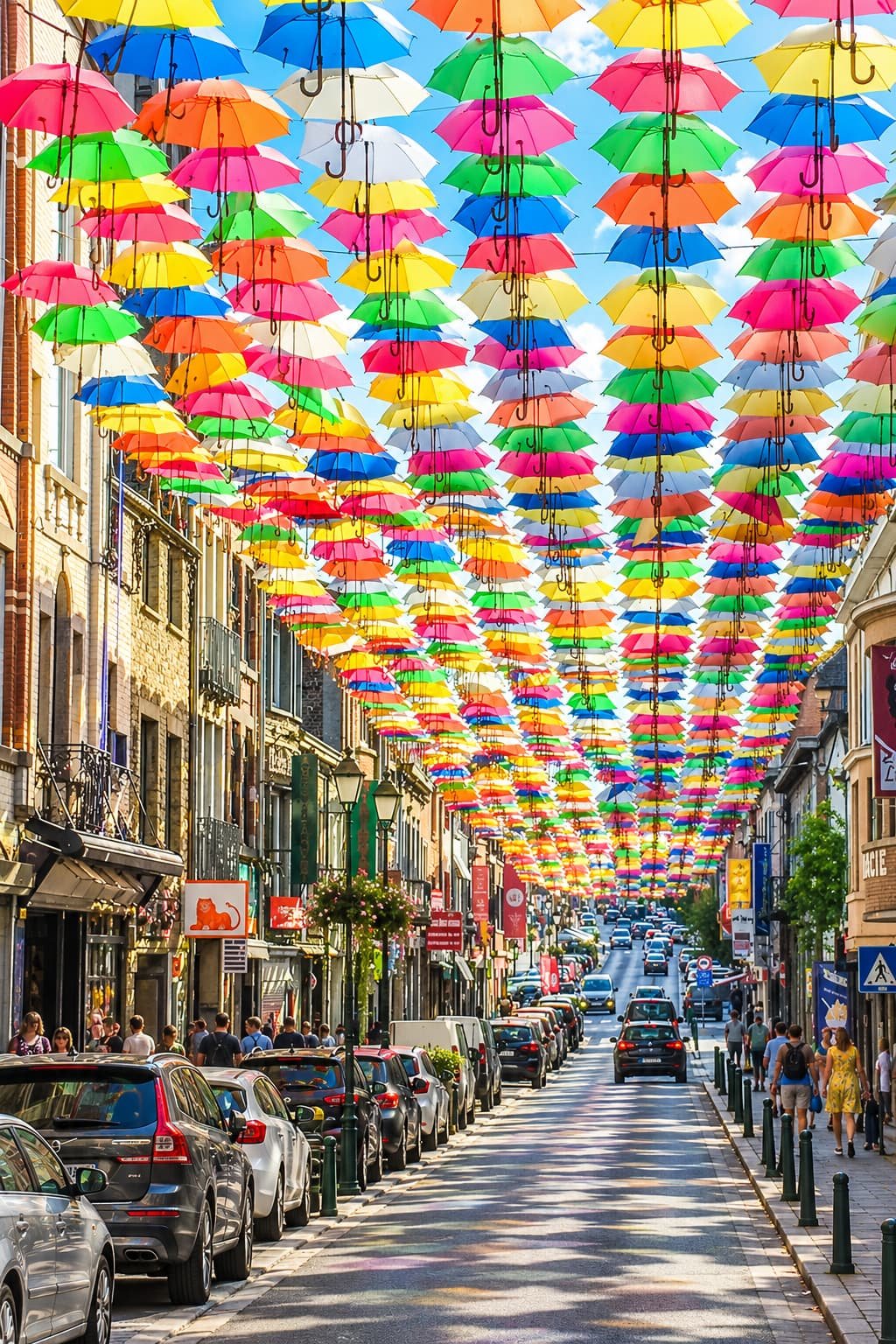
06 — Day 4: Orval Abbey and Bouillon
Day 4 heads to the far south, close to the French border.
Orval Abbey ruins
Orval Abbey’s Cistercian ruins carry almost nine centuries of history, and the site adds a museum to the walk. Allow around two hours. The visit covers the ruins and museum, not the working monastery. Ruins tickets cost about €8 for adults. In October the site opens 09:30 to 18:00, and from November to February it opens 10:30 to 17:30 with last tickets at 16:30. Confirm on orval.be before you set off.
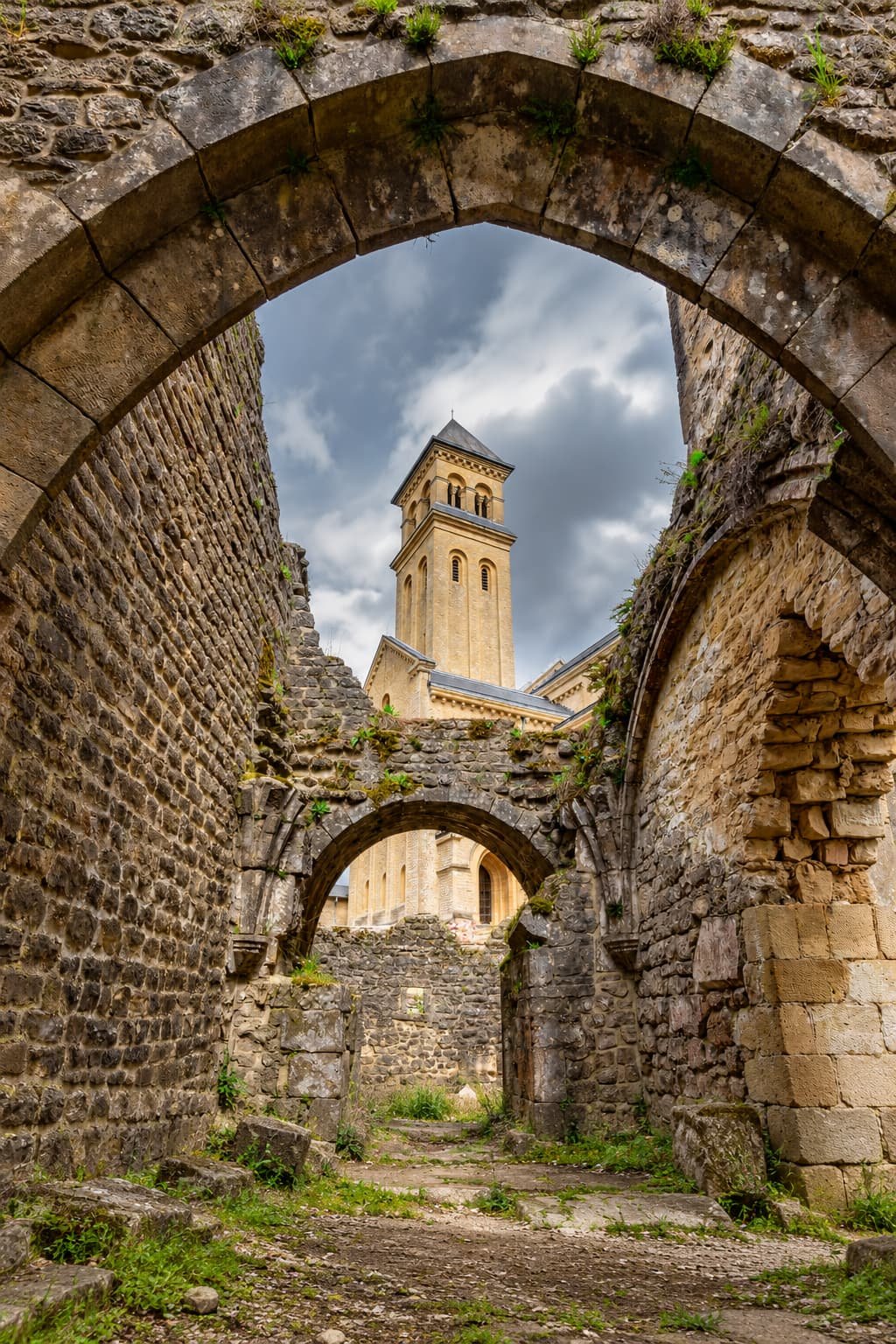
The Semois valley loops
From Orval, wind north along the Semois, whose loops make the drive slower than the map suggests. Rochehaut, perched above the river, gives one of the best viewpoints over the valley. Allow generous time, because narrow roads and tempting pull-ins both slow you down.
Bouillon’s medieval castle
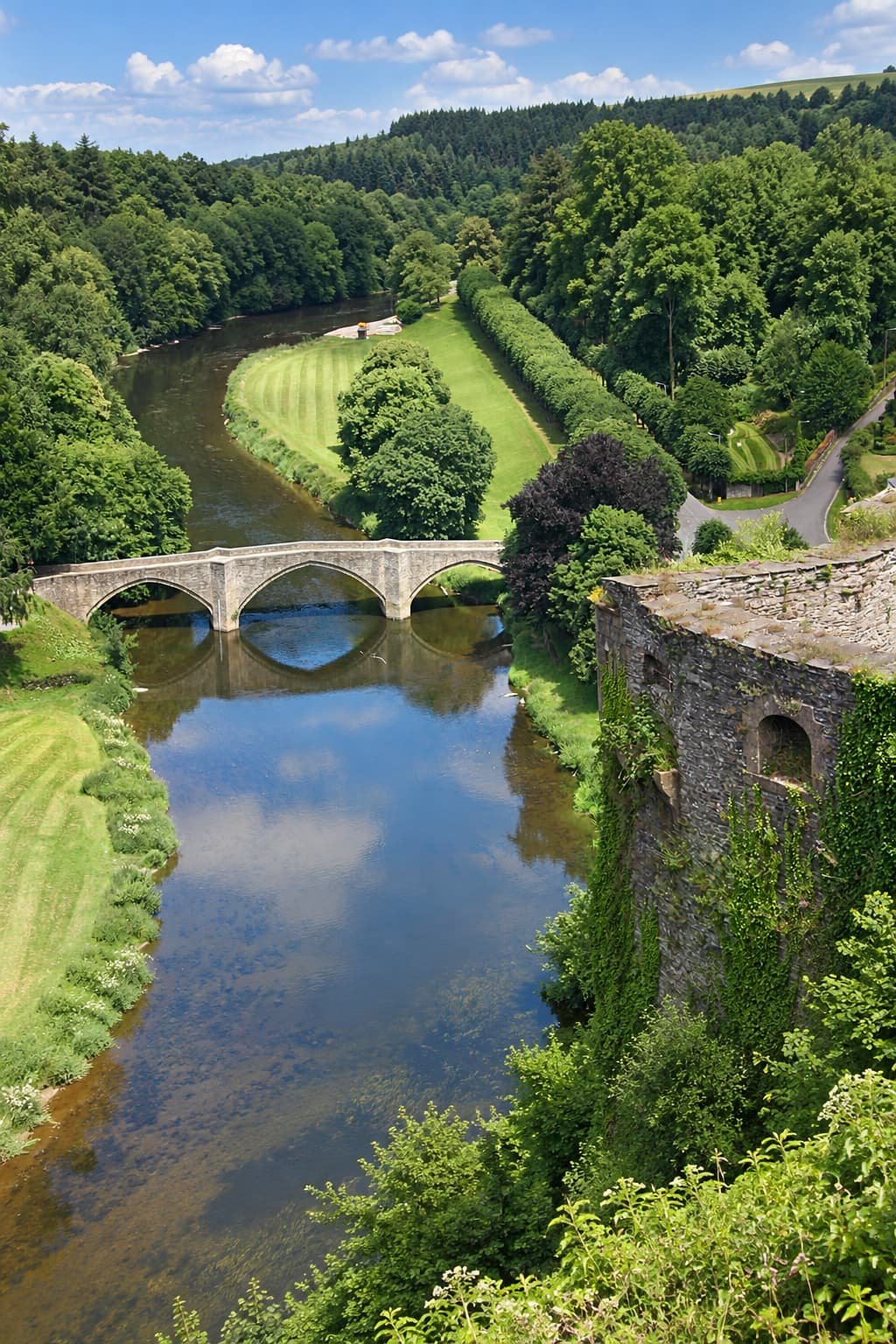
Bouillon’s medieval fortress, once held by Godfrey of Bouillon, dominates the old town from a rock above the Semois. Climb the Austria Tower for the widest view over town, valley and forest. Until 11 November, the courtyard hosts bird-of-prey shows and an evening sound-and-light show, which gives autumn visitors a reason to arrive late. After that date shorter winter hours apply, so check the castle’s schedule before you drive down. Dogs are not allowed inside. Sleep in Bouillon.

07 — Day 5: Back North
The last day is a drive, not a sightseeing day. Retrace the route from Bouillon to Dinant, then on to Namur, and use Dinant for a coffee and a second look at the Meuse if the light is good. Drop the car at Namur and board a train to Brussels, which takes under an hour. From there, spend two or three days in Brussels on foot and by tram instead of by car. Leave a buffer, because Ardennes roads and short autumn afternoons make a tight rail connection a poor bet.
08 — Belgium Road Trip Variations
East loop: Liège, Spa and the High Fens
Swap Days 3 and 4 for an eastern loop: Liège first, then Spa, the Hautes Fagnes plateau and Malmedy. The High Fens hold Belgium’s highest point at Signal de Botrange, and snow can close in higher up, so check conditions in winter. Liège gets one line here, and the best cities in Belgium covers it properly.
Short Belgium road trip: three days
Short on time? This shorter loop drives Namur, Dinant, Han and Durbuy over three days: Namur and Dinant on the first, Han and Durbuy on the second, and the third for the Ourthe valley and the drive back.
Combine the north with a Belgium road trip
Take the train first, then the car. See Brussels, Ghent, Bruges and Antwerp on the train-based Belgium itinerary, ride south to Namur, and collect the car for the Ardennes leg. Nothing about the loop changes.
09 — Belgium Road Trip by Season
This is the best month in the Ardennes. Colour peaks in the valleys, and the walk around the Nisramont dam near La Roche is a good place to see it. Days are short, so start early. For the wider picture, see fall foliage in Europe.
Expect closures, the Han caves’ limited schedule and December markets. This post only points to them, and the best Christmas markets in Europe covers the rest.
These are the main seasons for kayaking on the rivers, the Ourthe among them, and every castle runs its longest hours.
Pack for wet weather. Waterproof shoes matter more than anything else, and the Europe packing list covers the rest.
10 — What to Eat and Drink
Eat at dish level here, and let the regional menu steer you.
- Ardennes ham: a cured, smoked regional ham, and the obvious starter in any village.
- Game in autumn: venison and wild boar appear on menus as the weather turns.
- River trout: a regional classic on the Ourthe and Semois.
- Trappist beers and cheese: Orval and Rochefort beers, plus cheese made by some monasteries, turn up in cafés across the region. A brewery visit is not part of this route.
- Baisers de La Roche: light meringue biscuits, ideal for the car.
Cars, Low Emission Zones, and the Ardennes
Trip Length, Winter Access, and Trains

A car is a tool, not a plan.
In the north it gets in the way; in the south it is the whole point.