
Scotland Itinerary: An Honest 7-Day Route for First-Timers
Edinburgh, Glencoe, the Isle of Skye, and the drives between — with candid pacing verdicts, the direction call explained, and the one day nobody warns you about.
Why This Scotland Itinerary Is Honest About the Driving
This Scotland itinerary follows the classic road trip brief: rent a car, loop the country in a week, see the Highlands, spend a day on Skye. That loop is real and achievable — but most itineraries hand you a route without telling you what you’re actually signing up for. The final day from Skye back to Edinburgh is one of the longest drives in Britain. Glencoe is the stop most people wish they’d given two days to, not one. And the distances, while not enormous on paper, drive much longer than the map suggests.
This Scotland itinerary gives you the classic clockwise loop — Edinburgh to Glencoe, Skye, Inverness, the Cairngorms, and back — laid out honestly, day by day. Where to slow down. What to cut if time is short. What “7 days in Scotland” actually delivers, and when you need 10. The goal is a week that doesn’t leave you exhausted and vaguely disappointed that you didn’t see more.
- Why This Scotland Itinerary Is Honest About the Driving
- How many days do you need in Scotland?
- The best Scotland route and why direction matters
- Should you rent a car, take a tour, or go by train?
- The 7-day Scotland itinerary, day by day
- What to cut if you only have 5 days
- How to extend to 10 days
- Best time of year for a Scotland road trip
- What a week in Scotland actually costs
- Who this itinerary is right for
- FAQ
01 — How Many Days Do You Need in Scotland?
The honest answer is that 7 days gets you the country’s headline reel: Edinburgh, the Highlands, Glencoe, Skye. That’s genuinely significant — and most first-timers leave satisfied. But 7 days also means you’re moving every day or every other day, and at least one stretch requires 4–5 hours of driving. Here’s how the maths breaks down.
Is 7 days enough for Scotland?
Overall, seven days covers the classic loop if you’re comfortable with driving days and you accept that some stops — particularly Glencoe and Skye — deserve longer than you’ll give them. You’ll see the things you came to see. You won’t feel like you’ve soaked any of it up. For most first-timers, that’s an acceptable trade.
Five days is a squeeze. You can do Edinburgh plus the Highlands, or Edinburgh plus Skye, but not the full loop at a relaxed pace. Three days gives you Edinburgh and maybe a day trip to Loch Lomond or Stirling — useful if Scotland is one stop on a longer trip, but it’s not a road trip itinerary.
Ten days is the number this route actually wants. With 10 days you can slow down in Glencoe, give Skye two full days instead of one, take a detour on the NC500, or reach the Outer Hebrides. The loop below is designed for 7 days because that’s what most people have — but every section also notes where extra time pays off most.
The most common regret from Scotland road-trippers isn’t doing the route — it’s trying to do a 10-day route in 7. This itinerary is calibrated for 7 days. Resist the urge to add Oban, the Outer Hebrides, and the NC500 to it. Pick one extension and do it properly, or save it for a return trip.

02 — The Best Scotland Road Trip Route (and Why Direction Matters)
The classic first-timer loop runs Edinburgh → Loch Lomond → Glencoe → Fort William → Isle of Skye → Loch Ness / Inverness → Cairngorms → back to Edinburgh. The total circuit sits at roughly 500–600 miles. That’s not a huge distance — Scotland is compact, roughly the size of the US state of South Carolina — but single-track roads, mountain passes, and ferry crossings mean it drives much slower than the mileage implies.
Clockwise vs counter-clockwise on the Scotland itinerary
In reality, direction is a genuine decision, and most itineraries skip it entirely. Clockwise — heading northwest from Edinburgh along the west coast — puts Glencoe and Skye on days 2 through 4, when your energy and attention are highest. The scenery front-loads the most dramatic terrain into the first half of the trip. Counter-clockwise reverses that: you arrive at the Cairngorms and Inverness first, which is beautiful and quieter, but you reach Skye and Glencoe when you’re already road-weary.
For most first-timers, clockwise is the better call. That’s the direction this itinerary follows. The final day — driving from Skye or Inverness back to Edinburgh — is a long one regardless of direction, and it’s better to earn that slog with memorable days behind you rather than ahead.
03 — Should You Rent a Car, Take a Tour, or Go by Train?
The short answer: for this route, you need a car. There is no realistic way to reach Glencoe, explore the Trotternish Peninsula on Skye, or move freely through the Cairngorms without one. Public transport serves Edinburgh and Inverness well, and there are buses that reach Skye via Fort William — but the timings are restrictive and the between-stop flexibility vanishes.
Rental car
In short, a rental car gives you complete freedom and is by far the most common approach. Budget roughly £200–300 for a week, plus fuel (figure around £100–150 for the full loop). One critical note: most Scottish Highlands roads are single-track with passing places. If you’ve never driven one, they’re manageable but require patience and attention — particularly the road to the Quiraing on Skye and the approach to Glencoe from the south. An automatic transmission is available from most UK rental agencies; book it early if you prefer one. For the full honest reality of driving in Scotland — midges, weather, passing places — the Scottish Highlands guide covers it in depth.
Organised tours
Several companies run multi-day Scotland tours that hit the main stops on this route. They work well for solo travellers who don’t want to drive and prefer a group dynamic. The trade-off is fixed timing — you get 40 minutes at Glencoe, not four hours. If you’re also weighing a self-drive route in Iceland, the Iceland Ring Road guide addresses the same car-vs-tour question for that kind of loop trip.
Train and bus
Scotrail connects Edinburgh to Inverness, and the Caledonian Sleeper runs overnight from London. From Inverness you can reach the NC500 coast by car, but getting to Skye or Glencoe by public transport without a car means multiple connections and compromised timing. Trains work best as one leg — take the train to Inverness, pick up a rental car there, and do the Highlands section by road.
04 — The 7-Day Scotland Itinerary, Day by Day
The clockwise loop: Edinburgh → Glencoe → Skye → Inverness → Cairngorms → Edinburgh
Days 1–2 — Edinburgh, Loch Lomond and Glencoe
Fly in, check in, and spend the full first day in Edinburgh on foot. The Old Town, the Royal Mile, Edinburgh Castle, Holyrood Park, and Arthur’s Seat are all walkable from the centre. Don’t rush it — this is the easiest day of the trip. Pick up the car on Day 2, not Day 1. Parking in central Edinburgh is expensive and unnecessary when everything you need is walkable, and starting the driving portion fresh is a better use of energy than navigating an unfamiliar city in the dark after a long travel day.
City · On foot
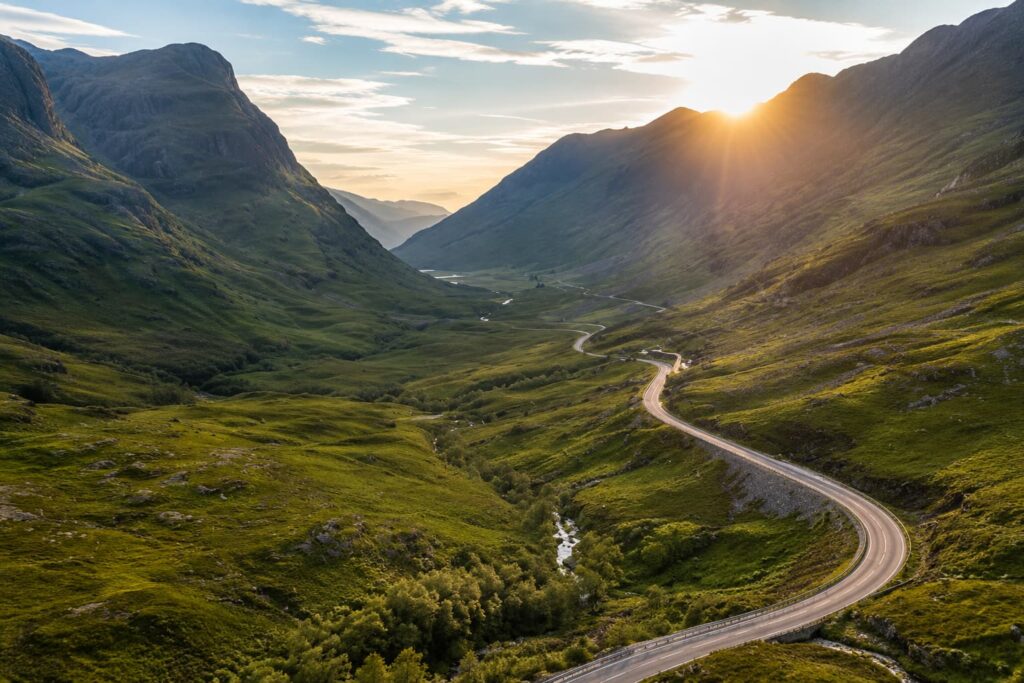
Collect the car from Edinburgh city centre or the airport and head northwest on the A82. Loch Lomond is roughly 45 minutes out — stop at Luss for coffee and a walk along the shore, then continue north as the landscape starts opening up dramatically. You’ll arrive in Glencoe in the early afternoon with time to drive through the valley and reach your accommodation before dark. The valley is more impressive from inside than any viewpoint photograph suggests — let the scale hit you on the drive.
~2.5 hrs driving · Scenic A82
Days 3–4 — Glencoe, Glenfinnan and the Isle of Skye
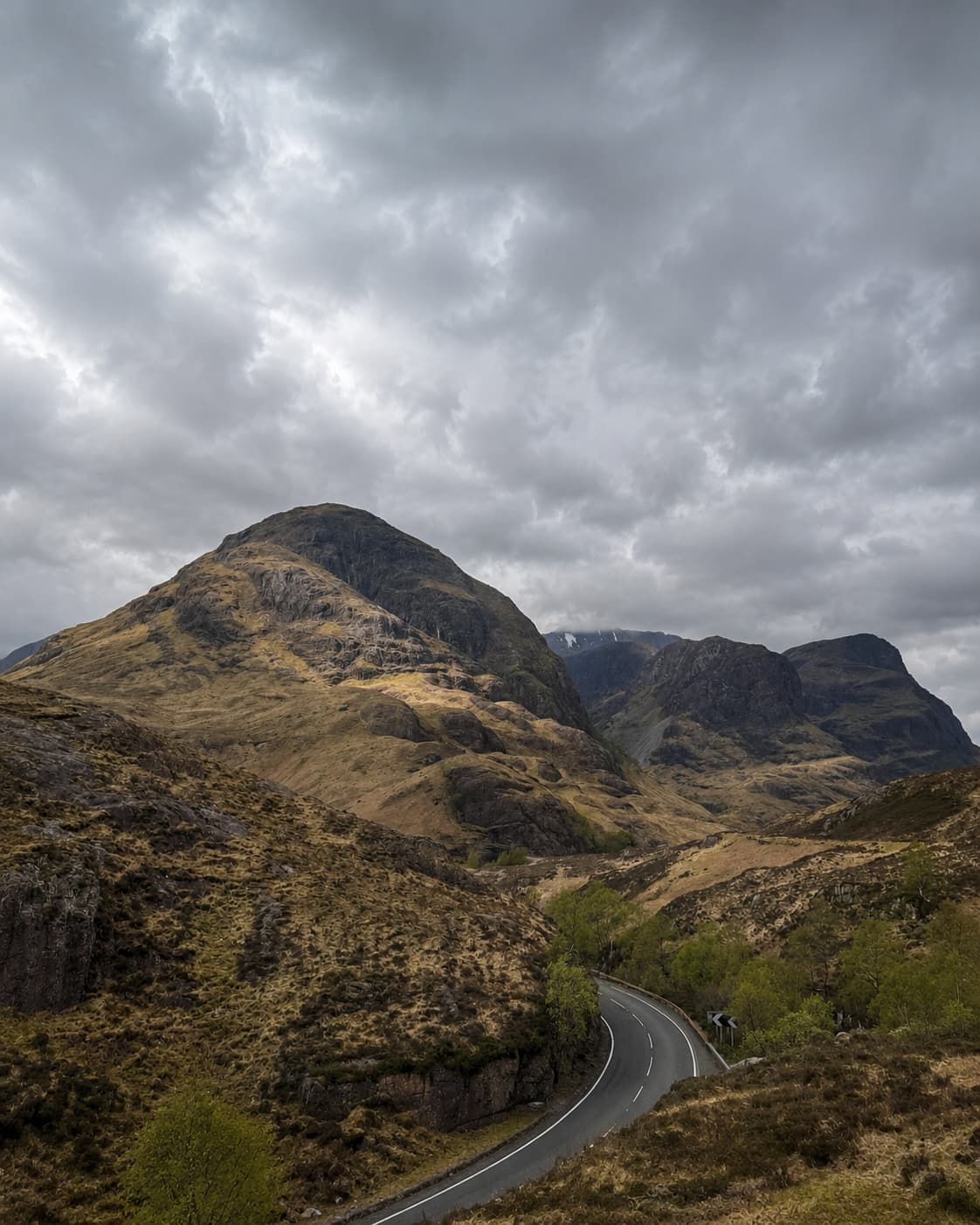
This is the day most itineraries rush, and it’s the one that rewards extra time most. Glencoe has serious walking options — the Lost Valley (Coire Gabhail) is a 3–4 hour round trip that puts you deep into the mountains without needing a guide or technical skill. Alternatively, the Signal Rock walk and Three Sisters viewpoint are shorter and still impressive. In the afternoon, drive north to Glenfinnan. The viaduct — yes, the Harry Potter one — is genuinely worth stopping for, particularly if you can time it for the steam train crossing (check the West Highland Railway timetable). If this itinerary had a day to steal, it would come from Loch Ness on Day 6 and get added here.
Low mileage · High reward
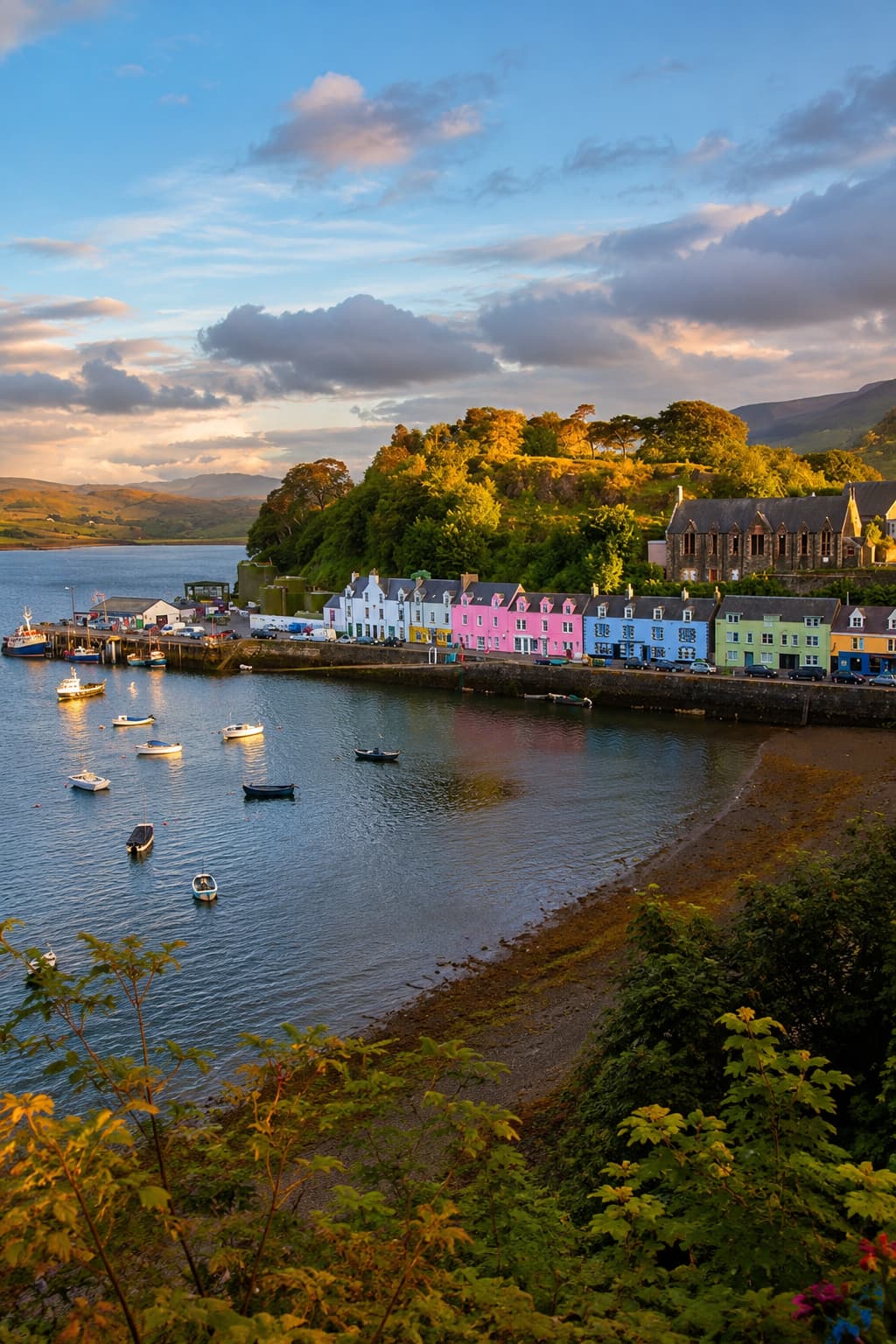
The drive from Fort William to Skye via the Skye Bridge is about 1.5 hours and genuinely beautiful — you pass through Morar, Arisaig (white sand beaches worth a brief stop in good weather), and the coast road through Mallaig country. Alternatively, the Mallaig ferry drops you at Armadale on the south end of Skye for a more dramatic arrival. Spend the afternoon exploring Portree, the island’s compact main town, and getting your bearings. The village has good food, a harbour, and the candy-coloured waterfront that photographs well. Book your Skye accommodation before leaving — options thin out quickly in summer.
~2 hrs driving · Ferry option
Day 5 — Trotternish Peninsula and the Skye Highlight Day
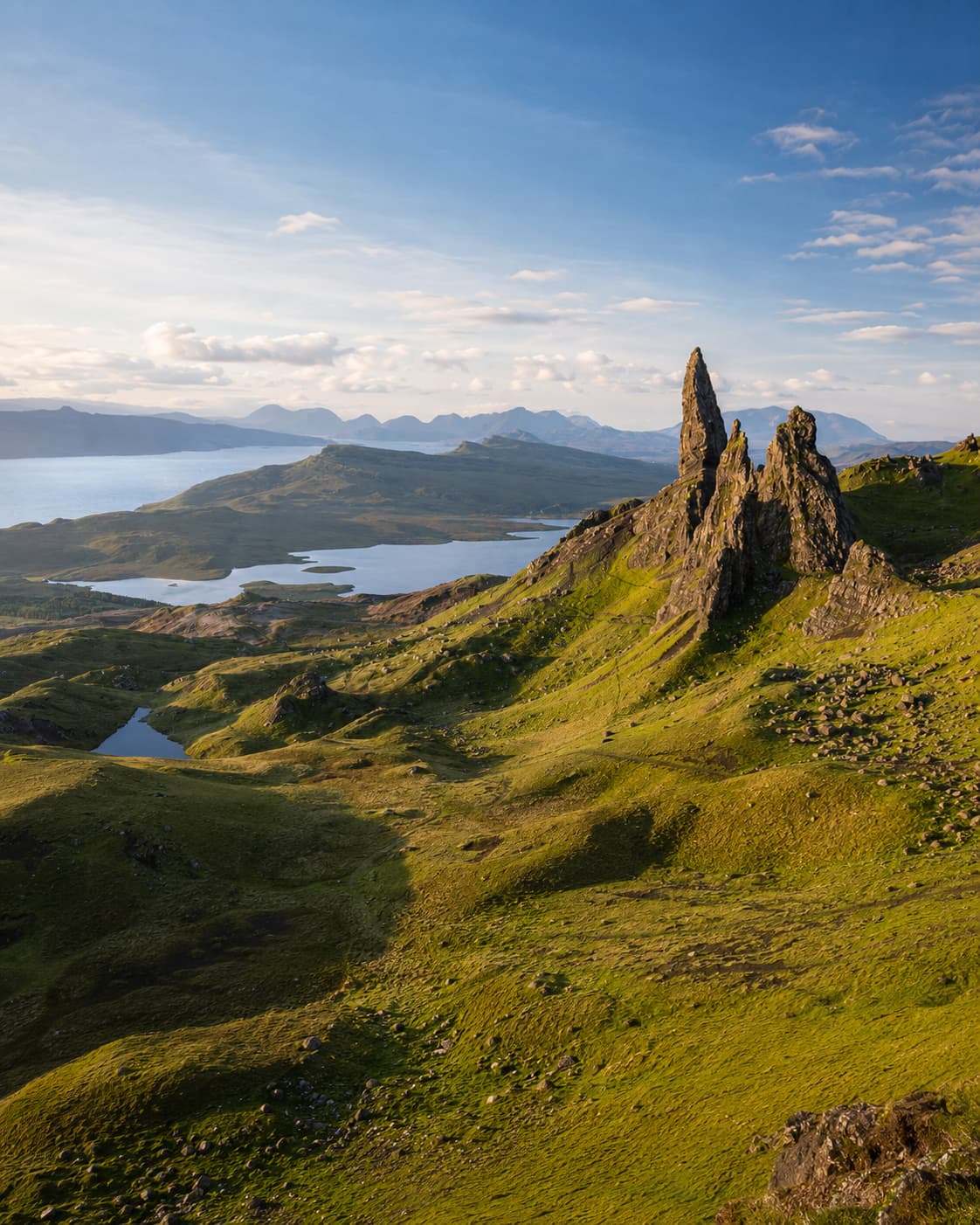
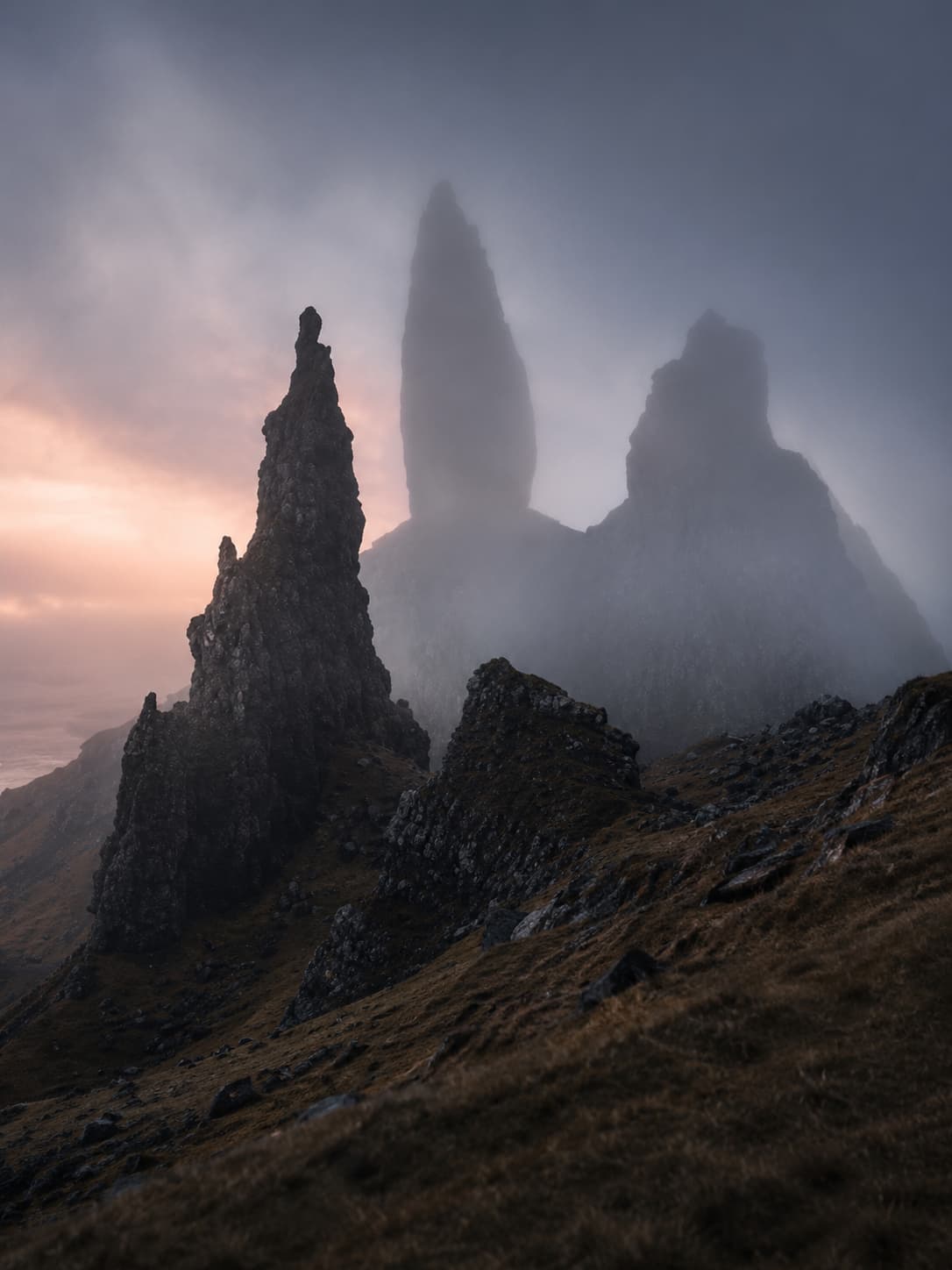
This is the day Skye delivers its reputation. Drive the Trotternish Peninsula anti-clockwise from Portree: the Old Man of Storr in the morning (early start avoids coach crowds), the Quiraing for the most otherworldly landscapes on the island, and the Fairy Pools in the afternoon if energy allows. The Quiraing is the highlight. The road up to the viewpoint is single-track and steep — take it slow — but the ridge walk itself, even a 30-minute stretch, is unlike anything else in Scotland. One day on Skye is genuinely not enough, which is why the 10-day extension section prioritises adding a second day here.
Full island day · Early start advised
Day 6 — Skye to Inverness and Loch Ness
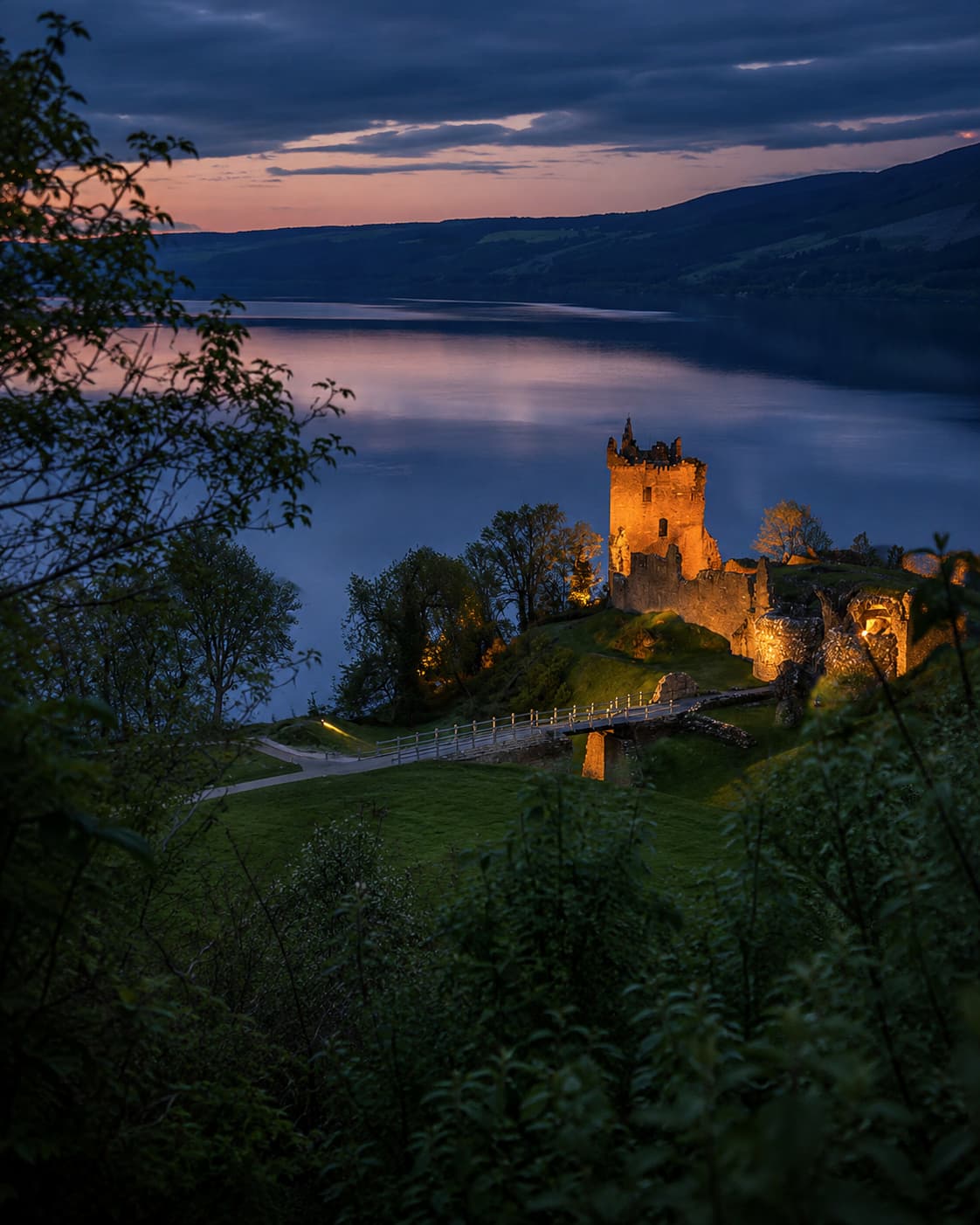
Cross back from Skye via the bridge and drive east toward Inverness. The honest verdict on Loch Ness: the loch itself is atmospheric and worth stopping at, but it underwhelms many visitors expecting scenic drama. It’s large, dark, and flat — impressive in a different way than Glencoe or Skye. Urquhart Castle on the shore is the most photogenic stop and worthwhile if ruins appeal to you. Inverness itself is a pleasant city — good for dinner and a real bed — but it’s not the reason you came to Scotland. Use the afternoon for Loch Ness rather than turning it into a full day if you’re pressed on time. For a deeper look at Urquhart and other Highlands fortifications, the best castles in Scotland guide covers which are genuinely worth the admission fee.
~2.5 hrs driving · Overnight Inverness
Day 7 — Cairngorms and the drive back to Edinburgh
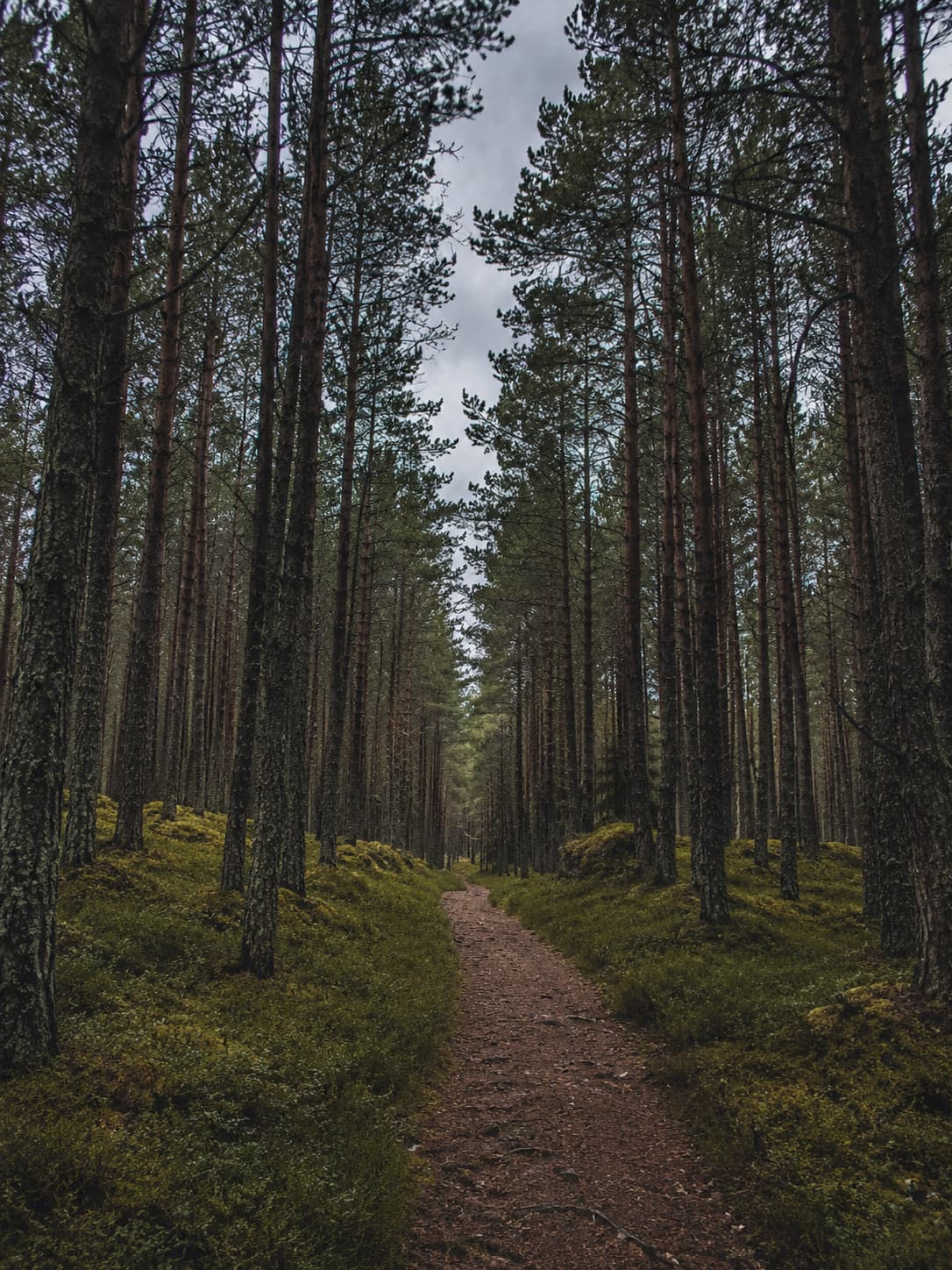
The Cairngorms is the softest, most approachable day of the route — rolling moorland, pine forest, and space. Aviemore is the practical base if you want a coffee stop; the Rothiemurchus estate has short walks that feel genuinely peaceful after days of dramatic mountain terrain. Leave the Cairngorms by early afternoon. The drive from Aviemore to Edinburgh is around 2.5 hours on the A9, which is fast and straightforward — but that’s if everything goes smoothly. Factor in a fuel stop, lunch, and potential traffic south of Perth, and you’re looking at 3–3.5 hours. Return the car, catch the train or a taxi to your hotel, and decompress. That’s your week in Scotland.
~3.5 hrs driving total · Early departure recommended
If you’re doing Skye to Edinburgh direct rather than overnighting in Inverness, that’s roughly 280 miles and 5.5 to 7 hours of driving without meaningful stops. It’s doable but brutal as a trip finale — you arrive tired, it’s usually dark, and you’ve spent your last day of a memorable trip behind a wheel. Overnighting in Inverness or the Cairngorms area on Day 6 makes Day 7 manageable and lets you end on a quieter, more enjoyable note.
05 — What to Cut If You Only Have 5 Days
In short, a 5-day Scotland itinerary means hard choices. The route above has six driving days (Edinburgh, two in the Highlands, Skye, Inverness/Loch Ness, and the return) — compressing that to five means dropping one segment entirely.
The most logical cuts, in order of impact:
On a 5-day trip, most people choose between Skye and the Cairngorms. Skye wins almost every time. Come back via Inverness directly on Day 5 and accept the longer drive back to Edinburgh.
Rather than overnighting in Inverness, use it as a lunch stop on the return journey from Skye. You still see the loch; you save a night and a day of transition driving.
Rather than arriving and leaving on consecutive days, base yourself in Portree for two nights. One arrival/evening, one full day on the Trotternish loop. That’s a better Skye experience than one rushed day even on a shorter trip.
06 — How to Extend This Scotland Itinerary to 10 Days
As a result, three extra days transform this itinerary from a fast loop into something that actually breathes. Here’s where additional time pays off most:
Skye genuinely warrants two days. With an extra day you can visit the Fairy Pools, do the Coire Lagan walk above Glenbrittle, and reach Neist Point lighthouse on the west coast — completely different in character from the Trotternish Peninsula. One day on Skye is a highlight reel; two days is an experience.
From Inverness, the North Coast 500 loops the northern tip of Scotland. Even a two-day segment — east from Inverness along the Black Isle to the Sutherland coast, then back down via Ullapool — adds extraordinary coastal scenery that most 7-day itineraries never reach. It requires its own extension and isn’t compatible with the standard loop timeline, but it’s what separates a solid first Scotland trip from an exceptional one.
A CalMac ferry from Uig on Skye reaches North Uist in under two hours. The Western Isles — Harris, Lewis, the Uists — are a Scotland within Scotland: quieter, bleaker, and unlike anything on the mainland loop. This is its own trip, genuinely, but if you have three days spare and adventurous instincts, it’s the extension with the highest return.
07 — Best Time of Year for a Scotland Road Trip
The short version: May to June and September are the sweet spot — longer daylight hours, lower crowds than July and August, and manageable (though never guaranteed) weather. July and August are busy, expensive, and the peak midge season in the Highlands. Winter trips are possible and genuinely beautiful, but several mountain roads close in heavy snow, daylight hours are limited, and some small accommodation providers shut for the off-season.
For a full breakdown of what each month actually means — weather windows, midge timing, the reality of Scottish summer rain versus winter freezes — the Scottish Highlands guide covers best-time in proper detail. That’s the depth read; this is the decision shortcut.
08 — What a Week in Scotland Actually Costs
A realistic 2026 budget breakdown
Overall, Scotland is an expensive country to visit by European standards, and most budget estimates you’ll find online are either optimistic or a decade out of date. Here’s a realistic breakdown for 2026, plus two updates that affect your planning.
| Car hire | £200–300/week for a mid-size car (book early; summer rates spike sharply). Add excess insurance separately if not covered by your credit card or travel insurance. |
| Fuel | ~£100–150 for the full 500–600 mile loop at current UK pump prices. |
| Accommodation | £60–100/night for a B&B or guesthouse outside Edinburgh; £80–150+ in Portree and popular Skye spots. Hostels bring this down significantly if you’re comfortable with shared facilities. |
| Edinburgh nights | From 24 July 2026, all Edinburgh accommodation attracts a 5% visitor levy on the room rate, capped at five consecutive nights. For a £100/night hotel room that’s £5/night extra — modest, but worth factoring into your budget if you’re booking now. |
| Food | £20–40/day is achievable with pub lunches and self-catering breakfasts; £50–70/day if you’re eating out for every meal. |
| Total per person | Roughly £700–900 excluding flights at the budget-conscious end; £1,200–1,500 at a mid-range, meals-out level. Families pay considerably more due to larger car hire and room requirements. |
UK ETA and 2026 entry costs
If you’re travelling from the US, EU, Canada, Australia, or most other visa-exempt countries, you now need a UK Electronic Travel Authorisation (ETA) before entering the UK — Scotland included. The current fee is £20 per person (raised from £16 in April 2026), and the ETA is valid for two years with multiple entries. Apply through the official UK ETA page on gov.uk — third-party sites charge significantly more for the same thing. Most applications get an instant decision, but apply at least 72 hours before departure to be safe.
09 — Who This Scotland Itinerary Is Right For
Honest signals this route is (and isn’t) for you
This Scotland itinerary suits a specific kind of traveller, and knowing whether that’s you will save some frustration.
Single-track roads, left-hand traffic, and narrow Highland passes are part of this trip. Not hard, but they require patience and attention — especially after long days. If you’ve never driven in the UK before, allow extra time at every stage.
Edinburgh is wonderful, but this itinerary allocates one day to it. If you want a city-focused Scotland trip, extend Edinburgh to three days and treat the Highlands as a shorter add-on rather than the main event.
Scotland in any month can produce four seasons in one day. The Quiraing in mist is still beautiful. Glencoe in driving rain is still Glencoe. That said, flexibility to linger when the weather clears and move quickly when it doesn’t makes this kind of trip significantly better.
When this route needs slowing down
You want a genuinely relaxed week, you’re travelling with young children, or you want to explore each stop in depth. The loop above is calibrated for people who can handle consecutive driving days. If any of those apply, cut the route shorter and go deeper — Edinburgh, Glencoe, and Skye with proper time at each is a better trip than rushing all seven stages.
Driving, route length and Scotland entry rules
Scotland road trip costs
Glenfinnan Viaduct stop
Villages along the Scotland road trip route
Scotland in a week is a real thing. It’s just not the same thing as Scotland with time to spare.
The loop works. Come back for the parts it left out.