
New York City in Summer: 12 Things to Do That Are Actually Worth Your Time
The honest guide to the best things to do in New York in summer — from solo travelers who’d rather be outside than standing in a queue for the Empire State Building.
Why New York City in Summer Is Worth It
Summer in New York is not subtle — and the best things to do in New York in summer are almost all outdoors. The city runs at full volume — the smell of the subway in July, the ice cream trucks in Prospect Park, the outdoor concerts that materialise on grass that was empty the day before. It can feel overwhelming if you approach it like a checklist. However, if you let the season shape the itinerary rather than fighting it, New York in summer is one of the most alive urban experiences anywhere. If you’re building a wider summer travel plan, it earns its place at the top.
The best summer activities in New York City include free outdoor concerts at SummerStage and Shakespeare in the Park, early-morning walks on the High Line and Brooklyn Bridge, a ferry day to Governors Island, and neighbourhood exploration across Brooklyn and Queens.
This guide skips the obvious. The Empire State Building queues, the Statue of Liberty ferry, the Times Square photo stop — all fine, all worth knowing exist, none of them are why New York in summer is worth coming for. Instead, what follows is the list of things that make the season specific: the outdoor things, the neighbourhood things, the things you do alone at 7am before the city catches up with you.
- The High Line at the Right Time
- Central Park Like a Local
- Walk the Brooklyn Bridge
- A Day at Coney Island
- Rooftop Bars Worth It
- Shakespeare in the Park
- Smorgasburg on a Saturday
- Governors Island
- Neighbourhood Walks by Borough
- Free Concerts at SummerStage
- Outdoor Markets and Flea Days
- Practical Notes for Summer
- FAQ
01 — The High Line at the Right Time
The High Line is one of those places that becomes what you make of it. At 11am on a Saturday in August it is a corridor of slow-moving tourists. At 7am on a weekday it is a different place entirely — long sight lines to the Hudson, grasses catching the early light, almost no one else moving in the same direction as you.
How to do it properly
Start at the southern entrance at Gansevoort Street and walk north. The section between 14th and 23rd Streets is the most varied, with the best planting and the widest views. Furthermore, the stretch through Hudson Yards at the northern end has a different quality — more architectural, with the Vessel visible if you want to make a brief detour. The entire walk takes 45 minutes at a relaxed pace, longer if you stop at the built-in seating areas that face west toward the river.
Additionally, summer on the High Line means the planting is at its fullest — the grasses and wildflowers that give the park its specific atmosphere are most themselves between June and September. In contrast to a winter or spring visit, summer makes the green feel intentional rather than just decorative.
Go before 9am or after 7pm in peak summer. Midday is genuinely unpleasant — there’s limited shade and the sun comes directly over the western side. The last hour before sunset, when the light hits the Hudson from the west, is the best the High Line gets.
02 — Central Park Like a Local
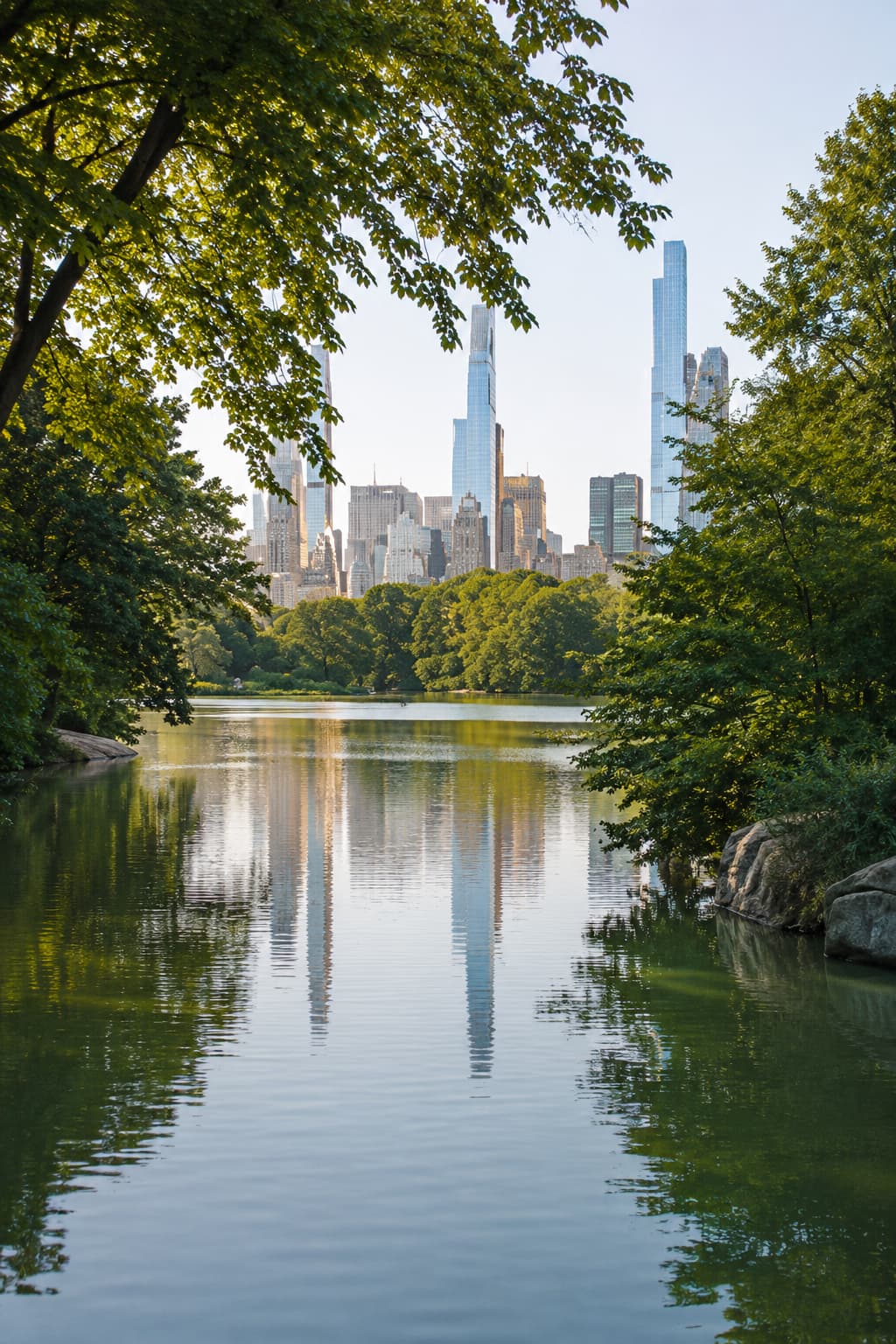
Central Park in summer is one of New York’s most genuine pleasures — and also one of its most misunderstood tourist experiences. Most visitors enter near Midtown, walk to the Bethesda Fountain, take a photograph, and leave. That is a fine introduction. However, it barely touches what the park actually is. At 843 acres, Central Park is large enough to spend a full morning in and still not retrace a single path.
The parts worth finding
The Ramble, on the park’s west side between 73rd and 79th Streets, is a woodland section that feels genuinely remote for the ten minutes you spend inside it. Sheep Meadow is the place where the city brings its blankets and books on weekend afternoons — a large, flat expanse of grass with no activities or vendors, just people lying in the sun. Conservatory Garden at the northeastern corner is formal, beautiful, and almost entirely absent from tourist itineraries.
As a solo traveler, moreover, Central Park works especially well for the kind of unstructured morning that most group trips can’t accommodate — coffee from a cart, a bench, an hour watching the joggers and the dog walkers move through the light. If that kind of unhurried outdoor time is what you’re looking for, the fuller guide to things to do outside alone is worth reading alongside this one.
Free summer programming
Shakespeare in the Park runs from June through August at the Delacorte Theater inside the park (more on this below). SummerStage hosts free concerts at the Rumsey Playfield throughout the season. The Metropolitan Museum of Art sits on the park’s eastern edge and offers pay-what-you-wish admission to New York state residents — for visitors, the suggested admission is $30, which is genuinely worthwhile.
03 — Walk the Brooklyn Bridge
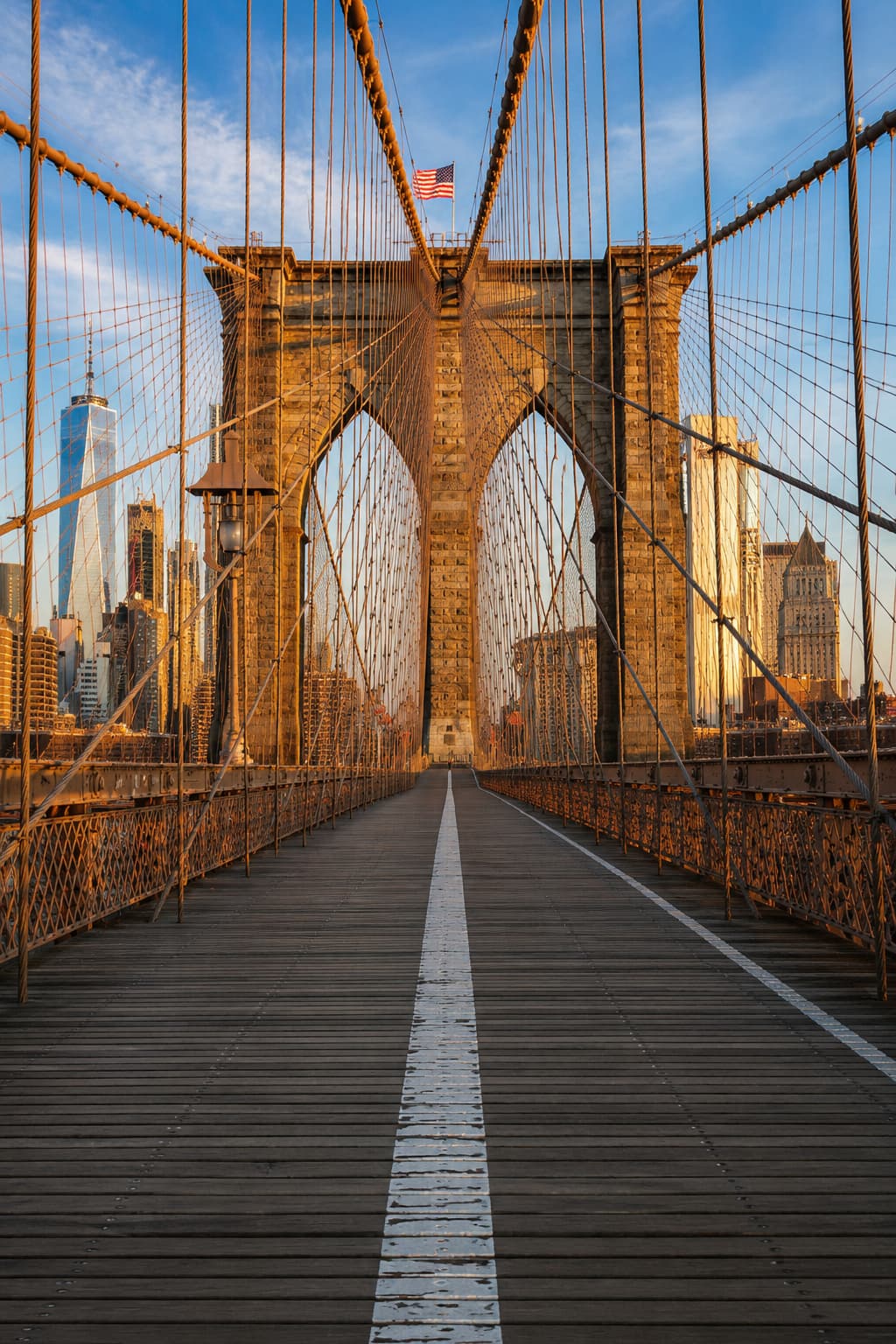
The Brooklyn Bridge walk is on every NYC list because it deserves to be. That said, how you do it determines whether it feels memorable or merely documented. The version worth doing: walk from Manhattan to Brooklyn, not the other way. Start at the City Hall/Brooklyn Bridge subway stop on the Manhattan side. The views open up as you move toward Brooklyn, with the downtown skyline behind you and the bridge’s cables framing it above.
What to do when you reach Brooklyn
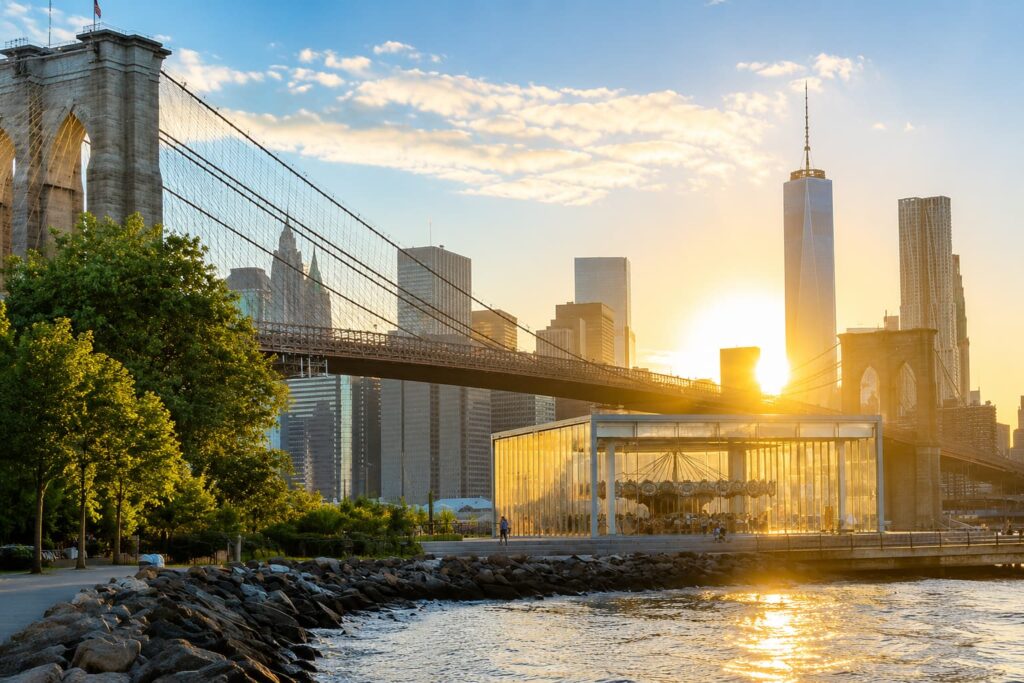
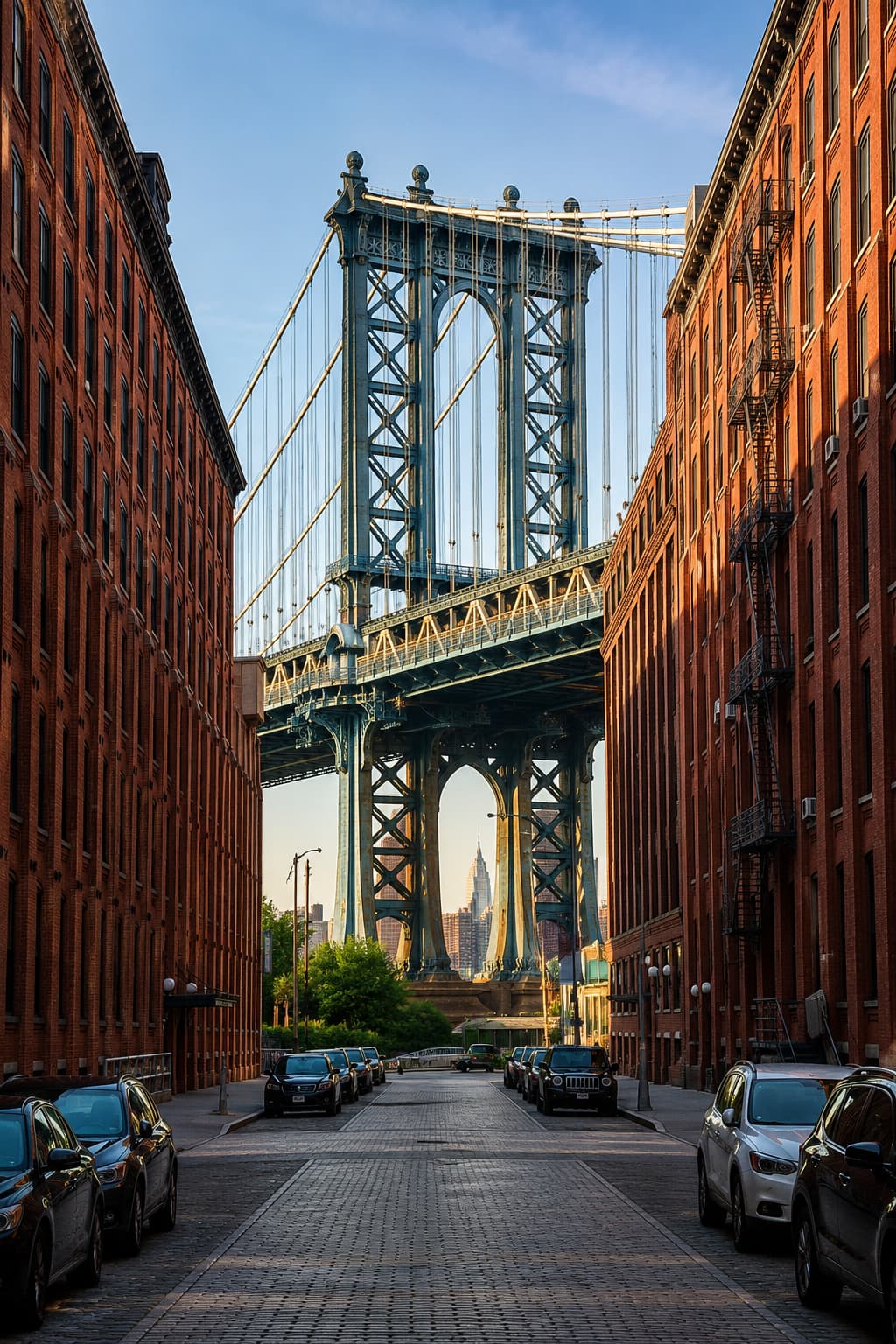
DUMBO — the neighbourhood directly below the bridge on the Brooklyn side — has one of the best views of the Manhattan Bridge in the city, framed through Washington Street. Subsequently, walk along the Brooklyn Bridge Park waterfront, which stretches south and has the best uninterrupted view of lower Manhattan in the five boroughs. Grimaldi’s pizza is nearby and consistently worth the queue for lunch.
Early morning on a weekday. The bridge pedestrian path gets extremely congested by 10am in summer — cyclists and tourists moving in opposite directions make the midday crossing stressful rather than enjoyable. 7–8am gives you the bridge with a fraction of the people and the best light direction for looking back toward Manhattan.
04 — A Full Day at Coney Island
Classic Boardwalk Highlights
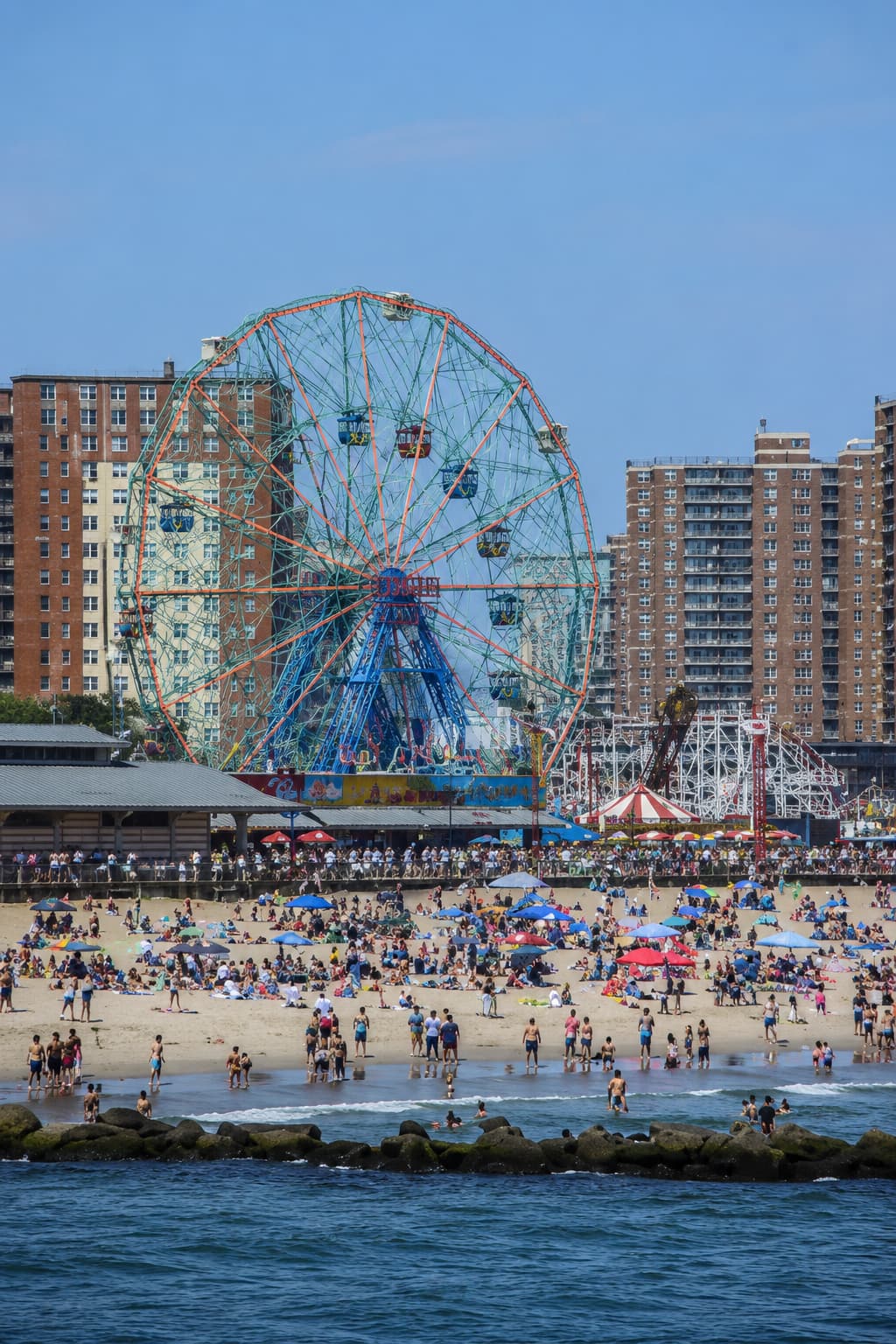
Coney Island is not what it once was, and also exactly what it still is. The boardwalk, the beach, Nathan’s Famous hot dogs, the Wonder Wheel, the smell of funnel cake in the heat — these things have not changed in any meaningful way, and that is precisely the point. Coney Island is one of the few places in New York where the summer experience is both distinctly American and genuinely free.
How to spend a Coney Island day
Take the D, F, or N train to Coney Island–Stillwell Avenue — the ride from Midtown takes about an hour and is itself part of the experience as the train rises above ground in Brooklyn and you start to see the ocean at the far end of the tracks. The beach is large enough that even on a crowded Saturday you can find a patch of sand. Additionally, the boardwalk stretches to Brighton Beach, the Russian-Jewish neighbourhood that sits quietly next to the amusement park end and has excellent food at half the price.
Vintage Amusement Park Thrills
The amusement park rides — specifically the Cyclone roller coaster, which opened in 1927 and has not been significantly modernised since — are worth a ride for the specific feeling of doing something slightly terrifying in direct sunlight on a beach in New York.
05 — Rooftop Bars That Are Actually Worth It
New York has more rooftop bars than any city needs, and most of them are mediocre drinks at premium prices with a view that is slightly worse than the one from the street below. However, a small number are genuinely excellent — either because the view is exceptional, the crowd is local rather than tourist-heavy, or both.
The ones worth choosing
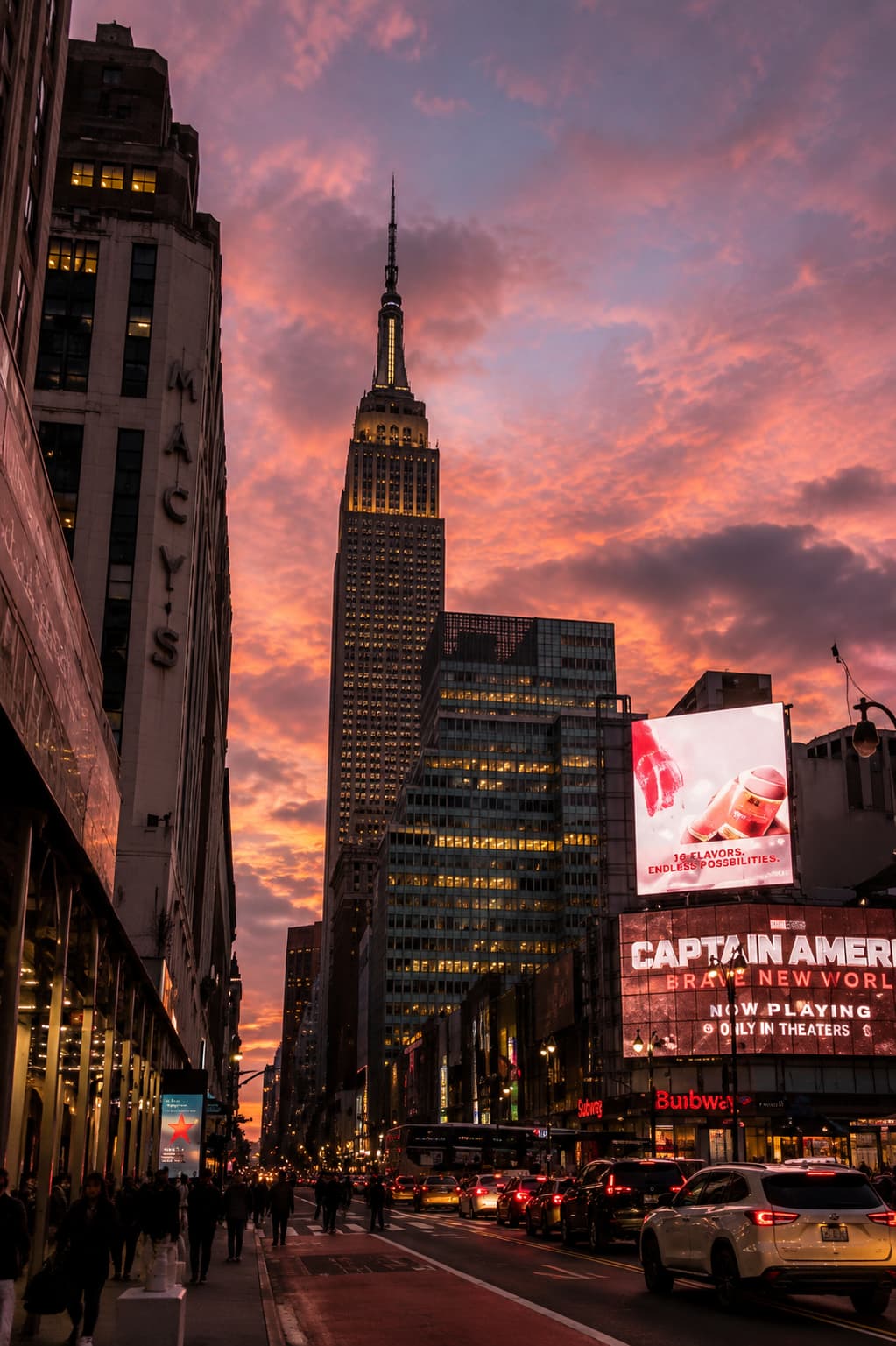
The Empire State Building appears at eye level from the terrace. It is the most reliably impressive view on a rooftop in Midtown, and the bar is large enough that you can usually get a spot without a reservation on a weeknight. Drinks are expensive and not particularly special — but the view earns it.
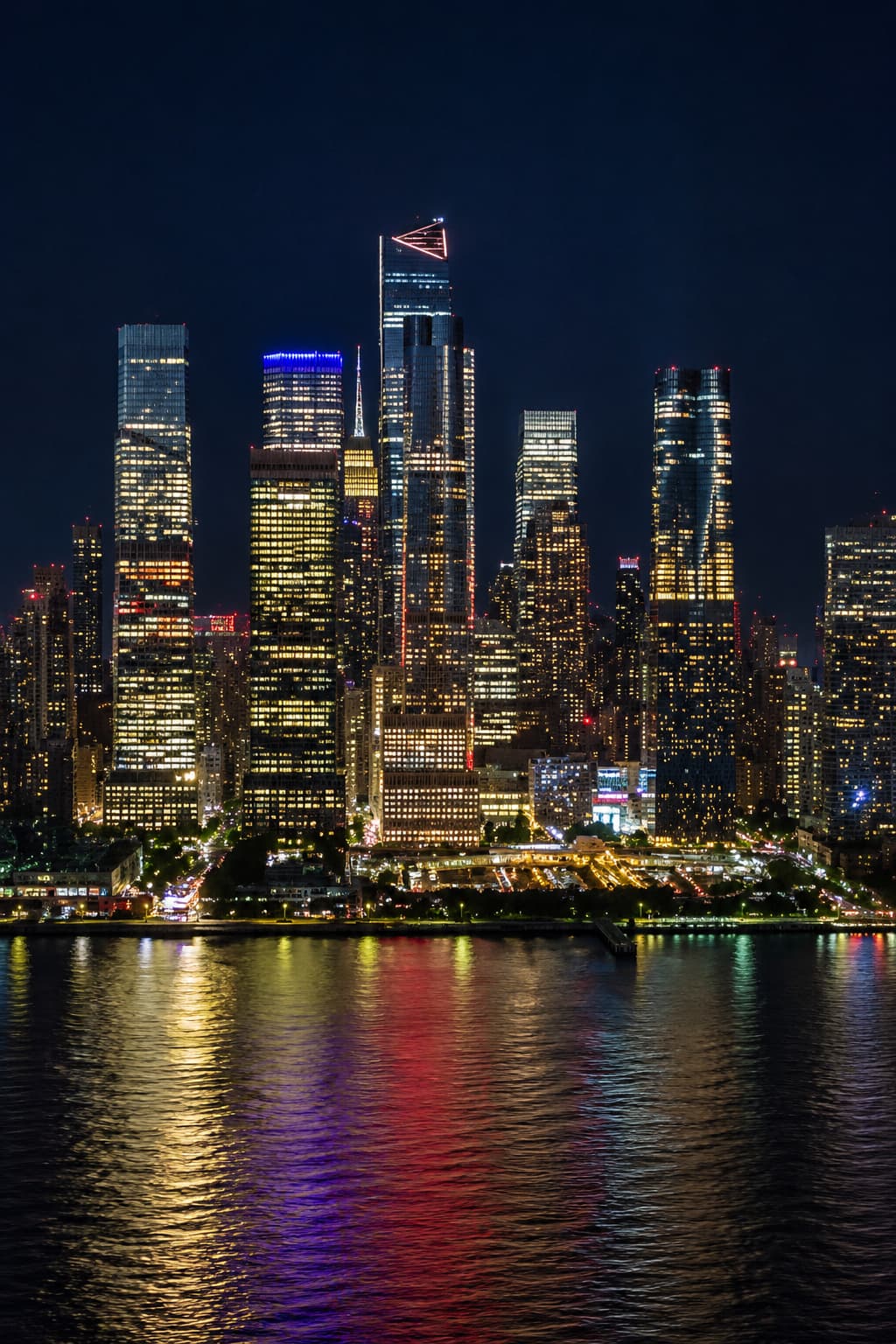
Manhattan skyline from across the East River, with a pool that guests of the hotel can use and a bar open to the public. The neighborhood around it — North Williamsburg — is worth an evening of walking before or after. This is a significantly less crowded alternative to Midtown rooftops.
Panoramic 360-degree views from the 22nd floor. One of the genuinely best bar views in the city — it appears on lists for a reason and holds up in person. Go at 5pm before the evening crowd arrives for the best chance at a table by the railing.
Most NYC rooftop bars require reservations in summer and operate a “no large groups without booking” policy at weekends. As a solo traveler, you can often walk up to the bar and get a spot at the counter without a reservation — the counter is usually the best seat anyway.
06 — Shakespeare in the Park
The Public Theater has been staging Shakespeare in Central Park at the Delacorte Theater since 1962, and the productions are consistently excellent — A-list actors, full staging, and a backdrop of trees and the park’s skyline. Admission is free. Consequently, the tickets are genuinely difficult to obtain.
How to get tickets
Same-day digital lottery opens at noon on day of performance through the Public Theater app and website — you enter, they draw names at 12:30pm, and winners receive tickets for that evening. Additionally, physical line tickets are distributed at the Delacorte Theater at 11am on the day of the show, but the queue forms significantly earlier in summer. For a solo traveler, the digital lottery is the most practical option — enter every day you’re in the city and treat a ticket as a bonus rather than a plan.
Even without a ticket, the experience of being in Central Park on a summer evening — watching the audience queue in the long light, hearing the warm-up from outside the gates — has a quality that is specifically New York.
07 — Smorgasburg on a Saturday Morning
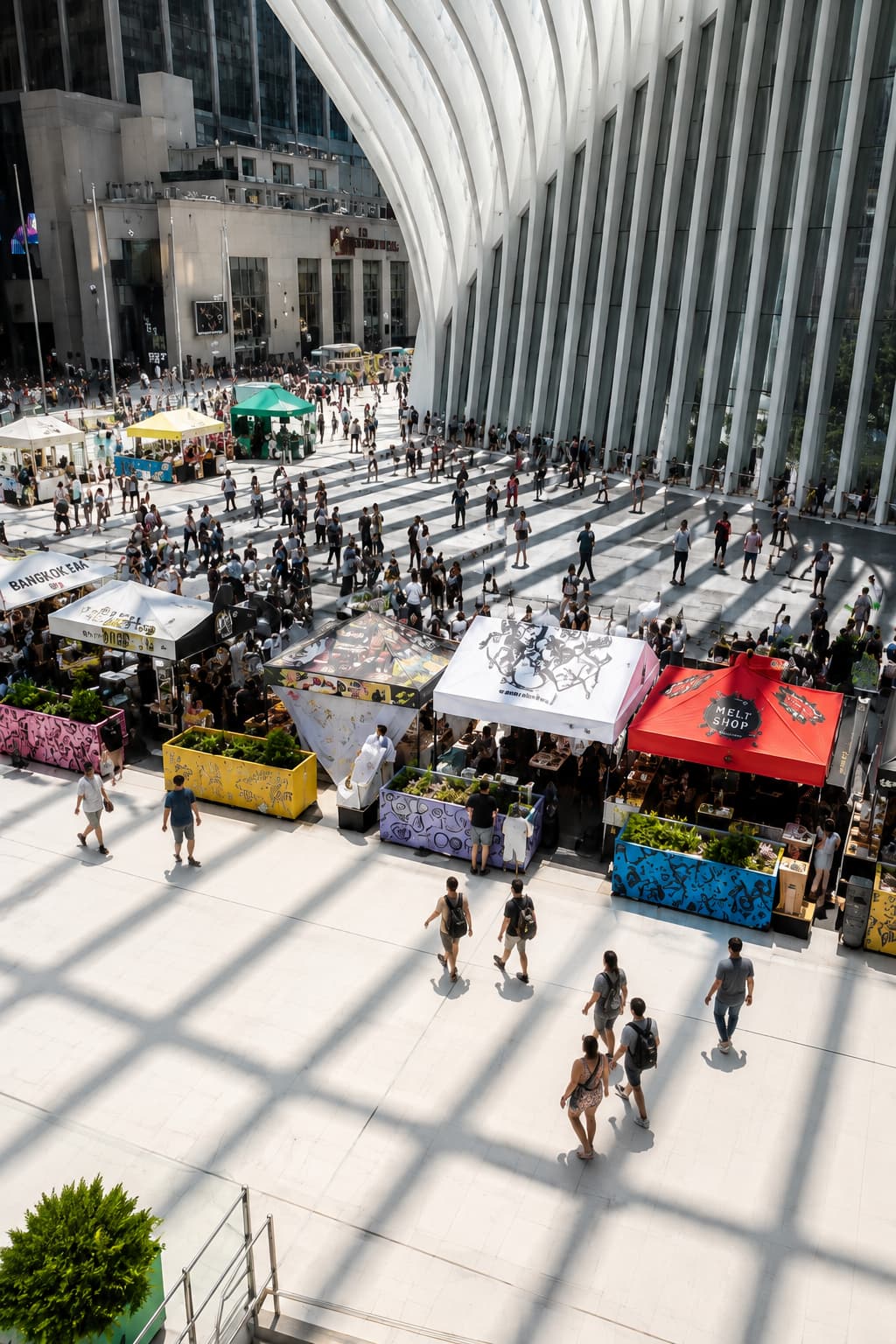
Smorgasburg is New York’s largest outdoor food market — 100 vendors, a rotating selection of independently operated food businesses, and one of the more pleasant ways to spend a Saturday morning in Brooklyn. It runs at Prospect Park in Brooklyn from spring through autumn, with a smaller edition in Williamsburg and a separate Manhattan location.
What to know before you go
The market runs 11am to 6pm on Saturdays. Arrive between 11am and noon for the shortest queues at the most popular stalls. Bring cash and a card — most vendors accept both. Specifically, the market draws genuine food innovation rather than standard street fair food: ramen burritos, Colombian arepas, Georgian (the country) food, unusual soft-serve flavours, experimental sandwiches. In contrast to tourist food markets in other cities, this one serves a local Brooklyn crowd as much as visitors.
Prospect Park itself is worth an hour after eating — considerably less visited than Central Park but similarly beautiful, and far more likely to have the kind of quiet afternoon energy that solo travelers find useful.
08 — Governors Island
Governors Island sits in the harbour between Manhattan and Brooklyn, a ten-minute ferry ride from either shore, and for most of the year it is closed to the public. In summer it opens — and becomes one of the quietest, most unexpectedly pleasant places in the city. The island has no cars, a network of paths through a former military base, hills with unobstructed views of the Statue of Liberty and lower Manhattan, and the kind of spaciousness that New York rarely offers. It is, by some margin, the least crowded 172-acre park the city owns.
A summer afternoon here
Ferries depart from the Battery Maritime Building in lower Manhattan and from Brooklyn Bridge Park Pier 6. The ride is free on weekdays before noon. On the island itself: rent a bike from one of the on-site vendors, cycle the perimeter (it takes 20 minutes), stop at the hammock grove on the southern hills, and find a bench facing the Manhattan skyline. There are food vendors and a small number of art installations that change each summer. Moreover, it’s one of the few places in New York where sitting still for two hours feels appropriate rather than wasteful. If you’re drawn to outdoor spaces where the city finally quiets down, the guide to things to do outside alone covers more of them.
09 — Neighbourhood Walks by Borough
New York’s neighbourhoods are its best feature and most underused tourist resource. Most visitors spend the majority of their time in Manhattan south of 96th Street. That is a fine instinct — but the city gets considerably more interesting when you cross a bridge.
The walks worth building into a summer day
Bedford Avenue from the L train station south is the main commercial street — vintage shops, coffee, food. Additionally, the waterfront park at the end of North 7th Street has one of the best unobstructed views of the Manhattan skyline from a public space in the city. Go at golden hour.
Greek food, Egyptian coffee, Brazilian barbecue, and an excellent small museum (the Museum of the Moving Image). The neighbourhood is genuinely lived-in and considerably cheaper for food than Manhattan. Take the N or W train from Midtown — 20 minutes.
These two adjoining neighbourhoods are best explored after 6pm in summer, when the bars and restaurants open their windows and the streets feel like an outdoor room. Rivington Street, Orchard Street, and St Marks Place each have a distinct character that rewards aimless walking more than a specific destination list.
The view of the Manhattan Bridge framed through Washington Street in DUMBO is the single most reproduced photograph in New York. It is also genuinely beautiful in person. Brooklyn Heights Promenade, a ten-minute walk uphill, has a long waterfront walkway with uninterrupted Manhattan skyline views and is, somehow, rarely crowded.
10 — Free Concerts at SummerStage
SummerStage is the City Parks Foundation’s free outdoor concert series, running throughout June, July, and August at Rumsey Playfield in Central Park and at various neighbourhood parks across the five boroughs. The lineup varies significantly year to year, but typically includes a mix of indie, jazz, Latin, and world music acts that would cost $40–80 at an indoor venue.
How to approach it
Check the schedule at the City Parks Foundation website before your visit. Free shows fill quickly — arrive at least 45 minutes before the listed start time for a good position. The shows typically run from early afternoon to early evening, which fits well with a Central Park afternoon before the concert. As a solo traveler, specifically, an outdoor concert is one of the more sociable ways to spend a summer evening in New York — the crowd is local, relaxed, and unlikely to be bothered by someone arriving alone with a blanket and a coffee.
11 — Outdoor Markets and Flea Days
New York’s outdoor market scene in summer is extensive and underappreciated as a free activity. Most markets are worth an hour regardless of whether you buy anything — the density of interesting things being sold, the mix of vendors, and the neighbourhood energy they create make them one of the more pleasant ways to spend a summer morning.
The best vintage and antique market in New York. Furniture, clothing, records, books, jewellery, and objects of unclear provenance. The food vendors inside Industry City are worth a separate visit — the complex has become one of the better food halls in Brooklyn.
New York’s largest farmers market, running year-round but at its best in summer when the produce is at full volume. Local farms selling tomatoes, corn, stone fruit, flowers, bread, and cheese. The market has its own particular midmorning energy — worth visiting even if you’re not buying, particularly on a weekday when it’s less crowded.
A smaller flea market with a strong vintage clothing section and a mix of dealers ranging from serious antique sellers to people clearing out a storage unit. Prices are generally negotiable. It’s adjacent to a good stretch of restaurants on 9th Avenue, making it a natural first stop on a Midtown West afternoon.
12 — Things to Know Before Your Summer in New York
Budget, Food and Accommodation
| Getting around | The subway covers almost everything. A 7-day unlimited MetroCard costs $34 and is the best value for a week-long visit. Walking is viable for distances under 25 blocks — the grid makes navigation intuitive. Avoid taxis and rideshare in Midtown at rush hour: they move slower than the subway. |
| Heat management | July and August in New York hit 32–38°C with high humidity regularly. Every subway station and most commercial buildings are heavily air-conditioned. Plan outdoor activities for before 11am or after 5pm. Carry water — outdoor vendors sell it everywhere but always at a markup. |
| Budget reality | New York is expensive. A decent sit-down lunch runs $18–28. Coffee is $5–7. Museum entry ranges from free (pay-what-you-wish at the Met) to $35 (MoMA). Budget $80–120/day for accommodation, food, and activities at a mid-range level — more if you’re staying in Manhattan. |
Heat, Safety and Travel Basics
| Where to stay | For solo travelers on a budget: hostels in Brooklyn (Williamsburg, Bushwick) are significantly cheaper and well-connected. For mid-range comfort: Lower East Side or Chelsea in Manhattan gives good subway access without Midtown pricing. Avoid Times Square as a base unless the hotel rate is exceptional. |
| SIM and data | T-Mobile and AT&T have the best coverage in New York. A prepaid tourist SIM with data costs around $30–50 for a week. Google Maps works offline if downloaded before you land — useful in areas where the subway disrupts signal. |
| Safety | New York is significantly safer than its reputation in certain international media suggests. Standard urban awareness applies: keep phones in pockets in busy areas, avoid reading the subway map aloud while standing still, and trust your instincts in unfamiliar neighbourhoods at night. The areas most visitors spend time in are, on balance, very safe. |
Safety, Budget & Duration
Is New York City good for solo travel in summer?
What is the cheapest month to visit New York City in summer?
How many days do you need in New York City?
Subways & Neighbourhood
Is the subway safe in New York City?
What is the best neighbourhood to stay in for a first visit to New York?
Free Summer Activities in NYC
What free things can you do in New York City in summer?
 ✦ ✦ ✦
✦ ✦ ✦
New York in summer rewards the traveler who slows down enough to let the city be itself.
Most of what makes it worth coming for is not in a museum or on a ticket — it’s in the park at 7am, the neighbourhood you walked into without a plan, and the evening that lasted longer than you expected it to.