
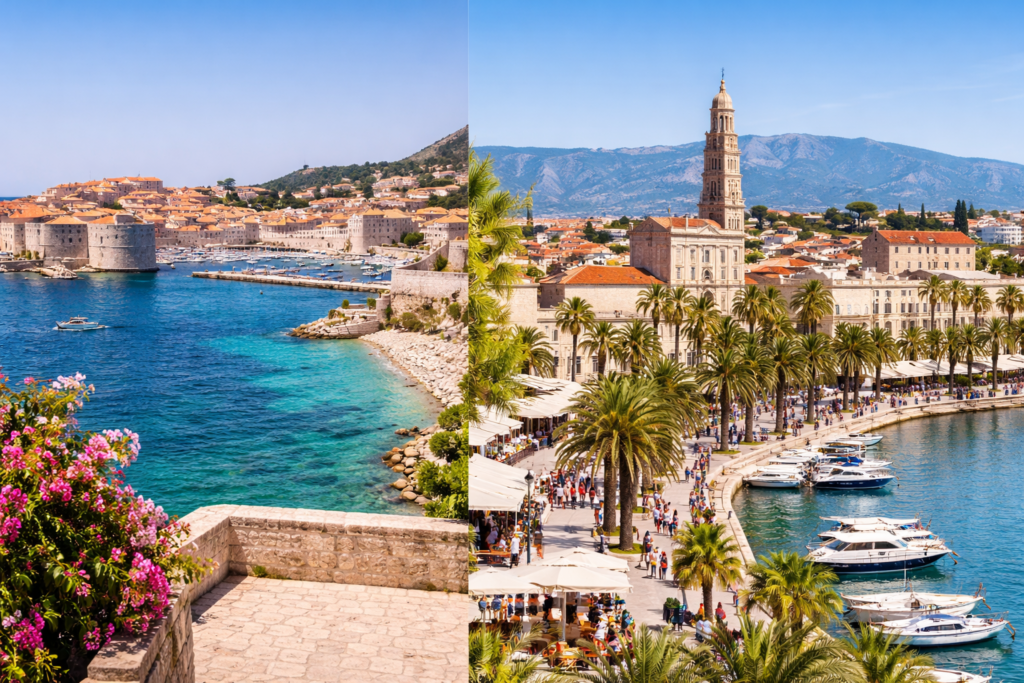
Dubrovnik vs Split: Which Croatian City Should You Actually Visit First?
A direct, honest Croatia comparison — not “both are great.” One will suit your trip better than the other, and here is how to tell which one should come first.
Why This Dubrovnik vs Split Comparison Matters
Both cities sit on the Dalmatian Coast. Each one is famous. They are also both worth seeing under the right conditions. But they are not interchangeable, and most Croatia guides flatten the differences so much that the comparison stops being useful.
That is usually where the advice becomes vague: Dubrovnik is “more beautiful,” Split is “more authentic,” and somehow both are presented as equally suitable for the same trip. They are not. Split is the more interesting city to spend time in. Dubrovnik is the more visually overwhelming city to arrive in. Those are different strengths, and they matter depending on what kind of traveler you are.
If you only have time for one, or if you are trying to decide which should come first, the answer becomes much clearer once you compare not just the monuments, but the day-to-day experience of being there.
01 — The Direct Comparison
If you strip away the postcard logic and compare the cities by how they actually feel on the ground, the differences become straightforward. Dubrovnik wins on visual drama. Split wins on almost everything else that shapes a longer stay.
| Visual impact | Dubrovnik wins. The walled city above the Adriatic is one of the most dramatic urban views on the European coastline. |
| Daily life | Split wins. It feels inhabited in a way Dubrovnik’s old town often no longer does. |
| Value | Split wins. Accommodation, food, and day-to-day travel costs are noticeably easier to manage. |
| Island access | Split wins decisively. It is the stronger base for Hvar, Brač, Vis, and wider Dalmatian island-hopping. |
| Short trip payoff | Dubrovnik wins. If you only have a very short time and want one unforgettable image, Dubrovnik delivers it faster. |
| Best all-round choice | Split. It is the more useful city, even if it is not the more spectacular one. |
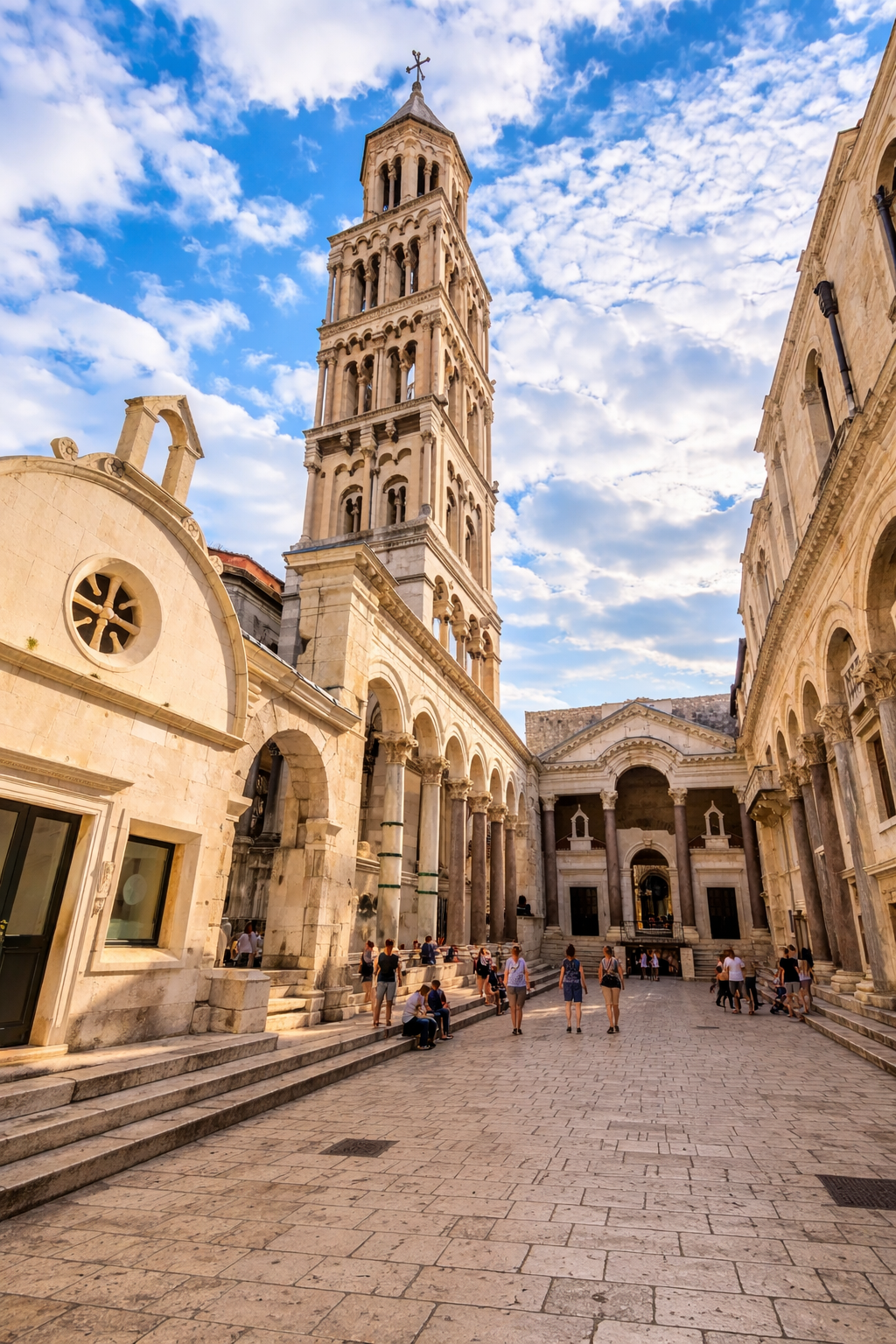
02 — Split: The Full Picture
Split’s biggest advantage is that it still feels like a functioning city first and a famous destination second. That distinction matters. Diocletian’s Palace is not a sealed monument or a preserved historic shell. It is inhabited. Cafés, apartments, courtyards, alleyways, laundry, stone passages, and ordinary daily life all exist inside what began as a Roman imperial complex.
That gives Split a kind of texture Dubrovnik often lacks. You are not only looking at the city. You are moving through a place that still has regulars, routines, and local rhythm. The old town feels used rather than staged, and that creates a much more rewarding experience over multiple days.
It also helps that Split works as a base in a way Dubrovnik does not. You can stay several nights here without the city feeling exhausted. Hvar, Brač, Vis, and other island trips open outward from the port naturally, and that flexibility makes Split a much better anchor for a first Croatia itinerary.
The city’s defining experience — not because it is merely old, but because it is still inhabited after roughly 1,700 years.
Split is the strongest island-hopping base on the Dalmatian Coast, with easy day-trip logic built into the city.
Still not cheap in peak season, but noticeably easier than Dubrovnik across accommodation, meals, and general travel pace.
Good ferry links, airport access, and onward connections make Split practical as well as enjoyable.
It keeps opening outward. The city itself is good, but the bigger reason to choose it first is that it connects effortlessly to the rest of the coast.
That does not mean Split is perfect. It lacks Dubrovnik’s immediate visual punch. There is no single arrival image that competes with Dubrovnik’s old town seen from above or from the sea. The waterfront is pleasant rather than extraordinary, and in high summer the city can become loud, hot, and relentless.
Still, if you are choosing which Croatian city actually works better on the ground, Split is the stronger recommendation.
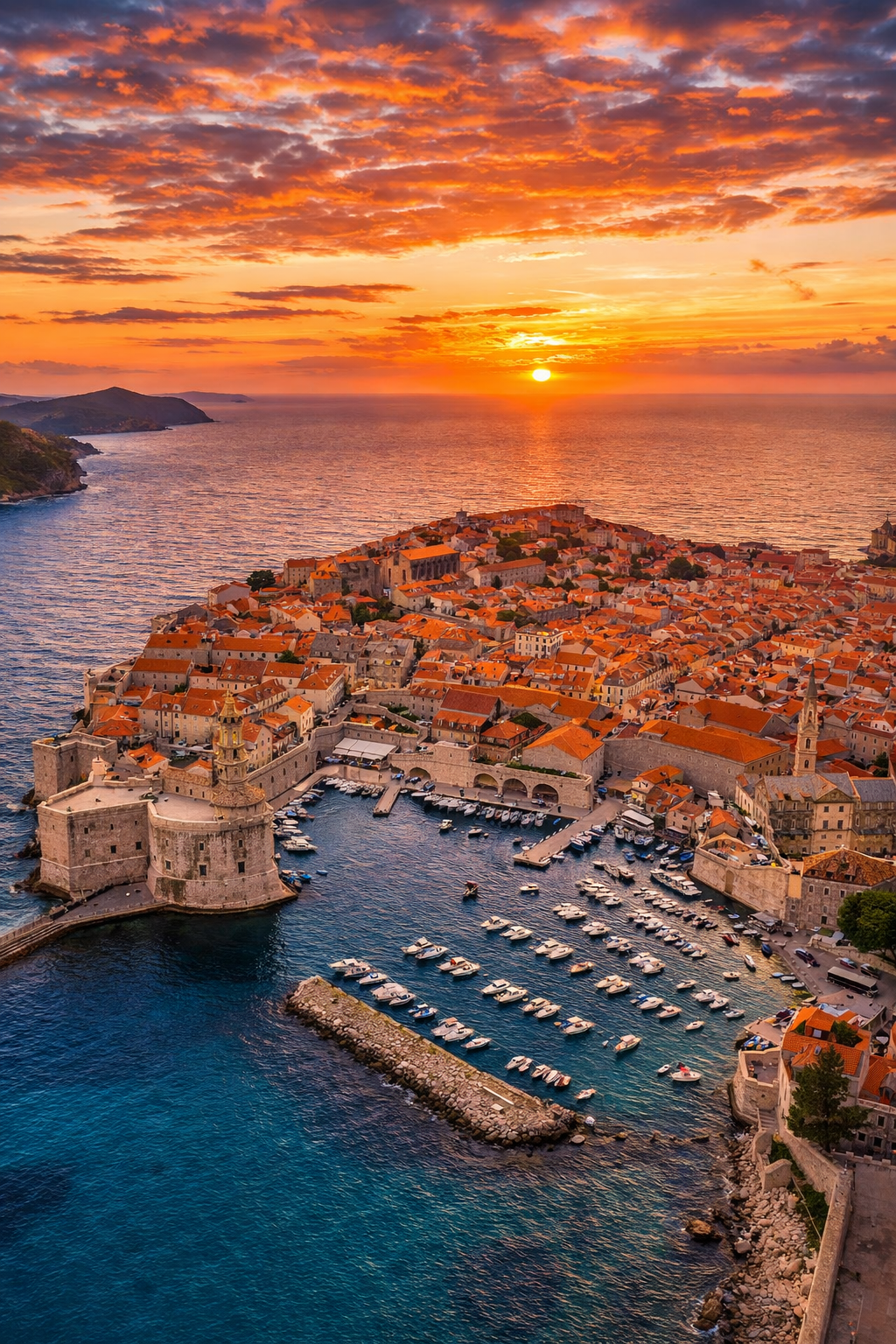
03 — Dubrovnik: The Full Picture
Dubrovnik’s case is simpler and more uncompromising. The city is famous because the view deserves to be famous. The walls, the terracotta roofs, the limestone streets, the sea wrapping around the old town on multiple sides — there is no real substitute for that combination anywhere else on the Adriatic.
But Dubrovnik also reveals the cost of that fame faster than almost any city in the region. Once the visual shock settles, you are left with the logistics of actually being there: cruise passengers, rising prices, packed lanes, and an old town whose daily life has been thinned by the intensity of tourism.
That does not make Dubrovnik overrated. It makes it conditional. The city is extraordinary at the right hour, in the right season, and with the right expectations. It is much weaker when approached casually in the middle of summer without planning.
The essential Dubrovnik experience and still the strongest single urban view in Croatia.
Dubrovnik is much more convincing in early morning or late evening, when the pressure of daytime crowds recedes.
The city knows what it is and prices itself accordingly. That affects almost every part of the experience.
The old town can become genuinely difficult at the wrong time of day in peak season.
Dubrovnik is best treated as a high-impact stop, not a long flexible base. Two nights is often enough. The city works by intensity, not by range.
04 — Which City Works Better Alone
For solo travelers, this comparison shifts even more clearly toward Split. The reasons are not romantic. They are practical. Split has better price flexibility, stronger social infrastructure, more accommodation variety, and more spontaneous day-trip freedom.
That matters because solo travel depends on elasticity. You want to be able to decide at breakfast that you are taking a ferry somewhere, or to change neighbourhoods, or to extend your stay without the entire budget structure collapsing. Split makes that easy. Dubrovnik usually does not.
| Hostels and budget range | Split is stronger. It has more solo-friendly options at more price points. |
| Social ease | Split is easier. The city supports solo movement better and gives you more chances to drift into day plans. |
| Cost pressure | Dubrovnik is harder. The solo supplement becomes more noticeable when the whole city is already expensive. |
| Best solo choice | Split. Then add Dubrovnik briefly if your budget allows it. |
Spend more nights in Split and fewer in Dubrovnik. It gives you the stronger overall Croatia experience without putting all the pressure on the most expensive stop.
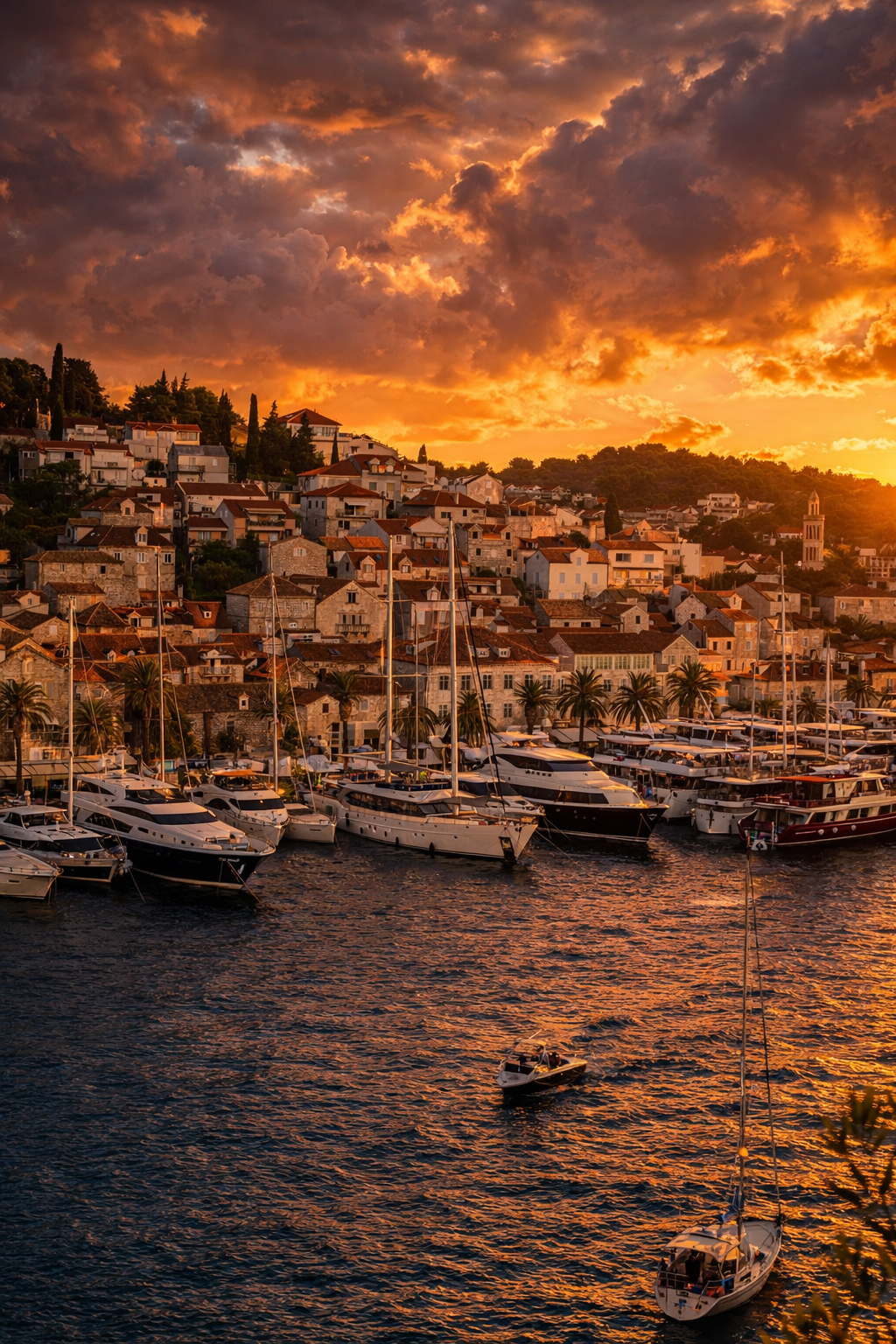
05 — Summer Crowds: The Honest Reality
Both cities get busy in July and August, but they do not experience that pressure in the same way. Split gets crowded. Dubrovnik can become saturated. That difference matters more than guidebooks usually admit.
Split has the advantage of scale and local life. The city can absorb summer visitors without feeling entirely surrendered to them. Dubrovnik’s old town, by contrast, is so compact and so globally famous that peak-season pressure changes the basic texture of the city.
On major cruise days, the old town can become genuinely unpleasant by late morning. If you visit in peak summer, structure your time around early morning and evening. Those are not bonus hours — they are the best hours.
Split is the more honest recommendation. Dubrovnik can still be worth it, but only if you plan it deliberately and accept the price of doing so.
06 — Which City Should Come First?
If you are doing both cities, the order changes the emotional shape of the trip. The cleanest route is still the best one: start in Split, move south, end in Dubrovnik. It works practically and narratively.
Split is the better opening city because it gives you room. You can settle in, day-trip, adjust, and build momentum. Dubrovnik works better as the ending because it functions like a crescendo. Its intensity makes more sense as a finale than as a baseline.
The reverse route can work if your flights demand it or if you specifically want to decompress in Split after Dubrovnik’s compression. But if you are asking which sequence most travelers should use, it is still Split first, Dubrovnik last.
| Best order | Split → Dubrovnik. Stronger practical flow and a better emotional build. |
| Why Split first | It is more flexible, better connected, and gives the trip space to open gradually. |
| Why Dubrovnik last | It lands best as a final high-impact stop. |
| Drive time | Roughly 3–4 hours depending on route, traffic, and stops. |
| Worth stopping en route? | Yes. The coastal stretch south is beautiful enough that it should not be treated as dead transit. |
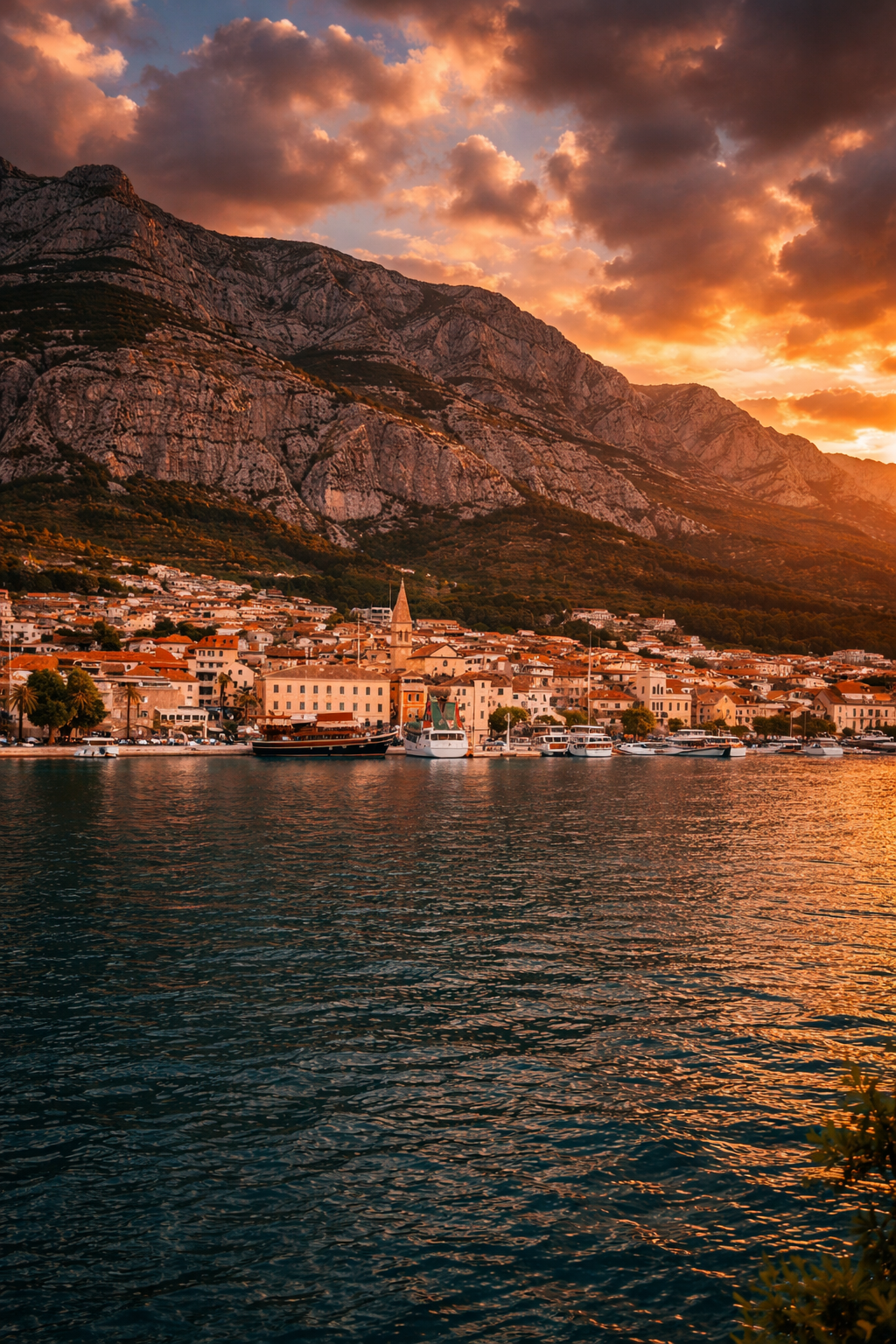
Dubrovnik vs Split Trip Planning Questions
Budget, Crowds and Island Day Trips
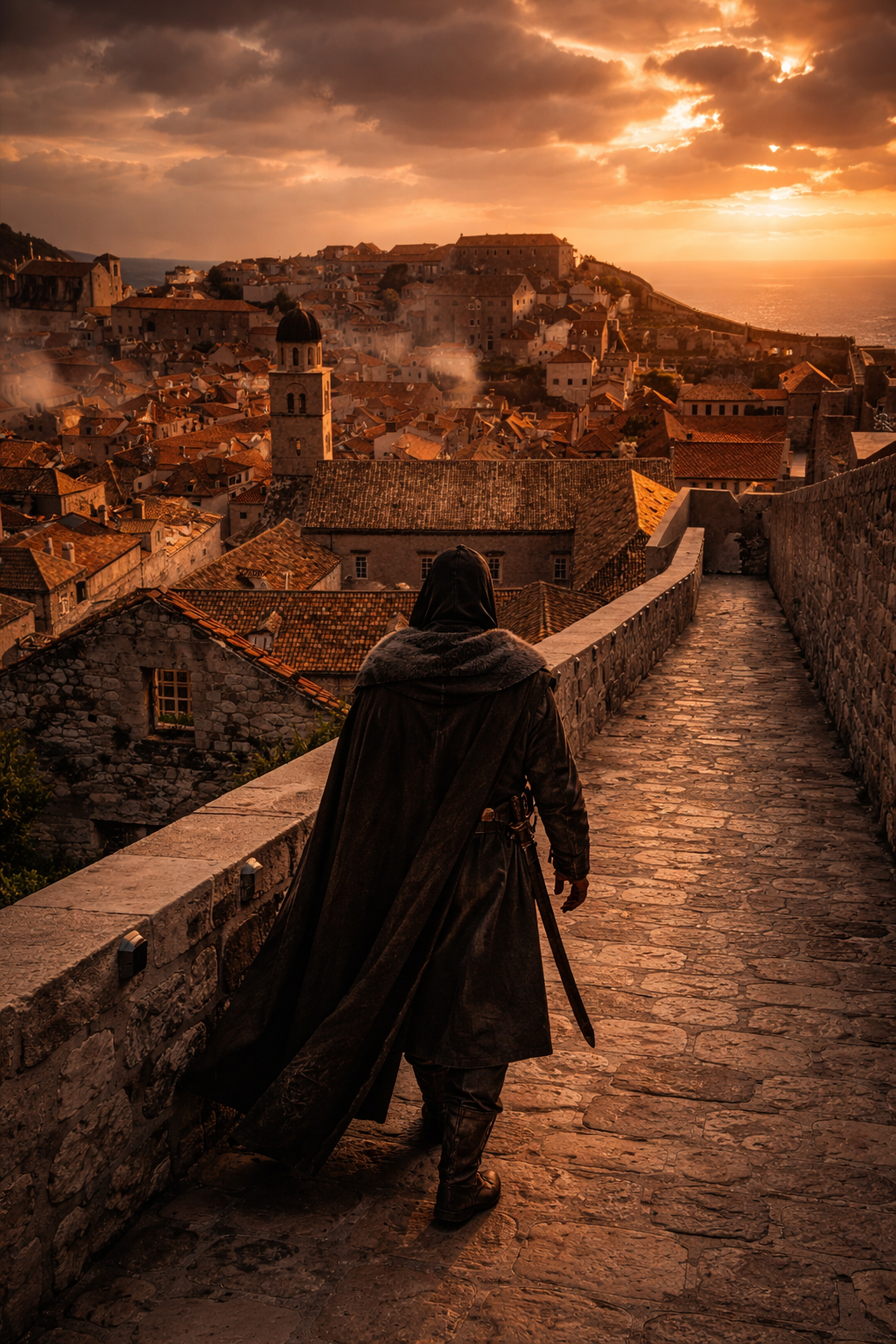
Split for longer. Dubrovnik for the view.
The best Croatia route lets one city open the coast — and the other close it.