I Traveled Alone to Albania: What Nobody Tells You
Before I left, people asked if I was sure. After I came back, I understood why Albania keeps producing that reaction — and why it’s completely unearned.
Albania was not on my original list. It appeared because someone mentioned it in passing — something about cheap flights, an Adriatic coast that looked like Greece but cost a fraction — and I filed it away for months before actually booking.
When I told people where I was going, the response was almost always the same: a slight pause, a polite version of “is that safe?”, and then a change of subject. Albania carries a reputation built entirely on things that haven’t been true for a long time. What it doesn’t have, however, is a PR department.
So here, specifically, is what I found when I went alone.
01 — The Surprises: What Nobody Tells You
These are not promotional talking points. They are the things that genuinely caught me off guard — the gap between what I expected and what was actually there.
Every travel guide mentions Albanian hospitality as if it’s a selling point to tick off a list. What they don’t tell you is the specific texture of it — the way a café owner will spend twenty minutes drawing you a map of his home region because you asked one question about it, or how a stranger on a bus will insist on walking you to your street because the directions would be complicated to explain. It isn’t performed for tourists. It seems to be how people operate here, and it catches you off guard every time.
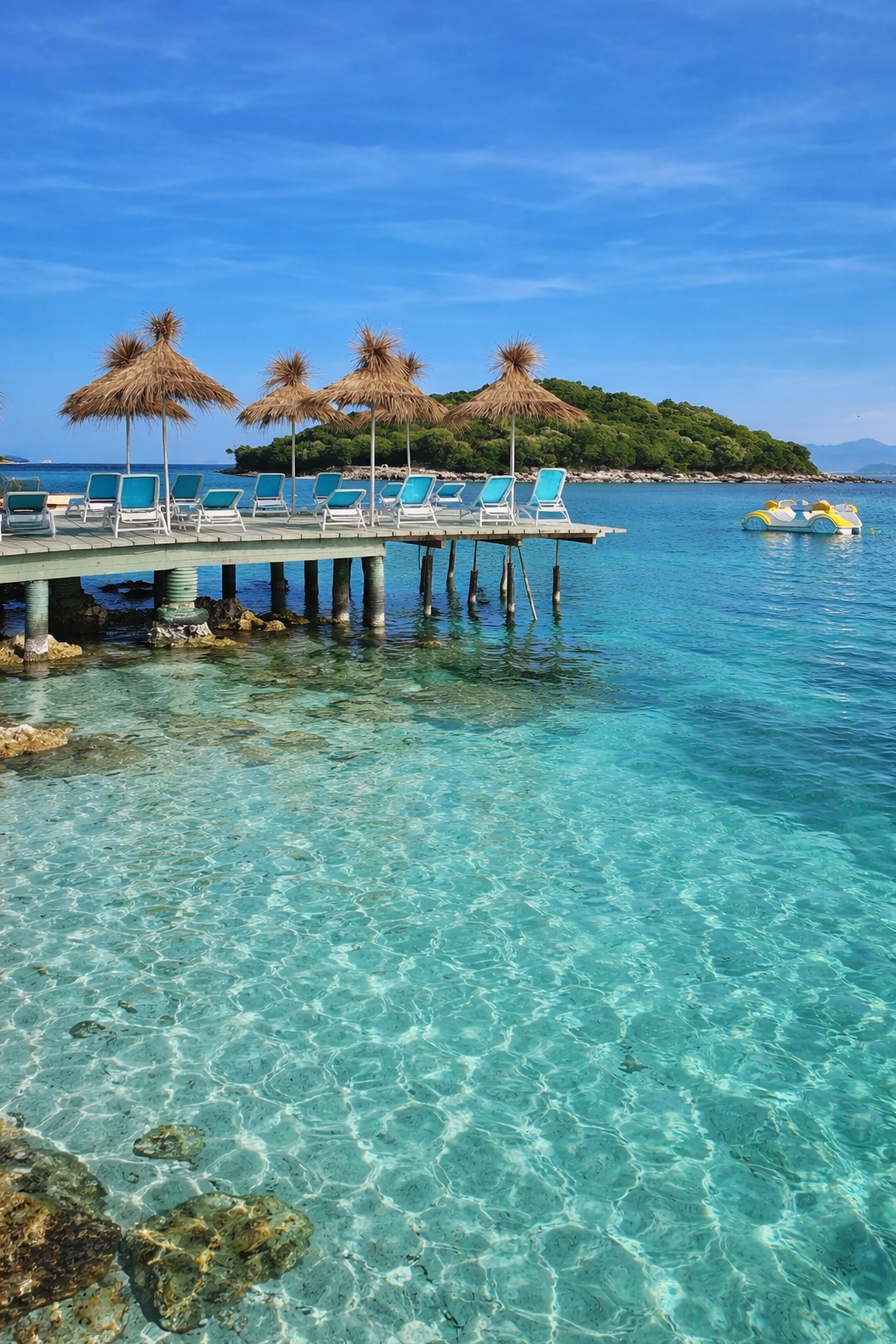
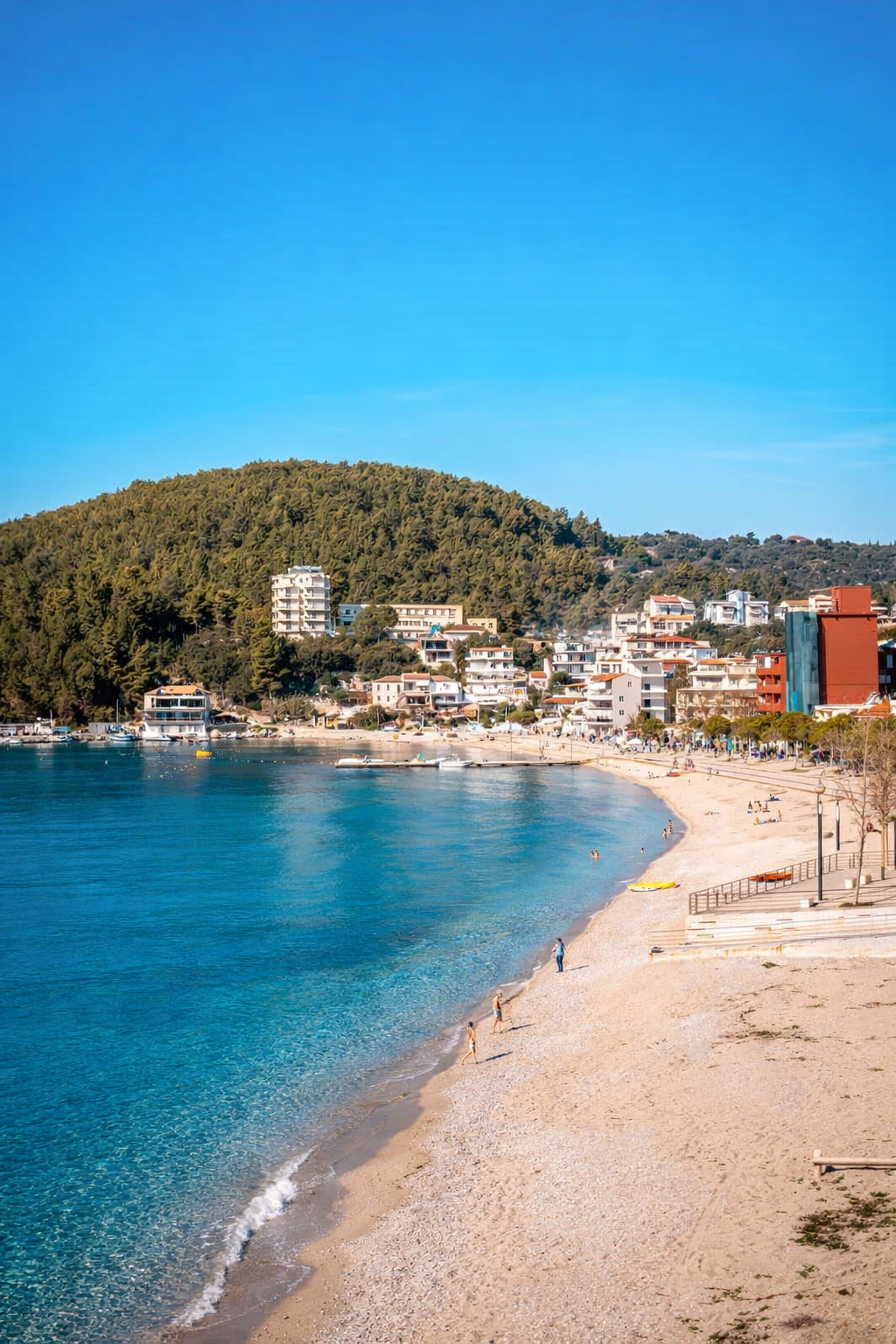
Ksamil is the part of Albania that doesn’t feel real. Small islands sitting in water that runs from pale mint to deep turquoise, accessible by swimming. A beach meal that costs what a coffee costs in Mykonos. The Albanian Riviera — roughly the stretch from Sarandë to Himarë — is one of the most beautiful coastlines in the Mediterranean, and it remains largely unknown outside the region. Not for much longer, which is reason enough to go now.
Cities & Coast
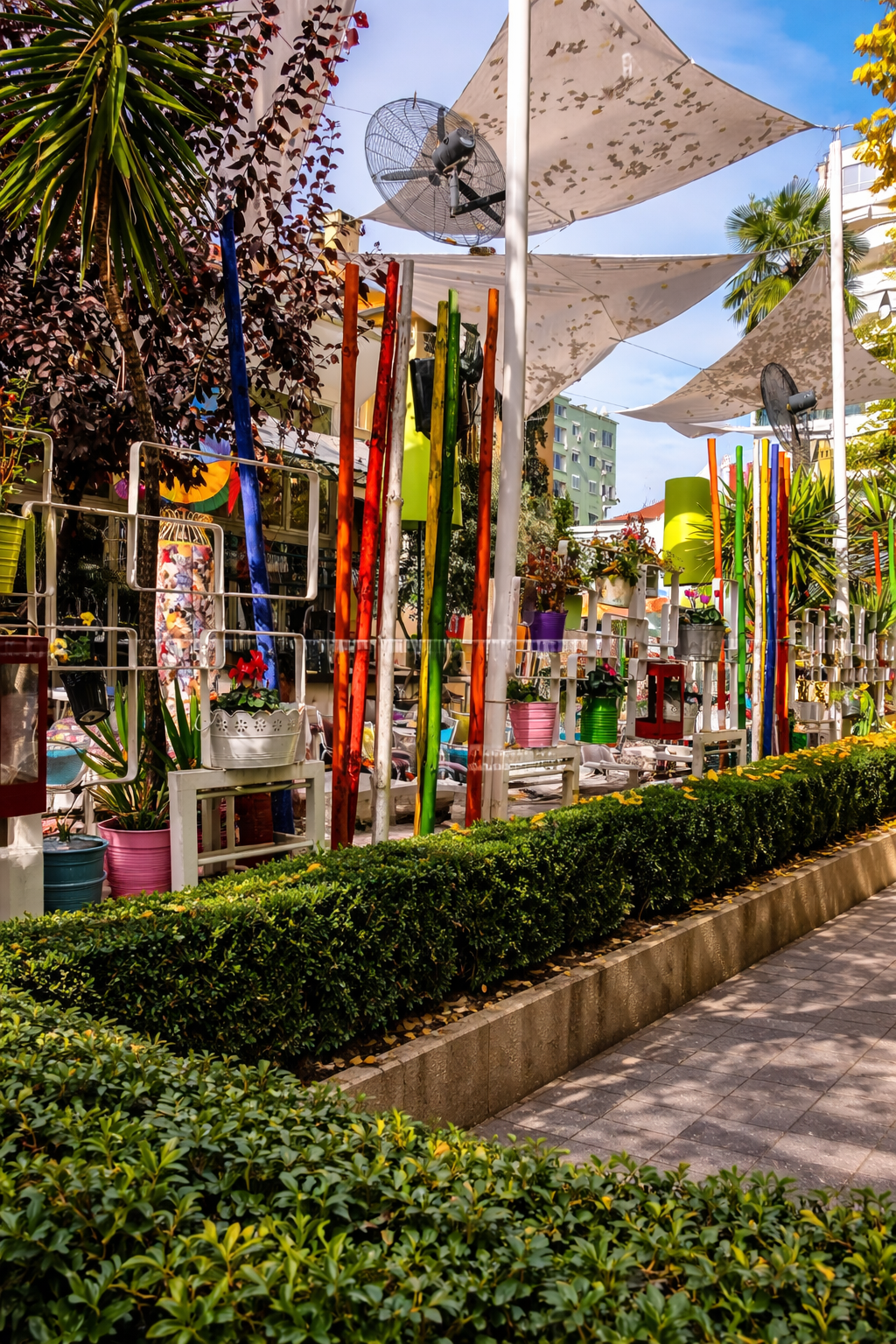
Most itineraries treat Tirana as a transit stop — one night, then move on. Spend two full days there and it reveals itself as something more interesting: a city in the middle of figuring out what it wants to be, with communist-era pyramid buildings sitting next to colourful painted facades, an unexpectedly good restaurant scene, and Blloku — once the exclusive compound of the communist elite, now a neighbourhood of outdoor cafés and small bars that fills up every evening with people who seem to be in no hurry.
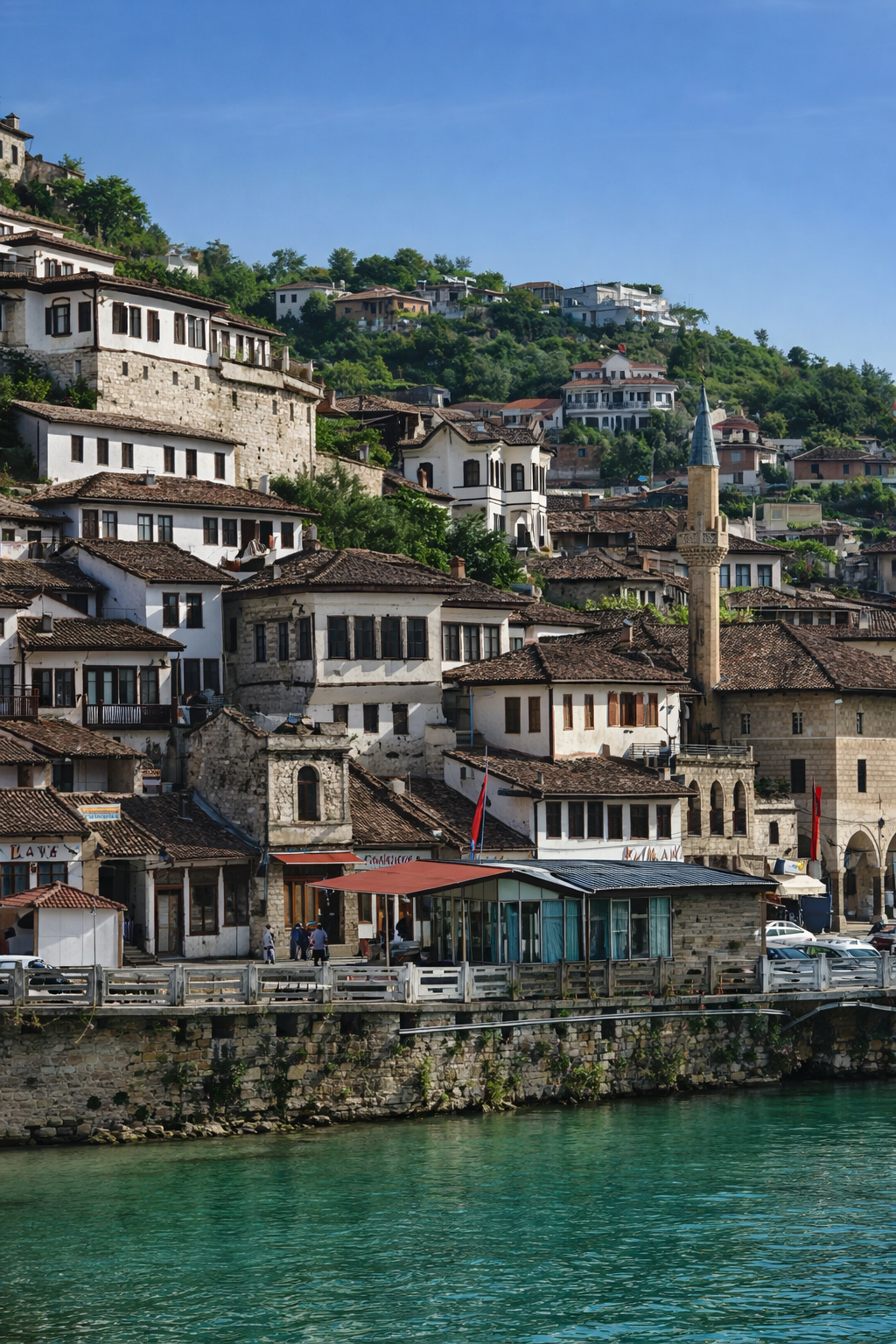
Berat is a UNESCO World Heritage site and one of the oldest continuously inhabited cities in the world. What photographs can’t fully convey is the quality of the silence up in Mangalem, the old Ottoman quarter — whitewashed houses stacked on a steep hill, windows looking over a river valley, and almost nobody else around in the early morning. It has the kind of weight that certain very old places carry. You feel how long people have been living here, and it adds something to the walk that sightseeing alone doesn’t account for.
Albania is not set up for mass tourism yet, which means it isn’t set up against solo travelers either. There are no obvious solo premiums on accommodation, no pressure to be part of a group, and no social friction around eating alone or traveling without an itinerary. The furgon network — shared minibuses that run between most towns — means you can move through the country cheaply and flexibly. You wait, you get on, you get off. It works without needing anyone to explain it to you.
02 — Safety as a Solo Traveler
This is the question that comes before any other, so it deserves a direct answer.
Albania is safe for solo travelers. Safer, in my experience, than parts of Western Europe that nobody asks twice about. The country has changed significantly since the 1990s — the period that most people’s vague impressions are still anchored to — and the gap between that reputation and the current reality is one of the widest I’ve encountered in travel.
Petty crime exists in Tirana, as in any capital, but at low rates by European standards. Solo women travel Albania regularly — occasional stares in smaller towns, nothing that rises to genuine concern. Night travel on furgons and buses is common and unremarkable. Mountain areas are very safe — arguably safer than cities and often the most welcoming parts of the country. The reputation is approximately 25 years out of date. Treat it accordingly.
The one genuine practical note: traffic in Tirana moves with a confidence that takes some adjustment. Cross carefully, and don’t expect driving to follow rules you’d recognise.
03 — Where to Go
Albania is small enough to cover meaningfully in one week. These are the places worth spending real time in.
Cities & towns
The coast
04 — What It Actually Costs
Albania is one of the most affordable countries in Europe. Not in the way that requires sacrificing comfort — in the way that makes you recalculate what things should actually cost.
| Category | Budget | Mid-Range | Notes |
|---|---|---|---|
| Accommodation | €10–18/night | €25–50/night | Guesthouses excellent value; good boutique hotels in Tirana |
| Meals | €3–6/meal | €8–15/meal | Local byrek and qofte incredibly cheap; restaurant meals very affordable |
| Furgon travel | €2–5/journey | — | Shared minibuses between most cities; flexible and reliable |
| Coffee | €0.80–1.20 | €1.50–2 | Albanian coffee culture is serious and prices are low everywhere |
| Entry fees | €1–3 | €3–8 | Most sites very affordable; Butrint around €8, Berat castle free |
| Daily total | ~€30–40 | ~€55–80 | Including accommodation, food, transport, and one site per day |
Albania uses the Albanian Lek (ALL), not the Euro — though some tourist-facing businesses quote in euros. Carry local currency for furgons, markets, and smaller towns. ATMs are available in all cities and most larger towns. Cards are increasingly accepted in Tirana but less reliable elsewhere.
05 — Practical Guide
Furgons — shared minibuses between cities and towns, depart when full, very cheap, often faster than buses. The backbone of independent travel here. Buses cover longer intercity routes comfortably. Taxis and rideshare — Bolt works in Tirana; agree prices before getting in traditional taxis. Car rental opens up the coast and mountain areas significantly — roads are improving but some routes are rough. Ferries — Sarandë to Corfu runs regularly (35 minutes), useful for combining Albania with Greece.
May–June: The best window — warm but not summer-hot, coast is swimming temperature, sites accessible without crowds. September–October: Second best — sea still warm, summer crowds gone, extraordinary light on the coast and mountains. July–August: Hot and increasingly busy on the coast; Ksamil fills up but remains manageable if you arrive early. Winter: Good for Tirana and Berat — fewer visitors, cooler weather, a different quality to the light.
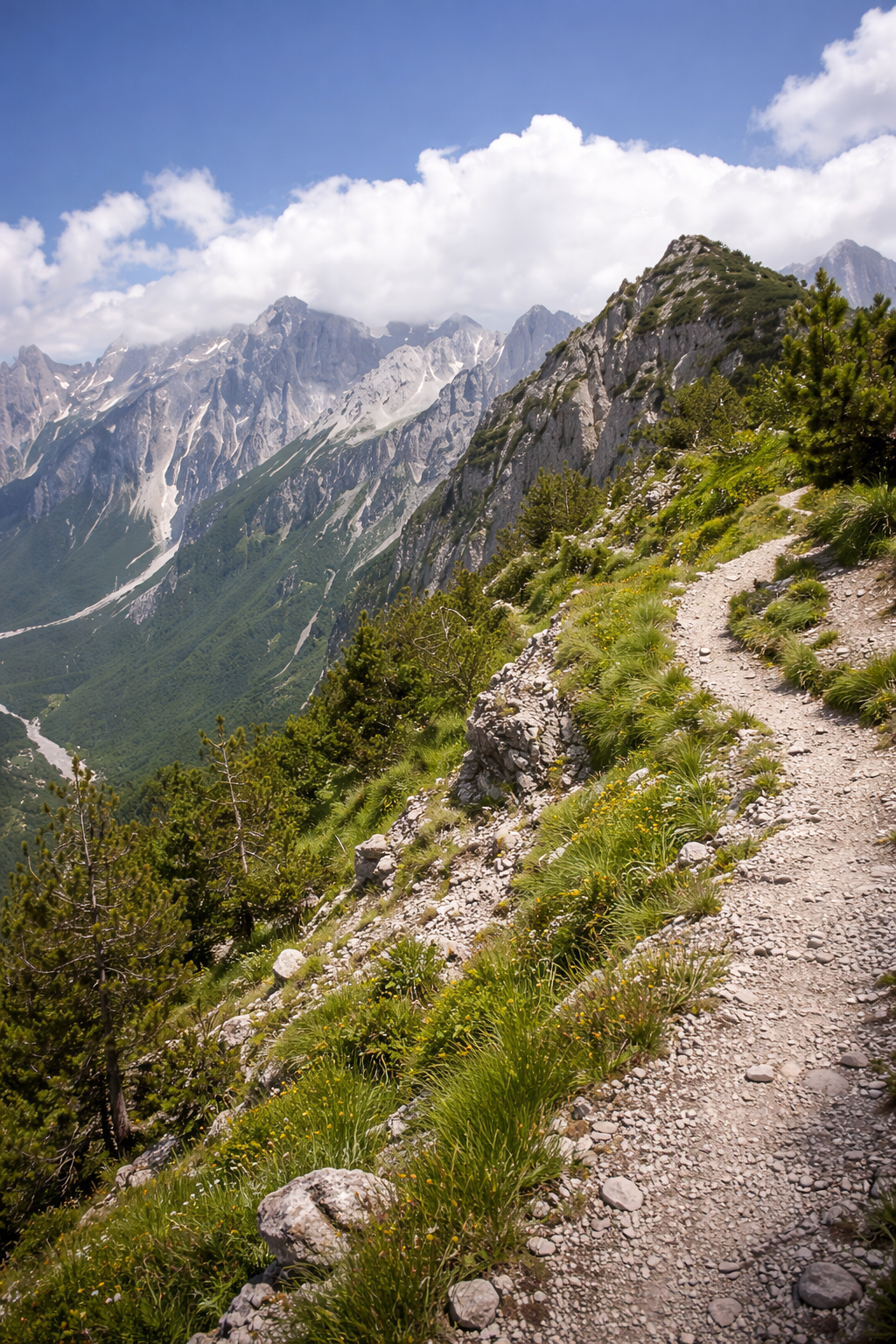
Accommodation is solo-friendly — guesthouses run by families who genuinely help with onward transport. The furgon system requires some confidence the first time but is intuitive once you understand that stations are loose departure points. Mountain areas (Theth, Valbonë) are increasingly popular with hikers — book ahead in summer as places are limited. Language — younger Albanians almost universally speak English; in smaller towns, Italian or a translation app helps more. Connectivity — SIM cards are cheap and coverage is good in cities and along the coast.
06 — A Solo Itinerary That Actually Works
This covers the south, which is where most of what makes Albania worth the trip is concentrated. It moves at a pace that leaves room for the unexpected — which, in Albania, is where most of the good things happen.
- Days 1–2 — Tirana: Arrive, walk Blloku in the evening, National History Museum on day 2, the Pyramid, and the city’s coloured blocks
- Day 3 — Berat: Furgon from Tirana (~2 hours). Arrive midday, afternoon in Mangalem, overnight to catch the morning light
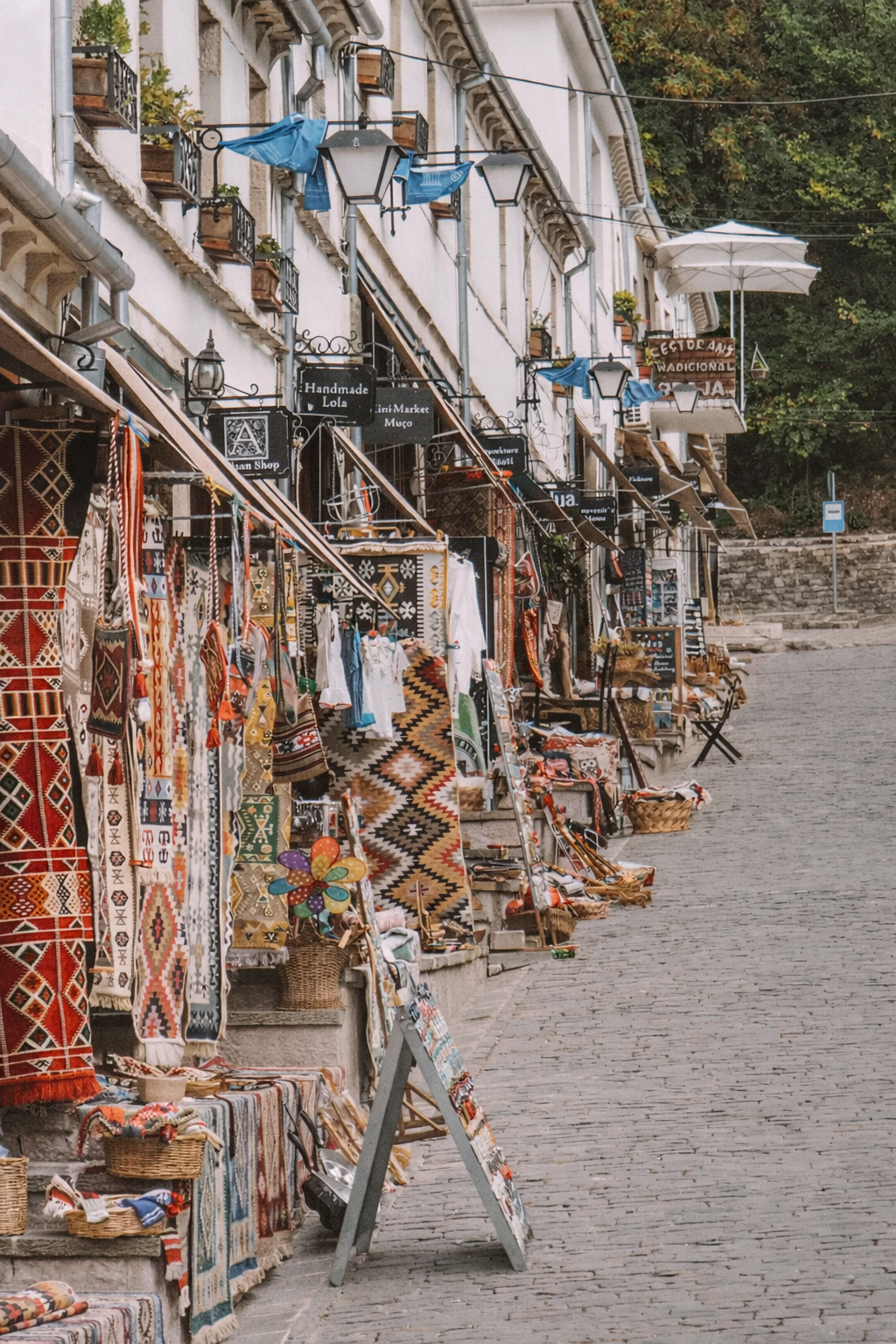
- Day 4 — Gjirokastër: Continue south (~2 hours by furgon). Castle, old bazaar, and one of Albania’s most atmospheric old towns
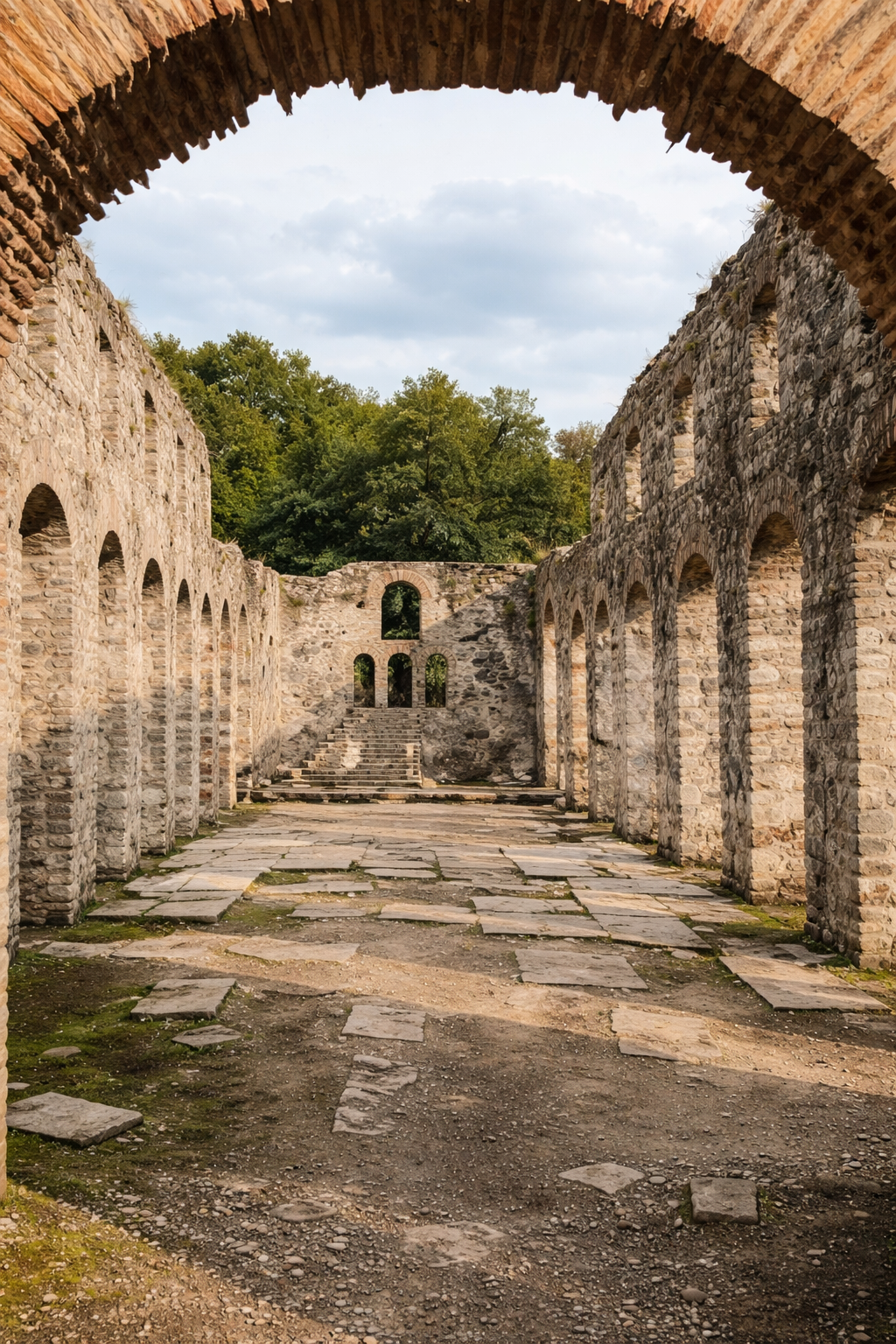
- Day 5 — Sarandë + Butrint: Move to the coast. Afternoon at Butrint archaeological site, evening in Sarandë
- Day 6 — Ksamil: A full day at the coast. Morning swim before the beach fills, afternoon slow, evening back in Sarandë
- Day 7 — Himarë or return: Drive or bus north along the Riviera, stop at Himarë beach, or begin the return journey to Tirana for departure
Safety
Getting around
Planning your visit
Go before you’re sure about it.
The best solo trips are usually the ones where somebody asked if you were sure, and you went anyway.