
Things to Do in Amman (and What to Actually Eat): An Honest Guide
Is Amman worth visiting? A straight answer on how long you actually need, the things to do in Amman that earn your time, and the Jordanian food to eat — with the specific places locals have gone for decades.
Why Amman Deserves an Honest Guide
Most guides to the things to do in Amman hand you the same five stops and call it a city. The Citadel, the Roman Theatre, Rainbow Street, a souk photo, done. That list isn’t wrong, but it quietly avoids the question you actually came to ask: is Amman worth visiting at all, or is it just the place your flight lands before Petra and Wadi Rum? I’ll answer that honestly, tell you how long you really need, and spend the second half on the thing that genuinely makes Amman worth slowing down for — the food, and the specific, long-standing places to eat it.
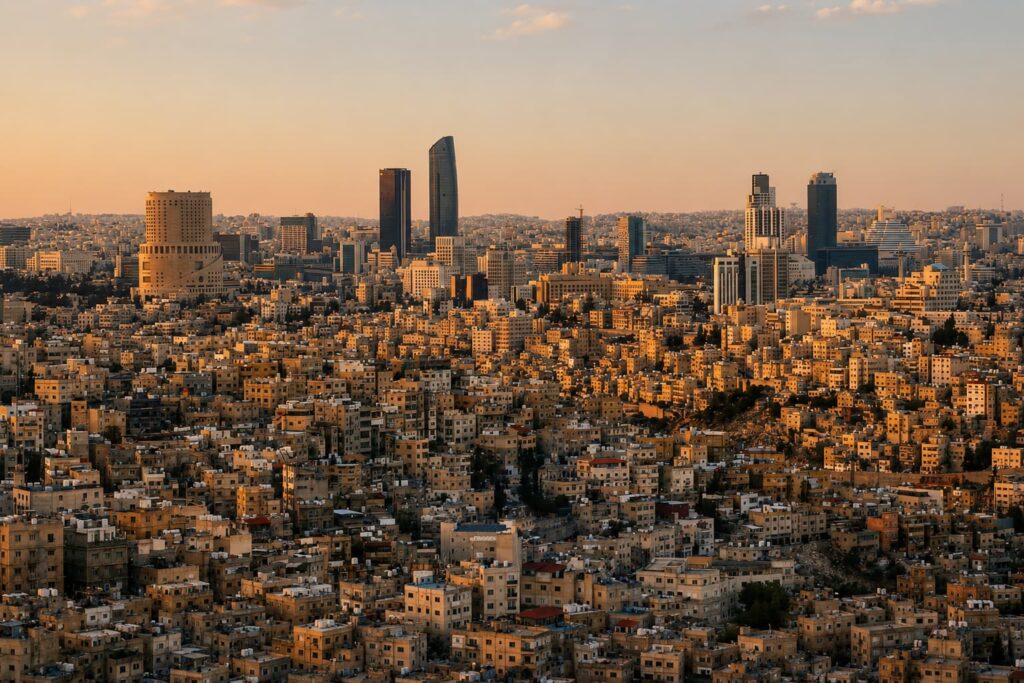
Here’s the short version up top, because you’re planning a trip and don’t need suspense. Amman is not a highlight-reel capital. Instead, it’s a real, hilly, working city of over four million people, built across roughly seven hills, and its best moments are ordinary ones: a plate of falafel in a downtown alley, sweet mint tea, the call to prayer moving across the valleys at dusk. In short, give it a day, eat extremely well, and you’ll leave glad you stopped.
01 — Is Amman Worth Visiting?
Yes — but with a caveat worth being clear about. Amman is worth visiting if you go in wanting a real city rather than a set of monuments. However, if you’re measuring it against Rome or Istanbul on marquee sights alone, it will underwhelm you, and plenty of travelers leave saying exactly that. Of course the Citadel and Roman Theatre are genuinely good, yet they’re a morning’s worth of ruins, not a week of them.
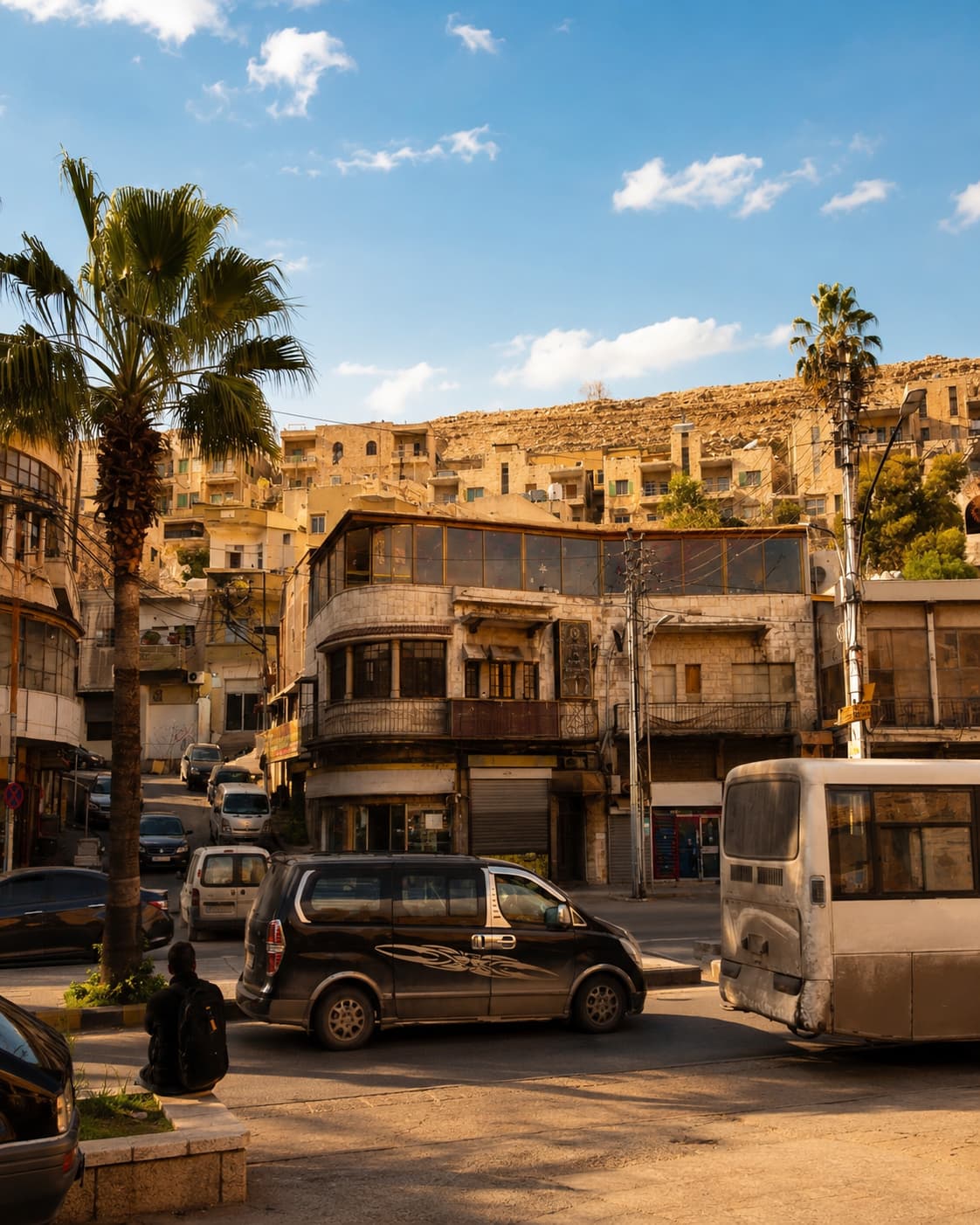
What Amman actually offers is texture. This is one of the oldest continuously inhabited places on earth, and it wears that history casually rather than curating it for you. Furthermore, the city spills across its hills in pale limestone, home to nearly half of Jordan’s entire population, and daily life happens right in front of you — vendors, tea, traffic, generosity from strangers that catches most visitors off guard. In particular, the downtown, known as Al-Balad, is where the city feels most itself.
So treat this as a decision, not an obligation. If you want ancient ruins as the main event, your time is better spent south at Petra and in the desert at Wadi Rum. Nevertheless, if you want a genuine capital where the food is the reason to linger and nobody is selling you a fantasy, Amman rewards the stop. Admittedly it takes a small shift in expectations — but that shift is the whole trick to enjoying the place.
02 — How Many Days Do You Need in Amman?
For most travelers, one full day covers Amman’s core, and a second day is worth adding mainly for the food, the cafés, and a day trip out to the Roman ruins at Jerash. Of course you can technically see the headline sights in half a day if you’re tight on time. That said, rushing Amman turns it into a checklist, and a checklist is the one thing this city is bad at rewarding.
One Day in Amman (The Core Sights)
A single well-planned day handles the essentials without strain. To begin, start high at the Citadel for the ruins and the view over the hills, then walk or taxi down to the Roman Theatre carved into the hillside below. From there you’re already at the edge of Al-Balad, so spend the afternoon in the downtown streets and souks. Consequently, your evening opens up for food and Rainbow Street — which is where the city genuinely comes alive after dark.
A Second Day (Food, Cafés, and a Jerash Day Trip)
A second day earns its place in two ways. First, it lets the food breathe — a slow breakfast at a downtown institution, kunafa mid-afternoon, a proper sit-down dinner instead of eating on the move. Furthermore, it makes room for Jerash, one of the best-preserved Roman provincial cities anywhere, roughly an hour north and often called the Pompeii of the East. If you like ancient sites, Jerash quietly outdoes anything inside Amman itself.
If Amman is your gateway to Jordan and you’re heading to Petra and Wadi Rum after, one full day in the city plus a Jerash half-day is the sweet spot. More than two days and you’ll feel the city start to repeat itself — Amman is a place to enjoy deeply for a short window, not to settle into for a week.
03 — The Best Things to Do in Amman
These are the things to do in Amman that actually justify their spot. Specifically, they’re grouped so you can string them into the one-day plan above without backtracking across the hills.
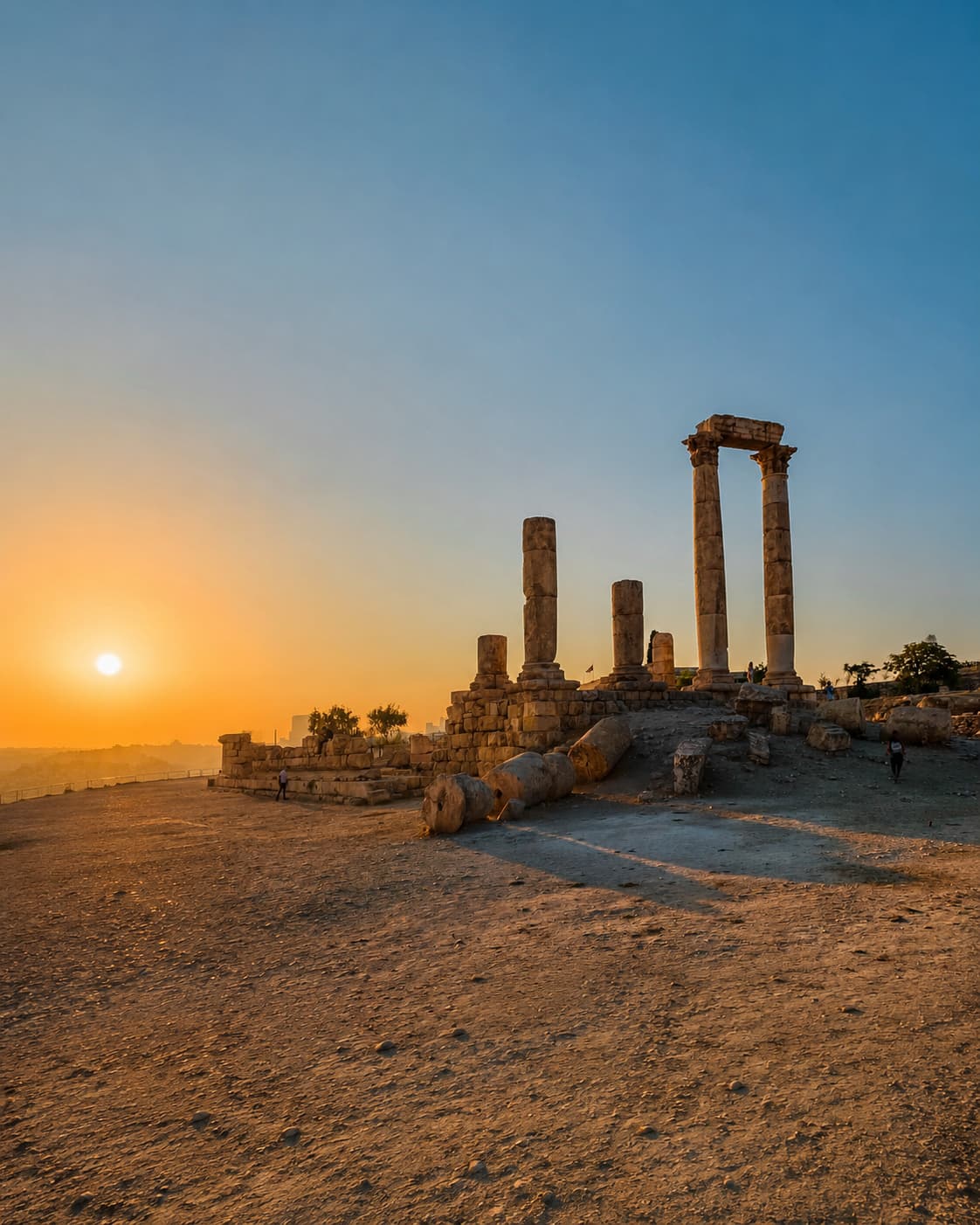
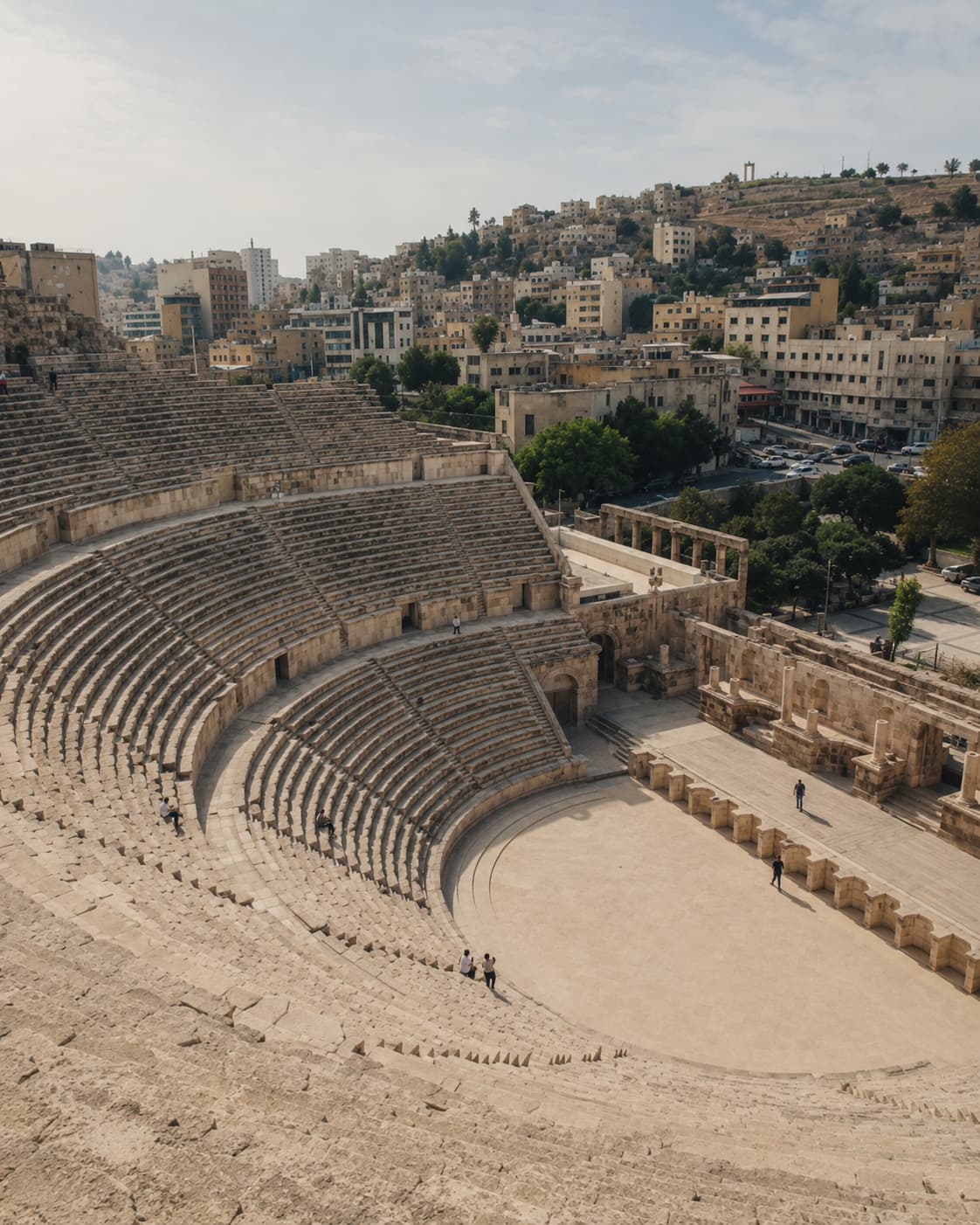
The Citadel sits on the city’s highest hill and gathers layers of history in one spot — the columns of the Temple of Hercules, the domed Umayyad Palace, and a long view across the stacked rooftops. Meanwhile, just below it, the 2nd-century Roman Theatre still seats thousands and remains in genuinely good shape. Together they’re your morning, and they pair naturally because one looks down on the other.
This is the heart of the city and the reason to come. Specifically, the downtown souks sell everything from spices and sweets to gold, and the surrounding streets carry a growing wave of murals and street art. Moreover, it’s where almost every food recommendation below actually lives, so you’ll pass through here more than once.
After dark, the city’s energy moves uphill to Rainbow Street and the neighbouring arts district of Jabal Al-Lweibdeh — cafés, rooftops, small galleries, and slow evenings. This is where locals and visitors mix over coffee and shisha. In short, it’s the best answer to “what is there to do in Amman at night.”
04 — What Amman Is Known For: The Food
This is the real reason to linger. Amman’s food is generous, deeply traditional, and cheap by Western standards, and it’s genuinely the highlight of a stop here. Below are the dishes to actually order — then, subsequently, the specific places that have been making them for generations.
Mansaf — The National Dish
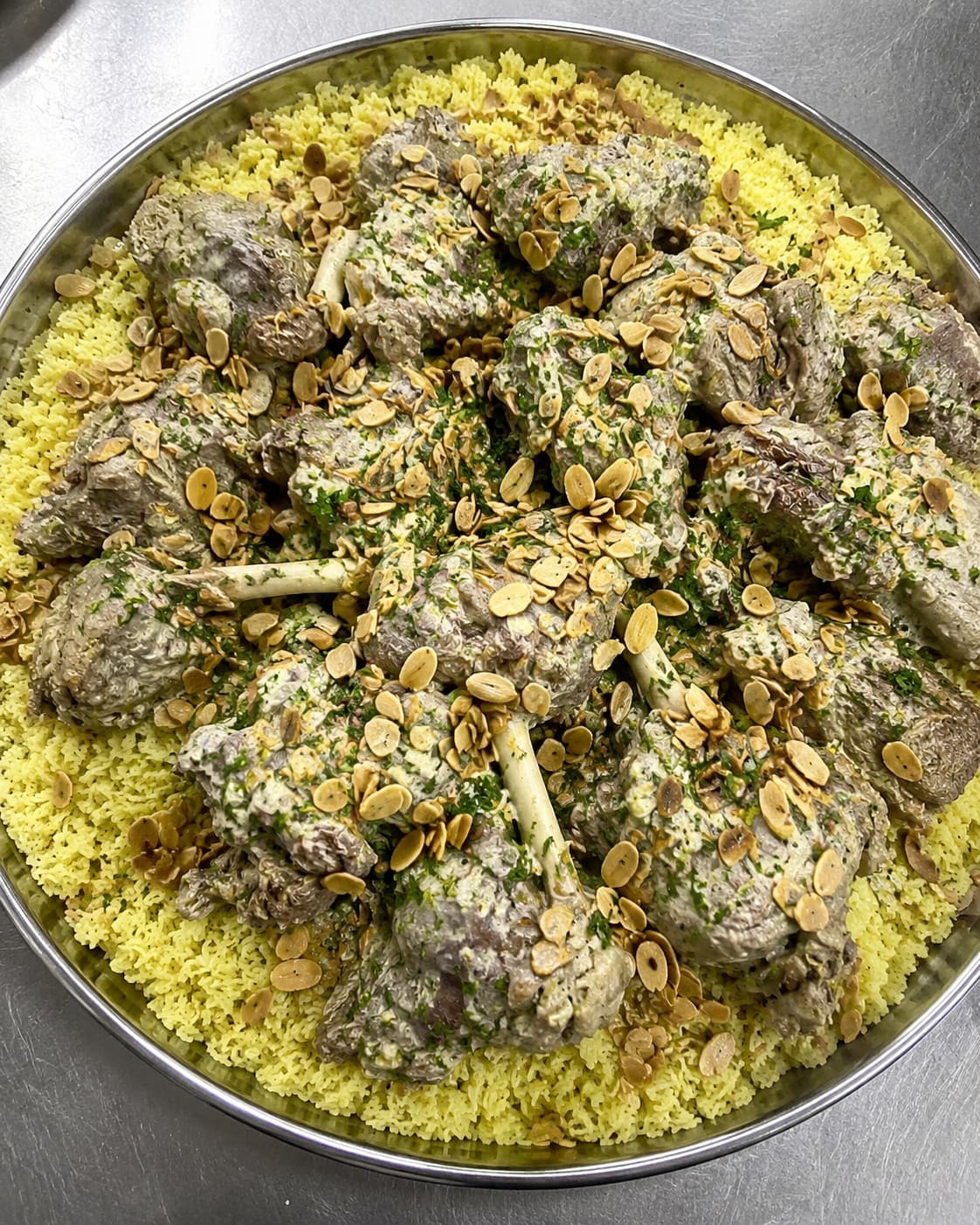
Mansaf is Jordan’s national dish and the one to build a meal around. It’s lamb slow-cooked in a sauce made from jameed — a hard, fermented dried yogurt — served over rice and thin shrak flatbread, then often topped with almonds or pine nuts. Traditionally it’s eaten communally from a shared platter, by hand, at weddings, funerals, and for honoured guests. In particular, eating mansaf is as close as a meal gets to understanding Jordanian hospitality, so make room for it at least once.
Falafel, Hummus & Ful Medames
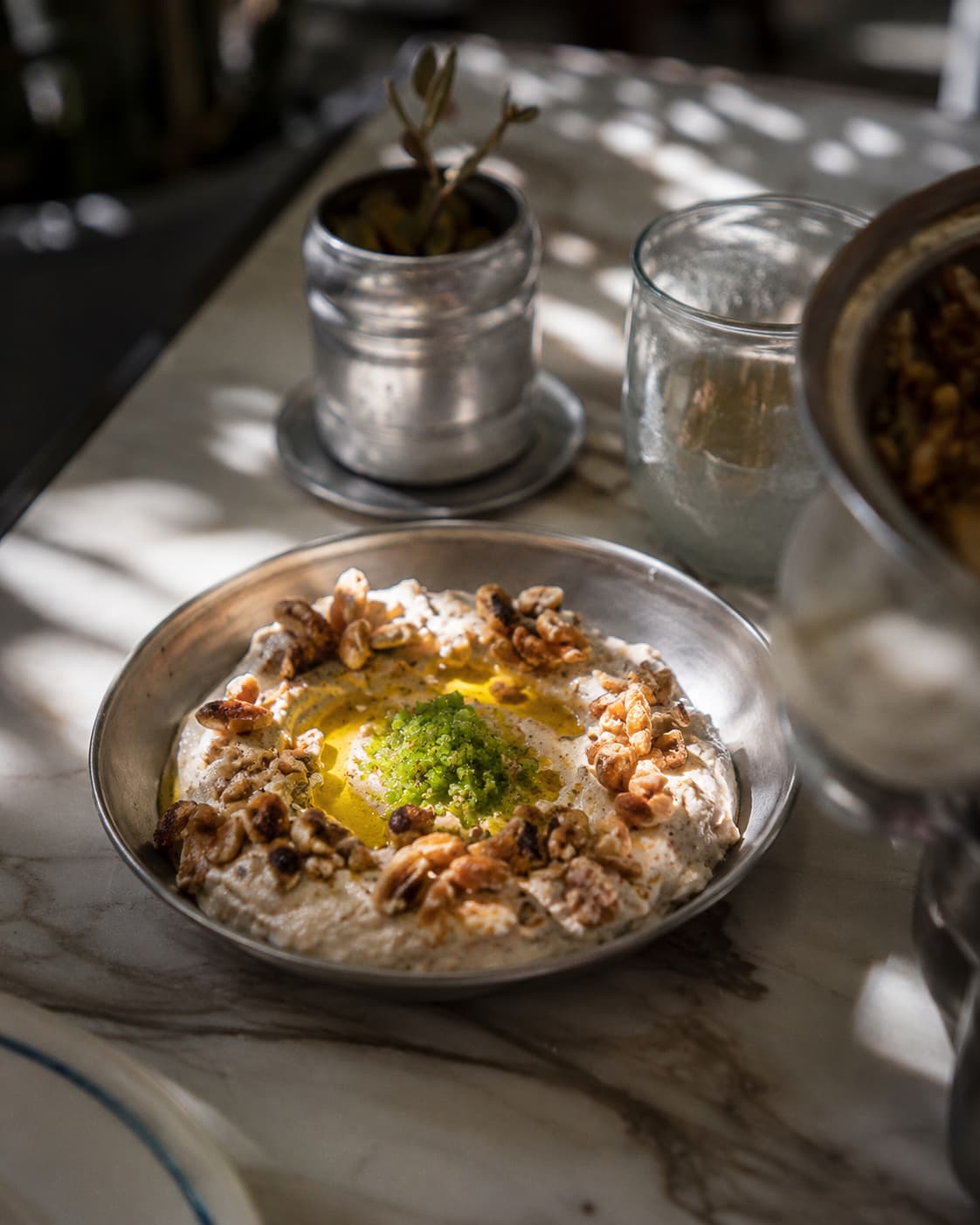
The daily backbone of Amman eating is the trio of falafel, hummus, and ful medames — a warm dish of stewed fava beans. This is breakfast, lunch, and a snack all at once, and it’s where the city’s food is at its cheapest and, arguably, its best. Moreover, a plate of each with fresh bread and mint tea costs a few dinar and consistently outshines far pricier meals. In other words, don’t treat this as filler between “real” meals — for many visitors it becomes the trip’s most memorable food.
Kunafa and Arabic Sweets
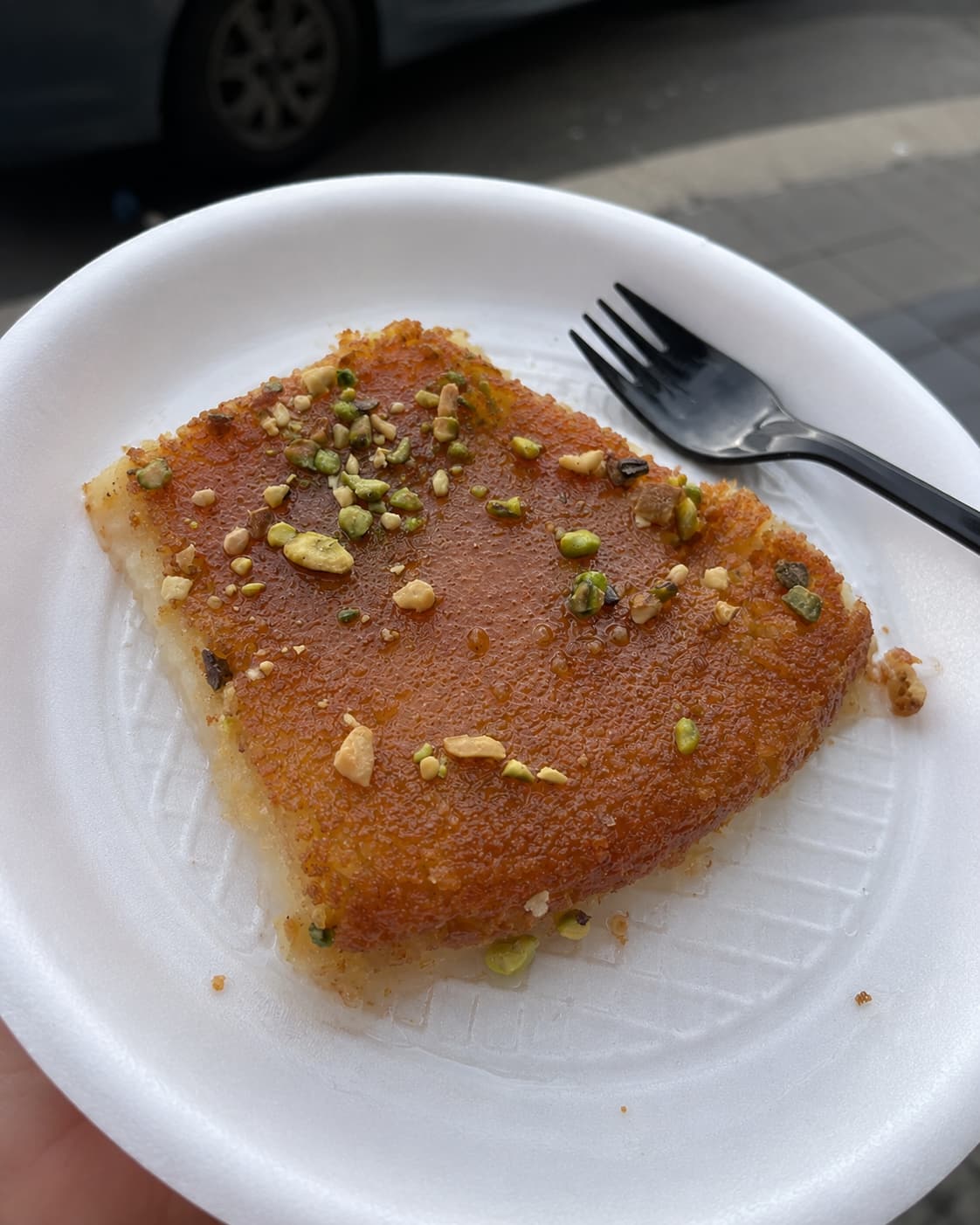
Kunafa is the dessert Amman does best — a hot, syrup-soaked pastry of stringy melted cheese under a crisp shredded top, dyed a signature orange and cut fresh from enormous round trays. It’s sweet, rich, and meant to be eaten warm on the spot rather than taken away. Of course you’ll also find baklava and a wide range of Arabic sweets alongside it, but kunafa is the one to prioritise. Specifically, a single portion runs only a dinar or two, which makes it the easiest indulgence in the city.
Maqluba, Mezze & the Rest Worth Ordering
Beyond the headliners, order broadly. There’s maqluba — an “upside-down” pot of rice, meat, and fried vegetables flipped onto the plate — a home-style classic worth seeking out. In addition, a spread of mezze (hummus, moutabal, fattoush, stuffed vine leaves, grilled halloumi) turns any meal into a table worth lingering at, and grilled meats and shawarma round out the rest. Taken together, the smart move in Amman is simply to order more small dishes and share.
05 — Where to Eat in Amman: The Specific Places
Recommendations are only useful when they name names, so here are the specific, long-established places worth building your eating around. Conveniently, most sit in or near downtown Al-Balad, which keeps them walkable from the day’s sightseeing.
Hashem — The Downtown Institution
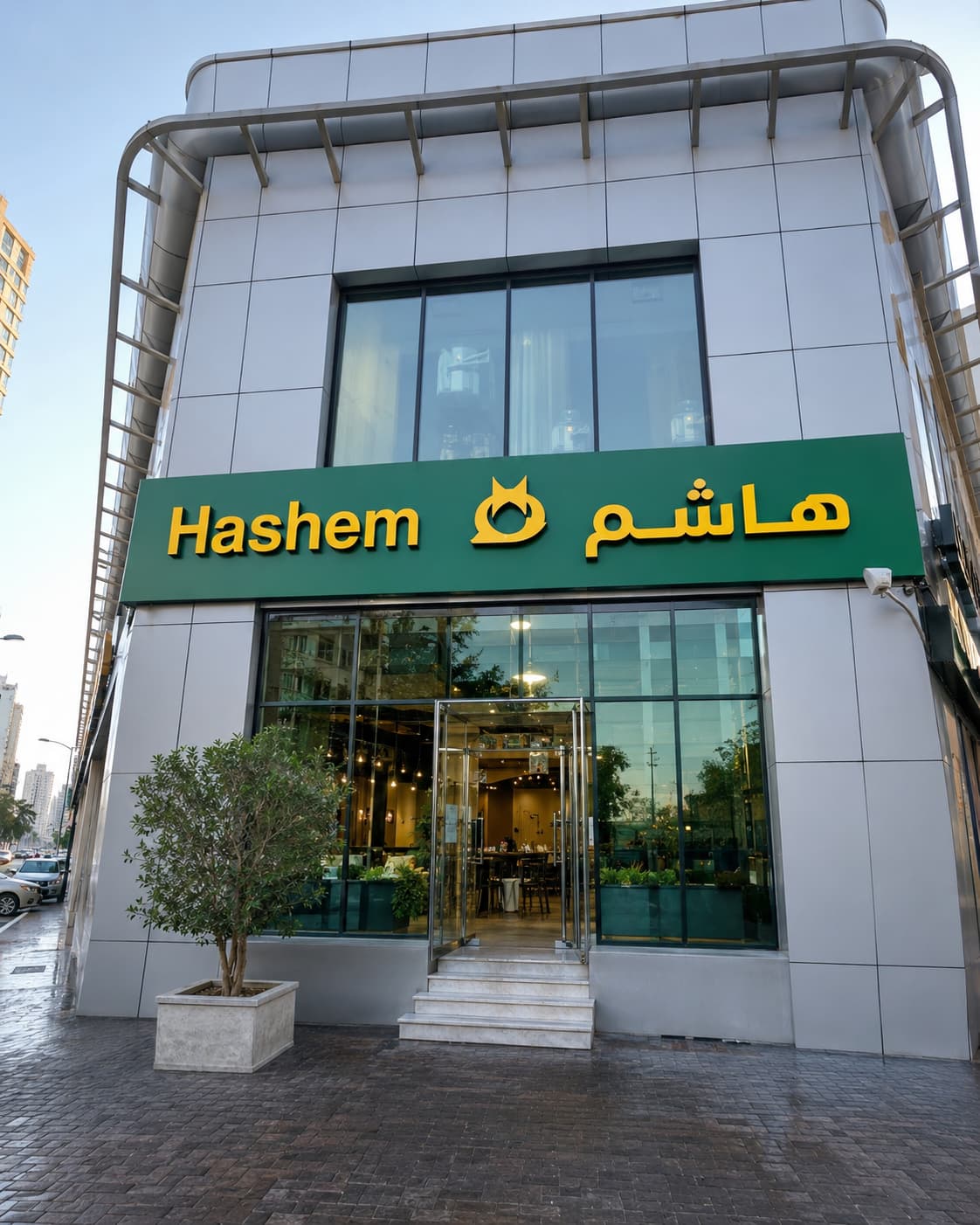
Hashem is the one nobody sensible skips. Tucked into a downtown alley and open 24 hours, it has been serving falafel, hummus, and ful for around seventy years, and it’s cheap enough that a full plate with bread and tea runs only a couple of dinar. There’s no real menu — you sit, food arrives, you eat. Over the decades it has fed backpackers, locals, and members of the Jordanian royal family at the same plastic tables, which tells you most of what you need to know. In short, for a first meal in Amman, it’s hard to beat.
Habibah Sweets — Kunafa Since 1951
For kunafa, the name locals give first is Habibah. Founded in a downtown alley and trading since 1951, it’s the city’s most legendary spot for the dish, and a portion typically costs only one to two dinar. The original downtown hole-in-the-wall usually has a queue of locals out front, which is the surest sign you’re in the right place. That said, there’s also a larger branch nearby with seating if you’d rather sit down. Either way, eat it hot and on the spot.
A Proper Sit-Down Mansaf
For mansaf, you want a proper sit-down rather than a grab-and-go counter, since the dish is built for a table. Well-known traditional restaurants around Rainbow Street and the Jabal Amman area serve a full mansaf for roughly 12–15 JOD per person — Sufra, set in a restored old house with a garden, is a reliable choice for exactly this. Admittedly it’s a step up in price from downtown street food, but for a dish this central to Jordanian culture, it’s worth doing once and doing properly.
A Local Mezze-and-Grill House
For a relaxed dinner, a mezze-and-grill house is the move — the kind of place where you order a spread of small dishes plus grilled meats and let the table fill up. These sit a notch above street prices while staying far below what you’d pay in Europe, and they’re where a meal stretches comfortably across an evening. Order more mezze than you think you need; leftovers here are a good problem.
One Café Worth the Detour
Finally, give the newer side of Amman’s food scene a look. For instance, Shams El Balad, a farm-to-table café in Jabal Amman, does honest local cooking with a modern touch and a view over the downtown. Alternatively, Beit Sitti offers a hands-on cooking class where you prepare a traditional Jordanian meal with local women and then eat what you’ve made. Either one adds a second, quieter texture to a trip otherwise built on institutions.
Breakfast of falafel and hummus at Hashem, kunafa mid-afternoon at Habibah, and a sit-down mansaf or mezze dinner up near Rainbow Street. That single line of eating is, honestly, the strongest argument for giving Amman a full day.
06 — Is Amman Expensive?
For food, no — Amman is inexpensive by Western standards, which is part of what makes eating here such a pleasure. Specifically, downtown staples like a bowl of hummus or a plate of falafel run roughly 1–3 JOD, while a full traditional mansaf at a well-known restaurant sits around 12–15 JOD per person. Of course prices shift over time and climb in the more polished Rainbow Street and Jabal Amman spots, so treat these as a live guide rather than a fixed menu.
| Falafel / hummus plate | Roughly 1–3 JOD at a downtown institution — often the best food you’ll eat all trip |
| Kunafa portion | About 1–2 JOD, cut fresh and eaten hot |
| Sit-down mansaf | Around 12–15 JOD per person at a well-known traditional restaurant |
| Mezze-and-grill dinner | Mid-range; above street prices, well below European equivalents |
| Getting around | Careem or taxis are cheap; budget a few dinar for cross-city hops |
That said, where costs creep up is accommodation and the more Westernised cafés, not the food that matters. On balance, Amman is one of the easier capitals to eat extraordinarily well in without spending much, provided you lean toward the downtown institutions over the polished newcomers.
Amman Safety, Transport and First-Time Planning
Food, Alcohol and Time Needed in Amman
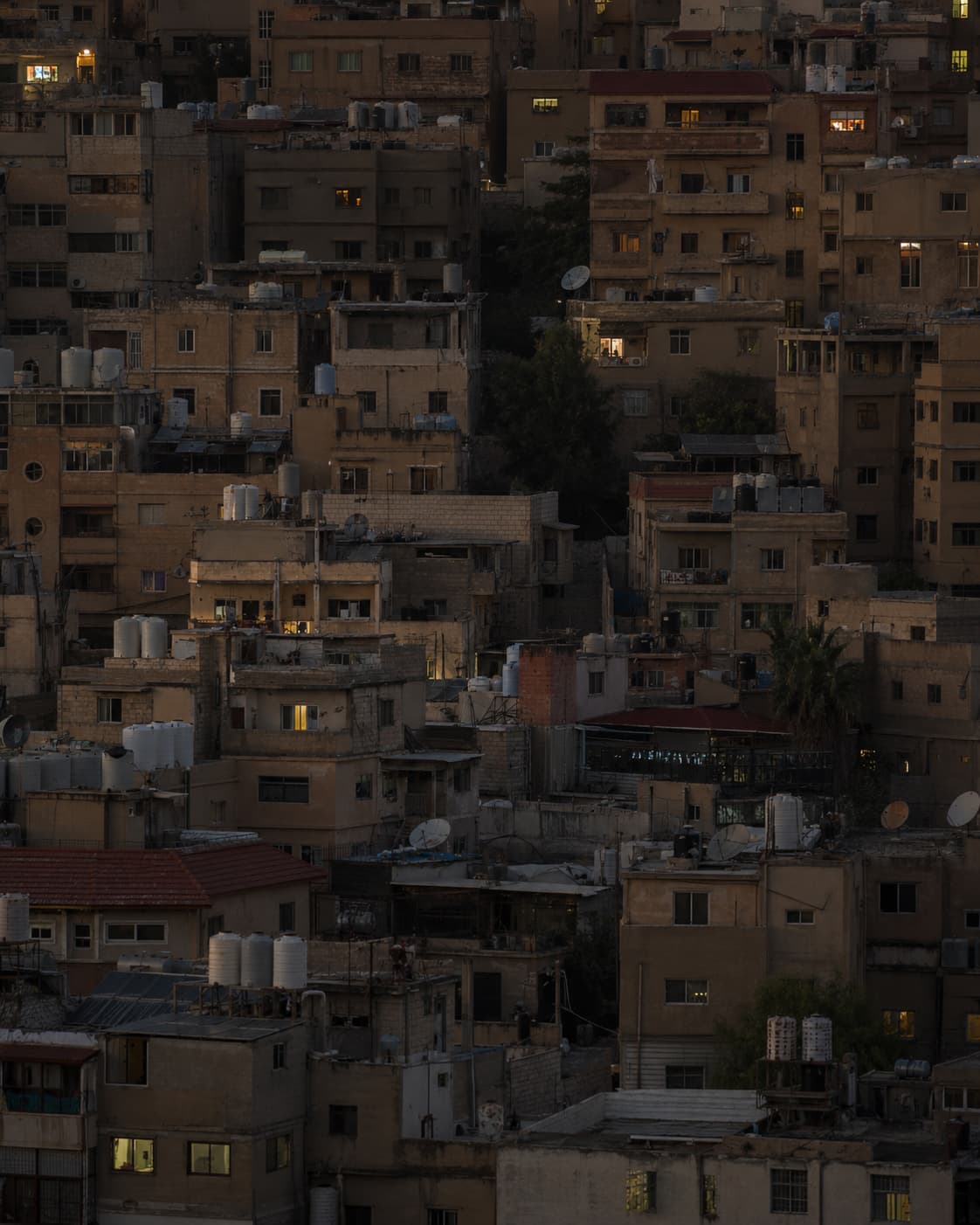
Amman won’t overwhelm you, and that’s the point.
Give it a day, eat everything, and let the quiet, hilly, un-staged city do the rest.