Mexico Travel·Beyond Cancún
Best Places to Visit in Mexico: 12 Picks Beyond Cancún, Honestly Ranked
The best places to visit in Mexico once you look past the hotel zone — ranked by season, cost, and how each state’s safety advisory actually reads in 2026.
🇲🇽 Mexico Beyond Cancún — At a Glance
📅
Best overall window: December to April, dry season almost everywhere
🛡️
Safety: Level 2 nationwide; none of these 12 picks sit in a Level 4 state
💵
Entry fee: Non-resident fee is 983 pesos (~$53) in 2026, usually bundled into airfare
🏛️
Ruins fee: Foreign-visitor entry to major sites roughly doubled to ~209 pesos from January 2026
🌊
Caribbean coast: Avoid May–August if beach time matters; sargassum season is running heavy in 2026
🚆
Getting around: The Maya Train now loops the whole Yucatán Peninsula, with fares cut 30% in April 2026
✦ The Honest Verdict
First trip to Mexico? Pair Mexico City with Oaxaca, or Mérida with the Yucatán’s quieter towns. Want a beach in winter? Bacalar or Isla Mujeres beat Cancún’s hotel zone on both crowds and water clarity. Best window for most of the country: December through April. Baja California Sur peaks earlier — mid-October through mid-December, before the whale-watching crowds arrive.
How to Choose the Best Place to Visit in Mexico
The best places to visit in Mexico rarely start with a week in Cancún’s hotel zone — that trip is fine as far as it goes, it just isn’t the country. The Mexico that keeps pulling people back is further inland: the colonial cities with their own food scenes, the Yucatán’s quieter corners, and a Caribbean coast that has more going for it than the stretch of sand in front of the resorts. This list skips the easy consensus picks in favor of twelve places that actually earn their spot, each with the season that suits it, the state safety rating that applies to it, and the catch nobody mentions in the brochure.
That last part matters more this year than usual. Entry fees at the country’s biggest archaeological sites jumped sharply at the start of 2026, the Caribbean coast is in the middle of one of its worst sargassum seasons on record, and the US State Department rates each Mexican state on its own scale — a detail that gets flattened into a single “is Mexico safe?” headline far too often. None of that should keep a good trip off the table. It should just shape which places make this list, and when you go.
01 — How We Ranked Them
Five things decided the order: how much a place gives you beyond a photo stop, whether the season you’d actually visit in works in its favor, how easy it is to reach and get around once you’re there, what it costs relative to what you get, and — because this keeps coming up in every message from readers planning a Mexico trip — the US State Department’s advisory level for the state it sits in. A place with a genuinely good story to tell but a difficult season, or a state-level advisory that needs explaining, ranks a little lower than one that gets everything right at once.
None of that means the places further down this list aren’t worth a trip. Puebla and Holbox, for instance, are excellent — they just ask more of you in timing or logistics than Mexico City or Mérida do. Where a destination has a real catch, from altitude to crowding to a fading lagoon, it’s named directly rather than buried in a footnote, because knowing the catch is half of choosing well among the best places to visit in Mexico.
02 — The Short Answer: Best Places to Visit in Mexico at a Glance
This table is the fastest way to compare the best places to visit in Mexico if you only have a minute. Every state’s advisory level reflects the current US State Department rating as of November 2026; check travel.state.gov again before you book, since levels shift state by state throughout the year.
The 12 Mexico Picks Compared
| Rank |
Place |
State |
Best Months |
US Advisory |
Best For |
The Catch |
| 1 |
Mexico City |
CDMX |
Nov–May |
Level 2 |
Museums, food, first trip |
Altitude, pollution, sheer size |
| 2 |
Oaxaca City |
Oaxaca |
Oct–Apr |
Level 2 |
Food, mezcal, Monte Albán |
Cold nights; visitor numbers strain the center |
| 3 |
Mérida & the Yucatán |
Yucatán |
Nov–Mar |
Level 1 |
Colonial streets, cenotes, ruins |
Heat climbs fast from April |
| 4 |
Bacalar |
Quintana Roo |
Nov–Apr |
Level 2 |
Freshwater lagoon, slower pace |
Overuse and runoff are dulling the water’s colour |
| 5 |
Isla Mujeres |
Quintana Roo |
Nov–Apr |
Level 2 |
Beach near Cancún, minus the hotel zone |
Day-trip crowds off the ferry by midday |
| 6 |
San Miguel de Allende |
Guanajuato |
Oct–May |
Level 3 |
Walkable colonial core |
Expat-driven prices; check the state advisory |
| 7 |
Guanajuato City |
Guanajuato |
Oct–May |
Level 3 |
Colour, hills, student energy |
Same state advisory as San Miguel |
| 8 |
Puebla & Cholula |
Puebla |
Oct–May |
Level 2 |
Mole poblano, the pyramid under a church |
Often rushed as a day trip from CDMX |
| 9 |
La Paz & Todos Santos |
Baja California Sur |
Mid-Oct–Dec; Jan–Mar |
Level 2 |
Sea of Cortez, whale season |
Peak-season crowds arrive mid-December |
| 10 |
Riviera Maya (Tulum & Playa del Carmen) |
Quintana Roo |
Nov–Mar |
Level 2 |
Cenotes, ruins, nightlife |
Prices, crowds, and the higher Tulum ruins fee |
| 11 |
Holbox |
Quintana Roo |
Nov–Apr |
Level 2 |
Car-free island pace |
Limited infrastructure; book crossings ahead |
| 12 |
San Cristóbal de las Casas |
Chiapas |
Nov–Mar |
Level 3 |
Highland culture, markets |
Altitude, and occasional highway blockades on routes out |
03 — The 12 Best Places to Visit in Mexico, Ranked
Destination 01
Mexico City
CDMX — the country’s best argument for staying more than a weekend
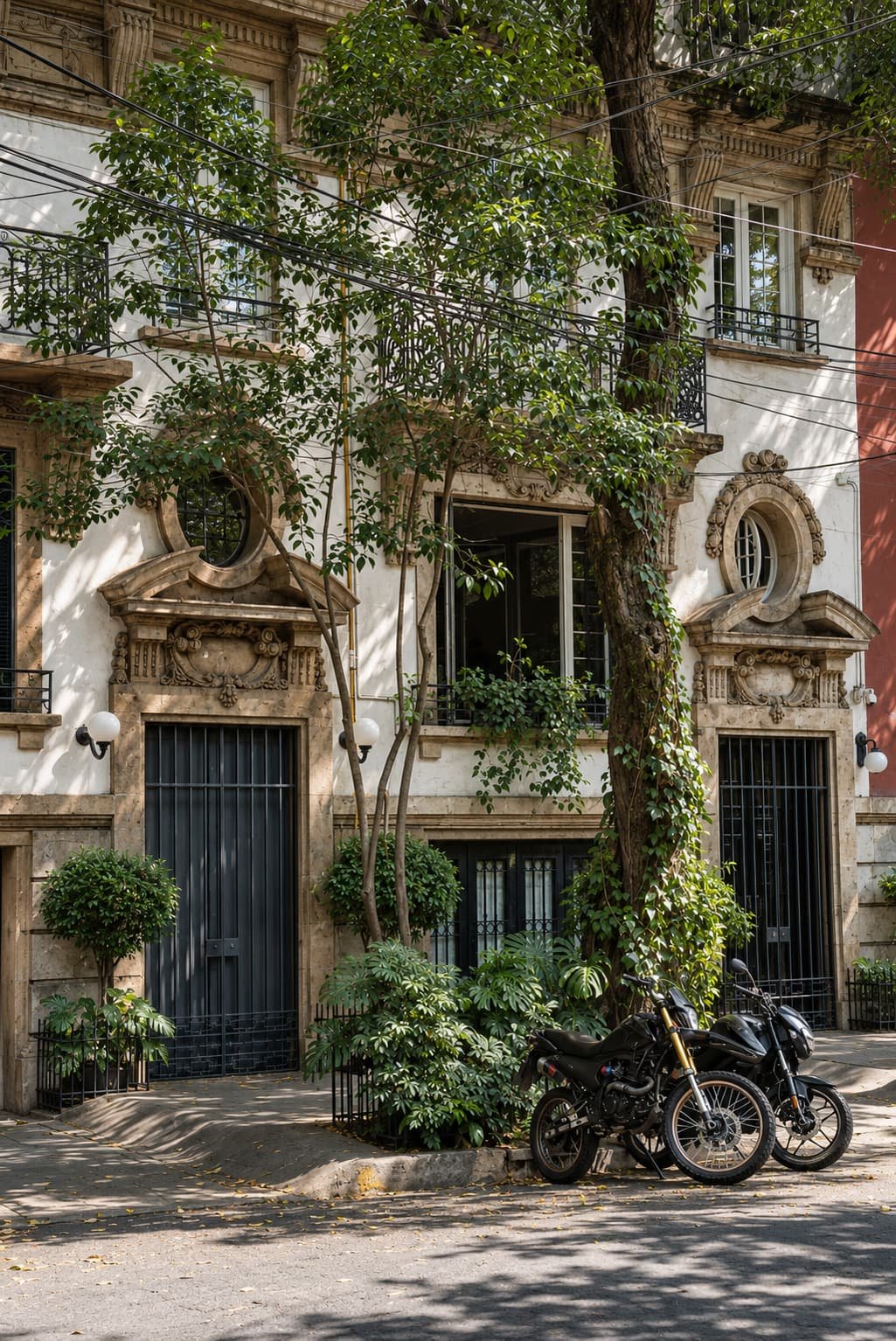
Mexico City earns the top spot for the same reason it keeps surprising first-time visitors: there’s more good food, more serious museums, and more neighborhood character here than almost anywhere else on this list combined. The National Museum of Anthropology alone justifies a flight. So does an afternoon spent moving between taco stands in Roma and Condesa, two neighborhoods that have become the city’s center of gravity for anyone who wants good coffee, independent bookstores, and streets built for walking rather than driving.
The catch is real, though, and worth planning around. The city sits above 2,200 meters, so the first day or two can mean short breath on stairs and an early night whether you planned one or not. Air quality varies by season — it’s at its best after the summer rains clear the haze, and noticeably worse in the dry, still weeks of December. Add in a metropolitan area of over 20 million people, and even a well-planned week only scratches the surface. Carrying this country’s capital, however, isn’t the same as carrying its crowds: Mexico City’s tourist areas sit at a Level 2 advisory, consistent with most of Western Europe on the same scale.
Destination 02
Oaxaca City
Oaxaca — Mexico’s food capital, and the country’s best mezcal
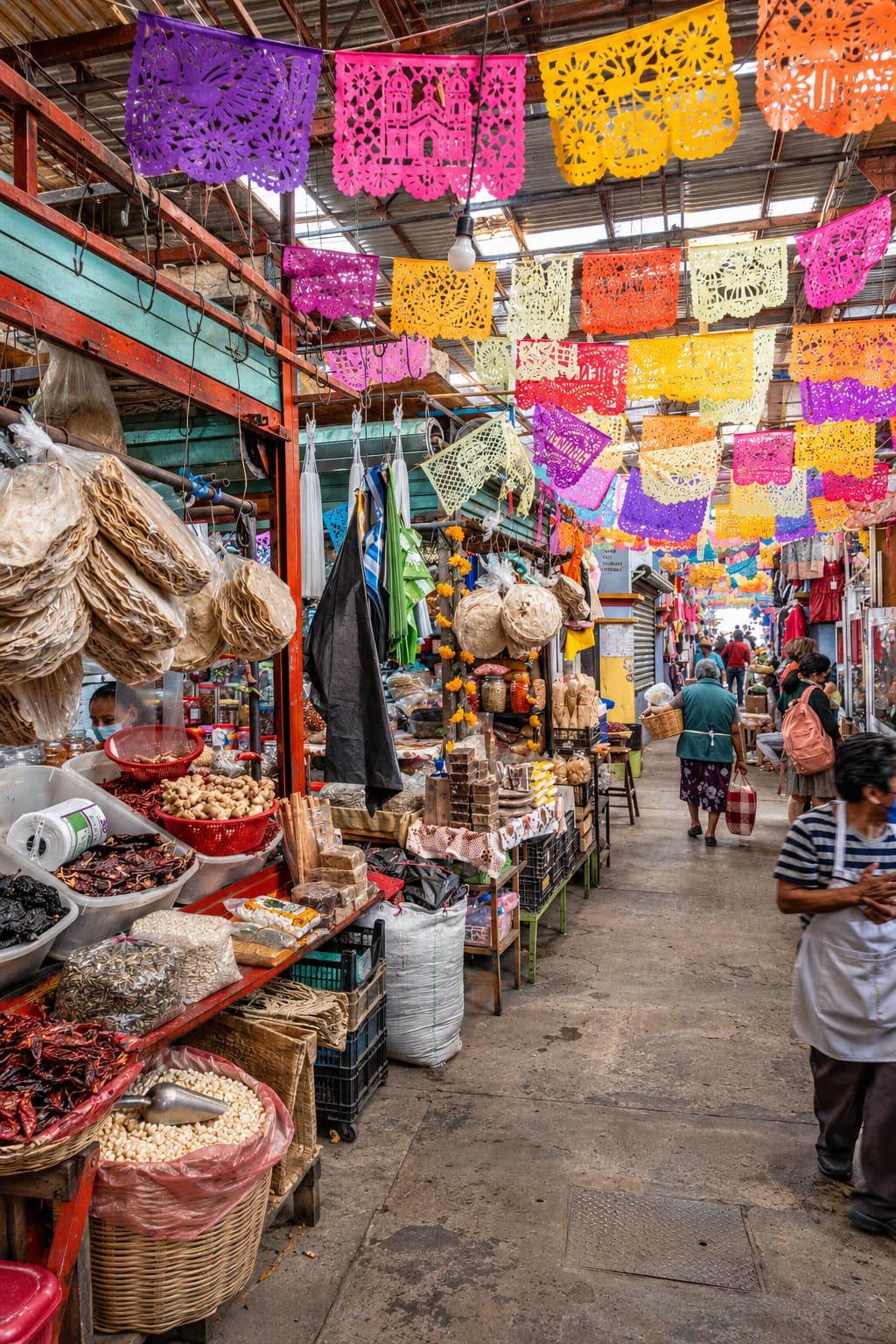
If Mexico City is the country’s variety show, Oaxaca is its specialist. The city built its reputation on mole, mezcal, and a market culture that treats both as serious craft rather than tourist theater, and that reputation is earned: this is still where a plate of tlayudas or a flight of single-village mezcal tastes like something you can’t easily replicate at home. The Monte Albán ruins sit a short drive above the city and are, for many travelers, a far quieter alternative to the Yucatán’s more famous sites.
Winter nights here run cold enough to need a real jacket, which catches people packing for “Mexico” rather than for Oaxaca’s elevation specifically. The bigger shift is visitor numbers: Oaxaca has become one of the most talked-about food destinations in the country over the past few years, and the historic center shows it in high season, with reservations now genuinely necessary at the better-known restaurants. The state carries a Level 2 advisory, the same rating as Mexico City and most of the country’s major tourist regions.
Destination 03
Mérida & the Yucatán
Yucatán state — colonial streets, cenotes, and the country’s only Level 1 rating
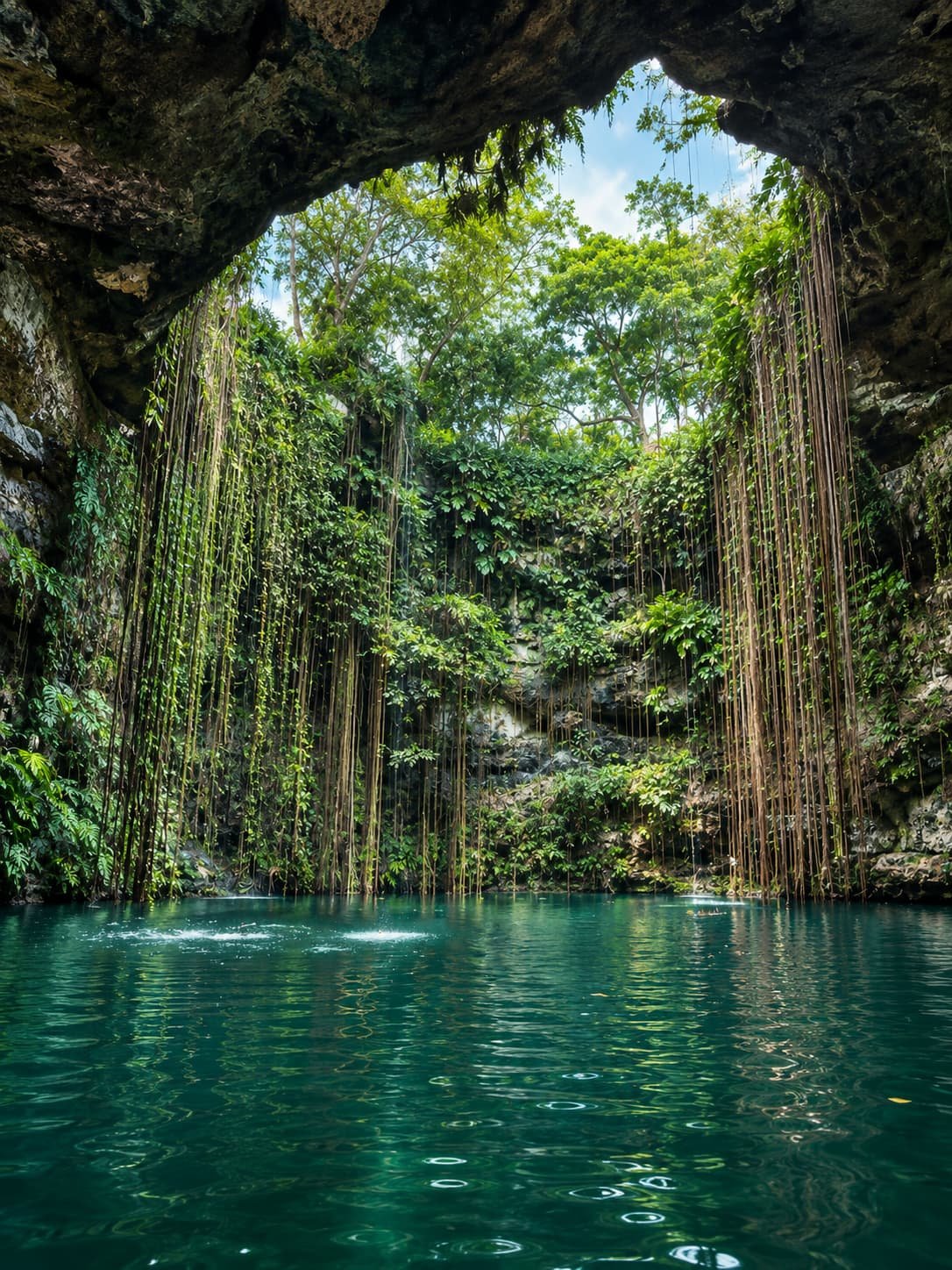
Mérida is the easiest sell on this entire list, and it’s not close. Yucatán is the only Mexican state carrying the US State Department’s safest rating, Level 1, the same category as exercising normal precautions anywhere. The city itself has leaned into restored colonial mansions and a walkable historic core, while Valladolid — an hour and a half east — makes a quieter, smaller base for the same region. Uxmal and Chichén Itzá sit within day-trip range of either town, as do dozens of cenotes that rarely show up in a first search for Mexico’s greatest hits.
Heat is the real planning constraint here, not safety. Temperatures climb fast from April onward and the humidity makes the Yucatán’s dry-season window — roughly November through March — worth protecting rather than trading away for a cheaper flight in June. Chichén Itzá’s own entry fee has drawn complaints in 2026 after a state-level surcharge stacked on top of the federal increase; Uxmal and the smaller sites nearby cost noticeably less and see a fraction of the crowds.
Destination 04
Bacalar
Quintana Roo — the “lagoon of seven colours,” and a real question about its future
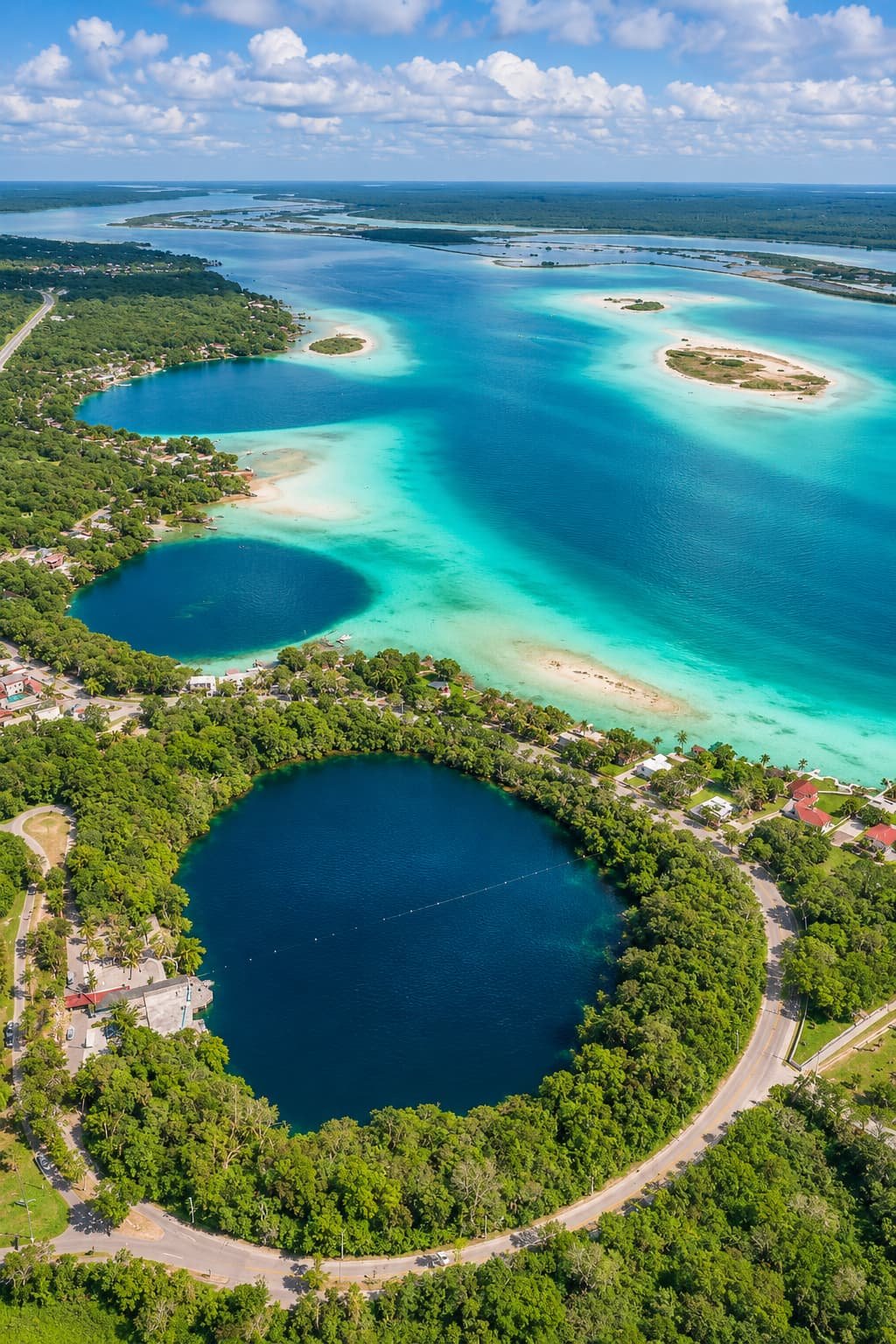
Bacalar’s color gradient is real, not a filter, and swimming straight off a public dock into water this clear is still one of the better arguments for a Quintana Roo trip that isn’t Cancún. The lagoon sits well inland, which means it skips the Caribbean coast’s sargassum problem entirely — a genuine point in its favor during the worse months further east. Sailboat and kayak tours run most of the year, and the town itself still moves at a pace closer to a fishing village than a resort.
The catch here deserves to be stated plainly rather than softened. Researchers and local officials have both flagged rising hotel occupancy and inadequate wastewater treatment as real threats to the lagoon’s water quality and its famous colour gradient, and the municipality is currently pushing homeowners and businesses to connect to the sewer system before more damage sets in. Bacalar is still worth the trip; it’s worth going with the understanding that the thing you’re there to see is under active strain.
Destination 05
Isla Mujeres
Quintana Roo — the calmest way to stay near Cancún without staying in it
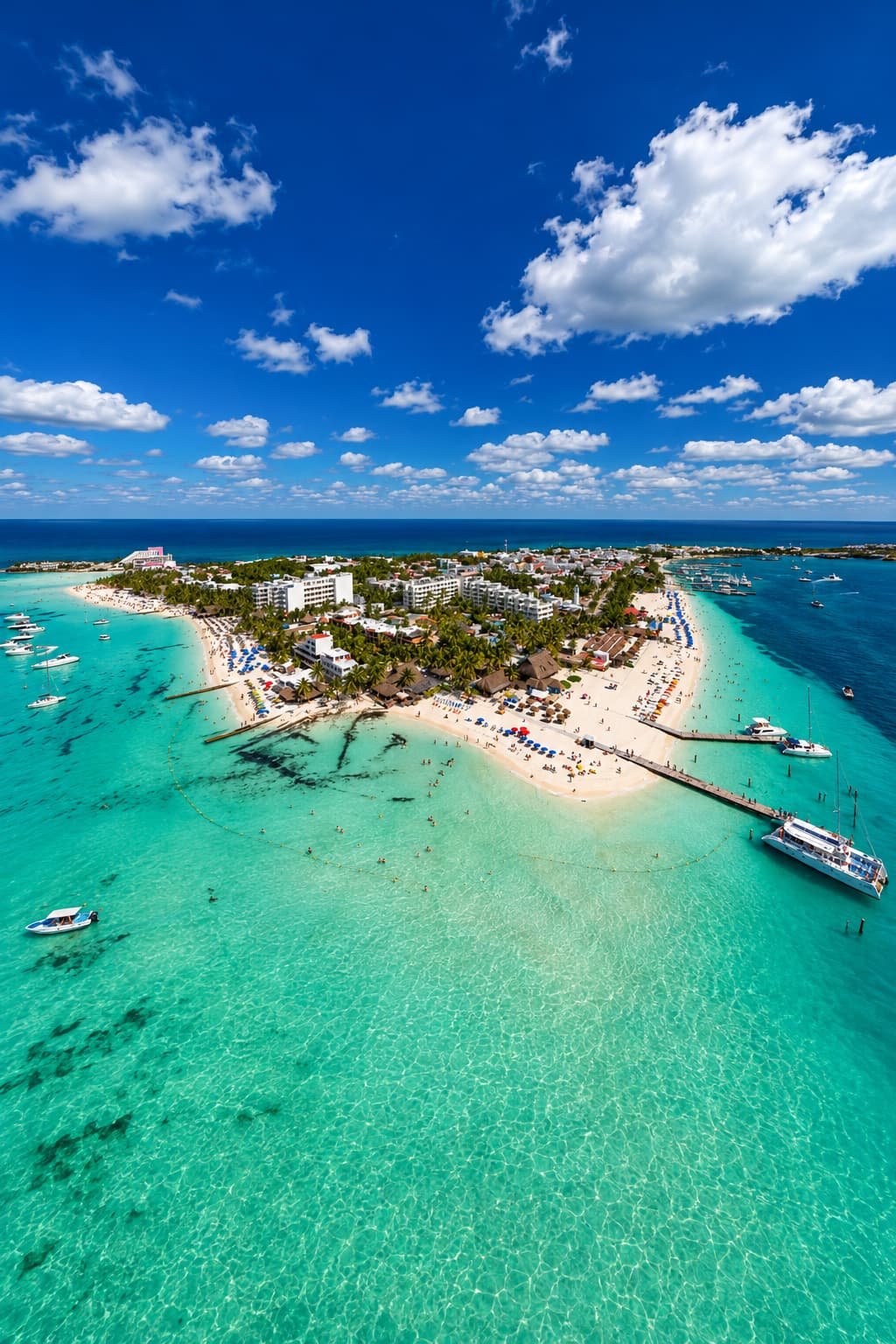
A twenty-minute ferry from Cancún’s hotel zone puts you somewhere that feels, almost immediately, like a different country. Golf carts outnumber cars, Playa Norte is consistently named one of the few Caribbean beaches on this coast that largely avoids the worst of the region’s sargassum seaweed, and the pace rewards staying two or three nights rather than treating the island as a single day trip.
That day-trip reputation is exactly the catch. Ferries from Cancún run constantly, and by late morning Playa Norte fills with visitors doing exactly what this list is suggesting — coming over for a few hours rather than staying the night. Book a room on the island itself and the crowd thins out considerably after the last afternoon ferry departs. Quintana Roo carries a Level 2 advisory, the same as the rest of this coast.
Destination 06
San Miguel de Allende
Guanajuato — a walkable colonial town, and a state advisory worth reading properly
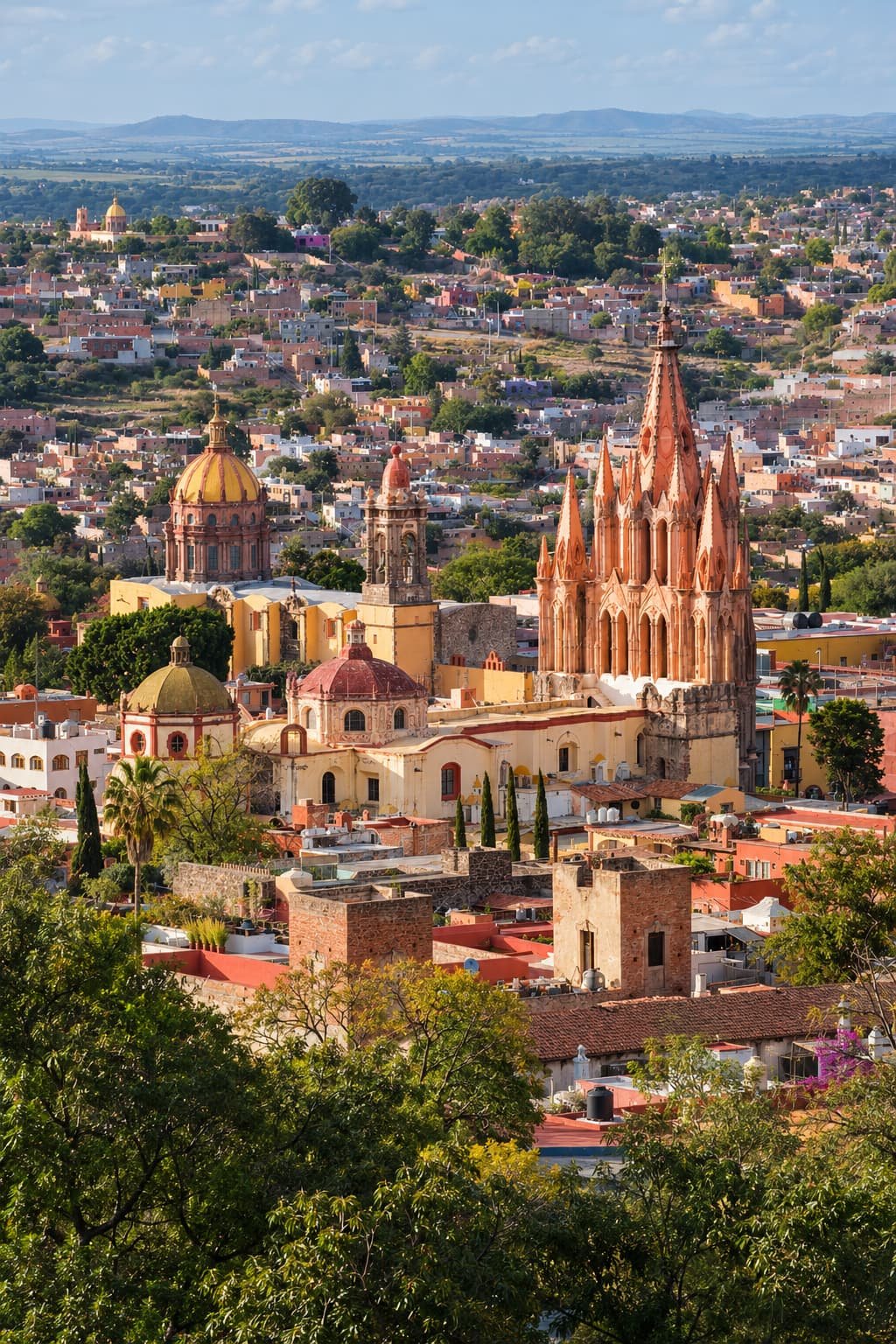
San Miguel’s historic center is genuinely one of the most walkable in the country — narrow cobblestone streets, a skyline built around the Parroquia’s pink Gothic towers, and a concentration of good restaurants and galleries that holds up against far larger cities. Winter days here are pleasant and dry; a jacket for the evenings is still worth packing.
What needs saying plainly: Guanajuato state currently carries a Level 3, “reconsider travel,” advisory from the US State Department, driven by the state’s broader crime statistics rather than anything specific to San Miguel’s tourist core. In practice, the town’s central historic district functions normally and sees heavy, uneventful tourism year-round, including a sizable community of American and Canadian retirees and second-home owners — which is itself part of why prices here run higher than almost anywhere else on this list. Read the full state advisory before booking, and treat it as a reason for the ordinary precautions any Level 3 destination warrants, not as a reason to skip the region outright.
Destination 07
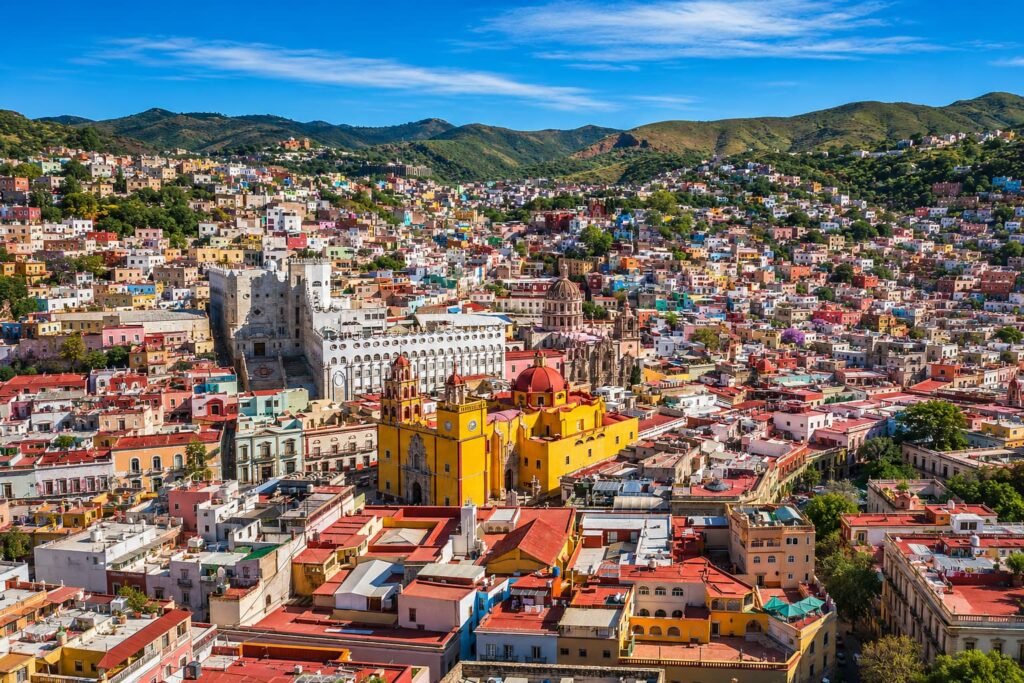
Guanajuato City
Guanajuato — colour, hills, and a university town’s energy
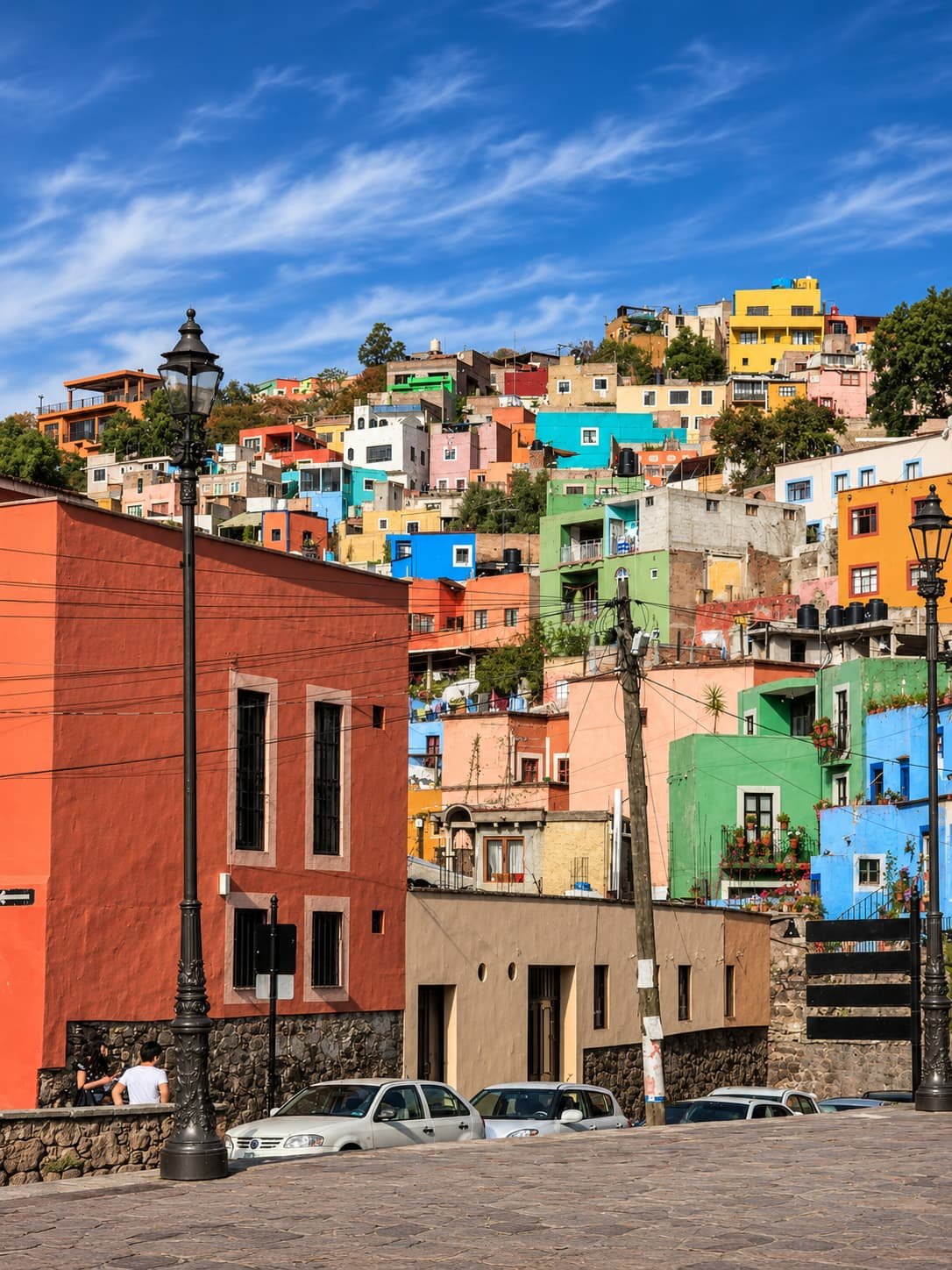
An hour from San Miguel, Guanajuato City trades manicured charm for something rowdier and more interesting: steep alleyways, underground tunnel-roads built into old mining infrastructure, and a university population that keeps the plazas loud well into the evening. The Callejoneadas — roaming groups of student musicians leading crowds through the alleys at night — are the kind of thing that doesn’t photograph well but is worth experiencing regardless.
The same state-level Level 3 advisory that applies to San Miguel applies here, for the same reasons. Guanajuato City’s own tourist core, centered on the Jardín Unión and the university district, sees no specific restriction and functions as a normal, busy Mexican city. Pair the two towns on the same trip rather than choosing between them — the contrast is part of the point.
Destination 08
Puebla & Cholula
Mole poblano, and the pyramid with a church built on top of it
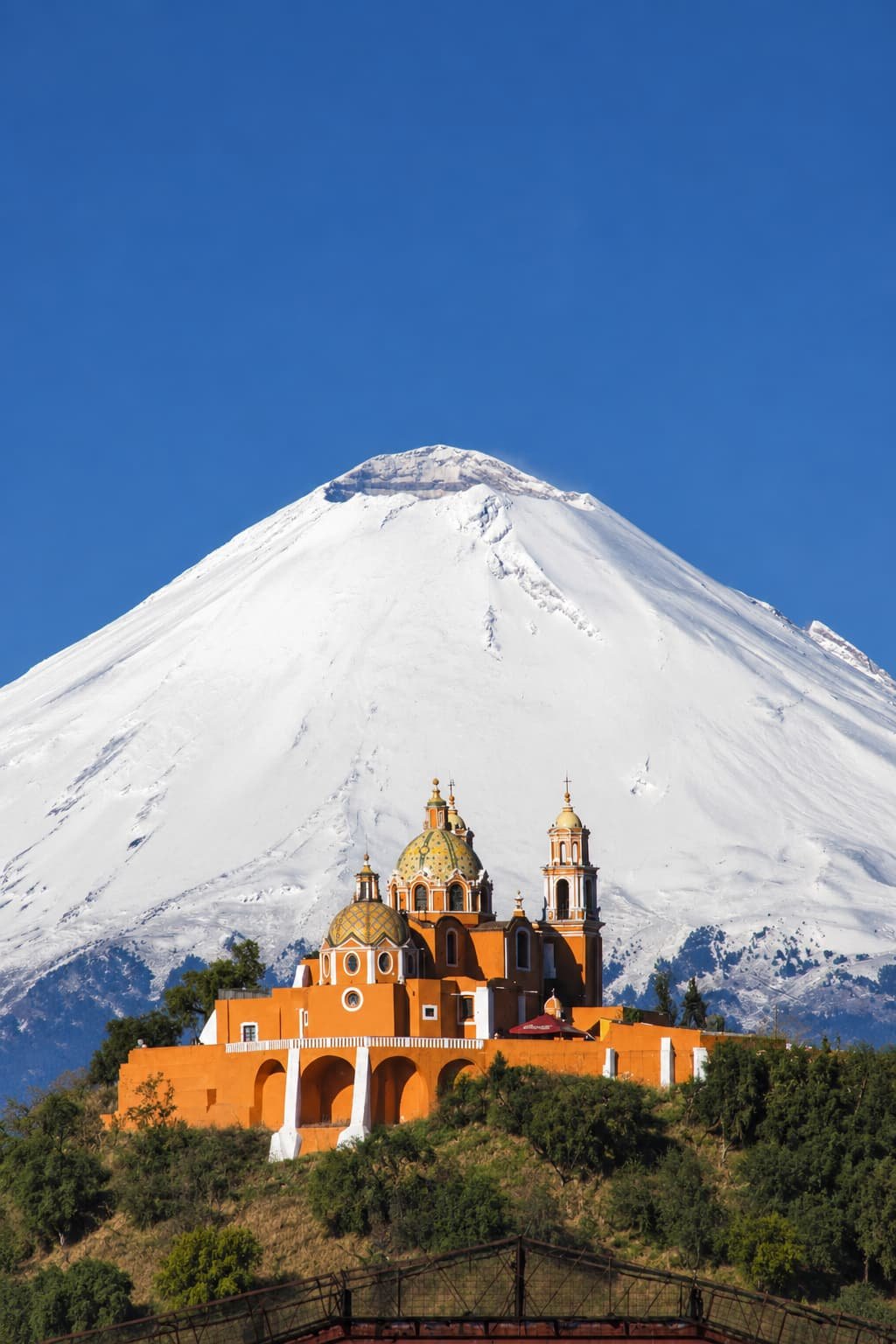
Puebla gave Mexico mole poblano and a Talavera tile tradition you’ll see on building facades across the historic center, and both are reason enough to come. Fifteen minutes away in Cholula sits the largest pyramid by volume on earth — not that it looks like one anymore, since a 16th-century church sits directly on top of it, with Popocatépetl smoking quietly in the background on a clear day.
The honest catch is that Puebla rarely gets its own trip. Its two-hour distance from Mexico City makes it an easy day trip by bus, and most visitors treat it that way, which means the city’s slower pleasures — a proper sit-down mole dinner, an evening walk through the Zócalo once the day-trippers have left — go unexperienced by people who could have had them. Puebla state carries a Level 2 advisory, consistent with the central Mexico corridor around it.
Destination 09
La Paz & Todos Santos
Baja California Sur — the Sea of Cortez, and whale season done quietly
La Paz does what Los Cabos, an hour and a half south, mostly doesn’t anymore: it still feels like a working Mexican town with a spectacular bay attached, rather than a resort corridor. Whale-watching season runs roughly mid-December through April, with blue whales off La Paz and Loreto and gray whales in the sheltered lagoons further up the peninsula, peaking in February and March. Todos Santos, a surf and arts town on the Pacific side, makes a quieter alternative base with its own distinct character.
The tradeoff: this entire region gets crowded fast once peak season starts in mid-December, as whale season and the winter holiday rush land in the same few weeks. Visiting in the mid-October-to-early-December window trades peak wildlife density for dramatically thinner crowds and better rates, and the whales are already arriving by late November regardless. Baja California Sur carries a Level 2 advisory.
Destination 10
The Riviera Maya (Tulum & Playa del Carmen)
Quintana Roo — an honest entry: genuinely beautiful, genuinely expensive
This entry gets the honest treatment the rest of the internet rarely gives it. The cenotes near Tulum and Playa del Carmen are among the best diving and snorkeling anywhere in the country, the Tulum ruins really do sit on a clifftop above the Caribbean in a way few archaeological sites can match, and the nightlife along the coast is real and still drawing people for exactly that reason.
None of that erases the catch. Prices here have climbed well past what the rest of this list charges for comparable experiences, crowds at the Tulum ruins can be heavy by mid-morning, and the foreign-visitor entry fee at Tulum jumped from roughly 100 to 209 pesos at the start of 2026 as part of a nationwide increase at major sites. If budget or crowd tolerance is a real constraint, Bacalar and Isla Mujeres deliver more of this coast’s appeal for less friction.
Destination 11
Holbox
Quintana Roo — a car-free island, kept brief here on purpose
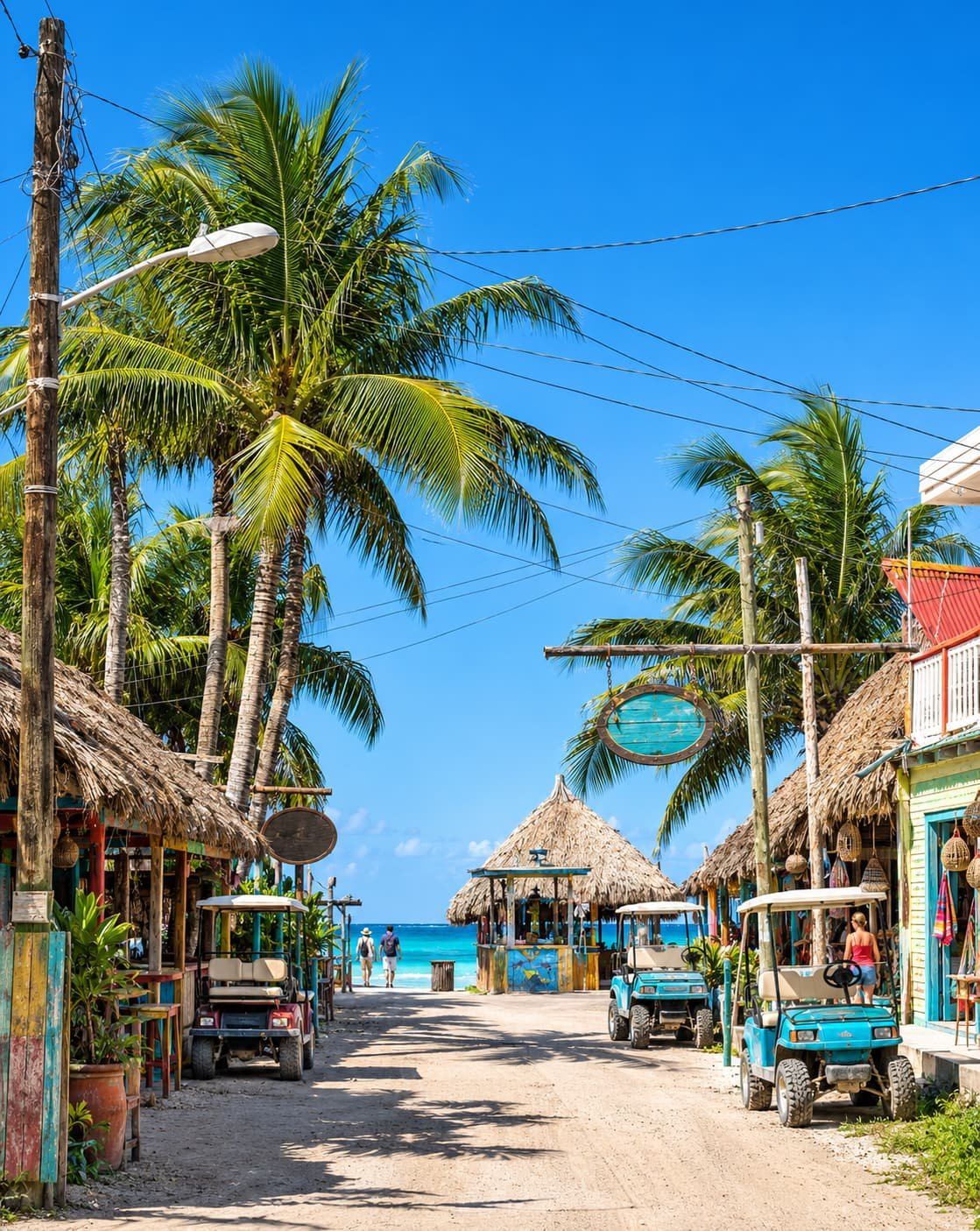
Holbox earns its spot on sand streets alone — no cars, golf carts and bicycles only, and a slower rhythm than almost anywhere else in Quintana Roo. The island’s shallow, warm water and bioluminescence season add real reasons to stay beyond a single sunset photo. This entry stays short because the detail that matters most — exactly when to go and how to get there — is already covered properly elsewhere on this site; see the related reading below for the full breakdown.
Book the ferry crossing and your onward connection in advance during peak months. Holbox has limited infrastructure relative to its growing popularity, and that gap shows up fastest in transport logistics rather than anything else.
Destination 12
San Cristóbal de las Casas
Chiapas — highland culture, markets, and a state advisory that needs context
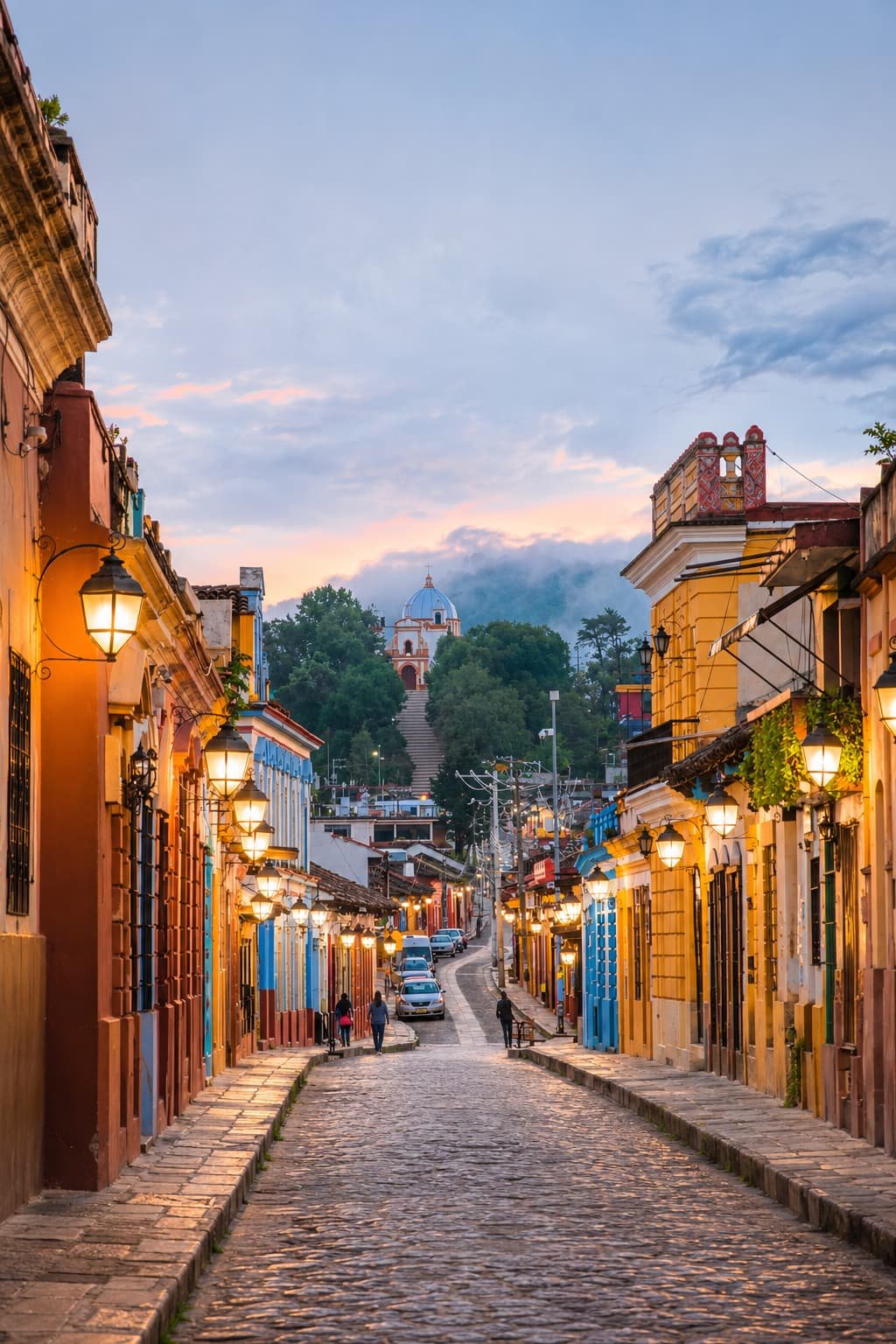
San Cristóbal sits above 2,100 meters in the Chiapas highlands, and the altitude shift from a Caribbean-coast trip is genuinely noticeable — plan the first day or two accordingly, the same advice that applies to arriving in Mexico City. The town itself is one of the most culturally distinct stops on this list, with nearby indigenous communities, a strong textile and craft market, and day trips to Sumidero Canyon and the Palenque ruins within reach.
Chiapas carries a Level 3, “reconsider travel,” advisory from the US State Department, and the context matters here rather than the number alone. That rating is driven almost entirely by the Guatemala border zone and remote eastern jungle routes, not by San Cristóbal’s historic center or the standard Tuxtla–San Cristóbal–Palenque corridor most visitors actually travel. The more common disruption on that corridor is a highway blockade, or bloqueo — a labor or community protest that can close a road for hours, not a safety incident aimed at tourists. Check conditions on Highway 199 toward Palenque before any day trip, and skip independent travel toward the border region entirely.
04 — Mexico in Winter: Where to Go December to March
Winter is when most of the best places to visit in Mexico hit their stride, weather-wise. Most of the country sits in its dry season from roughly November through April, which is exactly why winter dominates US search interest in Mexico travel every year — Cancún and Los Cabos consistently top Tripadvisor’s own winter travel index of international searches from US travelers. The three regions on this list split cleanly by what winter actually does for them. If Mexico’s timing doesn’t line up with your dates, our month-by-month guide to where to go in February covers other reliable warm-weather options.
The Caribbean coast
Quintana Roo is at its best for beach time in winter specifically because sargassum season has mostly wound down. The seaweed typically peaks between May and August and can run heavy into early autumn in bad years, which 2026 has been; the window from November through February is consistently the clearest stretch of water on this coast.
Baja California Sur
Whale season officially opens mid-December and runs through April, with blue whales peaking earliest and gray whales building toward a February–March peak. Visiting before mid-December trades the heaviest whale density for a noticeably quieter, cheaper trip, since the holiday travel surge and whale season arrive in the same few weeks.
The highlands
Mexico City, Oaxaca, San Miguel de Allende, and San Cristóbal de las Casas all share the same winter pattern: sunny, mild days and genuinely cold nights, particularly above 2,000 meters. Pack for both extremes rather than assuming “Mexico” means warm after dark.
05 — Is Mexico Safe? What the State Advisories Actually Mean
Mexico as a country carries a single Level 2, “exercise increased caution,” rating from the US State Department — the same category assigned to France, Italy, and the United Kingdom. Context matters more than the headline here, especially when you’re weighing the best places to visit in Mexico against a single scary advisory number. What actually matters for trip planning is that the State Department rates each of Mexico’s 32 states individually, and those ratings vary a great deal.
The four levels
| Level 1 |
Exercise normal precautions. Currently only Yucatán and Campeche. |
| Level 2 |
Exercise increased caution. Covers most of the states on this list: Quintana Roo, Baja California Sur, Mexico City, Oaxaca, Puebla, and others. |
| Level 3 |
Reconsider travel. Includes Guanajuato, Jalisco, Chiapas, Baja California, Chihuahua, Morelos, and Sonora. |
| Level 4 |
Do not travel. Colima, Guerrero, Michoacán, Sinaloa, Tamaulipas, and Zacatecas — none of which appear on this list. |
Even inside a Level 3 state, the restriction almost always targets a specific zone — a border region, a stretch of highway, a rural area away from tourist infrastructure — rather than the whole state uniformly. San Miguel de Allende and Guanajuato City’s own historic centers see no restriction despite the state’s overall Level 3 rating, for example, and the same pattern holds for San Cristóbal de las Casas in Chiapas.
💡 Practical Advice That Actually Helps
Use registered taxis or ride-hailing apps rather than hailing a cab on the street, particularly after dark. Stick to well-known tourist areas and avoid driving unfamiliar highways at night, since that’s where most advisory-level incidents concentrate. Enroll in the US State Department’s free STEP program before you go, and check the advisory for your specific states again within a week of departure — these ratings do shift.
06 — Costs and Fees for 2026/27
Budgeting well is part of choosing the best places to visit in Mexico for your trip, and three separate charges changed for foreign visitors heading into this travel season — easy to confuse with one another if you don’t know what’s new.
The non-resident fee
Every foreign visitor entering Mexico for tourism owes the federal non-resident fee, known as the DNR. It rose 14.2% for 2026, from 861 to 983 pesos (roughly $53), and a further increase to 1,158 pesos has already passed the Senate for 2027, pending publication. Air travelers almost always have this bundled into their airfare rather than paying it separately on arrival.
Archaeological site fees
Foreign-visitor entry fees at the country’s most-visited ruins — Tulum, Cobá, Teotihuacán, Palenque, and others in the same top tier — roughly doubled from about 100 to around 209 pesos, effective January 1, 2026, as part of a broader update to federal museum and heritage-site fees. Domestic visitors saw a much smaller increase, from 100 to 105 pesos. Chichén Itzá carries an additional state-level charge on top of the federal fee, which has drawn enough complaints from tour operators that some suspended tours there in early 2026 in protest.
Quintana Roo’s Visitax
If your trip touches Cancún, Playa del Carmen, Tulum, Cozumel, Isla Mujeres, or Bacalar, expect the separate state-level Visitax charge of 283 pesos per foreign visitor, held flat for 2026 with no increase. It’s paid online in advance or, increasingly, checked at the airport before departure — bring the QR code from your confirmation rather than relying on the honor system.
Traveling over the holidays instead? Mexico also made our list of the best places to spend New Year’s Eve, if you want to compare it against other options before you book.
07 — Getting Around: Flights, Buses, and the Maya Train
Transport logistics shape which of the best places to visit in Mexico pair well together on one trip, and three options cover almost every route on this list:
- Domestic flights remain the fastest way to cover Mexico’s genuinely long distances — Mexico City to Mérida or La Paz is a different proposition entirely by air than by road.
- The ADO bus network connects most of the destinations on this list in reasonable comfort and remains the budget default across the Yucatán Peninsula and central Mexico alike.
- The Maya Train now completes a full loop around the Yucatán Peninsula, linking Cancún, Mérida, Chichén Itzá, Campeche, and more than thirty other stations. A sweeping April 2026 fare cut of roughly 30% also scrapped the old, higher foreign-tourist pricing tier, putting a Cancún–Chichén Itzá ticket within range of the cheapest ADO fare on the same route. Service is expanding toward 32 daily departures by the end of 2026, though the network’s biggest remaining weakness is transport from each station to the actual attraction it’s named for — budget time and a taxi or shuttle for that last leg.
08 — Combining Places: Three First Routes
These three routes are the simplest way to link several of the best places to visit in Mexico into a single trip.
Mexico City 6 days
→
Oaxaca City 4 days
Mérida 3 days
→
Valladolid 2 days
→
Bacalar 3 days
Mexico City 5 days
→
Oaxaca City 3 days
→
Mérida or the coast 5 days
Ten days covers the first two routes comfortably; the third needs closer to two weeks once a domestic flight between Oaxaca and the Yucatán is factored in. A full, detailed itinerary for any of these three combinations is worth its own dedicated guide — consider this the outline, not the finished plan.
Frequently Asked
First Trips, Safety and the Best Time to Visit
What is the best place to visit in Mexico for the first time?
Mexico City paired with Oaxaca gives first-time visitors the strongest mix of food, culture, and manageable logistics in roughly ten days, making both strong contenders for the best places to visit in Mexico on a first trip. Mérida paired with the Yucatán’s cenotes and ruins is the better pick if a slower pace and the country’s only Level 1 safety rating matter more to you than a big city.
Is Mexico safe to travel to in 2026?
Mexico overall carries a Level 2 “exercise increased caution” advisory from the US State Department, the same category as several Western European countries. Six states carry the stricter Level 4 “do not travel” rating — Colima, Guerrero, Michoacán, Sinaloa, Tamaulipas, and Zacatecas — and none of them appear on this list. Several of the states above, including Guanajuato and Chiapas, carry a Level 3 rating that in practice targets specific zones rather than their tourist cores.
What is the best time to visit Mexico?
December through April covers the dry season for most of the country, including central Mexico, the highlands, and the Caribbean coast once sargassum season has eased. Baja California Sur’s sweet spot runs a little earlier, from mid-October through early December, before whale season draws the biggest crowds. If you’re set on traveling in January specifically, our
January 2027 guide breaks down real temperatures across several warm-weather options.
Beaches, Ruins and Sargassum
Where should I go in Mexico besides Cancún?
Bacalar and Isla Mujeres are two of the best places to visit in Mexico beyond the resort strip, both delivering a calmer, less developed version of this coast’s beach appeal. Inland, Mexico City, Oaxaca, and Mérida each offer a genuinely different trip built around food, culture, and colonial architecture rather than resort infrastructure.
How much is the fee to enter Mexican ruins?
Foreign-visitor entry to the country’s top-tier archaeological sites, including Tulum, Cobá, Teotihuacán, and Palenque, rose to roughly 209 pesos per site starting January 1, 2026, after a federal fee increase that doubled the previous rate. Chichén Itzá adds a separate state-level charge on top of that federal fee.
When is sargassum season in Mexico?
Sargassum seaweed typically peaks on the Caribbean coast between May and August, though 2026 has been an unusually heavy, early-starting season. November through February is the most reliable window for clear water, with Isla Mujeres’ Playa Norte and Cozumel’s west-facing beaches among the least affected spots even during a bad season.
Maya Train and Mexico City vs Oaxaca
Is the Maya Train worth it?
It’s worth considering now more than it was at launch. An April 2026 fare cut of roughly 30% eliminated the old, higher pricing tier for foreign tourists, bringing fares close to standard ADO bus prices while adding more comfort and more daily departures. The main weakness that remains is the last-mile connection from each station to the actual site or town it serves, which often still requires a taxi.
Mexico City or Oaxaca?
Choose Mexico City for scale, museums, and nightlife, and choose Oaxaca for a tighter focus on food and craft in a smaller, more walkable setting. Most travelers with more than a week don’t need to choose — the two cities combine easily into a single ten-day trip.
✦ ✦ ✦
Cancún’s hotel zone was never the problem. It was just never the whole country — and the parts it leaves out are some of the best places to visit in Mexico, worth going back for again and again.